Most adult cats need about 1/4 to 1/2 cup of dry food per day, but the right amount depends on calories, weight, age, and activity.
If you share your home with a cat in the United States, you may pour kibble into a bowl each morning and wonder if you are giving too much or too little. A cup that works for one cat may be far too much for another. The best starting point is your cat’s daily calorie need and the calories listed on the food package.
Dry cat food varies widely in calorie content. Some cats need less food because they are small, older, or less active. Others need more because they are growing, larger, or very active. Your cat’s ideal weight, health, and whether you also serve wet food all affect the amount to feed.
This guide explains how to estimate daily portions, read a cat food label, split meals, and adjust the amount safely. The goal is to help your cat stay at a healthy weight without leaving you guessing at every meal.
Source: dhakatimes24.com
How Much Dry Food Should a Cat Eat Each Day?
A typical adult cat may need around 200 to 300 calories per day, although some need less and others need more. The amount of dry food that provides those calories depends on the product. For many common dry foods, that may equal about 1/4 to 1/2 cup daily, but this range is only a starting point, not a rule for every cat.
For example, a small indoor cat that spends most of the day resting may need fewer calories than a large, active cat. A cat that eats both kibble and canned food also needs less kibble than a cat that gets all its calories from dry food.
The feeding chart on the package can help you start. Still, package amounts are general estimates. Your cat’s ideal weight, activity, age, body condition, and health should guide the final portion.
Source: dhakatimes24.com
Small adult cat
A cat weighing around 6 to 8 pounds may need a modest daily portion, depending on its ideal body weight and energy use.
Average adult cat
A cat weighing around 8 to 10 pounds may fall near the middle of a product’s adult feeding chart, but calorie needs still vary.
Large adult cat
A larger cat may need more food, but size alone does not justify a larger portion if the cat is overweight or has a low activity level.
Kitten
A growing kitten needs food that supports growth and may need several meals each day. Use kitten-specific feeding guidance rather than an adult cat chart.
Why There Is No Single Correct Cup Measurement
A cup measures volume, not calories. One dry food may contain 350 calories per cup, while another may contain 500 calories per cup. If you feed the same volume of both foods, your cat could receive very different amounts of energy.
That difference can slowly change body weight. A portion that looks small in a large bowl may still contain many calories. Always check the calorie statement on the specific food package before deciding how much to serve.
Use the food’s calorie value
Look for kcal per cup, kcal per kilogram, or another stated calorie measure on the package.
Check the feeding instructions
Use the manufacturer’s chart as a starting point and adjust with your veterinarian’s guidance when needed.
Estimate Your Cat’s Daily Calorie Needs
The most useful way to decide how much dry food to feed a cat per day is to estimate the cat’s daily calorie needs first. Body weight is one part of the estimate, but ideal body condition, age, activity, and health also matter.
Veterinarians may use a formula called resting energy requirement, or RER, as a starting point. One common formula is 70 multiplied by body weight in kilograms raised to the power of 0.75. The result estimates resting energy needs; it is not automatically the amount every cat should eat.
A cat’s actual daily energy requirement may be higher or lower than its RER. Adult cats with different lifestyles can have different needs, and a cat that needs to lose weight should not simply be placed on a severe food restriction. Ask your veterinarian to help set a suitable calorie target if your cat is overweight, underweight, or medically unwell.
Source: dhakatimes24.com
Weigh your cat
Use a reliable pet scale or weigh yourself while holding your cat, then subtract your own weight. A veterinary clinic can provide a more precise measurement.
Consider ideal body weight
If your cat is overweight, its current weight may not be the best basis for a weight-loss feeding plan. Ask your veterinarian to estimate a healthy target weight.
Review lifestyle and health
Indoor living, age, neuter status, movement, and certain diseases can change calorie needs.
A Simple Calorie Example
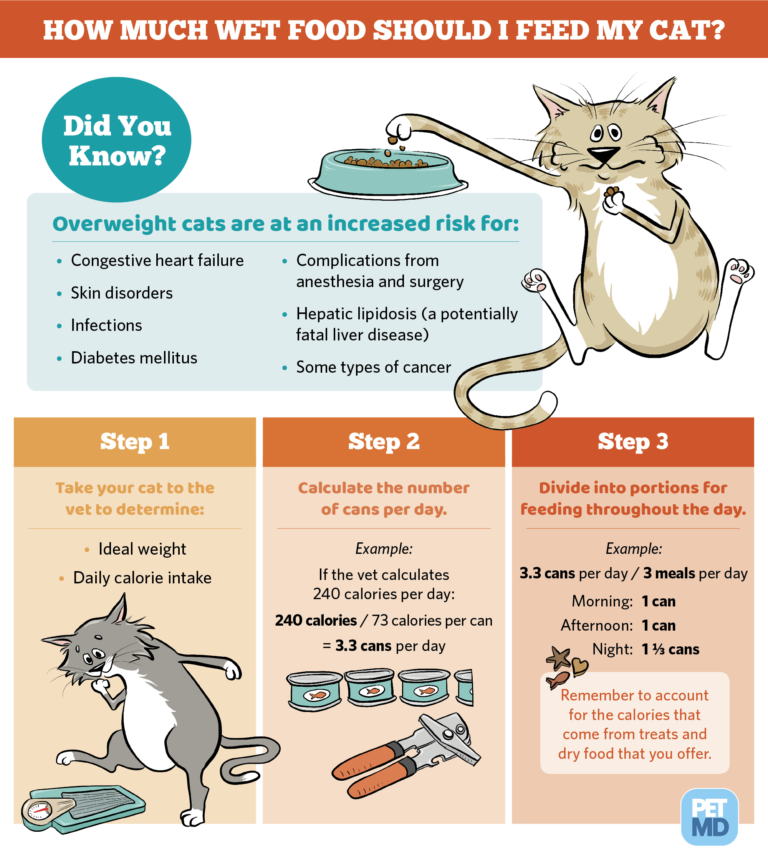
Suppose your veterinarian recommends 240 calories per day for your adult cat. The dry food label says it contains 400 calories per cup. Divide 240 by 400 to get 0.6 cup of food per day if dry food supplies the entire calorie allowance.
This is a hypothetical calculation, not a recommendation for every cat. Your cat’s appropriate calorie target may differ, and any wet food or treats must be included in the total.
Daily calorie target
240 calories in this example.
Calories per cup
400 calories per cup according to the hypothetical label.
Calculated dry-food portion
240 divided by 400 equals 0.6 cup per day, before subtracting calories from other foods.
Dry Cat Food Feeding Chart by Weight
A weight-based chart can help you estimate where to begin, but it cannot replace the feeding directions for your particular food. Cats of the same weight may need different amounts because one may be lean and active while another may be sedentary or overweight.
The table below gives broad illustrative calorie ranges for healthy adult cats. These are not individualized veterinary prescriptions. Your cat may fall outside these ranges, especially if its body condition, age, or health differs from that of a typical adult cat.
Source: dhakatimes24.com
Use the chart as a starting point
Check the feeding instructions and ask your veterinarian for a target if your cat needs weight loss or has a medical condition.
Illustrative Daily Calories and Dry-Food Portions
The portions below use an example food containing 400 calories per cup. The calorie ranges are broad estimates for planning, not universal needs. Divide the calorie target by the calories per cup on your actual package to calculate a more relevant portion.
6-pound adult cat
Illustrative estimate: about 160 to 200 calories per day, or 0.4 to 0.5 cup of a 400-calorie-per-cup food.
8-pound adult cat
Illustrative estimate: about 180 to 230 calories per day, or 0.45 to 0.58 cup of a 400-calorie-per-cup food.
10-pound adult cat
Illustrative estimate: about 200 to 260 calories per day, or 0.5 to 0.65 cup of a 400-calorie-per-cup food.
12-pound adult cat
Illustrative estimate: about 220 to 300 calories per day, or 0.55 to 0.75 cup of a 400-calorie-per-cup food.
14-pound adult cat
Illustrative estimate: about 240 to 330 calories per day, or 0.6 to 0.83 cup of a 400-calorie-per-cup food. A veterinarian should help determine whether this weight is healthy for your cat.
How to Adjust the Chart for Your Cat’s Food
If your food contains 500 calories per cup instead of 400, the same calorie target requires less food by volume. For a 240-calorie target, divide 240 by 500 to get 0.48 cup per day. If the food contains 350 calories per cup, the same target equals about 0.69 cup.
These calculations show why a universal cups-per-day rule can mislead cat owners. The calorie number on the label is the key to making a useful estimate.
High-calorie kibble
A smaller measured volume may provide the full daily calorie target.
Lower-calorie kibble
A larger volume may be needed to provide the same number of calories.
How to Calculate the Right Portion From the Food Label
You can estimate a daily dry-food portion in a few simple steps. Start with a reasonable calorie target, use the calorie information for your exact food, and count everything else your cat eats.
If your veterinarian has set a daily calorie target, use that figure. If not, the package feeding guide can help you begin, but a veterinary professional can provide a better estimate when your cat’s weight or health raises concerns.
Source: dhakatimes24.com
Step 1: Find the calorie statement
Look for a statement such as 400 kcal per cup. Some labels list calories per kilogram or per gram instead.
Step 2: Set the daily calorie allowance
Use your veterinarian’s recommendation when available. Otherwise, begin with the manufacturer’s chart and consider your cat’s age, ideal weight, and activity.
Step 3: Subtract other food calories
Account for wet food, treats, table scraps, and any calorie-containing supplements before calculating the kibble portion.
Step 4: Divide the remaining calories
Divide the calories left for dry food by the calories per cup or per gram listed on the package.
Step 5: Measure the amount
Use a measuring cup or, for better precision, a kitchen scale and the food’s stated calorie density.
A Formula You Can Use at Home
Use this simple formula when your food lists calories per cup: daily calories available for dry food divided by calories per cup equals cups of dry food per day.
For example, if your cat has a daily allowance of 250 calories and receives 50 calories from wet food and treats, 200 calories remain for kibble. With a food containing 400 calories per cup, the daily portion is 200 divided by 400, or 0.5 cup.
This formula is useful only when the calorie target is appropriate for your cat. The arithmetic can be exact while the starting calorie estimate is wrong, so seek veterinary advice when you need a weight-management plan.
Write down the daily total
Record the planned portion and include every treat or extra meal to avoid accidental overfeeding.
Recheck after a food change
Different recipes can have different calorie densities, even when the serving size on the package looks similar.
How Often Should You Feed Dry Food to a Cat?
Most healthy adult cats do well with measured food divided into two or more meals per day. Two meals, one in the morning and one in the evening, can fit a typical workday in the United States. Some cats do better with three or four smaller meals.
Cats often prefer several small meals rather than one large meal. Smaller portions may also make it easier to track intake and prevent a hungry cat from eating its entire daily allowance at once.
Choose a schedule that fits your household and your cat’s needs. The important point is to measure the total daily amount first, then divide it across meals. Adding a full portion at every feeding can quickly lead to overfeeding.
Source: dhakatimes24.com
Two meals daily
Divide the total daily ration into a morning meal and an evening meal.
Three or four meals daily
Split the same daily amount into smaller servings if your cat prefers frequent meals or needs a structured feeding schedule.
Automatic feeder
A timed feeder can dispense measured meals while you are away, but check that it works correctly and that other pets cannot steal the food.
Puzzle feeder
A food puzzle can add activity and slow eating. Count every piece of kibble used in the puzzle as part of the daily ration.
Is Free-Feeding Dry Food a Good Idea?
Free-feeding means leaving dry food available throughout the day. It may work for some cats that maintain a healthy weight and can regulate their intake, but it makes portion control harder for cats that eat whenever food is available.
If your cat is gaining weight, steals food from another pet, or eats too quickly, measured meals are usually easier to manage. In a home with several cats, separate feeding areas can help you track how much each cat actually eats.
Free-feeding may suit
A cat that maintains a stable, healthy weight and reliably eats an appropriate amount.
Measured meals may suit
A cat that gains weight, needs a diet plan, or competes with other pets for food.
How Much Dry Food Should Kittens Eat?
Kittens need food that supports rapid growth, so adult cat portions are not suitable for them. Their energy needs change as they grow, and their small stomachs make several meals a day useful.
Choose a complete and balanced food labeled for kitten growth or for all life stages, as appropriate. Follow its age- and weight-based feeding directions, then ask your veterinarian to review growth and body condition during routine visits.
Very young kittens may need special feeding plans, especially if they are orphaned or have not been weaned. Do not use ordinary adult kibble as the sole diet for a young kitten that cannot yet eat solid food safely.
Source: dhakatimes24.com
Young kittens
Kittens that are still nursing or transitioning to solid food need age-appropriate care and feeding advice.
Growing kittens
Offer several measured meals each day and monitor weight gain, appetite, and stool quality.
Kittens approaching adulthood
Continue to use growth-stage feeding guidance until your veterinarian recommends a transition to adult food.
How Often Should a Kitten Eat?
Many kittens benefit from three or four meals daily, although the best schedule depends on age, food type, and individual needs. The total daily ration should come from the package instructions and your veterinarian’s advice, not from dividing an adult cat’s portion into smaller meals.
Check your kitten’s weight and growth regularly. Poor weight gain, ongoing diarrhea, vomiting, weakness, or reduced appetite should prompt a call to a veterinarian.
Use a growth diet
Select food labeled complete and balanced for kitten growth or another appropriate life stage.
Track growth
Regular weight checks help show whether your kitten is developing as expected.
How Much Dry Food Should an Indoor Cat Eat?
Indoor cats may need fewer calories than cats that spend much of the day moving outdoors, but indoor living does not automatically mean a cat needs a very small portion. Play, body size, age, and metabolism all affect energy use.
A cat that sleeps on the couch most of the day may gain weight if its food intake exceeds its energy needs. Another indoor cat that runs, climbs, and plays often may need more calories. Observe your cat rather than relying on an indoor label alone.
Use measured meals and make daily play part of the routine. Wand toys, climbing areas, and food puzzles can encourage movement without changing the calorie target unnecessarily.
Source: dhakatimes24.com
Watch body condition
You should generally be able to feel your cat’s ribs beneath a light layer of fat, and the cat should have a visible waist from above.
Encourage movement
Short play sessions spread across the day can help an indoor cat stay active.
Adjust with care
If your cat gains weight, review the total calories and seek veterinary guidance before making a major reduction.
Signs Your Indoor Cat May Be Eating Too Much
A steadily widening waist, difficulty feeling the ribs, and gradual weight gain can suggest that your cat is getting more calories than it uses. These signs are more useful than judging portion size by how empty the bowl looks.
Weight changes can also reflect illness, fluid buildup, or other health problems. If the change is sudden or comes with other symptoms, arrange a veterinary examination instead of assuming food is the cause.
Gradual weight gain
Measure food and treats for several days and review the daily total.
Reduced activity
Look for changes in play or mobility and discuss them with your veterinarian.
Sudden body changes
Seek veterinary advice if weight changes quickly or occur with vomiting, weakness, or other signs of illness.
How Much Dry Food Should an Overweight Cat Eat?
An overweight cat may need fewer calories than a cat at a healthy weight, but a safe feeding target should be based on a veterinary assessment. Simply cutting the current portion in half can leave a cat short of important nutrients and may be unsafe if weight loss is too rapid.
Cats should lose excess weight gradually under a suitable plan. Your veterinarian can estimate a target weight, set a calorie allowance, and suggest a complete diet that provides the nutrients your cat needs while reducing calories.
Do not let an overweight cat go without food to force weight loss. Cats that eat too little or stop eating can develop serious health problems, including hepatic lipidosis, a dangerous buildup of fat in the liver.
Source: dhakatimes24.com
Get a target weight
Ask your veterinarian what a healthy weight and body condition look like for your cat.
Measure all calories
Include kibble, wet food, treats, and food given by other household members.
Track progress
Weigh your cat at intervals recommended by your veterinarian and adjust the plan when needed.
Avoid crash diets
Never use fasting or severe food restriction as a do-it-yourself weight-loss method.
What If Your Cat Always Seems Hungry?
A cat may beg for food because of habit, boredom, a feeding schedule that does not suit it, or a medical issue. Begging alone does not prove that the daily portion is too small.
Try dividing the measured daily ration into more meals or using a food puzzle. If hunger is new, extreme, or paired with weight loss, increased thirst, or frequent urination, contact your veterinarian because illness can affect appetite and metabolism.
Use smaller meals
Divide the daily ration into several servings without increasing the total calories.
Review recent changes
Check whether food, treats, activity, or household routines have changed.
Check unusual hunger
Arrange a veterinary assessment if appetite changes sharply or other symptoms appear.
How to Measure Dry Cat Food Accurately
Accurate measuring makes it easier to keep your cat’s calorie intake steady. A small daily excess may seem harmless, but repeated extra portions can add up over time.
A standard measuring cup is better than guessing with a bowl or handful. A digital kitchen scale can be more precise, especially if the food package gives a serving weight in grams and the food pieces vary in size.
Source: dhakatimes24.com
Use the same method
Measure portions with the same cup or scale each day so the amount stays consistent.
Prepare the daily ration
Measure the full day’s kibble in the morning and divide it among meals.
Record extras
Write down treats, food used in training, and any extra portions.
Store food safely
Keep kibble in a cool, dry place in a sealed container or its original bag inside a suitable container.
Why a Kitchen Scale Can Help
Kibble pieces can differ in shape and size, so two loosely filled cups may not contain exactly the same amount. Weighing food in grams can reduce this variation when the package provides the relevant serving information.
If the label lists calories per kilogram, divide that number by 1,000 to find calories per gram. For example, a food with 4,000 calories per kilogram provides 4 calories per gram. A 200-calorie dry-food allowance would equal 50 grams of that food.
This is a hypothetical example. Use the actual calorie density on your cat’s package and a suitable daily calorie target.
Check the units
Do not confuse calories per cup with calories per kilogram or calories per gram.
Use a level cup
If measuring by volume, avoid heaping the cup or packing kibble into it.
How Much Dry Food Can You Feed With Wet Food?
If your cat eats both dry and wet food, the two portions must share the same daily calorie allowance. Do not feed a full dry-food ration and then add a full can of wet food unless the total has been planned to meet your cat’s needs.
Mixed feeding can be useful for cats that enjoy different textures, but the calorie content of canned food varies by recipe and serving size. Check the label for calories per can, pouch, or gram rather than judging by how much food fills the bowl.
For example, if a cat has a 250-calorie daily allowance and receives 80 calories from wet food and treats, 170 calories remain for dry food. If the kibble contains 400 calories per cup, divide 170 by 400 to get about 0.43 cup per day.
Source: dhakatimes24.com
Read both labels
Check the calorie content of the dry food and the wet food you actually serve.
Count treats
Treats also contribute calories and should not be ignored when calculating the dry-food portion.
Keep fresh water available
Cats eating dry food should always have access to clean drinking water.
Should a Cat Eat Only Dry Food?
A complete and balanced dry cat food can meet a cat’s nutritional needs when fed in suitable amounts. The important label detail is that the food is intended to be a complete diet for the cat’s life stage.
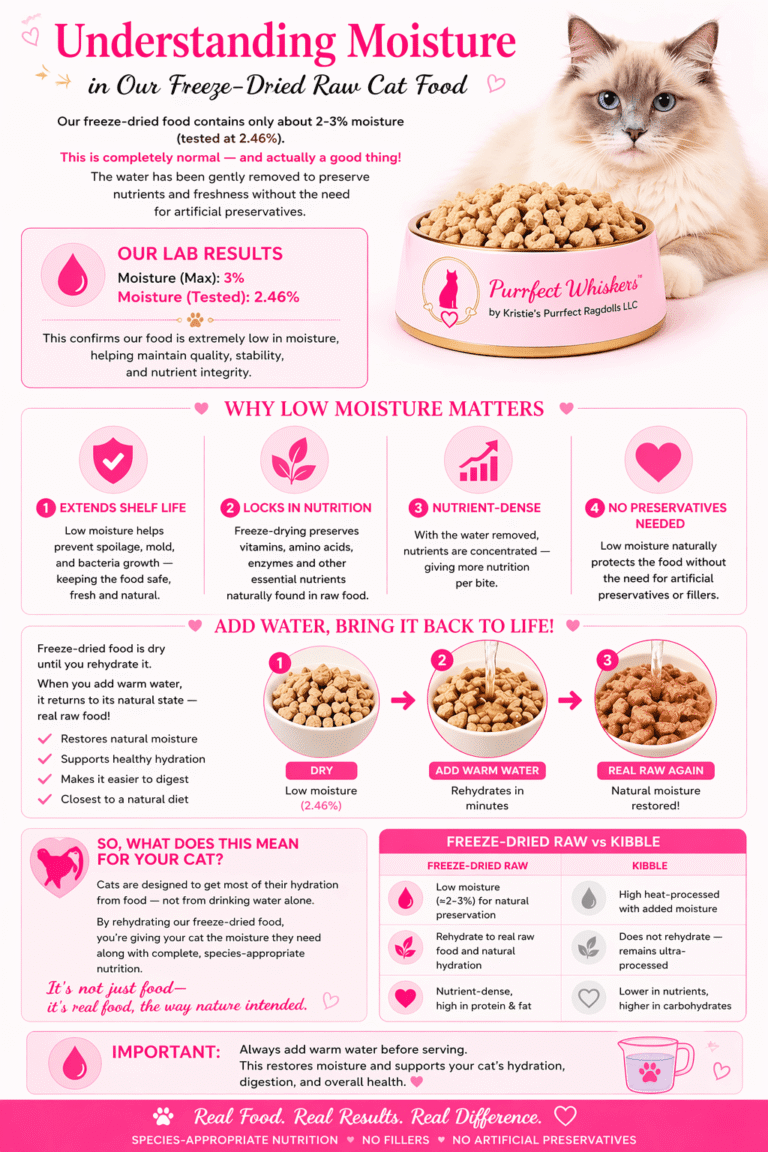
Wet food contains more moisture and can help increase water intake through meals. Some cats do well on dry food alone, while others benefit from mixed feeding. Your cat’s preferences, hydration, health, and veterinary advice can help guide the choice.
Dry-food diet
Measure the daily ration and provide clean water at all times.
Mixed diet
Reduce the dry portion to account for calories supplied by wet food.
Common Cat Feeding Mistakes to Avoid
Most portion problems happen because owners guess, overlook extras, or follow a general chart without checking whether it suits their cat. A few small changes can make daily feeding more consistent.
Look at the whole feeding routine rather than one bowl. The right amount includes every meal, treat, food reward, and other calorie source your cat receives during the day.
Source: dhakatimes24.com
Filling the bowl whenever it looks empty
A cat may finish food quickly even when it has received enough calories. Measure the daily amount before serving meals.
Using the same portion after changing foods
A new recipe may contain more or fewer calories per cup. Recalculate the portion using the new label.
Ignoring treats
Treats, table scraps, and food rewards all contribute to daily energy intake.
Feeding according to appetite alone
Some cats beg for food even when their calorie intake is adequate. Check body condition and weight instead.
Restricting food too sharply
Sudden severe restriction can be dangerous, particularly for overweight cats. Use a gradual, veterinarian-guided plan.
Forgetting fresh water
Dry food has little moisture compared with wet food. Keep clean water available and monitor changes in drinking habits.
When Should You Contact a Veterinarian?
A veterinarian can help when your cat’s weight is changing, you cannot find a suitable portion, or a health condition may affect diet. Cats with kidney disease, diabetes, urinary problems, digestive disease, or other medical concerns may need individualized food and feeding instructions.
Contact a veterinarian promptly if your cat stops eating, especially if it is overweight or already unwell. Seek urgent advice if your cat has repeated vomiting, marked weakness, trouble breathing, or other severe symptoms. Do not assume a sudden appetite change is just a feeding problem.
Unplanned weight loss or gain
Arrange an examination if weight changes without a clear explanation.
Sudden appetite change
Ask for veterinary advice when your cat suddenly refuses food or becomes unusually hungry.
Special diet needs
Follow a veterinarian’s plan if your cat has a medical condition or needs controlled weight loss.
How to Tell Whether You Are Feeding the Right Amount
The best sign of a suitable feeding amount is a cat that maintains a healthy body condition over time. Your cat should generally have a visible waist when viewed from above, and you should be able to feel the ribs without pressing hard.
A single weigh-in does not tell the whole story. Weigh your cat regularly under similar conditions and keep a simple record of portions, treats, and body weight. A gradual trend is more useful than a small change from one day to the next.
If your cat gains weight over several weeks, the current calorie intake may be too high for its needs, although health issues can also affect weight. If your cat loses weight without a planned diet, contact your veterinarian to look for an underlying cause.
Source: dhakatimes24.com
Check body shape
Look for a waist behind the ribs and a modest abdominal tuck, while remembering that body shape varies among cats.
Feel the ribs
The ribs should usually be easy to feel beneath a thin layer of fat.
Track weight
Use regular measurements to see whether the feeding plan is working.
Review portions
If body condition changes, check the actual amount served and all extra calories before making a careful adjustment.
What If Your Cat Gains Weight Despite Measured Portions?
First, check whether every household member is feeding the cat and whether treats or food from other pets add extra calories. Confirm the food’s calorie density and make sure your measuring method is consistent.
If the weight trend continues, ask your veterinarian to review the calorie target and assess your cat’s health. Do not keep cutting the ration without guidance, because the correct plan must provide enough nutrients as well as fewer calories.
Audit the food routine
Record all meals, treats, table scraps, and food taken from other pets.
Recheck the label
Confirm the current food’s calories per cup or gram.
Seek a professional review
Ask your veterinarian to assess the target weight and daily calorie allowance if weight gain continues.
Frequently Asked Questions
Q
Is 1/2 Cup of Dry Food a Day Enough for a Cat?
It can be enough for some cats, but not for every cat. Half a cup of kibble containing 400 calories per cup provides 200 calories, while half a cup of food containing 500 calories per cup provides 250 calories. Compare the food’s calorie content with your cat’s daily needs before deciding whether the portion is suitable.
Q
How Many Times a Day Should I Feed My Cat Dry Food?
Many healthy adult cats do well with two or more measured meals per day. Some prefer three or four smaller meals. Divide the total daily ration across those meals instead of giving a full daily portion at every feeding.
Q
Can I Leave Dry Food Out All Day?
Some cats can maintain a healthy weight with free access to dry food, but others eat too much when food is always available. If your cat gains weight, competes with other pets, or needs portion control, measured meals are usually easier to manage. Keep dry food clean, fresh, and protected from moisture and pests.
Q
Should I Feed My Cat More If It Keeps Begging?
Not always. Begging can reflect habit, boredom, a preference for frequent meals, or a health issue. Check your cat’s body condition and daily calorie intake before increasing the portion. If hunger becomes unusually strong or occurs with weight loss or increased thirst, contact a veterinarian.
Q
How Much Dry Food Should I Feed a 10-Pound Cat?
A 10-pound adult cat may need roughly 200 to 260 calories per day as a broad illustrative estimate, but its actual need may be outside that range. With kibble containing 400 calories per cup, that example would equal about 1/2 to 0.65 cup if dry food supplied all the calories. Use your cat’s ideal weight, body condition, food label, and veterinary advice to set the right amount.
Q
How Much Dry Food Should a Cat Eat With Wet Food?
Subtract the calories from wet food and treats from the daily calorie allowance, then divide the remaining calories by the kibble’s calorie content per cup or gram. For example, if 170 calories remain and the dry food has 400 calories per cup, the dry portion is about 0.43 cup. This method helps prevent accidental overfeeding.
Q
Is Dry Food Alone Enough for My Cat?
A complete and balanced dry food suitable for your cat’s life stage can provide the nutrients needed in its diet when fed in the right amount. Dry food contains less moisture than canned food, so clean drinking water should always be available. Your veterinarian can help you decide whether a dry-only or mixed feeding plan suits your cat’s needs.
✦ Wrapping Up
Conclusion
The right amount of dry food for a cat depends on daily calorie needs, ideal body weight, age, activity, health, and the calorie content of the food. Although many adult cats eat around 1/4 to 1/2 cup daily, that range cannot replace an individual feeding plan. A smaller portion of calorie-dense kibble may provide as much energy as a larger portion of another food.
Start by checking the feeding guide and calorie statement on your cat’s package. Calculate how much food fits the daily allowance, include treats and wet food, and divide the total into measured meals. Track weight and body condition over time, and ask your veterinarian for help if your cat needs to lose weight, gains weight unexpectedly, or has a change in appetite.
💡 Key Takeaway
Today, check your cat’s weight and the calories per cup on its food label. Measure the daily ration, count every treat and other food, provide fresh water, and arrange a veterinary review if you are unsure about the right calorie target.