A cat may survive for days without food if water is available, but going without food for 24 hours can be dangerous. Without water, dehydration can become serious within a day or sooner, depending on the cat’s health and surroundings. Never use survival estimates as a safe waiting period.
For cat owners in the United States, a missed meal may happen during a move, a holiday trip, a power outage, or a sudden change in routine. A cat may also stop eating or drinking because of pain, nausea, illness, stress, or trouble reaching its bowls. The reason matters, but so does the time since the cat last ate or drank.
Food and water serve different needs. A cat can sometimes go longer without food than without water, yet a lack of either can become dangerous. veterinary guidance from Cornell University College of Veterinary Medicine and VCA Animal Hospitals stresses that appetite loss can signal illness and that a cat that has not eaten properly for 24 hours needs prompt veterinary attention.
If your cat has stopped eating and drinking, contact a veterinarian today rather than waiting to see how long the animal can last. Seek emergency care for collapse, severe weakness, breathing trouble, repeated vomiting, or other serious symptoms. Kittens, senior cats, and cats with diabetes, kidney disease, or other health problems may need help even sooner.
Source: chintasutra.com
How Long Can a Cat Go Without Food and Water?
A cat’s survival time without food or water varies with age, body condition, health, temperature, activity, and access to moisture. There is no single time limit that applies to every cat. More importantly, the time an animal might survive is not the same as the time it can safely go without care.
Water loss can become urgent much faster than a lack of calories. A cat that is vomiting, has diarrhea, or lives in a hot environment can lose fluid quickly. A cat with kidney disease or diabetes may also face greater risks when normal drinking stops.
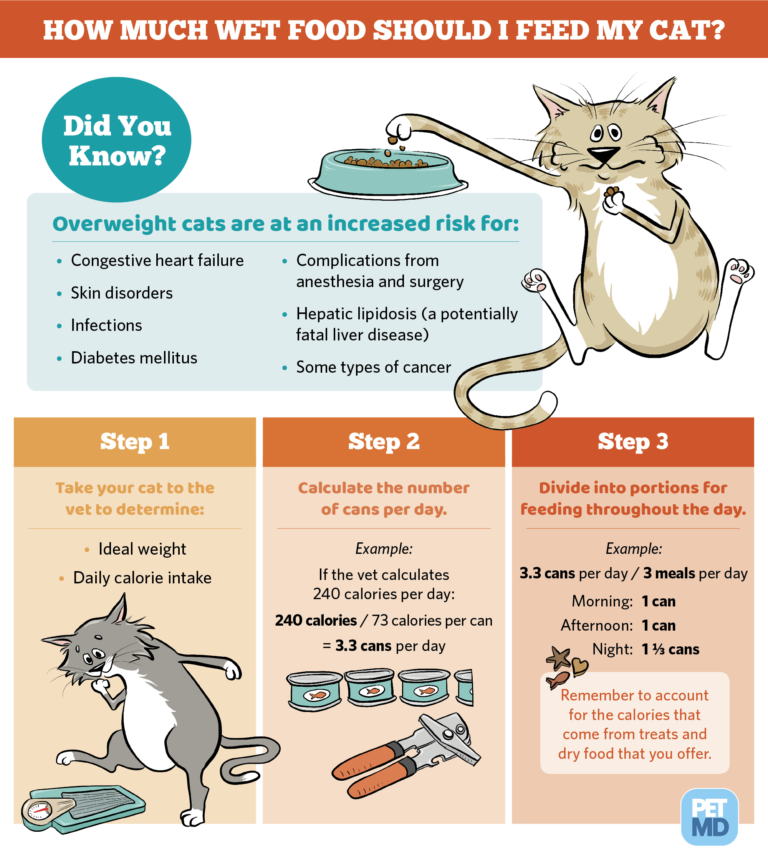
Food deprivation brings a different set of dangers. Cats need regular nutrition, and prolonged loss of appetite can lead to serious problems, including hepatic lipidosis, also called fatty liver disease. This condition can be life-threatening and is a particular concern in overweight cats that suddenly stop eating.
Source: tv9bangla.com
Without food
Some cats may survive for several days if they can drink, but this is not a safe target. Contact a veterinarian if your cat has not eaten properly for 24 hours, or sooner if the cat is young, ill, diabetic, or showing other symptoms.
Without water
Dehydration can become serious within a day and may develop sooner in vulnerable cats. Do not assume that a cat can safely wait 24 or 48 hours without drinking.
Without food and water
The combination raises concern because the cat loses access to both nutrients and fluid. Contact a veterinarian promptly, especially if you do not know when the cat last drank.
Why survival estimates can be misleading
Survival estimates describe what an animal might endure under certain conditions. They do not predict when organ damage, severe dehydration, or other complications will begin. A sick cat may deteriorate far faster than a healthy adult cat.
Think of the body as a car that needs both fuel and coolant. A car may keep moving for a short time when one supply is low, but continued operation can cause damage. Cats also need both nutrition and fluid to keep their bodies working well.
Do not wait for a deadline
Call a veterinary clinic when your cat refuses food or water. A veterinarian can assess the cat’s condition and tell you whether an examination or emergency treatment is needed.
How Long Can a Cat Go Without Food?
A cat should not go a full day without eating without veterinary guidance. VCA Animal Hospitals advises immediate veterinary attention when a cat has not eaten properly for 24 hours. This is a practical warning threshold, not a guarantee that waiting until the 24-hour mark is safe.
Cats can hide pain and illness well. A cat may still walk around or seek attention while dealing with dental pain, nausea, infection, kidney disease, or another health problem. A sudden loss of appetite deserves attention even if the cat does not look very sick.
The risk also depends on how much the cat has eaten. A cat that takes a few bites throughout the day may still be eating too little to meet its needs. If your cat eats much less than usual, track the amount and contact your veterinarian instead of counting only complete missed meals.
Source: rokomari.com
Adult cats
Arrange veterinary advice if an adult cat refuses food or has not eaten properly for 24 hours. Seek help sooner if there is vomiting, pain, weakness, hiding, or a known medical condition.
Kittens
Kittens have smaller energy reserves and can decline quickly. Cornell’s feline health guidance warns that food avoidance in kittens younger than six weeks can become life-threatening in as little as 12 hours. Contact a veterinarian promptly when a kitten refuses food.
Overweight cats
Overweight cats can face a higher risk of hepatic lipidosis after a period of poor food intake. Do not try to make an overweight cat lose weight by withholding food.
Cats with diabetes or other illnesses
A diabetic cat that refuses a meal needs prompt veterinary advice because illness and food intake can affect its treatment plan. Do not change insulin doses or other medication without instructions from the prescribing veterinarian.
What happens when a cat stops eating?
When a cat does not take in enough calories, its body must use stored energy. During prolonged food deprivation, fat can move to the liver faster than the liver can process it. This can cause hepatic lipidosis, a serious disorder that may impair liver function.
A cat may develop this problem after an illness or another condition causes it to stop eating. The underlying cause matters as much as the lack of food itself. Veterinary treatment may include diagnostic tests, fluids, medicine for nausea or pain, and carefully planned nutritional support.
Watch for yellow coloring
Yellowing of the gums, skin, or whites of the eyes can be a sign of jaundice and needs urgent veterinary assessment.
Do not force-feed
Forcing food into a resisting cat can cause distress and may lead to food entering the airway. Ask a veterinarian about safe feeding support.
How Long Can a Cat Go Without Water?
A cat should have access to clean, fresh water at all times. If your cat stops drinking, do not wait for a particular number of hours to pass before seeking advice. Dehydration can become dangerous within a day, and illness, heat, or fluid loss can make the process much faster.
Water supports blood flow, temperature control, digestion, and normal organ function. When a cat loses more fluid than it takes in, the body has less water available for these tasks. Severe dehydration can affect circulation and the function of vital organs.
Cats that eat canned food often drink less from a water bowl because wet food contains substantial moisture. This can be normal if the cat is eating well, urinating normally, and behaving as usual. However, a cat that eats little or no food may also lose an important source of daily fluid.
Source: www.goodreads.com
Fresh water is always needed
Provide clean water in a bowl that is easy for your cat to reach. Refresh it regularly and keep it away from litter and other sources of dirt.
Vomiting and diarrhea raise the risk
These problems can remove water and salts from the body. Contact a veterinarian promptly if they continue, if your cat cannot keep water down, or if weakness develops.
Hot conditions can make matters worse
Warm rooms, poor ventilation, and heat exposure can increase the risk of fluid loss. Move a cat from a hot area to a cooler safe place and seek urgent care if heat illness is suspected.
Signs that a cat may be dehydrated
Dehydration is not always easy to spot at home. A cat may show several signs, and no single sign can reliably tell you how severe the problem is. A veterinary examination is the safest way to assess a cat that may be dehydrated.
Do not wait for every warning sign to appear. If your cat has stopped drinking and seems unwell, call a veterinary clinic and describe what you have observed.
Dry or sticky gums
Gums that feel unusually dry or sticky can be a warning sign, although mouth conditions and other factors can affect how they feel.
Sunken eyes
Eyes that appear more sunken than usual can occur with significant fluid loss and need prompt assessment.
Low energy or weakness
A cat that is unusually tired, weak, unsteady, or difficult to rouse may be seriously ill.
Changes in urination
Less urine than usual may signal reduced fluid intake or another health problem. Straining to urinate, repeated litter box visits with little or no urine, or an inability to urinate is an emergency, particularly in male cats.
What Changes the Time a Cat Can Go Without Food or Water?
A cat’s age, health, diet, and environment all affect how quickly a lack of food or water can become dangerous. Two cats that miss the same meal may have very different needs. For this reason, a general timeline cannot replace advice based on the individual cat.
The most useful question is not how long the cat can survive. Ask how long the cat has gone without normal intake, what symptoms are present, and whether a medical condition could make the situation more urgent.
Source: bvnews24.com
Age
Young kittens have limited energy reserves. Senior cats may also have health conditions that make a missed meal or reduced fluid intake more concerning.
Existing health conditions
Kidney disease, diabetes, digestive problems, and other illnesses can affect appetite, thirst, and fluid balance.
Food type
Wet food contributes more moisture than dry food. A cat that normally eats wet food may drink little from a bowl, while a cat eating only dry food relies more on drinking water.
Weather and activity
Heat, activity, fever, and rapid breathing can increase fluid needs or contribute to fluid loss.
Vomiting or diarrhea
Fluid loss through the digestive tract can lead to dehydration more quickly than simply drinking less.
Body condition
Being overweight does not protect a cat from starvation-related illness. In fact, overweight cats may face a greater risk of fatty liver disease after stopping food intake.
Why wet food and dry food make a difference
Wet cat food contains much more water than dry kibble. A cat that eats wet food may get a substantial share of its fluid from meals, so the amount it drinks from a bowl may look low without being abnormal.
Dry food contains far less moisture, so cats eating it usually need to drink more to meet their fluid needs. Still, you should assess the whole picture: food intake, water intake, urine output, behavior, and any signs of illness.
If a cat stops eating wet food, it also loses that source of moisture. This is one reason a cat that refuses food and water needs prompt attention rather than a wait-and-see approach.
Measure the change
Note how much food and water you offer and how much remains. If you have several pets, feed them separately for a short period so you can tell which animal is eating and drinking.
What to Do If Your Cat Is Not Eating or Drinking
Start by checking your cat’s condition, the time of the last normal meal, and whether the cat has been drinking and urinating. If the cat has gone without food for 24 hours, contact a veterinarian immediately. If the cat has stopped drinking, is vomiting repeatedly, seems weak, or has another serious symptom, seek advice sooner.
Do not delay care while trying several home remedies. Simple changes can help a healthy cat that is briefly unsettled, but they cannot treat a blockage, kidney problem, severe infection, poisoning, or another medical emergency.
Source: chintasutra.com
Step 1: Check for emergency signs
Look for collapse, trouble breathing, severe weakness, repeated vomiting, a painful or swollen belly, pale or yellow gums, or straining to urinate. If any of these are present, seek emergency veterinary care.
Step 2: Record the timeline
Write down when your cat last ate a normal meal, last drank water, and last urinated. Include any vomiting, diarrhea, new medicine, diet changes, or possible exposure to a toxin.
Step 3: Offer fresh water
Place a clean bowl of fresh water in a quiet, easy-to-reach spot. You may offer another bowl in a familiar location, but do not force water into the cat’s mouth.
Step 4: Offer familiar food
If your cat is alert and not repeatedly vomiting, offer a small amount of its usual food. You can gently warm wet food to release its smell, but avoid very hot food and do not delay a veterinary call.
Step 5: Call your veterinarian
Explain how long the cat has refused food or water and describe any other symptoms. Follow the clinic’s advice about an appointment, urgent care, or emergency transport.
What if your cat will not drink from a bowl?
Some cats prefer a wide, shallow bowl or a water source placed away from food and litter. Others may show more interest in a pet fountain, provided it is clean and working. These changes may encourage normal drinking in a healthy cat, but they should not be used to manage suspected dehydration without veterinary advice.
You can also ask your veterinarian whether adding water to your cat’s usual wet food is appropriate. Do not add broth or other liquids unless you have checked the ingredients, since onion, garlic, excess salt, and other additives can be unsafe for cats.
Avoid forceful syringe watering
Putting liquid into a resisting cat’s mouth can cause choking or aspiration, in which fluid enters the airway. A veterinarian should advise you on safe fluid support.
Do not give human medicines
Some common human medicines are toxic to cats. Give medication only when a veterinarian has directed you to do so.
How to Tell Whether Your Cat Is Eating and Drinking Enough
A simple daily record can help you spot a problem before it becomes severe. Track the amount of food offered and left over, changes in drinking, litter box habits, body weight when practical, and any change in mood or activity. This information can also help your veterinarian decide which tests or treatments may be needed.
There is no single water-bowl measurement that fits every cat. Fluid needs vary with body size, diet, temperature, activity, and health. Your veterinarian can help you estimate an appropriate daily intake for your cat and explain when a change is concerning.
Source: tv9bangla.com
Track meals
Record whether your cat eats a full meal, part of a meal, or nothing. Include treats, because they may hide a decline in normal food intake.
Track water
Measure the water you add to the bowl and check what remains, while allowing for spills and evaporation. In a home with multiple pets, separate bowls can make the record more useful.
Watch the litter box
Notice changes in the amount and frequency of urine, as well as diarrhea or constipation. Straining with little or no urine needs emergency attention.
Check behavior
Hiding, reduced grooming, unusual vocalizing, less interest in play, or discomfort while chewing may point to a health problem.
A practical monitoring example
Imagine your adult cat usually eats breakfast and dinner, drinks from a bowl several times a day, and uses the litter box normally. One morning, the cat ignores breakfast but still drinks, walks normally, and shows interest in its surroundings. Offer its usual food again, watch closely, and contact your veterinarian if appetite does not return or any other symptom appears.
Now imagine that the cat ignores food, refuses water, vomits twice, and hides under a bed. This is a different situation. Do not wait until the end of the day to see what happens; contact an emergency veterinary clinic for immediate guidance.
The key difference
A single missed meal in an otherwise normal cat is not the same as refusing both food and water while showing signs of illness. The second situation needs much more urgent attention.
Common Reasons Cats Stop Eating or Drinking
A cat may stop eating or drinking because of illness, pain, stress, or a change in its surroundings. The behavior alone does not reveal the cause. A veterinary examination may be needed to distinguish a short-lived response to change from a serious medical problem.
Cats can also appear hungry but fail to eat because chewing or swallowing hurts. Dental disease, mouth injuries, nausea, and problems affecting the digestive system are among the possible causes. Never assume that a cat is simply being fussy when the change is sudden or persistent.
Source: www.goodreads.com
Dental or mouth pain
A cat may approach food, sniff it, then turn away, drop food while chewing, drool, or paw at its mouth.
Digestive illness
Nausea, vomiting, abdominal pain, constipation, or diarrhea may reduce appetite and fluid intake.
Kidney disease or diabetes
These conditions can change thirst, urination, and appetite. A sudden decline may need prompt assessment, especially in a cat with a known diagnosis.
Stress or environmental change
Moving, visitors, boarding, a new pet, or a changed feeding area can affect eating habits. Stress should not be assumed to be the cause until medical concerns have been considered.
Food changes
A new recipe, spoiled food, a different bowl, or a change in food temperature may put a cat off its meal. Even so, persistent refusal needs veterinary advice.
Possible toxin or foreign object
If your cat may have swallowed a toxic substance, string, a small toy, or another object, seek urgent veterinary guidance. Do not wait for appetite to return.
When a change in routine is not the whole answer
A recent move or new pet may explain why a cat feels unsettled, but it does not rule out illness. If your cat stops eating or drinking, check for other signs and contact a veterinarian based on the duration and severity of the change.
Do not let a possible behavioral cause delay care. A veterinarian can examine the cat and help decide whether further tests, changes to the feeding setup, or treatment are appropriate.
Keep the setting calm
Offer a quiet place to eat and drink, keep bowls easy to reach, and avoid crowding or chasing the cat. Use these steps alongside veterinary advice when appetite or drinking has changed.
How to Prevent Food and Water Problems
The best prevention is a steady routine, reliable access to clean water, and early attention to changes in appetite. You cannot prevent every illness, but you can make it easier to notice when something is wrong. Small daily habits are more useful than trying to judge how long a cat could survive without supplies.
If you travel, plan for a person to check your cat in person, provide meals, refresh water, and watch the litter box. A large bowl or automatic feeder is not a substitute for human checks, particularly when a cat has a medical condition or takes medication.
Source: bvnews24.com
Keep water available
Place fresh water in accessible locations and clean bowls regularly. Consider a fountain if your cat prefers moving water, but maintain it according to its instructions.
Use a consistent feeding routine
Feed an appropriate complete cat food on a predictable schedule. Sudden changes in appetite are easier to spot when you know what your cat normally eats.
Arrange reliable pet care
Ask a trusted caregiver or pet sitter to visit, check food and water, and look for signs of illness. Do not leave a cat without a dependable plan for daily care.
Plan for power outages
Keep spare water, familiar food, and a way to contact a veterinary clinic. During extreme heat, make sure your cat has a cool, safe environment.
Schedule routine veterinary visits
Regular checkups can help identify dental disease and other problems that may affect appetite, thirst, or weight.
What if you find a cat that has been missing?
If your cat returns after being missing, offer access to fresh water and a calm, safe place. Check for wounds, limping, weakness, unusual breathing, vomiting, or other signs of illness. Contact a veterinarian if you do not know how long the cat was without food or water, even if the cat seems eager to eat.
If the cat is weak, confused, injured, or unable to swallow normally, do not force food or water. Arrange urgent veterinary care. A veterinarian can assess dehydration and other injuries and advise on safe feeding.
Avoid a large forced meal
Do not make a very hungry cat eat a large amount at once. If the cat is alert and stable, ask a veterinarian how to restart feeding safely, especially after a prolonged absence.
Frequently Asked Questions
Q
Can a cat go 24 hours without food?
A cat may survive a day without food, but that does not mean it is safe. VCA Animal Hospitals advises immediate veterinary attention if a cat has not eaten properly for 24 hours. Kittens, diabetic cats, and cats that are already ill may need help much sooner.
Q
Can a cat go 24 hours without water?
Going a full day without water can be dangerous, and dehydration may develop sooner when a cat is ill, exposed to heat, or losing fluid through vomiting or diarrhea. There is no safe waiting period that applies to every cat. If your cat has stopped drinking, contact a veterinarian promptly.
Q
What if my cat is not eating but is still drinking water?
Drinking is helpful, but it does not remove the risks of prolonged food refusal. Offer the cat’s usual food in a quiet setting and monitor its behavior. Contact a veterinarian if the cat has not eaten properly for 24 hours, or sooner if it seems unwell or has a medical condition.
Q
What if my cat is drinking but not urinating?
A cat that strains to urinate, repeatedly visits the litter box, cries while trying to urinate, or produces little or no urine may have a urinary blockage. This is a medical emergency, particularly in male cats. Seek emergency veterinary care immediately rather than waiting for the cat to urinate.
Q
Can I give my cat water with a syringe?
Do not force water into your cat’s mouth unless a veterinarian has specifically instructed you how to do it. A struggling cat may inhale the liquid, which can cause serious lung problems. If your cat will not drink, ask a veterinarian whether it needs an examination or fluids given under medical supervision.
Q
Why is my cat not eating after a move or a change at home?
Stress from a move, visitors, boarding, or a new pet can affect a cat’s appetite. However, illness and pain can cause similar changes, so do not assume stress is the only reason. Provide a quiet feeding area and familiar food, and contact your veterinarian if the cat continues to refuse food or shows other symptoms.
Q
Do cats get enough water from wet food?
Wet food contains substantial moisture and can provide a large share of a cat’s daily fluid intake. A cat that eats wet food may drink less from a bowl than a cat that eats dry food. Still, fresh drinking water should always be available, and a cat that stops eating may lose an important source of fluid.
Q
When should I take a cat that is not eating or drinking to an emergency vet?
Seek emergency care for collapse, severe weakness, trouble breathing, repeated vomiting with deterioration, suspected poisoning, inability to urinate, or other severe symptoms. A cat that refuses both food and water also needs prompt veterinary advice. Do not wait for a particular number of hours if the cat looks ill.
✦ Wrapping Up
Conclusion
How long a cat can go without food and water depends on its age, health, diet, and environment, but survival estimates are not safe care guidelines. A lack of water can lead to serious dehydration, while prolonged food refusal can cause dangerous complications such as hepatic lipidosis.
For an adult cat that has not eaten properly for 24 hours, seek immediate veterinary attention. If your cat has stopped drinking, is very young, has diabetes or another medical condition, or shows signs such as weakness, repeated vomiting, or trouble urinating, contact a veterinarian sooner or seek emergency care as appropriate.
Fresh water, familiar food, a calm setting, and close monitoring can help you notice and respond to changes. They cannot replace a veterinary examination when a cat refuses food or water. Acting early gives your cat a better chance of receiving the right treatment before the problem becomes more serious.
💡 Key Takeaway
Check when your cat last ate, drank, and urinated. Offer fresh water without forcing it, and call your veterinarian promptly if your cat has stopped drinking or is refusing food. Do not wait 24 hours when your cat is weak, vomiting repeatedly, struggling to urinate, or showing any other emergency sign.








7 Comments