Opened canned cat food usually lasts 3 to 5 days in the refrigerator at 40°F or below when stored in a clean, covered container. Discard wet food left at room temperature for more than 2 hours, or after 1 hour when temperatures exceed 90°F.
If you feed your cat canned food in a US home, you may not use a whole can at one meal. Your cat might eat half at breakfast, walk away from dinner, or leave a few bites while you get ready for work. Knowing how long the leftovers stay safe can help you avoid waste and protect your cat from spoiled food.
The safest approach is simple: cover the leftovers, refrigerate them promptly, and follow the storage instructions on the label. Most opened canned cat food should be used within 3 to 5 days when kept cold, although some brands give a shorter limit. Food left in your cat’s bowl needs a separate time limit because warmth, air, and contact with saliva can affect its safety.
Source: kritterkommunity.com
How Long Does Canned Cat Food Last After Opening?
Opened canned cat food generally lasts 3 to 5 days in the refrigerator when stored correctly. This is a practical guideline, not a guarantee for every product. Check the package for a specific storage limit, and use the shorter period when the label and general guidance differ.
Once you open a can, its contents come into contact with air, utensils, and the surrounding environment. Bacteria and other contaminants can enter during handling. Refrigeration slows the growth of many harmful microorganisms, but it does not make food sterile or stop every change in quality.
The clock starts when you open the can, not when you put the leftovers in the refrigerator. For example, if you open a can on Monday morning, refrigerate the unused portion promptly, and keep it cold, aim to finish it by Thursday or Friday. If the label says to use it within 48 hours, follow that shorter limit.
There is a key difference between food stored in the refrigerator and food sitting in a bowl. Chilled leftovers can remain usable for several days under the right conditions. Food left out in a warm room should not be saved for another meal once it passes the recommended room-temperature limit.
Source: petshun.com
Refrigerated leftovers
Use within 3 to 5 days as a general guideline, or sooner if the manufacturer specifies a shorter period.
Food in the feeding bowl
Remove uneaten wet food within 2 hours at normal room temperatures. Reduce this to 1 hour when the temperature is above 90°F.
Food left uncovered in the refrigerator
Cover it as soon as possible. If it has been exposed to contamination or you cannot judge how it was handled, discard it rather than risk feeding it.
Food with an uncertain storage history
Throw it away if you cannot confirm how long it sat out or whether it stayed cold enough.
Why Does Opened Wet Cat Food Need Refrigeration?
Canned cat food contains moisture and nutrients that support your cat’s diet. Those same features can also support microbial growth after opening. Commercial canning helps preserve unopened food through a controlled process, but opening the can removes that protection.
Cold storage slows the growth of many bacteria and helps preserve the food’s quality. A refrigerator should stay at 40°F or below. If your refrigerator runs too warm, the food may not remain safe for as long as expected.
Use a refrigerator thermometer
Check the actual temperature instead of assuming the refrigerator is cold enough.
Limit handling
Use a clean spoon and avoid touching the remaining food with your fingers.
Does Every Brand Have the Same Storage Limit?
No. Recipes, packaging, and manufacturer guidance can differ. Some products may recommend using leftovers within a shorter period than the common 3-to-5-day guideline.
Read the instructions printed on the can, carton, pouch, or brand website. If the manufacturer recommends a shorter storage period, use that limit. Do not assume that a food stays safe for five days simply because another brand does.
Check the label
Look for directions about refrigeration, covering, and how quickly to use opened food.
Keep the original packaging details
Save the product name and lot information if you need to contact the manufacturer about a storage question or possible recall.
How Long Can Wet Cat Food Sit Out?
Wet cat food should generally not sit at room temperature for more than 2 hours. When the surrounding temperature rises above 90°F, the limit drops to 1 hour. These limits are especially important during hot US summers, outdoor meals, and trips in a warm vehicle.
Food can become unsafe before it looks or smells spoiled. A bowl near a sunny window, a warm kitchen, or an outdoor patio may expose food to more heat than you realize. When in doubt, follow the time limit rather than trying to judge safety by appearance.
The safest habit is to serve only what your cat is likely to eat during one meal. Set a timer if your cat tends to graze. Remove the remaining food at the end of the safe window and wash the bowl before the next serving.
Source: askmycats.com
At 70°F to 80°F
Use the 2-hour maximum as a general limit for wet food left at room temperature.
Above 90°F
Discard food after 1 hour. Do not leave it outside while you run errands or travel.
In a hot car
Do not leave wet cat food in a parked vehicle. Temperatures can rise quickly, even when the weather initially feels mild.
In an automatic feeder
Follow the feeder manufacturer’s instructions. A feeder without active cooling does not keep wet food refrigerated.
Can You Put Food Back in the Fridge After Your Cat Eats From It?
It is best to avoid saving food that has been in your cat’s bowl. Saliva, food particles, and contact with the bowl can introduce contamination. Refrigeration slows bacterial growth but does not undo contamination that has already occurred.
If your cat eats from a small serving and leaves some behind, discard the leftovers when the safe room-temperature window ends. For future meals, offer less food at first and add more from the refrigerated supply if your cat is still hungry.
Serve small portions
Start with an amount your cat can finish in one sitting.
Keep the reserve separate
Take fresh food from the storage container with a clean utensil instead of returning bowl leftovers.
How to Store Opened Canned Cat Food Safely
The best way to store opened canned cat food is to cover it, refrigerate it promptly, and keep it away from raw meat and other possible sources of contamination. You can leave the food in its original can if it is properly covered, or move it to a clean container with a tight-fitting lid.
Avoid leaving an open can on the counter while you finish other tasks. Refrigerate the unused food as soon as you have served your cat. The faster you cool it, the less time it spends at temperatures that support bacterial growth.
Labeling the container with the opening date makes it easier to track the remaining shelf life. This is especially useful if several people feed your cat or if you keep multiple flavors in the refrigerator.
Source: purreats.com
Step 1: Use a clean utensil
Scoop out the portion you need with a clean spoon. Do not use a utensil that has touched raw meat or other contaminated surfaces.
Step 2: Cover the leftovers
Use a pet-food can lid that fits securely or transfer the food to a clean, airtight container suitable for food storage.
Step 3: Refrigerate promptly
Place the covered food in a refrigerator set to 40°F or below. Do not leave it out while waiting for it to cool.
Step 4: Mark the date
Write the opening date on the lid or container so you can track how long the food has been stored.
Step 5: Use it within the safe window
Follow the manufacturer’s directions and the general 3-to-5-day refrigerated guideline, whichever gives the shorter period.
Step 6: Clean the feeding bowl
Wash the bowl after meals with hot, soapy water, rinse it well, and let it dry before using it again.
Is It Safe to Store Cat Food in the Original Can?
Yes, you can generally keep opened canned cat food in its original container if you cover it and refrigerate it correctly. A fitted pet-food lid can help reduce air exposure and keep refrigerator odors away from the food.
If you prefer, transfer the food to a clean glass or food-safe plastic container with a tight lid. This can make it easier to seal the leftovers and remove the amount you need for the next meal.
The container choice does not extend the food’s storage life by itself. Clean handling, a safe refrigerator temperature, and the manufacturer’s instructions matter more than whether you use the original can or another suitable container.
A fitted can lid
Convenient for short-term storage and helps cover the food between meals.
A sealed food container
Useful when you want to transfer leftovers, limit odor, or store several small portions.
An uncovered can
Not recommended because the food is exposed to air, refrigerator odors, and possible contamination.
Should You Let Refrigerated Cat Food Warm Up Before Serving?
You can serve refrigerated cat food cold if your cat accepts it. Some cats prefer food closer to room temperature, so you can warm a small portion gently before serving.
Place the serving in a suitable dish and let it warm briefly, or use a microwave-safe dish for very short heating intervals. Stir the food well and check for hot spots before giving it to your cat. Never serve food that is hot in the center or along the edges.
Warm only the portion your cat will eat. Do not repeatedly warm and cool the entire stored supply, because repeated handling makes temperature control harder and may reduce food quality.
Warm gently
Aim for a mildly warm serving, not a hot meal.
Mix thoroughly
Stir warmed food so heat is distributed more evenly.
Do not return warmed leftovers
Discard food that remains in the bowl beyond the safe time limit.
How to Tell If Opened Canned Cat Food Has Gone Bad
Discard canned cat food if you notice mold, an unusual or rotten smell, unexpected discoloration, or a texture that has changed in a way the manufacturer does not describe. Also throw away food if you know it was stored too warm or left out too long.
However, normal appearance does not prove that food is safe. Some harmful microorganisms do not cause obvious changes in smell, color, or texture. Use storage time and temperature as your main safety checks, not a taste test or a quick sniff.
Cats may refuse spoiled food, but their reaction is not a reliable safety test. Some cats eat food that should have been discarded. Never taste pet food yourself to check whether it is safe.
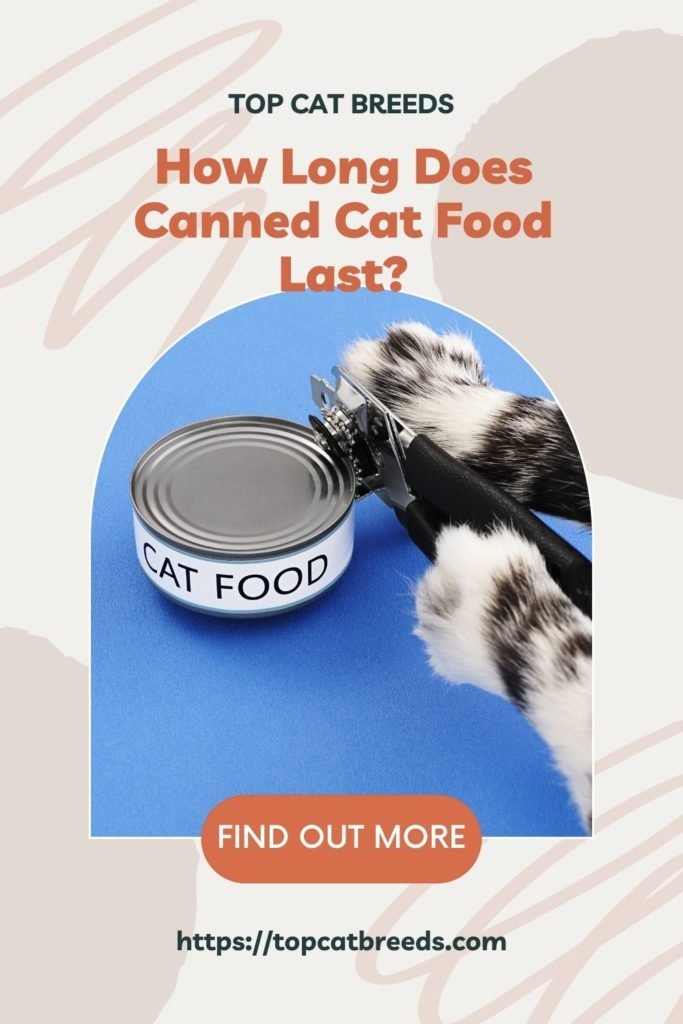
Source: topcatbreeds.com
Mold or unusual growth
Discard the food and clean the storage container or bowl thoroughly.
A rotten or sour odor
Throw the food away. Do not try to remove the affected portion and serve the rest.
Unexpected color or texture changes
Discard the food if it looks abnormal for that product or shows signs of spoilage.
An uncertain time at room temperature
Discard the food if you cannot establish that it remained within the safe time limit.
A swollen, leaking, or badly damaged unopened can
Do not open or feed the contents. Dispose of the can safely and contact the manufacturer if needed.
What If the Food Looks Dry or Has a Crust?
The surface of wet food may dry out when exposed to air. A dry crust alone does not prove that the food is spoiled, but it shows that the food has been exposed to air and may have lost quality.
Check how long the food has been open, whether it was covered, and whether it remained at a safe temperature. If the storage history is uncertain or the food has changed in an unusual way, discard it rather than trying to revive it with water.
A thin, dry surface
May reflect moisture loss, but it does not establish that the food is safe.
Dryness plus an unusual odor or mold
Discard the food immediately.
What If Your Cat Has Already Eaten Spoiled Food?
If your cat eats food that may have spoiled, remove the remaining food and watch for signs of illness. Possible symptoms include vomiting, diarrhea, reduced appetite, unusual tiredness, and abdominal discomfort.
Contact your veterinarian if symptoms develop, if your cat ate food with visible mold, or if the food came from a swollen or leaking can. Seek urgent veterinary care for repeated vomiting, bloody diarrhea, severe weakness, trouble breathing, collapse, or other serious symptoms.
Do not give human medicines or try to induce vomiting unless a veterinarian specifically directs you to do so. Kittens, senior cats, and cats with existing health problems may need prompt attention because illness and dehydration can affect them more quickly.
Remove the source
Discard the questionable food and wash the bowl before serving a fresh meal.
Monitor symptoms
Note when the food was eaten, how much your cat may have consumed, and any changes in behavior.
Call a veterinarian
Ask for advice when exposure is concerning or symptoms appear, and seek urgent care for severe signs.
How Long Does Unopened Canned Cat Food Last?
Unopened canned cat food can remain usable for a long time when stored under the conditions on the label. Its exact shelf life depends on the product, the packaging, and the manufacturer’s date and storage instructions.
Check the best-by or expiration information printed on the can or carton. Store unopened cans in a cool, dry place away from direct sunlight, excess heat, and moisture. A pantry or cupboard is often suitable if the product label allows room-temperature storage.
Do not use an unopened can if it is swollen, leaking, badly rusted, deeply dented near a seam, or otherwise damaged. Such damage can compromise the container. A normal-looking can also should not be used if the product is past a manufacturer safety limit or has been stored under unsuitable conditions.
The date printed on an unopened can does not tell you how long the food will last after opening. Once you break the seal, use the refrigerated storage guidance for opened food instead.
Source: askmycats.com
Check the printed date
Follow the product’s date and any storage instructions supplied by the manufacturer.
Keep cans cool and dry
Avoid hot garages, sunny windows, damp basements, and areas near heat-producing appliances.
Inspect the container
Do not feed food from a can that appears swollen, leaking, or seriously damaged.
Use opened-food guidance after breaking the seal
Cover and refrigerate leftovers promptly, then use them within the stated storage period.
Can You Freeze Opened Canned Cat Food?
Freezing may be an option for some canned cat foods, but it can change texture and quality. The manufacturer may not have tested or recommended freezing for every recipe, so check the package or ask the company before using this method.
If freezing is allowed, divide the food into small portions in clean, freezer-safe containers. Label each container with the date and follow the manufacturer’s instructions for storage and thawing.
Thaw frozen cat food in the refrigerator rather than on the counter. Use the thawed food within the period specified by the manufacturer, and do not refreeze it unless the manufacturer explicitly says that doing so is suitable.
Freeze only suitable products
Confirm that freezing is appropriate for the specific food.
Freeze small portions
Portioning can reduce repeated thawing and help prevent waste.
Thaw safely
Use refrigerator thawing and follow the product’s instructions for the thawed food.
Wet Cat Food Storage Times at a Glance
The table below summarizes common storage decisions for canned cat food. Treat these figures as practical general guidance, not a substitute for the exact instructions on your cat’s food package.
Temperature, handling, and the length of time outside the refrigerator all matter. If you cannot confirm that the food was stored safely, the better choice is to discard it.
Source: cdn.apartmenttherapy.info
Opened and refrigerated
Generally 3 to 5 days at 40°F or below, unless the manufacturer gives a shorter limit.
Left at normal room temperature
No more than 2 hours as a general limit.
Left in temperatures above 90°F
No more than 1 hour.
Stored in a refrigerator above 40°F
Safety becomes harder to judge. Check how long the refrigerator was too warm and discard food if safe storage cannot be confirmed.
Frozen
Use only if the product is suitable for freezing, and follow the manufacturer’s instructions for thawing and use.
Unopened
Follow the date and storage instructions printed on the package and inspect the can for damage.
Example: When Should You Throw Away Monday’s Leftovers?
Suppose you open a can at 7 a.m. on Monday, serve your cat half, and refrigerate the rest promptly. If the product label allows storage for up to five days, the leftovers may generally be used within that period as long as they remain covered and cold.
Now suppose the same food sits on the kitchen counter until noon before you refrigerate it. The food has been out for five hours, so it exceeds the general room-temperature limit. Refrigerating it afterward does not make it safe to serve.
This example shows why time and temperature must be considered together. A fresh-looking serving that has been left out too long can be a greater concern than properly chilled food that has been stored for a few days.
Good storage
Opened at 7 a.m., covered, promptly refrigerated, and used within the product’s storage limit.
Unsafe storage
Left at room temperature for five hours before refrigeration.
Common Mistakes That Shorten Wet Cat Food’s Safe Storage Life
Many storage problems come from small habits rather than major mistakes. Leaving the can open while preparing other tasks, forgetting a bowl on the floor, or using an unclean spoon can make it harder to keep food safe.
A simple feeding routine can prevent most of these issues. Serve only what your cat needs, refrigerate the rest promptly, and write the opening date on the container. If another person feeds your cat, make sure they know the same rules.
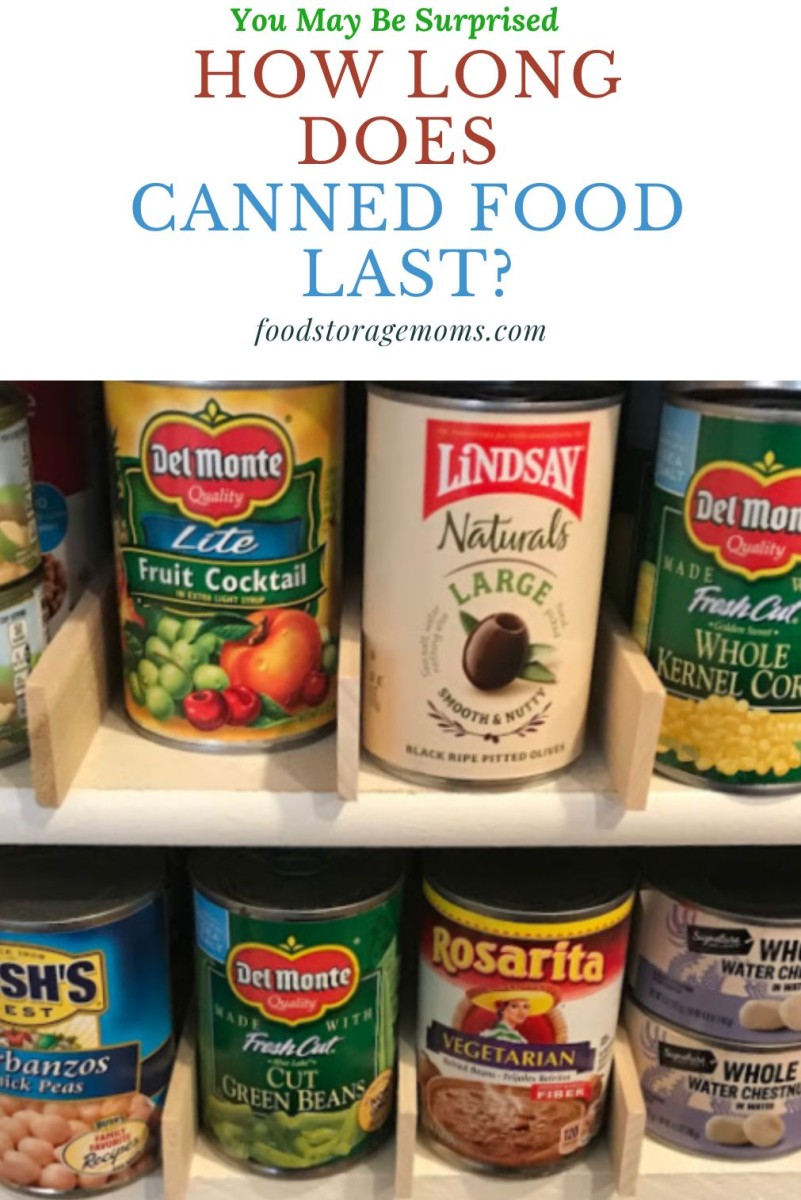
Source: foodstoragemoms.com
Leaving food out all afternoon
Wet food does not become safe again just because you put it back in the refrigerator. Discard it when it exceeds the room-temperature limit.
Leaving the can uncovered
Cover the leftovers to reduce air exposure and possible contamination.
Keeping leftovers longer than the label allows
Do not stretch the storage period to avoid waste. Serve smaller portions next time.
Using smell as the only test
Food can contain harmful microorganisms without an obvious odor. Use time, temperature, and package instructions.
Assuming a cool room is the same as a refrigerator
Room temperature is not a substitute for cold storage. Refrigerate unused food promptly.
Sharing a dirty feeding spoon between containers
Use clean utensils to reduce the chance of transferring contaminants into the remaining food.
Leaving wet food in a warm automatic feeder
Use a feeder with appropriate cooling if you need longer storage during the day, and follow its instructions.
How to Reduce Waste Without Taking Food Safety Risks
If your cat rarely finishes a full can, buy suitable smaller cans or individual portions when practical. Although the price per ounce may be higher, smaller packages can reduce the amount of food you must discard.
You can also divide a larger can into meal-sized portions immediately after opening. Refrigerate the portions you plan to use soon, and freeze only if the manufacturer permits it. Keep a clear record of the opening date so older food does not get forgotten behind newer cans.
Avoid filling the bowl with a large serving simply because you want to use up the can. A smaller first serving gives you more control, and you can offer more fresh food if your cat remains hungry.
Choose a suitable can size
Match the package size to your cat’s usual meal needs.
Use a first-in, first-out routine
Use the oldest properly stored leftovers first, provided they remain within the safe storage period.
Keep storage dates visible
Write the opening date on each container instead of relying on memory.
Special Considerations for Kittens, Senior Cats, and Sick Cats
Safe food storage matters for every cat, but extra care is sensible when feeding kittens, senior cats, or cats with medical conditions. These cats may have less ability to cope with illness, dehydration, or poor food intake.
Use freshly served food when possible, follow the label closely, and clean feeding bowls after meals. If your cat has a condition that affects the immune system or receives veterinary treatment that changes feeding needs, ask your veterinarian whether extra precautions are appropriate.
Food safety is only one part of keeping a cat well. A cat that suddenly stops eating, eats much less than usual, or repeatedly refuses meals may have an underlying problem. Do not assume the cat is simply being picky or that the food is too cold.
Source: canfoodgobad.com
Kittens
Offer age-appropriate food on a regular schedule and seek veterinary advice promptly if a young kitten refuses food or develops vomiting or diarrhea.
Senior cats
Watch for changes in appetite, thirst, weight, and behavior. Persistent changes deserve veterinary attention.
Cats with medical conditions
Follow any specific feeding and storage advice provided by the veterinary team.
Cats that stop eating
Contact a veterinarian if your cat refuses food or has a marked change in appetite. Cats can develop serious health problems when they go without enough food.
When Is Refusing Wet Food a Medical Concern?
If your cat refuses a meal, first offer fresh food from a properly stored container and check that the bowl is clean. You can also check whether the food is within its storage period and whether the recipe or texture has changed.
If your cat continues to refuse food, seems weak, vomits, has diarrhea, or acts unusually, contact your veterinarian. Seek advice sooner for kittens, cats with diabetes, and cats with other known health problems.
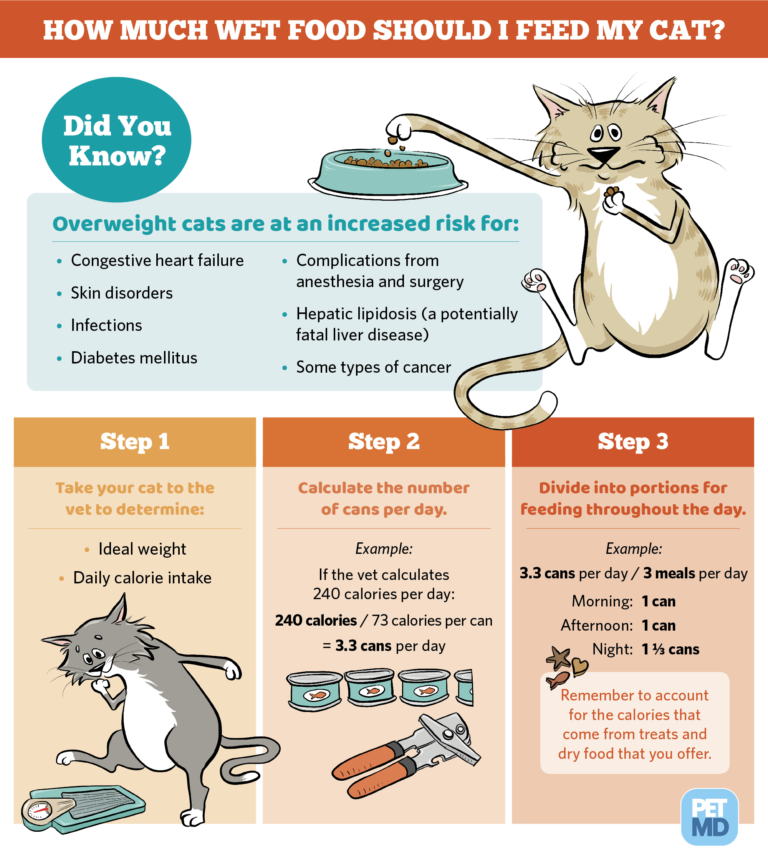
Do not wait several days to see whether a cat will eat again. A cat that goes without adequate food can develop serious complications, including hepatic lipidosis, a potentially life-threatening liver condition. Your veterinarian can help determine the cause and the right next step.
Check the food first
Offer a fresh, properly stored portion and make sure it is suitable for your cat.
Look for other symptoms
Vomiting, diarrhea, weakness, pain, or unusual behavior raises concern.
Get professional advice
Contact your veterinarian if poor appetite continues or your cat has other symptoms.
A Simple Daily Routine for Safe Cat Food Storage
A consistent routine makes it easier to keep canned cat food safe without wasting much of it. The goal is to separate the portion your cat will eat now from the food you want to save for later.
Before each meal, check the opening date and storage conditions. Use a clean utensil, serve a suitable amount, and return the remaining food to the refrigerator promptly. After the meal, remove uneaten food within the recommended time and wash the bowl.
If you feed your cat before work, prepare the serving just before leaving rather than leaving a large bowl of wet food out for the entire day. Consider a properly designed feeder with active cooling if your schedule requires longer gaps between meals.
Source: topcatbreeds.com
Morning
Check the storage date, serve a fresh portion, and refrigerate the unused food immediately.
During the day
Remove uneaten food within the safe time window. Do not assume an ordinary automatic feeder keeps food cold.
Evening
Serve another fresh portion and check that the remaining food is still within the storage limit.
Before discarding the empty can
Check for product notices or recall information if you have concerns about the food’s safety.
What to Do When You Are Unsure
If you do not know when the can was opened, how long the food sat out, or whether the refrigerator stayed cold, do not feed the questionable leftovers. Throwing away a small amount of food is safer than gambling with your cat’s health.
If the uncertainty concerns an entire batch or a product with unusual packaging, contact the manufacturer and provide the product name and lot details. For a possible recall, check official recall notices and follow the instructions given for that specific product.
Unknown opening date
Discard the leftovers if you cannot establish that they are still within the safe period.
Possible temperature failure
Discard food if you cannot confirm that it stayed within safe storage conditions.
Possible product defect
Keep the packaging details and contact the manufacturer or follow applicable recall instructions.
Frequently Asked Questions
Q
Can I keep opened canned cat food in the fridge for a week?
A week is longer than the usual 3-to-5-day guideline for opened canned cat food. Unless the manufacturer gives clear instructions that support a longer period, discard leftovers after the recommended storage window. Keep the refrigerator at 40°F or below and follow any shorter limit printed on the package.
Q
Can I leave canned cat food out overnight?
No. Wet cat food should not be left out overnight at room temperature. The general maximum is 2 hours, or 1 hour when temperatures exceed 90°F. Throw away food that has been left out overnight rather than refrigerating it for another meal.
Q
Does a covered can last longer than an uncovered can?
A covered can helps reduce air exposure, refrigerator odors, and possible contamination. However, a lid does not extend the manufacturer’s storage period. Keep the food cold and use it within the recommended time.
Q
Can I feed my cat cold canned food straight from the refrigerator?
Yes, if your cat accepts it and the food has been stored safely. Some cats prefer a less-cold meal, so you can warm a small portion gently. Stir the food well, check the temperature, and never serve it hot.
Q
How can I tell whether refrigerated cat food is still safe?
Check when the can was opened, whether the food stayed at 40°F or below, and whether it remains within the manufacturer’s storage period. Mold, unusual odors, or unexpected changes mean you should discard it. However, food can be unsafe without visible signs, so smell and appearance alone cannot confirm safety.
Q
Can I freeze leftover canned cat food to make it last longer?
Freezing may be suitable for some products, but it can change texture and quality. Check the manufacturer’s guidance first. If freezing is allowed, use clean, freezer-safe containers, freeze small portions, thaw them in the refrigerator, and follow the manufacturer’s instructions for using thawed food.
Q
Is it safe to refrigerate cat food after it has been sitting out for several hours?
No, not if it has exceeded the recommended room-temperature limit. Refrigeration slows further bacterial growth but does not reverse unsafe storage. Discard wet food that has been left out for more than 2 hours, or more than 1 hour above 90°F.
Q
What should I do if my cat eats spoiled canned food?
Remove the remaining food and monitor your cat for vomiting, diarrhea, loss of appetite, or unusual tiredness. Contact a veterinarian if symptoms develop or if the food had visible mold or came from a damaged can. Seek urgent veterinary care for severe symptoms such as repeated vomiting, bloody diarrhea, marked weakness, or collapse.
✦ Wrapping Up
Conclusion
Opened canned cat food generally lasts 3 to 5 days in the refrigerator when it is covered, handled cleanly, and kept at 40°F or below. The manufacturer’s instructions may set a shorter limit, so check the label before storing leftovers.
Food left in the bowl needs more attention. Remove wet cat food within 2 hours at normal room temperatures, or within 1 hour when the temperature is above 90°F. Do not save food that has been left out too long, even if it looks and smells normal.
A covered container, a clean spoon, a cold refrigerator, and a visible opening date can make feeding easier and reduce waste. If you are unsure whether the food stayed safe, discard it and serve a fresh portion. Your cat’s health is worth more than a few saved bites.
💡 Key Takeaway
After opening a can, serve a small portion, cover and refrigerate the rest promptly at 40°F or below, write down the opening date, and use the leftovers within 3 to 5 days or the shorter period stated on the label. Discard food that exceeds the safe room-temperature limit or has an uncertain storage history.