A cat may survive for days or longer without food if it has water, but serious health problems can begin within 24 to 48 hours. Contact a veterinarian if your cat has not eaten for 24 hours, and seek help sooner for kittens, sick cats, or cats with other warning signs.
For cat owners across the United States, a missed meal can happen for many reasons. A cat may dislike a new food, feel stressed after a move, or lose its appetite because of an illness. Whether your cat lives in a New York apartment, a Texas home, or a rural house with outdoor access, the same rule applies: do not treat a cat’s ability to survive without food as a safe waiting period.
The answer to how long can a cat survive without food depends on its age, body condition, water intake, and overall health. An adult cat that drinks water may remain alive for a prolonged period without eating, but that does not mean its body is coping well. Cats can develop serious metabolic problems when they stop eating, especially if they are overweight or already ill.
If your cat has refused food for a full day, call your veterinarian for advice rather than waiting to see how long the cat can last. If your cat is weak, repeatedly vomiting, struggling to breathe, collapsing, or unable to keep water down, seek urgent veterinary care. Kittens and cats with known health conditions may need help much sooner.
Source: petshun.com
How Long Can a Cat Survive Without Food?
There is no single number that predicts how long a cat can live without food. A healthy adult cat with access to water may survive for days or longer, but the outcome depends on its health, stored energy, hydration, and the reason it stopped eating. Severe illness or dehydration can shorten that period considerably.
For everyday cat care, the more useful question is how long a cat can safely go without eating. A cat can become medically unwell well before starvation becomes immediately life-threatening. Veterinary guidance commonly treats a complete loss of appetite lasting around 24 hours in an adult cat as a reason to seek advice.
A cat that skips one meal but acts normally may simply be reacting to a change in routine. A cat that refuses every meal, hides, vomits, or seems weak needs closer attention. The clock matters, but the cat’s symptoms and medical history matter just as much.
Source: petcresta.com
A few missed hours
A short delay between meals is not usually an emergency for a healthy adult cat that behaves normally and continues to drink. Monitor the cat and offer its usual food.
Around 24 hours without food
Contact a veterinarian if an adult cat has eaten nothing for a full day. Do not wait for visible weight loss or weakness before asking for advice.
More than 24 to 48 hours
Continued refusal to eat raises concern for dehydration, nutritional problems, and underlying disease. Prompt veterinary assessment is important.
Several days without food
This is a dangerous situation, even if the cat is still walking around. Seek urgent veterinary care rather than trying to estimate the remaining survival time.
Can a Cat Survive Three Days Without Food?
Some cats may remain alive after three days without food, particularly if they have access to water, but others can become seriously ill much sooner. There is no reliable way to predict an individual cat’s condition from the number of days alone.
Three days without food is not a safe target or a reason to keep waiting. If your cat has gone this long without eating, contact an emergency veterinary clinic if your regular veterinarian cannot see the cat promptly. The cat may need an examination, blood tests, fluids, or treatment for an underlying problem.
Do not use survival estimates as a care plan
The fact that a cat might survive several days does not mean it can avoid lasting harm during that time.
Can a Cat Survive a Week Without Food?
A cat’s survival after a week without food cannot be predicted safely. Some may still be alive, while others may suffer severe metabolic changes, dehydration, or organ complications before reaching that point.
If you discover that your cat has not eaten for several days, do not try to make up for the missed meals with a large serving. Arrange veterinary care and follow instructions for restarting food, especially if the cat is weak, very thin, or has an ongoing illness.
Act immediately
A week without food is a veterinary emergency, even if the cat seems alert.
Why Going Without Food Is Dangerous for Cats
Cats need a steady supply of nutrients to support their muscles, organs, and normal body functions. When food intake stops, the body begins using stored energy. This response can become harmful when a cat continues to refuse food, especially if illness or excess body fat affects how the body handles stored energy.
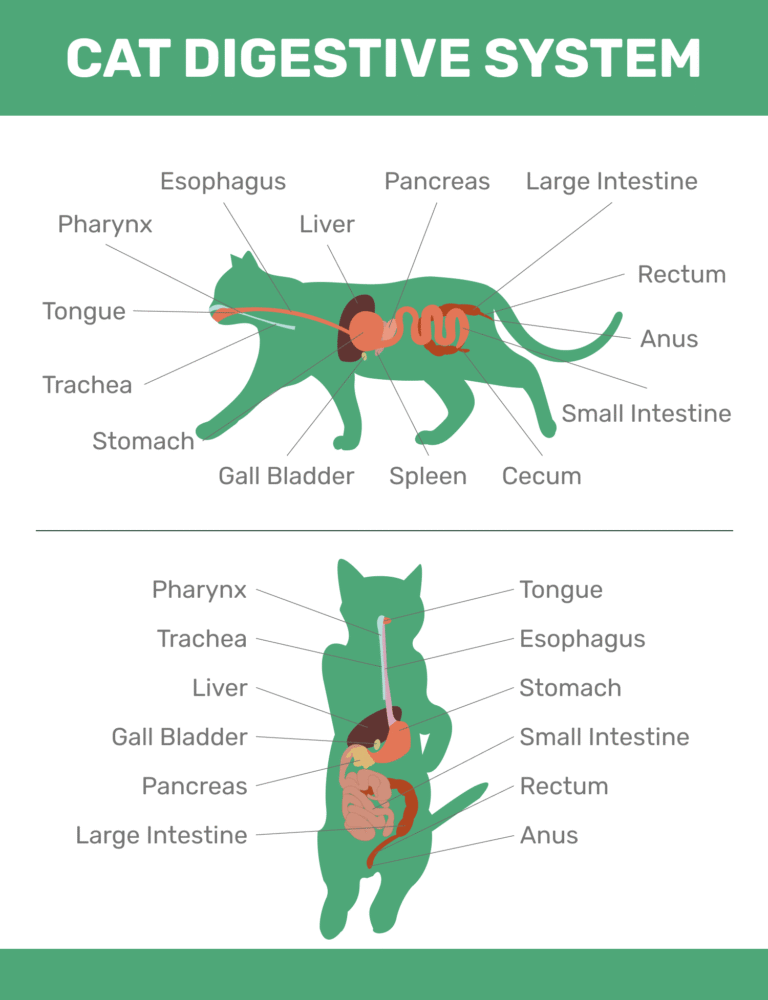
Cats are obligate carnivores, which means they depend on nutrients found in animal tissues to meet many of their nutritional needs. Their bodies are adapted to use protein and fat in ways that differ from those of many other mammals. A prolonged lack of food can therefore create problems that a cat owner may not notice at first.
The danger is not limited to hunger. The illness that caused the appetite loss may also be getting worse. Dental pain, kidney disease, intestinal blockage, infection, pancreatitis, and other conditions can make eating painful or trigger nausea.
Source: cdn.shopify.com
Loss of muscle
When the body lacks enough energy and nutrients, it may break down muscle tissue. A cat can become weak and lose strength.
Low energy and weakness
Insufficient food can leave a cat less active and less able to maintain normal body functions, particularly when another illness is present.
Worsening underlying disease
A cat may stop eating because it feels sick. Without treatment, the original problem can worsen while the cat becomes less nourished.
Metabolic changes
Prolonged food deprivation can disturb the body’s normal use of fat, protein, and other nutrients. These changes may become medically serious.
What Is Hepatic Lipidosis in Cats?
Hepatic lipidosis, also called fatty liver disease, occurs when excessive fat builds up in the liver and interferes with its normal function. It is a major concern in cats that stop eating, particularly overweight cats that experience a sudden drop in food intake.
When a cat does not take in enough calories, its body moves stored fat toward the liver for processing. In some cats, the liver cannot handle the increased fat load effectively. Liver function can decline, and the cat may become increasingly ill.
Warning signs can include vomiting, marked tiredness, weight loss, yellowing of the eyes or gums, and reduced appetite. Yellow coloring is called jaundice and needs urgent veterinary assessment. A veterinarian must diagnose hepatic lipidosis and guide treatment; it is not something an owner can safely manage by changing food alone.
Overweight cats need special care
Extra body fat does not protect a cat from the effects of starvation. In some cases, it increases concern about fatty liver disease.
Do not wait for jaundice
A cat can have a serious problem before yellowing appears. Contact a veterinarian when appetite loss persists rather than waiting for advanced signs.
Why Cats May Hide Signs of Illness
Cats often hide when they feel unwell. A pet that normally greets you at the door may instead sleep under a bed, avoid touch, or spend more time alone. These changes can be subtle, so compare the cat’s behavior with its usual routine.
Check whether the cat is eating, drinking, urinating, passing stool, and moving normally. A small change may help explain the problem, but a normal-looking cat can still have a serious condition. Appetite loss is a symptom, not a diagnosis.
Watch the whole picture
Note behavior, litter box use, water intake, vomiting, and breathing. Tell the veterinarian when the changes began.
How Long Can a Cat Go Without Food but With Water?
Water may help a cat avoid the added danger of dehydration, but it does not prevent the harm caused by prolonged food deprivation. A cat that drinks normally can still develop weakness, muscle loss, and liver problems when it does not eat enough.
If your cat is drinking but refusing food, look for changes in behavior and signs of illness. Measure the time since the last normal meal, not just the time since you first noticed the problem. A few licks of gravy or a tiny treat do not necessarily mean the cat is getting enough calories.
Keep fresh water available in a clean bowl. If the cat prefers a fountain or a different bowl location, offer that familiar option as well. Do not squirt water into the mouth of a weak or resisting cat because liquid can enter the airway.
Source: thehappycatsite.com
Does Drinking Water Make It Safe to Wait?
No. Water supports hydration, but it cannot replace protein, fat, vitamins, minerals, and calories. A cat may continue drinking while an illness or nutritional problem develops.
Call a veterinarian if your cat has not eaten for 24 hours. If the cat drinks much more or less than usual, vomits after drinking, or cannot keep fluids down, mention that when you call. These details can help the clinic judge how quickly the cat needs to be seen.
Water is helpful, not a cure
Fresh water reduces one risk but does not remove the need to address ongoing appetite loss.
How to Spot Possible Dehydration
Possible signs of dehydration include unusual tiredness, dry or tacky gums, reduced urination, sunken-looking eyes, and weakness. These signs are not specific to dehydration, and checking skin elasticity at home is not a reliable way to rule it out.
A cat that is vomiting, has diarrhea, refuses water, or urinates much less than usual needs prompt veterinary advice. Collapse, severe weakness, or inability to keep water down calls for urgent assessment.
Check access to water
Make sure the cat can reach a clean bowl and is not being blocked from it by another pet.
Do not force fluids
Avoid syringing water into the mouth unless a veterinarian has specifically shown you how to do so safely.
How Long Can Kittens Survive Without Food?
Kittens cannot safely go without food as long as a healthy adult cat might. Young kittens have small energy reserves and need frequent meals to support growth. Their risk rises quickly if they are cold, weak, ill, or separated from their mother.
A newborn kitten that is not nursing needs urgent guidance from a veterinarian or an experienced neonatal kitten rescue service. Very young kittens can develop low blood sugar and become dangerously weak. They also struggle to maintain body temperature, which can make feeding and care more complex.
Older kittens still need regular meals suited to their age and growth. If a kitten refuses food, contact a veterinarian promptly rather than waiting 24 hours. A kitten that is limp, cold, struggling to breathe, or unable to suckle needs emergency help.
Source: askmycats.com
Newborn Kittens
Newborn kittens depend on their mother or a suitable kitten milk replacer for nutrition. Cow’s milk is not a suitable replacement, and an improvised formula may fail to meet their needs.
If the mother is absent or not feeding the litter, get professional instructions about warmth, feeding frequency, formula preparation, and safe feeding position. Never feed a cold or poorly responsive kitten without urgent veterinary guidance because feeding can be dangerous in that state.
Get help right away
A newborn kitten that is not nursing or is becoming weak should not be left to see whether it improves on its own.
Weaning and Older Kittens
As kittens move from nursing to solid food, they need meals that are complete and balanced for growth. Offer the familiar kitten food in a calm place and monitor how much each kitten eats, especially in a litter where one may be pushed aside.
If a kitten skips several meals, seems less active, has diarrhea, vomits, or loses weight, call a veterinarian promptly. Do not use adult-cat fasting timelines to decide when a kitten needs help.
Track each kitten
Record feeding, weight trends, and activity so that poor intake is not hidden by the behavior of the rest of the litter.
What Changes How Long a Cat Can Go Without Food?
A cat’s health and living conditions can change the effects of missing meals. Two cats that have not eaten for the same length of time may have very different medical needs. For that reason, survival estimates should never replace a health check.
Age, body condition, hydration, activity, and underlying illness all matter. A cat with diabetes or another chronic condition may face additional risks when food intake changes, especially if it receives medication that affects blood sugar or appetite.
The table below is a practical guide to urgency, not a prediction of survival. If you are unsure how much your cat has eaten or when it last had a full meal, explain that uncertainty to the veterinarian.
Source: catsdom.com
Factors That Affect Risk
Age and health are often more useful than body size alone when judging the danger of appetite loss. Young kittens have limited reserves, while senior cats may have kidney disease, dental pain, or other conditions that reduce their ability to cope.
Body weight can also be misleading. An overweight cat is not protected from starvation and may be at greater risk of hepatic lipidosis. A thin cat may have fewer reserves, while a cat with a serious illness may deteriorate even if it was previously at a healthy weight.
Age
Kittens need more frequent feeding, and senior cats may have health issues that make appetite loss more serious.
Existing illness
Diabetes, kidney disease, digestive problems, cancer, and other conditions can make missed meals more dangerous.
Body condition
Being overweight does not make prolonged fasting safe. Low body weight may also leave a cat with limited reserves.
Fluid loss
Vomiting, diarrhea, heat exposure, or refusal to drink can add dehydration to the risk of not eating.
Reason for refusing food
A painful mouth, nausea, stress, fever, or a swallowed object may need different treatment. Finding the cause is essential.
Urgency Guide for Cat Owners
Use this guide to choose the next step, not to decide how long to wait. Symptoms can make a situation urgent even when the cat has missed only one meal.
Adult cat, one missed meal, normal behavior
Offer the usual food and observe closely. If the cat continues to refuse food or other symptoms appear, contact the veterinarian.
Adult cat, no food for 24 hours
Call a veterinarian for advice and arrange an assessment as directed.
Kitten, diabetic cat, or medically fragile cat refusing food
Contact a veterinarian promptly, even if the period without food is short. Follow any existing sick-day instructions.
Repeated vomiting, severe weakness, collapse, breathing trouble, or yellow gums or eyes
Seek urgent or emergency veterinary care. Do not wait for a particular fasting duration.
No food for several days
Treat this as an urgent veterinary problem, even if the cat remains responsive.
Why Has My Cat Stopped Eating?
A cat may stop eating because of stress, food changes, pain, nausea, or illness. The most helpful first step is to check for a recent change while watching for signs that the cat needs medical care.
A new pet, house move, noisy repair, or unfamiliar feeding area can make a cat reluctant to eat. Yet owners should not assume stress is the cause when a cat refuses all food. Dental disease, constipation, kidney problems, infections, pancreatitis, and intestinal obstruction can also reduce appetite.
Think about whether your cat approaches the bowl but backs away, tries to chew and drops food, or seems interested but cannot eat. These clues may help the veterinarian distinguish a lack of appetite from a problem with chewing or swallowing.
Source: budgetpetcare.com
Common Causes of Appetite Loss
A sudden food change can put some cats off their meals. Food that has spoiled, a dirty bowl, a strong odor, or a change in texture may also matter. Try the cat’s familiar food if it is safe and fresh, but do not let repeated food experiments delay veterinary care.
Illness often causes broader changes. Vomiting, diarrhea, drooling, bad breath, hiding, weight loss, changes in thirst, and changes in urination can point to a medical problem. No single symptom identifies the cause with certainty.
Stress or a change in routine
Keep the feeding area quiet, maintain familiar meal times, and give the cat a safe place to rest.
Dental or mouth pain
A cat may approach food but struggle to chew. Drooling, pawing at the mouth, or dropping food are reasons for a veterinary check.
Nausea or digestive illness
Vomiting, lip licking, drooling, or turning away from food can occur with nausea. Repeated vomiting needs prompt assessment.
Possible blockage or toxin exposure
Repeated vomiting, abdominal pain, or a known exposure to string, medication, or a toxic substance needs urgent veterinary advice.
Food-related issues
Check freshness, storage, and whether the food is the usual type. A food preference should not be assumed if the cat remains unwilling to eat.
What If My Cat Wants Food but Cannot Eat?
A cat that seems hungry but cannot chew, swallow, or keep food down may have pain or another medical problem. This differs from a cat that simply dislikes a meal, and it should not be treated as ordinary pickiness.
Do not pry the mouth open or try to remove a deeply lodged object. Call a veterinarian, describe what you have seen, and seek urgent care if the cat is choking, struggling to breathe, or unable to swallow.
Describe the behavior
Tell the clinic whether the cat approaches food, chews, drops food, coughs, gags, or vomits. These details can help guide the next step.
What to Do If Your Cat Will Not Eat
Start by checking your cat’s condition, then offer familiar food and water while arranging veterinary advice when needed. Do not spend days trying different foods if the cat continues to refuse meals.
Write down when your cat last ate a normal amount, whether it is drinking, and whether it has vomited or used the litter box. If several people care for the cat, ask whether someone else fed it or noticed symptoms. This helps establish a more accurate timeline.
If the cat is alert and otherwise seems normal after missing a single meal, you can try a calm feeding setup. If it has not eaten for 24 hours, call your veterinarian even if it appears comfortable. For kittens and cats with chronic conditions, seek guidance sooner.
Source: i.pinimg.com
Step 1: Check for Emergency Signs
Look for trouble breathing, collapse, severe weakness, repeated vomiting, marked pain, pale or yellow gums, or suspected toxin exposure. These signs need urgent veterinary care and should not be managed by waiting for the next meal.
Go to an emergency clinic when needed
Call ahead if possible, but do not delay leaving when the cat is struggling to breathe, collapsing, or otherwise in immediate danger.
Step 2: Offer Familiar Food
Place a small amount of the cat’s usual food in a clean bowl. Wet food can be gently warmed to near room temperature or slightly warmer to increase its smell, but check that it is not hot before serving.
Feed the cat in a quiet spot away from other pets, children, and loud sounds. Some cats prefer a wide, shallow dish that does not press against their whiskers. Keep the setup simple rather than offering many new foods at once.
Use a small portion
A small fresh serving makes it easier to see whether the cat is interested and avoids leaving food out until it spoils.
Keep the setting calm
Allow the cat to approach on its own. Do not crowd it or repeatedly push food toward its face.
Step 3: Check Water and the Litter Box
Make sure the cat has access to fresh water. Check whether it has urinated and passed stool as usual, and note any change in the amount or frequency. Straining to urinate, especially in a male cat, can signal a life-threatening blockage and requires immediate veterinary care.
A cat that stops eating and also stops urinating, strains in the litter box, or repeatedly enters the box without producing urine should not be treated as having a simple appetite problem.
Record what you observe
Note drinking, urine output, stool, vomiting, and activity so you can give the veterinarian a clear history.
Step 4: Call the Veterinarian
Call if an adult cat has not eaten for 24 hours, or sooner if it is a kitten, has a chronic illness, or shows other symptoms. Explain when the problem began and whether the cat can drink and keep water down.
The veterinarian may recommend an examination and tests based on the cat’s age, history, and symptoms. Treatment can involve addressing pain or nausea, treating the underlying disease, providing fluids, or creating a safe feeding plan.
Bring useful details
Have the food label, medication list, medical history, and a record of recent symptoms ready if available.
What Not to Do When a Cat Stops Eating
Avoid home remedies that can make an unwell cat worse. A cat that refuses food needs a safe plan to find the cause, not pressure to eat at any cost.
Do not force food or water into a cat’s mouth unless a veterinarian has given specific instructions and shown you how to do it. A struggling or weak cat can inhale food or liquid into the lungs. Force-feeding may also cause distress and create a stronger aversion to food.
Do not give human medicines, including pain relievers, unless a veterinarian specifically prescribes them for that cat. Some common human medications are toxic to cats, even in small amounts. Do not use fasting as a home treatment for vomiting or other illness without veterinary direction.
Source: petshun.com
Do not wait for a week
A cat can become seriously ill before the effects of starvation are obvious. Seek advice when appetite loss reaches 24 hours in an adult cat.
Do not rely on treats alone
A few treats may not provide enough calories or balanced nutrients. Tell the veterinarian exactly what the cat has eaten.
Do not make sudden major diet changes
Repeatedly changing foods can complicate the picture. Start with familiar food and follow professional advice if refusal continues.
Do not assume extra body fat protects the cat
Overweight cats can develop fatty liver disease when they stop eating. Body size is not a safe reason to delay care.
Do not use appetite stimulants without guidance
Prescription appetite medicines may help selected cats, but the cause of poor appetite still needs assessment and treatment.
Can You Force-Feed a Cat That Will Not Eat?
Force-feeding is not a safe first response to unexplained appetite loss. It can cause stress, choking, or aspiration, in which food enters the airway. It may also be unsuitable for a cat that is vomiting or cannot swallow normally.
If the cat is not getting enough food, a veterinarian can determine whether assisted feeding is needed. In some cases, a feeding tube is safer and more effective than repeatedly pushing food into the mouth. The method and timing depend on the cat’s condition.
Follow a veterinary feeding plan
Use only the method, food, and amount recommended for your cat. Ask the clinic for a demonstration if you are unsure.
How to Help a Cat Return to Eating Safely
The safest way to restart eating depends on how long the cat has gone without food and why it stopped eating. A cat that has missed one meal and remains healthy may return to its usual diet, while a cat that has been without food for several days may need a supervised nutrition plan.
After prolonged starvation, suddenly giving a large amount of food can create dangerous shifts in fluids and electrolytes in severely malnourished animals. This problem is known as refeeding syndrome. It is not expected after every missed meal, but it is one reason a cat that has gone several days without eating should be assessed by a veterinarian before a major feeding change.
For a cat that is medically stable, a veterinarian may recommend small, frequent portions of a complete and balanced cat food. The amount should rise according to the cat’s condition and tolerance rather than through guesswork. Watch for vomiting, renewed refusal, weakness, or changes in behavior and report them.
Source: thehappycatsite.com
Choosing Food During Recovery
Start with the food the cat normally eats unless the veterinarian recommends another diet. Wet food may be easier to smell and can contribute water, while dry food may suit a cat that prefers its usual kibble. Neither type automatically solves appetite loss.
Avoid adding oils, supplements, or human foods as a way to increase calories without checking with the veterinarian. Some ingredients are unsafe for cats, and extra fat can be a poor choice for a cat with digestive problems. A complete diet should provide the nutrients the cat needs.
Keep portions manageable
Offer the amount recommended by the veterinarian and track what the cat actually eats, not just what you put in the bowl.
Watch for setbacks
If the cat refuses food again, vomits, or becomes weaker, contact the clinic rather than repeatedly changing the diet.
What If the Cat Eats Only a Little?
Eating a few bites is better than eating nothing, but it may still be far below the cat’s needs. A cat that eats very little for a day or more can remain at risk even if it accepts treats or licks gravy.
Keep a simple record of the food offered and the amount left. If the cat is eating less than normal, call your veterinarian for advice, particularly if the pattern continues or the cat is losing weight. Do not assume a partial appetite means the underlying problem has resolved.
Measure intake
Use package feeding guidance as a starting point, then follow your veterinarian’s advice for the individual cat.
Preventing Food Refusal and Missed Meals
A steady feeding routine can help you spot appetite changes early. Feed your cat in a quiet area, keep food fresh, and use a consistent meal schedule that fits its age and medical needs.
Measure portions rather than filling the bowl without tracking intake. This helps you notice whether your cat is eating less over several days. In a home with multiple cats, separate feeding areas can help you see which cat is eating and prevent one pet from taking another’s food.
Plan ahead for travel, holidays, and workdays. Ask a reliable caregiver to check food, water, behavior, and litter box use. An automatic feeder can help with scheduled portions, but it cannot confirm that a cat has eaten or recognize signs of illness unless a person checks on the animal.
Source: askmycats.com
Keep Food Fresh and Familiar
Store cat food according to its label, wash bowls regularly, and discard spoiled food. Refrigerate opened wet food as directed by the manufacturer and serve it at a comfortable temperature. Avoid leaving wet food out for long periods, especially in a warm room.
If you need to change your cat’s diet, ask the veterinarian how to make the change safely. A gradual transition may help some cats accept a new food, but a medically necessary diet change may need a different plan.
Keep a feeding log
Record meal times, approximate amounts eaten, and any changes in appetite or weight.
Separate pets when needed
Feed cats in separate spaces if competition makes it hard to know who has eaten.
Prepare for Emergencies and Travel
Keep your veterinarian’s number and the nearest emergency clinic’s contact details where you can find them. If you travel, leave written feeding instructions, medication details, and clear guidance on when the caregiver should call for help.
A caregiver should not wait until the end of a trip to report that a cat has stopped eating. Ask them to contact you and a veterinarian promptly if the cat refuses food, shows symptoms, or cannot access water.
Set a clear reporting rule
Tell the caregiver to report a complete missed day of food sooner for kittens or medically fragile cats and to seek urgent care for emergency signs.
Frequently Asked Questions
Q
How long can a cat survive without food but with water?
A cat with water may survive for days or longer without food, but survival time varies widely and cannot be predicted safely. Serious health problems can develop well before the cat reaches the limits of survival. Contact a veterinarian if an adult cat has not eaten for 24 hours, or sooner if it is a kitten or has other symptoms.
Q
Can a cat go 24 hours without eating?
An otherwise healthy adult cat may get through a 24-hour period without food, but that does not make the fast harmless. If your cat has eaten nothing for a full day, call a veterinarian for advice. Seek help sooner if the cat is weak, vomiting, dehydrated, diabetic, or otherwise unwell.
Q
How long can a kitten go without food?
Kittens, especially newborns, need frequent feeding and have limited energy reserves. They can become weak or develop low blood sugar quickly, so there is no safe general fasting period to rely on. Contact a veterinarian promptly if a kitten refuses food, and seek emergency help if it is cold, limp, or unable to suckle.
Q
Will a cat starve itself if it dislikes its food?
A cat may reject food because of taste, texture, smell, or a change in routine, but persistent refusal can also signal pain or illness. Do not assume your cat is simply being picky if it refuses all meals. Offer its familiar food and contact a veterinarian if appetite loss continues or reaches 24 hours.
Q
What are the first signs that a cat is starving?
Early signs may include reduced energy, persistent food refusal, weight loss, and changes in normal behavior. As the problem worsens, a cat may become weak, vomit, or show signs of dehydration or liver disease. Do not wait for visible starvation signs before seeking help; appetite loss itself deserves attention.
Q
Can a cat survive without food for three days?
Some cats may remain alive after three days without food, but others can become critically ill much sooner. The outcome depends on hydration, age, health, body condition, and the cause of the food refusal. A cat that has not eaten for three days needs urgent veterinary care.
Q
Should I force-feed a cat that has stopped eating?
Do not force-feed a cat without veterinary direction. Food or liquid can enter the airway, and force-feeding can cause distress or make food aversion worse. A veterinarian can identify the cause and decide whether assisted feeding, a feeding tube, or another treatment is needed.
Q
When should I take my cat to an emergency vet?
Seek emergency care for trouble breathing, collapse, severe weakness, repeated vomiting, suspected poisoning, severe pain, yellow eyes or gums, or an inability to keep water down. Straining to urinate or repeatedly trying to urinate without producing urine is also an emergency. Do not wait for 24 hours if any of these signs appear.
✦ Wrapping Up
Conclusion
A cat may survive for days or longer without food if water is available, but that estimate is not a safe measure of how long it can go without medical harm. Cats can develop serious problems from prolonged food refusal, including hepatic lipidosis, and the risk can rise faster in kittens, overweight cats, and animals with existing illnesses.
If your adult cat has not eaten for 24 hours, call a veterinarian. Contact a clinic sooner if your cat is young, medically fragile, vomiting, weak, dehydrated, or showing other concerning signs. Keep fresh water available, offer familiar food in a calm setting, and avoid force-feeding or giving human medicines without veterinary direction.
The safest approach is to act on the loss of appetite rather than trying to calculate a survival deadline. Early veterinary advice can help find the cause, protect your cat’s health, and guide a safe return to normal eating.
💡 Key Takeaway
Check when your cat last ate a normal meal, confirm that fresh water is available, and look for other symptoms. If an adult cat has eaten nothing for 24 hours, contact a veterinarian today. For kittens, cats with chronic illness, or any cat with severe symptoms, seek help sooner.