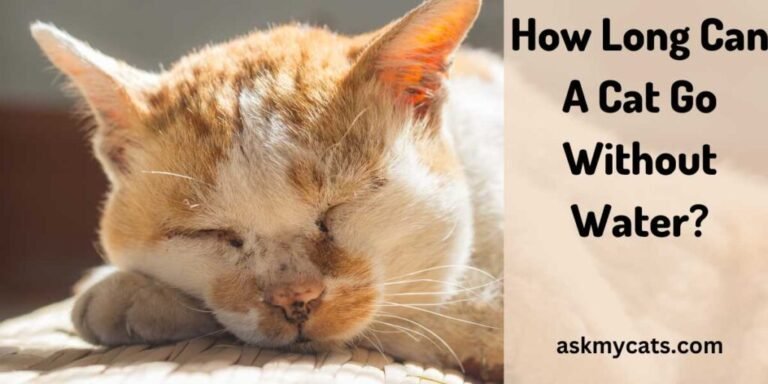
A cat may survive only a few days without water, while a healthy adult cat may survive longer without food alone. However, a cat that stops eating or drinking needs prompt attention, not a survival countdown.
If your cat has skipped meals or stopped drinking, you may wonder how long you have before the situation becomes dangerous. For cat owners in the United States, this can happen during a move, a summer heat wave, a power outage, an illness, or a stressful trip to a new home. The answer depends on your cat’s age, health, body condition, access to moisture, and the reason for refusing food or water.
Food and water shortages create different risks. Water loss can cause dehydration and disturb the body’s balance of salts. Going without food can lead to weakness and, in cats, a serious liver problem called hepatic lipidosis. A cat that has access to wet food may get some water from meals, but that does not guarantee adequate hydration.
Do not wait for your cat to reach a theoretical survival limit. Contact a veterinarian if your cat has not eaten for about 24 hours, and seek advice sooner for kittens, senior cats, cats with chronic illness, or any cat that also refuses water. If your cat is weak, collapses, struggles to breathe, or shows severe signs of dehydration, seek emergency veterinary care.
Source: petdemy.com
How Long Can a Cat Survive Without Food and Water?
A cat’s survival without food and water varies widely. A healthy adult cat may survive longer without food than without water, but neither situation has a dependable deadline. A cat can become seriously ill well before reaching the limits sometimes described in general pet-care articles.
Without water, dehydration can develop rapidly. The speed depends on the cat’s starting hydration, temperature, activity, diet, and whether the cat is losing fluids through vomiting, diarrhea, or excessive urination. Hot weather and illness can shorten the time before dehydration becomes dangerous.
Without food but with continued access to water, a healthy adult cat may survive for a number of days, but survival is not the same as safety. Cats can develop metabolic complications when they stop eating, and some need treatment before obvious weight loss occurs. Veterinary advice is appropriate if a cat refuses food for about 24 hours.
When a cat receives neither food nor water, the risks compound. The body loses its source of dietary energy while also becoming dehydrated. There is no reliable way to predict an individual cat’s survival time from the number of hours or days alone.
Source: storage.googleapis.com
Without water
Dehydration may become serious within a short period, especially in heat or during fluid loss. Treat refusal to drink as a concern, not a countdown to a predicted survival date.
Without food but with water
A cat may live longer than it could without water, but prolonged fasting can cause dangerous metabolic changes. Contact a veterinarian if the cat has not eaten for about 24 hours.
Without food and water
This combination is particularly dangerous because dehydration and energy deprivation occur together. Seek veterinary guidance promptly rather than waiting to see how long the cat lasts.
Why Survival Estimates Can Be Misleading
Online sources sometimes give a fixed number of days for cats without food or water. These figures are rough descriptions, not reliable medical limits. They may not account for age, disease, body fat, environmental heat, or hidden fluid loss.
For example, a healthy adult cat in a cool room may have a different risk from a kitten with diarrhea or a senior cat with kidney disease. Both may have stopped drinking, yet their needs and likely course can differ greatly. A veterinarian can assess the actual risk more safely than a general survival estimate.
Use symptoms, not a countdown
A cat that is lethargic, vomiting, weak, or unable to keep water down needs attention even if it has been only a few hours.
Consider hidden water intake
A cat eating wet food receives moisture from that food. A cat eating nothing may lose this source of fluid even if a water bowl remains available.
What Happens to a Cat’s Body Without Water?
Water helps a cat regulate body temperature, circulate blood, digest food, and remove waste through urine. When fluid intake falls, the body tries to conserve water, but these adjustments cannot fully protect a cat that continues to lose fluid or cannot drink.
Early dehydration may cause a cat to drink more, urinate less, or seem quieter than usual. As dehydration worsens, the cat may develop dry or sticky gums, reduced urine output, weakness, sunken-looking eyes, or a fast heart rate. Severe dehydration can impair circulation and damage organs.
A cat can become dehydrated even when water is present. Kidney disease, diabetes, fever, vomiting, and diarrhea can change fluid needs or increase water loss. Some cats also avoid a bowl because of stress, pain, an unpleasant location, or a dislike of the water’s freshness.
Never assume that a cat is adequately hydrated just because it takes a few laps from a bowl. The total amount of fluid it consumes, its food moisture, urine output, and overall condition all matter.
Source: petshun.com
Mild fluid loss
The cat may be thirstier, less active, or producing less urine than normal. Early changes can be subtle and are not enough to estimate the exact level of dehydration at home.
Worsening dehydration
Sticky gums, weakness, reduced appetite, vomiting, and low urine output can indicate a significant problem. Contact a veterinarian promptly.
Severe dehydration
Collapse, marked weakness, altered awareness, or signs of poor circulation require emergency veterinary care.
How Much Water Does a Cat Need Each Day?
A common general estimate for a healthy adult cat is about 40 to 60 milliliters of total water per kilogram of body weight each day. This includes water from both food and drinking. It is a starting point, not a prescription for every cat, because activity, temperature, diet, and medical conditions can change daily needs.
For example, a hypothetical 4-kilogram adult cat might need roughly 160 to 240 milliliters of total water in a day. A cat eating moisture-rich wet food may get much of that amount from its meals, while a cat eating dry kibble usually needs to drink more.
Do not force your cat to consume a calculated amount if it is weak, nauseated, or unable to swallow normally. If water intake drops sharply or you suspect dehydration, ask a veterinarian how to assess and correct the problem safely.
Wet food
Many canned cat foods contain roughly 70% to 80% moisture, so meals can supply a substantial amount of water.
Dry food
Dry kibble contains much less moisture, so cats eating it usually depend more on drinking water.
Medical conditions
Kidney disease, diabetes, vomiting, and diarrhea can alter fluid needs. Follow the treating veterinarian’s advice when a medical condition is present.
What Happens When a Cat Stops Eating?
When a cat stops eating, its body must use stored energy to keep working. Appetite loss can also signal pain, nausea, infection, dental disease, stress, or an underlying organ problem. The first task is to identify why the cat is not eating rather than simply trying to make it finish a meal.
Cats are particularly vulnerable to a condition called hepatic lipidosis, also known as fatty liver disease. When a cat eats too little, stored fat moves to the liver for processing. The liver may struggle to handle the excess fat, especially in overweight cats, and serious illness can follow.
Hepatic lipidosis can develop after a period of poor food intake, sometimes within days. The risk varies, and it is not possible to predict which cat will develop it. A cat that refuses food should receive veterinary advice early instead of waiting for visible weight loss.
A cat may still drink water while its health worsens from not eating. Drinking alone does not rule out a serious problem, and a cat that eats only a few bites may still be taking in far too few calories.
Source: catilife.com
Loss of energy
Reduced calorie intake can lead to weakness and less interest in normal activities.
Muscle loss
During prolonged inadequate intake, the body may break down muscle as well as use fat for energy.
Fatty liver disease
Cats, particularly overweight cats, can develop a dangerous liver condition when food intake drops sharply or stops.
Underlying illness
Poor appetite may be a symptom of dental pain, gastrointestinal disease, kidney problems, infection, or another condition that needs treatment.
Why Overweight Cats Need Special Attention
An overweight cat is not protected from starvation because it has extra body fat. In fact, overweight cats may be at greater risk of hepatic lipidosis when they stop eating. Stored fat can become difficult for the liver to process during a period of severe calorie restriction.
Do not put an overweight cat on a crash diet or sharply reduce its meals without veterinary guidance. Safe weight loss requires a measured plan that provides enough nutrients while gradually reducing excess body fat. If the cat suddenly refuses its normal food, contact the veterinarian promptly.
Do not wait for weight loss
A cat can become medically unwell before its weight changes are obvious.
Avoid force-feeding without guidance
Food given improperly can enter the airway, and force-feeding may worsen food aversion. Ask a veterinarian about a safe feeding plan.
How Long Can Kittens Go Without Food and Water?
Kittens are more vulnerable than healthy adult cats because they have smaller energy reserves and are still growing. Very young kittens also have limited ability to regulate their body temperature and maintain fluid balance. Missing feeds can become dangerous much faster than it might in an adult cat.
Newborn kittens need frequent feeding, warmth, and appropriate care. A kitten that is cold, weak, crying continuously, unable to nurse, or refusing food needs prompt veterinary advice. Do not apply an adult cat’s feeding schedule or survival estimate to a newborn kitten.
Kittens that are orphaned or separated from their mother need a suitable kitten milk replacer and a feeding plan based on age and weight. Cow’s milk is not a proper substitute for kitten formula. A weak or cold kitten should be assessed urgently rather than repeatedly offered food without addressing its condition.
For older kittens that have started eating solid food, sudden refusal to eat or drink still deserves prompt attention. Contact a veterinarian the same day if a kitten misses feeds or seems unwell, and seek emergency care for severe weakness, breathing problems, collapse, or inability to swallow.
Source: petshun.com
Newborn kittens
They need frequent, age-appropriate feeding and close monitoring. Refusal to nurse or weakness requires urgent professional guidance.
Weaning kittens
Offer appropriate kitten food and clean water as they transition to solid food. A sudden drop in intake should not be ignored.
Orphaned kittens
Use a kitten milk replacer and follow veterinary instructions for feeding frequency, amount, warmth, and toileting needs.
What If You Find a Stray Kitten?
If you find a kitten outdoors in the United States, first check whether it is injured, cold, wet, or in immediate danger. A mother cat may be away finding food, so a healthy, warm kitten in a safe location may not be abandoned. If the kitten appears ill, weak, or distressed, contact a veterinarian or local animal rescue for advice.
Do not give a tiny kitten cow’s milk or squirt water into its mouth. A kitten that cannot swallow properly can inhale fluid into its lungs. Keep the kitten warm without direct contact with a hot surface, and seek guidance about its age and feeding needs.
Very young orphaned kittens need species-appropriate milk replacer, not ordinary dairy milk.
Factors That Affect How Long a Cat Can Go Without Food or Water
A cat’s condition matters more than any single survival estimate. Two cats that stop eating at the same time can have very different outcomes because one may be healthy while the other has an illness or is already dehydrated.
Environmental conditions also matter. A cat trapped in a hot garage, shed, vehicle, or outdoor space can lose fluid faster than a cat in a cool indoor room. Vomiting, diarrhea, fever, and some medical conditions can increase fluid loss even when a water source is available.
Diet is another important factor. Wet food supplies moisture, while dry food supplies relatively little. A cat that suddenly refuses all food may lose both calories and a major source of water, particularly if it normally eats canned food.
Stress can reduce appetite and drinking. Moving house, boarding, a new pet, a noisy environment, or a changed feeding location may affect behavior. Still, stress should not be assumed to be the cause until illness and pain have been considered.
Source: petadvisorpro.com
Age
Young kittens and frail senior cats may deteriorate faster than healthy adults.
Existing disease
Kidney disease, diabetes, gastrointestinal illness, and other health problems can increase the risks of poor intake.
Body condition
Overweight cats are at increased risk of hepatic lipidosis during prolonged inadequate food intake.
Heat and activity
High temperatures and increased activity may raise fluid needs and speed dehydration.
Vomiting or diarrhea
Fluid loss can make dehydration more serious even if the cat has had some water.
Food moisture
Cats that eat wet food receive more water from meals than cats eating dry kibble alone.
Can a Cat Survive Longer in Cool Weather?
A cool environment may reduce some sources of water loss compared with intense heat, but it does not make a lack of water safe. Cats still need fluid for circulation, digestion, temperature control, and waste removal. Illness can cause serious dehydration in a cool home.
Cold exposure creates a separate risk. A cat left outdoors in severe cold may use more energy to maintain body temperature and can develop hypothermia. Temperature alone cannot tell you how long a cat can survive without food or water.
Keep indoor conditions stable
Provide a comfortable resting place, accessible water, and a quiet feeding area.
Avoid environmental experiments
Never restrict food or water to test a cat’s limits or assume that changing the temperature will prevent harm.
Signs Your Cat May Be Dehydrated or Starving
Changes in behavior, appetite, drinking, and litter box habits may be the first signs that something is wrong. Cats often hide discomfort, so a quiet cat that stops greeting you or visiting its usual food bowl may need more attention than its behavior suggests.
No single home test can reliably rule out dehydration. Skin elasticity, for example, can be affected by age and body condition, so a skin tent test may be misleading. A veterinarian can assess hydration using the full examination and other findings.
Watch for changes in urine output as well. Very little urine, repeated trips to the litter box with little or no urine, or straining can indicate a serious problem. Inability to urinate, especially in a male cat, is an emergency because a urinary blockage can become life-threatening.
Do not wait until your cat looks extremely thin or has sunken eyes. Loss of appetite, reduced drinking, vomiting, and marked lethargy are enough to justify a call to your veterinarian.
Source: captionssimplenyc.blogspot.com
Possible dehydration signs
Dry or sticky gums, reduced urine, weakness, sunken-looking eyes, and unusual lethargy may indicate fluid loss.
Possible effects of inadequate food
Reduced energy, weight loss, muscle loss, weakness, and ongoing refusal to eat can signal inadequate nutrition or an underlying disease.
Possible signs of pain or illness
Hiding, growling when touched, drooling, chewing difficulty, vomiting, or a hunched posture may help explain why the cat will not eat.
Emergency warning signs
Collapse, trouble breathing, severe weakness, altered awareness, repeated vomiting with deterioration, or inability to urinate requires emergency care.
How to Check Your Cat Safely at Home
Start by observing your cat without causing stress. Check whether it is alert, breathing normally, able to walk, interested in food, and producing urine. Look at the water bowl and food dish to see whether intake has changed, but remember that another pet may have consumed the food or water.
If your cat allows it, you can gently look at the gums for moisture and color. Do not pry open the mouth of a frightened, painful, or struggling cat. Normal-looking gums do not guarantee normal hydration, and pale, blue, gray, or very abnormal gum color needs urgent assessment.
Record when the cat last ate a normal meal, drank, urinated, or vomited. This timeline helps a veterinary team understand the problem. Do not delay a call while trying multiple home tests.
Observe
Check alertness, walking, breathing, food intake, water intake, and litter box output.
Record
Write down when the symptoms began and whether the cat has vomited, had diarrhea, or taken medication.
Escalate
Contact a veterinarian if the cat refuses food or water, and seek emergency help for severe symptoms.
What to Do If Your Cat Is Not Eating or Drinking
If your cat has stopped eating or drinking, begin by checking for immediate danger and contacting a veterinary professional when needed. Do not wait several days to see whether the cat improves, especially if it is also vomiting, weak, or producing less urine.
If the cat is alert, breathing normally, and swallowing without difficulty, you can offer fresh water and a small portion of its familiar food while arranging veterinary advice. A quiet room, a clean bowl, and a familiar feeding routine may help a cat that is stressed, but these measures cannot treat an underlying illness.
Try a clean, wide, shallow water bowl placed away from the litter box. Some cats prefer water in a different location or a drinking fountain, while others prefer a familiar bowl. Offer a small amount of familiar wet food, and do not make sudden diet changes if the cat already feels unwell.
Never force water or food into a cat’s mouth with a syringe unless a veterinarian has specifically instructed you and shown you how. A struggling, weak, or nauseated cat may inhale the fluid or food. Avoid giving human medicines, sports drinks, or home remedies unless a veterinarian directs you to do so.
Source: petshun.com
Step 1: Assess urgent symptoms
Look for collapse, breathing trouble, severe weakness, repeated vomiting, abnormal awareness, or inability to urinate. Go to an emergency veterinary clinic if these occur.
Step 2: Offer safe options
If the cat is alert and can swallow normally, place fresh water nearby and offer a small serving of familiar food.
Step 3: Contact the veterinarian
Seek advice if your cat has not eaten for about 24 hours, refuses water, or shows any concerning change. Call sooner for kittens and cats with known health conditions.
Step 4: Track intake and symptoms
Record meals, drinking, urination, vomiting, diarrhea, medications, and behavior to help the veterinary team assess the situation.
Step 5: Follow the treatment plan
The veterinarian may recommend an examination, tests, fluids, anti-nausea treatment, appetite support, or assisted nutrition based on the cause.
When Is It an Emergency?
Seek emergency veterinary care if your cat collapses, cannot stand, struggles to breathe, has seizures, appears severely weak, or is difficult to wake. Repeated vomiting with marked lethargy or an inability to keep water down also needs urgent assessment.
Straining to urinate, making repeated litter box trips without producing urine, or passing no urine can indicate a urinary blockage. This is particularly common in male cats and can quickly become life-threatening. Do not assume the cat is constipated or wait until morning if a blockage is possible.
If you suspect exposure to a toxin, a dangerous medication, or a harmful substance, contact a veterinarian or an animal poison-control service immediately. Do not induce vomiting or give a home remedy unless a qualified professional tells you to.
Emergency now
Collapse, labored breathing, seizures, severe weakness, inability to urinate, or suspected poisoning.
Prompt same-day advice
Refusal to drink, repeated vomiting, diarrhea with reduced intake, obvious pain, or a major change in normal eating.
Do not wait for a fixed time limit
Serious symptoms can develop before any general estimate of survival without food or water has passed.
What Will a Veterinarian Do?
A veterinarian will ask when the cat last ate and drank, whether it has vomited or had diarrhea, how often it urinates, and whether it has a history of illness or medication use. The examination may include checking body weight, temperature, circulation, hydration, and abdominal comfort.
Depending on the findings, the veterinarian may recommend blood tests, urine tests, imaging, or other diagnostic work. Treatment can include fluids, medication for nausea or pain, treatment of the underlying disease, and a nutrition plan. A cat with severe dehydration or significant metabolic changes may need hospitalization.
Treatment is tailored to the cause and severity of the problem. There is no single home remedy that safely replaces veterinary care for a cat that is dehydrated or has stopped eating because of illness.
Fluids
The veterinary team may give fluids by mouth when appropriate, under the skin, or through a vein, depending on the cat’s condition.
Diagnosis
Tests can help identify kidney disease, diabetes, infection, gastrointestinal problems, or other causes of poor intake.
Nutrition support
A veterinarian may recommend appetite treatment or assisted feeding if the cat cannot safely meet its nutritional needs.
How to Prevent Food and Water Deprivation
The best way to protect a cat is to make fresh water, suitable food, and a calm feeding area available every day. Watch your cat’s normal habits so you can spot changes early. A sudden drop in appetite or drinking is easier to address before the cat becomes weak or dehydrated.
Keep water bowls clean and refill them regularly. Place bowls in accessible, quiet locations away from litter boxes, and consider offering more than one water station. If your cat prefers wet food, include it as part of a complete and balanced diet appropriate for its age and health.
When traveling or leaving home, arrange reliable care rather than assuming a bowl of food and water will last. Spills, hot rooms, equipment failures, and illness can leave a cat without adequate supplies. A responsible caretaker should check the cat, refresh food and water, and watch for signs of distress.
During a move, boarding stay, or other stressful change, bring familiar food and keep the feeding routine as steady as possible. If the cat refuses food after a change in environment, do not assume stress is the only cause. Persistent refusal still requires veterinary advice.
Source: petshun.com
Maintain a steady routine
Feed suitable meals at regular times and monitor how much your cat usually eats.
Keep water accessible
Use clean bowls in safe locations and check that fountains or automatic dispensers are working.
Plan for travel
Arrange a dependable pet sitter or boarding provider and give clear instructions about meals, water, medication, and emergency contacts.
Watch for changes
A sudden change in thirst, appetite, urine output, or behavior can be an early sign of illness.
How to Make Water More Appealing
Some cats drink more readily when they have a choice of water sources. Try a clean, wide bowl, a different safe location, or a pet fountain if your cat likes moving water. Keep the setup stable long enough to see whether the cat uses it.
Adding water to wet food may increase moisture intake if the cat accepts the texture. You can also offer a small amount of familiar wet food as a way to supply additional moisture. Do not rely on these changes to treat suspected dehydration or delay care for a cat that refuses fluids.
Clean the bowl
Wash it regularly and replace stale water with fresh water.
Offer more than one source
Some cats prefer a bowl away from food, litter, or busy household areas.
Monitor actual intake
Check whether your cat drinks or eats normally rather than assuming that water availability means adequate intake.
Food and Water Survival Guide: Important Differences
The table below summarizes the practical risks of poor intake. It is a guide to deciding when to seek help, not a prediction of how many hours or days a specific cat can survive.
The key difference is that dehydration can become dangerous quickly, while inadequate food intake can trigger metabolic problems that may not be obvious at first. Both need attention, especially when they occur together.
If you do not know when your cat last drank or ate, or you suspect that it has been trapped without supplies, contact a veterinarian promptly. A cat may have an underlying injury or illness even if it initially appears calm.
Source: petsloverzone.com
Food refusal
Contact a veterinarian if an adult cat has not eaten for about 24 hours. Seek advice sooner if it is young, overweight, frail, or unwell.
Water refusal
Contact a veterinarian promptly if the cat refuses water, particularly if it is eating less or showing signs of dehydration.
No food and no water
Treat the combined lack of intake as urgent, particularly when the duration is unknown or symptoms are present.
Severe symptoms
Go to an emergency veterinary clinic for collapse, difficulty breathing, inability to urinate, seizures, or severe weakness.
Quick Decision Table
Use the following table to choose a safe next step. When more than one symptom is present, follow the more urgent recommendation.
Cat skipped one meal but acts normally
Check food freshness, the feeding area, and recent changes. Offer familiar food and monitor closely. Seek veterinary advice if the refusal continues or other symptoms appear.
Cat has not eaten for about 24 hours
Contact a veterinarian promptly for an assessment and advice on next steps.
Cat refuses water and seems unwell
Seek prompt veterinary care. Do not wait for a particular number of hours to pass.
Cat vomits repeatedly or cannot keep water down
Arrange urgent veterinary assessment, especially if weakness, diarrhea, or reduced urination occurs.
Cat is weak, collapsed, or unable to urinate
Seek emergency veterinary care immediately.
Newborn kitten will not nurse
Contact a veterinarian or emergency animal-care service immediately for age-appropriate feeding and stabilization guidance.
Common Mistakes to Avoid
One of the biggest mistakes is treating survival estimates as permission to wait. A cat may become seriously ill before it reaches any commonly quoted limit, and the early signs may be subtle. Contacting a veterinarian early gives the cat a better chance of receiving appropriate care before complications develop.
Another mistake is assuming that an overweight cat can safely go without food because it has stored fat. Cats need more than energy reserves; they also need balanced nutrients, and prolonged inadequate intake can trigger fatty liver disease. Weight loss should be planned with veterinary guidance.
Do not force-feed a cat that is struggling, vomiting, very weak, or unable to swallow normally. Do not give human pain medicines, milk, or homemade electrolyte mixtures as a substitute for veterinary treatment. These steps can create additional risks and may delay the care the cat needs.
Source: petdemy.com
Waiting several days
Do not wait for a predicted survival limit before seeking help for a cat that refuses food or water.
Assuming wet food solves every hydration problem
Wet food supplies moisture, but a sick cat may still become dehydrated or eat too little to meet its needs.
Using a skin test as proof
Skin elasticity is not a dependable stand-alone test of hydration, particularly in older or thin cats.
Forcing liquids into the mouth
Syringing water into a resisting or weak cat can cause aspiration. Ask a veterinarian for safe instructions.
Ignoring urine changes
Repeated straining or inability to pass urine is an emergency, not simply a sign of dehydration.
Blaming stress without checking for illness
Stress can affect eating and drinking, but pain, nausea, and disease must also be considered.
Research Notes and Important Evidence Limits
The guidance in this article is intended for general cat care, not as a diagnosis or an individualized treatment plan. Hydration needs and the effects of fasting depend on the cat’s age, medical history, diet, environment, and symptoms.
The daily water estimate is a general range for total water from food and drinking, not a mandatory amount that every cat must drink from a bowl. Wet food can supply a substantial share of that fluid. Cats with medical conditions may need a different plan from healthy adult cats.
The timing of complications such as dehydration and hepatic lipidosis varies. No universal survival figure can reliably predict an individual cat’s outcome, and a lack of obvious symptoms does not prove that the cat is safe. For a cat that refuses food or water, veterinary assessment is more useful than an exact survival estimate.
This article does not claim to report original clinical testing or a new experiment. It presents general veterinary-care principles and practical steps for owners. When a cat is weak, dehydrated, or unable to eat, the cause and severity must be assessed by a qualified veterinary professional.
Source: petadvisorpro.com
Documented general principle
Water is essential for normal body function, and insufficient intake or excessive fluid loss can lead to dehydration.
Documented clinical concern
Cats that stop eating can develop serious complications, including hepatic lipidosis, particularly when inadequate intake continues.
Individual outcome not established by a timeline
A general estimate cannot establish how long a particular cat can safely go without food or water.
Best next step
Use symptoms and changes in normal behavior to guide urgency, and seek veterinary care rather than testing survival limits.
Practical Research Gap Map
The most useful additional questions follow the owner’s immediate decision: whether to wait, how to recognize dehydration, and how to help safely before veterinary care. These needs are inferred from the main task and common practical concerns, not verified search-volume findings.
A useful guide should separate survival estimates from medical thresholds, explain why kittens and overweight cats need special attention, and state clearly when home care is unsafe. The article addresses these needs through age-specific advice, symptom-based urgency, a decision guide, and warnings against force-feeding.
Question: When should I call a vet if my cat will not eat?
Reader stage: immediate decision. Basis: inferred next need. Coverage: addressed with a practical time threshold and earlier escalation for vulnerable cats. Benefit: reduces unsafe delays. Priority: high.
Question: Can a cat become dehydrated while eating wet food?
Reader stage: understanding fluid intake. Basis: inferred next need. Coverage: addressed by explaining that wet food supplies moisture but does not rule out dehydration. Benefit: prevents false reassurance. Priority: high.
Question: How can I help a cat that refuses water?
Reader stage: immediate action. Basis: inferred next need. Coverage: addressed with safe water offers and warnings against forced fluids. Benefit: lowers the risk of harmful home treatment. Priority: high.
Question: Are kittens at greater risk than adult cats?
Reader stage: special-case care. Basis: inferred next need. Coverage: addressed in the kitten section. Benefit: encourages faster care for vulnerable animals. Priority: high.
Question: Can an overweight cat safely fast?
Reader stage: understanding complications. Basis: inferred next need. Coverage: addressed through hepatic lipidosis guidance. Benefit: corrects a potentially dangerous assumption. Priority: high.
Frequently Asked Questions
Q
How long can a cat survive without water?
There is no dependable survival limit for an individual cat without water. Dehydration may become dangerous within a short period, especially in hot conditions or when vomiting, diarrhea, or illness causes additional fluid loss. Do not wait several days before seeking help if your cat refuses water.
If your cat is not drinking, contact a veterinarian promptly. Seek emergency care if the cat is severely weak, collapses, struggles to breathe, or shows other serious symptoms.
Q
How long can a cat go without food but still drink water?
A healthy adult cat may survive for a number of days without food if water remains available, but that does not mean fasting is safe. Cats can develop serious metabolic complications, including hepatic lipidosis, when they eat too little.
Contact your veterinarian if your cat has not eaten for about 24 hours, and seek advice sooner for kittens, overweight cats, senior cats, or cats with existing health problems.
Q
Can a cat survive three days without food and water?
Some cats may remain alive after a period without food and water, but no one can safely predict the outcome for a particular cat. Three days without both is a serious situation because dehydration and energy deprivation can occur together.
If you believe your cat has gone this long without food and water, seek urgent veterinary care now. Do not wait for the cat to show more symptoms or try to restore fluids rapidly at home without guidance.
Q
What if my cat has not eaten for 24 hours but is drinking water?
Drinking water is helpful, but it does not eliminate the risks of not eating. Loss of appetite may result from nausea, dental pain, infection, gastrointestinal disease, or another medical problem, and continued fasting can lead to complications.
Contact a veterinarian promptly for advice. Seek care sooner if your cat vomits, seems weak, hides unusually, appears painful, or has a chronic medical condition.
Q
How can I tell if my cat is dehydrated?
Possible signs include sticky or dry gums, reduced urine output, weakness, unusual lethargy, and sunken-looking eyes. These signs are not specific to dehydration, and no single home test can reliably rule it out.
A veterinarian can assess hydration and look for the cause. If your cat refuses water or appears unwell, contact a veterinary professional promptly rather than relying on a skin test or waiting for severe symptoms.
Q
Will wet cat food prevent dehydration?
Wet cat food usually contains much more moisture than dry kibble and can contribute significantly to a cat’s daily water intake. However, eating wet food does not guarantee adequate hydration, especially when a cat is sick or losing fluid through vomiting or diarrhea.
Continue to provide fresh water even when feeding wet food. If your cat eats much less than usual, refuses water, or shows signs of dehydration, contact a veterinarian.
Q
Should I force my cat to drink water with a syringe?
Do not force water into your cat’s mouth unless a veterinarian has specifically instructed you and demonstrated a safe method. A weak, nauseated, or struggling cat may inhale the fluid into its airway, which can cause serious harm.
Offer fresh water in an accessible bowl if your cat is alert and can swallow normally. If it refuses water or seems unwell, ask a veterinarian about safe treatment and whether fluid therapy is needed.
Q
Can a cat go without food overnight?
A healthy adult cat that misses one meal overnight may not develop an immediate emergency, but the reason for the missed meal matters. Check whether the cat is behaving normally and offer fresh food and water when appropriate.
Do not ignore repeated meal refusal, vomiting, weakness, or reduced drinking. Kittens and cats with known health problems need more cautious attention, and a cat that continues refusing food should receive veterinary advice.
✦ Wrapping Up
Conclusion
How long a cat can survive without food and water depends on its health, age, environment, and how much fluid it loses. A cat may survive longer without food than without water, but both forms of deprivation can cause serious harm. There is no universal number of hours or days that makes waiting safe.
Watch for changes in eating, drinking, urine output, and behavior. A cat that has not eaten for about 24 hours needs veterinary advice, while kittens, medically fragile cats, and cats with severe symptoms may need care much sooner. Refusal to drink, repeated vomiting, marked weakness, collapse, or inability to urinate should never be ignored.
Simple steps such as providing fresh water, offering familiar wet food, and keeping the feeding area calm may help an alert cat that can swallow normally. They are not substitutes for medical care when a cat is dehydrated or refusing food because of illness.
💡 Key Takeaway
If your cat has stopped eating or drinking, record when it last had food, water, and urine output, then contact your veterinarian for guidance. Seek emergency care for collapse, breathing difficulty, severe weakness, suspected poisoning, or inability to urinate. Never wait for a predicted survival limit before acting.