To make homemade cat food safely, cook suitable animal protein, follow a recipe formulated by a veterinary nutritionist, and add the exact supplements it requires. Meat alone does not provide complete feline nutrition.
If you share your home with a cat in the United States, you may have wondered whether fresh food made in your own kitchen could be a better choice than commercial cat food. You can prepare meals with ingredients such as chicken, turkey, or fish, but a healthy homemade diet takes more than cooking meat and putting it in a bowl. Cats need a precise mix of protein, fat, vitamins, minerals, and other nutrients to stay well.
The safest approach is to work with a board-certified veterinary nutritionist or another qualified veterinary professional who can provide a complete recipe for your cat. This matters because cats have special dietary needs, including taurine, preformed vitamin A, and arachidonic acid. A meal that looks healthy to a person may still lack nutrients that a cat needs every day.
This guide explains how to choose ingredients, prepare and store homemade cat food, avoid common kitchen hazards, and decide whether a homemade diet fits your cat. It also explains why general meat-based recipes should not replace a complete diet unless their nutritional balance has been verified.
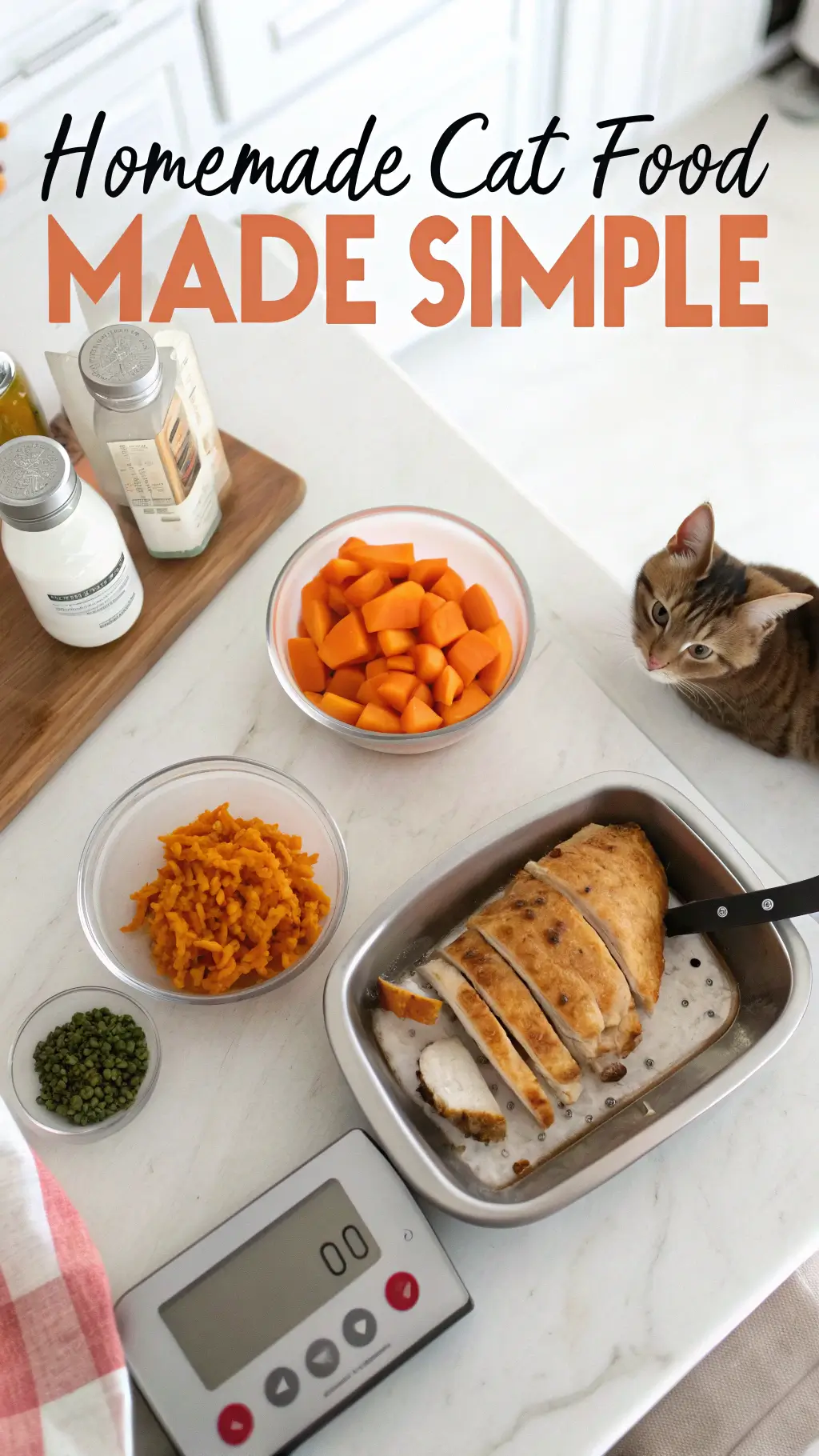
Source: artofit.org
What Do You Need to Know Before Making Homemade Cat Food?
Before making homemade cat food, understand the difference between a meal that contains healthy ingredients and a diet that supplies all essential nutrients. A piece of cooked chicken may provide protein, but it does not provide every nutrient in the amounts a cat needs. The same is true of many popular online recipes that combine meat, rice, vegetables, or broth.
Cats are obligate carnivores. Their bodies depend on nutrients found naturally in animal tissues, along with other nutrients supplied through a carefully balanced diet. They cannot thrive on a simple human-style meal plan or a vegetarian diet made without specialized nutritional planning.
In the United States, the Association of American Feed Control Officials (AAFCO) publishes nutrient profiles used to assess whether pet foods are complete and balanced for particular life stages. These profiles are useful when evaluating commercial food and formulating diets, but a recipe is not complete simply because it uses familiar ingredients.
A homemade diet should be formulated for the individual cat’s age, weight, body condition, activity, and medical needs. A growing kitten has different nutritional requirements from a healthy adult cat. A cat with kidney disease, diabetes, urinary problems, or food allergies may need a specialized plan.
Source: www.pinterest.com
Choose a complete recipe
Ask a board-certified veterinary nutritionist or another appropriately qualified veterinarian with nutrition expertise for a recipe that meets your cat’s needs.
Use exact measurements
Weigh ingredients with a kitchen scale when the recipe calls for weights. Small changes can alter nutrient levels, especially when supplements are involved.
Plan for consistency
Keep the recipe, preparation method, and supplement amounts consistent unless your veterinary nutrition professional approves a change.
Review the full cost
Include meat, supplements, equipment, storage containers, preparation time, and professional formulation in your budget.
Can Homemade Cat Food Be Healthier Than Commercial Food?
Homemade cat food is not automatically healthier than commercial cat food. A well-formulated home-prepared diet can suit some cats, but an unbalanced homemade diet can cause serious nutritional problems even when the ingredients appear fresh and wholesome.
Commercial foods labeled complete and balanced for the relevant life stage are designed to provide required nutrients when fed as directed. They also offer predictable portions and reduce the work involved in weighing ingredients and managing supplements. The best choice depends on your cat’s needs, your ability to follow a recipe, and guidance from your veterinarian.
Homemade food
Offers control over ingredients and preparation, but requires careful formulation, accurate weighing, and safe storage.
Commercial complete food
Offers convenience and a defined nutritional profile when the product is appropriate for your cat and fed as directed.
Which Cats Need Extra Nutritional Care?
Kittens, pregnant or nursing cats, and cats recovering from illness need particular care because their nutrient and energy needs may differ from those of healthy adults. A homemade recipe intended for an adult cat should not be assumed suitable for a kitten.
Cats with chronic disease may need controlled amounts of specific nutrients. For example, a diet for a cat with kidney disease may require careful phosphorus management, while urinary conditions can call for a specific balance of minerals and other dietary factors. Ask your veterinarian before changing the diet of a cat with a diagnosed condition.
Kittens
Need food formulated for growth, with appropriate energy, minerals, and other nutrients for developing bones and organs.
Senior cats
May need adjustments based on muscle condition, appetite, kidney function, dental health, and other medical findings.
Cats with allergies
May need a controlled elimination diet designed to identify a trigger. Adding several new ingredients can make the results harder to interpret.
Which Ingredients Are Safe for Homemade Cat Food?
Choose ingredients based on a complete recipe rather than picking foods at random. Animal protein often forms the main part of a homemade cat diet, but the correct fat, mineral, vitamin, and amino acid balance is just as important. The amount of each ingredient matters as much as the ingredient itself.
Plain, thoroughly cooked chicken, turkey, and some other meats can be useful protein sources. Certain fish may also be appropriate when the recipe specifies the type and amount. However, a diet made only from muscle meat can lack calcium and other nutrients, so never treat a bowl of plain meat as a complete long-term meal.
Some recipes use small amounts of other ingredients for a defined nutritional or practical purpose. For example, a particular source of fat may supply essential fatty acids, while a measured supplement blend may provide vitamins and minerals. Do not add vegetables, grains, oils, or other foods just because they seem healthy for people.
Source: artofit.org
Chicken or turkey
Use plain, thoroughly cooked meat in the quantity and form specified by the recipe. Remove bones and skin when the formulation calls for lean, boneless meat.
Fish
Use only the type and amount specified in a balanced recipe. Fish should not be the sole basis of an improvised long-term diet.
Eggs
Cook eggs thoroughly if a professionally formulated recipe includes them. Do not assume eggs alone provide all the nutrients a cat needs.
Animal fat or specified oil
Use only the type and amount required by the recipe because fat affects energy intake and essential fatty acid supply.
Vitamin and mineral supplements
Use the exact products and amounts specified. A general pet multivitamin may not provide the correct nutrient balance for a homemade diet.
Why Is Taurine Essential for Cats?
Taurine is an amino acid that cats need from their diet in adequate amounts. Cats cannot make enough taurine to meet all their needs, so their food must supply it. A deficiency can lead to serious health problems, including retinal damage and dilated cardiomyopathy, a disease that affects the heart muscle.
Meat contains taurine, but the amount available in a finished meal depends on the ingredients, preparation, and other factors. Cooking liquids may contain nutrients that leach out of meat, and discarding those liquids can change the nutrient content. A properly formulated recipe accounts for taurine rather than relying on guesswork.
Do not add an arbitrary amount of taurine and assume the meal is now complete. Taurine is only one part of a much larger nutrient profile. A diet may still lack calcium, essential fatty acids, vitamins, or trace minerals even when taurine is supplied.
Use the prescribed amount
Follow the exact taurine instructions in your cat’s recipe and do not estimate by eye.
Avoid unplanned substitutions
Ask the formulator before changing meat types, cooking methods, or supplement products.
Why Does Homemade Cat Food Need Calcium?
Boneless muscle meat contains much more phosphorus than calcium, so a diet based mainly on boneless meat can have an unsuitable calcium-to-phosphorus balance. Over time, this imbalance can harm bone health and other body functions.
A recipe may use a specified calcium source or a measured supplement blend to correct the balance. The right amount depends on the full recipe, so adding crushed eggshell or a calcium tablet without a calculation is not a reliable substitute. Bone-containing ingredients also create safety and nutritional concerns and should not be added casually.
Do not guess the calcium dose
Too little or too much can cause problems. Use the formulation’s exact source and amount.
Do not rely on bones
Cooked bones can splinter, and raw bones can cause choking, dental injuries, obstruction, or other harm.
How to Make Homemade Cat Food Step by Step
The safest way to make homemade cat food is to start with a nutritionally complete recipe, prepare the ingredients as directed, and measure every supplement carefully. The following process explains how to organize the work. It is not a standalone recipe, because exact ingredient quantities must come from a formulation designed to meet your cat’s nutritional needs.
Before cooking, ask your veterinary professional whether the recipe is suitable for your cat’s life stage and health. Confirm which ingredients require cooking, whether any cooking liquid must be retained, how the supplements should be added, and how the finished food should be stored. These details can affect both food safety and nutritional content.
Source: thecattitudecentral.com
Step 1: Get a complete formulation
Obtain a written recipe with ingredient weights, supplement products, preparation instructions, feeding guidance, and storage directions.
Step 2: Gather equipment
Prepare a digital kitchen scale, clean cutting board, separate utensils, cooking equipment, food-safe containers, and a refrigerator thermometer if needed.
Step 3: Check ingredients
Confirm that each ingredient matches the recipe. Check package labels and avoid seasoned, salted, spoiled, or otherwise unsuitable foods.
Step 4: Prepare the protein
Cook meat thoroughly using the recipe’s specified method. Do not add onion, garlic, seasoning blends, or sauces.
Step 5: Measure the cooked ingredients
Follow the recipe’s instructions on whether ingredients should be weighed before or after cooking. These measurements are not interchangeable.
Step 6: Add the required supplements
Follow the prescribed sequence and quantities. Some supplements should be added only after food cools, so use the recipe’s exact instructions.
Step 7: Mix the batch evenly
Combine ingredients thoroughly so each portion has the intended balance. Avoid leaving supplement powder concentrated in one part of the batch.
Step 8: Portion and store
Divide the food into meal-sized containers, label them with the preparation date, and refrigerate or freeze promptly.
Step 9: Serve the correct amount
Follow the feeding plan, monitor your cat’s appetite and body weight, and contact your veterinarian if your cat develops problems.
Should You Cook the Meat Before or After Measuring It?
Follow the measurement method written in the recipe. Meat loses water and fat during cooking, so a given raw weight will not usually equal the same cooked weight. Substituting one measurement for the other can change the nutrient and calorie content of the batch.
For example, if a hypothetical recipe calls for a stated weight of cooked turkey, weighing the same number of ounces before cooking does not guarantee that you will have the required amount afterward. The example illustrates why recipe instructions must specify whether the weight is raw or cooked; it is not a feeding formula.
Use a digital scale
A scale is more reliable than cups or handfuls for measuring meat and supplements.
Keep the preparation method consistent
Changing from boiling to baking, draining cooking liquid, or removing fat may change the finished food.
How Can You Tell Whether the Batch Was Prepared Correctly?
A properly prepared batch should match the written recipe, contain the required supplements in the specified amounts, and have been handled and stored safely. The texture and smell may look normal, but appearance alone cannot prove that the food is nutritionally complete.
Keep a copy of the recipe with the batch date and ingredient details. If you discover that an ingredient or supplement was omitted, do not assume you can fix the batch by adding a random amount later. Contact the person who formulated the recipe and ask whether the food can be corrected safely.
Check the ingredient list
Confirm every ingredient and supplement was included in the correct amount.
Check the storage record
Confirm the food was cooled, refrigerated, or frozen according to the recipe’s directions.
Check your cat’s response
Watch appetite, stool quality, vomiting, energy, and weight. These signs can reveal a problem but cannot confirm nutritional completeness.
A Simple Homemade Cat Food Example: What It Can and Cannot Do
A simple cooked chicken meal can be useful for explaining the basic preparation process, but it should not be presented as a complete long-term cat food recipe. Chicken supplies animal protein, yet it does not reliably provide every essential nutrient in the correct proportions. A homemade recipe must account for the whole diet, not just its main ingredient.
The example below shows how to prepare plain chicken for a veterinarian-approved recipe or use it as a small occasional treat when appropriate. It is not a balanced meal plan, and the ingredient list deliberately does not invent supplement quantities. Those quantities depend on the full formulation and the cat’s needs.
If your goal is to feed homemade food every day, ask your veterinary nutrition professional for a full recipe with exact weights and a supplement schedule. If you simply want to offer a small taste of cooked chicken to a healthy adult cat, keep it plain and give it in moderation so it does not displace a meaningful share of the cat’s complete food.
Source: seriouslykitten.com
Ingredient
Plain boneless chicken, with the quantity determined by the intended use and the written recipe.
Preparation
Cook the chicken thoroughly without salt, oil, garlic, onion, sauces, or seasoning blends. Remove all bones.
Texture
Cut or shred the cooked meat into pieces suitable for your cat. Avoid large pieces that could be difficult to chew or swallow.
Serving
For an occasional treat, offer a small amount and keep complete cat food as the main diet. For a complete homemade meal, follow the entire formulated recipe instead.
Can You Make Homemade Cat Food With Chicken and Rice?
Chicken and rice are common ingredients in online pet food recipes, but the combination is not automatically a complete diet for cats. Rice does not correct the nutrient gaps in plain chicken, and a large amount of rice can displace animal protein and other required nutrients.
A veterinarian may recommend a particular short-term diet or feeding plan for a specific reason, but that advice should not be treated as a general long-term recipe. If your cat has diarrhea, vomiting, or another digestive problem, contact your veterinarian for guidance rather than relying on an internet recipe.
Do not use the combination as a permanent diet
Chicken and rice alone do not meet the full nutritional needs of a cat.
Follow medical feeding advice
A sick cat may need examination, hydration support, or a diet designed for the underlying problem.
Can You Make Homemade Cat Food With Fish?
Fish can be part of some cat diets, but the type, amount, cooking method, and nutrient balance matter. Choose plain, thoroughly cooked, boneless fish only when it fits the recipe. Avoid fish prepared with salt, sauces, garlic, onion, or other seasonings.
Do not make tuna, salmon, or another single fish the foundation of an improvised daily diet. A fish-only meal can have nutrient gaps, and some fish products contain added salt or other ingredients that are not appropriate for cats. Raw fish also carries food safety risks and may contain thiaminase, an enzyme that can break down thiamine in certain fish species.
Remove bones carefully
Fish bones can injure the mouth or digestive tract and create a choking risk.
Avoid seasoned fish
Garlic, onion, excess salt, and rich sauces can be harmful or unsuitable.
Which Foods Should Never Go Into Homemade Cat Food?
Avoid ingredients that can poison cats, cause physical injury, or add an unsuitable amount of salt, fat, or other nutrients. A recipe should use foods chosen for feline nutrition, not simply foods that people consider wholesome. When in doubt, leave an unapproved ingredient out and ask your veterinarian.
Onions and garlic are especially important to avoid. Members of the allium family can damage red blood cells and cause anemia in cats. These ingredients may appear in sauces, broths, seasoning mixes, baby food, and leftovers, so check labels rather than assuming a product is plain.
Raw meat and raw eggs can carry harmful bacteria, including Salmonella and certain strains of E. coli. Freezing does not reliably remove all pathogens, and raw feeding can expose both cats and people to infection. The risk is particularly concerning in households with young children, older adults, pregnant people, or anyone with a weakened immune system.
Source: petscrazies.com
Onions, garlic, chives, and leeks
These can damage red blood cells. Avoid fresh, cooked, powdered, and seasoning-mix forms.
Chocolate and caffeine
These can cause toxic effects. Keep chocolate, coffee, tea, energy products, and related ingredients away from your cat.
Alcohol
Alcoholic drinks and foods containing alcohol can cause serious poisoning.
Cooked bones
Cooked bones can splinter or cause choking, obstruction, or injury.
Excessively salty or seasoned foods
Avoid salty broths, cured meats, heavily seasoned leftovers, and foods with unknown ingredients.
Unapproved supplements
Human supplements and random vitamin powders may provide unsuitable doses or ingredients.
Raw animal products
Raw meat, raw eggs, and unpasteurized products can expose cats and household members to pathogens.
Toxic sweeteners or other unsafe additions
Do not add human diet products, flavored powders, or ingredients with unclear safety. Check with a veterinarian before using unfamiliar foods.
What Should You Do if Your Cat Eats a Toxic Ingredient?
If your cat eats onion, garlic, chocolate, alcohol, or another potentially toxic substance, contact a veterinarian or an animal poison control service promptly. Do not wait for symptoms, because some toxic effects may take time to appear.
Keep the product packaging and note the amount eaten, the time of exposure, and your cat’s approximate weight. Do not try to make your cat vomit or give home remedies unless a veterinary professional specifically directs you to do so.
Seek urgent advice
Contact your veterinarian or an appropriate animal poison control service for instructions.
Record the exposure
Save the label and share the ingredient, estimated amount, and time eaten.
Watch for symptoms without delaying help
Vomiting, weakness, breathing changes, tremors, pale gums, or collapse need urgent veterinary attention.
How to Store Homemade Cat Food Safely
Safe storage is part of making homemade cat food. Even a well-formulated meal can become unsafe if it sits at room temperature for too long, touches contaminated surfaces, or remains refrigerated beyond a suitable period. Plan storage before you begin cooking so the finished food can be cooled and packed promptly.
The U.S. Department of Agriculture advises keeping refrigerators at 40°F or below and freezers at 0°F or below. These temperatures help control food spoilage and preserve frozen food, but they do not make contaminated food safe or guarantee that every homemade pet food recipe will keep for a particular number of days.
For cooked homemade cat food, follow the storage period provided by your recipe formulator or veterinarian. If the recipe does not provide one, ask for specific guidance. Use clean, shallow, food-safe containers, refrigerate or freeze the food promptly, and avoid leaving a large pot of warm food out while it cools for an extended period.
Source: seriouslykitten.com
Refrigerate promptly
Move cooked food into suitable containers and refrigerate it without unnecessary delay. Do not leave perishable food at room temperature for extended periods.
Freeze extra portions
Freeze meal-sized portions when they will not be used within the approved refrigerated storage period.
Label every container
Write the preparation date and relevant recipe details on each container so you can track storage.
Thaw safely
Thaw frozen food in the refrigerator or by another method approved by your veterinary professional. Do not thaw perishable food on the counter for hours.
Discard questionable food
Throw away food that has been held unsafely or shows signs of spoilage. Normal smell and appearance do not prove that food is safe.
Can You Warm Homemade Cat Food Before Serving?
Some cats prefer food served slightly warm because it can smell more appealing. You can gently warm a refrigerated portion if appropriate, but make sure the food is not hot and has no dangerous hot spots. Stir it well and test the temperature before serving.
Avoid repeated heating and cooling of the entire batch. Warm only the portion you plan to serve, and discard leftovers that have been exposed to unsafe conditions. Follow your recipe’s instructions if certain supplements or ingredients require special handling.
Warm gently
Use a suitable method and stir thoroughly to distribute heat.
Check the temperature
Make sure the food feels lukewarm rather than hot before offering it to your cat.
Keep serving dishes clean
Wash bowls after meals and clean preparation tools to reduce contamination.
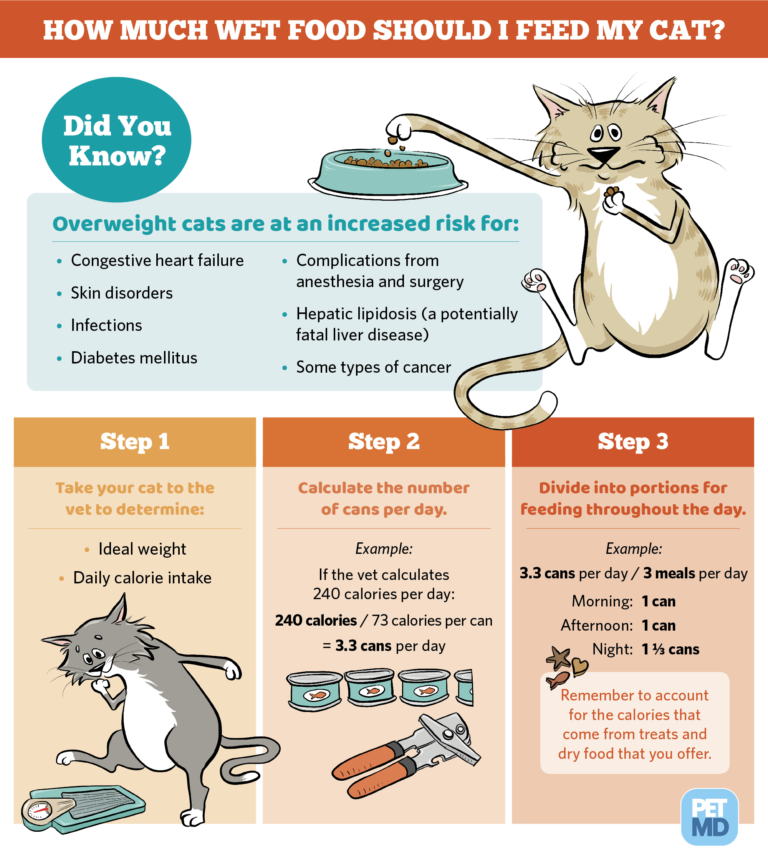
How Much Homemade Cat Food Should You Feed?
The right portion depends on your cat’s calorie needs and the energy content of the finished recipe. A small, inactive indoor cat may need fewer calories than a large, active cat, while kittens need food that supports growth. Age alone does not tell you exactly how much food to serve.
Start with the feeding amount provided by your veterinary professional, then monitor body weight, body condition, appetite, and stool quality. Your veterinarian can help estimate energy needs and adjust portions when your cat gains or loses weight. A homemade diet can vary in calorie density, so copying the number of ounces used for another cat may lead to overfeeding or underfeeding.
For cats eating both homemade food and commercial food, account for the calories from both sources. Treats and extras also contribute calories and can displace essential nutrients if they make up too much of the daily diet. Ask your veterinary professional how to divide the daily allowance without unbalancing the plan.
Source: petscrazies.com
Use the calorie information
Ask for the estimated calories per gram, ounce, or serving of the finished recipe.
Weigh your cat regularly
Use a consistent method and track trends rather than relying only on appearance.
Check body condition
Your veterinarian can assess whether your cat is too thin, at a healthy weight, or carrying excess fat.
Adjust with guidance
Change portion sizes according to your cat’s progress and professional advice, not by removing supplements or altering the recipe.
How Often Should You Feed Homemade Cat Food?
Many adult cats do well with two or more meals per day, but the right schedule depends on the individual cat, household routine, and medical needs. Kittens generally need more frequent meals because they are growing and have smaller stomachs.
Divide the daily amount into the portions recommended for your cat. If your cat eats too quickly, small scheduled meals may help. Cats with conditions that affect appetite or blood sugar may need a specific feeding schedule from their veterinarian.
Adult cats
Use a consistent schedule that supports the cat’s calorie needs and daily routine.
Kittens
Follow a growth-appropriate feeding plan with suitable meal frequency and complete nutrition.
Cats with medical conditions
Follow the schedule prescribed by the treating veterinarian.
Common Homemade Cat Food Mistakes and How to Fix Them
Most homemade cat food problems begin when someone changes a recipe, skips a supplement, or assumes that a few healthy ingredients provide everything a cat needs. A careful process can prevent many of these mistakes, but you should still know what to do if something goes wrong.
The most important rule is not to make nutritional corrections by guesswork. If you omit an ingredient or use the wrong supplement, contact the recipe formulator before serving the batch as a complete diet. The correction may depend on the amount prepared, the ingredient involved, and whether the food has already been portioned or fed.
Source: www.pinterest.com
Mistake: Feeding plain meat every day
Plain meat lacks a reliable balance of essential nutrients. Use a complete formulation for daily feeding, and reserve unbalanced extras for occasional treats when appropriate.
Mistake: Replacing an ingredient without checking
Different meats, cuts, and cooking methods can change fat, moisture, and nutrient levels. Confirm substitutions with the formulator.
Mistake: Skipping supplements
Missing vitamins, minerals, or amino acids can make the diet incomplete. Do not assume a later serving will correct the gap.
Mistake: Using household measuring cups for every ingredient
Volume measurements can be inaccurate for meat and concentrated supplements. Use the measurement method specified in the recipe.
Mistake: Adding extra oil or liver
Unplanned additions can alter calories and nutrient levels. Excess vitamin A from liver, for example, can be harmful over time.
Mistake: Ignoring changes in appetite or stool
Persistent vomiting, diarrhea, constipation, poor appetite, or weight change may signal a medical or dietary problem. Contact your veterinarian.
Mistake: Changing to homemade food too quickly
Abrupt changes can upset some cats’ digestion and may cause food refusal. Ask your veterinarian how to make a transition that is suitable for your cat.
What If Your Cat Refuses Homemade Food?
A cat may reject a new meal because of its smell, texture, temperature, or unfamiliar taste. Do not assume that refusal means the food needs extra salt, seasoning, or other human ingredients. Try serving a small portion at a comfortable temperature and ask your veterinarian about a suitable transition plan.
Never let a cat go without food for an extended period in an effort to force acceptance. Cats that stop eating can develop serious health problems, including hepatic lipidosis, a potentially life-threatening liver condition. Contact your veterinarian promptly if your cat refuses meals, especially if the cat is overweight, ill, very young, or already showing other symptoms.
Offer a gradual transition when appropriate
Follow veterinary advice for introducing the new food while monitoring appetite and stool.
Avoid force-feeding without guidance
Improper force-feeding can cause distress and aspiration. A veterinarian can advise on safe feeding support.
Seek help for persistent refusal
Contact a veterinarian if your cat skips meals or eats much less than normal rather than waiting for severe symptoms.
When Should You Stop Feeding a Homemade Batch?
Stop using a batch if you discover that it contains a potentially toxic ingredient, was stored unsafely, or differs from the recipe in a way that could affect safety or nutritional balance. Contact your veterinarian or the recipe formulator to decide whether it can be corrected or should be discarded.
If your cat develops vomiting, diarrhea, weakness, appetite loss, or other concerning symptoms after eating the food, stop serving the suspected batch and seek veterinary advice. Severe weakness, breathing trouble, collapse, repeated vomiting, or suspected poisoning warrants urgent care.
Possible contamination
Discard food that has been held at unsafe temperatures or may have been contaminated.
Incorrect formulation
Ask the formulator to assess a missing ingredient or wrong supplement before using the batch.
Signs of illness
Seek veterinary advice and provide the recipe and ingredient details.
Is Homemade Cat Food Right for Your Household?
Homemade cat food may suit a household that can follow a precise recipe, prepare food safely, track portions, and work with a veterinary professional. It can give you more control over ingredients, but that control also brings responsibility. A complete recipe, reliable supplies, and regular monitoring are essential.
Before starting, consider whether you can obtain the specified ingredients throughout the year, measure them accurately, store portions safely, and prepare new batches on schedule. If your cat needs a prescription diet or has a medical condition, discuss the plan with the treating veterinarian before making a change.
If these steps feel difficult, a commercial food labeled complete and balanced for your cat’s life stage may be the more dependable option. You can still use small amounts of suitable plain cooked meat as an occasional treat if your veterinarian agrees. There is no need to prepare every meal at home to care well for your cat.
Source: www.pinterest.com
Homemade food may fit if
You have a complete formulation, can follow it precisely, and have a workable plan for shopping, preparation, storage, and monitoring.
Commercial food may fit better if
You need a convenient, consistent diet or cannot reliably manage supplement measurements and food storage.
Professional support is essential if
Your cat is growing, pregnant, nursing, ill, losing weight, or needs a medically tailored diet.
How Much Does Homemade Cat Food Cost?
The cost depends on the meat used, supplement requirements, batch size, local prices, storage supplies, and professional formulation. Homemade food may cost less in some households and more in others, so comparing the price of meat alone with the price of a bag of cat food can be misleading.
Calculate the cost per day by adding all ingredients and supplements used in a batch, then dividing the total by the number of days or servings the batch provides. Include food that is discarded, equipment costs when relevant, and the time needed to prepare each batch. Compare that figure with the daily cost of a complete commercial diet that meets your cat’s needs.
Track all ingredients
Include protein, fats, supplements, and any other items required by the formulation.
Include storage and waste
Account for containers, freezer space, spoiled portions, and unused ingredients.
Protect nutritional quality
Do not reduce the cost by skipping supplements or replacing required ingredients without approval.
Frequently Asked Questions
Q
Can I make homemade cat food with only chicken?
No. Plain chicken does not supply all the nutrients a cat needs for long-term health. It lacks an appropriate balance of calcium and other essential nutrients, and it cannot reliably meet the full requirements for taurine, vitamins, minerals, and essential fatty acids. Use chicken as part of a complete recipe or as a small occasional treat when suitable.
Q
What is the easiest homemade food to make for a cat?
Plain, thoroughly cooked, boneless chicken is simple to prepare, but it is not a complete long-term diet. The easiest safe daily option is a complete homemade recipe with exact ingredient weights and supplements supplied by a qualified veterinary nutrition professional. If you cannot obtain such a recipe, a commercial complete and balanced cat food is a practical choice.
Q
Can cats eat homemade food every day?
Yes, some cats can eat a properly formulated homemade diet every day, provided it meets their life-stage and health needs. The recipe must include the correct ingredients and supplements, and the feeding amount must suit the cat. A diet of plain meat, chicken and rice, or fish alone is not suitable as a complete daily food.
Q
Do I need supplements for homemade cat food?
Most homemade recipes intended to provide complete daily nutrition require carefully selected supplements. These may supply taurine, calcium, vitamins, minerals, and other nutrients that are missing or present in unsuitable amounts in ordinary ingredients. The required products and doses depend on the complete recipe, so do not substitute a general multivitamin or estimate the amounts yourself.
Q
Is raw homemade cat food safe?
Raw homemade food carries a risk of bacterial and other pathogen exposure for cats and the people who handle the food. Freezing does not reliably eliminate all harmful organisms, and raw diets can also be nutritionally unbalanced. Thorough cooking and careful handling reduce some food safety risks, but the diet must still be nutritionally complete.
Q
How long can homemade cat food stay in the refrigerator?
The safe storage period depends on the recipe, preparation method, ingredients, handling, and refrigerator temperature. Keep the refrigerator at 40°F or below, refrigerate the food promptly, and follow the storage period provided by your recipe formulator or veterinarian. Freeze portions that will not be used within that period, and discard food that may have been held unsafely.
Q
Can kittens eat homemade cat food?
Kittens can eat a homemade diet only when it is specifically formulated to support growth and meet their nutritional needs. A recipe designed for an adult cat may not provide suitable energy, calcium, phosphorus, or other nutrients for a growing kitten. Ask your veterinarian or a board-certified veterinary nutritionist to formulate an appropriate diet before making the switch.
Q
Can I add vegetables to homemade cat food?
Some formulated recipes may include specific plant ingredients, but vegetables are not a required addition to every cat meal. Cats have distinct nutritional needs, and adding vegetables without adjusting the full formulation may dilute the nutrient content or change the calorie balance. Use only the ingredients included in your recipe, and ask your veterinary professional before making changes.
✦ Wrapping Up
Conclusion
Learning how to make homemade cat food starts with understanding what cats need, not simply choosing a meat they enjoy. Chicken, turkey, fish, and other suitable animal proteins can form part of a home-prepared diet, but no single ingredient provides every nutrient a cat needs. Taurine, calcium, essential fatty acids, vitamins, and minerals all matter.
The safest plan is to obtain a complete recipe from a qualified veterinary nutrition professional, weigh ingredients accurately, cook and handle food safely, and follow the prescribed supplement and storage instructions. Monitor your cat’s appetite, body weight, stool, and overall health, and seek veterinary advice if any concerns arise.
If you cannot maintain a complete homemade diet, choose a commercial food labeled complete and balanced for the appropriate life stage. Freshly prepared food is only a good choice when it provides the nutrition your cat needs. A reliable feeding plan is more valuable than a complicated recipe.
💡 Key Takeaway
Before preparing a daily batch, ask your veterinarian for a complete homemade cat food recipe suited to your cat’s age and health. Confirm ingredient weights, supplements, cooking steps, portion sizes, and storage limits in writing. Do not use plain meat or an unverified internet recipe as your cat’s sole food.