How much is allergy testing in dogs: Easy guide
If your dog is scratching nonstop, breaking out in hot spots, or fighting ear infections every other month, you've probably typed "how much is allergy testing in dogs" into a search bar. The honest answer is that most owners pay somewhere between $150 and $600 for the actual test, but the final bill often lands closer to $500, $1,500 once you add the consult, sedation, and follow-up.
Two main routes exist: intradermal skin testing performed by a veterinary dermatologist, and serum IgE blood panels run through a reference lab. The skin test usually runs $200, $600, blood panels run $150, $400, and either path may lead into custom allergen immunotherapy at roughly $600, $1,500 per year. Knowing which test fits your dog's situation is what saves you from paying twice for the wrong answer.
Quick Answer
Allergy testing for dogs typically costs $150, $600 for the test alone. Intradermal skin testing runs $200, $600. Serum IgE blood testing runs $150, $400.
Total visit cost often lands between $300 and $900, as of 2026. Geographic location and veterinarian specialization drive most price variation.
Why the Price Varies So Much Between Vets
Three things move the price more than anything else: who's doing the test, where you live, and what's included in the visit. A general practice vet running an in-house blood panel will quote a much smaller number than a board-certified veterinary dermatologist running intradermal skin testing under sedation.
| Factor | Why It Changes the Price |
|---|---|
| Provider type | General practice vs. board-certified veterinary dermatologist |
| Geographic region | Urban specialty clinics cost more than rural GP clinics |
| Test method | Intradermal skin test vs. serum IgE blood panel |
| Sedation | Required for skin tests, adds $50–$200 |
| Panel size | 40 allergens vs. 80+ allergens changes reagent cost |
| Follow-up visits | Rechecks and immunotherapy formulation add to the total |
Think of it less like buying a single product and more like paying for a diagnostic workup. You're paying for the vet's time to interpret the results, the lab processing fee, and any sedation or follow-up needed to make the findings actionable.
Intradermal Skin Testing vs. Serum IgE Blood Tests
These two tests answer the same question in different ways, and the choice often comes down to your dog's symptoms and what your vet suspects.
Intradermal Skin Testing (IDST)
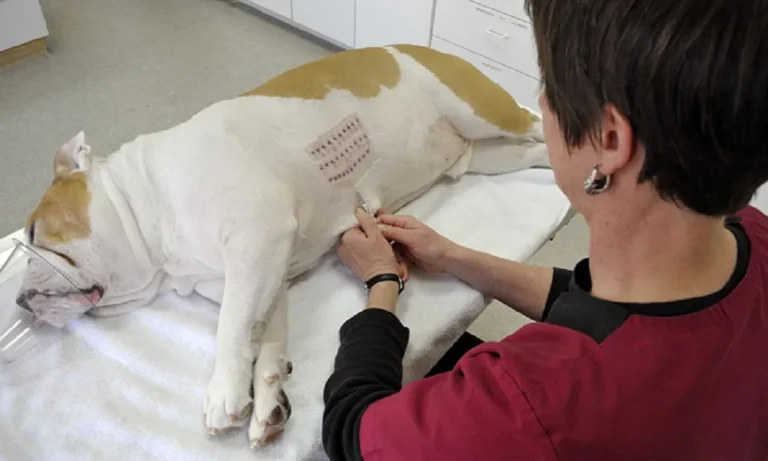
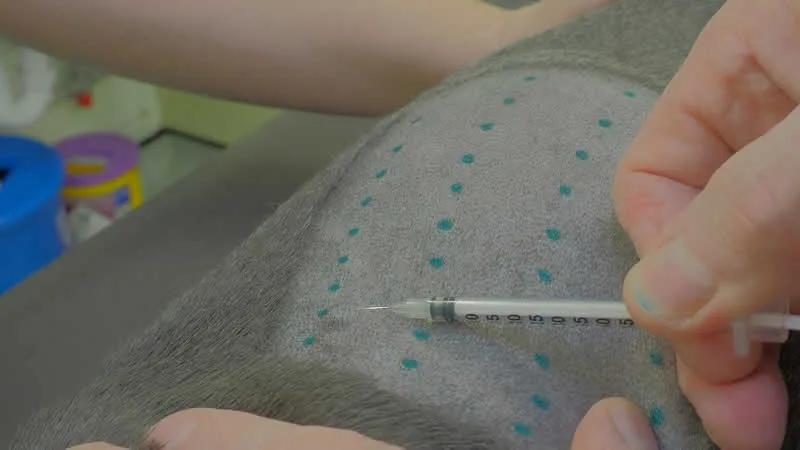
This is the gold standard for environmental allergies. A veterinary dermatologist shaves a patch of skin, injects small amounts of common allergens like pollens, dust mites, and mold, then watches for a localized reaction. It requires sedation, takes about 30, 60 minutes, and most dogs go home the same day.
Pros:
- Considered more accurate for environmental allergens
- Results are visible during the appointment
- Allows immediate formulation of immunotherapy
Cons:
- Requires sedation and specialist referral
- Higher upfront cost ($200, $600)
- Antihistamines and steroids must be stopped 2, 4 weeks before testing
Serum IgE Blood Testing
A simple blood draw sent to a reference lab like Heska or IDEXX. The lab measures IgE antibodies against a panel of common allergens.
Pros:
- No sedation required
- Easier to coordinate with a general practice vet
- Less affected by recent medications
Cons:
- More false positives than intradermal testing
- Results take 1, 2 weeks
- Less reliable for identifying the most clinically relevant allergens
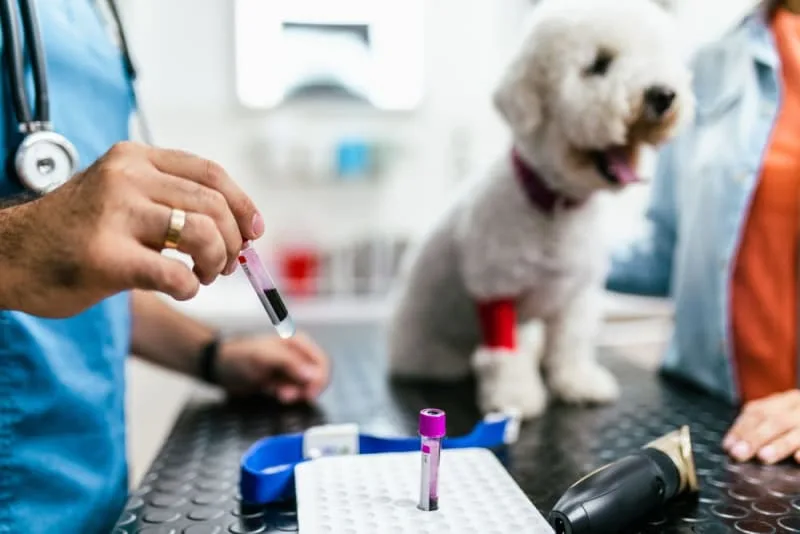
Most veterinary dermatologists will tell you that intradermal testing is preferred for environmental allergies, while blood panels are often used when sedation isn't safe or a specialist referral isn't practical.
What Goes Into the Total Bill (Not Just the Test)
The "cost of the test" almost never matches the final invoice. Here's what typically gets added on:
- Initial consultation: $75, $250
- Sedation or anesthesia: $50, $200
- Lab processing fee: $25, $75
- Allergen panel (40, 80+ allergens): included in test cost, but bigger panels cost more
- Recheck or follow-up appointment: $50, $150
- Immunotherapy formulation: $150, $300 if you proceed with allergy shots
If your dog needs allergy shots afterward, expect $600, $1,500 per year for the custom serum and follow-up dosing checks. That's a separate ongoing cost, not part of the initial test.
Cost Breakdown by Test Type and Region
Prices shift noticeably depending on where you live and which provider you see. Here's what aggregate clinic data shows as of 2026:
| Region | Intradermal Skin Test | Serum IgE Blood Test |
|---|---|---|
| Major metro area (LA, NYC, Chicago) | $400–$600 | $250–$400 |
| Mid-sized city | $300–$500 | $200–$350 |
| Rural or small town | $200–$400 | $150–$250 |
| Veterinary teaching hospital | $300–$600 | $200–$350 |
The biggest swings come from specialist availability. A board-certified veterinary dermatologist in a major metro area will charge more than a general practice vet in a smaller town, but you're also paying for interpretive expertise that GP clinics can't easily replicate.

If cost is the deciding factor, blood testing through a general practice vet is usually the cheaper entry point. If accuracy for environmental allergies matters more, the skin test at a specialist's office tends to deliver better results.
How Pet Insurance and Wellness Plans Change the Math
Most standard pet insurance plans don't cover allergy testing as a standalone diagnostic, but they often cover the underlying condition once it's diagnosed. The catch is that you usually have to pay for the test upfront and submit for reimbursement after the diagnosis is established.
What tends to be covered:
- Veterinary exams related to the allergy workup
- Prescription medications like Apoquel or Cytopoint
- Treatment for secondary skin or ear infections
- Specialist referral fees (in many plans)
What usually isn't covered:
- The allergy test itself
- Custom immunotherapy formulation
- Annual rechecks for serum dosing adjustments
Wellness add-ons from providers like Trupanion or Healthy Paws rarely include allergy testing. Some plans cover genetic or chronic condition panels, but routine allergy workups sit in a gray zone. Call your insurer before booking and ask specifically whether diagnostic testing for "atopic dermatitis" falls under your policy's illness coverage.
If you're uninsured, ask your vet about payment plans. Many clinics offer CareCredit or in-house financing, which can spread the $500, $1,500 workup across 6, 12 months.
When a General Practice Vet Can Test vs. When You Need a Veterinary Dermatologist
Most owners start at their general practice vet, and that's often the right call. GPs can order serum IgE blood panels, interpret results in context, and start basic management. They handle the bulk of allergy cases in dogs.
Referral to a veterinary dermatologist makes sense when:
- Symptoms aren't responding to standard treatment
- The dog needs intradermal skin testing
- Immunotherapy is being considered
- There's diagnostic uncertainty about whether the issue is allergic at all
A board-certified veterinary dermatologist has additional training (a residency and board exam through the American College of Veterinary Dermatology) and access to allergen panels and treatment protocols most GPs don't stock. For complex, chronic, or severe cases, that expertise often pays for itself by getting to the right answer faster.
For straightforward, mild, seasonal itching, your GP is usually equipped to handle testing and initial treatment without a specialist.
The Hidden Costs Most Owners Don't See Coming
The line-item price of the test is rarely the final number. These extras catch owners off guard:
- Medication washout appointments: Some dogs need a recheck before testing if medications weren't stopped in time
- Secondary infection treatment: Ear infections or skin infections often flare up when antihistamines are withdrawn, adding $100, $300
- Elimination diet trials: If food allergy is suspected, an 8, 12 week diet trial costs $200, $600 in specialty food
- Retesting after immunotherapy: If shots aren't working, another panel may be recommended after 12 months
- Travel costs: Rural owners sometimes drive to a metro specialist, adding fuel and time
Plan for 20, 30% above the quoted test price once you factor in the realistic follow-through.
DIY Mail-In Allergy Kits vs. Clinical Testing
You'll see kits from brands like 5Strands, GlacierPeak, and several others marketed as cheaper alternatives to vet testing. They typically cost $80, $150 and test hair, saliva, or fur samples. The marketing promises results on food sensitivities and environmental triggers.
Here's what aggregate veterinary research shows: these tests aren't validated for diagnosing true allergies in dogs. They measure different things than clinical IgE tests, and the results correlate poorly with what intradermal or serum IgE panels find. Most veterinary dermatologists don't use them and don't recommend them for clinical decision-making.
If budget is tight, a vet-supervised elimination diet trial for suspected food allergies is more reliable and costs about the same as a mail-in kit. For environmental allergies, there's no DIY substitute for a properly conducted clinical test.
What to Do Before the Appointment (Medication Washout, Timing, Prep)
Preparation affects whether the test gives usable results. Skip these steps and you may pay for a test you have to repeat.
Medication Washout
Most antihistamines need to be stopped 7, 14 days before testing. Oral steroids like prednisone typically require a 4-week washout. Apoquel and Cytopoint can also interfere with results, so your vet will give specific timing instructions.
If you stop medications and symptoms flare badly, let your vet know. They may adjust the washout schedule or treat the flare in a way that doesn't compromise the test.
Timing
Seasonal allergy testing works best when the offending allergens are actually active. Spring and fall are common peaks for pollen-related atopy, so testing during a flare often produces clearer results than testing in the off-season.
Fasting and Sedation Prep
If the skin test requires sedation, follow your vet's fasting instructions. Typically no food after midnight the night before, water is fine.
Risks of Skipping Testing or Using Inaccurate Tests
Skipping the test and going straight to symptom management often leads to:
- Years of trial-and-error medication
- Unnecessary long-term steroid use
- Missed secondary infections
- Higher lifetime vet bills
Using inaccurate DIY tests can create false positives that lead to unnecessary dietary restrictions or environmental modifications. Dogs end up on elimination diets they don't need, while the actual allergen stays unidentified.
The Merck Veterinary Manual and the American College of Veterinary Dermatology both emphasize proper clinical testing before committing to long-term immunotherapy or strict elimination diets.
When Allergy Testing Is Worth the Cost (and When It Isn't)
Worth it when:
- The dog has chronic or year-round symptoms
- Apoquel or Cytopoint costs add up to more than $800/year
- Immunotherapy is a realistic option
- Symptoms started between ages 1 and 3 (typical atopy window)
Less worth it when:
- Symptoms are mild and easily controlled with occasional antihistamines
- The dog is elderly with multiple other health issues
- The owner isn't ready to commit to immunotherapy or diet changes if the test finds something
Testing is a diagnostic investment. It pays off when the results lead to a treatment plan you'll actually follow.
Cost Comparison: Testing vs. Lifelong Medication vs. Immunotherapy
Put the numbers side by side and the math often makes the test look reasonable:
| Option | Year 1 Cost | Year 2+ Annual Cost |
|---|---|---|
| Apoquel daily | $1,200–$2,000 | $1,200–$2,000 |
| Cytopoint injections | $800–$1,500 | $800–$1,500 |
| Custom immunotherapy | $800–$1,500 | $400–$800 |
| Allergy testing + immunotherapy | $1,000–$2,000 | $400–$800 |
A $500 test that leads to immunotherapy can save $400, $1,200 per year compared to lifelong medication. Over a dog's lifetime, that's a meaningful difference.
How to Talk to Your Vet About Cost Without Compromising Care
Cost conversations go better when you come prepared. Ask:
- What's included in the quoted price, and what typically gets added?
- Is there a less expensive test that would answer my dog's specific situation?
- Can we stage the workup, starting with the most useful test first?
- Are there payment plan options?
- If we skip the test and try medication first, what are the tradeoffs?
Most vets appreciate direct cost questions. They'd rather adjust the plan than have you skip care because the bill feels too high.
Frequently Asked Questions
How much is allergy testing for dogs on average?
Most owners pay $150, $600 for the test itself, with total visit costs typically landing between $300 and $900 as of 2026. Intradermal skin testing averages $200, $600, and serum IgE blood testing averages $150, $400.
Does pet insurance cover allergy testing for dogs?
Standard pet insurance usually covers the vet exam and secondary infection treatment, but often excludes the allergy test itself. Coverage varies by provider, so check your policy or call before booking.
What's cheaper: skin testing or blood testing?
Serum IgE blood testing is generally $50, $200 cheaper than intradermal skin testing. However, intradermal testing is often considered more accurate for environmental allergies, which can save money long-term by guiding better treatment.
Are DIY mail-in allergy tests accurate for dogs?
Aggregate veterinary research shows mail-in saliva and fur tests have poor correlation with clinical allergy diagnoses. Most veterinary dermatologists don't recommend them for treatment decisions.
When is the best time of year to test a dog for allergies?
Testing during an active flare, typically spring or fall, often produces clearer results than testing during a quiet period. Your vet may time the appointment based on your dog's symptom pattern.
How long do allergy test results last before retesting?
Most dogs don't need retesting unless symptoms change significantly or immunotherapy stops working. If retesting is needed, it's typically done 1, 2 years after the initial panel.
Is allergy testing worth it for mild dog itching?
For mild, seasonal symptoms controlled with occasional antihistamines, testing may not be cost-effective. For chronic or year-round symptoms, testing usually pays for itself by guiding targeted treatment.
Quick Reference: Cost Ranges at a Glance
| Item | Typical Cost Range (USD, 2026) |
|---|---|
| Serum IgE blood panel | $150–$400 |
| Intradermal skin test | $200–$600 |
| Specialist consultation | $150–$300 |
| Sedation for skin test | $50–$200 |
| Immunotherapy (annual) | $600–$1,500 |
| Elimination diet trial | $200–$600 |
If your dog is dealing with chronic itching or recurrent infections, allergy testing is one of the few diagnostic tools that actually changes the treatment plan. The upfront cost feels steep, but it often pays for itself within a year by replacing guesswork with targeted care.