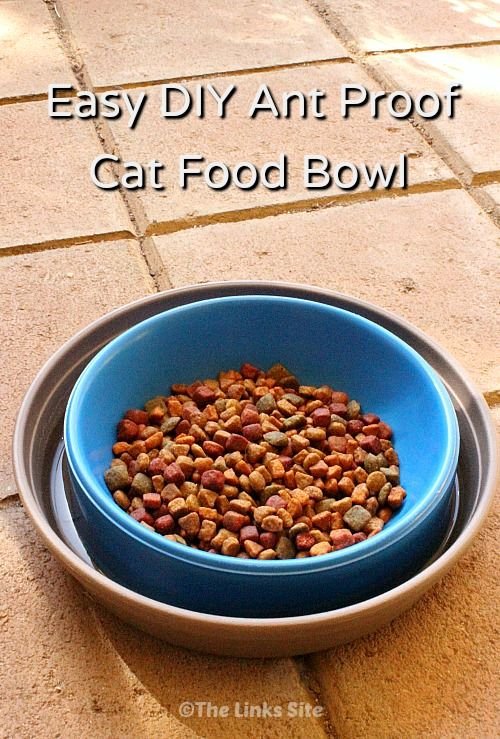
Start with about 1 part dried cat food to 2 parts water by volume, then adjust to the food label and your cat’s preferred texture. For freeze-dried food, follow the package directions because products differ.
If you feed a cat in the United States, you may want to add water to dry food during a hot summer, after a move, or when your cat rarely visits the water bowl. Moistening food can add water to a meal and make some foods easier to chew. The right amount depends on the type of food, its size, and the texture your cat likes.
There is no single water ratio for every dried cat food. Regular dry kibble, freeze-dried raw food, and other dehydrated diets are made in different ways. Start with the manufacturer’s directions, use clean drinking water, and check the texture before serving. This guide explains practical starting amounts, soaking times, feeding tips, and food safety steps without treating one ratio as right for every cat.
Source: askmycats.com
How Much Water Should You Add to Dried Cat Food?
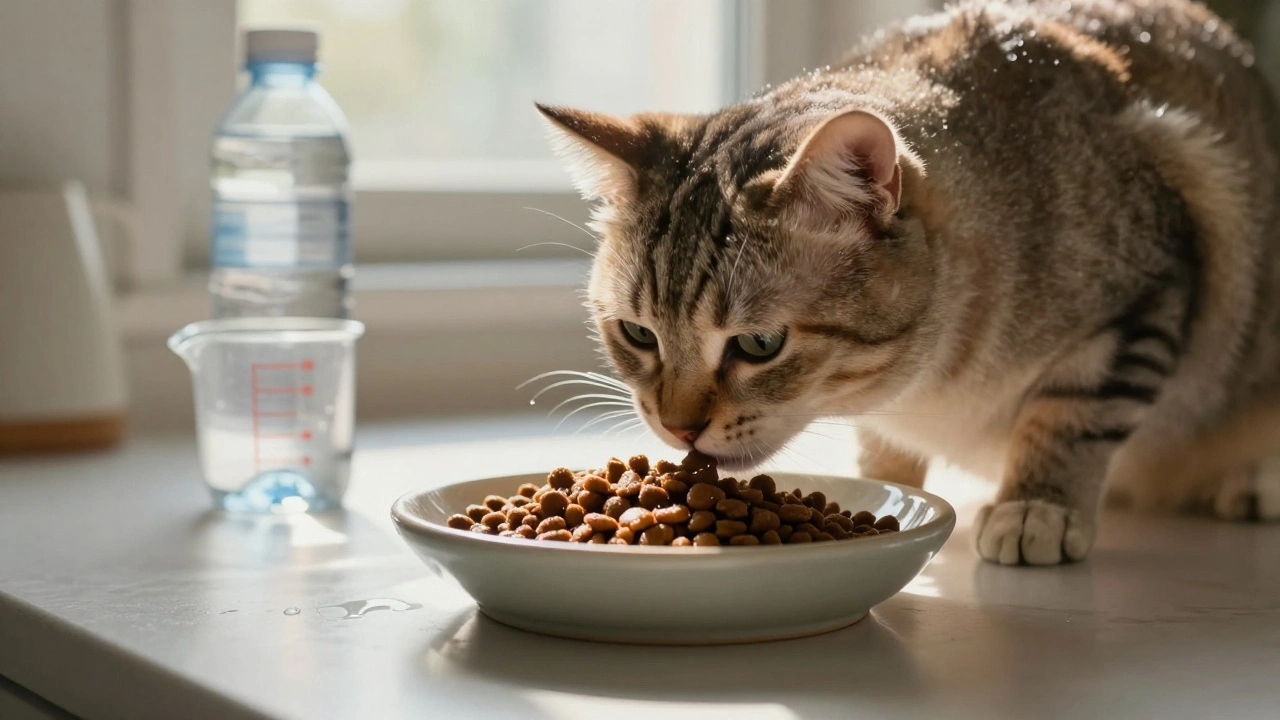
A useful starting point for ordinary dry kibble is 1 part food to 1 or 2 parts water by volume. This is a practical texture guide, not a universal feeding rule. Some kibble softens with less water, while dense pieces may need more.
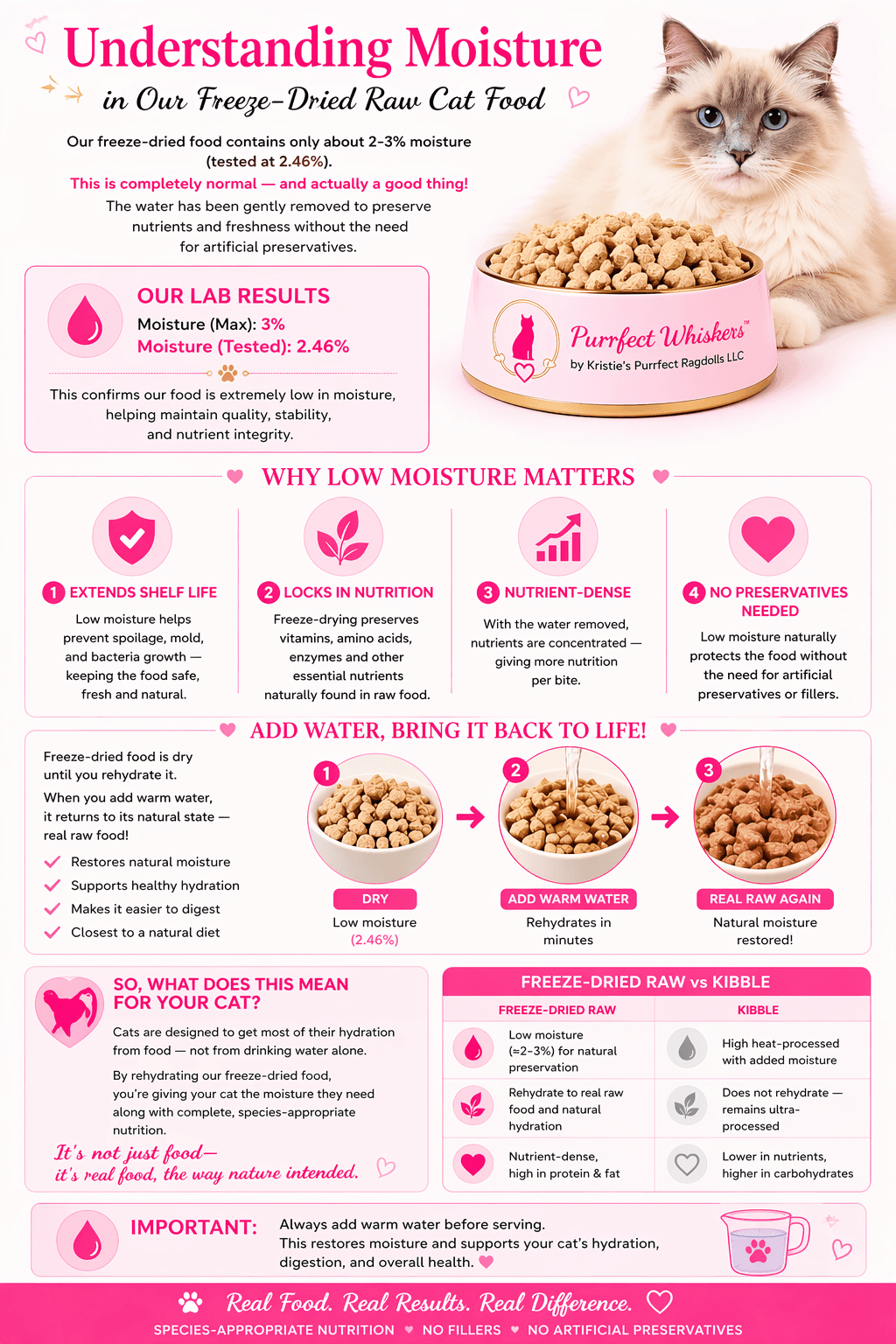
Freeze-dried cat food is different. Some products require a specified amount of water for each serving, while others give directions based on the weight of the food. Follow those directions first because adding too little water may leave the food partly dry.
Measure the food before adding water. Then stir, wait, and inspect the pieces. Add small amounts of extra water if the food remains firm or if your cat prefers a softer meal.
Source: petcaresouthtyneside.co.uk
For regular dry kibble
Begin with about 1/4 cup of water for 1/4 cup of kibble, then add more if needed. This is an example starting point, not a required ratio.
For freeze-dried food
Use the amount stated on the package. If the label specifies a water-to-food ratio by weight, do not substitute a volume ratio.
For a softer meal
Add water in small steps and stir well. Stop when the pieces have softened to the texture your cat accepts.
For a soupy meal
Add extra water only if your cat likes that texture and the food remains suitable to serve. Keep the full meal’s calorie and food-label directions in mind.
A Simple Water-to-Food Ratio Table
The table below uses equal-volume measurements to give you an easy starting point for ordinary kibble. It is not a substitute for the instructions on freeze-dried or dehydrated food packages.
1/4 cup kibble
Try 1/4 to 1/2 cup of water, starting at the lower amount.
1/2 cup kibble
Try 1/2 to 1 cup of water, adding only as much as needed.
1 cup kibble
Try 1 to 2 cups of water if you are preparing the full portion at once. Smaller batches may be easier to mix and serve.
Volume Is Not the Same as Weight
A cup measures volume, while a kitchen scale measures weight. Dry food pieces vary in shape, size, and density, so a cup of one brand may weigh more or less than a cup of another. If the package specifies grams of food and milliliters of water, use those units instead of guessing with cups.
Use the same units
Follow a ratio based on weight or volume exactly as the label states.
Do not confuse water with calories
Adding water increases the meal’s total weight and volume, but plain water adds no meaningful calories.
Why the Type of Dried Cat Food Matters
The type of food is the first thing to check before measuring water. Ordinary kibble is cooked and dried into firm pieces, while freeze-dried food has had much of its moisture removed through a different process. Other dehydrated diets may use their own preparation methods.
These foods do not all absorb water at the same rate. A ratio that works for one type may leave another too wet, too firm, or unevenly hydrated. The package directions are the best starting point because they apply to the specific product you bought.
Source: www.pinterest.com
Regular dry kibble
Water mainly softens the outer surface and gradually works into the pieces. The result may be softened kibble rather than a fully rehydrated meal.
Freeze-dried food
This food often needs careful rehydration before feeding. Follow the label for water quantity, mixing, and any required waiting period.
Dehydrated food
Some diets are designed to absorb water and form a complete meal. Use the specified amount and preparation method.
Prescription diets
If your cat eats a veterinary diet, ask your veterinarian whether adding water is appropriate and whether the preparation method affects the intended feeding plan.
Does Dry Kibble Need to Be Fully Rehydrated?
No. Most ordinary kibble does not have to become fully soft before it can be served, unless a veterinarian or product label says otherwise. Some cats prefer slightly softened pieces, while others accept a mash or a wetter mixture.
If you want to soften kibble, add water gradually and allow time for it to soak in. Break open a larger piece to check its center if you need a consistent soft texture. Do not assume that a wet outer layer means every piece is soft inside.
For a mild change
Use a small splash of water and stir until the surface is damp.
For a soft texture
Add more water and wait until the pieces yield easily when pressed with a spoon.
How to Rehydrate Dried Cat Food Step by Step
You can prepare a moist meal with a clean bowl, potable water, and the correct serving of cat food. The main goal is to spread the water evenly and give the food enough time to reach the texture described on its package or the texture you want for ordinary kibble.
Prepare only what your cat is likely to eat in one sitting. A large bowl of wet food can sit untouched for too long, especially in a warm room. Small batches make it easier to manage freshness and reduce waste.
Source: cattipper.com
Step 1: Check the package
Read the feeding guide and rehydration directions. Check whether the food needs a set amount of water, a specific soaking period, or refrigeration after opening.
Step 2: Measure one meal
Measure the normal food portion before adding water. Do not increase the amount of dry food simply because the finished meal looks larger.
Step 3: Add clean water
Use fresh drinking water. Start with the label’s stated amount or, for regular kibble, a small amount that you can increase as needed.
Step 4: Stir thoroughly
Mix the water through the food so that the pieces do not remain dry in the center of the bowl.
Step 5: Let it rest
Wait for the period listed on the package. Ordinary kibble may need only a short soak to soften, while some dehydrated foods require more time.
Step 6: Check the texture
Press a piece with a spoon and inspect the center. If the meal is too firm, add a little more water and wait again.
Step 7: Serve and monitor
Offer a fresh portion and watch how your cat responds. Remove leftovers promptly rather than leaving the bowl out all day.
What Water Temperature Is Best?
Room-temperature or lukewarm water is a practical choice for most foods. Slightly warm water may help the food soften and can make its aroma more noticeable, which may encourage some cats to try it.
Avoid boiling water or water that feels hot. It can make the meal too hot to serve and may affect the texture. If you use warm water, stir well and check the food temperature before putting the bowl down.
Best starting choice
Use clean water at room temperature or comfortably lukewarm.
Avoid
Do not serve food that is hot in the middle, even if the outside feels cool.
How Long Should You Soak It?
Soaking time depends on the food. For ordinary kibble, start by checking after a few minutes and allow more time if the pieces remain hard. For freeze-dried and dehydrated food, use the exact wait time on the package.
A clock alone cannot confirm that food is ready. Check the texture as well, especially when preparing food for a cat that has trouble chewing or when the product requires full rehydration.
If the food is still hard
Add a little more water if needed, stir, and wait longer.
If the food is too watery
Do not add more dry food automatically. Check the serving directions and adjust the water amount next time.
How Much Water Should You Add for One Cat Meal?
The right amount for one meal depends on the amount of food your cat normally eats and the type of product. A small portion is easier to adjust than a large batch, so start with the measured meal rather than preparing a whole day’s supply.
For example, suppose your cat normally eats 1/4 cup of ordinary kibble at one meal. You might begin by adding 1/4 cup of water, stir it, and wait. If the pieces remain too firm, add another tablespoon or two and check again.
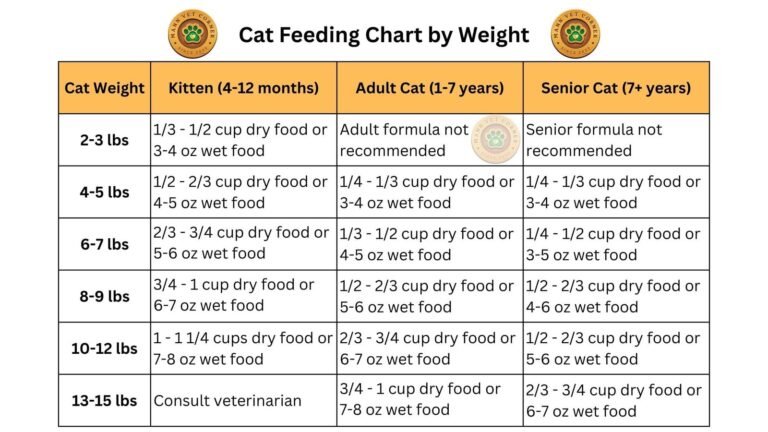
This example is a texture calculation, not a recommendation that every cat should eat 1/4 cup per meal. Your cat’s calorie needs depend on factors such as body weight, age, activity, health, and the energy content of the food.
Source: storage.googleapis.com
Keep the dry-food portion consistent
Measure the food according to your cat’s feeding plan, then add water separately.
Adjust in small steps
A tablespoon at a time gives you more control than pouring in a large amount.
Consider your cat’s preference
Some cats accept a thin mash, while others prefer pieces that still hold their shape.
Do not force the change
If your cat refuses moistened food, try a smaller amount of water or return to the usual texture while you assess the reason for the refusal.
Should You Add Water to Every Meal?
You can add water to many cat foods at each meal if the product instructions allow it and your cat tolerates the change. There is no universal requirement to moisten every serving of kibble.
Cats also get water from drinking and from wet food. Their total needs vary with diet, age, activity, environment, and health. If your veterinarian has prescribed a specific feeding or fluid plan, follow that plan instead of using a general ratio.
For a healthy cat
Offer clean drinking water at all times, even when meals contain added water.
For a cat with a medical condition
Ask the veterinarian whether added water is useful and whether any dietary restrictions apply.
Benefits of Adding Water to Dried Cat Food
Adding water can raise the moisture content of a meal without changing the amount of dry food you measure. This may help cats that prefer moist textures or tend to eat little wet food. It also gives you another way to offer water throughout the day.
The benefit depends on the individual cat. A cat that already drinks well and eats wet food may gain little from extra water in kibble, while another cat may welcome the change. Added water is useful as a feeding option, but it is not a treatment for a health problem.
Source: petsloverzone.com
More moisture in the meal
Water mixed into food contributes to total water intake when the cat eats the meal.
Softer pieces
Moistened kibble may be easier to chew for some cats, although dental pain or difficulty eating still needs veterinary assessment.
A different aroma and texture
Warm water can release more of the food’s smell, which may make the meal more appealing to some cats.
An alternative for cats that dislike plain water
A cat may take in some extra fluid through moistened food, but this does not mean you should remove its water bowl.
Can Added Water Help Cats Stay Hydrated?
Yes, it can contribute to a cat’s total water intake if the cat eats the food. Moisture from food and water from the bowl both count toward daily intake, so a moistened meal may be one helpful part of a hydration routine.
However, adding water does not guarantee that a cat receives enough fluid. A cat that eats only part of the meal may consume less water than you expect. Watch appetite, drinking habits, urine output, and general behavior, and contact a veterinarian if you notice a significant change.
Useful everyday habit
Offer fresh water in clean bowls and consider moistened meals if your cat enjoys them.
Not a substitute for care
Sudden weakness, repeated vomiting, marked lethargy, or signs of dehydration need prompt veterinary advice.
Food Safety: How Long Can Rehydrated Cat Food Sit Out?
Once you add water, treat the meal as moist food rather than shelf-stable dry kibble. Water creates conditions that can allow bacteria to grow, and a bowl that stays out for hours may no longer be safe to serve.
A conservative household rule is to remove uneaten moistened food within 1 to 2 hours, sooner in a hot room. Do not leave it out all day. If the package gives a shorter serving window, follow the package.
For freeze-dried raw food, follow the manufacturer’s handling and storage instructions closely. Raw ingredients may carry harmful germs, so keep preparation surfaces clean, wash your hands, and do not let prepared food sit at room temperature.
Source: cattipper.com
Prepare fresh portions
Mix only the amount your cat is likely to eat at one sitting.
Remove leftovers promptly
Discard food that has been left out too long, especially in warm weather.
Refrigerate unused portions safely
If the product permits storage after rehydration, place the unused portion in a clean, covered container and refrigerate it promptly.
Follow the product’s storage rules
Some products require specific refrigeration times or say to prepare only one serving at a time. Those directions take priority.
Can You Rehydrate Cat Food in Advance?
You may be able to prepare some foods in advance, but only when the package instructions allow it. Keep the food covered in the refrigerator and use it within the stated time. Do not assume that all rehydrated foods have the same safe storage period.
For a cat that eats small meals, preparing each portion shortly before serving is often the simplest option. It reduces waste and makes it easier to check freshness.
Use a clean container
Avoid storing food in a bowl that has already been licked or left at room temperature.
Do not rely on smell alone
Food can be unsafe even when it looks and smells normal.
Common Mistakes When Rehydrating Dried Cat Food
Most problems happen when a person uses the same water ratio for every product, adds too much water at once, or leaves the prepared meal out for too long. A few simple checks can prevent these mistakes and help you find a texture your cat accepts.
If the meal does not look right, do not keep adding ingredients to fix it. Check the package, review the amount you measured, and prepare a smaller portion next time.
Source: storage.googleapis.com
Using one ratio for all foods
Different foods absorb water differently. Follow the label for freeze-dried and dehydrated diets.
Pouring in boiling water
Hot water can make the food too hot to serve. Use room-temperature or lukewarm water instead.
Serving food that is dry inside
If full rehydration is required, check the center of the food and allow more time when needed.
Adding extra kibble to soak up water
This can increase the calories beyond your cat’s planned portion. Adjust the water amount rather than changing the food quantity without a reason.
Leaving wet food out too long
Remove leftovers promptly and follow the package’s food-safety directions.
Assuming added water treats illness
A cat that is ill, dehydrated, or unable to keep food down may need veterinary treatment rather than a change in food texture.
What If Your Cat Refuses Rehydrated Food?
A cat may reject moistened kibble because the texture, smell, or temperature is unfamiliar. Start with a small amount of water and keep the change gradual if your cat is otherwise healthy and eating normally.
You can try room-temperature water, a shorter soak, or a texture closer to the food your cat already likes. Do not force-feed the mixture or allow a cat to go without food while you keep trying new methods.
Try a smaller change
Moisten just a few pieces or add a teaspoon of water to a small serving.
Check for a deeper issue
If your cat suddenly stops eating, seems painful while chewing, vomits repeatedly, or acts unwell, contact a veterinarian.
Protect cats that need regular meals
Cats, especially overweight cats, can become seriously ill when they stop eating. Seek prompt veterinary guidance rather than waiting several days.
When to Ask a Veterinarian About Adding Water
Most healthy cats can eat moistened food if the product is suitable and prepared correctly. Still, a change in drinking, eating, or urination can signal a health problem that food preparation alone will not solve.
Ask your veterinarian before changing the feeding routine of a cat with kidney disease, heart disease, urinary problems, diabetes, or another condition that affects fluid balance or diet. The correct advice depends on the diagnosis, medications, and the diet the cat already eats.
Seek prompt veterinary care if your cat has repeated vomiting, marked weakness, very low energy, dry or sticky gums with other signs of illness, or a sudden drop in food and water intake. Straining to urinate, repeated trips to the litter box with little or no urine, or crying while trying to urinate can be an emergency, especially in male cats.
Source: riosc.com
Ask before changing a prescribed diet
Check whether adding water affects the intended feeding instructions or any medical plan.
Watch the whole picture
Food moisture is only one part of hydration. Drinking, urination, appetite, and behavior also matter.
Do not force water by mouth
Forcing liquid into a weak or resisting cat can cause it to enter the airway. Let a veterinarian guide fluid treatment when needed.
Frequently Asked Questions
Q
How much water should I add to 1 cup of dry cat food?
For ordinary dry kibble, start with about 1 to 2 cups of water per 1 cup of kibble by volume, using the lower amount first. Stir and let the food soften, then add more water only if needed. This is a texture guide, not a universal rule for every brand.
Q
Should I use warm or cold water to rehydrate cat food?
Room-temperature or lukewarm water works well for most foods. Slightly warm water may help soften kibble and release its aroma. Avoid boiling water, and always check that the finished meal is not hot before serving.
Q
How long does dried cat food take to rehydrate?
The time depends on the food type, piece size, and water temperature. Ordinary kibble may soften after a short soak, while freeze-dried and dehydrated foods may need a specific waiting period. Follow the label and check the center of the pieces when full rehydration is required.
Q
Can I leave rehydrated cat food out overnight?
No. Do not leave rehydrated cat food out overnight. Remove uneaten food within 1 to 2 hours as a conservative household rule, or sooner in a warm room, and follow any shorter time limit on the package.
Q
Can I rehydrate freeze-dried cat food with tap water?
Use tap water if it is safe to drink in your area and suitable for your household. If your local water supply has a safety advisory, use an appropriate safe alternative and follow local public health advice. Always use the water amount and preparation steps listed on the food package.
Q
Does adding water to cat food help prevent urinary problems?
Adding water can increase the moisture a cat gets from a meal, but it cannot guarantee that urinary problems will be prevented or treated. If your cat has a history of urinary disease, ask your veterinarian about its diet and fluid needs. Straining to urinate or producing little or no urine requires urgent veterinary attention.
✦ Wrapping Up
Conclusion
The best amount of water for dried cat food depends on the product and the texture your cat needs. For ordinary kibble, begin with roughly 1 part water to 1 part food by volume, then add more gradually if needed. For freeze-dried or dehydrated diets, use the manufacturer’s stated water ratio and soaking time.
Use clean drinking water, check that the meal has softened as intended, and serve it at a safe temperature. Prepare small portions, remove leftovers promptly, and refrigerate only when the product’s instructions permit it. Keep fresh drinking water available at all times.
If your cat refuses food, shows a sudden change in thirst or urination, or seems unwell, do not rely on extra water alone. Contact a veterinarian to find the cause and decide on the right feeding plan.
💡 Key Takeaway
For your next meal, measure the usual portion, follow the package directions, add water gradually, stir, check the texture, and serve fresh. When in doubt about a medical diet or hydration concern, ask your veterinarian.