Keep ants out of cat food by cleaning the feeding area, storing food in sealed containers, removing leftovers, and using a cat-safe feeding barrier.
For cat owners across the United States, ants can turn a quiet feeding spot into a daily nuisance. Warm weather, summer rain, and crumbs near a kitchen or patio can draw ants toward a bowl of dry or wet cat food. Even indoor cats can attract these tiny visitors when food sits out for hours.
The best fix starts with the food and the path ants use to reach it. Clean the bowl, wipe away food residue, seal the bag or can, and move the dish away from walls and entry points. If ants keep returning, try a stable, pet-safe feeding station or a properly designed moat bowl. Avoid spraying pesticides near food or putting essential oils, powders, or chemicals where your cat can lick or inhale them.
Source: i.pinimg.com
Why Do Ants Keep Getting Into Cat Food?
Ants enter homes and patios while searching for food and water. Cat food can provide both, especially when crumbs, spilled kibble, gravy, or grease remain around the feeding area. A few ants may arrive first, then leave a chemical trail that helps other ants follow the same route.
Dry kibble may look less tempting than wet food, but it still contains fats, proteins, and other nutrients. Wet food can be especially attractive because its smell spreads through the room and small spills are easy to miss. An open food bag or a scoop left on the counter can also draw ants away from the bowl and into your storage area.
The location matters, too. Bowls near doors, windows, patio cracks, baseboards, or garden beds may sit close to ant entry points. In many US homes, ant activity rises during warm months, although some species enter buildings year-round. Removing the food source and blocking access is more reliable than simply chasing away the ants you can see.
Source: tipsbulletin.com
Food residue
Grease, crumbs, gravy, and dried food on the floor or bowl can attract ants even after the main meal is gone.
Easy access
Ants can climb walls, furniture legs, cords, and many bowl stands. Moving a dish a few inches may not stop them if the route remains open.
Open storage
Loose bags and poorly closed containers let ants reach the food before it is served.
Do Ants Make Cat Food Unsafe?
A few ants do not automatically mean that every piece of food is toxic, but food covered with insects or exposed to an active infestation should not be served. Ants may carry dirt and microbes from the surfaces they cross, and you cannot know what they contacted before reaching the bowl. The simplest choice is to discard contaminated food, wash the dish, and refill it with fresh food.
If your cat has eaten food containing ants, do not panic. Remove the remaining food and watch for unusual vomiting, diarrhea, weakness, or other signs of illness. Contact your veterinarian if symptoms appear, your cat ate food exposed to insecticide, or you have concerns about the amount or type of contamination.
Discard visibly contaminated food
Do not pick out the ants and serve the rest of the same portion. Replace it with fresh food in a clean bowl.
Check for chemical exposure
If insecticide, bait, or another pest-control product may have touched the food, prevent further access and seek prompt veterinary advice.
How to Keep Ants Out of Cat Food Step by Step
Start with the simplest fixes before buying pest-control products. A clean feeding station, closed food container, and shorter feeding window often reduce the problem. Work through the steps below in order so you can spot which change makes the biggest difference.
Source: i.pinimg.com
Step 1: Remove the contaminated food
Throw away food with visible ants or food that may have contacted a pesticide. Do not try to save it by rinsing kibble or picking insects out of wet food.
Step 2: Wash the bowl
Wash the bowl with dish soap and warm water, rinse it well, and dry it. Clean the feeding mat and the floor beneath it, too.
Step 3: Follow the ant trail
Watch where the ants travel after you remove the food. Look along baseboards, window frames, door gaps, and nearby pipes without touching the insects or disturbing a nest.
Step 4: Move the feeding station
Place the bowl on a clean, dry surface away from walls, windows, and visible trails. Keep it in a spot that your cat can reach easily.
Step 5: Store food securely
Close the original package and place it inside a clean, airtight food container. Wipe the scoop and seal the lid after each use.
Step 6: Serve smaller portions
Offer an amount your cat can eat during a normal meal, then remove uneaten wet food promptly. Do not reduce the daily amount your cat needs just to make the bowl less attractive to ants.
Step 7: Add a suitable barrier if needed
If ants still reach the dish, use a purpose-built ant-proof feeder or a stable moat design. Check the setup each day to make sure it remains clean and safe.
How to Tell Whether the Fix Is Working
A successful setup has no visible ant trail leading to the bowl, no ants in the food, and no fresh crumbs or sticky residue around the feeding station. Check the area before each meal for the first several days. If ants return, look for a new route rather than repeating the same cleaning step without finding the cause.
Keep an eye on your cat’s routine while you make changes. The bowl should remain easy to reach, the food should stay fresh, and your cat should be able to eat without stepping into water or struggling with a raised edge. A barrier that stops ants but makes your cat avoid meals is not a good solution.
Good sign
The food stays free of ants, and no new trail appears after the feeding area is cleaned.
Warning sign
Ants continue to arrive from under a cabinet, through a wall gap, or from a nearby nest. You may need to seal the entry point or seek pest-control help.
Use an Ant-Proof Cat Food Bowl or Water Moat
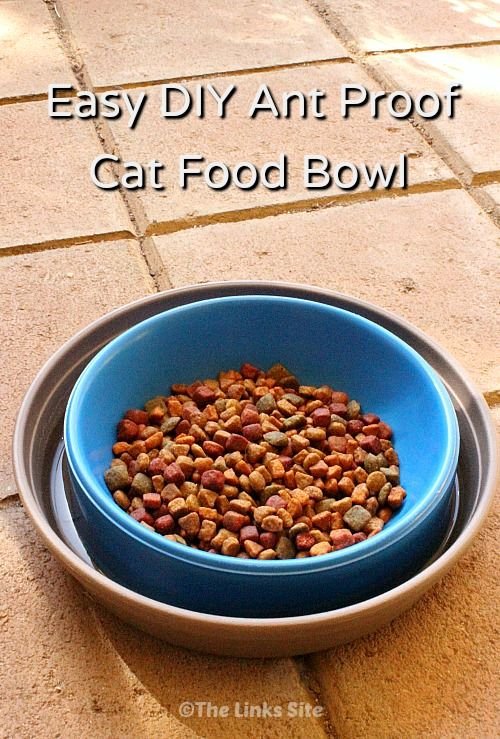
An ant-proof feeder can help when ants keep climbing into a regular dish. Some designs place the food bowl inside a larger base with a water channel around it. Ants that cannot cross the water barrier may be unable to reach the food, provided there is no dry bridge from the floor, wall, stand, or nearby object.
You can also use a stable, shallow tray of water beneath a raised feeding dish, but only if the setup is secure and your cat cannot tip it over. The food bowl must sit above the water, and the water should never spill into the food. Keep the moat shallow and clean, and do not use a deep container that could trap a paw or pose a risk to a small kitten.
A moat is not a substitute for cleaning. Hair, dust, crumbs, or other debris can create a bridge across the water, while evaporation can leave a dry path. Inspect the barrier every day and refill or clean it as needed. If your cat is frightened by the setup, drinks from the moat, or knocks the dishes over, choose another method.
Source: tipsbulletin.com
Choose a stable base
Use a broad, level design that cannot tip when your cat leans against the bowl. Avoid unstable stacks of plates or improvised stands.
Keep the water separate
The food dish must not touch the moat water. Wash both parts often so old food and standing water do not collect dirt.
Check every access route
Keep the feeder away from walls, table legs, curtains, and cables that ants might use to bypass the barrier.
Can Petroleum Jelly Stop Ants?
Some home tips suggest coating a bowl stand or container edge with petroleum jelly. Although a sticky surface may interfere with some ants, it can collect dust, become messy, and transfer to a cat’s paws or fur. A cat may then lick the substance while grooming, so it is not the first method to try.
Avoid smearing petroleum jelly around the rim where your cat eats or on surfaces it regularly licks. A purpose-built feeder or a clean physical barrier is easier to manage and less likely to leave a sticky mess near food.
Prefer a clean barrier
Choose a feeder made for pet use or a stable moat instead of applying sticky products to the bowl.
Keep products away from the food
Do not put adhesive, grease, powders, or chemicals on surfaces that can touch food or your cat’s mouth.
Store Dry and Wet Cat Food the Right Way
Secure storage prevents ants from reaching the main supply and keeps food from spilling across a cupboard or pantry. It also makes it easier to see whether the problem starts at the feeding station or inside the storage area. Choose a clean container with a tight-fitting lid and keep it in a cool, dry place.
Source: pestsexterminators.com
Seal dry food after each use
Close the original bag tightly, then place it in an airtight container if the container fits the bag and can be cleaned easily. Keeping food in its original package inside the container also preserves the product label, lot code, and best-by date.
Clean the storage area
Wipe up loose kibble, dust, and oily residue around the container. Check corners and shelf seams where ants may travel.
Handle wet food safely
Cover opened cans or transfer leftovers to a clean, food-safe container and refrigerate them according to the product label. Follow the manufacturer’s storage time and discard food that has spoiled.
Wash the scoop
Use a clean, dry scoop and avoid leaving it inside a container if it carries moisture, crumbs, or residue from the feeding bowl.
How Long Can Cat Food Stay Out?
The safe time depends on the food type, room temperature, and product instructions. Wet food can spoil more quickly at room temperature, particularly in a hot kitchen, garage, or covered patio. As a practical rule, remove uneaten wet food after about one to two hours, and sooner in very hot conditions; follow the label if it gives stricter instructions.
Dry kibble generally tolerates a longer feeding window than wet food, but leaving it out all day can give ants more time to find it. If your cat prefers grazing, consider a measured daily portion in a clean, ant-resistant feeder and check it often. Do not leave food out longer than the package or your veterinarian’s feeding plan allows.
Wet food
Serve small portions and remove leftovers promptly. Refrigerate opened food as directed on the label.
Dry food
Keep it dry, clean, and protected from pests. Refresh the bowl and remove crumbs rather than continually topping up old food.
Keep Ants Away Without Exposing Your Cat to Chemicals
The safest first response is to remove the food source, clean the trail, and block the ants’ route. If those steps do not work, pest control may be needed, but the treatment must account for your cat’s access to the room, bowl, water, and nearby surfaces. A product labeled for household use is not automatically safe to apply beside pet food.
Never spray insecticide on a bowl, feeding mat, food container, or surface that will touch food. Do not scatter ant bait around the dish or leave bait stations where your cat can chew, lick, or knock them over. Follow the product label exactly, keep pets out of the treatment area for the specified period, and remove or cover food and water as directed.
Some ant products contain ingredients that can harm pets if swallowed or mishandled. If your cat may have eaten bait or contacted a pesticide, do not wait for symptoms. Keep the package or label available and contact your veterinarian or an animal poison-control service for guidance.
Source: i.ytimg.com
Avoid essential oils
Do not use concentrated peppermint, tea tree, citrus, or other essential oils around the bowl as an ant repellent. Cats can be sensitive to many essential oils, and exposure may occur through licking, skin contact, or inhalation.
Do not use loose powders near food
Boric acid, borax, diatomaceous earth, and other powders can create ingestion or inhalation risks if misapplied. Do not sprinkle them on the feeding mat, bowl stand, or food storage area where your cat can reach them.
Do not mix cleaning chemicals
Use one suitable cleaner at a time, follow its label, and rinse food-contact surfaces well. Never mix bleach with ammonia, acids, or other cleaning products.
Call for help when needed
If ants are nesting inside walls, appear in many rooms, or keep returning despite sanitation and exclusion, contact a qualified pest-control professional and explain that you have a cat.
Are Vinegar and Lemon Safe Ways to Repel Ants?
Vinegar or lemon-based cleaners may help remove some scent trails from suitable hard surfaces, but they do not reliably eliminate an ant colony. Their effect varies with the ant species, surface, and cleaning method. Treat them as optional cleaning aids, not as a proven barrier.
Keep vinegar, lemon juice, and other cleaners out of the food bowl and water dish. Acidic liquids can irritate your cat’s mouth or stomach if swallowed in meaningful amounts, and strong scents may bother some pets. Use a pet-safe surface cleaner according to its label, then allow the area to dry before returning the food bowl.
Clean first
Remove crumbs and visible trails with a suitable cleaner. Cleaning alone may not solve a nearby nest or an entry point.
Keep food separate
Never mix household cleaners into cat food or apply them to the inside of the bowl as a repellent.
Prevent Ants in Indoor and Outdoor Cat Feeding Areas
Indoor and outdoor feeding spots need slightly different plans. Indoors, focus on storage, floor residue, cracks, and routes along cabinets or baseboards. Outdoors, heat, rain, soil, plants, and nearby ant colonies can make it harder to keep a bowl free of insects.
For an indoor cat, choose a feeding location that is easy to clean and away from the kitchen trash can, pantry gaps, or a frequently opened exterior door. For outdoor cats, feed in a sheltered spot on a clean, raised surface, but do not place the dish directly beside a wall, garden bed, tree trunk, or visible nest. Remove leftovers after each meal and clean the area before the next feeding.
Source: amyeverafter.com
For indoor feeding
Vacuum crumbs, wipe the floor, close pantry containers, repair gaps where practical, and avoid placing the bowl beside an active ant trail.
For outdoor feeding
Serve food at set times, remove uneaten portions, clean the feeding platform, and use a stable weather-protected station.
For multi-cat homes
Use separate feeding spots if needed and clean each bowl after meals. Make sure an ant barrier does not prevent a shy, elderly, or mobility-limited cat from eating.
For kittens and senior cats
Prioritize easy access and stable dishes. Avoid deep moats, slippery stands, or raised edges that could cause a fall or make eating difficult.
What If Ants Return Every Day?
Repeated ant activity often means the trail or colony remains active, even when the bowl looks clean. Follow the line of ants to the nearest likely entry point and check for gaps around doors, windows, pipes, and baseboards. Seal suitable gaps when you can do so without trapping pests inside a wall or damaging a building component.
If ants appear from electrical outlets, inside walls, or multiple rooms, avoid spraying into openings or dismantling electrical fixtures. A pest-control professional can identify the likely species and recommend treatment that limits exposure to your cat. Tell the professional where your cat eats, sleeps, and drinks so those areas can be protected.
Track the route
Observe the ants from a safe distance and note where they enter. Clean the trail after you identify the route.
Remove nearby food sources
Check trash cans, recycling, sticky drink spills, pantry shelves, and other pet food bowls.
Escalate persistent problems
Seek professional help if the infestation spreads, the entry point cannot be reached safely, or home sanitation measures do not work.
Common Mistakes That Make Ant Problems Worse
A quick fix may seem to work for a few hours but fail because the food source or entry route remains. The most useful approach is to change the setup in a way that you can keep up with each day. Avoid methods that add a new risk to your cat’s food, paws, or breathing space.
Source: i.pinimg.com
Leaving a full bowl out all day
Long feeding windows give ants more time to find the food. Use a suitable schedule or ant-resistant feeder that still meets your cat’s nutritional needs.
Cleaning only the bowl
Ants may return because food residue remains on the mat, floor, stand, wall, or storage shelf. Clean the full feeding area.
Moving the bowl without checking the trail
Ants can follow a new route to a nearby dish. Find the entry point and keep the feeding station away from the trail.
Using a moat that is too deep
A deep or unstable water barrier can spill, create a slipping hazard, or make your cat avoid the bowl. Use a shallow, stable, easy-to-clean design.
Relying on strong scents
A strong smell does not prove that a product will keep ants away, and some scents or oils can be unsafe for cats. Use cleaning and exclusion first.
Ignoring the storage bag
Ants can enter an open food package even when the serving bowl is protected. Seal the package and inspect the cupboard or pantry.
Using poison beside the dish
Baits and sprays can expose cats through licking, chewing, or contact with treated surfaces. Keep all pest-control products away from feeding areas and follow the label.
A Simple Daily Prevention Routine
A short routine is easier to maintain than a complicated collection of home remedies. Before feeding, check the bowl and nearby floor for ants or crumbs. After your cat eats, remove wet food leftovers, wash the dish, wipe the mat, and seal the remaining food.
Once a week, inspect the food storage area, the wall behind the feeding station, and nearby door or window gaps. Clean the moat or feeder according to its instructions and confirm that the setup remains stable. If the problem is gone, keep the habits that worked rather than adding more products.
Before meals
Check for ants, clean visible residue, and serve fresh food in a clean bowl.
After meals
Remove leftovers, wash the bowl, clean the floor, and close the food container.
Each week
Inspect storage, look for new trails, and clean the feeding station and any moat barrier.
Frequently Asked Questions
Q
What is the fastest way to keep ants out of cat food?
Remove any food that contains ants, wash the bowl, and clean the floor and feeding mat. Move the dish away from the ant trail, seal the food supply, and remove leftovers after the meal. If ants still reach the bowl, try a stable, cat-safe ant-proof feeder or shallow water moat.
Q
Can I put my cat’s food bowl in a tray of water?
Yes, a shallow water moat may help if the food bowl sits securely above the water and ants cannot bypass the barrier. Keep the setup stable, clean, and easy for your cat to use. Do not allow water to spill into the food, and choose another method if your cat drinks from the moat or tips it over.
Q
Does cinnamon keep ants away from cat food?
Cinnamon is not a dependable way to protect cat food from ants. Loose spice can irritate a cat’s nose or airways if inhaled, and it does not remove an ant trail or colony. Keep spices and powders out of the food bowl and use cleaning, sealed storage, and physical barriers instead.
Q
Should I throw away cat food if ants get into it?
Discard food that is visibly infested or may have contacted insecticide or bait. Do not pick out the ants and serve the remaining portion. Wash and rinse the bowl well, clean the feeding area, and replace the food with a fresh serving.
Q
Can I spray ant killer near my cat’s food bowl?
Do not spray ant killer on or near the food bowl, food, water, or surfaces that your cat may lick. Follow the pesticide label for removal of food and pets, ventilation, and re-entry instructions. If your cat may have swallowed or contacted the product, contact a veterinarian or animal poison-control service promptly.
Q
How do I keep ants out of cat food outside?
Feed your cat in a sheltered, clean spot away from walls, garden beds, tree trunks, and visible ant trails. Use small portions, remove leftovers after meals, and wash the bowl and platform regularly. A stable, purpose-built ant-proof feeder may help when ants are common in the yard.
Q
Why do ants return after I clean the bowl?
The ants may still be following a trail from a crack, door gap, wall opening, or nearby nest. Clean the whole feeding area, store food securely, and watch where the ants enter. If they continue to appear in several rooms or come from an inaccessible space, contact a pest-control professional who can account for your cat’s safety.
✦ Wrapping Up
Conclusion
Keeping ants out of cat food does not require a shelf full of repellents. Clean bowls and floors, sealed food storage, prompt removal of leftovers, and a well-placed feeding station solve many common problems. A stable ant-proof bowl or shallow water moat can add protection when simple cleaning is not enough.
The key is to protect both the food and the cat. Avoid pesticide residue, loose powders, concentrated essential oils, and sticky substances near the feeding area. If ants keep returning, trace their route and address the entry point instead of treating the bowl over and over.
💡 Key Takeaway
Today, discard any food contaminated by ants, wash the bowl and feeding mat, seal the food package, and move the dish away from the ant trail. Check the area before the next meal and add a stable, cat-safe barrier if needed.