Most adult cats need about 20 to 30 calories per pound of ideal body weight daily, but the right amount of wet food depends on age, activity, health, and the calories in each can.
If you share your home with a cat in the United States, you may have wondered how many cans of wet food belong in the bowl each day. A small indoor cat may need much less food than a large, active cat. The number of cans also changes from one brand to another because recipes and serving sizes contain different amounts of energy.
The best way to decide how much wet cat food to feed a cat per day is to start with your cat’s ideal weight and daily calorie needs. Then check the calories listed on the package and divide the daily target into suitable meals. This method gives you a useful starting point without relying on guesswork or treating every cat the same.
Age, body condition, pregnancy, activity, and medical needs can change the amount your cat should eat. A growing kitten usually needs more calories per pound than a healthy adult, while a less active indoor cat may need fewer calories than an active outdoor cat. Your veterinarian can help set a safe target if your cat is overweight, underweight, or has a health problem.
Source: etsy.com
How Much Wet Cat Food Should an Adult Cat Eat Daily?
A healthy adult cat often needs around 20 to 30 calories per pound of ideal body weight each day as a rough starting estimate. That range is not a fixed rule. Two cats of the same weight may need different amounts because they differ in age, activity, body composition, and health.
For example, a 10-pound adult cat might start with an estimated daily need of 200 to 300 calories. A veterinarian may recommend a target outside that range based on the cat’s body condition and lifestyle. Use the estimate to begin the discussion, not as a substitute for an individual feeding plan.
Once you know the calorie target, use the food label to calculate the portion. Some cans contain around 70 to 100 calories, while others contain 150 calories or more. These are examples rather than universal values, so always use the calorie statement for the exact recipe you feed.
Source: etsy.com
Small adult cat
A cat weighing 6 pounds at an ideal body condition might need roughly 120 to 180 calories daily as an initial estimate.
Medium adult cat
A 10-pound cat might need roughly 200 to 300 calories daily, depending on its individual needs.
Larger adult cat
A 15-pound cat might need roughly 300 to 450 calories daily if that weight is appropriate for its frame. A veterinarian should help determine the target if the cat is overweight.
Why Ideal Body Weight Matters
Your cat’s current weight is not always the right number to use. An overweight cat may need fewer calories than its current weight suggests, while an underweight cat may need a plan that supports gradual, healthy weight gain. Feeding extra food based only on current weight can make an existing weight problem worse.
Ask your veterinarian to assess body condition and identify a reasonable goal weight. Once you have that target, calculate the daily portion from the calorie needs your veterinarian recommends. Check progress over time rather than changing the amount every day.
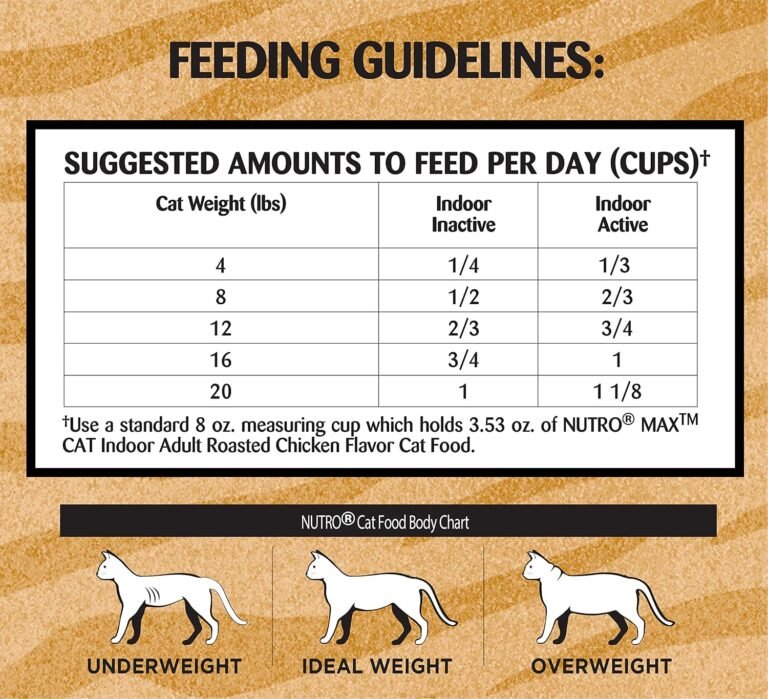
Look at body shape
A healthy cat often has a visible waist from above and a slight abdominal tuck from the side, although body shape varies.
Feel the ribs gently
You should generally be able to feel the ribs beneath a light layer of fat without pressing hard.
Track weight
Regular weigh-ins help reveal gradual weight gain or loss that may be difficult to notice by sight.
Why One Can Is Not a Standard Serving
A can is a package size, not a universal meal. A small can of one recipe may contain fewer calories than a larger can of another recipe, even if both products look similar. The amount of water, fat, protein, and other ingredients affects the energy in each serving.
Read the package for calories per can or calories per ounce. If the label gives calories per kilogram or another unit, use the stated serving information or ask the manufacturer how to convert it. Do not assume that a recommendation printed on one brand applies to every wet food.
Check calories
Find the calorie content for the exact flavor and formula you use.
Check net weight
Confirm the package size so you can calculate portions accurately.
Check feeding directions
Use the label as a starting point and adjust only with a sound reason, such as weight trends or veterinary advice.
How to Calculate the Right Amount of Wet Cat Food
You can estimate a daily wet food portion in three simple steps: determine a reasonable calorie target, check the calories in the food, and divide the target by the calories per can. This gives you a clear starting point for planning meals. It also helps prevent accidental overfeeding when you use more than one food.
For a healthy adult cat, a calorie estimate based on ideal body weight may be useful if you do not yet have a veterinary target. However, calorie equations and rules of thumb are estimates. A veterinarian can provide a more suitable daily target based on your cat’s body condition, health, and lifestyle.
Source: loyalshayar.com
Step 1: Set a daily calorie target
Use your veterinarian’s recommendation when available. Otherwise, a rough estimate of 20 to 30 calories per pound of ideal body weight may help you begin.
Step 2: Read the food label
Find the number of calories in one full can or pouch. Do not use the serving size of a different product.
Step 3: Divide calories by calories per can
Divide the daily calorie target by the calories in one can to estimate how many cans supply that amount.
Step 4: Count every food and treat
If your cat eats kibble, treats, or table scraps, subtract those calories from the daily target before calculating the wet food portion.
A Simple Wet Cat Food Calculation
Imagine your veterinarian recommends 240 calories per day for your adult cat. The wet food label lists 120 calories per can. Divide 240 by 120, and the result is two cans per day if wet food supplies all the cat’s calories.
If the same cat also eats 40 calories of dry food and treats, only 200 calories remain for wet food. Dividing 200 by 120 gives about 1.67 cans per day. You could measure the amount across meals using the package’s net weight or a kitchen scale, provided the calorie information supports that conversion.
This example is hypothetical. Your cat’s true calorie target may be higher or lower, and a fraction of a can is not automatically a suitable portion unless it meets the cat’s nutritional needs.
Daily target
240 calories in this example.
Dry food and treats
40 calories combined.
Calories left for wet food
200 calories.
Wet food portion
About 1.67 cans when each can contains 120 calories.
What If the Label Lists Calories per Ounce?
You can still calculate the portion when the label lists calories per ounce. Divide the calories you want to provide through wet food by the calories per ounce. The result is the number of ounces to serve during the day.
For example, if the remaining daily target is 180 calories and the food contains 30 calories per ounce, the portion is six ounces. Measure the food with a suitable kitchen scale or follow the manufacturer’s serving information. A measuring cup may be less precise for dense or chunky foods.
Use matching units
Do not divide calories per can by calories per ounce without first converting one of the quantities.
Measure consistently
Use the same method each day so small serving differences do not build up.
Daily Wet Food Portions by Cat Weight
The table below shows rough calorie estimates for adult cats at several ideal body weights. It uses 20 to 30 calories per pound per day to illustrate the range, not to prescribe an exact diet. A cat’s actual needs may fall outside these estimates.
The table also shows how different can sizes change the daily count. The can examples assume either 100 or 150 calories per can. These values are for calculation only; check your own food label before using any portion.
Source: arabic-names.com
6-pound cat
About 120 to 180 calories daily, or 1.2 to 1.8 cans of 100 calories each.
8-pound cat
About 160 to 240 calories daily, or 1.6 to 2.4 cans of 100 calories each.
10-pound cat
About 200 to 300 calories daily, or 2 to 3 cans of 100 calories each.
12-pound cat
About 240 to 360 calories daily, or 2.4 to 3.6 cans of 100 calories each.
15-pound cat
About 300 to 450 calories daily, or 3 to 4.5 cans of 100 calories each, if 15 pounds is an appropriate target weight.
How to Read These Estimates
These figures show why weight alone cannot settle the question. A 10-pound cat eating food with 150 calories per can would need about 1.33 to 2 cans to match the example range, while the same calorie range could require two to three cans of a 100-calorie food.
Do not use the upper end automatically because your cat seems hungry. Cats may beg for food for reasons other than calorie needs, including habit, boredom, or a preference for frequent meals. Body condition, measured portions, and weight trends provide better clues.
If your cat gains weight
Review treats, portion sizes, and other food sources with your veterinarian before reducing calories.
If your cat loses weight
Check intake and arrange a veterinary assessment, especially if the loss is unexplained or continues.
If your cat leaves food
Check freshness, texture preference, feeding stress, and health rather than assuming the daily target is too high.
How Much Wet Food Should Kittens Eat?
Kittens need food that supports rapid growth, so their feeding needs differ from those of adult cats. They generally need more calories per pound than adults, and they often do best with several small meals each day. A kitten’s age, current weight, growth rate, and the energy content of its food all affect the right portion.
Choose a complete and balanced kitten food that is labeled for growth or for all life stages. Adult maintenance food may not provide the nutrient balance a growing kitten needs. Follow the feeding directions for the specific formula and ask your veterinarian to review the portion during routine kitten visits.
Source: www.ask-oracle.com
Young kittens
Very young kittens need frequent meals and may require special feeding care if they are orphaned or not nursing. Contact a veterinarian or qualified rescue professional for age-specific guidance.
Kittens starting solid food
During weaning, offer suitable kitten food in small, frequent meals while following veterinary advice and the product label.
Older kittens
Continue feeding a growth-appropriate diet and monitor weight and development. Do not switch to adult portions simply because the kitten looks bigger.
How Often Should a Kitten Eat Wet Food?
Several small meals are often easier for a kitten to manage than one or two large servings. A practical schedule depends on age, appetite, household routine, and any instructions from the veterinarian. Divide the daily amount into planned meals instead of leaving an unlimited supply of wet food out all day.
As kittens grow, their energy needs and portion sizes change. Weighing them regularly and discussing growth with a veterinarian can help you spot a problem early. Seek advice if a kitten fails to gain weight, has ongoing diarrhea, vomits repeatedly, or refuses food.
Measure the whole day
Decide on the total daily amount first, then split it across meals.
Use kitten-specific guidance
Follow the package instructions and veterinary advice rather than adult-cat calorie estimates.
Watch growth
A healthy kitten should show steady development, although the expected pace varies with age and individual factors.
How Age, Activity, and Health Change Daily Portions
The same amount of wet food will not suit every cat. Age, activity, reproductive status, body condition, and disease can all change calorie needs. Treat the package estimate as a starting point and adjust the plan with reliable information about the cat in front of you.
Indoor cats may use less energy than cats that roam or spend a great deal of time playing. However, indoor status alone does not prove that a cat needs fewer calories. An active indoor cat may burn more energy than a sedentary cat that has outdoor access.
Source: in.pinterest.com
Indoor lifestyle
Cats with little daily activity may need fewer calories than active cats of the same size. Add play and climbing opportunities to support movement.
Senior cats
Older cats can become less active, but some also lose weight or have health issues that change their nutritional needs. Do not cut portions based on age alone.
Spayed or neutered cats
Energy needs may change after the procedure. Monitor weight and adjust the portion with veterinary guidance.
Pregnant or nursing cats
These cats may need substantially more energy and a diet designed for reproduction or growth. Ask a veterinarian to guide the feeding plan.
Cats with medical conditions
Kidney disease, diabetes, digestive disorders, dental pain, and other problems can affect appetite or diet needs. Follow a treatment-specific plan.
Feeding an Overweight Cat
An overweight cat may need fewer calories, but rapid weight loss can be dangerous. Cats that eat too little for too long can develop hepatic lipidosis, a serious liver condition. Never place a cat on a crash diet or sharply cut its food without veterinary guidance.
Ask your veterinarian to estimate a target weight and daily calorie intake. A measured wet-food plan may help because portions can be tracked, and the water in wet food can support hydration. Still, wet food does not cause weight loss by itself; the total calorie intake and diet’s nutritional adequacy matter.
Set a safe target
Use a veterinary weight-management plan instead of guessing how much food to remove.
Count extras
Include treats, table food, supplements with calories, and food given by other household members.
Track change
Record weight at regular intervals and contact your veterinarian if the cat loses weight too quickly or stops eating.
Feeding a Cat That Seems Hungry All the Time
A cat that begs often may be hungry, but begging does not always mean the daily portion is too small. Some cats learn that meowing brings food, while others seek attention or stimulation. First confirm that each meal is measured and that the food supplies an appropriate daily calorie total.
If your cat has a sudden increase in appetite, especially with weight loss, increased thirst, or more frequent urination, arrange a veterinary check. Conditions such as diabetes and hyperthyroidism can affect appetite and weight. Do not try to solve a new symptom by simply adding more cans.
Use meal routines
Serve measured meals at predictable times and consider a suitable food puzzle or play session.
Check the total intake
Make sure every person in the home knows the daily allowance.
Watch for new symptoms
Seek veterinary advice when hunger changes suddenly or comes with weight loss, thirst, vomiting, or other changes.
How Many Wet Food Meals Should a Cat Eat Each Day?
Many adult cats can eat two or more measured meals each day. The best schedule is one that provides the right daily amount, fits the household routine, and works for the cat’s health and appetite. Some cats prefer smaller meals more often, while others do well with breakfast and dinner.
Wet food should not sit out for long periods because moisture and room temperature can allow harmful microbes to grow. Serve a portion your cat can eat within a reasonable time, then remove leftovers and clean the bowl. Follow the product label and veterinary advice, especially in hot weather or for cats with special health needs.
Source: www.youtube.com
Two meals a day
Divide the daily portion between morning and evening if that schedule suits your cat.
Three or four meals a day
Smaller meals may suit cats that prefer frequent feeding or need a specific schedule.
Medication-related meals
If a veterinarian has tied meals to medication, follow those instructions rather than changing the schedule on your own.
A Sample Adult Cat Feeding Schedule
Suppose your cat’s daily target is 240 calories and the chosen wet food contains 120 calories per can. Two full cans would provide 240 calories if no other food or treats were given. You could serve half a can in the morning, half in the afternoon, and one full can in the evening, or divide the same total into two equal meals.
This schedule is only an example. It does not mean every 10-pound cat needs 240 calories or two cans. Use your cat’s own calorie target and the food’s label to calculate the total.
Morning
Serve a measured portion and refrigerate the remaining food promptly.
Afternoon
Offer a planned meal if your schedule allows, using a fresh portion.
Evening
Serve the remaining daily amount and remove leftovers after the feeding period.
How Long Can Wet Cat Food Sit Out?
A common conservative rule is to discard wet food left at room temperature for more than about two hours. In hot conditions, food can spoil faster, so shorten the time and follow the package’s instructions. Do not rely on smell or appearance alone to judge whether food is safe.
Cover and refrigerate opened cans or pouches promptly. Use the manufacturer’s storage directions for how long the food remains suitable after opening, and keep the refrigerator cold enough for safe food storage. If food has been left out too long, throw it away rather than returning it to the can.
Serve smaller portions
Offer only what your cat is likely to eat at one meal.
Refrigerate promptly
Store unused food in a covered container or suitable sealed package.
Clean the bowl
Wash food bowls regularly to remove residue and reduce contamination.
Can You Feed Wet and Dry Cat Food Together?
Yes. Many cats eat a mix of wet and dry food, provided the combined diet meets their nutritional needs and the total calories fit their daily target. Wet food does not need to replace every piece of kibble for a mixed feeding plan to work.
The main risk is counting the wet food but forgetting the calories in dry food and treats. Kibble is often calorie-dense, so a small-looking portion can add a meaningful amount to the daily total. Check both labels and measure each food separately.
Source: inspireuplift.com
Calculate the dry food calories
Use the label’s calorie content and measure the portion you serve.
Subtract extras from the target
Allow for treats and other foods before deciding how much wet food remains.
Keep nutrition complete
Choose foods labeled complete and balanced for your cat’s life stage unless your veterinarian has prescribed a different diet.
A Mixed Feeding Example
Imagine a cat has a daily target of 250 calories. Its measured dry food provides 70 calories, and its treats provide 10 calories. That leaves 170 calories for wet food. If each can contains 100 calories, the cat would receive about 1.7 cans per day under this hypothetical plan.
Do not copy this calculation without checking your own cat’s needs. The target is only an example, and the calorie content of each product varies. Ask your veterinarian for help if you need to manage weight or follow a medical diet.
Daily target
250 calories in this example.
Dry food and treats
80 calories combined.
Wet food allowance
170 calories, or about 1.7 cans when each can contains 100 calories.
How to Tell Whether Your Cat Is Eating the Right Amount
The best sign of a suitable portion is a healthy pattern over time, not a single empty bowl. Monitor your cat’s weight, body shape, appetite, energy, stool, and general behavior. A cat may finish every meal and still eat too much, while another may leave a little food and maintain a healthy weight.
Write down the daily food amount and check weight at regular intervals. For many healthy cats, a monthly weight check can help reveal a gradual trend, though a veterinarian may recommend more frequent checks for kittens or cats on a weight plan. Use the same scale and similar conditions whenever possible.
Source: in.pinterest.com
Signs the portion may be suitable
Your cat maintains a healthy body condition, has a stable weight appropriate for its age, and shows normal energy and appetite.
Possible signs of overfeeding
Steady weight gain, a less visible waist, or increasing fat around the abdomen may mean the overall calorie intake is too high.
Possible signs of underfeeding or illness
Unplanned weight loss, reduced muscle, low energy, or a sustained change in appetite needs attention.
What to Do If Your Cat Gains Weight
Start by checking whether anyone gives extra treats or second servings. Measure all food for several days and compare the total with your veterinarian’s calorie target. Small uncounted extras can add up over weeks and months.
If the cat continues to gain weight, ask your veterinarian to review the diet and activity plan. Avoid drastic calorie cuts, because cats need enough energy and nutrients to remain healthy. A gradual, monitored plan is safer than a sudden change.
Measure portions
Use a kitchen scale or another consistent method instead of estimating by eye.
Limit uncounted treats
Include treats within the daily calorie allowance and use small pieces when appropriate.
Increase suitable activity
Use short play sessions, toys, and climbing spaces to encourage movement without forcing exercise.
What to Do If Your Cat Eats Too Little
A cat that suddenly eats much less may have dental pain, nausea, stress, an illness, or a dislike of the food’s texture or temperature. Check whether the food is fresh and whether anything in the feeding area has changed. Do not assume the problem is simply pickiness if the change is new or persistent.
Cats that stop eating can become seriously ill, especially if they are overweight or already have a medical condition. Contact a veterinarian promptly if your cat refuses food, eats far less than usual, or shows signs such as repeated vomiting, weakness, or dehydration. Do not wait several days to see whether a cat that is not eating will recover on its own.
Check the food
Confirm that the can is in date, has been stored correctly, and has not developed an unusual smell or appearance.
Reduce feeding stress
Offer food in a quiet spot away from litter boxes, noisy appliances, and competition from other pets.
Seek veterinary care
Get prompt advice for a marked drop in intake, and seek urgent guidance if your cat stops eating or appears unwell.
Common Mistakes When Measuring Wet Cat Food
Most feeding errors come from small assumptions that become habits. A serving that looks right may contain too many calories, and a cat that begs may not need a larger meal. A clear daily target and a simple record of what your cat eats can prevent many of these problems.
Avoid changing the diet sharply unless a veterinarian has directed you to do so. If you change brands or recipes, compare calorie content and transition gradually when appropriate. Watch for digestive upset during the change and seek advice if symptoms persist.
Source: etsy.com
Counting cans instead of calories
Different can sizes and recipes provide different amounts of energy, so calculate portions from the exact label.
Ignoring treats
Treats and snacks contribute calories even when they seem small.
Using current weight without checking body condition
An overweight cat may need a target based on ideal weight rather than its current size.
Leaving wet food out all day
Wet food can spoil, especially in warm rooms. Serve measured meals and remove leftovers.
Making sudden diet cuts
Rapid weight loss and inadequate intake can harm cats. Use a safe, monitored plan.
Assuming all life stages have the same needs
Kittens, adults, seniors, pregnant cats, and cats with medical conditions may need different feeding plans.
A Simple Daily Feeding Record
A feeding log makes it easier to find the cause of weight changes or appetite problems. Record the brand and recipe, the amount served, leftovers, treats, and any dry food. Add weight checks and note any change in behavior or stool.
Bring the record to a veterinary appointment if you need help adjusting portions. It gives the veterinarian a clearer picture than a rough estimate of how much your cat usually eats.
Food and portion
Write down the exact product and the amount served at each meal.
Extras
Record treats, table food, and food given by other household members.
Health changes
Note appetite, thirst, vomiting, stool changes, activity, and weight.
Frequently Asked Questions
Q
How many cans of wet cat food should I feed my cat per day?
The number of cans depends on your cat’s calorie needs and the calories in each can. A 10-pound adult cat might need roughly 200 to 300 calories per day as an initial estimate, but the actual target can differ. If each can contains 100 calories, that example range equals two to three cans when wet food provides all daily calories.
Check the package and count dry food and treats too. Ask your veterinarian for a personalized target if your cat is overweight, underweight, elderly with health concerns, or living with a medical condition.
Q
Is one can of wet food enough for a cat per day?
One can may be enough for a small cat or a cat that gets part of its daily calories from another complete food, but it may not provide enough energy for many adult cats when served alone. The answer depends on the can’s calorie content and the cat’s individual needs.
Check the calorie statement and compare it with the daily target. Do not assume that one can is a full day’s food simply because the package is labeled for cats.
Q
Can I feed my cat only wet food?
Yes, many cats can eat only wet food if it is complete and balanced for their life stage and provides enough calories and nutrients. Look for a nutritional adequacy statement on the package. Foods labeled for supplemental or intermittent feeding are not meant to serve as the only diet unless a veterinarian directs otherwise.
A wet-only diet may help increase water intake, but your cat still needs fresh drinking water. Your veterinarian can help select a suitable diet if your cat has a health condition.
Q
Should I feed my cat wet food in the morning or at night?
Either can work. The key is to provide the correct total amount each day and keep a consistent schedule that fits your cat’s needs. Many households divide the daily portion between morning and evening, while others use three or more smaller meals.
If your cat takes medication with food or has a condition that affects meal timing, follow the veterinarian’s instructions.
Q
Can I leave wet cat food out all day?
Leaving wet cat food out all day is not recommended because it can spoil and become contaminated. A conservative guideline is to remove food that has been at room temperature for about two hours, and sooner in hot conditions. Follow the package directions if they call for a shorter period.
Refrigerate unused portions promptly and discard food that has been left out too long. Wash the bowl often and serve fresh portions at the next meal.
Q
How much wet food should I feed an overweight cat?
An overweight cat usually needs a controlled calorie plan based on a reasonable target weight, not simply its current weight. A veterinarian can set a safe daily calorie goal and recommend a complete diet that supports gradual weight loss.
Do not sharply reduce food or let an overweight cat go without eating. Cats can develop serious liver problems when they do not get enough food, so weight loss should be gradual and monitored.
Q
How much wet food should a kitten eat per day?
Kittens need a diet designed for growth and usually need more calories per pound than adult cats. The amount depends on age, weight, growth rate, and the calories in the specific kitten food. Divide the daily portion into several small meals when appropriate.
Follow the product’s kitten feeding directions and ask your veterinarian to check growth and portion size. Very young, orphaned, or unwell kittens need specific advice rather than a standard adult feeding estimate.
Q
Is wet cat food better than dry food?
Neither format is automatically best for every cat. Wet food provides more moisture, which can help increase water intake, while dry food is often easier to measure and store after opening. The best choice depends on nutritional adequacy, calorie needs, health, preference, and the feeding routine you can maintain.
Both formats can be part of a healthy diet when they are complete and balanced and portions meet the cat’s needs. Ask your veterinarian whether a particular food format is useful for your cat’s health.
✦ Wrapping Up
Conclusion
The right amount of wet cat food depends on your cat’s ideal weight, age, activity, health, and the calories in each can. A rough adult starting estimate is 20 to 30 calories per pound of ideal body weight per day, but individual needs can vary. Use a veterinary calorie target whenever possible, then calculate the number of cans or ounces from the label.
Measure the full daily allowance, include every treat and other food, and divide the total into meals that fit your routine. Track your cat’s weight and body condition rather than relying only on appetite or an empty bowl. If your cat suddenly eats less, loses weight without a clear reason, or shows signs of illness, contact a veterinarian.
💡 Key Takeaway
Check the calories per can today, confirm your cat’s ideal weight and daily calorie target, calculate the full portion, and record every meal and treat. Ask your veterinarian to review the plan if your cat needs weight loss, weight gain, or a special diet.