Make cat food gravy by blending a little plain, cooked, boneless chicken or turkey with warm water until smooth. Serve a small amount over your cat’s regular food after it cools. Never add onion, garlic, salt, or seasoned broth.
In American homes, cats often eat before or after the family has dinner. Some cats rush to their bowls, while others sniff their food and walk away. If your cat turns down dry kibble or leaves chunks of wet food behind, a little homemade gravy may help make the meal more appealing.
You do not need cream, butter, flour, or rich meat drippings to make a simple gravy for cats. Plain cooked meat and water can provide a useful starting point. The goal is a soft, moist topping with a mild smell and texture that your cat can enjoy.
Homemade cat gravy is not the same as the gravy served with a Thanksgiving turkey or Sunday roast. Human gravy may contain onion, garlic, salt, fat, and seasonings that are unsuitable for cats. A cat-friendly version keeps the ingredient list short and avoids those extras.
This guide explains how to make a basic gravy, adjust its thickness, serve it safely, and store leftovers. It also covers what to do if your cat refuses the gravy and when a change in appetite may call for veterinary care.
What Is Cat Food Gravy?
Cat food gravy is a moist sauce that adds flavor and texture to a cat’s meal. It may contain water, plain meat juices, or a small amount of blended cooked meat. Some commercial cat foods also include gravy as part of their recipe.
Homemade gravy can help soften dry kibble or add moisture to a meal. It may also make familiar food more tempting for a cat that prefers a smooth texture. However, it cannot guarantee that a picky cat will eat, and it does not treat the medical causes of poor appetite.
There is an important difference between gravy made for cats and gravy made for people. Human versions often contain ingredients that cats should not eat. A safe homemade recipe is plain, mild, and free of added seasonings.
Plain meat gravy
A blend of cooked, unseasoned meat and water. This is a simple option for a homemade food topper.
Meat cooking juices
A small amount of plain liquid released during cooking may be used if it contains no bones, seasoning, excess fat, or unsafe ingredients.
Commercial cat food gravy
A product made for cats may be useful when you want a ready-to-serve topping. Check the label and feeding directions.
Can Cats Eat Homemade Gravy?
Most healthy cats can have a small amount of suitable homemade gravy as a food topper. The ingredients matter more than the word gravy. Plain cooked meat blended with water is different from a sauce made with onions, garlic, butter, and salt.
If your cat has kidney disease, heart disease, food allergies, diabetes, pancreatitis, or another condition that affects diet, ask your veterinarian before adding homemade toppings. Cats on prescription diets may need strict control over extra ingredients.
Keep it simple
Use a short list of familiar ingredients and introduce the mixture in a small amount.
Protect balanced nutrition
Use gravy as a topper rather than a substitute for a complete and balanced cat food.
Ingredients for Easy Homemade Cat Food Gravy
You only need a few basic items to make this recipe. Plain cooked chicken or turkey provides the meat base, while warm water helps turn it into a pourable sauce. A small blender or food processor makes it easier to create a smooth texture.
Choose meat that has been cooked without seasoning. Remove all bones, skin, and visible excess fat before blending. Do not use meat that has been marinated, coated in sauce, or cooked with onion or garlic.
Water is the simplest liquid because it adds moisture without introducing extra salt or other ingredients. If you want to use broth, choose a product whose ingredient list is suitable for cats and contains no onion, garlic, or added salt. When in doubt, use water.
Cooked chicken or turkey
Use plain, boneless meat without skin, seasoning, or rich drippings.
Warm water
Start with a small amount and add more as needed to reach the texture your cat prefers.
Blender or food processor
Blend the meat and liquid until there are no hard pieces or large lumps.
Clean container
Use a clean container for serving and a covered, food-safe container for refrigerated leftovers.
Can You Use Tuna or Salmon?
Plain, fully cooked fish may be suitable for some cats in small amounts, provided all bones are removed. However, fish-based gravy should remain an occasional topper rather than the main diet. Avoid raw fish, salty canned fish, smoked fish, and products packed with sauces or seasonings.
For a first recipe, chicken or turkey blended with water is a straightforward choice. If your cat has a known food allergy or follows a prescribed diet, use only ingredients approved for that cat.
Check the label
If using canned fish, avoid added salt, onion, garlic, sauces, and flavored oils.
Remove all bones
Fish bones can injure the mouth or digestive tract, so do not blend fish that still contains bones.
How to Make Cat Food Gravy Step by Step
The easiest homemade cat gravy uses plain cooked meat and water. The following recipe makes a small batch, so you can test the texture and see whether your cat likes it before preparing more.
Preparation time
About 5 minutes if the meat is already cooked and cooled enough to handle.
Cooking time
Allow extra time if you need to cook the meat first.
Ingredients
Use 2 tablespoons of plain cooked, boneless chicken or turkey and 2 to 4 tablespoons of water. Adjust the water gradually to suit the texture.
Step 1: Cook the Meat Safely
If you do not already have cooked meat, cook plain chicken or turkey thoroughly. Do not add salt, onion, garlic, pepper, spice blends, butter, or cooking sauces. Let the meat cool enough to handle before preparing it.
Remove every bone and discard the skin and excess fat. Never use cooked bones in the blender, even if they look soft. Cooked bones can splinter and pose a serious risk to cats.
Success check
The meat should be fully cooked, plain, boneless, and free of visible seasoning.
Step 2: Add Water
Place 2 tablespoons of the cooked meat in a blender or food processor. Add 2 tablespoons of warm water to start. Warm water helps the ingredients blend, but it should never be hot when the gravy is served.
The amount of water is flexible. You can add another tablespoon or two if the mixture is too thick. Start small because adding liquid is easy, while removing it is much harder.
For thick gravy
Use less water and blend until the mixture resembles a soft puree.
For thin gravy
Add water in small amounts until the mixture pours easily from a spoon.
Step 3: Blend Until Smooth
Blend the meat and water until the mixture has an even texture. Stop the blender and scrape down the sides if needed. Add a little more water if the blades struggle or the mixture remains too dense.
Check the finished gravy for hard pieces, bone fragments, or large lumps. A smooth sauce is easier to mix with kibble and may suit cats that dislike chunks in their food.
Success check
The gravy should look even, with no bones, sharp pieces, or dry clumps.
Step 4: Cool and Serve
Let the gravy cool to room temperature or a slightly warm temperature before serving. Test it with a clean spoon to ensure there are no hot spots. Never pour hot gravy directly onto your cat’s food.
Start with about 1 teaspoon mixed into your cat’s usual meal. Watch how your cat responds. If the gravy is well tolerated, you can adjust the amount modestly, while keeping the main diet complete and balanced.
Success check
The gravy is cool, smells fresh, blends well with the food, and contains no unsafe ingredients.
How to Adjust the Gravy Texture
The best texture depends on how your cat eats. Some cats like a thick puree that clings to meat chunks, while others prefer a thin liquid that spreads across kibble. You can adjust the same basic recipe without adding cream, flour, or other human cooking ingredients.
Change the texture slowly. Add water a little at a time and blend again after each addition. This gives you better control and helps prevent a watery mixture that your cat may ignore.
Thick and creamy
Blend cooked meat with a small amount of water. The texture should come from the blended meat, not dairy or added fats.
Smooth and pourable
Add water until the gravy flows from a spoon without becoming completely watery.
Extra moisture for kibble
Make a thinner gravy and mix it through the dry food. Serve the moistened food promptly rather than leaving it out for long periods.
For cats that dislike lumps
Blend for longer and check the sauce before serving. Add water if the mixture is too dense.
Can You Thicken Cat Gravy With Flour or Cornstarch?
You usually do not need flour or cornstarch to make a simple homemade cat gravy. Blended cooked meat creates body without an extra thickener. If the sauce is too thin, add a little more cooked meat and blend again.
Do not use a thickener simply because a human gravy recipe calls for it. Cats have different dietary needs, and an ingredient that is common in a kitchen is not automatically useful for a cat. Keep the recipe simple unless your veterinarian recommends another approach.
Best first adjustment
Blend in a little more plain cooked meat to thicken the sauce.
Ingredients You Should Never Add
A safe cat gravy recipe depends as much on what you leave out as on what you add. Human sauces often contain several ingredients that are unsuitable for cats, and some can cause serious illness. Never assume that a small amount of a seasoned sauce is safe.
Onion, garlic, chives, and leeks belong to the allium family and can damage a cat’s red blood cells. These ingredients can be harmful in raw, cooked, powdered, or concentrated forms. If your cat eats gravy containing them, contact a veterinarian or animal poison control service promptly for advice.
Onion and garlic
Do not use fresh, cooked, powdered, or dried forms. Check broth and seasoning labels carefully.
These ingredients are unnecessary and may upset digestion. Rich, fatty foods can be especially unsuitable for cats with certain medical conditions.
Spices and sauces
Skip chili, pepper blends, barbecue sauce, gravy mixes, marinades, and sauces with unknown ingredients.
Alcohol and raw dough
Never add alcoholic drinks or ingredients containing raw yeast dough to cat food.
Cooked bones
Never blend or serve cooked bones, which can splinter and cause injury.
Is Store-Bought Chicken Broth Safe for Cats?
Not every chicken broth is suitable for cats. Some contain onion, garlic, added salt, flavorings, or other ingredients that make them a poor choice for homemade gravy. Read the full ingredient list rather than relying on the words natural or organic on the package.
Plain water is the simplest option when you cannot confirm that a broth is suitable. If your cat needs a special diet, ask your veterinarian before using any commercial broth or stock.
Read every ingredient
Reject products containing onion, garlic, chives, leeks, or seasonings that you cannot identify.
Choose water when unsure
Water adds moisture without the extra ingredients found in many packaged broths.
How Much Cat Food Gravy Should You Serve?
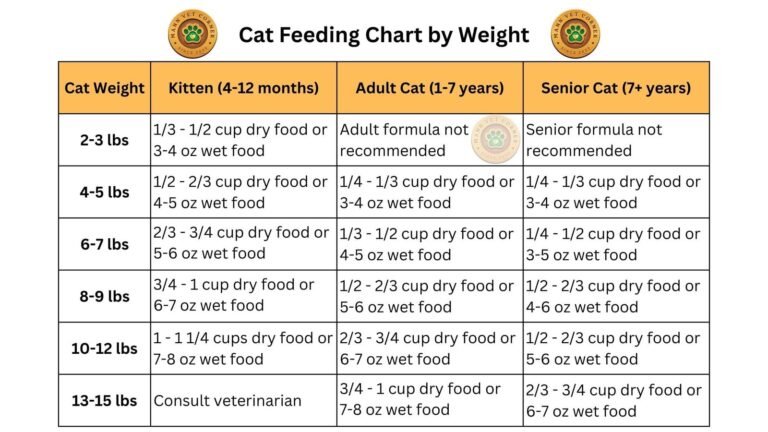
Start with a small amount, such as 1 teaspoon mixed into a normal meal. This is a cautious starting point, not a fixed daily serving recommendation for every cat. Body size, health, age, current diet, and the ingredients in the gravy all affect how much is appropriate.
Treat homemade gravy as a topper rather than a meal replacement. Cats need the right balance of protein, fat, vitamins, minerals, and other nutrients. Plain meat and water do not provide everything a cat needs for long-term health.
A common veterinary nutrition guideline is to keep treats and other extras to no more than about 10 percent of a cat’s daily calories, with at least 90 percent coming from complete and balanced food. For a homemade gravy, the calorie contribution depends on how much meat it contains. Cats with medical needs may require a different plan.
For dry kibble
Mix a small amount through the food and serve promptly. Do not leave wet kibble sitting out for an extended period.
For wet cat food
Stir in a teaspoon and see whether your cat likes the texture. Reduce the amount if the gravy makes the meal less appealing.
For kittens
Use a complete kitten food as the main diet. Ask a veterinarian before adding homemade toppings regularly, especially for very young kittens.
For cats on prescription diets
Check with the veterinarian who manages the diet before introducing meat or broth.
Can Cat Gravy Replace Wet or Dry Food?
No. A basic homemade gravy made from meat and water is not a complete meal. It lacks the carefully balanced nutrients found in a complete and balanced cat food, even if your cat enjoys it.
If you want to prepare all of your cat’s meals at home, work with a veterinarian who has advanced training in animal nutrition. A recipe must account for the cat’s life stage and nutrient needs. Adding random supplements to a homemade recipe does not ensure that it is balanced.
Keep the main food
Use a complete and balanced cat food as the nutritional base unless a veterinarian provides a suitable alternative.
How to Store Homemade Cat Gravy
Homemade meat gravy is perishable because it contains cooked animal protein and moisture. Refrigerate leftovers promptly in a clean, covered container. Keep the refrigerator at 40 degrees Fahrenheit or below, and do not leave the gravy on the counter to cool for hours.
For best quality, make small batches that you expect to use soon. General food-safety guidance allows cooked meat leftovers to be refrigerated for three to four days, but a homemade pet-food mixture may be handled differently in each household. When uncertain, use a shorter storage period and discard anything with questionable handling or freshness.
You can freeze small portions in a clean, freezer-safe container. Thaw a portion in the refrigerator and use clean utensils each time. Do not repeatedly warm and cool the entire batch, and never save gravy that has been in your cat’s bowl.
Refrigerate promptly
Place unused gravy in a covered container and refrigerate it within two hours, or within one hour when the surrounding temperature exceeds 90 degrees Fahrenheit.
Serve a fresh portion
Take out only what you need, and avoid putting food from the bowl back into the storage container.
Discard questionable gravy
Throw it away if it smells unusual, shows mold, has changed in an unexpected way, or was stored at an unsafe temperature. Do not taste it to test safety.
Keep utensils clean
Use a clean spoon and wash the blender, cutting board, and containers after preparation.
Can You Warm Cat Gravy Before Serving?
Yes, you can bring refrigerated gravy closer to room temperature if your cat prefers it that way. Warm only the portion you plan to serve, and stir it well to avoid hot spots. Never serve it hot.
Do not leave warmed gravy sitting out for hours. Discard leftovers from the bowl according to safe food-handling practices, especially in a warm room or during hot American summer weather.
Safe serving check
Stir the gravy and check its temperature before placing it in the bowl.
Troubleshooting: What If Your Cat Refuses the Gravy?
A cat may reject homemade gravy because of its smell, texture, temperature, or unfamiliar taste. Refusal does not mean you need to add salt, butter, or stronger seasonings. Try a small amount mixed into familiar food, or return to the cat’s usual meal if the topping seems to put the cat off.
Cats can be sensitive to changes in food. Introduce a new topper gradually and watch for vomiting, diarrhea, itching, or other signs of a possible reaction. Stop serving it if symptoms develop and contact your veterinarian for advice.
The gravy is too thick
Blend in a little water and check that the mixture is smooth.
The gravy is too watery
Blend in a small amount of plain cooked meat.
Your cat dislikes the smell
Try a small amount of freshly prepared gravy or skip the topper. Do not add human seasonings to make it smell stronger.
Your cat avoids softened kibble
Serve a small portion of gravy on the side or mix it with a few pieces first. Remove uneaten moistened food promptly.
Your cat develops digestive symptoms
Stop the new food and contact a veterinarian if symptoms persist, worsen, or appear severe.
When Is Poor Appetite a Medical Concern?
Do not assume that a cat refusing food is simply picky. Dental pain, nausea, stress, kidney disease, and many other conditions can affect appetite. A gravy topper may hide the problem for a short time without addressing its cause.
Contact your veterinarian promptly if your cat stops eating or eats much less than usual. Cats that go without enough food can develop serious complications, including hepatic lipidosis, a dangerous form of liver disease. Do not wait several days to seek advice, particularly if your cat is overweight, young, elderly, or already ill.
Seek urgent veterinary help if appetite loss occurs with repeated vomiting, marked weakness, trouble breathing, collapse, or other severe signs. If your cat has eaten gravy containing onion or garlic, contact a veterinarian or animal poison control service even if symptoms have not appeared.
Watch for changes
Track appetite, drinking, urination, stool, weight, and behavior when a feeding problem continues.
Do not force-feed without guidance
Ask a veterinarian how to support nutrition safely if your cat refuses food.
Common Mistakes When Making Cat Gravy
Most problems with homemade cat gravy come from unsafe additions, poor food handling, or using a topper as a substitute for balanced food. A short recipe is easier to prepare and easier to check than a sauce with many ingredients.
Before serving a new batch, review the ingredients, texture, temperature, and storage history. These quick checks can prevent avoidable problems.
Using leftover dinner gravy
Human gravy may contain onion, garlic, salt, fat, or seasoning. Prepare a separate plain batch for your cat.
Adding too many ingredients
Milk, cream, butter, spices, and sauces are not needed for the basic recipe.
Leaving food out too long
Moist food can spoil when left at room temperature. Serve small portions and remove leftovers promptly.
Replacing balanced meals
Meat gravy alone does not meet a cat’s full nutritional needs.
Ignoring appetite changes
A new topping cannot solve a medical problem. Seek veterinary advice if your cat’s eating habits change.
A Quick Safety Checklist
Before serving, confirm that the meat is fully cooked and boneless, the liquid contains no unsafe ingredients, and the gravy has cooled. Check that the mixture is fresh and that your cat’s main food remains complete and balanced.
Ingredients checked
No onion, garlic, chives, leeks, added salt, or unknown seasoning.
Texture checked
Smooth enough for your cat to eat, with no bones or hard pieces.
Temperature checked
Cool or mildly warm, never hot.
Serving size checked
A small topper that does not displace a large share of the regular balanced meal.
Frequently Asked Questions
Q
How do you make cat food gravy without meat?
You can make a simple liquid topper with plain water, but water alone is not gravy and adds no meat flavor. If you want a meat-free option because of an allergy or medical diet, ask your veterinarian which ingredients are suitable. Do not use onion- or garlic-seasoned broth.
Q
Can I make cat gravy with dry cat food?
You can soften dry cat food by adding warm water and allowing it to absorb the liquid. For a smoother texture, mash or blend the softened food with a little more water. Serve it promptly, because moist kibble should not sit out for long periods.
Q
Can cats have gravy made with chicken broth?
Only use broth if its ingredients are suitable for cats. Many human broths contain onion, garlic, added salt, or seasonings. Plain water is the safest simple choice when you cannot verify the broth’s ingredients.
Q
Can I give homemade gravy to my kitten?
A small amount of plain, safe gravy may be tolerated by some kittens, but growing cats need food designed for their life stage. Keep complete kitten food as the main diet and ask your veterinarian before adding homemade toppers regularly, especially for very young kittens.
Q
How long does homemade cat gravy last in the refrigerator?
Store it in a covered container at 40 degrees Fahrenheit or below and use it promptly. General guidance for cooked meat leftovers is three to four days, but shorter storage is sensible for a small homemade pet-food batch. Discard gravy that has been left out too long or whose freshness is uncertain.
Q
Is homemade cat gravy good for a cat that will not eat?
A little gravy may make familiar food more appealing, but it should not delay veterinary care. If your cat stops eating or eats much less than normal, contact a veterinarian promptly. Poor appetite can signal illness, and cats can develop serious complications when they do not get enough food.
✦ Wrapping Up
Conclusion
Making cat food gravy at home can be simple. Blend a small amount of plain cooked, boneless chicken or turkey with water, adjust the texture, and let it cool before serving. You do not need salt, spices, dairy, or rich sauces to make a useful food topper.
Keep portions modest and use the gravy alongside complete and balanced cat food. Store leftovers safely, clean your equipment, and watch how your cat responds to the new ingredient. If your cat has a medical condition, follows a prescription diet, or develops a change in appetite, ask your veterinarian for advice.
💡 Key Takeaway
Start with 2 tablespoons of plain cooked, boneless chicken or turkey and 2 tablespoons of water. Blend until smooth, add more water if needed, cool the gravy, and mix about 1 teaspoon into your cat’s usual food. Leave out all seasonings and discard leftovers that have been handled or stored unsafely.