Cat food is made by blending animal proteins, fats, carbohydrates, vitamins, minerals, and water, then cooking, shaping, testing, and packaging the mixture to create a complete diet or a specific nutritional product.
Walk through a grocery store pet aisle in the United States, and you will see bags of crunchy kibble, cans of pâté, cups of gravy-rich food, and pouches filled with tender meat pieces. These products may look very different, but each begins with a recipe designed for a particular feeding purpose. The process combines food ingredients with controlled manufacturing steps to create a product that cats can eat safely and that meets its stated nutritional goals.
How is cat food made in a modern factory? The answer depends on the type of food. Dry kibble commonly uses mixing, extrusion, drying, and coating. Wet cat food usually involves blending ingredients, filling cans or pouches, sealing the containers, and applying a validated heat treatment. Both methods require controls for ingredient quality, processing conditions, sanitation, and the finished product.
The label can tell you a great deal about the result, but it does not reveal every factory step. Manufacturing methods also vary by recipe, equipment, and product type. Understanding the basic process helps American cat owners make sense of ingredient lists, nutritional statements, texture, storage instructions, and the difference between a complete diet and a supplemental treat.
Source: pxhere.com
What Goes Into Cat Food?
Cat food starts with a formula. Before a factory mixes anything, the manufacturer determines the intended use of the product, such as daily adult maintenance, kitten growth, or a specific veterinary diet. The recipe must account for the nutrients cats need, how much energy the food provides, and how the ingredients behave during cooking.
A cat needs protein, fat, water, vitamins, minerals, and certain nutrients that it cannot make in sufficient amounts on its own. These include taurine, arachidonic acid, and preformed vitamin A. The exact amounts depend on the cat’s life stage and the nutritional purpose of the food.
Ingredients do not all serve the same role. Some provide protein or energy, while others help bind a mixture, retain moisture, control texture, or supply small but vital amounts of nutrients. A long ingredient list does not automatically mean a food is poor, and a short list does not prove that a diet is complete.
Source: pixnio.com
Animal proteins
Chicken, turkey, beef, fish, poultry by-products, meat meals, and other suitable animal-derived ingredients can supply protein and essential amino acids. The specific ingredients vary by recipe.
Fats and oils
Animal fats and selected oils provide concentrated energy and essential fatty acids. They also affect flavor, texture, and the way a finished food feels in the mouth.
Carbohydrate sources
Rice, corn, wheat, potatoes, peas, and other starch-containing ingredients may provide energy or help form the structure of kibble. Cats do not have a dietary requirement for carbohydrates as a nutrient category, but properly processed carbohydrate sources can be used in suitable formulas.
Vitamins and minerals
Measured nutrient sources help balance the recipe. Calcium, phosphorus, potassium, zinc, iron, and vitamins are among the nutrients that must be considered when formulating a complete diet.
Water and functional ingredients
Water helps form and process the mixture, especially for wet food. Thickeners, stabilizers, antioxidants, and other permitted ingredients may support texture, product quality, or shelf life.
Why Do Manufacturers Use Meat Meals and By-Products?
Meat meal is an ingredient made by rendering suitable animal tissues and removing much of the water and fat. This creates a concentrated ingredient that can supply protein and minerals. Its exact composition depends on the source material and how it is produced.
Animal by-products may include organs and other parts that are suitable for animal food but are not commonly eaten by people in the United States. Some of these parts provide useful nutrients. Their presence alone does not establish whether a food is good or bad; the ingredient’s quality, handling, nutrient contribution, and finished recipe all matter.
The important question is whether the complete formula supplies the nutrients a cat needs. Ingredient names provide useful information, but they cannot replace a review of the nutritional adequacy statement, feeding purpose, and quality controls.
Concentrated nutrition
Rendered meals can provide protein in a form that is practical for dry-food production.
Use of suitable animal tissues
By-products can contribute nutrients that would otherwise be left out of some food systems.
Ingredient quality still matters
The name of an ingredient does not reveal every detail about its source, freshness, handling, or nutritional value.
Step 1: Manufacturers Develop and Balance the Recipe
The first major step is recipe development. A pet food formulator calculates how much of each ingredient is needed to meet the product’s intended nutrient targets, while allowing for natural variation in raw materials and changes that can occur during processing.
For example, chicken, fish, and grain ingredients can differ in moisture, protein, fat, and mineral content. The formulator uses ingredient specifications and nutritional data to determine workable amounts. The recipe must also suit the production equipment and produce a texture that remains consistent during storage.
Manufacturers may use computer models, laboratory analysis, feeding studies, and other suitable methods to develop and assess a formula. The process does not end when the recipe looks good on paper. The food must still be produced consistently and meet the applicable nutritional and safety requirements.
Source: pixnio.com
Choose the intended life stage
A kitten growth formula has different nutritional needs from a food intended for adult maintenance. Some products are designed for all life stages, while others have a narrower purpose.
Set nutrient targets
The formula must account for protein, fat, amino acids, essential fatty acids, vitamins, minerals, energy, and other relevant nutritional factors.
Check ingredient behavior
The recipe must work with the intended cooking and packaging method without losing control of texture, moisture, or nutrient content.
Review nutritional adequacy
In the United States, manufacturers may use recognized nutrient profiles or appropriate feeding protocols to support a complete-and-balanced claim, as applicable to the product.
What Does Complete and Balanced Mean?
A complete and balanced cat food is intended to provide all essential nutrients in suitable amounts when fed as directed for the stated life stage. In the United States, the nutritional adequacy statement on the label helps explain whether a food is intended for growth, reproduction, adult maintenance, or all life stages.
The Association of American Feed Control Officials, commonly called AAFCO, publishes model nutrient profiles and feeding-trial protocols used in assessing pet food nutritional adequacy. AAFCO is not a federal regulator and does not approve every pet food brand. State authorities adopt and enforce applicable feed rules, while the U.S. Food and Drug Administration oversees relevant federal requirements.
A treat or supplemental food may be safe for its intended use without providing every nutrient a cat needs. If a product is labeled for intermittent or supplemental feeding only, it should not replace a complete daily diet unless a veterinarian has directed otherwise.
Read the adequacy statement
Look for the stated life stage and whether the food is described as complete and balanced or intended only for supplemental feeding.
Check the feeding directions
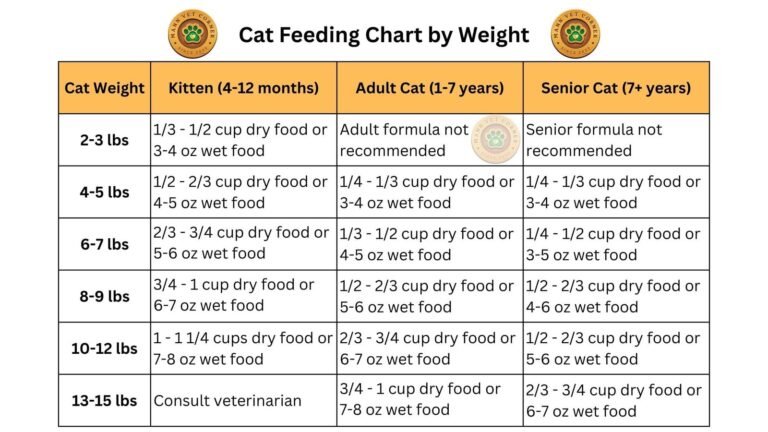
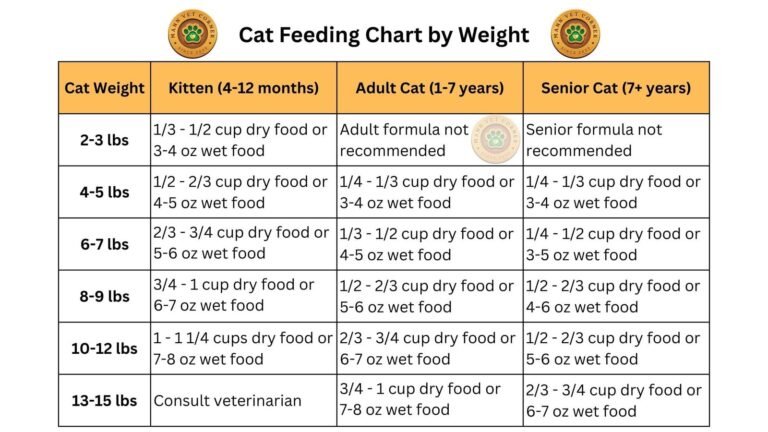
The feeding guide offers a starting point, but a cat’s age, activity, body condition, and health can change the amount needed.
Step 2: Suppliers Prepare and Test the Ingredients
Once the formula is approved, manufacturers source its ingredients from suppliers. Incoming materials may include frozen meat, fresh poultry, rendered meals, fats, grains, starches, dried ingredients, vitamins, and mineral premixes. The factory checks these materials against its specifications before releasing them for use.
Ingredient checks can include identity, appearance, odor, moisture, nutrient composition, and tests for hazards that are relevant to the material. Depending on the ingredient and risk, manufacturers may assess microbial contamination, chemical residues, mycotoxins, or other contaminants. Not every ingredient receives the same test; the control plan depends on its source and intended use.
Storage conditions matter as well. Fresh and frozen animal ingredients need appropriate temperature control, while dry ingredients must be protected from moisture, pests, and contamination. Good handling helps keep ingredients suitable for production, but it does not replace the need for validated processing and finished-product controls.
Source: pixnio.com
Receiving inspection
Staff verify shipments, records, ingredient identity, and applicable acceptance criteria.
Sampling and testing
A risk-based plan determines which materials are sampled and which laboratory or screening tests are appropriate.
Controlled storage
Ingredients are held under conditions designed to preserve quality and prevent spoilage or contamination.
Batch traceability
Supplier and lot records help a manufacturer identify which materials went into a particular production run.
Can Cat Food Ingredients Be Contaminated?
Yes. Animal and plant ingredients can carry biological or chemical hazards if they are contaminated, mishandled, or affected by unsuitable storage. Risk controls must begin before production because cooking alone does not address every possible hazard.
Manufacturers use sanitation programs, supplier controls, appropriate processing, and testing plans to reduce risk. Some hazards may survive a process that controls ordinary foodborne bacteria, and some toxins are not reliably removed by cooking. That is why ingredient selection, process design, and prevention work together.
Pet owners should follow recall notices and product handling directions. If a cat becomes ill after eating a food, stop feeding the suspected product, keep the package and lot information, and contact a veterinarian. Report a suspected product problem to the manufacturer and the relevant regulatory authority when appropriate.
Do not judge safety by smell alone
A normal smell or appearance cannot prove that a product is free of harmful microorganisms or chemical contaminants.
Keep the package
The product name, lot code, and best-by information can help trace a concern or determine whether a recall applies.
Step 3: How Dry Cat Food Is Made
Dry cat food is commonly produced through extrusion. In this process, a prepared mixture moves through equipment that applies mechanical pressure, heat, and moisture. The cooked mixture passes through a shaped opening, which forms pieces that expand or take on a particular shape as they leave the machine.
The exact recipe and settings determine how the kibble behaves. Starch can help the pieces hold their shape, while proteins, fats, fibers, and other ingredients affect the mixture’s flow and final structure. Extrusion is widely used because it can combine cooking and shaping in a continuous production process.
After shaping, the kibble usually passes through a dryer. The manufacturer reduces moisture to a level suitable for the product’s design and shelf stability. The food then cools before later steps, such as coating, inspection, and packaging.
Source: pixnio.com
Mixing
Measured dry ingredients are blended so nutrients and other components are distributed as evenly as the process allows. Water, steam, or other ingredients may be added as required.
Grinding and size control
Some ingredients are ground or screened to create a suitable particle size for mixing and extrusion.
Extrusion and shaping
The conditioned mixture is forced through a die, which helps determine the kibble’s shape and size.
Drying and cooling
The shaped pieces are dried and cooled under controlled conditions to help achieve the intended moisture level and product stability.
Coating
Fats, flavor ingredients, or other permitted coatings may be applied to support palatability and provide nutrients that are better added after the main cooking step.
Why Is Dry Cat Food So Crunchy?
Kibble gets its firm, porous structure from the combination of its ingredients, extrusion conditions, and drying. As the cooked mixture exits the extruder, changes in pressure and steam can cause expansion. Drying then reduces moisture and helps the pieces keep their shape.
The final texture is not just a matter of taste. Moisture affects storage stability, while piece size and hardness influence how the food is handled and eaten. Manufacturers must balance these properties with the recipe’s nutritional goals.
Crunchy kibble is not sterile simply because it is dry. Low moisture can limit the growth of many microorganisms, but it does not guarantee that harmful organisms are absent. Sanitation, ingredient control, and suitable processing remain important.
Shape and size
The extrusion die helps create the intended piece shape, while cutting equipment controls length.
Moisture level
Drying helps make the product suitable for storage, but moisture targets vary by recipe and product design.
Surface coating
A coating can change flavor, aroma, and energy content, so it must be included in the overall formula.
What Happens to Vitamins During Cooking?
Heat and other processing conditions can reduce some nutrients. The amount of change depends on the nutrient, its chemical form, the recipe, the temperature, the duration of processing, and how the finished food is stored.
Manufacturers account for expected processing losses when developing formulas. Some heat-sensitive nutrients or flavor components may be added after the main cooking step, where the process allows it. Finished-product testing helps check whether the food meets its nutritional specifications.
A claim that a food is made with raw ingredients does not by itself show that the finished diet is nutritionally complete or microbiologically safe. The important question is whether the final product meets the required nutritional and safety standards.
Formulation adjustments
A recipe may account for expected changes during manufacturing and storage.
Post-cook additions
Some ingredients can be added after the main heat step when suitable equipment and process controls are available.
Step 4: How Wet Cat Food Is Made
Wet cat food follows a different manufacturing path because it contains much more water than dry kibble. Recipes may include meat pieces, ground animal tissues, broth, water, fats, starches, gums, vitamins, and minerals. The mixture is prepared to create the desired texture, from smooth pâté to chunks in gravy or jelly.
Manufacturers blend the ingredients and prepare the food for filling. Depending on the product, they may cook some components before filling, place raw or partially prepared components into containers before processing, or use another validated method. The order of operations varies, so there is no single process that describes every can or pouch.
The filled container is sealed and receives a heat treatment designed for that product and package. For shelf-stable wet cat food, the process must control relevant microorganisms, including hazards that could grow in a sealed container. The time and temperature requirements depend on the food’s composition, acidity, container size, and other factors.
Source: pixabay.com
Ingredient preparation
Meat and other ingredients are measured, ground, cut, blended, or otherwise prepared to suit the product.
Texture development
The recipe and processing method help create pâté, minced food, chunks, gravy, or other textures.
Filling
The prepared mixture is portioned into cans, trays, or pouches according to the packaging design.
Sealing
Containers are closed using a method designed to create the required seal and protect the food after processing.
Heat processing and cooling
A validated thermal process controls relevant microbial hazards, after which containers are cooled and checked as required.
Why Can Wet Cat Food Stay on a Shelf?
An unopened can or pouch can remain shelf-stable when the product has been formulated, sealed, and heat-processed under suitable validated conditions. The combination of the container, seal, food properties, and processing method helps prevent dangerous microbial growth during normal storage.
This is different from leaving cooked meat on a counter. The sealed package and the validated process are essential parts of the food’s safety system. A damaged, swollen, leaking, or badly dented container may no longer provide the intended protection and should not be used.
Once the package is opened, the original protection no longer applies. Refrigerate unused wet food promptly in a suitable covered container and follow the manufacturer’s storage directions. Discard food that has been left out too long or shows signs of spoilage.
Before opening
Store the package according to its label and avoid using containers that appear damaged or compromised.
After opening
Cover and refrigerate unused food promptly, then use it within the period stated by the manufacturer.
At feeding time
Serve a reasonable portion and remove uneaten wet food rather than allowing it to sit out for extended periods.
How Is Gravy Added to Wet Cat Food?
Gravy-style cat food is formulated so its liquid portion has the desired thickness, flavor, and appearance. Water or broth may form the liquid base, while starches or suitable gums can help thicken it. Meat pieces and other ingredients are added in proportions that match the product’s intended texture.
The gravy is not necessarily added as a finished sauce after cooking. Depending on the manufacturing method, liquid and solid ingredients may be combined before filling, or separate portions may be placed into the container in a controlled sequence.
The finished product must still meet its nutritional targets. A bowl that looks rich in gravy may contain a different balance of protein, fat, water, and energy than another wet food, so compare the label rather than judging nutrition by appearance alone.
Liquid base
Water or broth contributes moisture and helps distribute soluble ingredients.
Thickening ingredients
Suitable starches or gums can help create a thicker, more stable sauce.
Texture control
Ingredient size, mixing, heating, and filling conditions affect the balance of chunks and gravy.
Step 5: Food Is Checked for Quality and Safety
After cooking and packaging, manufacturers use quality checks to confirm that the food meets its specifications. These checks may cover nutrient composition, moisture, texture, package weight, seal integrity, appearance, and microbiological risks. The exact plan depends on the product, process, and hazards identified by the manufacturer.
Quality control is not limited to the last step. Ingredient receiving, equipment sanitation, processing records, and production-line monitoring all contribute to the safety system. A finished-product test cannot replace prevention because a sample may not reveal every problem in a large batch.
Manufacturers also need records that connect ingredients, production runs, and finished packages. Traceability can help identify affected products if an issue arises. When a recall occurs, the lot code and package details can help pet owners determine whether their food is included.
Source: russiancatspictures.blogspot.com
Nutrient verification
Laboratory testing and formulation records may be used to check whether the product meets its declared or required nutrient specifications.
Package inspection
Checks can help identify incorrect weights, damaged packages, or sealing problems.
Process monitoring
Staff monitor key production conditions and keep records relevant to the safety and consistency of the product.
Traceability
Batch records help link a finished product to the ingredients and production conditions used to make it.
Who Regulates Cat Food in the United States?
Cat food sold in the United States is subject to applicable federal and state requirements. The U.S. Food and Drug Administration oversees relevant provisions of federal food law, including requirements concerning adulteration, labeling, and manufacturing controls. State feed-control officials also regulate pet food under the laws and rules that apply in their jurisdictions.
The FDA’s animal food rules include current good manufacturing practice and preventive-control requirements for covered facilities, subject to applicable exemptions and conditions. These rules address how facilities manage hazards and maintain controls; they do not mean that every product receives a separate FDA approval before sale.
AAFCO develops model regulations, nutrient profiles, and feeding-trial protocols that are widely used in the US pet food system. AAFCO does not itself approve, certify, or license every product. When evaluating a label, distinguish between a regulatory requirement, an industry model, and a voluntary claim made by a manufacturer.
FDA
Provides federal oversight of applicable animal food safety and labeling requirements.
State authorities
Enforce applicable state feed and pet food rules, including relevant labeling requirements.
AAFCO
Publishes model rules, nutrient profiles, and feeding-trial protocols used by the pet food industry and regulators.
Step 6: Manufacturers Package, Label, and Ship the Food
Packaging protects cat food during storage and transport. Dry kibble is commonly packed in bags designed to limit exposure to moisture and other conditions that can reduce quality. Wet food may be packed in metal cans, trays, or flexible pouches suited to the product and its processing method.
The label communicates the product’s identity, ingredients, guaranteed analysis, feeding directions, net quantity, manufacturer or distributor information, and other details required by applicable rules. The nutritional adequacy statement, when present, explains the intended life stage or feeding purpose. Labels can also provide storage directions and lot information.
After packaging, products move into distribution channels that may include warehouses, pet supply stores, veterinary practices, grocery stores, and online retailers. Storage and transport conditions still matter. A product can lose quality if packaging is damaged or if it is exposed to unsuitable temperatures or moisture.
Source: pixabay.com
Dry food bags
The packaging helps protect kibble from moisture and physical damage during normal storage and shipping.
Wet food containers
Cans, trays, and pouches must be compatible with the food and the intended sealing and heat-processing method.
Label information
The label helps owners identify the food, check its nutritional purpose, follow feeding directions, and find the lot code.
Distribution
Warehousing and transport controls help maintain product quality until the food reaches the consumer.
How Should You Store Cat Food at Home?
Store dry food in a cool, dry place and keep it protected from pests and moisture. Keeping kibble in its original bag, with the bag closed and placed inside a clean storage container if desired, helps preserve the product label and lot code while adding protection from the environment.
Opened wet food should be covered and refrigerated promptly. Follow the product’s own directions for how long it can be kept after opening, since storage recommendations can vary. Do not leave wet food in a warm room for long periods or use food from a package that appears damaged or spoiled.
Avoid mixing a new bag of kibble into an old container without cleaning it first. Crumbs and residual oils can build up over time. Clean and dry the storage container before refilling it, and check the package date and condition regularly.
Keep labels and lot codes
These details can be useful for storage guidance, customer service, and recall checks.
Use clean containers
Wash and fully dry storage bins between refills to reduce residue and contamination.
Follow the package
The manufacturer’s storage directions take priority over a general rule when the product provides specific instructions.
Dry Cat Food vs. Wet Cat Food: What Changes During Manufacturing?
The main difference between dry and wet cat food is the way the recipe is processed and preserved. Dry food is usually shaped and dried to achieve low moisture, while shelf-stable wet food is sealed in a container and given a validated heat treatment. These methods affect texture, storage, packaging, and the amount of water in the finished meal.
Neither manufacturing method automatically makes a food nutritionally superior. A well-formulated dry food and a well-formulated wet food can both provide complete nutrition when they meet the relevant requirements for the cat’s life stage. The best choice depends on the cat’s needs, preferences, health, and the owner’s feeding routine.
Source: pixnio.com
Moisture
Dry food contains much less water than typical wet food. Wet food can contribute more water to a cat’s daily intake through meals.
Processing
Dry kibble commonly uses extrusion and drying. Shelf-stable wet food commonly uses sealed packaging and a validated thermal process.
Texture
Dry food is firm and crunchy, while wet food may be smooth, minced, chunky, or mixed with gravy.
Storage after opening
Dry food needs protection from moisture and spoilage, while opened wet food generally needs prompt refrigeration.
Nutritional comparison
Compare complete-and-balanced status, calories, nutrients, and feeding directions rather than judging a food by moisture or texture alone.
Is Wet Cat Food Healthier Than Dry Food?
Wet food is not automatically healthier than dry food, and dry food is not automatically better for every cat. Wet food generally contains more water, which can help increase dietary moisture. This may be useful for cats that do not drink much, although individual medical needs require veterinary guidance.
Dry food is often easy to portion and store, and some cats prefer its texture. However, ordinary dry kibble should not be assumed to clean teeth or prevent dental disease. Dental benefits depend on the product and its design, and routine veterinary dental care remains important.
When comparing two foods, check the nutritional adequacy statement, calories per serving, feeding directions, and the cat’s body condition. A veterinarian can help choose a suitable diet for a cat with urinary, kidney, digestive, weight, or other health concerns.
For hydration
Wet food provides more moisture in the meal, but it does not replace access to clean drinking water.
For calorie control
Compare calories per can, pouch, or cup and measure portions rather than relying only on the package’s suggested serving.
For medical needs
Ask a veterinarian before choosing a therapeutic diet or making a major change for a cat with a diagnosed condition.
Can You Make Cat Food at Home?
You can prepare food for a cat at home, but creating a nutritionally complete diet is harder than cooking plain meat. Cats have specific nutrient requirements, and a recipe that looks balanced to a person may lack essential amino acids, vitamins, minerals, or fatty acids. Nutrient gaps can develop even when a cat eats the same recipe every day.
Plain chicken, tuna, beef, or other cooked meat does not provide everything a cat needs as its only food. For example, the right balance of calcium and phosphorus is important for bones, and taurine is essential for normal body function. Cooking, ingredient selection, and portion size can also change the nutrients a cat receives.
If you want to feed a homemade diet long term, work with a veterinarian who has advanced training in veterinary nutrition. That professional can formulate a recipe for your cat’s life stage and health needs, specify the correct supplements, and explain safe preparation and storage. Do not replace a complete commercial diet with an improvised recipe without suitable guidance.
Source: pixnio.com
Use a properly formulated recipe
Choose a recipe tailored to your cat rather than one designed for people or another animal.
Measure every ingredient
Changes in ingredient amounts can alter the balance of nutrients, energy, and minerals.
Follow food safety practices
Handle raw meat carefully, cook ingredients as directed, clean equipment, and refrigerate or freeze portions promptly.
Avoid risky substitutions
Do not swap ingredients or omit prescribed supplements without checking with the professional who formulated the diet.
What About Raw Cat Food?
Raw cat food may be prepared at home or manufactured commercially, but raw animal ingredients can carry pathogens such as Salmonella and Listeria. Cats can become ill, and they can also shed pathogens into the home environment. People who handle the food may face exposure as well.
Freezing does not reliably eliminate all harmful microorganisms, and a recipe can still be nutritionally incomplete even if its ingredients are fresh. Commercial raw products vary in formulation and processing, so the word raw does not establish safety or nutritional adequacy.
The FDA and other public health authorities advise careful handling of pet food, particularly raw products. If you are considering a raw diet, discuss the risks and nutritional needs with your veterinarian, especially if children, older adults, pregnant people, or immunocompromised people live in the household.
Do not rely on freezing alone
Freezing can preserve food but does not reliably make contaminated raw ingredients safe.
Prevent cross-contamination
Keep raw pet food away from food for people, wash hands and utensils, and clean preparation surfaces carefully.
Assess nutrition separately
Raw ingredients do not automatically provide a complete and balanced diet.
Common Myths About How Cat Food Is Made
Some common beliefs about cat food production sound convincing because they reduce a complex process to one simple rule. In reality, ingredient quality, nutritional balance, manufacturing controls, and the cat’s needs all matter. A single label phrase rarely tells the whole story.
Source: pixnio.com
Myth: Grain-free always means healthier
Grain-free food is not automatically better for cats. Grains can supply useful nutrients, and a grain-free formula still needs to provide complete nutrition. Choose based on your cat’s needs rather than a broad ingredient trend.
Myth: By-products are always harmful
Suitable animal by-products can supply useful nutrients. Their presence does not prove poor quality, just as a named meat ingredient does not prove that the complete formula is balanced.
Myth: Dry food has no water
Dry food contains much less moisture than wet food, but it is not necessarily water-free. Cats eating dry food still need access to fresh water.
Myth: Cooking guarantees complete nutrition
Cooking can help control certain hazards and change ingredient digestibility, but it does not make an unbalanced recipe complete. Nutritional formulation and verification remain necessary.
Myth: A natural label proves superior quality
Terms such as natural describe particular labeling claims and do not, by themselves, prove that a food is more nutritious, safer, or better suited to an individual cat.
Myth: Human-grade ingredients guarantee a better diet
A claim about ingredient status does not replace evidence of nutritional adequacy, suitable processing, and manufacturing controls. Evaluate the finished food and its intended use.
How Can You Judge Cat Food Without Seeing the Factory?
Most shoppers cannot inspect a production line, ingredient laboratory, or process-control records. You can still make a more informed choice by checking the package and asking the manufacturer specific questions about its quality system.
Start with the nutritional adequacy statement and life stage. Then review the feeding directions, calorie information, ingredient list, and storage instructions. If the cat has a health condition or needs a special diet, ask a veterinarian to help assess the options.
You can also ask the manufacturer how it tests ingredients and finished products, whether it can trace lots, and how it manages recalls. A clear answer can help you understand its procedures, but a marketing claim alone is not proof that every batch is free from every possible hazard.
Check nutritional purpose
Confirm that the food is suitable for your cat’s life stage and is intended to provide complete nutrition when used as directed.
Review feeding and calorie details
Use the calorie information and feeding guide to set a reasonable starting portion, then monitor body condition.
Look for traceability
Keep the product name, lot code, and purchase details in case you need to check a recall.
How to Choose Cat Food Based on Its Manufacturing and Label
The manufacturing method matters, but it is only one part of choosing a food. A useful approach is to start with nutritional adequacy, then consider your cat’s life stage, medical needs, eating habits, and the practical details of storage and feeding. This avoids treating one ingredient or one processing method as the only sign of quality.
For a healthy adult cat, a complete-and-balanced food intended for adult maintenance may be suitable when fed in appropriate portions. Growing kittens need a formula designed for growth or all life stages, while pregnant or nursing cats have different energy and nutrient needs. Cats with medical conditions may need a diet selected with veterinary advice.
Source: pixnio.com
Read the nutritional adequacy statement
Look for a statement that identifies the food as complete and balanced for the intended life stage or explains that it is for intermittent or supplemental feeding only.
Compare calories
Compare calories per can, pouch, or cup to help set portions. A food with more water may provide fewer calories per ounce than a dry product, but recipes differ.
Consider your cat’s preferences
Texture and aroma can affect acceptance. If your cat refuses a new food, a gradual transition may help, unless a veterinarian advises a different plan.
Match the diet to health needs
Ask a veterinarian before using a therapeutic diet or changing food for a cat with a diagnosed condition.
Review handling instructions
Choose a package size and food type that you can store correctly and serve while it remains within the manufacturer’s recommended use period.
A Simple Cat Food Label Checklist
A label checklist makes it easier to compare products without getting lost in marketing language. The same basic questions apply whether you are considering kibble, canned pâté, or a pouch of food in gravy.
Is it complete and balanced?
Check the nutritional adequacy statement and intended life stage.
How many calories does it provide?
Find the calorie statement and compare it with your cat’s daily needs.
How should it be fed?
Read the feeding directions and adjust portions based on body condition and veterinary advice.
How should it be stored?
Follow directions for unopened packages and opened leftovers.
Can you identify the batch?
Locate the lot code and date information so you can check a recall if needed.
A Quick Comparison of Cat Food Manufacturing Methods
The table below compares common commercial production approaches. These are general patterns, not fixed rules for every brand. A manufacturer may use a different sequence or specialized equipment depending on its recipe and packaging.
Source: pixabay.com
Dry extruded kibble
Ingredients are mixed and conditioned, shaped through an extruder, dried, cooled, and often coated. The process produces firm pieces with relatively low moisture.
Shelf-stable canned food
Ingredients are prepared and filled into containers, which are sealed and heat-processed under a validated schedule. The process supports safe storage while unopened.
Wet food in pouches or trays
The mixture is portioned into suitable packaging and processed using a method validated for the product and package. Flexible packaging requires appropriate sealing and process controls.
Refrigerated or frozen food
Some products rely on refrigeration or freezing as part of their storage system. Owners must follow the package instructions because these foods do not necessarily have the same shelf stability as retort-processed canned food.
Freeze-dried food
A freezing and drying process removes much of the water. The product may be sold as a complete diet or as a supplemental food, so the label’s feeding purpose still matters.
Does Every Cat Food Need to Be Cooked?
No. Commercial cat foods use different processing methods, and not every product follows the same cooking sequence. Extruded kibble is cooked during processing, while shelf-stable wet food typically receives a validated heat treatment. Freeze-dried and some refrigerated products use other approaches.
The key question is whether the process is suitable for the product’s hazards, packaging, storage conditions, and intended use. A product that is not cooked in the same way as kibble is not automatically unsafe, but raw or minimally processed food can pose specific microbial risks that require careful assessment.
For a cat’s everyday diet, check both the nutritional adequacy statement and the manufacturer’s handling directions. If the label says the product is for supplemental feeding only, do not assume that its processing method makes it a complete meal.
Processing and nutrition are different questions
A method may preserve or change ingredients in a particular way, but it does not by itself prove that the diet meets all nutritional needs.
Storage directions are part of safety
Refrigerated and frozen foods need the stated temperature controls, while shelf-stable products still require proper package handling.
What Research Can and Cannot Tell You About Cat Food Production
Official regulations and published nutritional standards can explain what manufacturers must control or how nutritional adequacy may be assessed. They do not reveal the exact process used by every brand. A claim about one company’s equipment, testing schedule, or ingredient source needs product-specific documentation.
For this guide, the manufacturing steps are described as common industry practices rather than observations from a factory visit or a hands-on product test. The exact sequence, temperatures, ingredient proportions, and quality checks vary by product. Without a manufacturer’s technical records, it would be misleading to assign a single recipe or processing schedule to all cat foods.
A practical way to close that information gap is to read the label, consult the manufacturer’s product information, and ask focused questions when necessary. If a company makes a specific claim about nutritional adequacy, ingredient sourcing, or manufacturing controls, ask what records or recognized methods support that claim.
Source: pixnio.com
Documented information
Federal rules, state requirements, AAFCO model resources, and product labels can establish particular regulatory, nutritional, or labeling details within their stated scope.
Product-specific information
A manufacturer’s records are needed to confirm the precise ingredients, process settings, testing schedule, and traceability practices for a specific food.
Claims that need caution
Statements such as human-grade, natural, premium, or made with fresh meat should not be treated as proof that a finished food is complete, safer, or better for every cat.
Which Questions Are Worth Asking the Manufacturer?
If you want to know more than the label reveals, ask questions that lead to specific answers. For example, ask how the company verifies the finished food’s nutritional profile, what kinds of safety controls apply to the product, and how it handles reports of contamination or other quality concerns.
You can also ask whether the food is intended as a complete diet or a supplement, which life stage it supports, and how long it can be stored after opening. These details have a direct effect on how the product should be fed and handled.
A company may not share proprietary recipe details, and that alone does not establish poor quality. Focus on information that affects your cat’s nutrition, safety, and day-to-day feeding.
Nutritional adequacy
Ask what life stage the product is designed for and what method supports its complete-and-balanced claim.
Safety controls
Ask how the company manages ingredient hazards, sanitation, and relevant testing.
Recall response
Ask how customers can report concerns and identify affected lots.
Frequently Asked Questions
Q
How is cat food made in factories?
Manufacturers begin with a balanced recipe and inspect the ingredients before production. They measure and mix the ingredients, then use a method suited to the food. Dry kibble is commonly extruded and dried, while wet food is packed into containers, sealed, and processed with a suitable heat treatment. The finished product is checked, labeled, and shipped.
Q
What is the main ingredient in cat food?
The main ingredients vary by recipe. Many cat foods use animal-derived ingredients such as chicken, fish, poultry meals, or other suitable animal tissues as sources of protein. Other ingredients supply fats, energy, fiber, vitamins, and minerals. The ingredient list alone does not establish whether a food is nutritionally complete.
Q
Is commercial cat food cooked?
Many commercial cat foods undergo heat processing, but the method depends on the product. Dry kibble is commonly cooked during extrusion, and shelf-stable wet food typically receives a validated heat treatment. Some refrigerated, frozen, freeze-dried, or raw products use different methods. Follow the label’s storage and handling instructions.
Q
How do manufacturers make cat food nutritionally complete?
Formulators calculate ingredient amounts to supply essential nutrients, including protein, amino acids, fats, vitamins, and minerals. Manufacturers may use recognized nutrient profiles, feeding protocols, laboratory testing, and production records to support the intended nutritional adequacy. The label should identify the life stage and whether the food is intended to be complete and balanced.
Q
Can I make complete cat food at home?
Yes, but only if the recipe is properly formulated and followed with care. Plain meat alone does not provide every nutrient a cat needs, and improvised recipes can cause serious nutritional imbalances over time. For long-term homemade feeding, consult a veterinarian with advanced training in veterinary nutrition and follow the prescribed ingredient amounts and supplements.
Q
Why does wet cat food contain more water than dry food?
Wet cat food is formulated with a much higher moisture content, which creates its soft texture and contributes water through meals. Dry food is processed and dried to achieve a much lower moisture level. Both types can provide complete nutrition when properly formulated, but the water content affects calorie density, storage, and feeding routines.
Q
Does cooking remove all harmful bacteria from cat food?
No single statement applies to every food or every hazard. A validated process can control specific microorganisms when applied under the right conditions, but contamination can occur before processing or after cooking, and some chemical hazards are not eliminated by heat. Manufacturers need ingredient controls, sanitation, suitable processing, and other preventive measures.
Q
How can I tell if cat food is safe to feed?
Check that the package is intact, the product is stored as directed, and the food is within its recommended use period. Read the nutritional adequacy statement and feeding instructions, and check recall notices when you have a concern. A normal appearance or smell cannot prove that food is free of every hazard. Contact a veterinarian if your cat becomes ill after eating a product.
✦ Wrapping Up
Conclusion
Cat food manufacturing is a careful process that links nutrition, ingredient handling, cooking, packaging, and quality control. Dry kibble usually relies on extrusion and drying, while shelf-stable wet food relies on suitable filling, sealing, and heat processing. Each method must fit the recipe and the product’s intended storage conditions.
The most useful lesson for cat owners is that the ingredient list tells only part of the story. Nutritional balance, life stage, processing controls, package integrity, and correct storage all affect whether a food is suitable for everyday feeding. No single ingredient, texture, or marketing phrase can answer every question about quality.
When choosing food in the United States, start with the nutritional adequacy statement and your cat’s individual needs. Ask your veterinarian for help when your cat has a medical condition, needs a special diet, or may benefit from a carefully formulated homemade plan.
💡 Key Takeaway
At your next cat food purchase, check the life-stage statement, confirm whether the food is complete and balanced, compare calories and feeding directions, and save the package’s lot code. These simple steps help you make an informed choice and respond more quickly if a product concern arises.