Change a cat’s food gradually over 7 to 10 days by mixing increasing amounts of the new food with the old food, unless your veterinarian recommends a different plan.
If you live in the United States, changing your cat’s food may be part of a new routine after a trip to the pet store, a visit to your veterinarian, or a change in your cat’s age. You may want to try a new flavor, move from kitten food to adult food, or replace a product that is no longer available. Whatever the reason, a slow change can help your cat adjust to the new taste and texture while giving you time to watch for digestive problems.
A cat’s stomach can be sensitive to sudden changes in food. A quick switch may lead to vomiting, loose stools, or a refusal to eat. A gradual plan is usually the best starting point for a healthy cat, but the right method depends on the cat’s health, appetite, and reason for changing diets. Cats with medical conditions or a prescribed diet may need a plan from a veterinarian rather than a standard schedule.
Source: linkedin.com
Why You Should Change Cat Food Gradually
A gradual food transition gives your cat time to adjust to a new diet. Different foods can vary in protein sources, fat levels, fiber, moisture, and other nutrients. Their smell, texture, and taste may also differ. Moving from one recipe to another too quickly can upset your cat’s digestion or make the new meal seem unfamiliar.
Cats can also develop strong food preferences. A cat that has eaten the same chicken-flavored kibble for years may reject a fish-based wet food, even if both products meet its nutritional needs. A slow transition helps you tell the difference between a simple dislike and a problem that needs veterinary care.
The goal is not to make your cat eat a new food at any cost. It is to maintain a steady intake of suitable food while introducing the new diet in manageable steps. If your cat has a medical condition, your veterinarian may recommend a different pace or a more direct change.
Source: www.imdb.com
Digestive comfort
A gradual change gives you time to spot loose stools, vomiting, constipation, or other changes before the new food becomes the main part of the diet.
Food acceptance
Small amounts of a new smell and texture can help a cautious cat become familiar with its next meal.
Early problem detection
A step-by-step approach makes it easier to notice whether a change in appetite or stool began after a specific increase in the new food.
When a Gradual Transition May Not Be Appropriate
Some food changes need special care. Your veterinarian may direct you to stop feeding a recalled product, avoid an ingredient linked to a suspected reaction, or begin a prescribed diet on a particular schedule. Follow that advice instead of automatically using a 10-day plan.
If your cat has diabetes, kidney disease, pancreatitis, a serious digestive condition, or a history of refusing food, ask your veterinarian how to make the change. Food intake can affect medical care, and a routine transition may not suit every cat.
Follow urgent instructions
If a veterinarian tells you to stop a food immediately because of a suspected safety problem, do not continue feeding it just to complete a gradual transition.
Protect cats with medical needs
Ask for a tailored plan when changing prescription diets or food used to manage a health condition.
How to Change a Cat’s Food Step by Step
For a healthy cat that is eating normally, a 7- to 10-day transition is a practical starting point. The schedule below uses the proportion of the total meal that comes from each food. It is a general guide, not a fixed rule for every cat.
Before starting, make sure you have enough of the current food to complete the transition. Read the feeding directions for the new product, check that it is suitable for your cat’s life stage, and measure each meal. If you feed several cats, watch each one closely so you know who eats what.
Source: www.youtube.com
Step 1: Prepare the new food
Check the label for a complete and balanced nutritional statement, the intended life stage, storage instructions, and feeding guidance. Ask your veterinarian about any special health needs.
Step 2: Begin with a small amount
Mix a little of the new food into the usual meal. Keep the old food as the main part at first, and make sure your cat eats enough.
Step 3: Increase the new food slowly
Move to the next stage only if your cat accepts the mixture and remains well. If your cat develops mild digestive changes, pause or return to the last tolerated ratio and seek veterinary advice if symptoms persist.
Step 4: Finish the transition
Once your cat is eating the new food comfortably, serve the new diet on its own. Continue monitoring appetite, stool, and body condition after the switch.
A 10-Day Cat Food Transition Schedule
Use this table as a starting plan for mixing the old and new foods. The percentages describe the share of the meal, not the percentage of calories, unless both foods provide the same calories per unit. If their calorie content differs, use their feeding directions or ask your veterinarian how to measure the portions correctly.
Some cats need more than 10 days. There is no need to rush through the schedule simply because a particular day has arrived. Your cat’s appetite and response matter more than the calendar.
Days 1–2: 75% old food and 25% new food
Begin with a small share of the new diet. Watch whether your cat eats the full meal and whether stool and energy remain normal.
Days 3–4: 50% old food and 50% new food
If the first stage goes well, increase the new food to about half of the mixture.
Days 5–6: 25% old food and 75% new food
Continue only if your cat is eating well and has no concerning symptoms.
Days 7–10: 100% new food
Move to the new food alone when your cat tolerates the previous stage. Extend the transition if needed.
What If Your Cat Needs More Time?
Some cats do better with changes that take two weeks or longer. This can be useful for cautious eaters or cats that react to small dietary changes. Hold each stage for several extra days when needed, provided your cat continues eating enough and shows no signs of illness.
Do not keep increasing the new food when your cat is eating less or developing ongoing digestive symptoms. Return to a previously tolerated mixture if appropriate, contact your veterinarian, and ask whether the food or the pace should change.
Proceed when your cat is comfortable
Normal appetite, usual energy, and generally normal stools are reassuring signs that the transition is going well.
Slow down when needed
A short pause at the current ratio may help, but persistent symptoms need professional guidance rather than repeated experiments with food.
How Much New Food Should You Mix In?
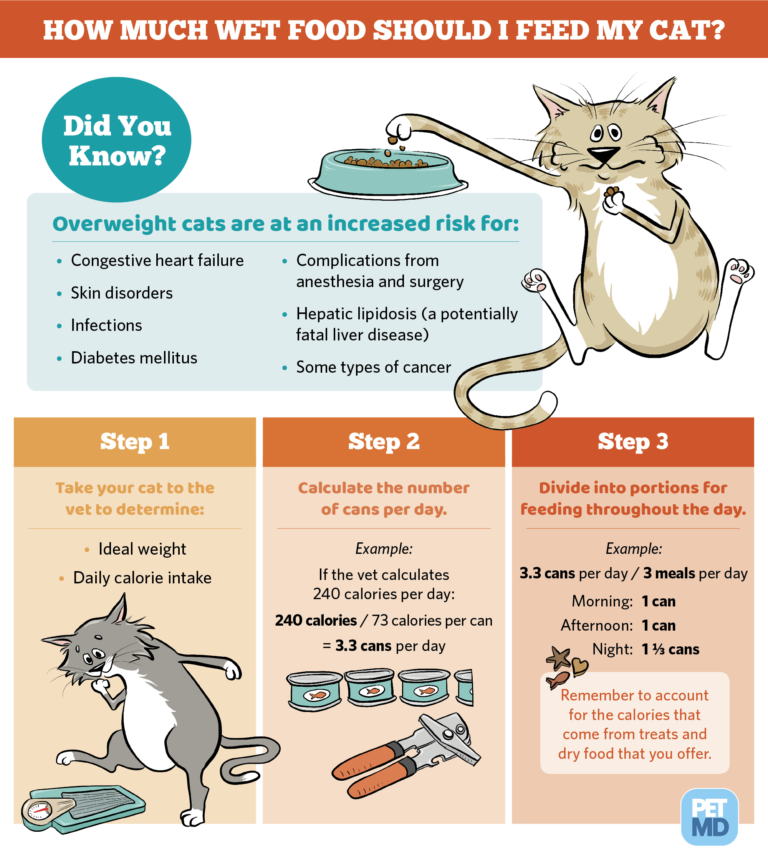
The amount of new food depends on your cat’s usual meal size, the calorie content of each product, and the feeding plan recommended for your cat. A ratio tells you how much of each food to include, but it does not automatically tell you how many calories your cat receives.
For example, imagine your cat normally eats 200 calories of its old food at a meal. If both foods have the same calorie density, a 75% old and 25% new mixture would provide about 150 calories from the old food and 50 calories from the new food. If the new food contains more calories per ounce, you may need different weights to reach the same calorie split.
Source: nepalsamaj.com
Check calories
Look for the calorie information on the packaging. Wet and dry foods often have very different calorie densities, so equal weights may not provide equal calories.
Measure portions
Use a kitchen scale or an appropriate measuring tool instead of guessing. Follow the feeding guide as a starting point and adjust with veterinary guidance when needed.
Avoid overfeeding
Do not add a full portion of the new food on top of the normal meal. Replace part of the old food rather than increasing total calories without a reason.
Should You Mix the Foods in One Bowl?
You can mix the foods in one bowl if your cat accepts the blend. This approach makes the changing ratio easy to measure, but some cats dislike having two textures mixed together. A cat may eat the familiar food and leave the new pieces behind.
If your cat rejects a mixed meal, try offering the foods in separate dishes next to each other. This lets your cat smell and taste the new food without having to accept an unfamiliar mixture. Keep the total amount offered appropriate for your cat’s needs.
One bowl
Useful for cats that readily eat mixed food and do not separate the old pieces from the new ones.
Two dishes
Useful for cats that prefer to inspect a new food separately or reject changes in texture.
How to Switch Between Dry Food and Wet Food
Changing from dry food to wet food, or from wet food to dry food, involves more than changing a flavor. The two types can differ in water content, texture, calorie density, and the way your cat eats them. A cat that loves crunchy kibble may need extra time to accept a soft meal.
Choose a complete and balanced food suitable for your cat’s life stage. Some products are intended only for supplemental feeding, so they should not become the main diet unless a veterinarian has advised a suitable feeding plan. Keep fresh drinking water available even when feeding wet food.
Source: socialnews.xyz
When moving from dry to wet food
Start with a small amount of wet food alongside the familiar kibble. Try a texture your cat may accept, such as pate or small pieces in gravy, and increase the wet portion gradually.
When moving from wet to dry food
Offer a small portion of the new kibble with the familiar wet food. Avoid assuming that equal weights of the two foods provide equal calories.
When feeding both types
Calculate the combined calories from wet food, dry food, treats, and other extras so your cat receives an appropriate daily amount.
How to Make Wet Food More Appealing
Smell can affect whether a cat accepts a new meal. You can offer wet food at room temperature or warm it slightly to release more aroma. Stir it well and check the temperature before serving so it is not hot.
A clean, shallow dish may help a cat that dislikes having its whiskers touch the sides of a deep bowl. Offer small fresh portions rather than leaving wet food out for long periods. Follow the product label and food-safety guidance for serving and storage.
Try a familiar flavor
A similar protein source may be easier to accept than a sudden change in both flavor and texture, unless the old ingredient must be avoided for medical reasons.
Keep the feeding area calm
Serve meals in a quiet spot away from litter boxes, loud appliances, and competition from other pets.
How to Choose the Right New Cat Food
The best replacement food is one that meets your cat’s nutritional needs, suits its health, and is acceptable enough for it to eat consistently. A higher price or a more appealing package does not prove that a food is better for your particular cat.
In the United States, look for a nutritional adequacy statement on the label. It should identify whether the food is complete and balanced for a stated life stage or intended for supplemental feeding. The Association of American Feed Control Officials, or AAFCO, provides model nutrient profiles and feeding-test protocols used in pet-food nutritional adequacy claims, while the U.S. Food and Drug Administration oversees relevant animal-food requirements.
Food that is suitable for an adult cat may not meet the needs of a growing kitten. Likewise, a cat that needs a veterinary therapeutic diet may not be able to switch safely to a regular store-bought product with a similar flavor.
Source: www.imdb.com
Match the life stage
Choose food formulated for growth, adult maintenance, or another stated life stage that fits your cat. Kittens generally need food formulated for growth.
Consider health needs
Ask your veterinarian before changing food for urinary problems, kidney disease, diabetes, food allergies, or other diagnosed conditions.
Review the full label
Check the intended use, feeding directions, calorie content, ingredient information, and nutritional adequacy statement.
Plan for long-term feeding
Choose a food you can provide consistently and store correctly. A sudden shortage of the new food can create another unnecessary transition.
Should You Change Food Because Your Cat Is Getting Older?
Age can change a cat’s nutritional needs, but age alone does not mean every cat must switch diets on a specific birthday. A healthy adult cat may continue eating an appropriate maintenance food, while a kitten needs a diet designed for growth.
Senior cats may have different energy needs or health concerns. Some need fewer calories to manage weight, while others may need a veterinary assessment because of weight loss, dental pain, kidney disease, or another problem. Discuss a diet change with your veterinarian when your cat’s weight, appetite, thirst, or activity changes.
Track body condition
Watch for gradual weight gain or loss rather than relying only on the feeding chart printed on the bag.
Check unexplained changes
A cat that suddenly eats less, drinks much more, or loses weight may have an illness rather than simply needing a different food.
How to Change Food for a Picky Cat
A picky cat may need a slower, calmer introduction to a new diet. Cats use smell, texture, temperature, and past experience when deciding whether to eat. If the new food smells unfamiliar or feels different in the mouth, your cat may turn away even when the food is nutritionally suitable.
The safest approach is to protect your cat’s normal food intake while building familiarity with the new diet. Do not use hunger as a training tool. Cats that eat too little can become seriously ill, and overweight cats may be at particular risk of hepatic lipidosis, a potentially life-threatening liver condition associated with inadequate food intake.
Source: nepalsamaj.com
Introduce tiny amounts
Begin with a small sample of the new food and increase it only as your cat accepts it.
Keep the routine steady
Offer meals at familiar times and in a familiar location. Avoid making several major changes to the feeding environment at once.
Use clean dishes
Wash food bowls regularly and remove old food before serving a fresh meal.
Avoid pressure
Do not force food into your cat’s mouth or repeatedly push the bowl toward its face. This can increase stress and create a negative association with meals.
What If Your Cat Eats Around the New Food?
Some cats carefully pick out the old kibble or lick the familiar gravy while leaving the new pieces behind. If this happens, a mixed meal may not be giving your cat the intended ratio. Watch what your cat actually eats rather than assuming that everything in the bowl has been consumed.
Try offering a small amount of each food in separate dishes. If your cat accepts the new food alone in small tastes, you can increase the amount gradually. If the cat continues to reject it, ask your veterinarian whether another texture or a different nutritionally suitable diet would be a better option.
Measure food eaten
Record how much you offer and how much remains. This helps you notice a drop in total intake.
Avoid endless flavor changes
Repeatedly changing food can make it difficult to identify what your cat tolerates and may increase waste. Work toward a clear plan.
Signs Your Cat Is Not Tolerating the New Food
Watch your cat closely during and after a diet change. Mild, short-lived changes in stool may occur during a transition, but repeated vomiting, ongoing diarrhea, reduced appetite, or clear signs of pain should not be dismissed as normal adjustment.
Keep a simple record of meals, stool changes, vomiting, and behavior. This can help you and your veterinarian work out whether the symptoms began after a food change or may have another cause. Do not assume that every digestive problem is caused by the new diet.
Source: www.youtube.com
Loose stools
A change in diet can affect stool consistency. If diarrhea continues, becomes severe, or occurs with weakness, blood, or vomiting, contact a veterinarian.
Vomiting
One isolated episode can have many causes, but repeated vomiting or vomiting with other symptoms needs prompt veterinary advice.
Reduced appetite
A cat that eats much less than usual may dislike the new food or may be ill. Do not keep increasing the new food while intake falls.
Skin or ear problems
Persistent itching, skin irritation, or recurring ear problems can have several causes. A food allergy cannot be confirmed from these signs alone.
Changes in thirst or urination
Marked changes can signal a medical problem and should not automatically be blamed on a new food.
When Should You Call a Veterinarian?
Contact a veterinarian promptly if your cat has repeated vomiting, persistent diarrhea, blood in the stool, marked lethargy, abdominal pain, or a noticeable decline in food intake. Seek urgent care if your cat is weak, collapses, has trouble breathing, cannot keep water down, or appears severely ill.
Do not wait several days for a cat to resume eating. A cat that has eaten nothing for about 24 hours needs prompt veterinary advice, and kittens, overweight cats, and cats with medical conditions may need help sooner. If you are unsure how much your cat has eaten, call your veterinary clinic for guidance rather than waiting for the transition to finish.
Keep fresh water available
Make sure your cat can reach clean drinking water while you monitor its condition.
Do not give human medicine
Avoid human anti-diarrhea drugs, pain medicines, or other treatments unless a veterinarian specifically directs you to use them.
Bring useful details
Tell the veterinarian the old and new food names, when the change began, how much your cat has eaten, and when symptoms started.
Common Mistakes to Avoid When Switching Cat Food
Most food transitions are easier when you make one change at a time and watch the result. A new recipe, a different feeding schedule, a new bowl, and a new feeding location all at once can make it hard to identify what your cat dislikes.
The most serious mistake is allowing a cat to go hungry while waiting for it to accept a new diet. Protecting daily food intake comes first. A slower transition or a different suitable food is safer than trying to win a battle of wills.
Source: socialnews.xyz
Switching overnight without a reason
An abrupt change may cause digestive upset or food refusal. Use a gradual transition unless a veterinarian or urgent food-safety instruction calls for a different approach.
Changing several foods at once
Introduce one main diet change at a time so you can better identify the cause of any reaction.
Ignoring calorie differences
Wet and dry foods can vary widely in calories per ounce. Measure the new portions using calorie information rather than copying the old food’s weight.
Forcing a cat to eat
Do not force-feed a reluctant cat unless you have received specific veterinary instructions and training.
Leaving wet food out too long
Follow the label’s serving and storage directions. Refrigerate opened food as directed and discard food that has been left out beyond safe serving guidance.
Ignoring a recalled or unsafe food
If the product is subject to a recall or a veterinarian tells you to stop using it, follow the relevant safety instructions instead of finishing the old bag or can.
Can You Change Cat Food Without Mixing It?
Sometimes, yes. A veterinarian may recommend an immediate change for a medical or safety reason, and some cats tolerate a direct switch without trouble. However, an abrupt change is not the preferred routine for a healthy cat when there is no need to rush.
If you must stop the old food and your cat refuses the replacement, call your veterinarian promptly for a safe alternative. Do not keep withholding acceptable food in the hope that hunger will make your cat comply.
Use professional guidance
Follow the specific plan provided for a medical diet or suspected food-safety issue.
Watch intake closely
A direct switch still requires monitoring for reduced appetite, vomiting, diarrhea, and other changes.
How to Monitor Your Cat After the Food Change
Continue watching your cat after the last portion of old food is gone. A successful transition means more than an empty bowl. Your cat should eat enough, maintain its usual energy, pass stool without ongoing problems, and maintain a suitable body condition.
Keep track of your cat’s weight when practical, especially if the new food has a different calorie density or your cat needs weight management. Follow the product’s feeding directions as a starting point, then adjust the plan with your veterinarian if your cat gains or loses weight unexpectedly.
Source: nepalsamaj.com
Appetite
Record whether your cat finishes meals and whether the amount eaten changes after the transition.
Digestion
Watch for ongoing diarrhea, constipation, vomiting, or straining in the litter box.
Body weight
Look for gradual changes over time. A noticeable or unexplained loss of weight deserves veterinary attention.
General behavior
Check whether your cat remains alert, active at its normal level, and comfortable during meals.
When Can You Stop Monitoring the Transition?
You can reduce the extra attention once your cat is eating the new food consistently and has no ongoing digestive or appetite problems. Still, keep observing normal feeding behavior as part of routine care.
If a new symptom appears after the transition, do not assume it is unrelated simply because your cat initially accepted the food. Record the timing and speak with your veterinarian when the change persists or seems serious.
Maintain a steady diet
Avoid unnecessary recipe changes once you have found a complete and balanced food that suits your cat.
Review the plan when needs change
Revisit your cat’s diet with a veterinarian if age, weight, activity, or health status changes.
A Simple Cat Food Transition Checklist
A short checklist can make a food change easier to manage, especially when you have a busy household or feed several pets. Keep the old and new packages nearby so you can check the labels and record which product your cat is eating.
Use the checklist before starting, during the transition, and after the switch. If any warning sign appears, stop advancing the schedule and contact your veterinarian when appropriate.
Source: linkedin.com
Before starting
Confirm that the new food suits your cat’s life stage and health needs. Check calories, feeding directions, storage instructions, and any veterinary guidance.
During the first few days
Offer a small share of the new food and make sure your cat continues eating enough of the total meal.
At each increase
Check appetite, stool, vomiting, energy, and how much food remains in the bowl.
If problems appear
Do not push ahead with the schedule. Seek veterinary advice if symptoms persist, food intake falls, or your cat appears unwell.
After the switch
Continue to monitor weight, appetite, and digestion, and store the new food as directed.
Keep a Simple Daily Food Record
A written record can help you spot patterns that are easy to miss during a busy day. Note the food ratio, approximate amount eaten, stool changes, and any symptoms. If you contact a veterinarian, these details can help guide the next step.
For a household with several cats, feed them separately during the transition when possible. This helps prevent one cat from eating another cat’s portion and makes it easier to notice changes in appetite.
Record the ratio
Write down the approximate share of old and new food offered at each stage.
Record what was eaten
Note leftovers and any treats or extra meals so you can estimate total intake.
Record unusual signs
Note when vomiting, diarrhea, reduced appetite, or behavior changes begin and whether they continue.
Frequently Asked Questions
Q
How long does it take to change a cat’s food?
For a healthy cat, changing food over 7 to 10 days is a common starting plan. Some cats adjust in less time, while picky eaters or cats with sensitive digestion may need two weeks or longer. Follow your veterinarian’s instructions when the change is related to a medical condition or food-safety concern.
Q
Can I switch my cat’s food overnight?
A direct switch may be necessary in some situations, and some cats tolerate it well. However, a gradual transition is usually preferable when there is no urgent reason to stop the old food. If your cat needs an immediate change but refuses the replacement, contact your veterinarian instead of letting the cat go hungry.
Q
What should I do if my cat refuses the new food?
Offer the new food in a small amount beside the familiar food or try a texture that better matches your cat’s usual meals. Keep the feeding area calm and avoid forcing your cat to eat. If your cat eats much less than usual or refuses food, contact a veterinarian promptly, especially if it has eaten nothing for about 24 hours or has other symptoms.
Q
Can changing cat food cause diarrhea?
Yes. A sudden diet change can upset digestion and may lead to loose stools. Introduce the new food gradually and pause the transition if mild symptoms appear. Contact a veterinarian if diarrhea persists, becomes severe, contains blood, or occurs with vomiting, weakness, pain, or reduced appetite.
Q
Should I change my cat’s food as it gets older?
Not every cat needs a new diet simply because it reaches a certain age. Kittens need food formulated for growth, while adult and senior cats have different needs depending on body condition and health. Ask your veterinarian to review the diet if your cat gains or loses weight, develops a health condition, or shows a change in appetite.
Q
Can I mix two different brands of cat food?
You can often mix two complete and balanced foods if both are suitable for your cat and there is no medical reason to avoid either one. Check their calorie content and feeding directions so the combined meal provides an appropriate amount of food. If your cat follows a prescription diet or has a suspected food allergy, ask your veterinarian before mixing products.
Q
Is it safe to change a cat’s food if it has a sensitive stomach?
A cat with a sensitive stomach may need a slower transition, such as holding each stage for several days longer. However, repeated vomiting, chronic diarrhea, weight loss, or poor appetite should not be treated as normal sensitivity. Ask your veterinarian to assess the symptoms and recommend a suitable diet and schedule.
Q
How can I tell if the new cat food is working?
Good signs include steady food intake, normal energy, generally normal stool, and stable body weight. Your cat should also accept the food without persistent signs of discomfort. A new food is not suitable simply because your cat eats it; it must also meet nutritional needs and fit any medical requirements.
✦ Wrapping Up
Conclusion
Learning how to change a cat’s food starts with patience and a clear plan. For most healthy cats, mixing increasing amounts of the new food into the old diet over 7 to 10 days is a useful starting point. Measure portions carefully, keep fresh water available, and watch your cat’s appetite, stool, energy, and body weight as the change progresses.
Every cat responds differently, so adjust the pace when needed rather than following a calendar at the expense of your cat’s health. If your cat refuses food, develops ongoing digestive symptoms, or has a medical condition, seek veterinary advice. A successful food change should protect your cat’s health while helping it settle into a suitable new diet.
💡 Key Takeaway
Start with about 75% of your cat’s old food and 25% of the new food, increase the new portion gradually as tolerated, and contact your veterinarian if your cat stops eating or develops concerning symptoms.