How to treat dog allergies naturally: The Complete Guide
If your dog is scratching, licking, or breaking out in hot spots, you've probably already wondered how to treat dog allergies naturally before reaching for another prescription. The good news is that several natural approaches have real evidence behind them, especially for environmental and mild food-related allergies. The less good news is that "natural" doesn't mean "anything goes." Some popular remedies can make things worse, and some allergy cases genuinely need a vet's help fast.
Let's set expectations early. Per the American Animal Hospital Association allergy management guidance, an estimated 10-15% of dogs deal with some form of allergy in their lifetime, and the most common types fall into three buckets: environmental (atopic dermatitis), food, and flea-related. Each needs a slightly different natural strategy, and the rest of this article walks through exactly how to tell them apart and what actually helps, as of 2026.
Quick Answer
You can treat dog allergies naturally by combining omega-3 fatty acid supplementation, quercetin, probiotics, an 8-to-12-week elimination diet, and gentle topical soothers like oatmeal rinses. Severe symptoms, hives, or facial swelling always require a vet first, since natural options work best for mild-to-moderate, chronic itching rather than acute flare-ups.
Why Natural Allergy Treatment for Dogs Deserves Careful Thought
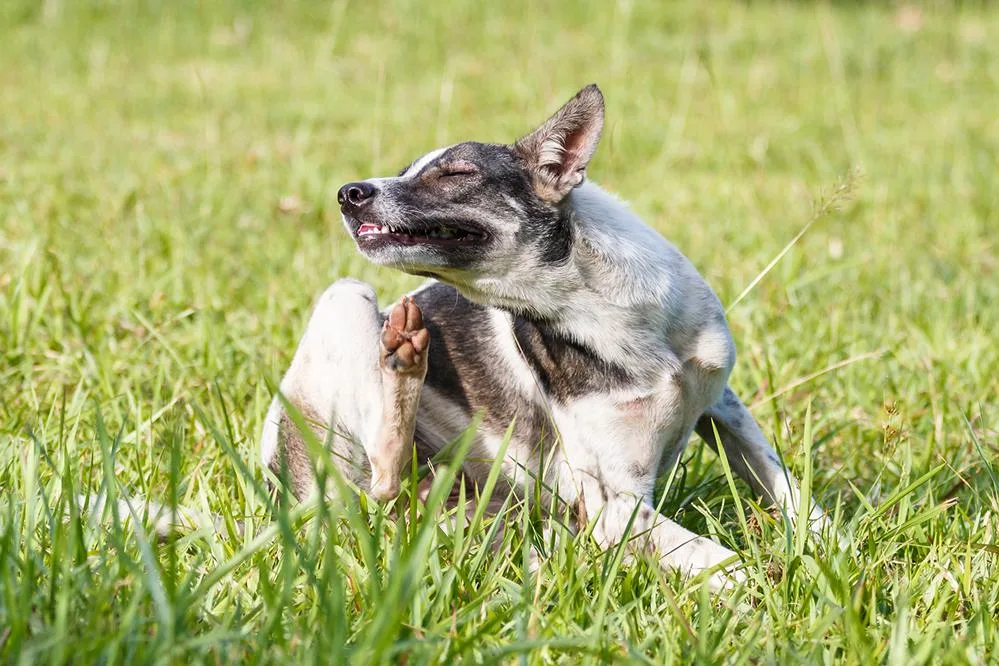
There's a real reason people search for natural allergy relief. Apoquel and Cytopoint work, but they cost roughly $70-$200 per month depending on dog size, and not every owner wants a dog on long-term immunosuppressants. Natural options can lower that bill and, for mild cases, genuinely reduce how often drugs are needed.
The catch is that "natural" gets used loosely online. Some of the most viral advice, like undiluted apple cider vinegar on raw skin or essential oil sprays, can genuinely burn a dog or worse. Tea tree oil, citrus oils, and eucalyptus are toxic to dogs even in small amounts, and the AVMA cautions owners against using them topically on pets without veterinary oversight.
So natural treatment works best when you pair it with a clear diagnosis and a few simple safety rules.
If your dog is suddenly covered in hives, has facial swelling, or is vomiting, skip everything below and call your vet. That's an anaphylactic-type episode, and home remedies won't help.
Know What You're Actually Dealing With: Types of Dog Allergies
Before picking a remedy, you have to know what kind of allergy you're treating. The symptoms overlap, but the solutions don't.
Environmental Allergies (Atopic Dermatitis)
These are seasonal or year-round reactions to pollen, dust mites, mold, and grasses. Dogs usually show it on the paws, belly, ears, and armpits. The most evidence-backed natural approach here is omega-3 fatty acids, with regular bathing as a close second.
Environmental allergies are the most common type, accounting for the bulk of chronic itching cases vets see.
Food Allergies vs. Food Intolerances
True food allergies involve an immune response, usually to a single protein like beef or chicken. Food intolerances are digestive and don't itch. Only an 8-to-12-week elimination diet can confirm a true food allergy, which we'll cover in detail later.
Flea Allergy Dermatitis
A single flea bite can set off days of intense itching in allergic dogs. Even indoor dogs are at risk. Per WSAVA dermatology guidance, flea control is non-negotiable here.
Natural soothing helps, but skipping flea prevention keeps the cycle going.
Contact Allergies
Less common. Usually shows up on the belly or paws where the dog touches grass, cleaning products, or bedding materials. Rinsing the coat after walks and switching detergents usually does more than any supplement.
Red Flags That Mean You Need a Vet First
Not every itchy dog is a candidate for home treatment. Pause the supplements and get a vet visit if your dog shows any of the following:
- Facial swelling or hives
- Sudden vomiting or diarrhea with skin symptoms
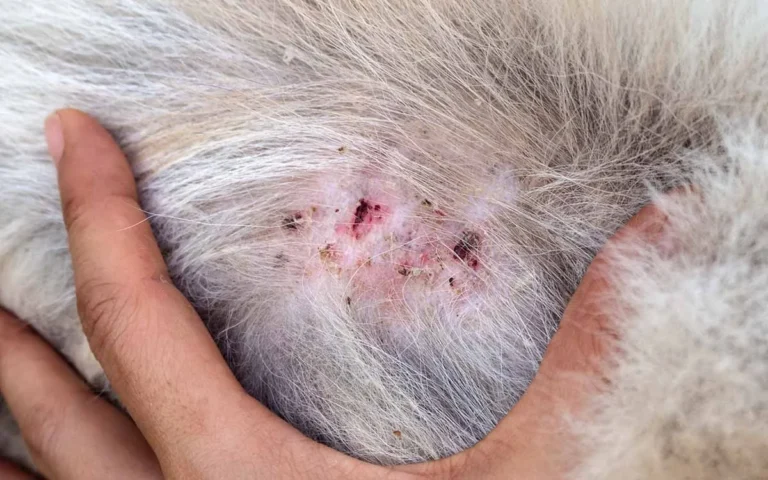
- Open sores, hot spots spreading fast, or pus
- Ear scratching combined with a head tilt or balance issues
- Itching severe enough to keep everyone awake at night
These signal infection, anaphylaxis, or pain that needs prescription support. Once those are ruled out or managed, natural options have a real role to play.
Omega-3 Fatty Acids: The Most Evidence-Backed Natural Option
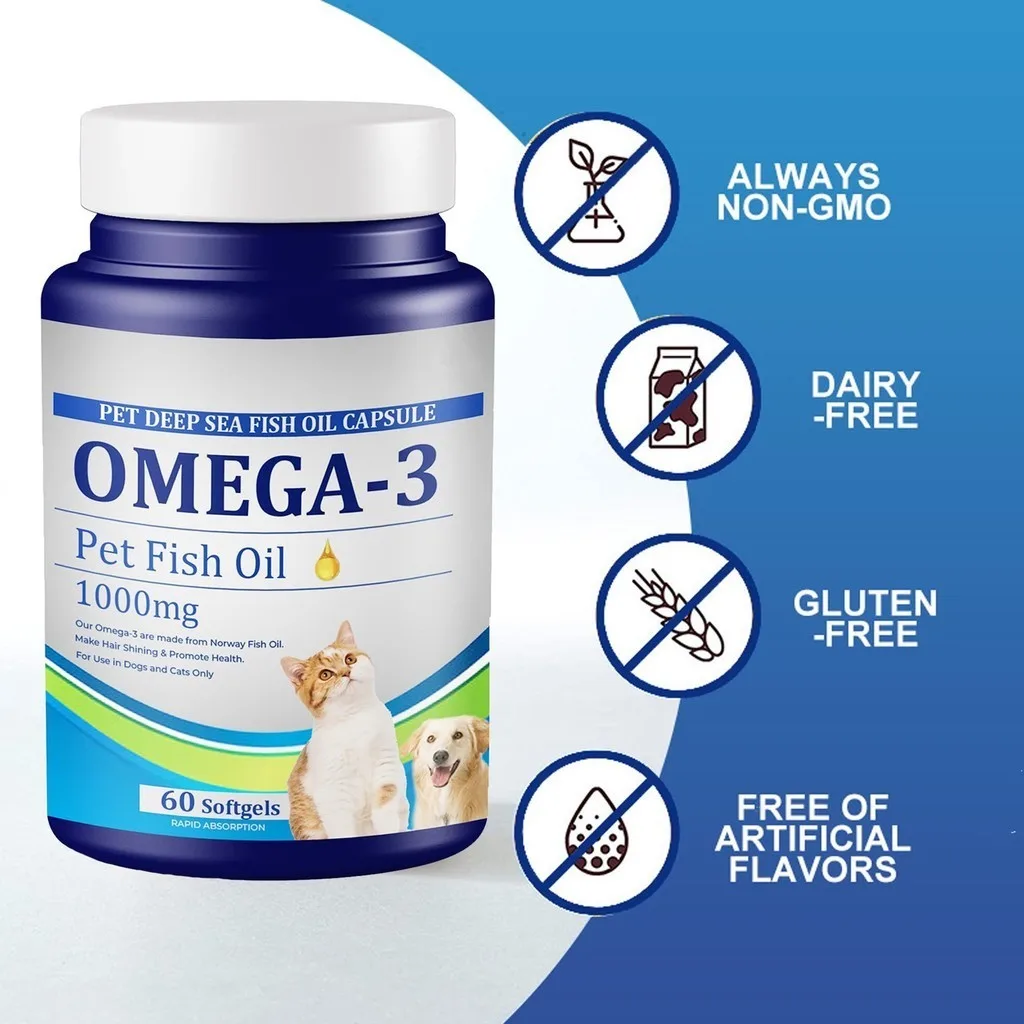
If you're going to add one supplement, make it omega-3s. Fish oil (EPA and DHA specifically) has the strongest peer-reviewed support of any natural approach for allergic skin disease in dogs. Multiple studies in Veterinary Dermatology and BMC Veterinary Research report measurable improvements in pruritus (itching) and coat quality after 4 to 8 weeks of supplementation.
A practical starting dose is 50-75 mg of combined EPA and DHA per kilogram of body weight daily, tapered to a maintenance dose after the first month. That detail matters because giving too little does nothing, and giving too much can thin the blood or upset the pancreas.
Choosing the Right Source
Fish oil from wild-caught small fish (anchovies, sardines) tends to have lower heavy-metal levels. Krill oil absorbs well but is pricier. Flaxseed oil gets marketed for dogs, but dogs convert ALA (the plant form) to EPA and DHA poorly, so flax is a weak substitute.
If your dog is allergic to fish, an algae-based DHA oil is the cleanest workaround.
What to Expect on a Timeline
Most owners notice a shinier coat and slightly less scratching around week 4. Meaningful itch reduction usually takes 6 to 8 weeks. Keep the dose steady during that window, even if the first month feels slow.
Omega-3s rebuild skin barrier function, and that takes time.
Quercetin as a Natural Antihistamine for Dogs
Quercetin is a plant flavonoid that vets sometimes call "nature's Benadryl." It stabilizes mast cells and slows the release of histamine, the chemical behind most itching and redness. The published dosing guideline for dogs is roughly 5-8 mg per pound of body weight, twice daily, ideally given with food to improve absorption.
Quality matters. Quercetin supplements vary widely in bioavailability, and the bromelain often paired with it (a pineapple enzyme) helps absorption but can upset sensitive stomachs. Start at the lower end of the dose range for a week to check tolerance, especially in small dogs.
Use quercetin as a daily maintenance tool during allergy season, not as an emergency rescue. For acute flare-ups, prescription antihistamines like cetirizine work faster and more reliably.
Probiotics and the Gut-Skin Connection
A growing body of canine research points to the gut-skin axis, the idea that gut health directly influences skin inflammation. Specific strains like Lactobacillus rhamnosus and Bifidobacterium animalis have shown measurable reductions in itching severity in dogs with atopic dermatitis when given daily for at least 8 weeks.
Look for a probiotic formulated for dogs, not humans. Canine products contain strains and CFU counts designed for a dog's gut pH. Sprinkle on food once daily, and refrigerate the bottle if the label calls for it, since live cultures die quickly at room temperature.
Probiotics won't replace omega-3s or elimination diets, but they're a low-cost, low-risk add-on that supports everything else on this list.
Colostrum for Immune Modulation
Bovine colostrum, the first milk cows produce after calving, contains immune factors that can help "rebalance" an overactive allergic response. In our research, it's one of the more interesting recent entries in the natural canine allergy space, though evidence is still early.
Most owners report the best results with colostrum in powder form mixed into food, dosed at roughly 1/4 teaspoon per 25 pounds of body weight daily. Give it at least a month before judging results.
Skip colostrum if your dog is on immunosuppressants like Apoquel or prednisone. They work against each other, and combining them confuses both pathways.
Elimination Diets for Suspected Food Allergies
If you suspect a food allergy, an elimination diet is the only reliable way to confirm it. Saliva and blood-based food sensitivity tests are widely sold, but veterinary dermatologists largely agree they're unreliable. The diet itself is straightforward but strict.
Pick one novel protein your dog has never eaten (commonly duck, venison, rabbit, or kangaroo) and one novel carbohydrate (sweet potato or green pea are common). Feed only that combination, with no treats, table scraps, flavored medications, or chew supplements, for 8 to 12 weeks. If symptoms clear during the trial, reintroduce single ingredients one at a time to identify the trigger.
Novel Protein vs. Hydrolyzed Protein
| Option | Best For | Watch-Out |
|---|---|---|
| Novel protein (duck, venison) | Most dogs, lower cost | Must truly be "new" to your dog |
| Hydrolyzed protein (prescription) | Dogs with many prior exposures | Expensive, $50-$90 per month |
Hydrolyzed protein is broken into pieces too small for the immune system to recognize, which makes it useful for dogs who've already eaten every novel protein on the market. It's a stronger tool but costs more.
What a Successful Trial Looks Like
Expect itching to drop noticeably between weeks 6 and 10. If nothing changes after a full 12 weeks, the allergy is probably environmental, not food. Stay strict the whole way, since a single treat can reset the trial.
Topical Soothers That Actually Help
Sometimes the fastest relief comes from the outside in. The right rinse or shampoo can calm a flare while omega-3s and probiotics catch up internally.
Oatmeal and Aloe Rinses
Colloidal oatmeal shampoos have been studied for canine atopic dermatitis and consistently show mild-to-moderate itch relief. Bathing 2-3 times per week during a flare removes allergens sitting on the coat and soothes skin at the same time. Aloe vera is a common add-on and is generally safe in commercial rinses, though pure aloe gel can irritate some dogs.
Coconut Oil: When It Helps and When It Backfires
Virgin coconut oil works as a mild moisturizer on dry patches and has some antibacterial properties thanks to its lauric acid content. A thin layer on a localized hotspot is fine. Smothering a wide area, though, can clog pores and trap bacteria, especially in humid climates.
Internally, coconut oil is high in saturated fat. Limit it to about 1 teaspoon per 10 pounds of body weight per day, or skip the oral route entirely if your dog is overweight or prone to pancreatitis.
Apple Cider Vinegar Rinses (and the Burn Risk)
A 50/50 mix of raw apple cider vinegar and water, sprayed on the coat after a walk, can help with mild yeast-related itching. Never apply it to broken skin. Vinegar on raw or inflamed areas burns and can turn a small problem into a much worse one.
Local Honey: Theory vs. Evidence
The idea behind local honey is that small daily doses of regional pollen act like a gentle oral vaccine, training the immune system to calm down. In humans, the evidence is mixed. In dogs, it's almost nonexistent in peer-reviewed research, though aggregate owner reports are often positive.
Use raw, unfiltered honey from within roughly a 50-mile radius of your home, and give about 1/2 teaspoon per 10 pounds of body weight per day.
Skip honey entirely for diabetic dogs and for any dog under one year old, since raw honey can carry botulism spores that immature immune systems can't handle.
Flea Control as the Baseline (Yes, Even Indoors)
If a dog has flea allergy dermatitis, nothing else on this list will work without consistent flea prevention. Indoor-only dogs still need it, because fleas hitchhike on people and other pets. A single bite can set off itching for up to two weeks in a sensitive dog.
The flea-control method doesn't have to be chemical-heavy, though for confirmed flea allergy, veterinary-grade preventives are usually more reliable. Natural options like diatomaceous earth on carpets work as environmental support but shouldn't be the sole line of defense for an allergic dog.
Natural Approaches vs. Apoquel and Cytopoint: Honest Comparison
| Option | Best For | Limitations |
|---|---|---|
| Omega-3s + probiotics + diet | Mild-to-moderate chronic itching | Slow onset, 4-8 weeks |
| Apoquel (oclacitinib) | Fast relief during flare-ups | Daily cost, long-term immune effects |
| Cytopoint (lokivetmab) | Seasonal allergies, owners who can't pill | Injection every 4-8 weeks, $50-$100 per shot |
| Full natural protocol | Owners wanting minimal medication | Requires strict consistency, no quick fixes |
The natural protocol and prescription drugs aren't really rivals. They pair well. Many owners use Cytopoint during peak season and rely on omega-3s and elimination diets the rest of the year to reduce how often they need injections.
Step-by-Step Natural Allergy Plan for Dogs
Here's a practical sequence to put it all together. Adjust based on which allergy type you identified earlier.
- Schedule a vet visit to rule out infection or severe flare needing acute treatment.
- Start omega-3 fish oil at 50-75 mg combined EPA and DHA per kg of body weight daily.
- Add a canine-specific probiotic with Lactobacillus and Bifidobacterium strains.
- Bathe with a colloidal oatmeal shampoo twice weekly during flares.
- Begin an 8-12 week elimination diet if food allergy is suspected.
- Add quercetin at 5-8 mg per pound twice daily during peak pollen season.
- Maintain year-round flea prevention, even for indoor dogs.
- Re-evaluate at week 8 and adjust based on which symptoms have or haven't improved.
What a Realistic Timeline Looks Like
Most dogs on a full natural protocol show meaningful improvement between weeks 6 and 10. The coat often looks shinier by week 4, but the itching reduction takes longer because skin barrier repair is slow.
If nothing has changed by week 12, the underlying cause is probably not what you guessed. That's when adding Apoquel, Cytopoint, or allergy testing makes more sense than doubling down on supplements.
Common Mistakes Owners Make With Natural Allergy Treatment
The same handful of errors show up again and again in our research.
- Treating without diagnosing. Environmental, food, and flea allergies look similar but need different fixes.
- Skipping flea prevention because the dog is indoor-only.
- Using tea tree, eucalyptus, or other essential oils on the skin.
- Running an elimination diet "almost" strict, with one treat slip.
- Expecting results in a week instead of two months.
- Applying apple cider vinegar to broken or raw skin.
Cost Breakdown: Natural Options vs. Conventional Treatment
| Approach | Monthly Cost Estimate |
|---|---|
| Omega-3 fish oil (high quality) | $15-$40 |
| Canine probiotic | $20-$35 |
| Quercetin supplement | $10-$20 |
| Hypoallergenic or novel-protein food | $50-$90 |
| Apoquel (per dog size) | $70-$200 |
| Cytopoint injection | $50-$100 every 4-8 weeks |
The natural protocol runs roughly $100-$185 per month on the higher end, comparable to Apoquel for large dogs. The payoff is lower reliance on immunosuppressive drugs and fewer long-term side effects.
Best Combinations for Different Allergy Types
Match the tools to the allergy type you've identified.
- Environmental: omega-3s, oatmeal baths, quercetin during peak pollen, year-round flea prevention
- Food: strict 8-12 week elimination diet, omega-3s, canine probiotic
- Flea allergy: prescription flea prevention first, soothing baths second
Most chronic dogs carry more than one trigger, so layering protocols works better than picking just one.
When Natural Treatment Isn't Enough
You'll know you've hit the ceiling if itching stays constant after two months, ear infections keep returning, or skin thickens and darkens. At that point a veterinary dermatologist can run intradermal testing and discuss allergen-specific immunotherapy, which addresses the root cause in a way supplements can't.
Frequently Asked Questions
How long does it take for natural dog allergy treatment to work?
Most dogs improve meaningfully between weeks 6 and 10 on a consistent protocol. Coat shine often shows up by week 4, but itching reduction takes longer because skin barrier repair is slow.
Can I use Benadryl or other human antihistamines for my dog?
Diphenhydramine and cetirizine are sometimes used in dogs, but dosing depends on weight and only your vet should confirm the right amount. Cetirizine tends to cause less drowsiness and is often preferred for chronic itching.
What foods most commonly cause allergies in dogs?
Beef, chicken, dairy, and wheat are the top offenders. Eggs and soy are next. A novel protein like duck, venison, rabbit, or kangaroo is usually safe for elimination trials.
Is local honey actually safe and effective for dogs?
Raw local honey is generally safe for adult dogs in small daily doses, but evidence for allergy relief is mostly anecdotal. Avoid it for diabetic dogs and any dog under one year old due to botulism risk.
Can I combine natural allergy treatment with Apoquel or Cytopoint?
Yes, and many owners do. Omega-3s and elimination diets often reduce how often a dog needs Cytopoint injections or Apoquel. Always run any combo past your vet first.
Are essential oils a safe natural option for dog allergies?
Most essential oils, including tea tree, eucalyptus, peppermint, and citrus oils, are toxic to dogs even when diluted. Skip essential oil diffusers and topical blends around dogs with allergies.
Your Practical Starting Point
Identify the allergy type, rule out anything serious that needs a vet first, and commit to a 12-week natural protocol before judging results. Omega-3s, a canine probiotic, regular oatmeal baths, and an elimination diet when food allergy is suspected are the foundation. Quercetin, colostrum, and local honey are useful add-ons, not replacements.
Keep flea prevention steady year-round, especially for indoor dogs. If the natural approach isn't moving the needle after three months, that's the signal to add prescription support or see a veterinary dermatologist.