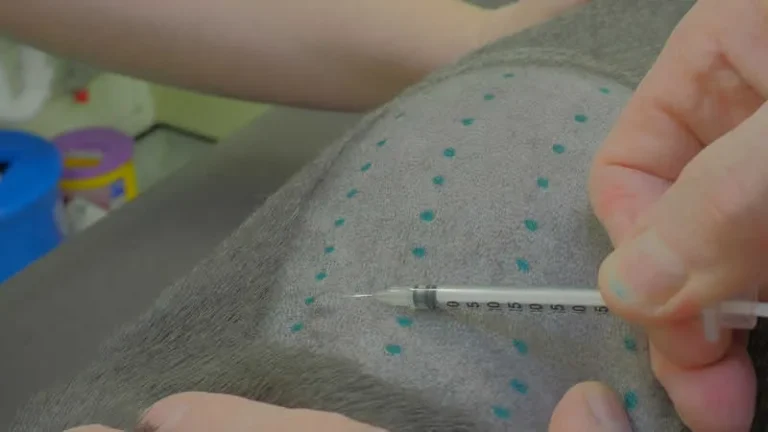
How much do allergy shots cost for dogs: Top guide
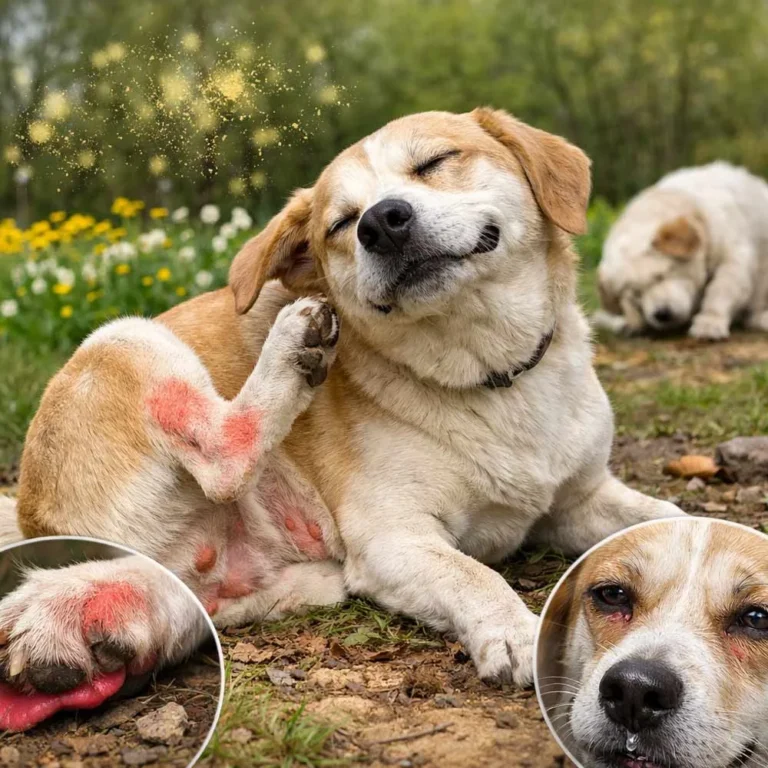
If you've typed "how much do allergy shots cost for dogs" into Google, you're probably already a few hundred dollars deep in allergy meds and still watching your dog chew their paws raw. You're not alone, and you're not crazy for wondering whether immunotherapy is worth the leap. The short answer is that most US dog owners spend somewhere between $1,000 and $3,000 in the first year, then a few hundred each year after.
That range is wide on purpose. What you'll actually pay depends on three big things: which vet you see, what your dog is allergic to, and whether you can give the shots at home. As of 2026, pricing has crept up roughly 8 to 12% over the last three years, mostly because custom allergen serums are mixed in specialty pharmacies.
Let's break down exactly where that money goes.
Quick Answer
Allergy shots for dogs typically cost $1,000 to $3,000 in the first year. That covers testing, the custom allergen serum, and induction visits. Annual maintenance runs $300 to $700.
Prices vary by region, vet, and dog size.
What Dog Allergy Shots Actually Cost, And Why the Number Varies So Much
The first thing most owners notice is that two vets in the same city will quote prices that are $800 apart for the same dog. That's not a scam. It's the difference between a general practice that mixes its own serum and a board-certified veterinary dermatologist who uses a specialty compounding lab.
Here's the typical cost breakdown, based on aggregate pricing data from veterinary dermatology clinics across the US:
| Cost Component | Typical Range (USD) | What You're Paying For |
|---|---|---|
| Initial consultation | $150 to $300 | Vet exam, allergy history, treatment planning |
| Allergy testing (IDT or serum IgE) | $200 to $500 | Identifying which allergens your dog reacts to |
| Custom allergen serum | $300 to $600 | The actual vial of immunotherapy solution |
| Induction injections (in-clinic) | $25 to $75 per visit | Weekly shots for 8 to 12 weeks |
| Maintenance serum refills | $300 to $500/year | New vials every 6 to 12 months |
| Recheck exams | $60 to $150 each | Usually at 6 months and 12 months |
If you add it all up, a dog treated at a general practice with home-administered maintenance shots lands on the low end. A dog managed by a board-certified specialist lands on the high end.
A few variables move that number around:
- Region. Coastal cities run 20 to 40% higher than the Midwest and South.
- Dog size. Larger dogs may need higher doses, which can shorten how long a vial lasts and bump up refill costs.
- Allergen count. A dog allergic to 12 environmental triggers pays more per vial than one allergic to 4, because the formulation work scales with complexity.
- Who gives the shots. Home administration after training drops the per-injection cost to nearly zero. In-clinic administration adds a visit fee every time.
If you're staring at a $2,500 quote and wondering if it's normal, it is. If you're staring at a $400 quote, ask which serum they're using and whether the testing was actually done.
How Allergy Immunotherapy Works for Dogs (The Short Version)
Allergy shots for dogs are officially called allergen-specific immunotherapy, or ASIT. The idea is simple: you're giving your dog tiny, controlled doses of the exact things they're allergic to so their immune system learns to stop overreacting.
The "shots" are subcutaneous injections of a custom-blended serum. That serum is mixed specifically for your dog, based on what their allergy test showed positive for. If your dog reacts to oak pollen, dust mites, and three types of mold, those exact allergens go into the vial.
No guessing, no one-size-fits-all cocktail.
Here's the mechanism in plain terms:
- Your dog's immune system currently treats oak pollen like a threat and launches an inflammatory response. That's the itching, the ear infections, the paw chewing.
- The immunotherapy serum introduces those same allergens in micro-doses, repeated regularly.
- Over time, the immune system recalibrates. It produces blocking antibodies and shifts its T-cell response away from the inflammatory "attack" mode.
- Symptoms drop. Not overnight. Usually over 3 to 12 months.
The two main things to understand are the induction phase and the maintenance phase.
During induction, your dog gets injections every 1 to 3 days for roughly 8 to 12 weeks. The dose starts tiny and ramps up gradually. Most of the heavy lifting happens during this window.
During maintenance, injections drop to every 14 to 21 days, sometimes longer, depending on how your dog responds. Many dogs stay on maintenance for life, though some can taper off after a few years if symptoms stay quiet.
There's one more thing worth flagging. Unlike Apoquel and Cytopoint, which suppress symptoms, immunotherapy targets the underlying immune misfire. That distinction is the whole reason it costs more and takes longer.
You're not buying relief, you're buying retraining.
The Real Price Breakdown: Testing, Serum, and Injections
The marketing line from many clinics is "allergy shots cost about $1,500 a year." That number is technically true but practically useless, because it lumps three very different products together. Let's pull them apart.
Allergy Testing ($200 to $500)
You can't make a custom serum without knowing what your dog is allergic to. There are two legitimate ways to test:
- Intradermal skin testing (IDT). Considered the gold standard. Your dog is sedated, a patch of fur is shaved, and small amounts of suspected allergens are injected into the skin. A positive reaction shows up as a raised welt. Done at specialty clinics.
- Serum IgE blood testing. A blood draw sent to a lab that measures antibody levels against common allergens. Easier to schedule, doesn't require sedation, but slightly less precise.
Both are valid. IDT costs more because of the sedation and clinic time, but it's preferred for dogs with complex or year-round symptoms.
Custom Allergen Serum ($300 to $600 per vial)
This is the actual immunotherapy. It's a liquid mixture of allergens, preservatives, and saline, formulated for your dog. Most vials last 6 to 12 months at maintenance dosing.
The price depends on:
- How many allergens are in the mix (typically 8 to 20)
- Whether it's a water-based or alum-precipitated formulation (the latter costs more but may need fewer injections)
- Whether the lab is in-house or a specialty compounding pharmacy
Injections (Free to $75 each)
This is where home administration changes the math dramatically.
If your vet or a technician gives every shot, you're paying an exam-room fee every visit. At $25 to $75 per shot, twice a week for induction, that adds up fast.
If you learn to give the injections at home (most owners do, after one training session), the ongoing cost is essentially the serum. The syringes cost pennies.
So when a vet tells you immunotherapy is "really affordable long-term," they're assuming home administration. If you can't or don't want to do that, factor in $1,000 or more of visit fees over the first year alone.
Why Your Vet's Quote Might Differ From Your Neighbor's
If your friend paid $1,200 and you got quoted $2,800 for the same treatment, one of these is probably the reason.
General Practice vs. Dermatology Specialist
A general practice vet can absolutely prescribe and manage immunotherapy. A board-certified veterinary dermatologist (a Diplomate of the American College of Veterinary Dermatology) brings extra training and access to higher-quality serum labs. That expertise costs more, often $200 to $500 more on the front end.
For straightforward, seasonal allergies, a general practice vet is usually fine. For year-round, multi-allergen, or treatment-resistant cases, the specialist is worth the premium.
Regional Cost Variation
Veterinary pricing tracks local cost of living. A 2026 survey of veterinary dermatology clinics shows:
| Region | Average First-Year Cost |
|---|---|
| Northeast (NY, MA, NJ) | $2,400 to $3,200 |
| West Coast (CA, WA, OR) | $2,200 to $3,000 |
| Midwest (OH, IL, MN) | $1,500 to $2,200 |
| South (TX, FL, GA) | $1,400 to $2,000 |
| Rural / Small Town | $1,200 to $1,800 |
These are ranges, not guarantees, but the pattern is consistent.
What's Included in the Quote
Some clinics bundle testing, serum, and follow-ups into one package price. Others itemize every component. Always ask for the itemized version.
It makes it easier to compare quotes and to spot where you might save (for example, doing the blood test at your regular vet but getting the serum from a specialist).
The Dog Factor
Larger dogs need higher doses. Dogs with many allergens need more complex (and pricier) serum. Dogs that respond slowly may need extended induction, adding visit fees.
None of this changes the headline number much, but it can shift the bottom line by a few hundred dollars either direction.
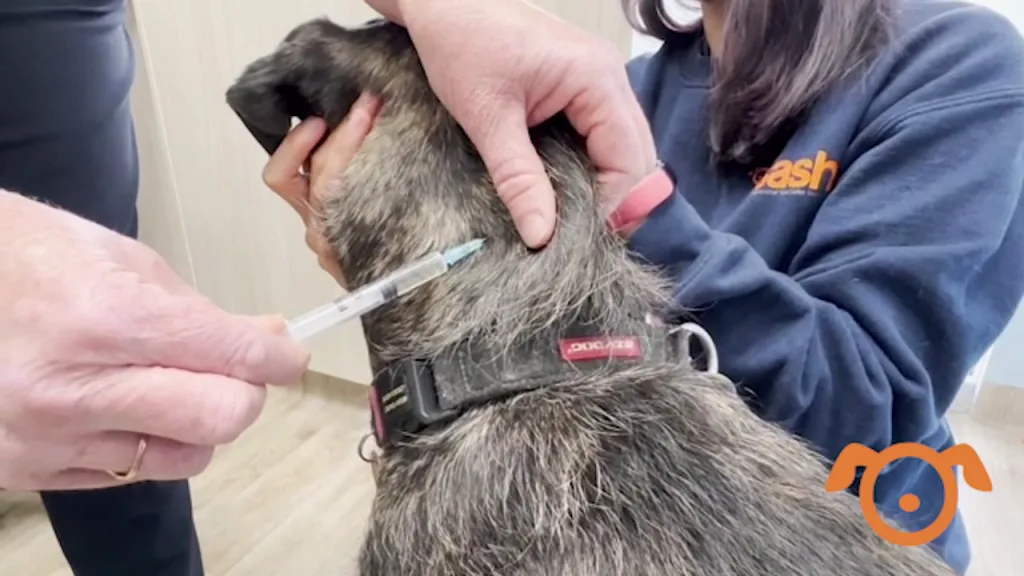
First-Year Costs vs. Ongoing Maintenance Costs
This is where most owners get caught off guard. They budget for the first year and forget the second one is coming.
The first year is the expensive year because it bundles the testing, the initial serum formulation, and the induction visits. After that, you're mostly paying for serum refills and occasional rechecks.
Here's how the typical cost curve looks for a mid-size dog at a general practice with home-administered maintenance shots:
| Time Period | Typical Cost | What's Happening |
|---|---|---|
| Months 1 to 2 | $500 to $900 | Consultation, testing, serum production |
| Months 3 to 5 | $200 to $400 | Induction visits (if done in-clinic) |
| Months 6 to 12 | $100 to $250 | First recheck, second serum refill if needed |
| Year 1 Total | $1,000 to $2,000 | All-in |
| Year 2 and Beyond | $300 to $700 | One refill, one or two rechecks |
If you're at a specialty clinic, multiply those numbers by roughly 1.5x. If your dog needs a second vial mid-year (common for multi-allergen dogs in high-pollen regions), add another $300 to $500.
The maintenance phase is where immunotherapy starts to feel like a bargain compared to lifelong Apoquel or Cytopoint, but more on that in the next section.
Apoquel, Cytopoint, and Steroids, How They Compare in Cost
Allergy shots aren't the only option, and they're rarely the cheapest upfront. Most owners end up choosing between immunotherapy and one of the prescription medications. Here's how they stack up on price, based on 2026 retail pricing at US veterinary pharmacies.
| Treatment | First-Year Cost | Annual Cost After | Mechanism |
|---|---|---|---|
| Apoquel (oclacitinib) | $1,000 to $2,000 | $1,000 to $2,000 | Daily oral tablet, suppresses itch signaling |
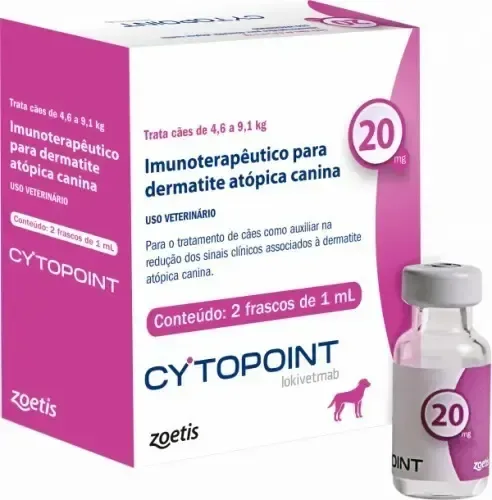
| Cytopoint (lokivetmab) | $1,200 to $2,000 | $1,200 to $2,000 | Injection every 4 to 8 weeks, blocks itch protein |
| Prednisone (steroid) | $100 to $300 | $100 to $300 | Cheap, but significant long-term side effects |
| Allergen-specific immunotherapy | $1,000 to $3,000 | $300 to $700 | Custom serum, retrains immune response |
| Cyclosporine (Atopica) | $1,500 to $2,500 | $1,500 to $2,500 | Daily oral, broad immunosuppressant |
What Each Option Is Best For
- Apoquel is best for dogs that need fast itch relief and whose owners can commit to daily dosing. It works within hours.
- Cytopoint is best for dogs that hate pills or have liver concerns. One shot every 1 to 2 months.
- Prednisone is best for short-term flare management only. Long-term steroid use in dogs causes muscle loss, increased thirst, and potential Cushing's disease.
- Immunotherapy is best for dogs with confirmed environmental allergies whose owners want to address the root issue rather than suppress symptoms forever.
- Cyclosporine is best for severe, refractory atopic dermatitis when other options have failed. It can take 4 to 8 weeks to work.
The honest math: if your dog's allergies are seasonal and only need 3 to 4 months of management per year, Apoquel or Cytopoint is cheaper. If your dog needs year-round treatment, immunotherapy's lower maintenance cost catches up around year 2 or 3 and stays lower forever after.
Does Pet Insurance Cover Allergy Shots for Dogs?
Most US pet insurance plans treat allergies as a pre-existing condition if symptoms appeared before your policy's waiting period ended. That means if your dog was already scratching when you enrolled, the allergy shots likely won't be covered.
But if you enroll a young dog before symptoms show up, or switch to a plan during a symptom-free window, coverage is often available. Here's what to check:
- Waiting period. Most plans have a 14 to 30 day waiting period. Some have longer orthopedic waiting periods but shorter illness windows.
- Pre-existing clause. Most insurers exclude conditions that showed symptoms before enrollment. Some will cover "curable" pre-existing conditions after 12 to 18 months symptom-free.
- Wellness add-ons. A few major insurers have started adding partial coverage for allergy testing and immunotherapy under their wellness riders, though reimbursement caps are usually $200 to $500 per year.
- Itemized receipts matter. Your insurer will want line-item invoices for testing, serum, and visits. Make sure your vet provides these.
One important note: coverage for chronic conditions is usually a one-time decision. If your insurer labels immunotherapy as covered, that's good for the life of the policy. If they label it excluded, appealing later is nearly impossible.
If insurance isn't an option, many clinics offer payment plans through CareCredit or Scratchpay. Some compounding pharmacies also offer payment plans for the serum itself, which can spread the $400 to $600 across 3 to 6 months.
Is Your Dog a Good Candidate for Allergy Shots?
Not every itchy dog should get immunotherapy. The treatment works best for a specific profile.
Good Candidates
- Dogs between 1 and 8 years old with confirmed environmental allergies
- Dogs with year-round or long seasonal symptoms (more than 3 months per year)
- Dogs that have responded partially to Apoquel or Cytopoint but need more
- Dogs whose owners want to reduce long-term medication use
- Dogs without severe food allergies (food allergies require dietary management, not shots)
Poor Candidates
- Dogs under 1 year old (immune system still developing, test results unreliable)
- Dogs whose primary issue is food intolerance
- Dogs with severe, uncontrolled asthma (anaphylaxis risk is higher)
- Dogs whose owners can't commit to the 12-month evaluation window
- Dogs on heavy immunosuppressive drugs that may interfere with the immune response immunotherapy is trying to train
If you're unsure, ask your vet about serum IgE testing first. It's cheaper than intradermal testing and gives you a clearer picture of whether environmental allergens are even the main driver.
The Treatment Timeline, What 12 Months of Shots Looks Like
Most owners want to know what they're signing up for before they commit. Here's a realistic month-by-month picture based on aggregate clinical data from veterinary dermatology practices.
Months 1 to 2: Testing and Serum Production
You have the consultation. The vet runs the allergy test (blood draw or skin test). Results come back in 1 to 2 weeks.
The serum is custom-mixed and shipped to your vet or directly to your home. You're not giving any shots yet.
Months 3 to 5: Induction Phase
This is the most hands-on part. Injections start at a low dose and ramp up over 8 to 12 weeks. The standard protocol is injections every 1 to 3 days during induction, gradually spacing out as the dose increases.
If your vet is doing the injections, that's 20 to 30 visits in 12 weeks. If you're doing them at home (most owners learn within 1 to 2 training sessions), it's 20 to 30 minutes of your time per week.
Don't expect much improvement yet. The immune system is just being introduced to the allergens. Some dogs get slightly worse during induction before getting better.
Months 6 to 9: Early Maintenance
Doses have leveled off. Injections drop to every 14 to 21 days. This is when most owners start noticing changes: less paw chewing, fewer ear infections, better sleep.
About 30% of dogs show meaningful improvement by month 6.
You'll have a recheck visit at month 6 to assess progress and adjust dosing if needed.
Months 10 to 12: Full Evaluation Window
By month 12, your vet will make the call on whether immunotherapy is working. Aggregate clinical studies report that 60 to 80% of dogs show measurable improvement by this point. If your dog is in that group, you continue maintenance, often for life, sometimes with serum adjustments over time.
If your dog isn't responding, your vet may reformulate the serum, check for missed food allergens, or shift the strategy to broader immunosuppression.
Beyond Year 1
Dogs that respond well typically stay on maintenance injections every 2 to 4 weeks for life. Some dogs, especially younger ones with strong responses, can taper off after 2 to 3 years. Most stay on it longer.
The key takeaway: immunotherapy is a long game. Anyone promising results in the first 2 to 3 months is overselling.
Success Rates and What "Working" Actually Means
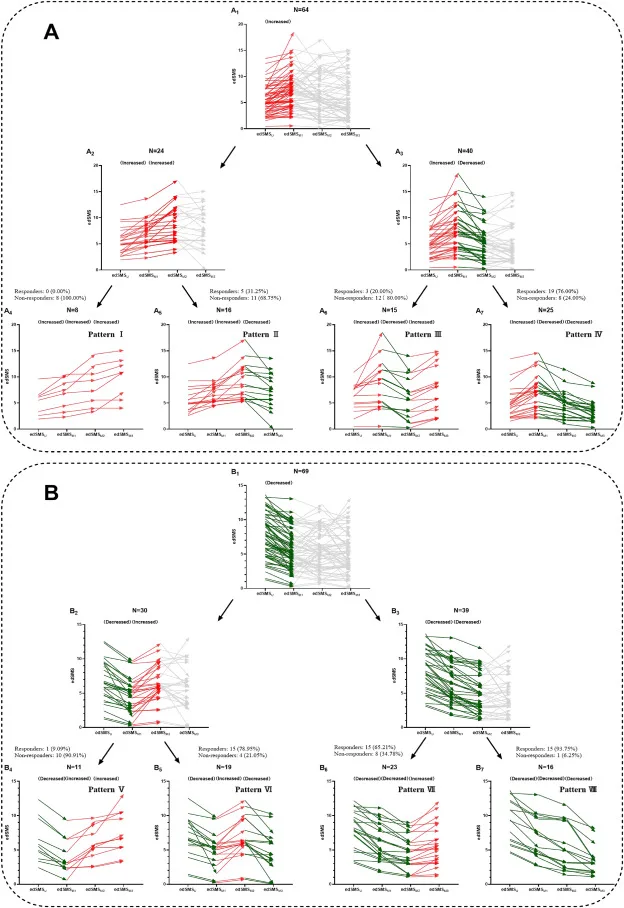
Marketing materials often claim immunotherapy works in 80% of dogs. The real number, based on peer-reviewed studies in the Journal of the American Veterinary Medical Association and Veterinary Dermatology, is closer to 60 to 80%, depending on how you define "working."
How Success Is Typically Measured
- 50% or greater reduction in itch score. This is the clinical benchmark most dermatologists use. The dog's scratching, licking, and chewing drops by at least half compared to pre-treatment baseline.
- Reduced medication use. Many dogs on immunotherapy can drop their Apoquel or Cytopoint dose, or stop it entirely.
- Fewer secondary infections. Chronic allergy dogs often get repeated ear infections and skin infections. Successful immunotherapy reduces these noticeably.
- Improved quality of life. Owners report better sleep, less anxiety, and a generally happier dog.
Why Some Dogs Don't Respond
The 20 to 40% of dogs who don't improve usually fall into one of these buckets:
- Undiagnosed food allergies driving the symptoms. Shots won't fix what shots aren't targeting.
- Wrong allergen mix. Serum formulations are only as good as the testing that informed them.
- Concurrent infections or parasites that aren't being treated alongside the allergy.
- Owner inconsistency. Skipping injections or stopping early because of slow progress.
- Severe, long-standing atopic dermatitis where the immune system has become hyper-reactive beyond what immunotherapy can fully retrain.
If your dog is in the non-responder group, you're not out of options. Your vet will likely shift to a layered approach: continued immunotherapy plus Apoquel or Cytopoint, plus topical therapies and dietary management.
Risks, Side Effects, and When to Worry
Allergy shots are generally safe, but they're not risk-free. The biggest concern is anaphylaxis, a severe allergic reaction to the injection itself.
Common (and Mild) Reactions
- Lethargy or soreness at the injection site for 12 to 24 hours after a dose increase
- Mild itch flare in the first 24 to 48 hours after an injection (a sign the immune system is responding)
- Localized swelling at the injection site
These are normal and typically self-resolve.
Less Common (But Serious) Reactions
- Facial swelling, hives, vomiting, or difficulty breathing within 30 minutes of an injection. This is anaphylaxis and requires immediate veterinary care.
- Injection site infection (rare, usually from poor injection technique)
- Immune-mediated disease flare in predisposed dogs (very rare)
Safety Protocol Most Vets Follow
- Keep your dog in the clinic for 30 minutes after the first few induction injections to watch for reactions.
- Have an EpiPen or equivalent emergency medication protocol in place if you're administering at home.
- Report any unusual symptoms (vomiting, sudden lethargy, swelling) to your vet immediately.
The anaphylaxis risk is real but low. Veterinary dermatology clinics report it in roughly 0.1 to 0.5% of dogs on immunotherapy. Compare that to the long-term risks of chronic steroid use (muscle wasting, diabetes, liver damage), and immunotherapy starts to look like the safer bet for chronic management.
Mistakes Owners Make When Starting Immunotherapy
A few common missteps show up over and over in vet feedback. Avoiding these saves you money and frustration.
Stopping Too Early
The single biggest mistake. Owners expect results in 2 to 3 months, don't see dramatic improvement, and stop. The full evaluation window is 9 to 12 months.
If you quit at month 4, you'll never know if it would have worked.
Skipping the Recheck
The 6-month and 12-month rechecks aren't optional. They're when your vet adjusts dosing, reformulates the serum if needed, and confirms the treatment is on track. Skipping them is like getting a prescription and never refilling it.
Not Treating Secondary Infections First
If your dog has an active skin or ear infection when you start immunotherapy, the inflammation from the infection will mask any response. Most dermatologists want to clear infections first, then start shots.
Mixing Up Vials and Doses
If you have multiple dogs on immunotherapy, or if you've switched to a new vial, double-check the concentration. Allergy serum is custom-mixed and concentrations change between vials. Wrong dose equals ineffective treatment or increased reaction risk.
Assuming It's a Cure
Immunotherapy is management, not a cure. Most dogs need ongoing injections to maintain the response. A small percentage can taper off, but don't plan your budget around that outcome.
How to Lower the Cost Without Cutting Corners
Allergy shots are an investment, but there are legitimate ways to bring the price down.
Home Administration Training
This is the single biggest cost-saver. After one training session, you can give 90% of the injections yourself. Over a dog's lifetime, that saves thousands of dollars in visit fees.
Compare Serum Pricing Between Vets
Some clinics mark up serum 30 to 50% over what the compounding pharmacy charges directly. Ask if you can source the serum yourself through a vet-approved pharmacy. Your vet still needs to prescribe it, but the markup may be lower.
Use a General Practice Vet if Your Case Is Uncomplicated
If your dog has clear seasonal allergies with a small number of allergens, a general practice vet can manage the case well. Specialists are worth the premium for complex, multi-allergen, or treatment-resistant dogs.
Consider Pharmacy Compounding Alternatives
Some compounding pharmacies offer "regional allergen mixes" based on your ZIP code rather than fully custom formulations. These cost less and work well for dogs with common allergen profiles.
Bundle the First Year
Many clinics offer package pricing if you pay for testing, serum, and induction visits upfront. Ask about this. Discounts typically run 10 to 15%.
Use HSA or FSA Funds
If your dog is a service animal or emotional support animal with proper documentation, allergy treatment costs may qualify for HSA or FSA reimbursement. For regular pets, this doesn't apply, but it's worth asking your tax advisor about medical expense deductions in certain cases.
Questions to Ask Your Vet Before Saying Yes
Before you commit, get clear answers to these.
- What's your itemized cost for the first year, including testing, serum, and induction visits?
- Can I administer the injections at home, and is there a training session included?
- How many dogs have you treated with immunotherapy, and what percentage improved?
- What's the plan if my dog doesn't respond in 6 months?
- Which compounding pharmacy makes your serum, and can I see the formulation?
- What's included in the recheck visits, and how often are they scheduled?
If your vet gets defensive about any of these, that's a red flag. A vet who is confident in their immunotherapy program will answer all of them without hesitation.
The Bottom Line, Are Allergy Shots Worth the Investment?
For dogs with confirmed environmental allergies, especially year-round ones, allergy shots are usually worth it. Not because they're cheap, but because they're the only treatment that targets the cause rather than the symptoms.
The math works out roughly like this: $1,500 to $3,000 upfront, then $300 to $700 per year for life. Compared to lifelong Apoquel at $1,200 to $2,000 per year, immunotherapy breaks even around year 2 and saves money every year after.
The success rate of 60 to 80% is high enough to justify trying, especially since the alternative for many dogs is chronic medication with its own long-term risks. The main caveats are patience (give it the full 12 months) and commitment (you can't skip doses and expect results).
If your dog's allergies are mild and only flare for a few weeks a year, Apoquel or Cytopoint is probably the smarter first move. If your dog is scratching 6 months out of 12 or more, immunotherapy is the better long-term play.
Talk to your vet about serum IgE testing as a first step. It's cheaper than jumping straight into treatment, and it'll tell you whether environmental allergens are even the right target. From there, you and your vet can build a plan that fits both your dog's needs and your wallet.
Frequently Asked Questions
How long does it take for allergy shots to work in dogs?
Most dogs show meaningful improvement within 6 to 12 months. Some respond faster, but the full evaluation window is 9 to 12 months. Stopping before then is the most common reason owners think immunotherapy "doesn't work."
Are allergy shots safer than Apoquel for dogs long-term?
Allergy shots target the immune misfire. Apoquel suppresses itch signaling. Long-term Apoquel use is generally well-tolerated, but immunotherapy carries fewer systemic drug exposure concerns.
Both have good safety profiles when properly managed.
Can I give my dog allergy shots at home?
Yes. Most vets offer a short training session. Once you've learned proper subcutaneous injection technique, you can give maintenance doses at home.
Induction doses are often given in-clinic so the vet can monitor for reactions.
What happens if I miss an allergy shot for my dog?
A single missed dose usually isn't a problem. Resume the schedule as soon as possible. Multiple missed doses over weeks can reduce effectiveness.
If you miss more than 2 to 3 scheduled shots, contact your vet about adjusting the next dose.
Do allergy shots help with food allergies in dogs?
No. Immunotherapy targets environmental allergens like pollen, dust mites, and mold. Food allergies require dietary management (elimination diets, prescription hydrolyzed protein food) and won't respond to allergy shots.
How much do allergy shots cost for dogs without insurance?
Without pet insurance, most owners pay $1,000 to $3,000 in the first year and $300 to $700 per year after. Pricing varies by region and clinic type. Home administration significantly reduces ongoing costs.
Can puppies get allergy shots?
Immunotherapy isn't usually recommended for dogs under 1 year old. Their immune systems are still developing, and allergy test results can be unreliable. Most dermatologists wait until at least 12 to 18 months of age.