How do you know if dog has allergies: Easy guide
If your dog won't stop scratching, licking their paws, or shaking their head, you already know something's wrong. The real question is how do you know if dog has allergies versus some other skin problem that looks almost identical. The honest answer: it's not always obvious from the living room, and the symptoms overlap with infections, parasites, and even behavioral issues.
Here's what most owners don't realize. Roughly 10, 20% of dogs deal with some form of allergic skin disease, and food allergies alone account for about 10% of those cases. The tricky part is that "allergy" isn't one diagnosis.
It's at least four different conditions that look similar on the surface but need very different fixes. That's exactly what we'll walk through below.
Quick Answer
You know your dog has allergies when itching, redness, ear infections, or paw-licking keeps coming back without an obvious cause. True allergies involve an immune system overreaction to things like flea saliva, food proteins, or environmental allergens such as pollen or dust mites. Symptoms usually start between 6 months and 3 years of age.
A vet diagnosis is the only way to confirm which allergy type it is.
The 4 Main Types of Dog Allergies (And Why the Difference Matters)
Most owners walk into the vet saying "my dog has allergies." That phrase covers four completely different conditions. Treating them the same way is the fastest path to wasted money and a still-itchy dog.
| Allergy Type | Trigger | Typical Age of Onset | Seasonal? |
|---|---|---|---|
| Flea Allergy Dermatitis (FAD) | Flea saliva | Any age, often young adults | Year-round, worse in warm/humid climates |
| Environmental (Atopy) | Pollen, mold, dust mites | 6 months to 3 years | Often seasonal, can become year-round |
| Food Allergy | Beef, chicken, dairy, wheat, egg, soy | Can start at any age | Year-round |
| Contact Allergy | Shampoo, grass, plastic bowls | Any age | Depends on exposure |
Per the American College of Veterinary Dermatology, flea allergy dermatitis is the most common allergic skin condition in dogs worldwide. That's the one to rule out first because it's also the easiest to control once you know it's there.
Here's the thing owners miss: a dog can have more than one type at the same time. A Golden Retriever with a chicken allergy plus a pollen allergy plus a flea problem is not unusual. That's why the "wait and see" approach usually backfires.
Symptom Patterns That Scream "Allergy" vs. Something Else
Skin Symptoms Owners Notice First
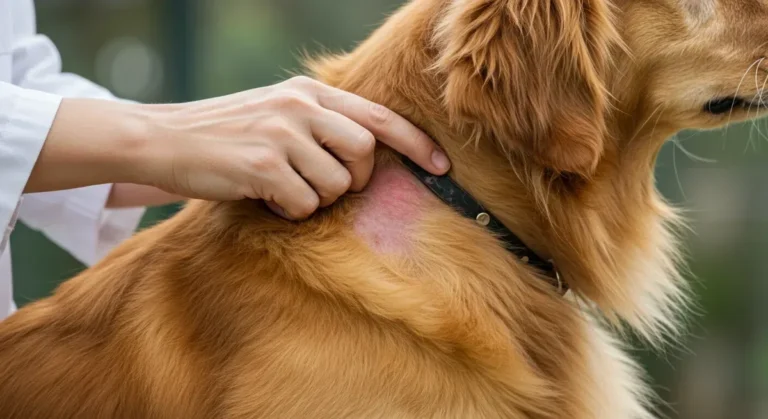
Itching is the headline symptom. If your dog is scratching, biting, or licking at the same spots over and over, that's the body's alarm bell.
Watch for these specific patterns:
- Red, inflamed skin between the toes and on the paws
- Hair loss on the flanks, tail base, or thighs
- Hot spots (acute moist dermatitis) that appear suddenly
- A dull coat or constant shedding above what's normal for the breed
- Thickened, darkened skin in chronic cases (often the groin or armpits)
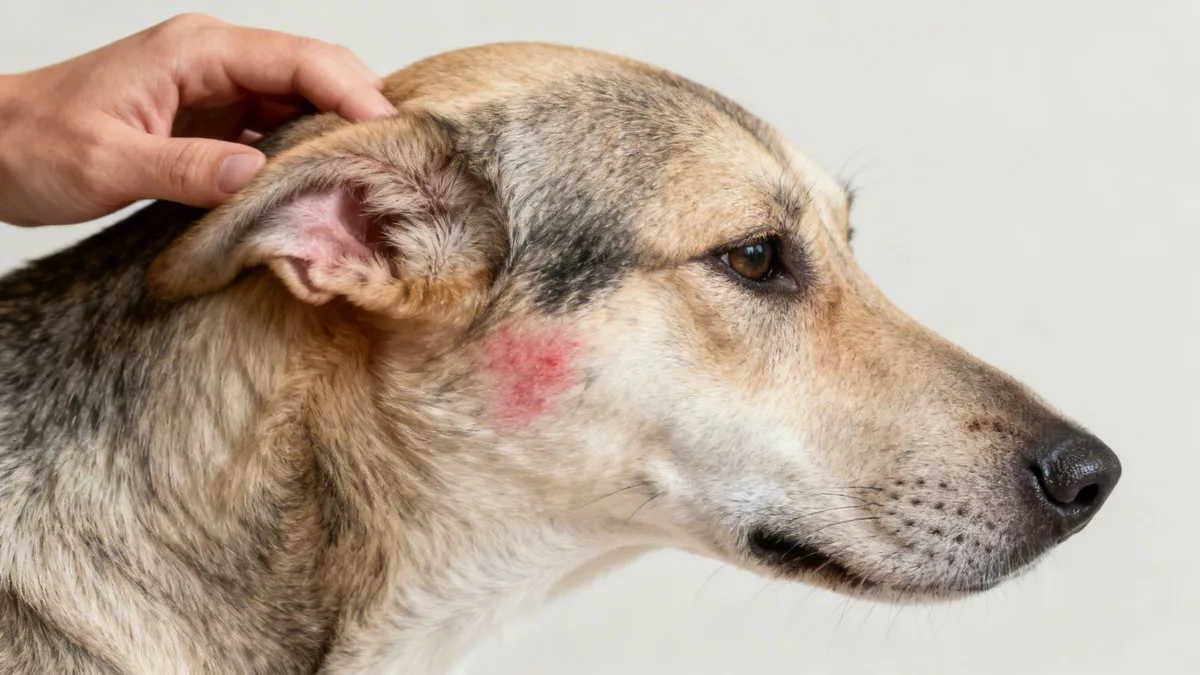
The Merck Veterinary Manual notes that allergic dogs often scratch at the ears, muzzle, paws, armpits, and groin. If the irritation lines up with those zones, allergies are a strong bet.
Ear and Paw Signs Most People Miss
Recurring ear infections are a classic allergy giveaway, especially in Labradors, Cocker Spaniels, and Basset Hounds. A dog that needs ear drops every few months usually isn't getting ear disease. They're getting allergic skin disease that shows up in the ears first.
Paw-licking is another one. Some dogs chew between their toes until the fur turns rust-brown from saliva staining. Owners assume it's a habit.
Often it's atopy or food allergy.
Digestive Symptoms vs. True Food Allergy
About 10, 20% of food-allergic dogs show digestive signs like loose stool, gas, or more frequent bowel movements. The rest show only skin symptoms.
A dog with year-round itching and chronic ear infections plus the occasional upset stomach is more likely food-allergic than a dog with seasonal itching and a normal coat. Per JAVMA-cited clinical data, food allergies account for roughly 10% of canine allergy cases, which is a smaller slice than most owners assume.
The Decision Tree: Figuring Out What Kind of Allergy Your Dog Has
This is where most articles hand you a list and call it a day. A decision tree is more useful because it follows your dog's actual situation instead of guessing in the dark.
Start Here: What Are You Actually Seeing?
Ask yourself three questions first:
- Is the itching worse in spring/summer or fall, or steady year-round?
- Is your dog on flea prevention, and is it working?
- Has anything changed in diet, treats, or environment in the last 3 months?
If the itching tracks the seasons, suspect atopy. If it's nonstop, suspect food or flea. If your dog isn't on a vet-approved flea preventive, assume flea allergy until proven otherwise.
Branch 1: Flea Allergy Dermatitis (The Most Common One)
Flea allergy doesn't require an infestation. One bite can keep a sensitive dog itching for two weeks. The giveaway location is the lower back, tail base, and rear thighs.
That's where fleas hang out, and it's where the allergic reaction concentrates.
As of 2026, the American Veterinary Medical Association still recommends year-round flea control for dogs in most U.S. climates, especially the Southeast and Gulf Coast where flea pressure is constant.
If fleas are the cause, you'll often see:
- "Flea dirt" (black pepper-like specks) on the skin or bedding
- Hair loss starting at the tail base
- Scabs and redness along the lower spine
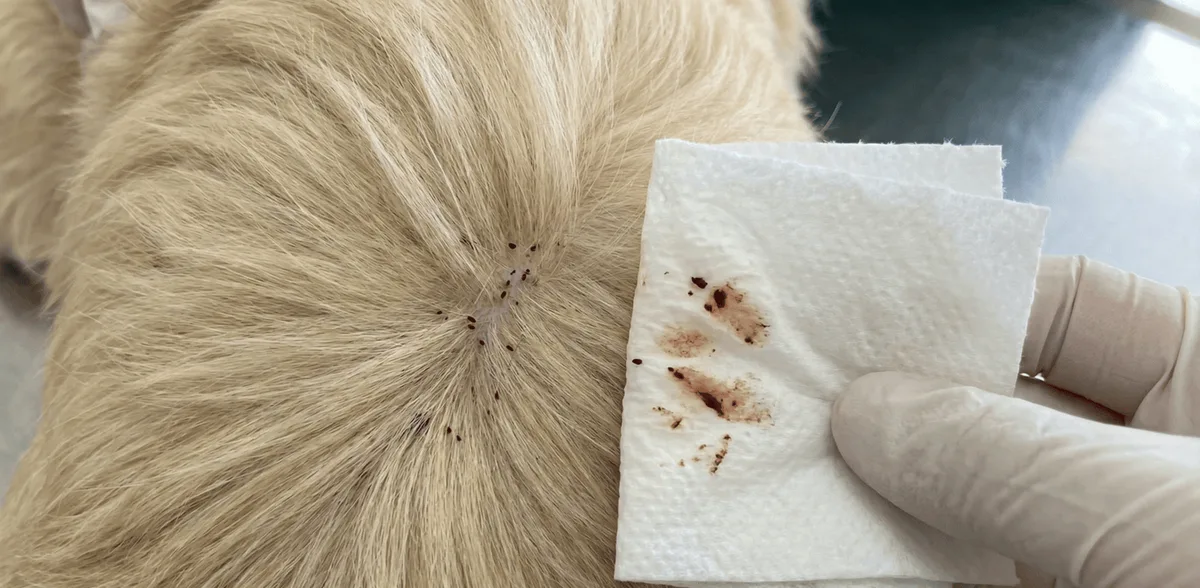
The fix is aggressive, vet-grade flea control on every pet in the household for at least 8, 12 weeks. OTC supermarket products often aren't strong enough for an allergic dog. If symptoms clear during that window, you've got your answer.
Branch 2: Environmental Allergies (Atopy)
Atopy is an inherited tendency to react to inhaled or skin-contact allergens like tree pollen, grass pollen, mold spores, and dust mites. It usually shows up between 6 months and 3 years and tends to get worse each year if untreated.
The classic signs are:
- Itchy paws, ears, groin, and armpits
- Symptoms flare in spring (trees) or fall (weeds, mold)
- Licking or chewing at the front paws
- Face rubbing on carpets or furniture
If the pattern matches the calendar, your vet will likely recommend either intradermal skin testing or a serum IgE blood test to pin down which allergens are triggering the reaction. More on those tests below.
Branch 3: Food Allergies
Food allergy is the one owners obsess over, but it's actually less common than atopy. Itching is year-round, doesn't follow the seasons, and often pairs with chronic ear infections or digestive upset.
True food allergy is a reaction to a specific protein, most commonly beef, chicken, dairy, or wheat. The only reliable diagnostic tool is an 8, 12 week elimination diet with a novel or hydrolyzed protein source, followed by a provocation challenge to confirm.
Blood tests for food allergy in dogs are widely available but poorly reliable per the latest peer-reviewed veterinary dermatology research. If your vet pushes a saliva or blood food panel, ask about the evidence behind it.
Branch 4: Contact Allergies
The rarest of the four. Contact allergies come from things that touch the skin directly: a new shampoo, lawn chemicals, rubber toys, plastic food bowls. The reaction is usually limited to the contact area (belly, chin, paws) and clears up when the trigger is removed.
Ruling Out the "Not-Allergy" Problems First
Mange, Ringworm, and Other Look-Alikes
This step matters more than most owners realize. Sarcoptic mange causes intense itching that mimics allergy almost perfectly. So does Cheyletiella ("walking dandruff").
Ringworm is fungal, not allergic, but it can look like a skin lesion at first glance.
If your dog starts itching suddenly, especially after contact with wildlife or other dogs, ask your vet for a skin scrape. It's quick, cheap, and rules out parasites before you spend months chasing an allergy diagnosis.
Why Secondary Infections Complicate Everything
Here's the trap. Allergic skin gets scratched open, bacteria and yeast move in, and suddenly the dog has both an allergy and a skin infection. Treating only the allergy won't fix the infection.
Treating only the infection won't fix the allergy.
A proper vet visit usually includes skin cytology to check for secondary bacterial pyoderma or Malassezia yeast. Studies cited in Veterinary Dermatology show that secondary infections affect roughly 60, 65% of chronically allergic dogs. Treating both at the same time is non-negotiable.
Step-by-Step: How Vets Actually Diagnose Dog Allergies
What Happens at the First Vet Visit
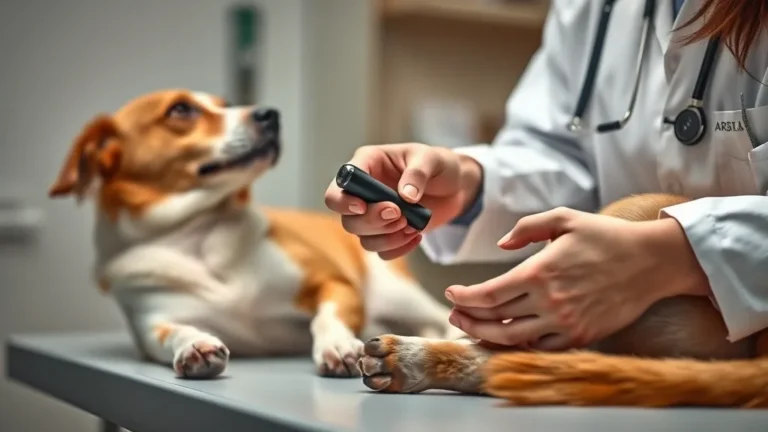
A good first appointment covers more than a quick peek. Expect your vet to take a detailed history: when the itching started, what season, what food, what flea preventive, what bedding, what walks look like. Bring photos and video if symptoms aren't flaring at the appointment.
Many owners forget that dogs often hide the worst scratching the moment they enter the clinic.
The vet will then run a few quick tests:
- Skin scrape to rule out mites
- Cytology to check for bacteria and yeast
- Flea comb to look for flea dirt
- Ear swab if there's discharge
This first visit is the foundation. Skip it, and every later treatment is built on guesswork.
The 8–12 Week Elimination Diet (Done Right)
If food allergy is on the table, the elimination diet is the gold standard. There's no shortcut. The dog eats only one novel or hydrolyzed protein source for a minimum of 8 weeks.
Some vets push it to 12. No treats, no table scraps, no flavored heartworm chews, no peanut butter Kongs. Nothing that could break the trial.
A hydrolyzed protein diet breaks the allergen into pieces too small for the immune system to recognize. A novel protein diet uses a source the dog has never eaten (rabbit, venison, kangaroo, duck).
Improvement at 8 weeks is suggestive but not conclusive. The next step is a provocation challenge: feed the old food back and watch for symptoms to return. If they do, you've confirmed the trigger.
If they don't, food allergy was probably never the issue.
Blood Testing vs. Intradermal Skin Testing
Once parasites and infections are ruled out, your vet may recommend allergy testing to identify environmental triggers. Two main options exist:
| Test | How It Works | Strengths | Limitations |
|---|---|---|---|
| Serum IgE Blood Test | Blood draw, lab measures antibodies | No sedation, easy to schedule | More false positives, less precise |
| Intradermal Skin Test | Small allergen injections into shaved skin | Considered the gold standard for atopy | Requires sedation, veterinary dermatologist |
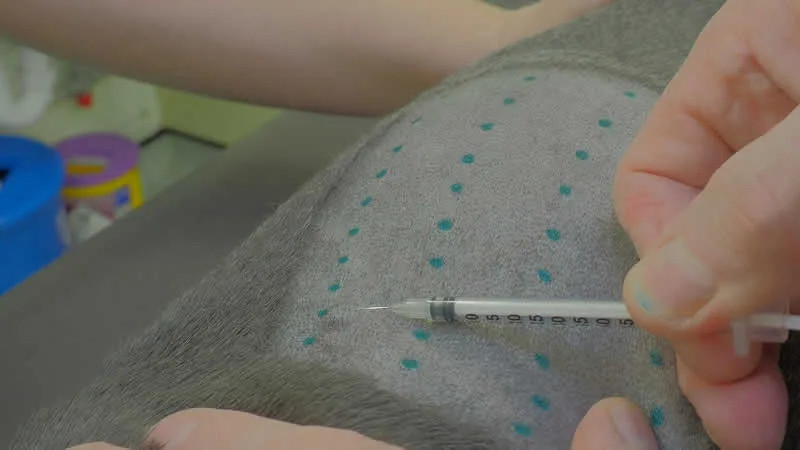
Intradermal testing is typically performed by a veterinary dermatologist. Aggregate clinical data suggests it offers better accuracy for identifying environmental allergens, though both tests have limitations. Neither is reliable for diagnosing food allergy, which is why the elimination diet remains the standard for that branch.
Treatment Options Compared: Apoquel, Cytopoint, Immunotherapy, and More
Once you know the type, treatment gets much more targeted. Here's how the main options stack up.
- Apoquel (oclacitinib): Daily oral tablet. Works within hours. Best for ongoing itch control in dogs 12 months and older. Per Zoetis specifications, it targets the JAK1 enzyme to interrupt the itch signal.
- Cytopoint (lokivetmab): Injection given at the vet every 4 to 8 weeks. Good for dogs that won't take pills. Works on a specific itch pathway.
- Atopica (cyclosporine): Daily oral. Effective but slower onset and more side effects than newer options.
- Allergen-specific immunotherapy: Custom serum or sublingual drops formulated from allergy test results. Per peer-reviewed studies, roughly 70, 80% of dogs improve with this approach over 6, 12 months. It's the only option that addresses the underlying cause rather than masking symptoms.
- Steroids (prednisone): Cheap and fast, but long-term use carries real risks including Cushing's-like side effects and immune suppression. Best as a short-term bridge, not a forever plan.
Best fit in plain English: Apoquel or Cytopoint for fast relief while you wait for diagnostics or immunotherapy to kick in. Immunotherapy for dogs whose owners want a long-term fix and can commit to the timeline.
Common Mistakes Owners Make (And Why They Delay Diagnosis)
Most allergic dogs spend months or years bouncing between failed fixes. The pattern is predictable.
- Stopping the elimination diet at week 3 because the dog is "still itchy." Itch takes weeks to settle once the trigger is removed.
- Trusting OTC antihistamines as a solution. Most don't work well in dogs, and dosing varies by active ingredient.
- Treating only the secondary infection. The infection clears, the dog scratches again, and everyone wonders why the antibiotics "didn't work."
- Skipping flea control because no fleas were seen. One bite is enough for a flea-allergic dog. Visual checks often miss early infestations.
- Switching foods every few weeks instead of running a proper trial. The result is a confused gut, no clear answer, and a frustrated owner.
- Using human allergy meds without vet guidance. Some are toxic to dogs, and dosing is weight-specific.
These patterns are why diagnosis takes an average of several months from first symptom to confirmed answer, based on aggregate veterinary case data. The system works when followed. It stalls when shortcuts replace it.
Costs, Timelines, and What to Expect
Knowing the rough numbers helps owners plan and avoid sticker shock at the second or third visit.
- Initial vet visit with diagnostics: $150, $300
- Intradermal skin testing: $200, $500
- 8, 12 week elimination diet: $100, $300 depending on food
- Apoquel: roughly $1, $3 per day based on dog size
- Cytopoint injection: $50, $100 per dose, every 4, 8 weeks
- Custom immunotherapy: $300, $500 initially, then monthly refills
Timelines matter too. Apoquel and Cytopoint work within hours to days. Immunotherapy takes 3, 6 months to show meaningful improvement.
Elimination diets need the full 8, 12 weeks before judging results.
If the budget is tight, prioritizing a flea trial and an elimination diet before jumping to allergy testing gives you the most diagnostic bang for the buck. Reserve advanced testing for dogs whose symptoms persist despite those steps.
When You Absolutely Need to See a Vet (Don't Wait)
Some symptoms mean the appointment can't wait. Watch for:
- Sudden facial swelling or hives (possible anaphylaxis)
- Open wounds, hot spots spreading fast, or foul-smelling skin
- Repeated vomiting or diarrhea alongside skin changes
- Ear pain, head tilt, or discharge from the ears
- Lethargy or refusal to eat alongside itching
Per AVMA guidance, anaphylactic reactions in dogs are rare but require emergency care. Don't wait it out.
For everything else, schedule a non-urgent vet visit within a week or two. The earlier the workup starts, the less chronic damage the skin takes.
Your Next Step: A Practical Checklist Before the Vet Visit
Walk into the appointment prepared and you'll save weeks of back-and-forth. Here's the checklist:
- Write down when symptoms started and how often they happen
- Note any seasonal pattern you can spot
- Bring the food bag, treat list, and flea preventive brand
- Take clear photos and short video of scratching, licking, or ear shaking
- List every shampoo, medication, or supplement the dog gets
- Mention any recent travel, boarding, or new environments
That single page of prep can shave a month off the diagnostic timeline. Vets work faster with good data.
Frequently Asked Questions
How long does it take to know if a dog has allergies?
Most cases take several weeks to confirm. Flea trials need 8, 12 weeks. Elimination diets need the same.
Allergy testing gives results within days, but treatment response can take months. Expect 2, 4 months from first vet visit to a clear diagnosis in most cases.
Can dog allergies go away on their own?
Sometimes environmental allergies improve with age or moving to a different climate, but they rarely disappear completely. Food allergies usually persist for life once a dog is sensitized. Flea allergy resolves as long as flea control stays consistent.
What is the most common allergy in dogs?
Flea allergy dermatitis is the most common, per the American College of Veterinary Dermatology. Environmental allergies (atopy) are a close second. Food allergy is the least common of the three major types.
Are certain dog breeds more likely to have allergies?
Yes. Bulldogs, Retrievers, Terriers, Setters, Boxers, and Basset Hounds are overrepresented in veterinary allergy caseloads. The predisposition is partly genetic, especially for atopy.
What's the difference between food allergy and food intolerance in dogs?
Food allergy is an immune system reaction, usually to a protein. It often shows up as skin and ear symptoms. Food intolerance is a digestive issue (like lactose intolerance) that causes GI upset but not itching.
They're managed very differently.
Can I give my dog Benadryl for allergies?
Talk to your vet first. Diphenhydramine is sometimes used in dogs, but dosing depends on weight and the formulation. Many OTC products contain additives that aren't safe for dogs.
Human meds should never be given without professional guidance.