How to help my dogs skin allergies: Best guide
If your dog won't stop scratching, biting, or licking, you're probably searching for how to help my dogs skin allergies right now, and you want answers that work tonight, not next month. Skin allergies in dogs are incredibly common, and they're also one of the most misdiagnosed problems we see. The scratching you think is "just dry skin" is often a real allergic disease that needs a real plan.
The good news: veterinary dermatology has come a long way. Peer-reviewed research in Veterinary Dermatology puts canine atopic dermatitis prevalence at roughly 10 to 15 percent of the dog population, and there are now treatments that target itch at the source instead of just masking it. As of 2026, the standard of care combines accurate diagnosis, targeted medication, and environmental control, and that's exactly what we'll walk through below.
Quick Answer
Dog skin allergies need three things to improve: a correct diagnosis, a treatment plan from your vet, and trigger control at home. Start with a vet visit to rule out infection and identify the allergy type. Apoquel, Cytopoint, or immunotherapy are the most effective medical options.
Flea control, bathing, and an elimination diet solve most remaining cases.
Why Accurate Dog Allergy Advice Actually Matters
Here's the hard truth: bad allergy advice can actually hurt your dog. We see cases every year where well-meaning owners tried coconut oil on an open bacterial infection, dosed their 15-pound terrier with adult Benadryl, or ran an "elimination diet" that still contained the culprit protein in flavored medications. Each of those choices cost the dog weeks of suffering.
That's why this article leans on what veterinary dermatologists actually recommend, not what trends on social media. The American College of Veterinary Dermatology and peer-reviewed work in Veterinary Dermatology form the backbone of evidence-based treatment, and we'll cite that standard throughout.
A second reason accuracy matters: dog allergies look alike but have very different fixes. Flea allergy dermatitis (FAD) responds to flea control. Food allergies respond to a strict elimination diet.
Environmental atopic dermatitis often needs prescription medication. Treating all three the same way is the most common mistake owners make, and it's why so many dogs stay itchy for years.
Finally, some "allergy" symptoms are actually something else entirely. Demodectic mange, hypothyroidism, autoimmune skin disease, and even certain cancers can mimic allergies. If you skip the vet and self-treat for the wrong condition, you can lose months of treatment time.
That's why step one is always: confirm what you're actually dealing with.
What Your Dog's Scratching Actually Means: Allergy Types Explained
There are really four categories of allergic skin disease in dogs, and figuring out which one your dog has is the whole game.
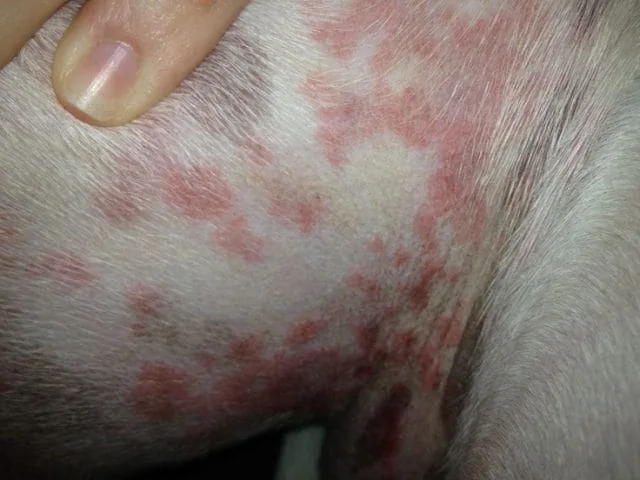
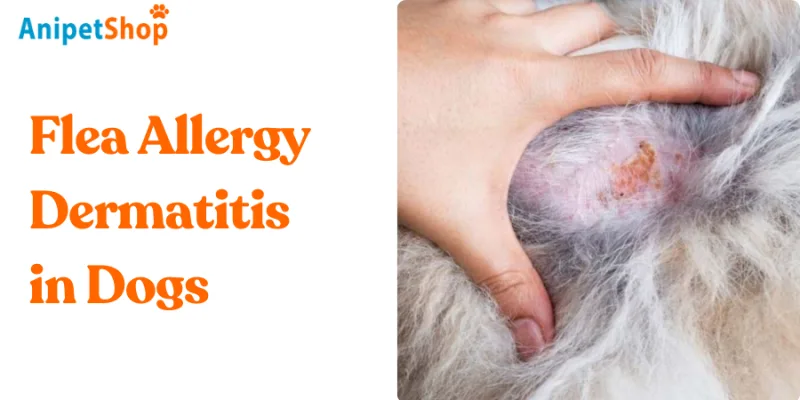
Flea allergy dermatitis (FAD) is the single most common. Even a single flea bite can trigger two weeks of intense itching in a sensitized dog. The giveaway is the location: scratching concentrated at the lower back, tail base, and rear thighs, often with hair loss over the rump.
We've seen owners spend thousands on Cytopoint before realizing the real issue was three fleas they missed.
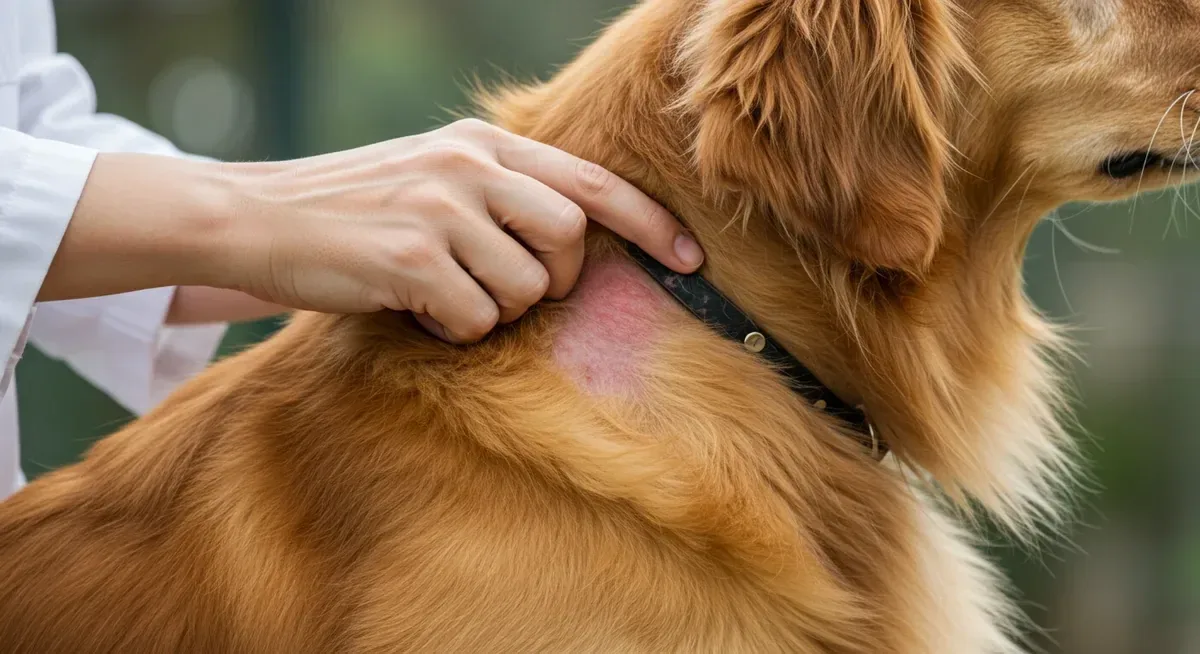
Environmental allergies (atopic dermatitis) come from pollens, dust mites, and mold. Breeds like Golden Retrievers, French Bulldogs, Labrador Retrievers, West Highland White Terriers, and German Shepherds are genetically predisposed. Atopic itch tends to focus on the paws, axillae (armpits), groin, ears, and face.
Many of these dogs start scratching between 6 months and 3 years of age.
Food allergies are actually less common than people think. True food hypersensitivity affects an estimated 1 to 2 percent of dogs. But when it's the cause, the fix is straightforward: a strict elimination diet for 8 to 12 weeks with a novel or hydrolyzed protein, and zero other food sources sneaking in (yes, that includes the flavored heartworm chew).
Contact allergies are the rarest. They happen when something physically touches the skin, like a new dog bed, a cleaning product, or grass. The reaction pattern usually matches the contact zone, often appearing on the belly or feet.
| Allergy Type | Common Age of Onset | Typical Lesion Locations | First-Line Fix |
|---|---|---|---|
| Flea allergy dermatitis | Any age | Lower back, tail base, hind legs | Strict flea control for all pets |
| Environmental (atopic) | 6 months to 3 years | Paws, armpits, groin, ears, face | Apoquel, Cytopoint, or immunotherapy |
| Food allergy | Often under 1 year | Ears, rear, paws, sometimes GI signs | 8 to 12 week elimination diet |
| Contact allergy | Any age | Belly, feet, contact zone | Remove the offending substance |
If you recognize your dog's pattern in that table, you're already ahead of most owners. The next step is getting a vet to confirm it before you commit to a treatment path.
Red Flags That Need a Vet Visit Before You Try Anything at Home
Before we get into treatments, let's talk about when "trying things at home" is a bad idea. Some symptoms mean your dog needs a vet, today.
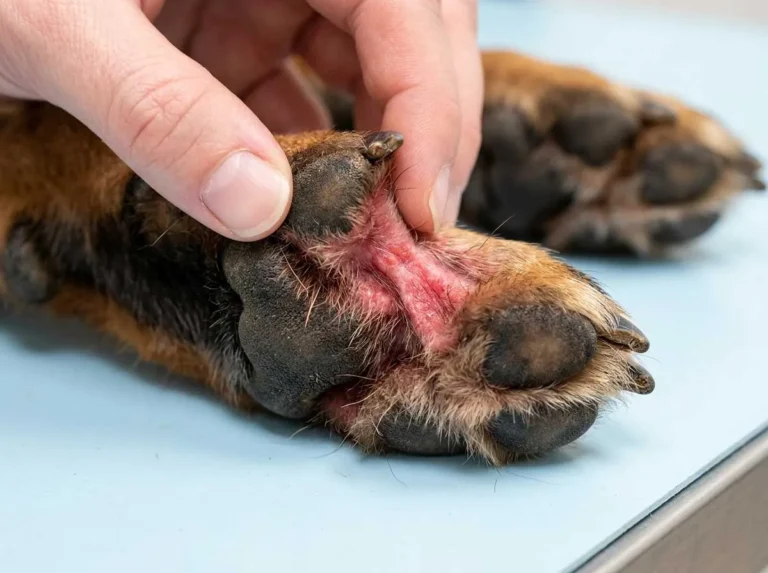
Yellow or green discharge, crusting, or a foul smell from the skin usually signals a secondary bacterial infection (pyoderma) or yeast overgrowth (Malassezia). These need prescription antibiotics or antifungals, not oatmeal baths.
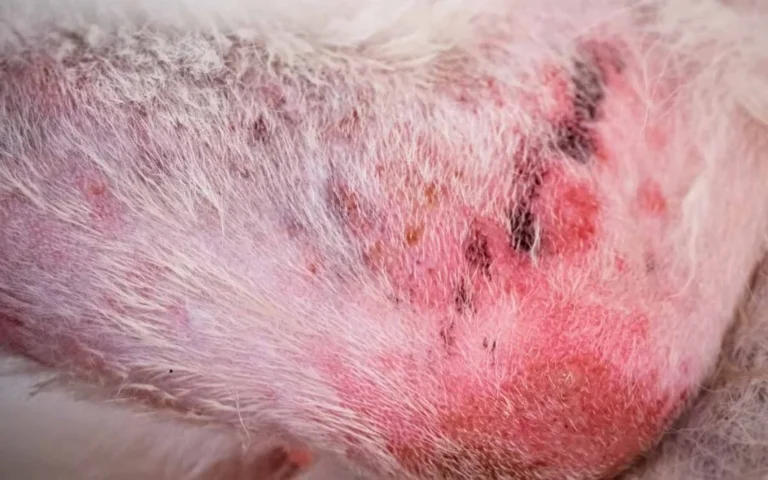
Hot spots (acute moist dermatitis) are raw, oozing, painful patches that can double in size overnight. They often need to be clipped, cleaned, and treated with topical steroids by a vet.
Hair loss in symmetrical patches, skin darkening (hyperpigmentation), or thickened elephant-like skin points to chronic disease that has been brewing longer than you think. Treating this at home with supplements won't reverse it.
Ear infections that keep coming back are a classic allergy marker. If your dog has had three or more ear infections in a year, the ears are allergic until proven otherwise.
Facial swelling, hives, or sudden vomiting after a new food, treat, or medication is a true allergic emergency. Head to the emergency vet.
Scratching so intense the dog breaks the skin is another sign of moderate to severe pruritus (the clinical term for itch). At that level, the dog is suffering, and over-the-counter antihistamines usually aren't strong enough.
If any of those match your dog, skip the home remedies for now. Get a diagnosis, then layer in the at-home support once you've got a treatment plan.
How Vets Diagnose Dog Skin Allergies (And What Tests Actually Help)
Diagnosis is where most dog owners get stuck. They want a single test that says "this is the allergy and here's the fix." It doesn't quite work that way, but it's closer than you'd think.
The first thing your vet does is a physical exam and basic workup. They'll check the pattern of lesions, look in the ears, and often run a few quick tests right in the room:
- Skin cytology (a tape impression or scrape looked at under the microscope) to spot bacteria and yeast
- Skin scraping to rule out mites like Sarcoptes or Demodex
- Flea combing to look for flea dirt
- Ear cytology if the ears are involved
Those tests alone can rule in or out most of the look-alikes. If the cytology shows cocci (round bacteria), your dog has a secondary infection, and that needs treating before any allergy plan will work. We've watched countless dogs "fail" Apoquel when the real problem was an untreated infection on top of the allergy.
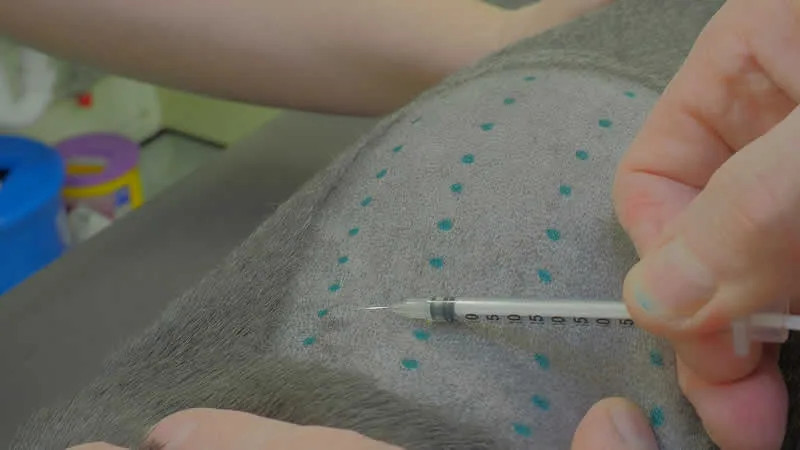
For environmental allergies, two main allergy tests exist:
- Intradermal skin testing (the gold standard) involves injecting small amounts of allergens into the skin, usually on a shaved patch on the dog's side. It's done by a veterinary dermatologist, sometimes under sedation, and it shows immediate reactions. According to ACVD guidance, intradermal testing is the most accurate way to identify environmental triggers and build an immunotherapy serum.
- Serum IgE blood testing is easier to access (your regular vet can run it), but it produces more false positives. It's a reasonable starting point, especially when a dermatologist isn't nearby.
For food allergies, there's no reliable blood or skin test. The only real diagnostic is an 8 to 12 week elimination diet followed by a controlled challenge. We'll cover that in detail later.
Here's a quick comparison:
| Diagnostic Method | What It Detects | Pros | Limitations |
|---|---|---|---|
| Skin cytology | Bacteria, yeast | Fast, in-clinic, inexpensive | Doesn't identify allergy triggers |
| Skin scraping | Mites | Rules out mange look-alikes | Can miss low-mite burdens |
| Intradermal testing | Environmental allergens | Gold standard accuracy | Needs a dermatologist, sedation sometimes |
| Serum IgE testing | Environmental allergens | Available at general vets | Higher false-positive rate |
| Elimination diet | Food allergens | Only reliable food test | Takes 8 to 12 weeks of strict compliance |
Once you have a working diagnosis, the treatment plan gets a lot more focused, and a lot more effective.
Treatment Options for Dog Skin Allergies: What Works and What Doesn't
Now we're at the part most owners actually want: what to do about it. Modern veterinary dermatology has three prescription workhorses for itch, plus a handful of supporting tools. Let's go through them in order of how often they're used.
Apoquel, Cytopoint, and Atopica: How They Compare
Apoquel (oclacitinib) is the daily tablet most owners have heard of. It blocks Janus kinase enzymes involved in itch signaling. In clinical trials, Apoquel reduced pruritus scores by roughly 50 percent within the first day of treatment.
Dogs under 12 months shouldn't use it, and it needs to be avoided during serious active infections.
- Best for: Dogs needing fast itch relief that owners can give as a daily pill
- Onset: Within 4 hours of the first dose
- Average cost as of 2026: $80 to $150 per month depending on dog size
- Watch for: Occasional digestive upset, rare lab work changes over time
Cytopoint (lokivetmab) is an injectable monoclonal antibody given at the vet clinic every 4 to 8 weeks. It binds interleukin-31, the specific cytokine that drives itch in dogs. Because it's a biologic, not a broad immunosuppressant, it has fewer systemic side effects.
- Best for: Owners who can't pill a dog daily, dogs with multiple health issues, needle-tolerant patients
- Onset: 24 to 48 hours, peaks around day 7
- Average cost as of 2026: $60 to $100 per injection
- Watch for: Rare injection-site reactions, occasional short-term lethargy
Atopica (cyclosporine) is the original heavy-hitter and still useful in severe or refractory cases. It modifies the immune response but takes 4 to 8 weeks to reach full effect. It's typically used when Apoquel or Cytopoint aren't enough, or as a steroid-sparing agent for long-term management.
- Best for: Severe or non-responsive atopic dermatitis, dogs who failed other options
- Onset: 4 to 8 weeks
- Average cost as of 2026: $100 to $200 per month
- Watch for: GI upset, gum overgrowth, immune suppression at high doses
| Medication | Form | Onset | Average Monthly Cost | Best Fit |
|---|---|---|---|---|
| Apoquel | Daily pill | 4 hours | $80 to $150 | Most atopic dogs, fast relief |
| Cytopoint | Injection (4–8 weeks) | 24–48 hours | $60 to $100 per shot | Pilling-resistant dogs, multi-issue patients |
| Atopica | Daily capsule | 4–8 weeks | $100 to $200 | Severe or refractory cases |
These three often get framed as competitors, but in practice they complement each other. Many dermatologists start with Cytopoint for fast relief, then transition to Apoquel for daily maintenance, or layer in Atopica for breakthrough flares.
Antihistamines for Dogs: When They Help and When They're a Waste
Here's the honest take: antihistamines are mildly helpful in about 20 to 30 percent of allergic dogs. They're cheap and safe for long-term use, but they don't touch severe itch on their own. The American College of Veterinary Dermatology positions them as adjunctive therapy, not a primary fix.
Two practical rules for using them:
- Stick to dog-safe options. Diphenhydramine (Benadryl), cetirizine (Zyrtec), and loratadine (Claritin) are the most commonly recommended. Always check that the formulation doesn't contain xylitol, which is toxic to dogs.
- Get the dose from your vet. A 10-pound dog and a 90-pound dog need very different amounts, and human dosing on the box doesn't apply.
If your dog's itch drops by half on an antihistamine alone, that's a win. If they scratch through it, you'll need a stronger plan.
Allergy Shots (Immunotherapy): The Long Game That Pays Off
Allergen-specific immunotherapy (ASIT) is the only treatment that actually changes the immune system's response to allergens over time. It's based on the same allergy test results we discussed earlier.
The process:
- Your dermatologist identifies which environmental allergens your dog reacts to.
- A custom serum is mixed for those specific triggers.
- You give injections at home (or at the clinic) on a gradually increasing schedule, starting every few days and stretching to monthly.
- Improvement typically shows up in 3 to 6 months, with full effect at 9 to 12.
Aggregate reviews in Veterinary Dermatology put success rates at 60 to 80 percent improvement in clinical signs, and roughly half of those dogs can eventually taper off other medications entirely. It's a commitment, but it's the closest thing to a cure we have for atopic dermatitis.
Elimination Diets for Dog Food Allergies: Doing It Right
If food allergy is on the table, the elimination diet is the gold standard test and the treatment at the same time. There's no shortcut here: an 8 to 12 week trial of a strict novel or hydrolyzed protein diet, with nothing else going in the mouth.
Step-by-step:
- Pick the diet. A hydrolyzed protein diet (where the protein is broken down too small for the immune system to recognize) is the most reliable. Royal Canin, Hill's, and Purina all make veterinary lines.
- Clear the kitchen. No treats, no table scraps, no flavored heartworm preventives, no dental chews, no peanut butter Kongs. Anything with the old protein has to go.
- Tell everyone in the house. Family members, guests, dog walkers. One accidental treat ruins the trial.
- Run the full 8 to 12 weeks. Most food-allergic dogs improve in 4 to 6 weeks, but some take the full 12.
- Challenge one ingredient at a time. Once the dog is itch-free, reintroduce a single original protein (chicken, for example) for two weeks. If the itch returns, that's a confirmed chicken allergy. Move to the next protein and repeat.
The single biggest mistake we see? Owners using a "grain-free" or "limited ingredient" commercial food as the trial diet. Most of these still contain chicken fat or fish oil that defeats the purpose.
Stick with a true veterinary hydrolyzed diet for the duration.
Bathing Routines and Medicated Shampoos That Actually Calm Skin
Bathing is the most underrated tool in the allergy toolkit. It physically removes allergens from the coat, reduces yeast and bacterial load, and soothes inflamed skin. But the wrong shampoo or wrong technique wastes the effort.
A solid routine during a flare:
- Frequency: 2 to 3 times per week during active flares, then weekly for maintenance
- Contact time: 10 to 15 minutes after lathering. Most owners rinse too fast. Set a timer.
- Water temperature: Lukewarm, never hot. Hot water amplifies itch.
- Best active ingredients: Chlorhexidine (for bacterial overgrowth), miconazole (for yeast), oatmeal or pramoxine (for general soothing)
For routine maintenance between flare-ups, a plain oatmeal-based shampoo works fine. For flares with a smell or sticky discharge, switch to a 2 percent chlorhexidine + 2 percent miconazole combination shampoo. If you can run your fingers through the coat and come away with yellow residue, that dog needs an antibacterial wash, not conditioner.
Flea Allergy Dermatitis: The Most Common Allergy Most Owners Miss
We keep coming back to FAD because it deserves it. Flea allergy dermatitis is the most common allergic skin disease in dogs, and it's also the most underdiagnosed, especially in households where owners "never see fleas." Adult fleas only spend about 10 percent of their life on the dog. The rest of the time, they're eggs, larvae, and pupae in the carpet, bedding, and furniture.
If your vet suspects FAD, here's the actual fix:
- Treat every pet in the home. Cats count, even if they're not scratching.
- Use a fast-acting adulticide. Oral options like spinosad (Comfortis) or afoxolaner (NexGard) kill fleas before they have time to bite long.
- Treat the environment. Wash all bedding in hot water, vacuum thoroughly, and consider an environmental spray like an insect growth regulator for the carpet.
- Stay strict for 12 weeks. It takes the full life cycle of the flea population to break the cycle. Skipping doses for even two weeks can restart the problem.
The pattern of FAD lesions is distinctive: hair loss and redness over the lower back, tail base, belly, and inner thighs. If your dog scratches in those spots and nothing else has worked, FAD is the first thing to revisit, no matter how sure you are that your dog doesn't have fleas.
Environmental Triggers You Can Actually Control at Home
You can't sterilize the air, but you can cut the allergen load. These are the changes with actual evidence behind them.
- HEPA air purifiers in the rooms your dog sleeps in reduce airborne pollen and dust
- Frequent vacuuming with a sealed HEPA vacuum cuts dust mite antigen
- Wiping paws and belly after outdoor walks removes pollen before it spreads through the house
- Hot washing bedding every 1 to 2 weeks kills dust mites
- Keeping grass cut short in the yard limits seed and pollen contact
- Indoor humidity below 50 percent discourages dust mites and mold
None of these replace medication for moderate to severe atopic dogs, but they reduce the breakthrough flares that happen between doses. We've seen dogs go from Cytopoint every 4 weeks to every 8 weeks once their environment is dialed in.
Omega-3s, Supplements, and "Natural" Remedies: What's Got Evidence
Let's separate the supplement aisle from the hype.
Has evidence:
- Omega-3 fatty acids (EPA and DHA) at 50 to 75 mg/kg daily reduce inflammatory skin response. Studies in Veterinary Dermatology show modest but real improvement in coat quality and itch scores after 8 to 12 weeks.
- Allergen-specific immunotherapy (covered above)
Mixed evidence:
- Coconut oil applied topically can soothe dry skin but can also clog pores and worsen yeast. Use sparingly.
- Quercetin is a natural antihistamine sold for dogs, with limited clinical data
Skip:
- Essential oils (tea tree, lavender, eucalyptus). Many are toxic to dogs, especially when absorbed through scratched skin or licked off.
- Apple cider vinegar rinses. They can burn inflamed skin and don't address the underlying allergy.
- CBD oil for allergies. Anecdotal reports exist, but no peer-reviewed canine trials show consistent itch reduction.
The bottom line: omega-3s are worth adding to any allergy plan because they're safe and they help a little. Everything else marketed as a "natural cure" deserves skepticism.
Mistakes That Make Dog Skin Allergies Worse
We've covered the diagnosis, treatments, and home support. Now the traps. These are the patterns that keep dogs itchy for years.
- Treating itch without checking for infection. Bacteria and yeast need targeted medication, not just Apoquel.
- Stopping flea prevention because "we don't have fleas." FAD is diagnosed by response to flea control, not by sight of fleas.
- Short elimination diets. Five weeks isn't enough. Eight to twelve is the minimum.
- Giving human medications without checking with the vet. Xylitol in some chewable tablets is toxic.
- Using essential oils "because they're natural." Tea tree oil in particular is well-documented as toxic to dogs.
- Skipping follow-ups. Allergy management is ongoing. Dogs that look great in spring may need a plan adjustment for fall allergens.
If you've been stuck in any of these patterns, don't beat yourself up. They're common. Now you've got the right framework.
What Dog Skin Allergies Really Cost (And How to Budget Smart)
Allergy treatment gets expensive fast, especially when infections keep recurring. Here's a realistic cost picture for the first year.
| Item | Typical Cost (as of 2026) | Frequency |
|---|---|---|
| Vet exam + cytology | $80 to $200 | Per visit |
| Apoquel | $80 to $150/month | Daily |
| Cytopoint injection | $60 to $100 per shot | Every 4–8 weeks |
| Atopica | $100 to $200/month | Daily |
| Intradermal skin testing | $250 to $500 | Once |
| Custom immunotherapy serum | $300 to $500 initial, then $50 to $100/refill | Monthly after start |
| Elimination diet (hydrolyzed) | $60 to $100/month | 3+ months |
| Medicated shampoo | $20 to $40/bottle | Monthly during flares |
A rough first-year total for an atopic dog on Apoquel with two infections: $1,500 to $2,500. Immunotherapy adds upfront but cuts long-term medication costs once it takes hold. Pet insurance that covers pre-existing conditions is rare, but many plans will cover allergy care if the dog is enrolled before symptoms start.
The best cost-control move is accurate diagnosis. Spending $200 on the right tests now saves $2,000 on the wrong treatments later.
Your Step-by-Step Action Plan to Help Your Dog's Skin Allergies
If you've read this far, you've got the knowledge. Here's how to actually use it this week.
- Photograph the lesions. Take clear shots of the worst spots. Patterns matter for diagnosis, and they're easier to track with photos than memory.
- Check for fleas. Comb your dog over a white towel and look for black specks that turn red when wet. That's flea dirt, and FAD is on the table.
- Book a vet visit. Bring the photos and a timeline: when the scratching started, what you've tried, how often it happens.
- Ask for cytology. Bacterial and yeast infections need to be ruled out or treated before any itch plan works.
- Start the strict stuff. Implement strict flea control for every pet in the home, even if you "never see fleas."
- Run the elimination diet if food allergy is suspected. Pick a hydrolyzed protein, clear flavored meds and treats, and commit to 12 weeks.
- Set up the bath routine. Two to three times weekly during a flare, 10 to 15 minute contact time, lukewarm water, medicated shampoo if there's infection.
- Reduce environmental load. HEPA filter, frequent vacuuming, paw wipes after walks, hot-washed bedding.
- Reassess in 4 to 8 weeks. If your dog isn't noticeably better, ask your vet about Apoquel, Cytopoint, or a referral to a dermatologist for intradermal testing.
That sequence is the playbook. Work through it in order, and most dogs see real improvement within a month.
Long-Term Management: Keeping Allergies in Check for Years
Allergies don't end at the first clear skin check. They're a chronic condition that comes in waves, often worse in spring and fall, often quieter in winter, and frequently worse again the next year.
The long game looks like this: keep the dog on the lowest effective dose of medication that controls symptoms. Recheck skin cytology once or twice a year, even when things look good. Adjust the bath frequency by season.
Renew the flea prevention without gaps, ever. And revisit the environmental triggers each year as the dog ages and the home changes.
We've seen well-managed atopic dogs go years between flare-ups once the routine is in place. The dogs that don't do well are the ones whose owners stop the plan the moment the itching stops.
Working With a Veterinary Dermatologist (And When It's Worth It)
Any general vet can start an allergy workup. A board-certified veterinary dermatologist is worth the referral when:
- The dog hasn't responded to Apoquel or Cytopoint within 8 to 12 weeks
- Secondary infections keep returning (more than three in a year)
- You're considering immunotherapy and want intradermal testing
- The dog needs long-term Atopica or steroids and you want to minimize side effects
Your regular vet can find a diplomate through the American College of Veterinary Dermatology directory. A first dermatology visit runs $200 to $400, but it often saves years of trial and error.
When Allergies Aren't Actually Allergies: Look-Alike Diseases
A small but important number of dogs with "untreatable allergies" don't have allergies at all. The look-alikes that fool owners and general vets include:
- Demodectic mange: Patchy hair loss, often on the face and paws. Confirmed by skin scraping.
- Sarcoptic mange: Intense itching, sometimes with crusting. Treatable but contagious.
- Hypothyroidism: Hair loss, weight gain, lethargy. Confirmed with a thyroid blood panel.
- Cushing's disease: Thinning skin, pot-bellied appearance, recurrent infections. Confirmed with specific endocrine testing.
- Autoimmune skin disease (pemphigus): Crusts and ulcers, often around the face and nail beds.
If your dog's skin hasn't responded to a well-executed allergy plan, ask your vet to revisit the original diagnosis. A second look beats another round of the same treatment.
Traveling and Boarding With an Allergic Dog
Boarding facilities, dog sitters, and hotels all need a heads-up about your dog's allergy plan. Pack a printed sheet listing medications, doses, and frequency. Bring two to three days of extra meds in case of travel delays.
Show your sitter how to spot a flare: red paws, ear scratching, hot spots.
For dogs on Cytopoint, schedule the injection as close to travel as possible. For Apoquel dogs, never assume the sitter will remember daily pills. Use a labeled weekly pill organizer.
Seasonal Allergy Patterns and How to Adjust
Pollen counts spike in spring (tree pollen) and fall (ragweed, mold). Many atopic dogs worsen predictably in those windows. Ask your vet about pre-seasonal medication boosts.
A short course of Apoquel or a Cytopoint injection two weeks before pollen season often prevents the worst flare.
Winter isn't always calm. Indoor dust mites and forced-air heating can keep allergic dogs itching year-round, which is why consistent environmental control matters even when symptoms ease outside.
Building Your Allergy Support Kit at Home
Once your dog is stable, a few well-chosen supplies make flare management faster.
- Medicated shampoo (chlorhexidine + miconazole) for flares with smell or stickiness
- Oatmeal shampoo for routine maintenance
- Paw wipes for after walks
- Omega-3 fish oil at the labeled dose for your dog's weight
- An Elizabethan collar for hot spots or post-scratching wounds
- A flea comb to spot-check flea dirt between preventives
- Calendar reminders for med refills, Cytopoint appointments, and bath days
That kit costs around $100 to start and replaces the $300 worth of things most owners try before getting a real plan.
Frequently Asked Questions
How long does it take for dog skin allergies to improve?
Most dogs on Apoquel or Cytopoint show meaningful improvement within the first week. Elimination diets take 8 to 12 weeks to confirm a food allergy response. Immunotherapy can take 3 to 6 months to show full effect.
Secondary infections often clear within 2 to 4 weeks of appropriate medication.
Can I give my dog Benadryl for skin allergies?
Benadryl (diphenhydramine) is generally safe for dogs at the correct dose, but it only helps roughly 20 to 30 percent of allergic dogs and rarely controls severe itch on its own. Always confirm the dose with your vet and check that the product contains no xylitol, which is toxic to dogs.
What does a dog food allergy rash look like?
Food allergy in dogs often shows up as recurrent ear infections, anal gland issues, and itching concentrated around the ears, paws, and rear end. Skin may be red, thickened, or hyperpigmented in chronic cases. Food allergy rarely causes the sudden facial swelling that people associate with severe allergic reactions.
Are skin allergies in dogs curable?
Environmental atopic dermatitis isn't curable, but it is highly manageable. With immunotherapy, 60 to 80 percent of dogs achieve long-term control and many can taper off other medications. Flea allergy is "curable" in the sense that strict flea control prevents all flares.
Food allergy is managed lifelong by avoiding the trigger ingredient.
When should I take my dog to the emergency vet for skin allergies?
Go to the emergency vet if your dog has sudden facial swelling, hives, vomiting, or collapse after a new food, treat, or medication. These can be signs of anaphylaxis. Also head in immediately for severe hot spots with rapid spread, or any skin lesion that is bleeding uncontrollably.
What's the best dog food for skin allergies?
There isn't one universal best food. The right answer is a veterinary hydrolyzed protein diet (such as Royal Canin HP, Hill's z/d, or Purina HA) run as a strict elimination trial for 8 to 12 weeks. Over-the-counter "limited ingredient" foods are not reliable for true food allergy trials because most still contain trace proteins that defeat the test.