How to treat flea allergy dermatitis in dogs: Easy guide
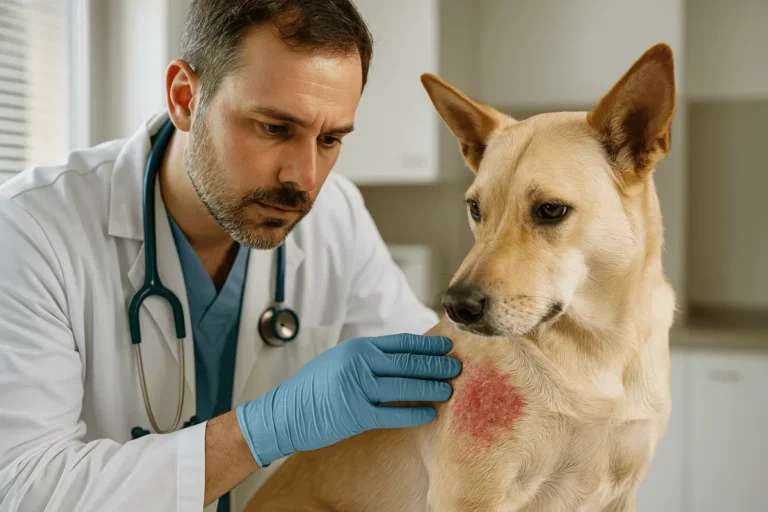
If your dog won't stop scratching, chews at the base of the tail, and has patches of red, angry skin, you're probably searching how to treat flea allergy dermatitis in dogs the way thousands of owners do every week. The frustrating part? You might not even see a single flea, yet the skin looks terrible.
That's classic flea allergy dermatitis (FAD), and it's the most common allergic skin disease in dogs. The good news: it's also one of the most treatable once you understand what's actually happening under the fur.
FAD isn't caused by fleas crawling on your dog. It's caused by proteins in flea saliva. When even one flea bites, an allergic dog has a massive immune overreaction.
Per current veterinary dermatology research, FAD accounts for roughly 50% of allergic skin disease cases seen in flea-endemic regions as of 2026. That single fact is why aggressive flea control fixes the problem when nothing else seems to help, and it's exactly where we'll start.
Quick Answer
Flea allergy dermatitis in dogs is treated by killing every flea on every pet in the home, treating the environment to break the flea life cycle, healing damaged skin, and preventing re-infestation with year-round parasite control. Most dogs show visible improvement in 2 to 4 weeks once fleas are fully eliminated.
Why Flea Allergy Dermatitis Is More Than Just "Fleas"
Here's the thing most owners miss: flea allergy dermatitis is an immune system problem triggered by fleas, not a flea infestation problem. A normal dog can carry a few fleas and barely itch. An allergic dog gets bitten once and starts a full-body itch cycle that can last days.
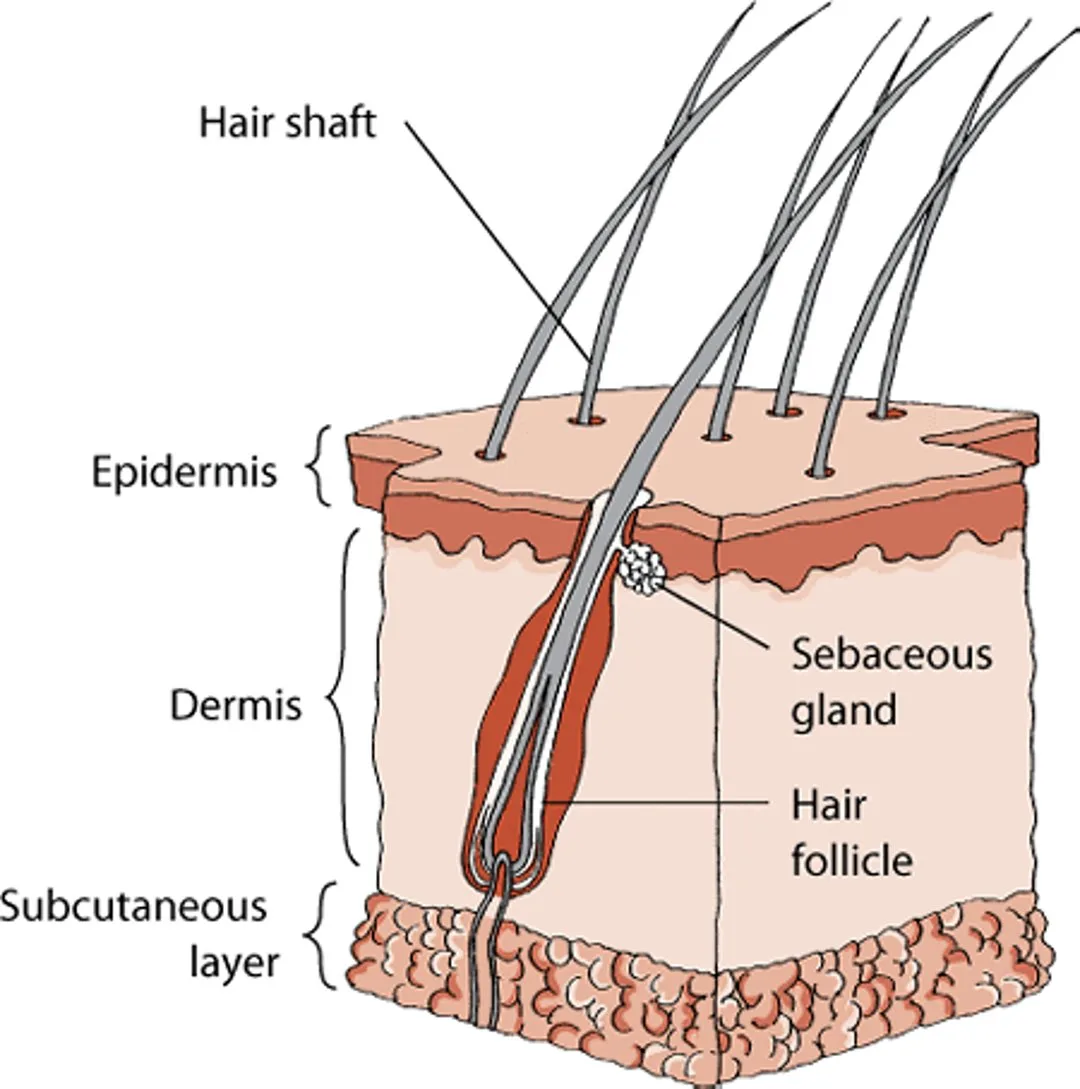
When a flea feeds, it injects saliva into the skin. That saliva contains at least 15 known allergens, with Cte f 1 being the dominant one. In a sensitive dog, the immune system treats these proteins like a serious threat and floods the area with inflammatory cells.
The result isn't just a tiny bite, it's weeks of itching, hair loss, and broken skin.
That overreaction is what makes FAD feel so relentless. Even after the flea is gone, the itch often lingers. And because one flea can cause this much chaos, you don't need a visible infestation to have a serious problem.
Some allergic dogs react to fewer than 10 fleas over an entire season.
This is also why treating FAD requires more than a flea bath. You have to remove the trigger (fleas), repair the damage (skin), and prevent the next bite (prevention). Skip any one of those and the cycle continues.
How to Tell It's Really FAD (Not Just a Scratchy Dog)
The first step in any flea allergy treatment plan is confirming the diagnosis. FAD shares symptoms with several other skin conditions, including food allergies, environmental allergies (atopy), and sarcoptic mange. Treating the wrong condition wastes time and lets the real problem get worse.
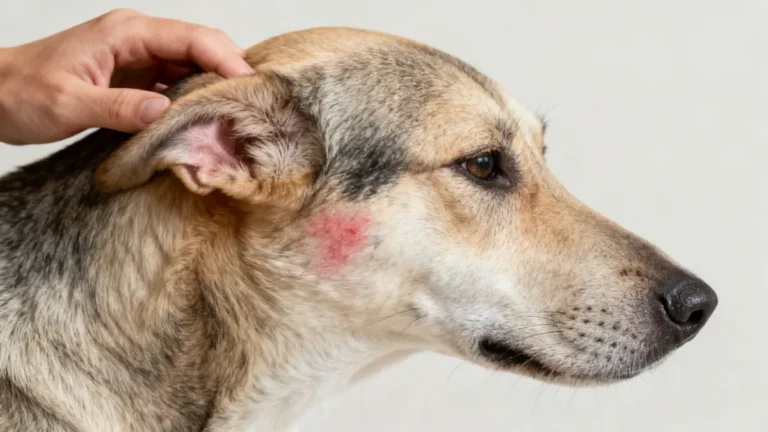
The classic distribution pattern is your biggest clue. FAD lesions show up in specific zones:
- Lower back near the tail base (dorsal lumbosacral area)
- Back of the thighs
- Groin and lower abdomen
- Flanks and sides of the neck
If your dog is chewing mainly at the paws, armpits, or face, you're likely looking at atopic dermatitis instead. That's a meaningful difference because the treatment plan changes.
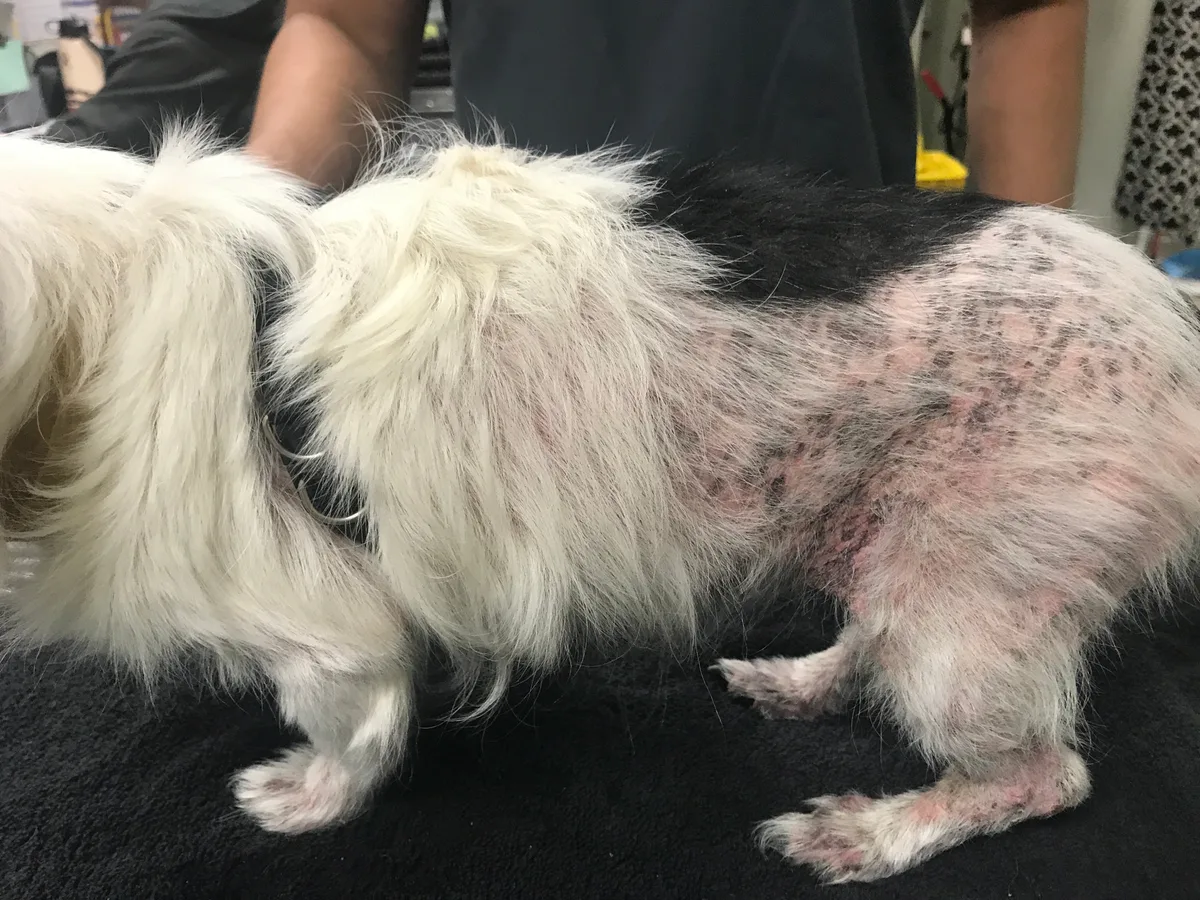
You'll also want to look for these secondary changes:
- Hair loss (alopecia) from constant licking or chewing
- Red, inflamed skin (erythema)
- Crusty or scabby patches
- Thickened, darkened skin (lichenification) in chronic cases
- Hot spots from acute scratching episodes
Flea combing is the simplest diagnostic tool. Run a fine-tooth flea comb through your dog's coat, paying special attention to the lower back and tail base. Fleas are fast, so look for "flea dirt" instead.
That's digested blood that looks like black pepper on the comb or skin. Place the debris on a white paper towel, add a drop of water, and if it turns reddish-brown, you've got flea evidence.
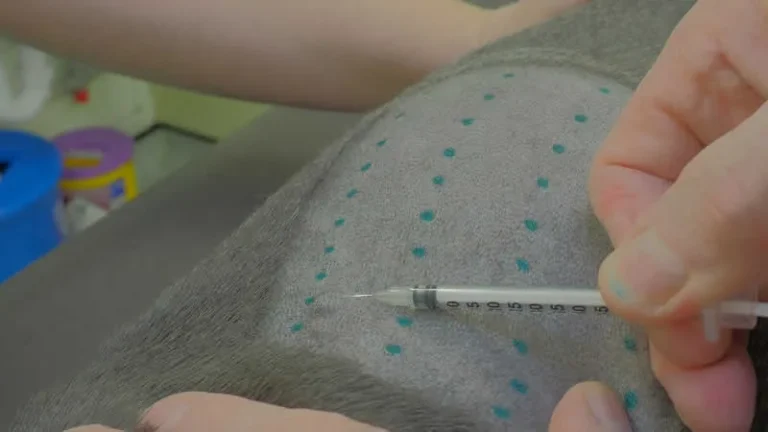
For a more definitive diagnosis, your vet can run an intradermal skin test with flea antigen. Research shows positive results in 80%+ of true FAD cases. It's worth doing if your dog isn't responding to standard treatment.
The Treatment Plan: Step-by-Step From a Vet's Playbook
Treating flea allergy dermatitis works best as a layered plan, not a single product. Here's how vets approach it in practice.
Step 1: Confirm Fleas Are the Trigger
Before you spend money on treatments, verify that fleas are actually involved. A flea comb, visual inspection, and your vet's intradermal skin test are your three best tools.
Don't be fooled by the absence of fleas. Adult fleas only spend about 10% of their life on your dog. The rest of the time, they're in your carpet, bedding, and yard.
By the time you see one on your dog, the population is already well-established in your home.
Step 2: Kill Fleas on Every Pet in the House
This step is non-negotiable. Treating only the itchy dog leaves the other pets as flea reservoirs, and the cycle continues.
The most effective modern options belong to the isoxazoline class:
| Product Type | Active Ingredients | Duration | Best For |
|---|---|---|---|
| Oral chews | Fluralaner, afoxolaner, lotilaner, sarolaner | 8-12 weeks per dose | Dogs that swim or bathe frequently |
| Topical spot-ons | Fipronil, imidacloprid, selamectin | 4 weeks per dose | Multi-pet homes, owners who struggle with pills |
| Fast-acting tablets | Nitenpyram | 24-48 hours | Quick knockdown during an active outbreak |
In our research, oral isoxazolines consistently show the fastest pruritus relief, often within 24-48 hours. They also avoid the residue concerns of topical products in homes with small children.
One critical safety note: never use cat flea products on dogs, and never use dog products labeled for a larger weight class on smaller dogs. The dosing is species-specific and weight-specific for a reason.
Step 3: Treat Your Home and Yard
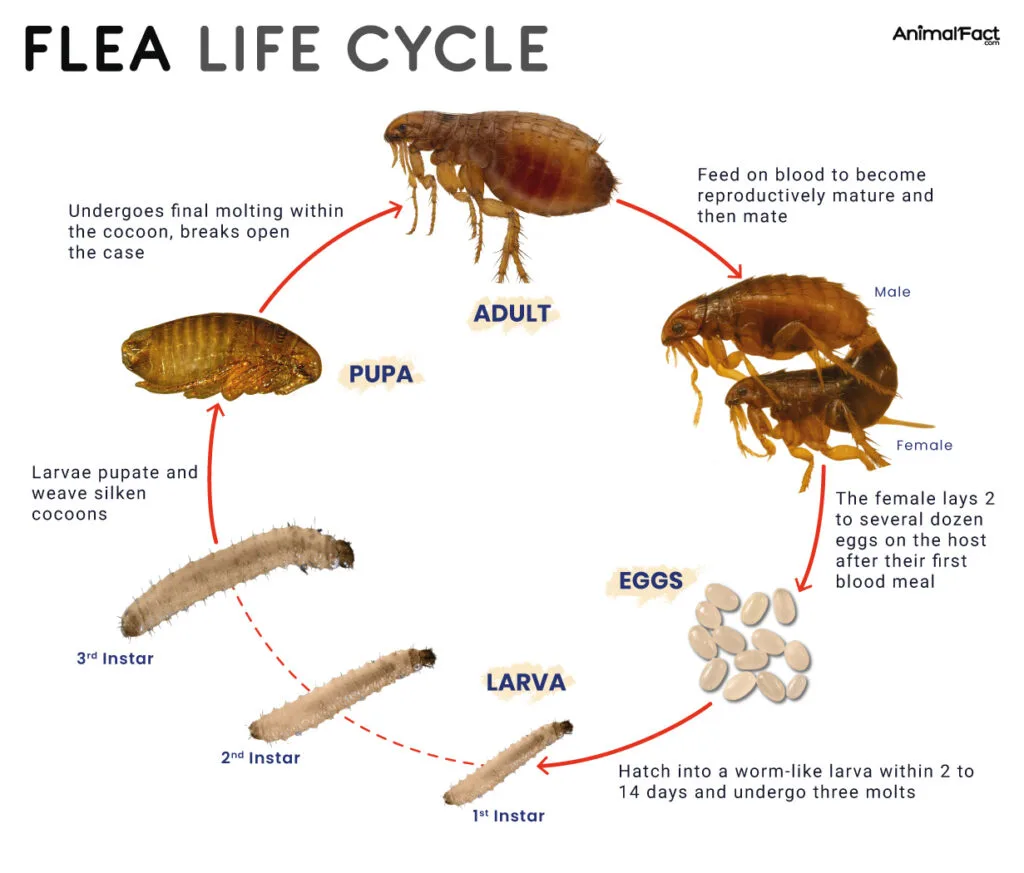
Flea eggs fall off your dog and land in carpets, bedding, couch cushions, and baseboards. Those eggs hatch into larvae, spin cocoons, and emerge as adults ready to bite again. If you only treat the dog, the next generation is already waiting.
Here's a realistic home treatment plan:
- Vacuum thoroughly, 2-3 times weekly for the first month. Focus on edges, under furniture, and anywhere your dog rests.
- Wash all pet bedding in hot water (at least 130°F) weekly.
- Use an insect growth regulator (IGR) spray on carpets and upholstery. IGRs stop flea eggs and larvae from maturing.
- Treat outdoor resting spots (decks, shaded yard areas) if your dog spends time there.
Expect the environmental battle to take 2-3 months. The flea life cycle (egg to adult) typically runs 21 days in warm conditions, but pupal cocoons can shelter developing fleas for months. Consistent prevention is what breaks it.
Step 4: Heal the Damaged Skin
Constant scratching and chewing damages the skin barrier, and damaged skin invites secondary infections. This is one of the most overlooked steps in DIY flea allergy treatment.
Your vet may recommend:
- Antibiotics for bacterial pyoderma (often 3-4 weeks of treatment)
- Antifungal medication for Malassezia yeast overgrowth
- Medicated shampoos with chlorhexidine or miconazole
- Omega-3 fatty acid supplements to support skin repair
Don't stop antibiotics early even if the skin looks better. Deep skin infections take 3-4 weeks to fully clear, and stopping early is the most common reason for recurrence.
Step 5: Stop the Itch So Healing Can Happen
You can't heal skin that a dog won't stop scratching. Breaking the itch cycle gives the skin time to recover.
Common anti-pruritic options include:
- Glucocorticoids (prednisone): fast, effective, but short-term use only due to side effects
- Oclacitinib (Apoquel): daily oral tablet, targets the itch pathway specifically
- Lokivetmab (Cytopoint): injectable, lasts 4-8 weeks, good for dogs that resist pills
- Allergen-specific immunotherapy: long-term option for dogs with combined allergies
Talk to your vet about which option fits your dog's age, health, and severity. Apoquel and Cytopoint have largely replaced long-term steroid use for chronic allergic itch because they're safer for ongoing management.
Step 6: Lock In Year-Round Prevention
This is the step that determines whether FAD becomes a one-time crisis or a recurring nightmare. Once your dog has had FAD, they're sensitized for life. Any future flea bite can restart the cycle.
Year-round parasite prevention is the standard recommendation. Per AVMA parasite control guidance, dogs in flea-endemic regions should stay on prevention every month, even in winter. Warmer winters are expanding flea range, and indoor fleas don't care about the calendar.
Best Flea Medications for Allergic Dogs (What Actually Works)
Not all flea products are equal for allergic dogs. Here's a practical breakdown.
| Treatment Class | How It Works | Pros | Cons |
|---|---|---|---|
| Isoxazolines (oral) | Blocks flea nervous system | 8-12 weeks protection, water-resistant, fast | Prescription required, rare seizure risk |
| Topical spot-ons | Spreads across skin via oil glands | Affordable, some repel as well as kill | Can wash off, residue concerns |
| Insect growth regulators | Prevents flea eggs from maturing | Safe, breaks life cycle in home | Doesn't kill adult fleas alone |
| Natural remedies (essential oils) | Variable | Low chemical exposure | Limited efficacy, some oils toxic to dogs |
For most allergic dogs, an oral isoxazoline is the foundation. Add an IGR for the home, and you've got the most reliable two-part strategy available today.
Before we go further, let's pause on something serious. The FDA has issued warnings about isoxazolines and a rare increased risk of seizures in dogs with a history of neurologic disease. If your dog has had seizures, your vet may recommend a different class.
This isn't a deal-breaker for most dogs, but it's a conversation worth having.
Pros and Cons of the Main Flea Treatment Options
| Option | Pros | Cons |
|---|---|---|
| Oral isoxazoline chews | Long-lasting, fast, water-resistant | Prescription, cost, rare seizure risk |
| Topical spot-ons | No pills needed, some repel | Can wash off, slower onset |
| Flea collars | Cheap, long duration | Variable efficacy, contact dermatitis risk |
| Flea shampoos | Immediate relief | No lasting protection, doesn't reach eggs |
| Environmental sprays (IGR) | Breaks life cycle in home | Doesn't help the dog directly |
| Professional pest treatment | Fast home knockdown | Expensive, doesn't prevent reinfestation |
For an allergic dog, combining systemic treatment (oral or topical) with environmental IGRs consistently outperforms single-method approaches. Aggregate clinical reviews back this up across multiple flea-endemic regions.
Secondary Infections: When the Scratching Causes Bigger Problems
Scratching doesn't just damage skin, it opens the door to infections that need separate treatment. Two are especially common with FAD.
Bacterial pyoderma develops when scratching breaks the skin barrier. You'll see pimple-like pustules, crusty sores, and a foul smell. Treatment usually means 3-4 weeks of oral antibiotics, plus topical antimicrobial sprays.
Malassezia dermatitis is a yeast overgrowth that thrives on inflamed skin. Look for greasy, smelly skin with a reddish-brown discoloration, especially in skin folds and ear canals. Antifungal shampoos and oral antifungals are typical treatments.
Both conditions are why a vet visit matters. If you treat only the fleas but ignore the secondary infection, the itching won't fully resolve and your dog stays miserable.
Mistakes Dog Owners Make With FAD (And How to Dodge Them)
Even well-meaning owners stumble on the same handful of mistakes. Avoiding these dramatically improves your outcome.
- Treating only the itchy dog. Every pet in the home needs flea prevention, or the others will keep the cycle alive.
- Stopping prevention in winter. Indoor fleas survive year-round. Warm seasons only expand the problem outdoors.
- Stopping antibiotics when skin "looks better." Deep infections need the full course to clear.
- Assuming no fleas means no FAD. It takes one bite to trigger an allergic reaction.
- Using natural or essential oil treatments alone. Most lack the efficacy needed for an allergic dog.
- Skipping environmental treatment. 90% of the flea life cycle happens off your dog.
- Bathing too often. Excessive bathing strips skin oils and slows healing.
Each of these mistakes is easy to make and equally easy to avoid with a clear plan.
Safety Warnings Every Dog Owner Should Know
Flea treatments are generally very safe, but a few species and breed-specific concerns deserve attention.
- Never use permethrin-containing dog products on cats. Permethrin is toxic to cats and can be fatal. In multi-pet homes, separate the cat after applying topical dog products until the application site is dry.
- MDR1-mutated breeds (Collies, Australian Shepherds, Border Collies, Shelties) can have adverse reactions to certain drugs, including ivermectin and some other parasiticides. Your vet can test for this mutation.
- Puppies under 8 weeks need age-appropriate products. Most isoxazolines are approved for 8 weeks and older.
- Seizure history. Isoxazolines carry a rare seizure warning for dogs with neurologic disease. Discuss alternatives with your vet.
- Always dose by weight. A single dose of dog product for a large dog can overdose a small one.
When in doubt, your veterinarian is the safest guide. The FDA Center for Veterinary Medicine maintains an updated database of approved parasite control products with safety information.
How Long Until You See Real Improvement
This is the question every owner asks, and the honest answer is "it depends on how long the skin was inflamed before treatment started."
Here's a realistic timeline based on what's typically seen in clinical practice:
- 24-48 hours: flea activity stops after effective treatment
- 1-2 weeks: itching reduces noticeably once fleas are eliminated
- 2-4 weeks: secondary infections clear with proper medication
- 4-8 weeks: skin barrier starts rebuilding, hair regrowth begins
- 3-6 months: full coat recovery in chronic cases
If you don't see improvement within 2-3 weeks, something's off. Either the fleas aren't fully controlled, there's an undiagnosed secondary infection, or the diagnosis is wrong. A vet recheck is the right move.
What FAD Treatment Costs (Real Numbers)
Costs vary by region and severity, but here's what owners typically encounter in the US:
| Treatment Component | Typical Cost Range |
|---|---|
| Vet consultation | $50-$150 |
| Intradermal skin testing | $150-$300 |
| Oral isoxazoline (per dose) | $40-$80 |
| Topical spot-on (monthly) | $15-$50 |
| Antibiotics (full course) | $20-$80 |
| Cytopoint injection | $50-$100 per dose |
| Home IGR treatment | $20-$60 |
| Professional pest control | $150-$400 |
A full first-year treatment plan (vet visits, diagnostics, preventives, environmental treatment) typically runs $500-$1,500. Subsequent years are usually cheaper, mostly ongoing prevention at $200-$500 annually.
These figures reflect average US pricing as of 2026 and can shift based on your region and the products your vet recommends.
Use Cases: Who FAD Treatment Is Really For
FAD treatment isn't one-size-fits-all. The plan you follow depends on your dog's age, your home setup, and your climate. Here are the scenarios where each approach makes the most sense.
Multi-Pet Households
If you've got dogs and cats living together, every animal needs prevention. Treating only the allergic dog guarantees reinfestation from untreated carriers. For these homes, oral isoxazolines for dogs paired with a cat-safe preventive (selamectin or specific feline products) is the cleanest combination.
Warm, Humid Climates
Year-round flea exposure is the reality across the Gulf Coast, Southeast US, and most tropical regions. In these areas, skipping winter prevention is a guaranteed recurrence. Aggregate reviews of veterinary clinic data show FAD cases in these regions drop noticeably when owners maintain continuous prevention.
Apartment and Indoor-Only Dogs
Even dogs that never go outside get fleas. They hitchhike on humans, other pets, or used furniture. Indoor dogs still need prevention, especially in multi-unit buildings where flea migration between units is common.
Dogs With Concurrent Allergies
FAD often overlaps with atopic dermatitis or food allergies. Treating fleas alone won't fully resolve itching if another allergen is in play. Your vet may recommend skin testing for environmental allergens or a food elimination trial alongside flea control.
Budget-Conscious Owners
If cost is the main constraint, a generic topical spot-on plus consistent home vacuuming still works. It requires more discipline than an oral isoxazoline but can deliver solid results when applied monthly without gaps.
The Best Flea Treatment Plan by Situation
Different dogs need different plans. Here's a quick decision guide.
| Situation | Best Foundation | Add On |
|---|---|---|
| Single allergic dog, no other pets | Oral isoxazoline | Home IGR spray |
| Multi-pet home with cats | Oral isoxazoline for dogs, selamectin for cats | Strict separation during topical application |
| Yard-access dog in warm climate | Oral isoxazoline | Outdoor environmental treatment |
| Budget-limited owner | Generic topical monthly | Frequent vacuuming, hot-washed bedding |
| Dog with seizure history | Topical selamectin or spinosad | Vet-monitored plan, no isoxazolines |
| Chronic or severe FAD case | Oral isoxazoline + Cytopoint or Apoquel | Allergen testing, dermatologist referral |
These aren't rigid rules. They're starting frameworks your vet can adjust based on exam findings and your dog's response over the first 4-8 weeks.
Long-Term Management: Keeping FAD From Coming Back
FAD is a lifelong condition, but it doesn't have to be a lifelong problem. Once you've broken the initial cycle, long-term management is mostly about consistency.
Stick With Year-Round Prevention
The single biggest predictor of recurrence is gaps in prevention. Even one missed month during a warm season can restart the cycle. Per Companion Animal Parasite Council guidelines, year-round prevention is the standard of care in flea-endemic regions.
Monitor for Early Warning Signs
Catching a flare early saves weeks of discomfort. Watch for:
- Increased licking at the lower back or tail base
- Subtle hair thinning you can feel before you see
- Return of "flea dirt" on the comb
- Mild scratching that breaks the household quiet
Any of these is a cue to do a full prevention check on every pet and treat the home.
Schedule Routine Skin Checks
For dogs with severe or recurring FAD, vet checkups every 6-12 months help catch secondary infections early. Your vet can also reassess whether your current prevention is still the best fit as new products hit the market.
Support Skin Health From the Inside Out
Omega-3 fatty acid supplements (EPA and DHA) support the skin barrier and reduce baseline inflammation. They're not a substitute for flea control, but they reduce how dramatically your dog reacts to the occasional breakthrough bite.
When to Call the Vet (And When It's Truly Urgent)
Most FAD cases respond well to home treatment combined with vet-prescribed preventives. But some situations need prompt professional attention.
Call your vet soon if:
- Scratching hasn't improved after 3 weeks of consistent flea control
- The skin develops a strong odor or unusual discharge
- You see pustules, widespread crusting, or hair loss spreading fast
- Your dog seems systemically unwell (lethargy, reduced appetite)
Seek urgent care if:
- The skin is bleeding heavily or your dog is causing self-trauma
- There's facial swelling or hives (possible anaphylactic reaction to a bite)
- Your dog has a seizure, especially shortly after a flea treatment dose
- You suspect ingestion of a flea product, especially a cat product eaten by a dog
Quick action in these scenarios can prevent complications and, in rare cases, save a life.
Frequently Asked Questions
How long does flea allergy dermatitis take to clear up?
Most dogs show visible improvement within 2-4 weeks of starting effective flea control. Full skin and coat recovery can take 3-6 months in chronic cases.
Can a dog have flea allergy dermatitis without seeing fleas?
Yes. Fleas spend only about 10% of their life on the dog. An allergic dog can react to just a few bites, and you may never see an adult flea.
Look for flea dirt (black specks that turn red when wet) instead.
What is the best flea treatment for dogs with skin allergies?
Oral isoxazolines like fluralaner, afoxolaner, or lotilaner are consistently the most effective foundation. Pair them with environmental IGRs for full coverage. Always consult your vet to match the product to your dog's health history.
Is flea allergy dermatitis contagious to other pets or humans?
No. FAD is an immune reaction, not an infection. The fleas themselves can move between hosts, which is why every pet in the home needs prevention, but the allergic condition isn't transferable.
Do natural flea remedies work for flea allergy dermatitis?
Most lack the efficacy needed for an allergic dog. In our research, mainstream veterinary parasiticides outperform essential oil-based or herbal options by a wide margin. Natural remedies can complement a vet-approved plan but shouldn't replace it.
Can flea allergy dermatitis come back after treatment?
Yes. Once a dog is sensitized, they're sensitized for life. Any future flea exposure can restart the reaction.
That's why year-round prevention is essential, not optional.
Your Action Plan: What to Do Today
If your dog is scratching right now, here's a focused, practical plan to start today.
- Run a flea comb over your dog's lower back and tail base. Look for fleas or flea dirt.
- Check every pet in your home for signs of fleas, not just the itchy one.
- Schedule a vet visit for a proper diagnosis and skin assessment.
- Start a vet-recommended parasiticide on every pet in the home.
- Wash all pet bedding in hot water today.
- Vacuum thoroughly, including under furniture and along baseboards.
- Pick up an IGR spray for carpets and upholstery if your vet recommends it.
- Plan for at least 3 months of consistent prevention before declaring victory.
Flea allergy dermatitis is one of the most fixable skin conditions in dogs, but only if you treat the whole picture: the dog, the other pets, and the home. Get that trifecta right, and most dogs make a full recovery and stay itch-free with simple year-round prevention.