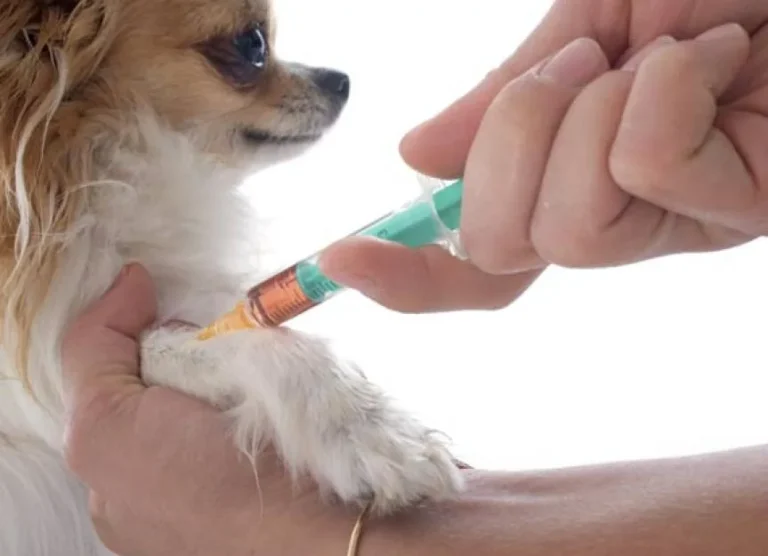
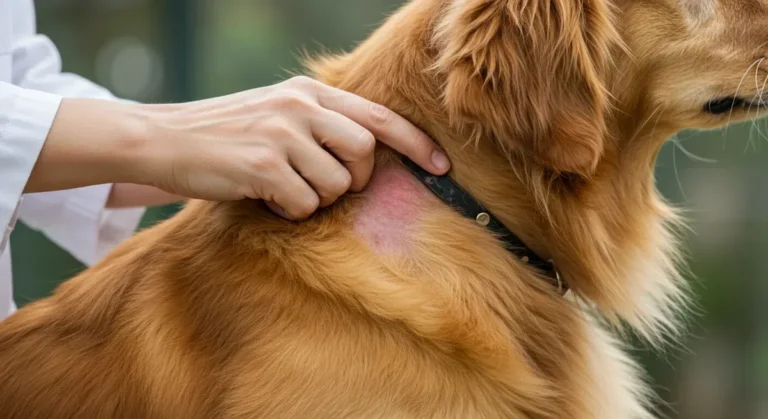
How much honey to give dog for allergies: Easy Guide
If your dog scratches through spring or fall, you've probably wondered how much honey to give dog for allergies without making things worse. The short answer is small, consistent doses of raw local honey, scaled to body weight, never given to puppies or diabetic dogs. Owner-reported dosing ranges we've seen in aggregate user reports run from half a teaspoon for toy breeds up to a tablespoon for big labs and retrievers.
The reason matters just as much as the amount. Raw honey carries trace local pollen, which some veterinary dermatologists think may help a dog's immune system tolerate airborne allergens over time. It's not a cure, and the American Veterinary Medical Association reminds owners that natural remedies work best as a complement to, not a replacement for, proper vet care.
Let's walk through what the science, vets, and seasoned owners actually say, starting with what honey can and can't do for your dog.
Quick Answer
Most adult dogs can have raw local honey for mild seasonal allergies. Small dogs (under 20 lb) get about ½ teaspoon per day, medium dogs (20 to 50 lb) get 1 teaspoon, and large dogs (over 50 lb) get up to 1 tablespoon. Skip honey for puppies under 12 months, diabetic dogs, or dogs with severe allergy flare-ups, and call your vet if symptoms don't improve in two to four weeks.
Does Honey Actually Help Dogs With Allergies?
Honey won't fix a serious allergy. For mild seasonal itching, watery eyes, and sneezing tied to pollen, though, raw local honey has a reasonable track record among owners and a clear theoretical mechanism behind it.
The idea is simple. Raw, unfiltered honey made by bees near your home contains tiny amounts of local pollen. When your dog eats a little honey each day, that pollen enters the digestive tract in very small doses.
Over weeks, the immune system gets repeated low-level exposure to the same allergens floating around outside. That repeated exposure may reduce the over-the-top reaction that causes scratching and red eyes. It's a gentle version of the same logic behind allergy shots given by veterinary dermatologists.
A few things honey won't do, and you'll save yourself frustration by knowing these upfront:
- It won't help with food allergies. Pollen exposure doesn't retrain the gut's response to chicken or wheat.
- It won't calm a severe flare-up. Hot spots, raw skin, or constant paw chewing need prescription treatment, not a spoonful of honey.
- It won't work overnight. Owners who report success usually give it daily for two to four weeks before noticing a change.
So think of honey as a long-game support, useful alongside other care, not a replacement for it.

Why Pet Owners Try Honey Instead of Allergy Meds
Plenty of dog parents reach for honey because they're worried about the side effects of prescription options. Apoquel and Cytopoint work well, but they're lifelong commitments, they can be pricey, and some dogs on Apoquel show digestive upset or lethargy that owners don't love.
Honey has a different profile. It's cheap, easy to find, and feels gentle. It also doubles as a small nutritional boost with antioxidants and trace enzymes, though we're talking tiny amounts, not a meal replacement.
For dogs with mild, predictable seasonal symptoms that show up the same time every year, honey feels like a low-stakes first step before scheduling a vet visit for prescription meds.
There's also the "natural" angle, and we get it. Some owners simply prefer starting with a food-based remedy before moving to pharmaceuticals. Just know the tradeoff.
Gentler usually means slower and less powerful. Honey works best when symptoms are mild and you have time on your side, not when your dog is miserable right now.
Is Honey Safe for Dogs? Key Risk Factors First
Before we talk about how much to give, let's cover when honey is a bad idea. This is the part where skipping ahead could hurt your dog, so read carefully.
Puppies under 12 months. Raw honey can carry Clostridium botulinum spores, the same bacteria that causes botulism. Adult dogs handle these spores fine, but a puppy's gut hasn't built up the right bacteria to neutralize them. The Centers for Disease Control and Prevention lists infants and young children as the high-risk group for the same reason, and the warning extends to puppies.
No honey before the first birthday, full stop.
Diabetic dogs. Honey is roughly 17 grams of sugar per tablespoon. For a dog with diabetes or one prone to blood sugar spikes, that dose is genuinely risky. Even small amounts can throw off insulin levels.
If your dog is diabetic, skip honey entirely and talk to your vet about allergy-safe alternatives.
Dogs with bee or pollen allergies. Rare, but real. Some dogs are allergic to bee products themselves. If you've never given honey before, start with a tiny test amount (a quarter teaspoon for a medium dog) and watch for vomiting, hives, or facial swelling within the first hour.
Obese dogs or dogs on calorie-restricted diets. One tablespoon of honey runs about 64 calories. That adds up fast in a small dog who's not supposed to lose weight. For these dogs, a smaller dose or a different approach makes more sense.
Dogs on other allergy medications. Honey is generally safe alongside Apoquel, Cytopoint, or antihistamines, but always mention it to your vet so they have the full picture. There's no known dangerous interaction, but your vet should know everything going into your dog's system.
If your dog clears all of the above, you're good to proceed with dosing.
When Honey Won't Work for Your Dog's Allergies
Sometimes honey is the wrong tool entirely, and pushing through with it just delays real relief. Here are the situations where you'll want to skip honey and go straight to the vet.
Severe itching that disturbs sleep. If your dog wakes up scratching, or you hear constant licking through the night, the inflammation is past what honey can touch.
Open sores, hot spots, or infected skin. Bacteria love broken skin, and you need medicated washes or oral antibiotics, not a sweet spoon of honey.
Year-round symptoms. Honey is seasonal pollen therapy in food form. If your dog itches in January and July, the trigger is probably dust, mold, or food, not outdoor pollen.
Face rubbing, ear infections, or paw chewing that won't quit. These patterns point to atopic dermatitis, which usually needs prescription management for real comfort.
Any sudden change in symptoms. New swelling, hives, vomiting, or trouble breathing is an emergency. Get to a vet immediately, and skip the honey altogether.
The honest test: if symptoms are mild, predictable, and tied to one season, honey is worth a try. If anything about the picture feels off, get a diagnosis first. Your vet can run a simple allergy panel and tell you exactly what you're dealing with, which makes every treatment after that more effective.
That brings us to the part most readers came for: the actual amount, broken down by dog size, with a clear table you can save and reference.
Raw vs. Pasteurized vs. Manuka: Which Honey Is Right
Not every jar of honey on the shelf will help your dog. The type you pick actually matters for whether the pollen-driven theory has any chance of working, so let's break down the three main options.
Raw, unfiltered local honey is the gold standard here. Raw means it's never been heated above about 118°F, which preserves the pollen, enzymes, and antioxidants that get destroyed during pasteurization. Local means the bees foraged within roughly 50 miles of your home, so the pollen in the jar matches what's in your dog's environment.
Filtered honey has had the pollen removed, which defeats the whole purpose. Look for cloudy honey with visible bits, or a label that says "unfiltered" and "raw."
Pasteurized supermarket honey is the stuff in the cute bear bottles. It's been heated to kill yeast and extend shelf life, which strips out most of the pollen and many of the beneficial compounds. Your dog can still eat it safely, but you're basically just feeding sugar with a fancy flavor.
Skip it for allergy purposes.
Manuka honey comes from New Zealand bees that pollinate the Manuka bush. It's famous for antibacterial properties and is sometimes used on wounds. For allergy relief, though, the Manuka pollen isn't local to your yard, so it doesn't expose your dog to the specific allergens causing the problem.
Manuka is fine to feed, but expensive and not the right tool for seasonal pollen allergies.
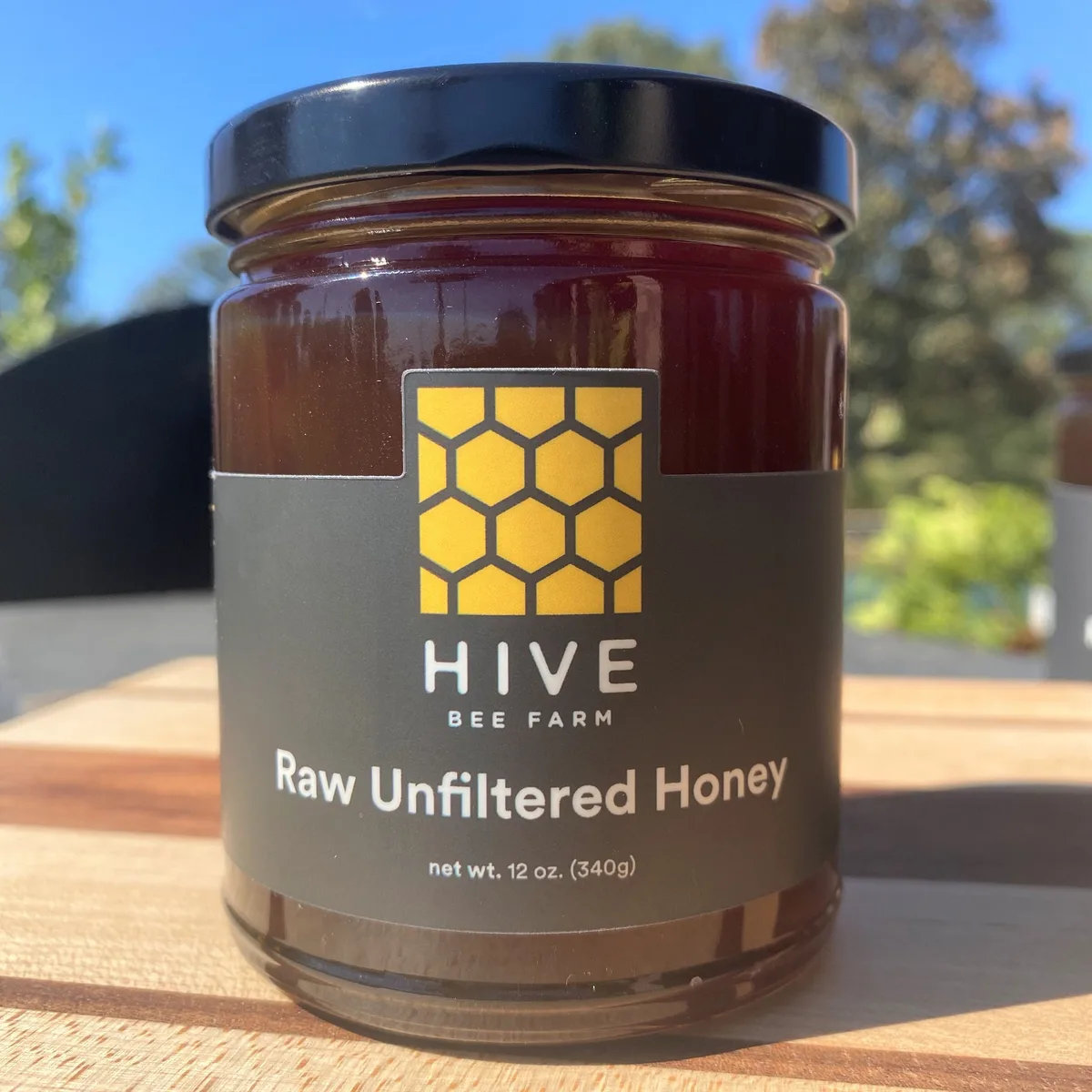
Bottom line: Raw, local, unfiltered honey is what you want. If you can't find truly local honey, raw and unfiltered from a regional beekeeper is the next best choice.
Honey Dose for Dogs by Weight (Small, Medium, Large)
This is the table most readers want saved on their phone. The dosing below is what owners and holistic vets commonly report, scaled so even big dogs don't overdo it on sugar.
| Dog Size | Weight Range | Daily Honey Dose | Approx. Calories |
|---|---|---|---|
| Small (toy and small breeds) | Under 20 lb | ½ teaspoon | ~16 cal |
| Medium | 20 to 50 lb | 1 teaspoon | ~32 cal |
| Large | Over 50 lb | 1 tablespoon | ~64 cal |
A few practical notes to keep this table working in real life:
- Start at half the dose for the first three days. If your dog tolerates it well with no diarrhea or vomiting, work up to the full amount.
- Once a day is fine for most dogs. Twice a day is acceptable but rarely needed.
- Stick to the lower end of each range if your dog is overweight, sedentary, or prone to loose stools.
- Maximum dose ceiling: Even giant breeds shouldn't exceed 1 tablespoon per day. More than that and you're just adding sugar with no extra benefit.
If your dog is on the border between sizes, default to the smaller dose. You can always increase after a week if you're not seeing results and your dog is handling it well.
How to Give Your Dog Honey Step by Step
Most dogs happily eat honey straight off a spoon. For picky eaters or dogs on portion-controlled diets, here are the methods that work best.
Step 1. Confirm your dog is at least 12 months old and not diabetic. If either is off, stop here and call your vet.
Step 2. Wash your hands and grab a clean measuring spoon. Honey is sticky, so have a damp cloth ready.
Step 3. Measure the dose for your dog's weight using the table above. Start with half that amount for the first three days.
Step 4. Offer the honey directly on a spoon, mix it into a small amount of plain yogurt, or stir it into their regular kibble with a splash of warm water. Warm water helps the honey dissolve rather than clump.
Step 5. Watch your dog for 30 to 60 minutes after the first dose. Look for vomiting, diarrhea, hives, or excessive scratching. Any of these means stop and call your vet.
Step 6. Continue daily for at least two weeks before judging results. Set a phone reminder if you tend to forget, because consistency is what makes this work.
Step 7. Keep the jar sealed and stored at room temperature. Honey doesn't spoil, but it can crystallize over time. Crystallized honey is still fine, just warm the container in hot water for a few minutes to liquefy it.
If your dog refuses honey plain, mixing it into a teaspoon of xylitol-free peanut butter usually does the trick. Just remember that peanut butter adds calories too.
How Long Before Honey Helps Allergy Symptoms
Honey is a slow-build remedy, and setting the right expectations upfront saves a lot of frustration.
First week: You're not really looking for symptom change yet. This phase is about confirming your dog tolerates the dose and building the routine.
Two to four weeks: This is when owners who report success start noticing changes. Less paw chewing, fewer scratching fits after walks, calmer skin around the belly and armpits.
One to three months: Peak reported benefits. By now, the daily pollen exposure has had time to shift the immune response, assuming it works for your dog at all.
Beyond three months: If you've given honey consistently for six to eight weeks with zero improvement, honey probably isn't the right remedy for your dog's specific allergens. Time to talk to your vet about next steps.
The honest answer is that some dogs respond and some don't. Aggregate user reports suggest roughly half of owners see at least some improvement in mild seasonal symptoms. The other half need prescription support.
Honey is worth trying because it's cheap and low-risk, but it's not a guaranteed fix.
Honey vs. Antihistamines vs. Apoquel vs. Cytopoint
Honey isn't the only tool, and it's helpful to see where it sits against the more conventional options.
Honey is best for dogs with mild, predictable seasonal pollen allergies. It's cheap, easy, and has minimal side effects. The trade is slow results and modest effectiveness.
Antihistamines like Benadryl (diphenhydramine) work for some dogs but not all. Aggregate veterinary reports suggest only about 20 to 30% of dogs with environmental allergies respond to OTC antihistamines alone. They're cheap and fast-acting for those that do respond, but dosing needs to be confirmed with your vet, especially for small breeds.
Apoquel (oclacitinib) is a prescription tablet that blocks the itch signal at the cellular level. It works within hours and is highly effective for most dogs. Downsides include cost ($2 to $4 per day typically), the need for bloodwork monitoring, and rare reports of digestive upset or increased susceptibility to infections.
Cytopoint is an injection given at the vet that lasts four to eight weeks. It's popular because owners don't have to remember daily pills, and it works fast. Cost runs roughly $50 to $150 per injection depending on dog size and region.
Who each option is best for:
- Honey: Mild seasonal itching, dogs with no other health issues, owners who want to try natural first.
- Antihistamines: Mild symptoms, owners who want a cheap OTC option and are willing to test if their dog responds.
- Apoquel: Moderate to severe allergies, dogs needing fast relief, owners okay with daily pills and lab work.
- Cytopoint: Moderate to severe allergies, owners who can't or won't do daily pills, dogs who tolerate vet visits well.
Many dogs end up using a combination: prescription meds for the worst weeks and honey as a gentle daily support during the rest of allergy season.
Mistakes Dog Owners Make When Using Honey for Dog Allergies
A few simple errors come up over and over in owner reports. Avoiding them is the difference between honey that helps and honey that's a waste of money.
- Giving supermarket honey and expecting results. Pasteurized, filtered honey has had the pollen stripped out. If the jar is clear and sits on a bear-shaped shelf at the grocery store, it won't help allergies.
- Skipping the puppy check. A 10-month-old puppy with mild itching is exactly the dog owners want to help, and exactly the dog who shouldn't have honey yet. Wait until 12 months.
- Doubling the dose "to make it work faster." More honey doesn't mean more benefit. It just adds sugar and calories. Stick to the weight-based chart.
- Stopping after a week because "nothing happened." Honey needs at least two to four weeks of consistent daily dosing. Quitting early is the most common reason people think it doesn't work.
- Using honey as the only treatment for serious symptoms. If your dog has open sores, constant itching, or ear infections, honey alone won't cut it. Pair it with vet care, or skip it entirely.
The pattern is clear: correct type, correct dose, correct timing, and clear-eyed expectations.
Signs It's Time to Call the Vet Instead
Honey is a gentle support, not a substitute for veterinary care. Watch for these signs and pick up the phone if you see them.
- Scratching that goes on for hours or wakes your dog up at night.
- Red, inflamed, or broken skin anywhere on the body.
- Repeated ear shaking, head tilting, or ear odor.
- Swelling around the face, lips, or eyes.
- Vomiting, diarrhea, or hives after eating honey.
- Symptoms that don't shift after six to eight weeks of consistent daily dosing.
Any sudden or severe reaction is an emergency clinic visit, not a wait-and-see situation. For milder patterns that just aren't improving, your regular vet can run a skin or blood allergy panel and lay out a clearer plan.
Frequently Asked Questions About Honey for Dog Allergies
How much honey should I give my dog for allergies?
Half a teaspoon per day for small dogs under 20 lb, 1 teaspoon for medium dogs between 20 and 50 lb, and 1 tablespoon for large dogs over 50 lb. Always start with half that dose for the first three days to check tolerance.
What kind of honey is best for dog allergies?
Raw, unfiltered, local honey from bees that foraged within roughly 50 miles of your home. Pasteurized or filtered honey has had the pollen removed and won't help.
Can puppies have honey for allergies?
No. Puppies under 12 months should not have raw honey because of botulism risk from Clostridium botulinum spores. Wait until your dog's first birthday.
Is Manuka honey good for dog allergies?
Manuka honey is excellent for wound care and antibacterial use, but its pollen is from New Zealand Manuka bushes, not your local environment. For seasonal pollen allergies, raw local honey is a better fit.
How long does it take for honey to work on dog allergies?
Most owners who see results report changes within two to four weeks of daily dosing. Peak benefits tend to show up between one and three months. If nothing changes after six to eight weeks, honey likely isn't the right tool for your dog.
Is honey safe for diabetic dogs?
No. Honey is high in sugar and can spike blood glucose. Diabetic dogs need a vet-supervised allergy plan that doesn't involve honey.
The Bottom Line on Honey as a Dog Allergy Remedy
Honey is a low-cost, low-risk support for adult dogs with mild seasonal pollen allergies. Dosing by weight, choosing raw local honey, and giving it daily for at least two to four weeks gives the remedy a fair shot at working.
Skip honey for puppies, diabetic dogs, and any dog with severe or year-round symptoms. Pair it with vet care when symptoms don't improve, and don't expect miracles. Used correctly, honey is a sensible first step before moving to prescription options.