How to help dogs with skin allergies: Best guide
If your dog won't stop scratching, licking, or chewing at their skin, you already know how miserable it is for both of you. The good news is that real help exists, and learning how to help dogs with skin allergies doesn't require guessing. It requires a clear plan that identifies the trigger, calms the itch, and protects the skin long-term.
Atopic dermatitis alone affects roughly 10-15% of dogs, and many of those dogs also have a food allergy or flea sensitivity layered on top. The mistake most owners make is treating the itch without ever finding the cause, which leads to flare after flare and stronger meds each time. We'll walk through the safe, evidence-based steps to break that cycle, starting with what to look for and ending with a long-term plan that actually holds.
Quick Answer
Helping a dog with skin allergies starts with a vet exam to rule out fleas, mites, and infection. Treatment then targets the trigger: flea control, an 8-12 week elimination diet, or immunotherapy for environmental allergens. Anti-itch medications like Apoquel or Cytopoint give fast relief while the underlying cause is addressed.
Why Getting This Right Matters for Your Dog
Skin allergies aren't just uncomfortable. They damage the skin barrier, open the door to bacterial and yeast infections, and drag down a dog's quality of life fast. A dog in constant itch can't sleep well, can't train well, and often becomes grumpy or withdrawn.
There's also a real safety reason to get this right. Long-term steroid use, the old standby for itchy dogs, carries documented risks including muscle wasting, immune suppression, and skin thinning. Modern guidelines from veterinary dermatology groups now favor targeted anti-itch drugs and immunotherapy over chronic steroids whenever possible.
The American College of Veterinary Dermatology publishes treatment guidelines that reflect this shift, and they're a good anchor if you want to check what your vet is recommending.
Here's the part most articles skip: a dog with skin allergies almost never has just one thing going on. Flea allergy plus food allergy plus environmental allergies is a common combo. Treating only one keeps the itch alive.
What Dog Skin Allergies Actually Look Like
Itchy skin in dogs shows up in patterns, and learning to spot them saves a lot of guesswork.
The most common signs:
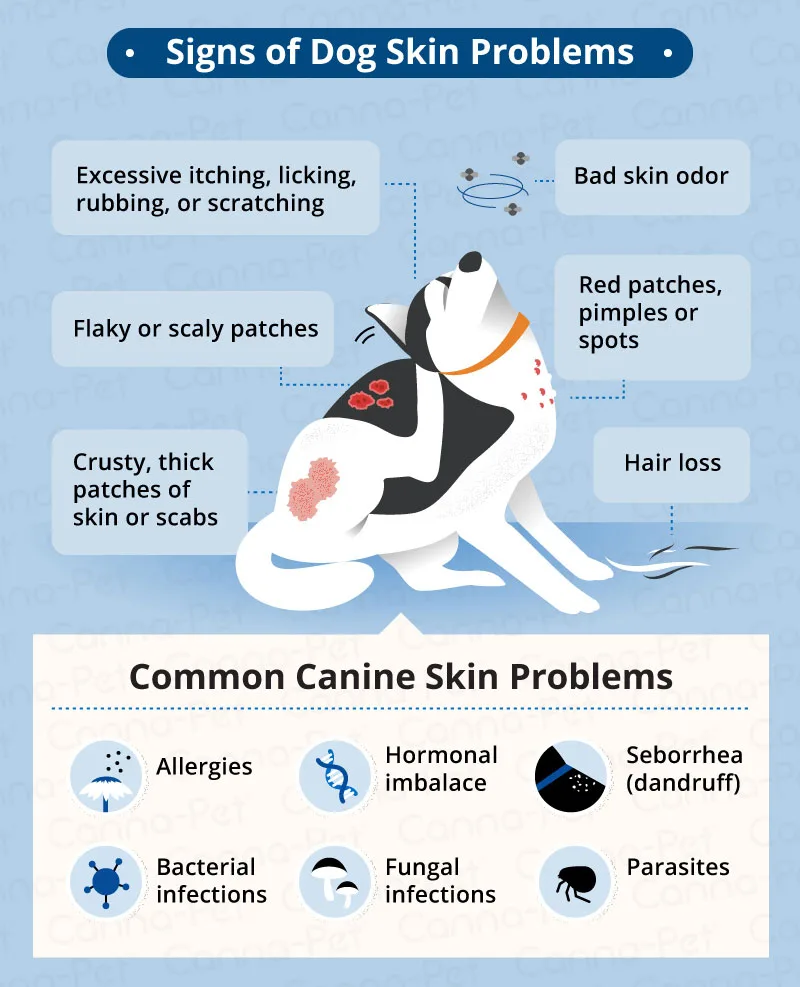
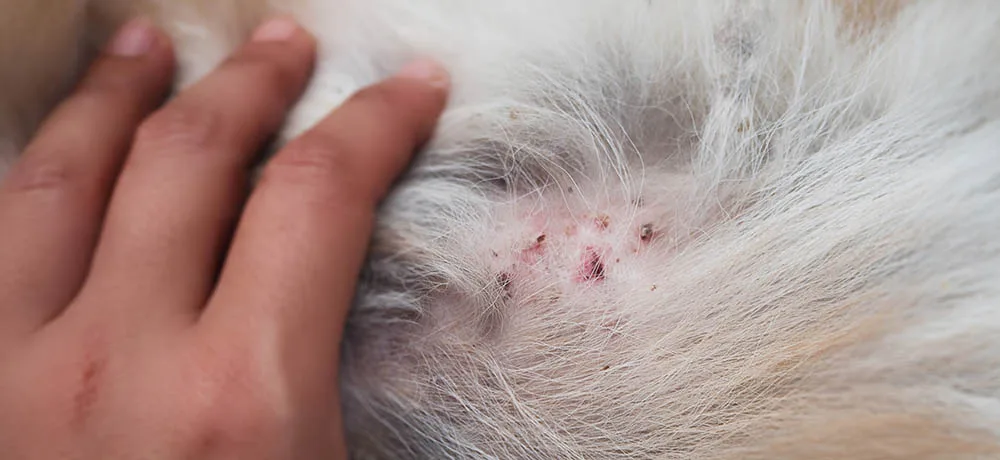
- Constant scratching, especially at the armpits, groin, belly, and paws
- Licking or chewing the feet, often until the fur is stained brown
- Rubbing the face on furniture or carpet
- Recurring ear infections or head shaking
- Red, irritated "hot spots" that appear overnight
- Hair loss in patches, often on the tail base or thighs
- Skin that smells yeasty, sweet, or just "off"
- Thickened, darkened skin in chronic spots
A useful clue: dogs with environmental allergies usually have itchy paws, ears, and belly. Dogs with flea allergy itch mostly at the lower back, tail base, and hind legs. Food allergy itch can show up anywhere and often pairs with digestive signs like loose stool or gas.
If your dog is biting at their skin raw, that's a vet visit this week, not next month. Open skin invites infection within hours.
The Three Main Types of Allergies in Dogs (and Why the Difference Matters)
Before you treat, you have to know what you're treating. Most itchy dogs fall into one or more of these buckets, and the right plan depends on which one fits.
Environmental Allergies (Atopic Dermatitis)
This is the big one. Atopic dermatitis is an inherited tendency to react to airborne allergens like pollen, dust mites, and mold. Breeds overrepresented include Golden Retrievers, French Bulldogs, West Highland White Terriers, Boxers, Labradors, and German Shepherds.
Symptoms usually start between 6 months and 3 years of age. They flare seasonally at first, then often become year-round as the dog ages. Diagnosis is clinical, meaning your vet rules out other causes and uses history plus allergy testing (intradermal or serum IgE) to map the triggers.
Treatment combines anti-itch meds, skin barrier support, and allergen-specific immunotherapy when feasible.
Flea Allergy Dermatitis
Flea allergy dermatitis (FAD) is the single most common skin allergy in dogs, and it's caused by a reaction to flea saliva. One bite can trigger a week of itching in a sensitized dog.
The classic sign is hair loss and redness over the lower back, tail base, and rear thighs. You may or may not see fleas. They're fast, and a good groomer bath can wash them off while the allergy reaction keeps going.
The fix is total flea control on every pet in the home, every month, year-round. As of 2026, isoxazoline-class products (like fluralaner, afoxolaner, and sarolaner) dominate because they kill fleas before they can bite long enough to cause a reaction.
Food Allergies and Food Intolerances
True food allergies involve the immune system reacting to a protein, most often beef, dairy, chicken, or wheat. Food intolerances don't involve the immune system but can look similar from the outside.
The only reliable way to diagnose a food allergy is an elimination diet trial lasting 8 to 12 weeks. Blood and saliva food allergy tests are widely sold but poorly validated. In our research and in published veterinary guidance, they produce false positives often enough to mislead owners into expensive diet changes that don't help.
Red Flags That Mean You Should See the Vet Now
Most itchy dogs aren't emergencies, but some signs mean a same-day or next-day appointment.
- Open wounds, pus, or foul-smelling skin
- A dog that's scratching until they yelp or bleed
- Sudden facial swelling, hives, or vomiting (possible allergic reaction)
- Lethargy, fever, or refusing food
- Hot spots spreading fast
- Repeated ear infections within weeks of each other
These signs point to infection, severe flare, or a different disease entirely. Scabies, ringworm, hypothyroidism, and autoimmune skin conditions can all mimic allergies but need very different treatment. Don't try to power through at home.
Step-by-Step: How to Help a Dog With Skin Allergies
Treating skin allergies works best as a sequence. Skip a step and you usually end up doing two more steps anyway.
Step 1: Rule Out Fleas and Parasites First
This step is non-negotiable, even if you never see a flea. Start a prescription flea control product on the affected dog and every other pet in the home. Your vet will likely recommend an isoxazoline oral or topical that kills fleas within hours.
Mites are next. Skin scrapings check for sarcoptic mange (scabies) and demodectic mange, both of which mimic allergies but need different drugs. Scabies is intensely itchy and contagious to other pets and sometimes people.
Step 2: Get a Proper Veterinary Exam and Cytology
Cytology means pressing a microscope slide against the skin to check for bacteria or yeast. Most allergic dogs end up with secondary infections, and you can't clear the itch without clearing the infection first.
Your vet may also do a basic blood panel to rule out hypothyroidism, which can look a lot like an allergy flare in middle-aged dogs.
Step 3: Run a True Elimination Diet Trial (If Food Is Suspected)
If food allergy is on the table, your vet will recommend either a novel protein diet (a protein the dog has never eaten) or a hydrolyzed protein diet (proteins broken down too small for the immune system to recognize).
The trial must last 8 to 12 weeks with zero table scraps, flavored meds, or flavored treats. A single forgotten bite resets the clock. At the end, you challenge with the old food.
If itch returns within 1-2 weeks, food allergy is likely confirmed.
Step 4: Test for Environmental Allergens
If the elimination diet didn't solve the itch, environmental allergens are the next suspect. Testing options:
- Intradermal skin testing: gold standard, done by a veterinary dermatologist. Hair is clipped, allergens are injected into the skin, and reactions are measured.
- Serum IgE blood testing: easier to access, slightly less sensitive, but useful when skin testing isn't practical.
Both tests guide immunotherapy, not diet changes. They're not perfect, but they point your vet toward which pollens or mites to target.
Step 5: Start a Targeted Anti-Itch Plan
Now the dog gets relief. Options include Apoquel, Cytopoint, antihistamines, or immunotherapy, depending on severity and long-term goals. We'll compare them in the next section.
Step 6: Repair the Skin Barrier and Treat Secondary Infections
Medicated shampoos with chlorhexidine, miconazole, or oatmeal help calm inflammation and clear surface infections. Baths should contact the skin for 5-10 minutes before rinsing, and frequency is often twice a week during flares.
Topical sprays, mousses, and wipes with similar actives are useful between baths, especially for paws and skin folds.
Step 7: Begin Long-Term Control or Immunotherapy
If your dog needs anti-itch meds most of the year, ask your vet about allergen-specific immunotherapy (ASIT). Custom-made serum or sublingual drops retrain the immune system over months. Aggregate veterinary studies report meaningful improvement in roughly 60-80% of treated dogs, often allowing lower doses of other medications.
Step 8: Reduce Allergens in Your Dog's Environment
Small changes add up. Wipe paws and belly after outdoor walks during pollen season. Vacuum weekly with a HEPA-filtered vacuum.
Wash bedding in hot water every 1-2 weeks. Use a dehumidifier in damp rooms to fight mold and dust mites.
Apoquel vs Cytopoint vs Antihistamines: Which Anti-Itch Option Fits Your Dog
These three get the most questions, and they work very differently. There's no single "best" answer. There's only the best fit for your dog's age, health, and lifestyle.
| Option | How It Works | Best For | Watch Out For |
|---|---|---|---|
| Apoquel (oclacitinib) | Oral daily tablet that blocks itch and inflammation at the JAK1 enzyme | Fast relief (often within 4 hours), dogs of most ages | Not for dogs under 12 months; needs daily dosing; cost adds up long-term |
| Cytopoint (lokivetmab) | Injection given by vet that neutralizes itch-signaling protein IL-31 | Owners who can't pill daily, dogs that flare seasonally, broad safety margin | Effect lasts 4-8 weeks, then needs a new injection; less flexible for daily tuning |
| Antihistamines (e.g. cetirizine, diphenhydramine) | Block histamine receptors to reduce mild allergic response | Mild cases, budget-conscious owners, complement to other treatments | Often disappointing alone; many OTC formulas contain xylitol or pseudoephedrine, both toxic to dogs |
Quick rules of thumb:
- If itch is severe and disrupting sleep, Apoquel gives the fastest relief while you work on the underlying cause.
- If you want fewer daily meds and your dog tolerates vet visits well, Cytopoint is a strong choice.
- If itch is mild or seasonal, antihistamines plus topical therapy and environmental control may be enough.
Always check the active ingredients with your vet before giving any over-the-counter human antihistamine. Even small amounts of xylitol in a chewable tablet can be lethal to dogs.
Medicated Shampoos, Mousses, and Wipes: What Actually Works
Bath therapy isn't optional for most allergic dogs. It physically removes allergens sitting on the skin, soothes inflammation, and clears the bacteria and yeast that thrive in damaged skin.
The active ingredients that earn their place:
- Chlorhexidine: antibacterial, the workhorse for bacterial overgrowth
- Miconazole or ketoconazole: antifungal, the go-to for Malassezia yeast
- Oatmeal (colloidal): soothes itching, gentle enough for frequent use
- Pramoxine: a mild topical numbing agent, useful during acute flares
- Sodium hypochlorite (very dilute): newer option for resistant infections, used under vet guidance
For a bath to actually help, the medicated product needs 5-10 minutes of skin contact time before rinsing. Most owners rinse too fast. A mousse or wipe is a good between-bath option for paws, skin folds, and the belly area.
Frequency during a flare is often twice a week. Long-term, many dogs settle into weekly or every-other-week baths. Shampoo type should match the current problem.
If yeast is dominant, an antifungal shampoo matters more than an antibacterial one.
Mistakes Dog Owners Make With Skin Allergies (And How to Avoid Them)
Most allergic dog owners make the same handful of mistakes, often because the internet gave them bad advice. Skipping these traps saves money, time, and a lot of frustration.
Skipping Flea Control Because You Don't See Fleas
Flea allergy is the most common trigger, and the fleas don't have to be visible. Even brief bites from fleas you never see can keep a sensitive dog scratching. Always run a vet-grade flea product on every pet in the home for at least 8-12 weeks before declaring fleas aren't part of the problem.
Stopping the Elimination Diet Early
An elimination diet needs the full 8-12 weeks, no cheating. Many owners see partial improvement at week 3 or 4 and assume the answer is yes, then feed a "small piece of chicken" to test. That resets everything.
Hold the line until the challenge phase.
Using Blood or Saliva Food Allergy Tests to Guide Diet
These tests are sold direct to consumers, and the results are unreliable. False positives are common, and false negatives are also common. In our research, these tests routinely lead owners into expensive, unnecessary diet changes.
Use them only as a loose guide, never as a definitive answer.
Relying on Steroids for the Long Haul
Prednisone works fast. That's the problem. Chronic steroid use suppresses the immune system, thins the skin, and makes infections harder to fight.
Reserve steroids for short-term rescue situations. Apoquel or Cytopoint are safer for ongoing control in most dogs.
Bathing Too Often or Not Often Enough
A bath every day strips the skin's natural oils and makes itching worse. A bath once a year is barely useful. The sweet spot for most allergic dogs is 1-2 baths per week during flares, then weekly or every other week for maintenance.
Ignoring Ear Infections as an Allergy Clue
A dog that gets ear infections every few months almost always has an underlying allergy. Treating the ears alone without addressing the allergy means the next ear infection is already on the way.
Cost Breakdown: What Allergy Management Really Runs
Honest numbers help you plan. Costs vary by region, dog size, and severity, but a few ranges hold up well in current veterinary pricing.
- Initial vet exam and cytology: $80-$200
- Prescription flea prevention (per pet, per month): $15-$45
- Apoquel (per tablet, depends on dose): $2-$4
- Cytopoint (per injection, 4-8 weeks coverage): $50-$150
- Hypoallergenic elimination diet (per month): $60-$120
- Custom immunotherapy (set-up + first year's serum): $300-$600
- Medicated shampoo (per bottle, lasts 4-8 weeks): $20-$50
- Allergy testing (intradermal or serum IgE panel): $200-$400
Annual totals for a moderate allergic dog commonly run $1,500-$3,000 once you include medications, food, and routine vet visits. Severe cases can run higher. Pet insurance with wellness and illness coverage can offset a meaningful chunk if you enroll before skin issues start.
Diet Options for Allergic Dogs: Novel Protein vs Hydrolyzed vs Home-Cooked
The diet question comes up constantly. Here is how the three main options stack up.
| Diet Type | What It Is | Strengths | Limits |
|---|---|---|---|
| Novel protein | Uses a protein source the dog has never eaten (rabbit, venison, duck) | Easier to feed long-term, more palatable | Less reliable if the dog has had many protein sources, or if cross-reactivity occurs |
| Hydrolyzed protein | Proteins broken into tiny pieces the immune system can't recognize | Gold standard for diagnosis, very reliable | Prescription only, expensive, some dogs refuse the taste |
| Home-cooked elimination | Owner prepares a single-protein, single-carbohydrate recipe under vet or nutritionist guidance | Full control over ingredients, useful when commercial diets fail | Time-intensive, must be nutritionally balanced, hard to sustain long-term |
A few practical notes:
- A vet's input is non-negotiable for the recipe if you go home-cooked. Unbalanced diets create their own problems.
- Treats count. During a trial, you can't give anything outside the prescribed diet, including flavored dental chews.
- If a dog improves on an elimination diet and then flares on the original food, food allergy is the working diagnosis and a long-term diet change follows.
Long-Term Maintenance: Keeping Flares Under Control
Once a dog is stable, the goal is keeping them stable without escalating meds. A few habits make a measurable difference.
- Year-round flea prevention on every pet, no exceptions
- Regular medicated baths, even when itch is low, to keep the skin barrier healthy
- Routine ear checks at home, with vet visits at the first sign of redness or odor
- Omega-3 supplementation as a baseline for skin barrier support
- Environmental control (paw wiping, HEPA vacuuming, washing bedding in hot water)
- A simple flare log: date, what changed, what helped. Patterns show up within a few months.
The dogs who do best long-term tend to have owners who treat allergy management like a routine, not a crisis. A consistent plan beats emergency responses every time.
Safety Notes Every Dog Owner Should Know Before Starting Treatment
A few safety notes before you put any plan into action.
Never give your dog a human antihistamine without checking the active ingredients with your vet. Avoid products containing pseudoephedrine or xylitol. Both can be dangerous in small amounts, and xylitol is potentially lethal to dogs.
Essential oils and "natural" topical remedies deserve real caution. Tea tree oil, peppermint oil, and undiluted essential oils can be toxic to dogs, whether applied to skin or diffused in the home. Stick with vet-recommended products.
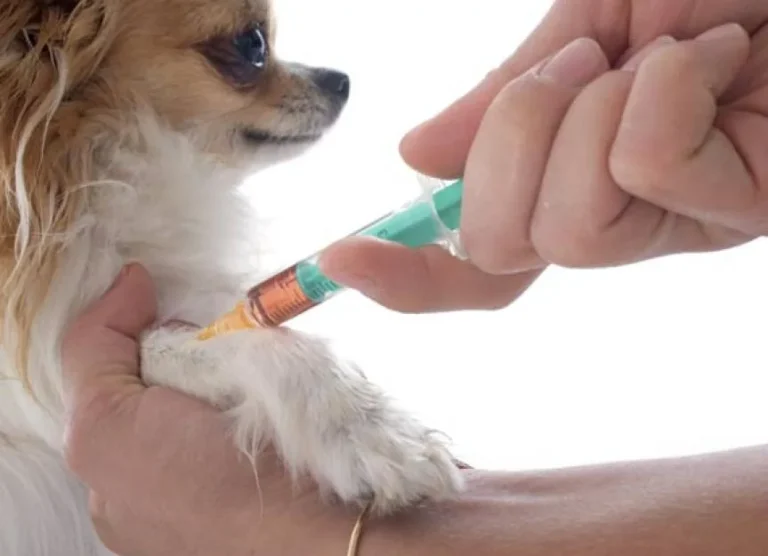
Apoquel is not approved for dogs under 12 months, and it requires ongoing monitoring. Cytopoint is a vet-administered injection and not available over the counter. Prescription elimination diets must come through your vet to ensure they're truly hydrolyzed or novel.
A valid vet-client-patient relationship (VCPR) is required for any of these prescriptions in the US. That just means an established exam relationship with your vet, not a one-time online purchase.
Frequently Asked Questions
How long does it take for a dog allergy to clear up?
Itch usually improves within days of starting Apoquel or Cytopoint, but the underlying allergy doesn't "clear up." It's managed. A skin infection may take 2-4 weeks of antibiotics or antifungals to resolve. An elimination diet trial takes 8-12 weeks before you can judge results.
Can dog skin allergies be cured, or only managed?
Most are managed, not cured. Flea allergy is the closest thing to curable, since total flea control prevents future reactions. Environmental allergies usually require lifelong management, though immunotherapy can reduce severity and medication needs over time.
Are there home remedies that actually work for dog skin allergies?
A few do. Cool oatmeal baths soothe itchy skin. Wiping paws after walks reduces pollen exposure.
Adding omega-3 fatty acids to the diet can improve the skin barrier over 6-8 weeks. Beyond that, "natural remedies" get shaky fast. Essential oils like tea tree are toxic to dogs, and bathing too often can dry the skin out worse.
What dog breeds are most prone to skin allergies?
French Bulldogs, English Bulldogs, Golden Retrievers, Labrador Retrievers, West Highland White Terriers, Boxers, German Shepherds, Shar-Peis, and Dalmatians all show higher rates. Any dog can develop allergies, but these breeds are overrepresented in dermatology clinics.
When should I see a vet for my dog's itchy skin?
Sooner than most owners think. If itch has lasted more than a week, if you see open skin, hair loss, or ear changes, or if your dog is losing sleep, book the visit. The earlier you address it, the less damage the skin takes, and the cheaper the treatment tends to be.
Is Apoquel safe for long-term use?
Manufacturer specifications and post-approval monitoring indicate Apoquel is generally well-tolerated for multi-year use in adult dogs. Your vet will weigh it against your dog's individual risk factors, including any history of infections or cancer. Regular checkups and bloodwork help catch issues early.
Can I give my dog Benadryl for skin allergies?
Diphenhydramine (the active ingredient in Benadryl) is sometimes used for mild allergic reactions in dogs at a vet-recommended dose. It rarely controls significant allergy itch on its own, and the wrong product or wrong dose can be dangerous. Always confirm the dose and the formulation with your vet first.
Your Next Step: A Practical Plan to Get Your Dog Relief
If your dog is scratching right now, here's the realistic order of operations:
- Book a vet visit this week if you haven't already. Ask for a skin exam, cytology, and a flea control plan.
- Start or confirm year-round flea prevention for every pet in the home.
- If food allergy is possible, commit to a strict 8-12 week elimination diet. No slips.
- Get fast itch relief with Apoquel or Cytopoint while the underlying cause is being sorted.
- Add medicated baths, omega-3s, and paw wiping to your weekly routine.
- Ask your vet about allergy testing and immunotherapy if itch returns every season.
Skin allergies are frustrating, but they're also one of the most treatable chronic conditions in dogs. The dogs who do best are the ones whose owners treat the cause, not just the itch.