How to know if dog has food allergies: Best guide

If you're staring at your dog scratching, licking paws, or having yet another ear infection, you're probably searching for how to know if dog has food allergies so you can finally get some answers. The honest truth is that food allergies in dogs are easy to suspect and surprisingly hard to confirm without a real plan.
A proper diagnosis hinges on a structured elimination diet trial, typically lasting 8 to 12 weeks under veterinary guidance, because blood, saliva, and hair "allergy tests" marketed to pet owners have repeatedly been shown to be unreliable for food allergens. As of 2026, the American College of Veterinary Dermatology and the World Small Animal Veterinary Association still consider the elimination diet the gold standard. Let's walk through what that actually looks like, and how to tell if it's worth pursuing for your dog.
Quick Answer
You can suspect a food allergy when your dog has chronic itching, recurrent ear infections, or GI upset that does not follow a seasonal pattern. The only reliable way to confirm it is an 8 to 12 week elimination diet trial supervised by a vet. Commercial food allergy blood or saliva tests are not accurate enough to diagnose the condition on their own.
Why Getting Food Allergy Diagnosis Right Matters for Your Dog
A wrong guess here costs more than money. If you chase the wrong trigger, your dog stays itchy, keeps getting ear infections, or stays on medications that only mask symptoms instead of solving the cause.
Food allergies fall under a category vets call adverse food reactions (AFR). True food allergies involve the immune system reacting to a specific dietary protein. Food intolerances involve the digestive system and don't trigger an immune response.
They look similar from the outside, which is part of why owners struggle.
Here's what proper guidance gets you:
- A clear answer instead of years of guesswork
- Reduced reliance on long-term steroids or apoquel
- Fewer repeat vet visits for ear infections and skin flare-ups
- A sustainable long-term feeding plan once the trigger protein is identified
The stakes are real. Untreated chronic itching leads to skin damage, secondary bacterial infections, and a noticeably worse quality of life for the dog. That's why getting the diagnostic process right matters more than trying every new limited-ingredient food on the market.
Food Allergy vs. Food Intolerance: Clearing Up the Confusion
Most people use "allergy" and "intolerance" interchangeably. Your vet won't, and the distinction changes how you approach the problem.
True food allergy is an immune-mediated hypersensitivity reaction to a specific protein. The body treats that protein as a threat and mounts a response, usually showing up as skin or ear issues, sometimes GI signs. Beef, chicken, dairy, wheat, soy, lamb, and eggs are the most commonly reported triggers in dogs.
Food intolerance is a digestive issue. The dog can't properly process something in the diet (a common example is lactose), but the immune system isn't involved. Symptoms are typically GI only: loose stool, gas, vomiting.
Skin stays clear.
How to tell them apart on paper
| Feature | Food Allergy | Food Intolerance |
|---|---|---|
| Immune system involved | Yes | No |
| Skin or ear symptoms | Common | Rare |
| GI symptoms only | Sometimes | Usually |
| Trigger is usually a protein | Yes | Variable |
| Confirmed by elimination diet | Yes | Yes, but separate process |
If your dog has both skin and gut symptoms that started around the same time, an allergy is the more likely suspect. If the only issue is loose stool and no skin changes, you're probably dealing with intolerance or a different GI condition entirely.
The Most Common Dog Food Allergens (and Why Beef, Chicken, and Dairy Top the List)
Most dogs with food allergies react to a protein they've been exposed to repeatedly over months or years. That's why the top offenders are the ingredients most commonly used in commercial dog food.
Aggregated veterinary case data consistently shows these proteins as the most frequent culprits:
- Beef (~34% of confirmed cases)
- Dairy (~17%)
- Chicken (~15%)
- Wheat (~13%)
- Lamb, soy, egg, and corn show up less often but absolutely still happen
A useful mental model: the more often your dog has eaten a protein, the more likely the immune system has had time to become sensitized to it. That's why exotic proteins like venison, duck, or kangaroo have a lower baseline risk, not because they're "hypoallergenic," but because fewer dogs have been exposed to them long enough to develop a reaction.
A note on grain-free diets
Grain-free formulas often swap wheat for peas, lentils, or chickpeas. Some dogs allergic to wheat do improve, but others react to the new legume proteins. The FDA Center for Veterinary Medicine has also flagged a potential link between grain-free, legume-heavy diets and a form of heart disease (dilated cardiomyopathy) in some dogs, which is worth weighing with your vet before committing long term to a grain-free plan.
You can review the FDA's current guidance on diet-related DCM at FDA Center for Veterinary Medicine.
Signs Your Dog May Have a Food Allergy: Skin, Ear, and GI Symptoms
Here's the practical checklist. Food allergies in dogs tend to show up in three places: the skin, the ears, and the gut. Often more than one at once.
Skin symptoms
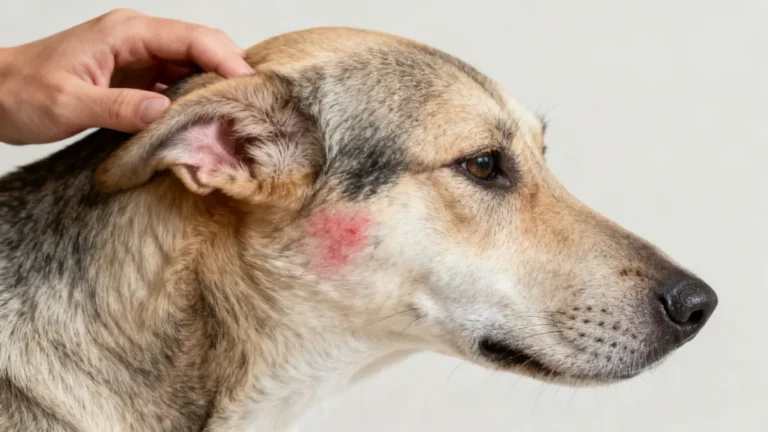
- Persistent itching, especially around the face, paws, armpits, groin, and rear end
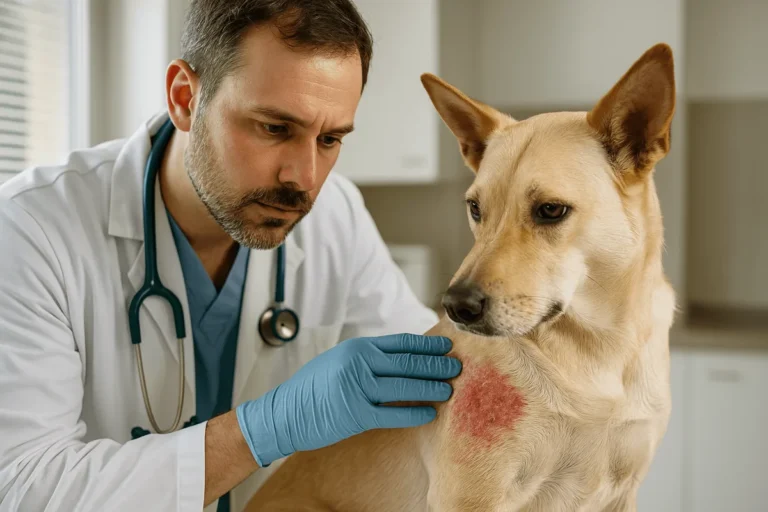
- Red, inflamed skin or recurrent "hot spots"
- Hair loss from constant scratching or licking
- Recurrent skin infections (bacterial or yeast)
Ear symptoms
- Recurring ear infections (otitis externa) that come back even after treatment
- Head shaking, scratching at ears, or a yeasty smell from the ear canal
GI symptoms
- Chronic soft stool or diarrhea
- Vomiting, especially if it happens more than once a month
- Increased gas or frequent bowel movements
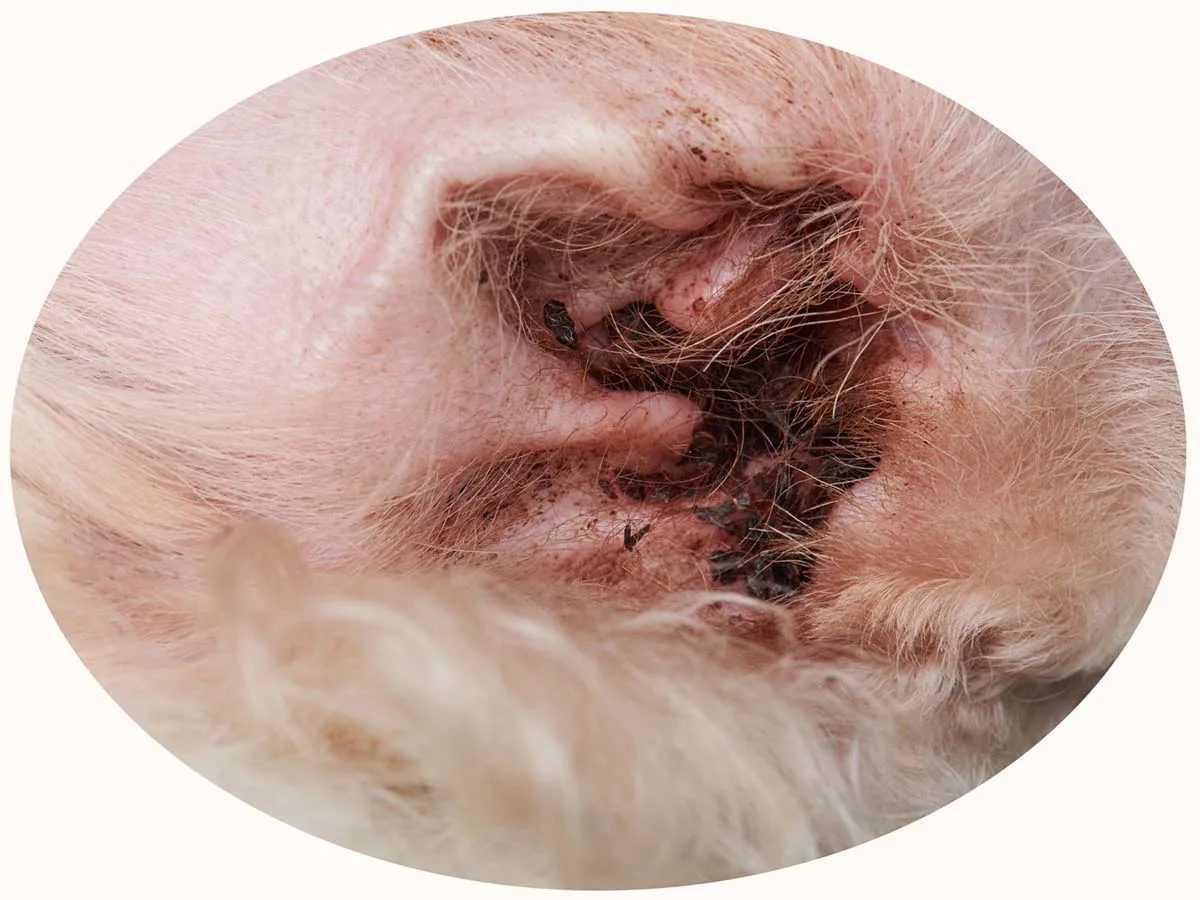
The pattern that points most strongly toward a food allergy is non-seasonal, year-round symptoms. If your dog flares every spring and clears by fall, environmental allergies (atopic dermatitis) are more likely. If the itching and ear infections never really go away regardless of season, food allergy climbs to the top of the list.
Common symptom combos that raise suspicion
| Symptom Combo | Food Allergy Likelihood |
|---|---|
| Year-round itching + recurrent ear infections | High |
| Itching + chronic soft stool | Moderate to high |
| Itching that flares every spring/fall only | Low (likely environmental) |
| GI upset only, no skin or ear signs | Lower (consider intolerance or other GI disease) |
If your dog's symptoms match the first two rows, an elimination diet trial is genuinely worth the effort.
Why Timing and Age of Onset Matter
Food allergies don't follow a strict age rule, but the patterns help narrow things down.
Most veterinary case series report two peaks: dogs under one year old, and dogs over five or six. Puppies can react early because their immune systems are still learning to tolerate dietary proteins. Older dogs can develop new sensitivities after years of stable feeding, often alongside a shift in gut health or immune function.
A few useful timing questions to ask yourself:
- Did the symptoms start within a few months of a diet change?
- Did they start after a long period of eating the same food?
- Have they been there as long as you can remember?
If your dog has been itchy since before six months of age and you've tried everything, food allergy is high on the differential list. If the symptoms started abruptly in a senior dog with no prior history, your vet may want to rule out other causes first, including endocrine disease and cancer.
Breeds at Higher Risk for Food Allergies
Breed doesn't cause food allergies, but certain breeds show up more often in veterinary dermatology referral caseloads. The recurring names include Labrador Retrievers, Golden Retrievers, French Bulldogs, English Bulldogs, Cocker Spaniels, German Shepherds, Boxers, Shar-Peis, and Standard Poodles.
If your dog is one of these breeds and has year-round skin or ear issues, it's reasonable to put food allergy near the top of the working diagnosis list. That doesn't mean it's automatically the answer. It just means an elimination trial is worth pursuing before assuming environmental allergies or jumping to long-term immune-suppressing medication.
Why Commercial "Dog Allergy Tests" Usually Don't Work
Walk into any pet store or search online and you'll see saliva swab kits, hair sample tests, and blood allergy panels promising to identify food sensitivities with a single sample. Our research, and the consensus from the American College of Veterinary Dermatology and the World Small Animal Veterinary Association, is consistent: these tests are not reliable for diagnosing food allergies.
Here's the issue:
- Serum IgE blood tests for food allergens have poor sensitivity and specificity. They produce both false positives and false negatives at high rates.
- Saliva and hair tests have not been validated against the gold standard (an elimination diet trial) in any peer-reviewed study.
- A positive result on these tests often reflects prior exposure, not a true allergy.
Spending $100 to $300 on a kit that gives you a confident-looking list of "problem foods" usually leads owners to rotate through diets that don't actually solve anything, while the real trigger stays in the bowl.
The exception: intradermal skin testing and serum IgE panels for environmental allergens (dust, pollen, mold) are more useful when guided by a veterinary dermatologist. For food, the elimination trial still wins.
The Elimination Diet Trial: The Gold Standard for Diagnosing Food Allergies in Dogs
The elimination diet trial is the only method with strong enough evidence behind it to confirm or rule out a food allergy. The concept is straightforward: feed a strict, simplified diet for 8 to 12 weeks and watch what happens.
The two main approaches:
- Hydrolyzed protein diet: proteins are broken down into tiny peptides too small for the immune system to recognize. Most veterinary dermatologists consider this the most reliable option.
- Novel protein diet: a protein and carbohydrate source your dog has never eaten before, like venison and sweet potato or rabbit and pea.
Both options work when used correctly. Hydrolyzed diets reduce the risk of accidental prior exposure because the protein fragments don't look like the original ingredient to the immune system. Novel protein diets work well when you've carefully reviewed your dog's full dietary history.
The choice between them often comes down to availability, cost, and whether your vet has a strong preference based on your dog's history. Prescription hydrolyzed diets are typically formulated to be nutritionally complete, while some novel protein diets marketed over the counter are not.
What an elimination diet timeline looks like
| Phase | Duration | What Happens |
|---|---|---|
| Strict elimination | Weeks 1 to 8 | Single diet only, no other food, treats, or chews |
| Early monitoring | Weeks 4 to 8 | First signs of improvement often appear here for skin symptoms |
| GI response | Weeks 2 to 4 | Digestive symptoms usually improve first if present |
| Food challenge | Weeks 9 to 12 | Old foods are reintroduced one at a time to identify triggers |
About 25% of dogs show meaningful improvement by week four. Most of the rest show clear improvement by week eight. If your dog hasn't responded by week twelve on a properly executed trial, food allergy is unlikely to be the primary problem.
How to Run an Elimination Diet the Right Way (Step by Step)
The trial fails when owners don't realize how strict it has to be. A single treat, a flavored heartworm chew, or table scraps can break the trial and reset the clock.
Here's how to run it properly:
- Step 1: Get your vet's approval and pick the diet. A prescription hydrolyzed protein diet is usually the safest bet for a first trial.
- Step 2: Feed only the chosen diet. Nothing else. No treats, no chews, no rawhide, no dental sticks, no flavored medications.
- Step 3: Switch all medications to unflavored versions. Many monthly preventives and some NSAIDs come in flavored forms. Check every label.
- Step 4: Keep everyone in the household on board. Kids, partners, and guests need to know not to slip the dog anything.
- Step 5: Document symptoms weekly. Take photos of skin and ear condition. Track stool quality. Note any flare-ups.
- Step 6: At week eight to twelve, evaluate. If symptoms have improved by 50% or more, you're ready for the food challenge phase. If not, discuss next steps with your vet.
Common things people forget
- Flavored toothpastes or dental chews
- Pill pockets and flavor-coated medications
- Licking plates, baby food given "just this once"
- Access to other pets' food bowls in a multi-dog home
- Fish oil or other supplements that may contain hidden proteins
If you have multiple dogs, feed the trial dog separately or commit all dogs to the same diet for the trial period.
Hydrolyzed Protein vs. Novel Protein: Which Prescription Diet to Choose
Both approaches are legitimate. The choice depends on your dog's history and your budget.
Hydrolyzed protein diets (like those made by Royal Canin, Hill's, or Purina under veterinary prescription) use proteins broken into small peptides, often below 10,000 daltons, that the immune system typically can't recognize. Pros: very controlled, lower contamination risk, balanced nutrition. Cons: cost ($60 to $120 per month for medium to large dogs), some dogs dislike the taste.
Novel protein diets use ingredients your dog has genuinely never eaten. Pros: more palatable for many dogs, sometimes cheaper. Cons: requires careful dietary history review, risk of hidden prior exposure (many "venison" foods contain traces of chicken or beef), and over-the-counter versions are often not nutritionally complete.
A practical rule from the veterinary dermatology community: if the dietary history is unclear (rescue dogs, frequent food switches, lots of treats), start with hydrolyzed. If you have a clear history and a protein the dog has truly never eaten, novel protein can work.
Common Mistakes That Wreck an Elimination Diet Trial
Even well-meaning owners break trials without realizing it. The most common reasons trials fail:
- Giving in to "just one treat"
- Using flavored heartworm or flea preventives
- Letting the dog lick plates or steal food from kids
- Switching to a different food too early because of slow improvement
- Choosing an over-the-counter "limited ingredient" diet that's cross-contaminated with common allergens
- Running the trial for only four to six weeks instead of the full eight to twelve
A trial that's been contaminated is essentially the same as no trial at all. The result is unreliable, and you'll need to start over.
The Food Challenge Phase: How to Confirm the Culprit Protein
If your dog's symptoms have clearly improved by week eight or twelve, the next step is to prove the food was actually the cause. This is the food challenge, and it's how you avoid living on a hydrolyzed diet forever.
The protocol:
- Add one protein back into the diet for 7 to 14 days
- Watch for any return of itching, ear issues, or GI signs
- If symptoms return, that protein is a confirmed trigger
- If symptoms stay clear after 14 days, that protein is safe
- Repeat with the next protein
Most owners start with their dog's previous main protein (often chicken or beef) because that's the most likely culprit. Adding proteins back one at a time gives you a complete map of safe and unsafe foods for your dog.
When Symptoms Point to Something Other Than Food Allergy
Not every itchy dog has a food allergy. Some have environmental allergies (atopic dermatitis), flea allergy dermatitis, sarcoptic mange, or a combination. A few red flags that suggest the problem is not dietary:
- Symptoms that completely resolve with consistent flea control
- Clear seasonal pattern (worse in spring or fall)
- Intense itching confined to the rear end and tail base (classic flea allergy)
- Skin scraping that shows mites under the microscope
If your vet suspects these, treatment goes in a different direction. Sometimes a dog has both food and environmental allergies, which complicates the picture but doesn't make the elimination trial useless. Reducing one trigger often makes the other easier to manage.
Working With Your Vet (and When to See a Veterinary Dermatologist)
Most general practice vets are equipped to run an elimination diet trial. That said, a referral to a veterinary dermatologist (a Diplomate of the American College of Veterinary Dermatology or the European equivalent) makes sense when:
- Symptoms haven't improved after a properly executed 12-week trial
- The dog has severe or unusual skin disease
- Multiple treatment approaches have already failed
- A second opinion would give the owner confidence to commit
Veterinary dermatologists see these cases daily and can spot patterns a general practitioner might miss. They also have access to intradermal skin testing for environmental allergens, which becomes useful once food allergy has been ruled out.
Costs and Timeline: What to Expect From a Proper Diagnosis
Here's what a typical elimination diet trial costs in 2026:
- Initial vet consultation and exam: $80 to $200
- Prescription hydrolyzed diet: $60 to $120 per month
- Recheck appointments: $60 to $150 each
- Optional dermatologist referral: $200 to $400 for the initial visit
Over a 12-week trial, total costs usually land between $400 and $1,000 depending on dog size, location, and whether complications arise. That's not cheap, but it's far less than years of recurring ear infections, skin treatments, and chronic medications.
The timeline itself is the harder part for most owners. Twelve weeks of strict feeding without treats, chews, or "just one bite" requires real commitment. The payoff is a clear answer.
Long-Term Feeding Plan After Diagnosis
Once you've identified the trigger protein(s) through the food challenge phase, life gets easier. Your dog goes on a long-term diet that excludes the confirmed allergen. A few practical tips:
- Stick with the same protein and carbohydrate sources that worked during the trial
- Read every label on treats, chews, and supplements
- Avoid "made in a facility that also processes" warnings if your dog is highly sensitive
- Recheck with your vet every six to twelve months, especially if symptoms creep back
Most dogs do well long-term on a stable, limited-ingredient or hydrolyzed maintenance diet. Some owners successfully transition to a commercial diet containing the safe proteins identified during the food challenge, which gives more variety.
Maintenance and Long-Term Optimization After Diagnosis
Once your dog's trigger protein is confirmed, the goal is keeping them stable without slipping back into old habits.
Stick with the same protein and carbohydrate sources that worked during the elimination trial. Read every treat and supplement label carefully, since "natural flavoring" or "animal digest" can hide the trigger. Recheck with your vet every six to twelve months, especially if symptoms creep back.
Some dogs need a seasonal adjustment if environmental allergies layer on top.
When to revisit the diagnosis
- New symptoms appear months after a successful trial
- The dog starts reacting to a previously safe protein
- Skin or ear issues return despite strict diet control
Real Scenarios: How Food Allergy Diagnosis Plays Out
Scenario 1: The young Labrador with chronic ear infections
A two-year-old Labrador has had four ear infections in the past year. Each clears with treatment, then returns within weeks. The dog also scratches at its face and paws year-round.
The vet recommends an eight-week hydrolyzed protein trial. By week six, the ears are noticeably cleaner and the scratching has dropped by half. Reintroducing chicken during the food challenge causes ear inflammation within five days.
The dog goes on a chicken-free maintenance diet and stays clear for over a year.
Scenario 2: The senior Cocker Spaniel with skin flare-ups
A nine-year-old Cocker Spaniel develops sudden itching and hair loss. The owner assumes it's age-related. Bloodwork shows elevated liver enzymes.
Once the liver issue is treated and the diet is switched to a hydrolyzed formula, the skin clears within eight weeks. The food allergy was secondary, but the trial still gave the vet a clear answer.
Scenario 3: The rescue dog with an unknown history
A two-year-old mixed breed from unknown background has had intermittent soft stool since adoption. Multiple diet changes haven't helped. The vet runs a hydrolyzed protein trial.
GI symptoms improve by week three but never fully resolve. Further workup reveals inflammatory bowel disease alongside a mild food sensitivity. Treating both gives the best outcome.
Troubleshooting a Trial That Isn't Working
If your dog shows no improvement after eight weeks on a properly executed trial, food allergy is unlikely to be the main driver. Revisit flea control first, since even low-grade flea exposure can keep itching active. Ask your vet about environmental allergy testing through a dermatologist.
Rule out secondary skin infections that may need targeted treatment before the underlying cause becomes visible.
When to push for a referral
- No improvement after a strict twelve week trial
- Symptoms worsening despite confirmed diet compliance
- Need for intradermal skin testing or advanced immune therapy
Comparing Food Allergy to Other Common Itch Causes
| Cause | Seasonal? | Responds to Diet Trial? | Common Clue |
|---|---|---|---|
| Food allergy | No | Yes | Year-round ear infections, paw licking |
| Flea allergy | Often summer peaks | No | Rear-end itching, visible fleas or "flea dirt" |
| Environmental (atopic) | Often yes | No | Face rubbing, paw chewing in spring/fall |
| Sarcoptic mange | Any season | No | Intense itching, crusty ear edges, contagious |
If your dog fits more than one category, treat all of them. Many dogs with food allergies also have environmental allergies, and managing both gives the best quality of life.
Safety Notes and Common Missteps to Avoid
Never run an unsupervised home-cooked elimination diet for more than four weeks without veterinary nutritional oversight. Long-term home-cooked plans are a leading cause of calcium and trace mineral deficiencies in dogs, and the symptoms look nothing like food allergy, which masks the real problem.
Avoid blood, saliva, or hair "allergy tests" sold directly to consumers. The results are unreliable enough to mislead your decisions.
What to Ask Your Vet at the First Appointment
Bring a complete food history, including brands, flavors, treats, chews, table scraps, and supplements. Ask whether a hydrolyzed protein or novel protein diet makes more sense given your dog's background. Confirm which medications need to switch to unflavored versions for the trial.
Set a clear endpoint at week eight or twelve for re-evaluation.
Quick Symptom Checklist Before Booking the Appointment
Use this short list to decide whether a vet visit is worth scheduling now:
- Year-round itching with no clear seasonal pattern
- Two or more ear infections in the past twelve months
- Chronic soft stool or vomiting without another explanation
- Repeated flare-ups after diet changes
- Symptoms that started under age one or after age six
If two or more of these fit your dog, an elimination diet trial is a reasonable next step to discuss with your vet.
Final Word on Getting a Real Answer
The elimination diet trial is not glamorous. It takes discipline, costs real money, and tests your patience over twelve weeks. It's also the only path that gives you a confident answer instead of another guess.
If your dog matches the symptom pattern covered here, commit to the process with your vet. The result is worth the effort.
Frequently Asked Questions About Dog Food Allergies
How long does an elimination diet trial take to show results?
Most dogs show meaningful improvement in skin and ear symptoms by week eight. Some respond as early as week four. GI symptoms often improve within two to four weeks.
The full trial typically runs eight to twelve weeks to confirm the result.
Can a dog develop a food allergy later in life?
Yes. Food allergies can appear at any age, though peaks occur in dogs under one year and over five to six years. A dog that ate the same food for years without issues can still develop a sensitivity to it.
Are grain-free diets better for dogs with food allergies?
Not necessarily. Grain-free diets swap grains for legumes or alternative starches, which can introduce new allergens. The FDA has also flagged a potential link between some grain-free diets and a form of heart disease in dogs.
Discuss the trade-offs with your vet before committing.
What's the difference between a food allergy and environmental allergies in dogs?
Food allergies cause year-round skin, ear, or GI symptoms regardless of season. Environmental allergies (atopic dermatitis) often follow a seasonal pattern and worsen during specific pollen seasons. Dogs can have both at the same time.
Should I try a limited-ingredient diet from the pet store first?
Over-the-counter limited-ingredient diets are often cross-contaminated with common allergens like chicken or beef, even when not listed on the label. For a reliable trial, a veterinary-prescribed hydrolyzed or novel protein diet is the safer starting point.