How do i treat my dogs allergies: The complete guide
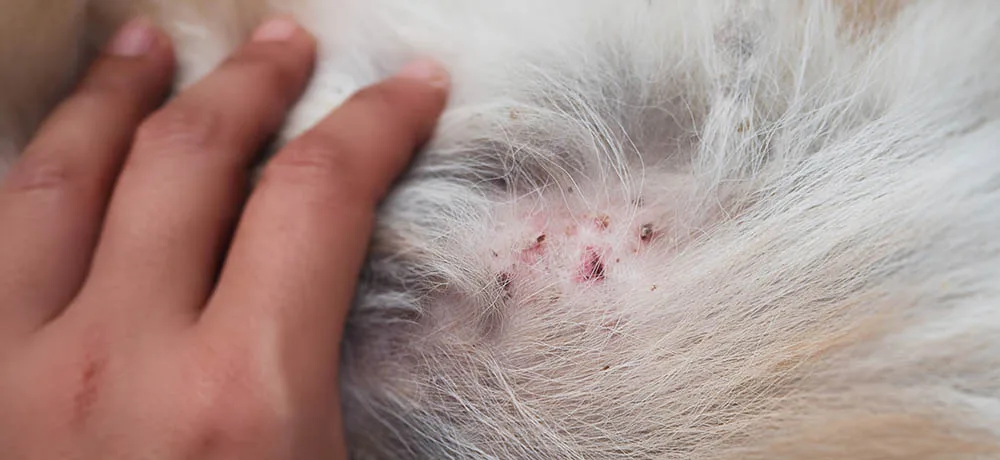
If your dog can't stop scratching, licking their paws, or shaking their head, you're probably searching for real answers right now, and you want to know how to treat dog allergies without wasting money on the wrong stuff. The good news: most allergy cases fall into three clear categories, and once you figure out which one your dog has, the treatment path gets much simpler. The tricky part is that each category needs a different approach, so guessing usually delays relief.
The three main culprits are flea allergy dermatitis (FAD), food allergies, and environmental allergies (called atopic dermatitis). Treatment success rates vary a lot depending on which one your dog has. For instance, immunotherapy, the closest thing to a long-term fix for environmental allergies, helps roughly 60, 80% of dogs.
Food-related skin issues usually clear up within 8, 12 weeks on the right elimination diet. Let's walk through how to tell them apart, what your vet will likely recommend, and the common mistakes that keep dogs itchy for months longer than they need to be.
Quick Answer
To treat your dog's allergies, first identify the type: flea, food, or environmental. Flea allergies need strict flea prevention. Food allergies need a vet-guided elimination diet.
Environmental allergies are managed with medications like Apoquel or Cytopoint, allergy testing, and immunotherapy. Always confirm the diagnosis with your vet before starting any treatment plan.
Why Your Dog Won't Stop Scratching (And What That Actually Means)
When a dog scratches constantly, it's rarely "just dry skin." Allergies are one of the top reasons dogs end up at the vet, and they're also one of the most commonly misdiagnosed conditions.
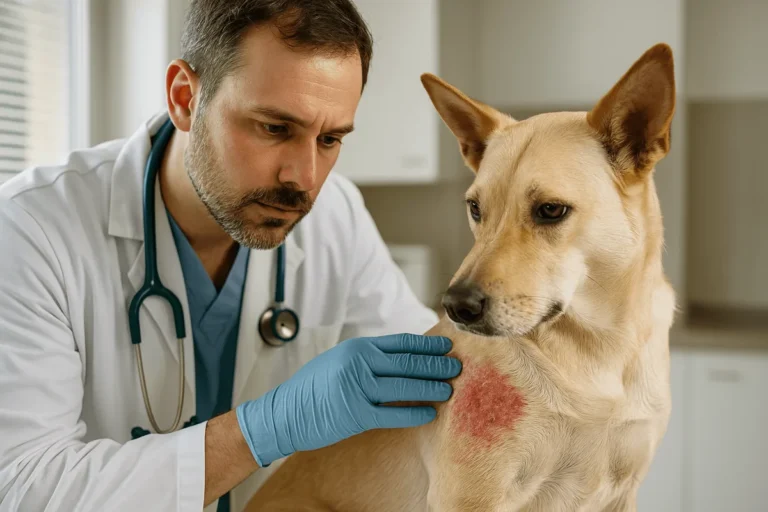
Here's what most owners miss: allergies in dogs almost always show up on the skin, not the way humans get sneezing and watery eyes. Your dog licks paws, chews at the belly, rubs their face on the carpet, or gets recurring ear infections. If you've seen two or more of these signs together, allergies are a strong possibility.
A few quick rules of thumb before we go deeper:
- Year-round symptoms usually point to food or indoor allergens (dust mites, mold).
- Seasonal flare-ups (spring/fall) usually point to pollen or grass.
- Scratching concentrated near the tail base and hind legs usually means fleas, even if you haven't seen a single bug.
The 3 Main Types of Dog Allergies (And Why Getting This Right Matters)
| Allergy Type | Common Trigger | Classic Signs | Diagnostic Method |
|---|---|---|---|
| Flea Allergy Dermatitis (FAD) | Flea saliva (even one bite) | Intense scratching at tail base, hair loss, red bumps | Flea comb + vet skin exam |
| Food Allergy | Beef, chicken, dairy, wheat, egg, soy | Chronic ear infections, paw licking, GI upset | 8–12 week elimination diet |
| Environmental (Atopic) Dermatitis | Pollen, dust mites, mold, grass | Face rubbing, paw chewing, armpit scratching | Intradermal or serum allergy testing |
Each of these needs a different first step. Treating a food allergy with flea prevention won't do anything. Treating environmental allergies with a food switch won't either.
That's why vets emphasize proper diagnosis before throwing medications at the problem. Per the American College of Veterinary Dermatology, distinguishing between these three types is the cornerstone of effective allergy management.
Symptoms by Allergy Type: A Quick Identification Guide
If you're trying to narrow things down at home before your appointment, this checklist helps.
Flea allergy clues:
- Scratching concentrated near the lower back, tail base, and back of thighs.
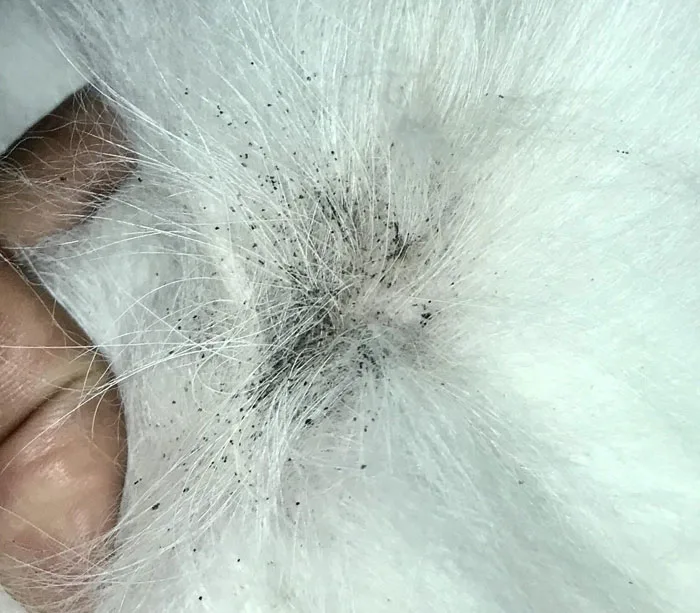
- You spot "flea dirt" (tiny black specks that turn red on a wet paper towel).
- Other pets or family members have flea bites too.
Food allergy clues:
- Year-round itching with no obvious seasonal pattern.
- Recurring ear infections (one of the strongest food-allergy red flags).
- Soft stool or gas alongside skin issues.
- Symptoms started before age 1 or after a recent diet switch.
Environmental allergy clues:
- Symptoms flare in spring or fall, or after long days outdoors.
- Paw licking and face rubbing are the main signs.
- Ears get waxy and inflamed without a strong odor (that's usually yeast or infection, separate issue).
If your dog's signs line up with more than one column, that's actually common. Many allergic dogs have layered triggers, which is why vet testing matters.
When to See a Vet vs. When You Can Try Home Care First
Not every itch needs an emergency appointment, but some signs mean you shouldn't wait.
See your vet soon if you notice:
- Open sores, hot spots, or bleeding skin.
- Strong odor from ears or skin (often a sign of secondary infection).
- Swelling of the face or hives.
- Constant scratching that interrupts sleep.
Home care is reasonable to try first if:
- Symptoms are mild and just started.
- No skin damage, infection, or behavior change.
- Your dog is otherwise eating, drinking, and acting normally.
A practical short-term step you can take at home: give your dog a bath with a gentle, fragrance-free oatmeal shampoo. It doesn't cure the allergy, but it rinses off surface allergens and soothes skin for a few days. Manufacturer specifications for oatmeal-based veterinary shampoos confirm they provide temporary relief lasting 48, 72 hours per bath.
If your dog has been itchy for more than two weeks without improvement, it's vet time. As of 2026, most general practice vets can run serum allergy panels in-house. Veterinary dermatologists are booking out around 4, 6 weeks in many regions.
Getting on that waitlist early is smart.
Step 1: Rule Out Flea Allergy Dermatitis
Flea allergy is the easiest allergy to confirm, and also the easiest to overlook. A single flea bite can keep a sensitive dog itching for two weeks. If your dog is allergic to flea saliva, even one flea you never see is enough to cause symptoms.
How to confirm it:
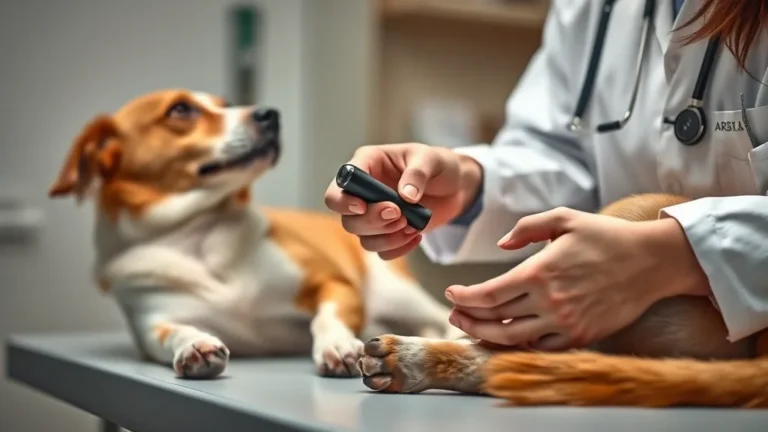
- Comb your dog with a fine-tooth flea comb over the lower back and tail base.
- Look for flea dirt (tiny black specks) on the comb or white paper.
- Wet the specks with a drop of water; if they turn reddish-brown, that's digested blood, a sure sign of fleas.
If you find evidence of fleas (or want to rule them out completely):
- Start a vet-approved flea prevention product for every animal in the household. Cats and indoor-only dogs count too.
- Common options include Bravecto (12-week dose), NexGard, Simparica, Advantage, and Frontline, depending on what fits your dog.
- Wash bedding in hot water and vacuum thoroughly for at least 7 days in a row.
How long until relief:
Most dogs with FAD start feeling better within 1, 2 weeks of strict flea control. If itching continues after a full month of prevention, fleas are probably not the main trigger.
Step 2: Test for Food Allergies With an Elimination Diet
If fleas are ruled out (or under control) and symptoms remain, food is the next suspect. Per veterinary dermatology guidelines, food allergies in dogs are usually triggered by proteins the dog has eaten before, most often beef, chicken, dairy, or wheat. That matters because switching from one chicken-based kibble to another chicken-based kibble won't help.
How a proper elimination diet works:
- Pick a novel protein your dog has never eaten (like venison, rabbit, or duck) OR a hydrolyzed protein prescription diet where the protein is broken down too small for the immune system to recognize.
- Feed only that food for 8, 12 weeks. No treats, no table scraps, no flavored medications (ask your vet for non-flavored alternatives).
- Watch for symptom improvement in weeks 4, 6, with most improvement by week 10.
- If symptoms clear, reintroduce original ingredients one at a time to confirm the trigger.
This part is where most owners mess up. One stray treat, a piece of dropped pizza, or a flavored heartworm chew can blow the whole trial. Strict is the word.
Prescription hydrolyzed diets from Royal Canin (HP), Hill's (z/d), and Purina (HA) are formulated specifically for this purpose and backed by published veterinary dermatology research. Your vet can order them directly.
Step 3: Identify Environmental Allergies Through Testing
When fleas and food have been ruled out, the remaining culprit is atopic dermatitis, an allergy to things like pollen, mold, dust mites, or grass. To treat it properly, your vet will likely suggest one of two tests.
| Test Type | What It Detects | Cost Range (2026) | Best For |
|---|---|---|---|
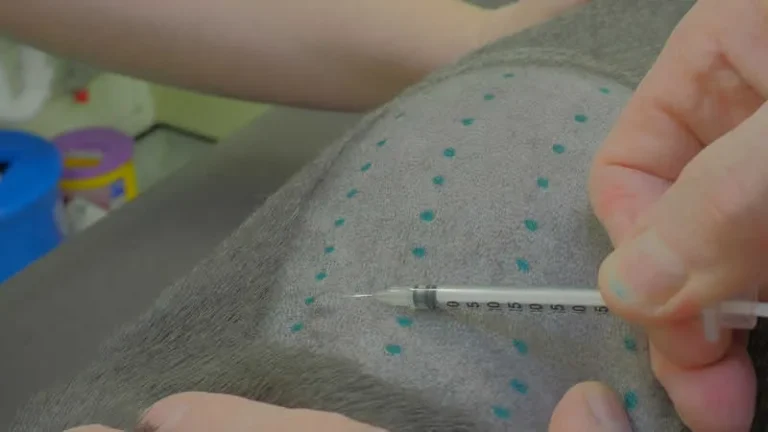
| Intradermal Skin Test | Up to 60+ environmental allergens | $200–$400 | Dogs with clear seasonal patterns |
| Serum IgE Blood Test | 40–80 allergens depending on panel | $150–$300 | Dogs who can't be sedated or have skin infections blocking skin tests |
Both tests are typically performed or ordered by a veterinary dermatologist. The intradermal test is considered the gold standard in vet dermatology, but blood tests are improving and more convenient for many clinics.
Once you have results, treatment usually splits into three options:
- Immunotherapy (allergy shots or sublingual drops): Custom-made for your dog's specific allergens. About 60, 80% of dogs improve within 6, 12 months. This is the only treatment that targets the root cause, not just the itch.
- Itch-control medication: Apoquel or Cytopoint (we'll compare these next).
- Combination: Many dogs do best with immunotherapy for long-term control plus medication during flare-ups.
Treatment Options: From Antihistamines to Apoquel and Cytopoint
Once you've identified the allergy type, the next step is choosing the right medication. Here's a clear rundown of what your vet will probably discuss with you.
Over-the-Counter Antihistamines
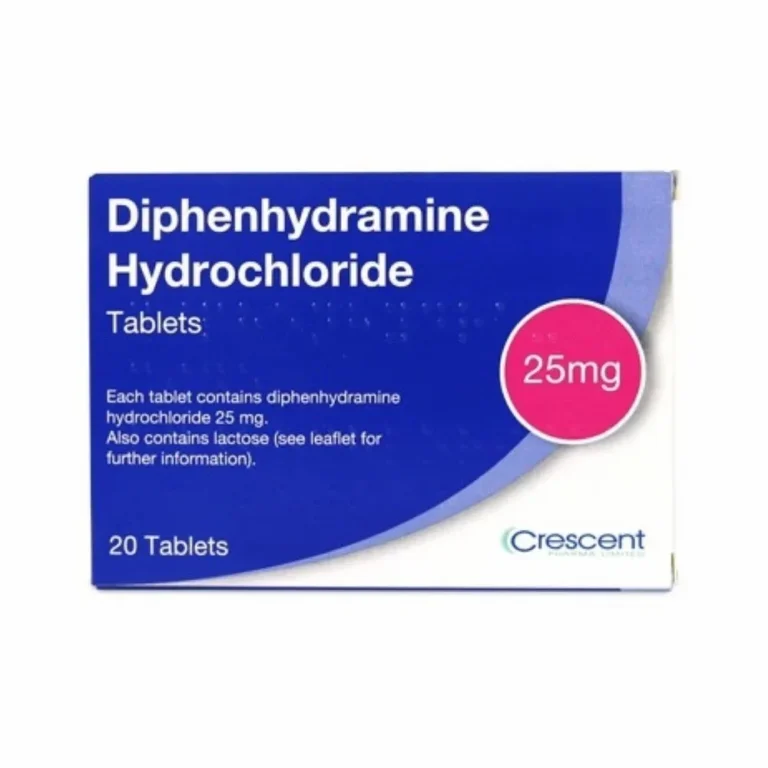
Antihistamines like diphenhydramine (Benadryl), cetirizine (Zyrtec), and loratadine (Claritin) are sometimes tried first because they're cheap and easy to find.
Reality check: Antihistamines help roughly 10, 30% of allergic dogs, mostly those with mild, seasonal symptoms. If your dog is in the moderate-to-severe category, they're unlikely to be enough on their own.
Safe dosing for diphenhydramine in dogs is generally 1 mg per pound of body weight, twice daily. Always confirm with your vet before giving any human medication. Some formulations contain xylitol or pseudoephedrine, both toxic to dogs.
Prescription Itch Relief
For most dogs with moderate-to-severe allergies, prescription medication is what actually works.
- Apoquel (oclacitinib): An oral tablet that blocks itch at the immune signal. Starts working within 24 hours and is given daily. Works well for both short-term flare-ups and long-term management.
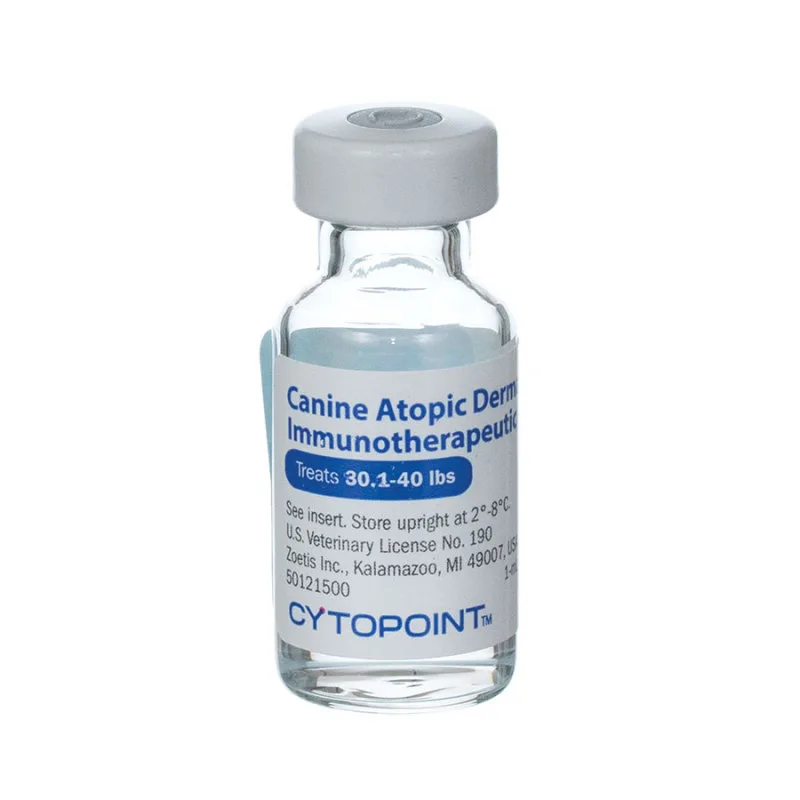
- Cytopoint (lokivetmab): An injection given at the vet that neutralizes itch signals. Starts working within 4, 8 hours and lasts 4, 8 weeks depending on the dog.
Both are FDA-approved for canine allergic dermatitis and considered safe for long-term use under veterinary supervision.
Apoquel vs. Cytopoint: Which One Fits Your Dog?
This is one of the most common questions owners ask, and the answer depends on your dog's lifestyle, budget, and how often they need relief.
| Feature | Apoquel | Cytopoint |
|---|---|---|
| Form | Daily tablet | Vet-administered injection |
| Onset of relief | Within 24 hours | 4–8 hours |
| Duration | Must be given daily | 4–8 weeks per shot |
| Best for | Owners who want daily control at home | Dogs hard to pill, or owners who prefer fewer doses |
| Approximate cost (2026) | $1.50–$3 per tablet | $50–$150 per injection |
| Long-term use | Yes, vet monitored | Yes, vet monitored |
Choose Apoquel if:
- You want flexible, daily dosing you can pause on good days.
- Your dog's flare-ups come and go with seasons.
Choose Cytopoint if:
- Your dog fights pills or refuses oral medication.
- You'd rather not remember a daily pill.
- Your dog's itch is consistent year-round.
In practice, many dogs end up trying both and switching based on response. Some dogs respond better to one than the other for no obvious reason. Your vet can help you decide based on bloodwork, other medications, and overall health.
Supporting Care: Shampoos, Omega-3s, and Natural Add-Ons
Medication handles the main itch, but supportive care makes a real difference in how comfortable your dog feels day-to-day.
Medicated shampoos: Look for products with oatmeal, pramoxine, or chlorhexidine. Baths 1, 2 times per week rinse off allergens and soothe inflamed skin. Avoid anything heavily perfumed.
Omega-3 fatty acid supplements: Fish oil or krill oil supplements have anti-inflammatory effects that support skin health. Aggregate reviews of veterinary supplements show that dogs on omega-3s often need slightly less medication over time. Expect 6, 8 weeks before you see the full effect.
Wipe downs after walks: A damp cloth on paws and belly after outdoor time removes pollen before it gets absorbed through the skin. Cheap, easy, surprisingly effective.
Air filtration: HEPA filters in bedrooms reduce indoor allergen loads. Particularly useful for dogs with dust mite or mold allergies.
These aren't replacements for proper medication, but they stack well with the main treatment plan.
Common Mistakes That Make Dog Allergies Worse
After walking through hundreds of cases, a few patterns repeat over and over.
Treating without diagnosing. Giving Apoquel without figuring out whether the trigger is fleas, food, or environment just masks the itch while the root cause keeps doing damage.
Skipping flea prevention "because I never see fleas." In flea-allergic dogs, you don't need many. Even one bite can keep them itching for two weeks.
Inconsistent elimination diets. Even tiny slip-ups (a piece of cheese, a flavored chew) can invalidate weeks of strict feeding.
Stopping meds too early. Apoquel and Cytopoint don't cure allergies; they control them. Stopping because your dog "looks better" usually triggers a flare within days.
Ignoring ear infections. Recurring ear infections are one of the strongest signals of underlying allergies. Treating the ears without addressing the allergy means they keep coming back.
Skipping environmental management. No medication fully compensates for a dog sleeping on allergen-heavy bedding or rolling in grass every day without a wipe-down.
What Dog Allergy Treatment Actually Costs
Cost is real, and most owners want to budget ahead.
| Treatment | Typical Cost (2026) | Frequency |
|---|---|---|
| Apoquel | $1.50–$3 per tablet | Daily |
| Cytopoint injection | $50–$150 per shot | Every 4–8 weeks |
| Allergy testing (blood or skin) | $150–$400 | One-time |
| Immunotherapy (shots/drops) | $30–$80/month | Ongoing |
| Prescription elimination diet | $50–$100/month | 8–12 weeks minimum |
| Flea prevention | $15–$25/month | Year-round |
Adding it up, a moderate-to-severe allergic dog often costs $80, $200/month in combined care, with lower costs for mild cases and higher for dogs on immunotherapy plus medication. Pet insurance plans that cover prescriptions can offset a meaningful chunk if enrolled before the allergy diagnosis.
Long-Term Management and Prevention Strategies
Allergies in dogs are usually managed, not cured, with rare exceptions for true food allergies once the trigger is identified.
A solid long-term plan typically includes:
- Year-round flea prevention (yes, even in winter).
- A confirmed diet that doesn't trigger flares.
- Either medication or immunotherapy for environmental triggers.
- Regular baths and wipe-downs during high-pollen periods.
- Vet check-ins every 6, 12 months to adjust the plan.
Most dogs do very well with this kind of layered approach. The goal is to reduce flare-ups, keep skin healthy, and minimize medication when possible, not to chase a one-shot cure that doesn't exist for environmental allergies.
Your Next Step: A Simple Decision Guide for Dog Owners
If you've read this far and your dog is still itching, here's the shortest path forward.
Step 1. Comb your dog for fleas and start prevention if you find any evidence, or even if you don't and your dog has tail-base scratching.
Step 2. If symptoms continue, schedule a vet visit and ask about an 8, 12 week elimination diet using a hydrolyzed or novel protein food.
Step 3. If food is ruled out, request allergy testing (blood or intradermal) and discuss Apoquel, Cytopoint, or immunotherapy.
Step 4. Layer in supportive care: medicated baths, omega-3s, post-walk wipe-downs.
Step 5. Reassess every few months with your vet. Allergy management is rarely one-and-done, and a good plan evolves as your dog's needs change.
Frequently Asked Questions
What is the most common allergy in dogs?
Flea allergy dermatitis is the single most common skin allergy in dogs worldwide. Beef and chicken are the most common food triggers. For environmental allergies, dust mites and pollen are at the top of the list across most regions.
Can I give my dog Benadryl for allergies?
Plain diphenhydramine (Benadryl) is sometimes used in dogs at 1 mg per pound of body weight, but it only helps a small percentage of allergic dogs. Always check with your vet first, and never use combination products that contain decongestants or xylitol, both toxic to dogs.
How long does it take for Apoquel to start working?
Most dogs show noticeable itch reduction within the first 24 hours, with full effect by day 3 or 4. Apoquel works quickly because it blocks the specific immune signal that triggers itching, rather than sedating the dog like older antihistamines.
Are Cytopoint and Apoquel safe for long-term use?
Both medications have FDA approval for long-term use in dogs and are considered safe under ongoing veterinary supervision. Your vet will typically do bloodwork every 6, 12 months to monitor for any changes, especially in dogs on daily Apoquel.
Can dog allergies be cured permanently?
Food allergies can effectively be "cured" once the trigger is identified and removed from the diet. Flea allergies go into permanent care with strict year-round flea prevention. Environmental allergies cannot be permanently cured, but immunotherapy can reduce sensitivity over time, and medications like Apoquel or Cytopoint can manage symptoms long-term.
When should I take my dog to the vet for allergies?
If your dog has been itchy for more than two weeks with no improvement, or if you notice any of the following, schedule a vet visit soon: open sores, hot spots, recurring ear infections, hair loss, swelling of the face, or changes in behavior or appetite. As a baseline, anytime itching affects sleep or daily comfort, it's worth the trip.