How much does an allergy test for dogs cost: Easy guide
If your dog won't stop scratching, ear infections keep coming back, or hot spots won't heal, you've probably already typed "how much does an allergy test for dogs cost" into a search bar. The honest answer: most dog owners spend somewhere between $80 and $500, depending on the type of test and where it gets done. That range is wide for a reason, and the type of test matters more than the breed or the dog's age.
The cheapest option is almost always a mail-in kit, while the most expensive is intradermal skin testing done by a veterinary dermatologist. Per data from major U.S. veterinary labs and aggregate clinic pricing as of 2026, serum blood panels typically land between $200 and $400, intradermal skin tests run $250 to $450, and direct-to-consumer kits sit between $80 and $250. Food allergies need a different approach entirely, which we'll get into below.
Quick Answer
Dog allergy tests cost between $80 and $500 in 2026.
Serum blood panels typically run $200 to $400.
Intradermal skin tests cost $250 to $450 at a specialist.
At-home mail-in kits range from $80 to $250.
What an Allergy Test for Dogs Actually Tells You (and Why That Matters)
An allergy test tells you which environmental allergens, like pollen, dust, mold, or flea saliva, are triggering your dog's immune system. It's not a single yes-or-no answer. It's a map of sensitivities that helps a vet decide on treatment, usually immunotherapy, medication, or avoidance strategies.
Here's the part most dog owners don't hear upfront: no allergy test is perfect, and most have meaningful limitations. Blood serology measures IgE antibodies against specific allergens. Skin testing measures an actual wheal-and-flare reaction in the skin.
Neither one reliably diagnoses food allergies. For food, an elimination diet trial is still the gold standard.
If your vet recommends a test, the goal isn't a label. It's a treatment plan. Knowing your Lab reacts to ragweed and dust mites changes how you manage the house, when you dose antihistamines, and whether allergy shots make sense.
That's where the value lives, not in the lab report itself.
According to the American College of Veterinary Dermatology, atopic dermatitis affects roughly 10% of dogs. That's a lot of itchy dogs, and a lot of confused owners staring at lab results without context.
The Real Cost of Dog Allergy Tests in 2026
Let's break down what dog owners actually pay in the current market. Prices vary by region, clinic type, and how aggressive the workup gets, but the table below reflects what U.S. clinics and labs are charging as of 2026 based on aggregate pricing data.
| Test Type | Typical Cost (USD) | Where It's Done | Turnaround |
|---|---|---|---|
| Serum blood allergy panel | $200–$400 | General vet or specialty clinic | 3–14 days |
| Intradermal skin test | $250–$450 | Veterinary dermatologist | Same day |
| At-home mail-in kit | $80–$250 | Home collection, mailed to lab | 1–3 weeks |
| Regional allergen panel (limited) | $150–$300 | General vet | 5–10 days |
| Follow-up recheck / consultation | $75–$200 | Vet clinic | Same day |
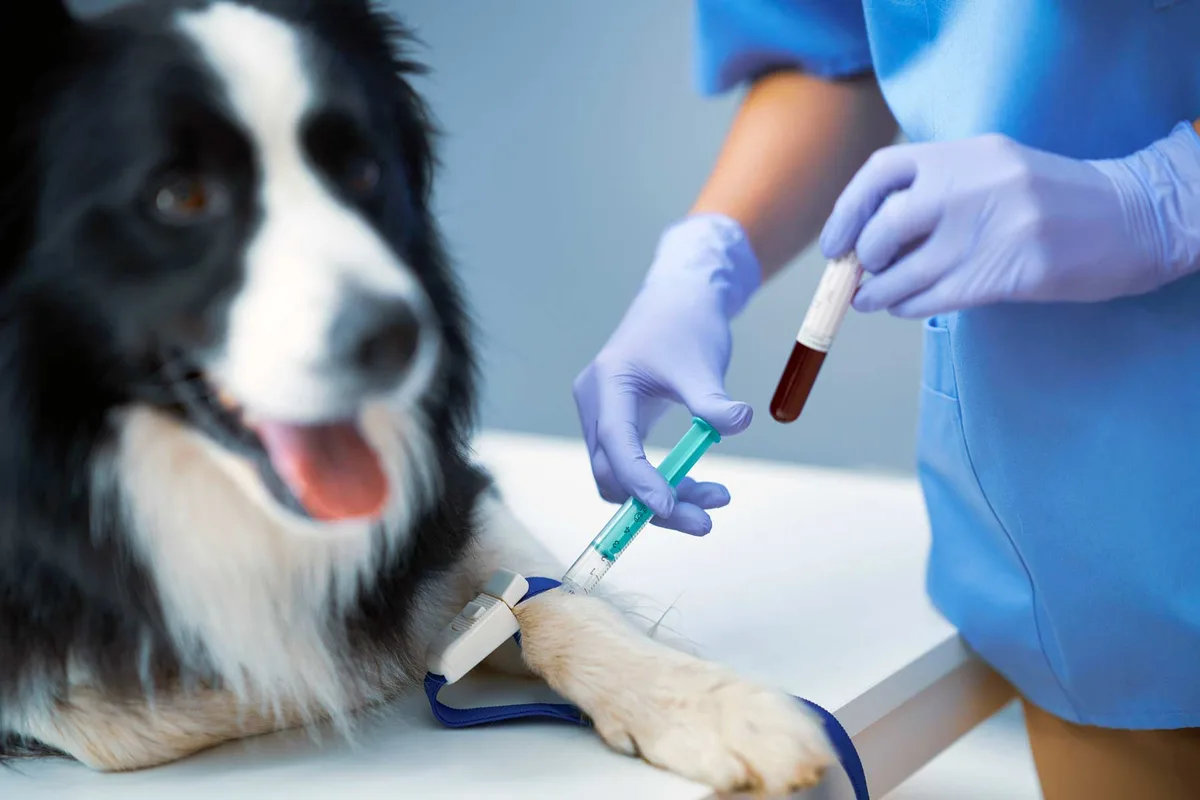
The serum panel is what most general practice vets offer because it doesn't require special equipment or sedation. You drop the dog off, the vet draws blood, and the sample goes to a reference lab like IDEXX or Heska.
Intradermal testing requires shaving a patch on the dog's side, injecting dozens of allergens under the skin, and measuring the reactions. It usually means sedation and a half-day at a veterinary dermatologist's office. The specialist fee often adds another $150 to $300 on top.
At-home kits are the wild card. Some are saliva-based, some are hair-based, and a few use dried blood spots from a finger prick on the dog. The marketing is aggressive.
The clinical evidence is weak. We'll cover that in detail below.
Intradermal Skin Testing: The Gold Standard
Most board-certified veterinary dermatologists consider intradermal skin testing (often called IDST) the most accurate way to identify environmental allergies in dogs. It measures a real, visible reaction in the skin, not just circulating antibodies. The Merck Veterinary Manual and the ACVD both still treat IDST as the reference standard for diagnosing canine atopy.
The procedure works like this. The dog is sedated, a patch on the chest or flank is shaved, and tiny amounts of regional allergens are injected just under the skin in a grid pattern. A positive reaction shows up as a raised, red wheal within 15 to 20 minutes.
The vet measures each wheal and ranks the allergens by severity.
What it costs and what's involved:
- Initial dermatology consult: $150, $300
- Sedation and procedure: $250, $450
- Interpretation and treatment plan: usually included
- Custom allergen formulation for immunotherapy (if ordered): $200, $400
Total spend for the workup plus immunotherapy prescription: $600, $1,150.
The big drawback is access. Veterinary dermatologists are concentrated in major metro areas. If you're in rural Montana or the Mississippi Delta, the nearest ACVD diplomate might be a three-hour drive.
Telehealth consults can help with interpretation, but the actual test still has to happen in person.
Sedation is another consideration. Most dogs handle it fine, but for senior dogs, brachycephalic breeds, or dogs with cardiac issues, the vet may skip IDST and recommend serum testing instead. That's not a corner to cut.
It's a medical decision based on risk.
Serum Blood Allergy Panels: What You Get for $200–$400
Serum allergy testing measures IgE antibodies in your dog's blood against a panel of common allergens. Major labs like IDEXX, Heska, and a few specialty reference labs offer panels ranging from 40 to 100+ allergens depending on your region and the dog's suspected exposures.
The process is straightforward. The vet draws blood, spins it down, and ships it to the lab. Results come back in 3 to 14 days with a ranked list of sensitivities.
The vet then uses that list to discuss immunotherapy, antihistamines, environmental control, or a combination.
What you're paying for in that $200, $400:
- Blood draw and handling: included in the test fee
- Lab analysis: bulk of the cost
- Vet interpretation and treatment plan: usually bundled
- Regional allergen customization (e.g., Southeast vs. Pacific Northwest): sometimes extra
The main advantage is accessibility. Any general practice vet can run a serum panel. No sedation, no specialist referral, no shaved patch on your dog's side.
For many owners, that's the difference between getting a diagnosis and never getting one.
The honest limitation: serum tests can produce false positives, meaning the lab flags an allergen that isn't actually causing symptoms. They also miss some real positives. Per peer-reviewed research published in Veterinary Dermatology, serum and intradermal results agree only about 70, 80% of the time.
That's good enough to guide treatment, not good enough to ignore clinical signs.
If your dog's symptoms clearly point to a specific allergen, like seasonal flares every September, the serum panel can confirm that pattern and unlock targeted treatment. If the picture is muddy, IDST or a dermatologist referral gives you cleaner data.
At-Home Dog Allergy Test Kits: Are They Worth the $80–$250?
Mail-in kits are everywhere now. Companies like 5Strands, Glacier Peaks Holistic, Pet Honesty, and EasyDNA all market directly to dog owners with promises of "comprehensive allergy panels" from a saliva swab or a few strands of fur. Prices run $80 to $250, and the marketing makes them look like a vet-quality shortcut.
Here's the reality. Saliva and hair-based tests are not validated for diagnosing allergies in dogs. The American Veterinary Medical Association has not endorsed them as diagnostic tools.
Most peer-reviewed research on canine allergy diagnostics focuses on serum IgE and intradermal skin testing. Saliva tests, in particular, have no published evidence base for clinical use in dogs.
What you actually get for $80, $250:
- A collection kit shipped to your door
- Instructions to swab the dog's mouth or cut hair
- A mailed report listing "intolerances" or "sensitivities"
- Sometimes a phone consult with a "pet nutritionist" or holistic practitioner
What you don't get: a diagnosis your vet can act on, insurance reimbursement, or reliable data on true IgE-mediated allergies. Most vets will glance at the report, set it aside, and order a serum panel anyway if they think testing is warranted.
That said, mail-in kits aren't entirely useless. Some owners use them as a rough starting point to guide an elimination diet or to flag environmental triggers before committing to a $400 vet workup. If you treat the result as a hypothesis rather than a diagnosis, the cost can be defensible.
If you treat it as a substitute for veterinary care, you're gambling with your dog's health.
For most dog owners, the better play is to spend the same money at the vet. A $200 serum panel gives you actionable data your vet will actually use.
Food Allergy Testing vs. Elimination Diet: Which Actually Works?
This is the section that frustrates dog owners the most, because the answer goes against what most people expect. Blood and saliva tests for food allergies in dogs are unreliable. The only proven method is an 8 to 12 week elimination diet trial, supervised by your vet.
Why food allergy tests fail:
- Dogs rarely produce detectable IgE against food proteins the way humans do
- Blood panels cross-react with similar proteins and produce false positives
- Saliva tests have no validated correlation with true food hypersensitivity
- "Food intolerance" and "food allergy" are different things, and tests blur them
How an elimination diet actually works:
- The dog eats a novel protein and novel carbohydrate for 8, 12 weeks, nothing else
- Common choices: venison and sweet potato, rabbit and pea, or hydrolyzed protein prescription diets
- No treats, no table scraps, no flavored medications
- If symptoms improve, single ingredients are reintroduced one at a time
- The offending food is identified when symptoms return
Cost of an elimination diet trial:
- Hydrolyzed prescription diet: $40, $80 per month, so $120, $240 total
- Novel protein home-cooked diet: $50, $150 per month for ingredients
- Vet rechecks during the trial: $75, $200 each, usually 2 visits
The trial is slower and more disciplined than a blood test, but it's the only method that actually identifies a true food allergy. If your dog chews their paws year-round and the serum panel comes back clean on environmental allergens, food is the next suspect, and the elimination diet is how you confirm it.
What Influences the Final Price You'll Pay
The sticker price on a test is rarely what you actually pay. Several factors shift the final number up or down, and most owners underestimate them.
Clinic type matters most. A general practice vet runs serum panels at lower overhead. A specialty hospital with an in-house dermatologist adds facility fees, sedation monitoring, and consult charges.
Same test, different setting, different bill.
Lab choice changes the allergen count and the regional customization. A basic 40-allergen panel is cheaper than a 100-allergen regional panel. Labs like IDEXX and Heska set their own pricing tiers, and vets pass that cost along.
Sedation, when needed, adds $50, $150 to any procedure. IDST almost always requires it. Serum testing does not.
Geographic location is the biggest swing factor. More on that next.
Where You Live Changes the Cost More Than You Think
Vet pricing tracks local cost of living, and allergy testing is no exception. A serum panel in Manhattan runs higher than the same panel in Tulsa. Here's what aggregate clinic data shows as of 2026.
| Region | Serum Panel Range | IDST Range |
|---|---|---|
| Northeast (NYC, Boston) | $300–$450 | $400–$600 |
| West Coast (LA, SF, Seattle) | $300–$425 | $400–$575 |
| Midwest (Chicago, KC) | $200–$350 | $275–$425 |
| South (Atlanta, Dallas) | $200–$325 | $275–$400 |
| Rural areas | $175–$275 | Often unavailable locally |
If you live in a metro area with multiple specialty hospitals, you have leverage. Call two or three clinics and ask for their cash price on a serum panel. Many will negotiate, especially if you're paying out of pocket.
In rural areas, the bigger problem is access. The nearest veterinary dermatologist might be hours away. Some owners drive, others use telehealth consults with a specialist who then coordinates with the local vet for the actual blood draw.
That hybrid model keeps costs reasonable while still getting expert interpretation.
Pet Insurance and Allergy Testing: What's Actually Covered
This is where owners get burned most often. Pet insurance varies wildly on allergy diagnostics, and the fine print matters more than the marketing.
What most policies cover:
- Veterinary exam fees for skin issues
- Blood work related to diagnosis
- Treatment for diagnosed conditions, including allergy shots
What most policies exclude or limit:
- Pre-existing conditions, which is huge for allergies that flared before enrollment
- Wellness add-ons that don't include diagnostics
- At-home kits, which insurers rarely reimburse
The trap: if your dog was scratching before you signed up, the insurer can label allergies as pre-existing. Read the enrollment terms carefully. Some insurers offer a clean slate if the dog shows no symptoms for 12 months before coverage starts.
If insurance isn't an option, CareCredit and similar veterinary financing can spread the cost over 6 to 24 months. Many clinics also offer in-house payment plans. Don't assume the full bill is due at checkout.
Mistakes Dog Owners Make When Paying for Allergy Tests
After walking through pricing, access, and insurance, here's where owners most often waste money or set themselves up for disappointment.
Skipping the vet visit and going straight to a mail-in kit. The kit tells you almost nothing your vet can use. You've spent $150 to get a colorful PDF that ends with "consult your veterinarian."
Paying for a food allergy blood panel expecting a diagnosis. As covered above, these panels are unreliable. Your $300 could have funded an 8-week elimination diet that actually answers the question.
Assuming one test is permanent. Allergy profiles shift over time. Dogs develop new sensitivities and lose old ones.
Re-testing every 1 to 3 years is common for dogs on immunotherapy.
Not budgeting for follow-ups. The test is step one. Treatment, rechecks, and potential medication adjustments are steps two through ten.
Choosing IDST without confirming sedation safety. For senior dogs or brachycephalic breeds, the risk profile changes. Push back if your vet hasn't reviewed the dog's full history before booking the procedure.
The cheapest path isn't the mail-in kit. It's the right test at the right vet, with a realistic budget for what comes after.
When to See a Veterinary Dermatologist Instead of Your Regular Vet
Your regular vet handles most allergy cases well. But there are clear signs you've hit the limit of general practice and need a specialist.
You need a dermatologist when:
- The dog has been symptomatic for more than 6 months without resolution
- Multiple medications have failed or caused side effects
- Chronic ear infections keep returning despite treatment
- The dog needs immunotherapy and your vet doesn't formulate allergy shots
- Secondary skin infections recur every few months
A board-certified veterinary dermatologist has 4 additional years of training beyond vet school. They see complex cases daily. If your dog has failed standard therapy, a specialist referral often unlocks answers that general practice can't reach.
The visit costs more upfront, usually $250 to $400 for the initial consult alone. But it can save thousands in trial-and-error medications and repeated vet visits. For chronic, frustrating cases, the specialist route is almost always the better long-term investment.
The Hidden Costs Nobody Talks About (Follow-Ups, Re-Tests, Treatment)
The test is rarely the final invoice. Here's what lands in your inbox 2 to 6 months later.
Recheck appointments run $75 to $200 each, and most protocols need 2 to 3 in the first year. Custom immunotherapy vials cost $200 to $400 per formulation, with refills every 6 to 12 months. Apoquel and Cytopoint, the two most prescribed symptom-control drugs, run $80 to $200 monthly depending on the dog's weight.
Budget realistically. A solid year of allergy management after diagnosis lands between $1,200 and $3,500 for most dogs.
Reading Your Dog's Allergy Test Results Without Misreading Them
Lab reports look authoritative. They list allergens with numbers, grades, and color bars. That makes owners treat the results like gospel.
Don't. Numbers on a report show sensitization, not necessarily clinical allergy. A Grade 3 dust mite reaction means the immune system has antibodies against dust mites.
It doesn't mean dust mites are the reason your dog is currently itchy. That link is a vet's job to confirm against the dog's symptoms and history.
A useful result puts 2 to 4 allergens at the top. Those are the ones worth addressing. Everything else is background noise.
What to Do Before You Book an Allergy Test for Your Dog
A few quick steps save money and frustration.
Document the symptoms first. When did the itching start? Year-round or seasonal?
Which body parts are affected? Photos and a timeline help your vet interpret results.
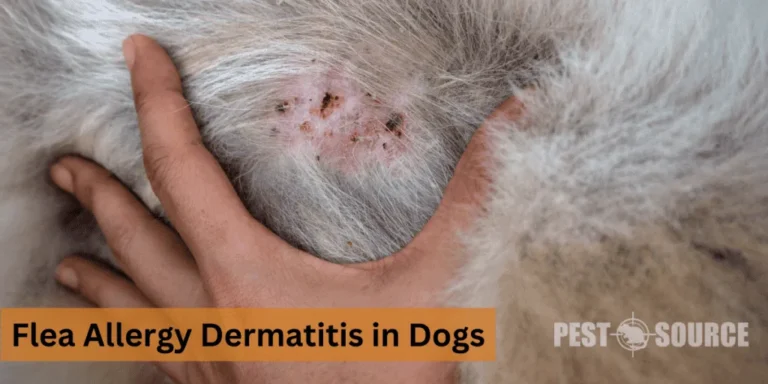
Rule out fleas. Flea allergy dermatitis is the most common allergy in dogs and often hides behind bigger workups. A $20 flea prevention trial can save a $400 test.
Try a basic diet change. If the dog chews paws and has ear issues, a 6-week limited-ingredient trial costs less than a serum panel and sometimes solves the problem.
Then test if symptoms persist. You're now a well-informed client, not a panicked one.
Frequently Asked Questions
How much does an allergy test for dogs cost at a regular vet?
Serum blood panels at general practice vets run $200 to $400 in most U.S. markets as of 2026. The price usually includes the blood draw, lab analysis, and a follow-up consult to review results.
Is there a cheap allergy test for dogs that actually works?
The cheapest reliable option is a serum blood panel through your regular vet. Mail-in kits under $100 are cheap but lack clinical validation. An elimination diet for food-related symptoms runs $120 to $240 and is the most accurate method for food allergies.
Does pet insurance cover allergy testing for dogs?
Many plans cover diagnostic blood work and specialist visits once any waiting period is satisfied. Coverage depends on whether the allergy is classified as pre-existing. Read your policy's fine print before scheduling a $400 panel.
How accurate are at-home dog allergy test kits?
Saliva and hair-based kits have limited peer-reviewed validation for diagnosing true allergies in dogs. Aggregate veterinary research as of 2026 shows poor correlation between mail-in kit results and confirmed clinical allergies. Treat them as a rough screening tool, not a diagnosis.