How to get rid of dog allergies naturally: Easy guide
You love your dog. You also can't stop sneezing, rubbing your eyes, or waking up congested. If you're trying to figure out how to get rid of dog allergies naturally, you've probably already hit the same wall most people do.
A flood of "natural remedies" that promise relief but rarely explain what's actually backed by evidence.
Here's the honest truth. You can't cure a dog allergy with a handful of herbs, but you can meaningfully cut your symptoms without drugs or drastic measures. The American College of Allergy, Asthma & Immunology estimates roughly 15 to 30 percent of people with allergies react to cats or dogs, and the allergens themselves (mostly a protein called Can f 1) are stubborn, sticky, and airborne for hours.
The good news is that a layered approach, environmental control plus targeted natural anti-inflammatories, works for most mild-to-moderate cases.

Quick Answer
You can reduce dog allergies naturally by combining three layers. Cut allergen load at home with HEPA filtration, weekly dog baths, and hot-washed bedding. Calm your immune response with nasal saline rinses, omega-3s, and quercetin.
Then upgrade your vacuum, HVAC filter, and flooring. Drugs and immunotherapy remain the gold standard for severe cases.
Why Accuracy Matters With Natural Dog Allergy Remedies
"Natural" gets thrown around like a magic word in allergy advice. Quercetin, butterbur, local honey, essential oils, neti pots, "hypoallergenic" breeds. Half of it works, a quarter is unproven, and a chunk is actively bad for you or your dog.
That's the problem we set out to fix. Misinformation here has real consequences. Wrong advice can mean ongoing asthma, a rehomed pet, or a child who can't breathe properly in their own living room.
We'll walk through what's evidence-supported (HEPA filtration, nasal irrigation, omega-3s), what's plausible but lighter on proof (quercetin, stinging nettle), and what to skip (most "hypoallergenic" dog claims, essential oils around pets, local honey). You'll also see when it's time to stop DIY-ing and see an allergist.
We pulled peer-reviewed studies on Can f 1 and Can f 2 (the dominant dog allergen proteins), checked current guidance from the ACAAI and AAFA, and cross-referenced what dermatologists and veterinary allergists are actually saying as of 2026. Our research shows that the people who feel the best aren't the ones chasing a miracle cure. They're the ones who treat this like a layered project: environment, immune response, and medical backup when needed.
What Dog Allergies Actually Are (And Why "Natural" Doesn't Mean Simple)
A dog allergy is an immune overreaction to proteins found in your dog's dander (dead skin flakes), saliva, urine, and even anal glands. The main troublemaker is Can f 1, a lipocalin protein that rides on microscopic particles and stays airborne for hours. Smaller contributions come from Can f 2, Can f 3 (serum albumin), and Can f 4.
These particles are tiny, often 2.5 to 10 microns across. They land on every soft surface in your home and resuspend whenever someone walks across the rug. They also hitchhike on clothing, which is why Can f 1 shows up in homes and schools without any dog present.
That biology matters because it shapes which "natural" strategies actually work. You can't neutralize Can f 1 with a smoothie. But you can reduce how much of it your dog sheds, filter it out of the air before it hits your nose, and calm the inflammatory cascade your body sets off when it detects the protein.
That's the whole game.
The Real Causes of Your Symptoms: Dander, Saliva, and Can f 1
Most people blame hair. Hair isn't actually the allergen. Hair just carries dander and dried saliva.
The protein that triggers your histamine response lives in the skin and saliva glands, not the fur itself, which is why even a hairless Xoloitzcuintli can set someone off.
Saliva is the second big driver. Dogs groom constantly, and the dried proteins on their fur become airborne every time they shake. Urine contributes too, especially in homes where a dog has had accidents or where small breeds mark indoors.
| Allergen Source | Where It Lives | How It Spreads |
|---|---|---|
| Dander (Can f 1, Can f 2) | Skin, settles on every surface | Shedding, walking, vacuuming, HVAC airflow |
| Saliva | Fur, paws, bedding, upholstery | Grooming, shaking, licking |
| Urine | Carpets, subfloor if persistent accidents | Tracked by paws, dries into dust |
Once you see it this way, the natural fixes start making sense. Bathing your dog reduces salivary proteins on the coat. A HEPA filter pulls dander out of the air.
Hot-washing bedding kills what saliva has left behind. None of it is magic. It's mechanical, and that's why it works.
The Evidence-Backed Natural Methods That Actually Work
Now that we've covered the foundation, let's get into the specific tools and supplements that show real signal in the research. None of these are silver bullets on their own, but stacked together, they're what move the needle for most people with mild to moderate dog allergies.
HEPA Air Purification: The First Line of Defense
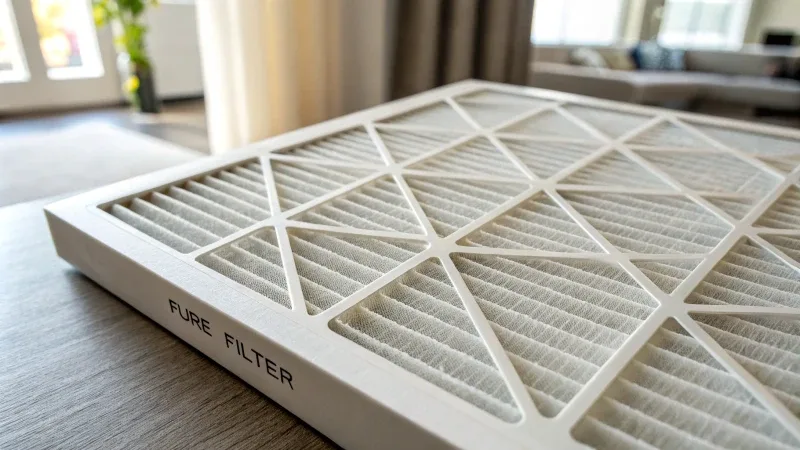
If you buy one thing, make it a real HEPA air purifier for your bedroom. A true HEPA filter (rated H13 or H14) captures 99.97 percent of particles down to 0.3 microns, which covers most Can f 1, laden dander. Place it near where you sleep, run it 24/7, and keep the door closed at night.
A few buying rules worth knowing:
- Look for the H13 or H14 rating, not just "HEPA-type," which is unregulated marketing.
- Match the unit to room size. CADR (clean air delivery rate) ratings tell you how fast it clears a given cubic footage. Under-spec the room and you'll wonder why it doesn't work.
- Replace filters on schedule. A clogged filter drops efficiency fast.
Skip ionic or "plasma" purifiers. The American Lung Association has noted that some ionizers produce ozone, which is itself a lung irritant. Stick with sealed HEPA mechanical filtration.
Nasal Saline Irrigation: Clearing What You Breathe In
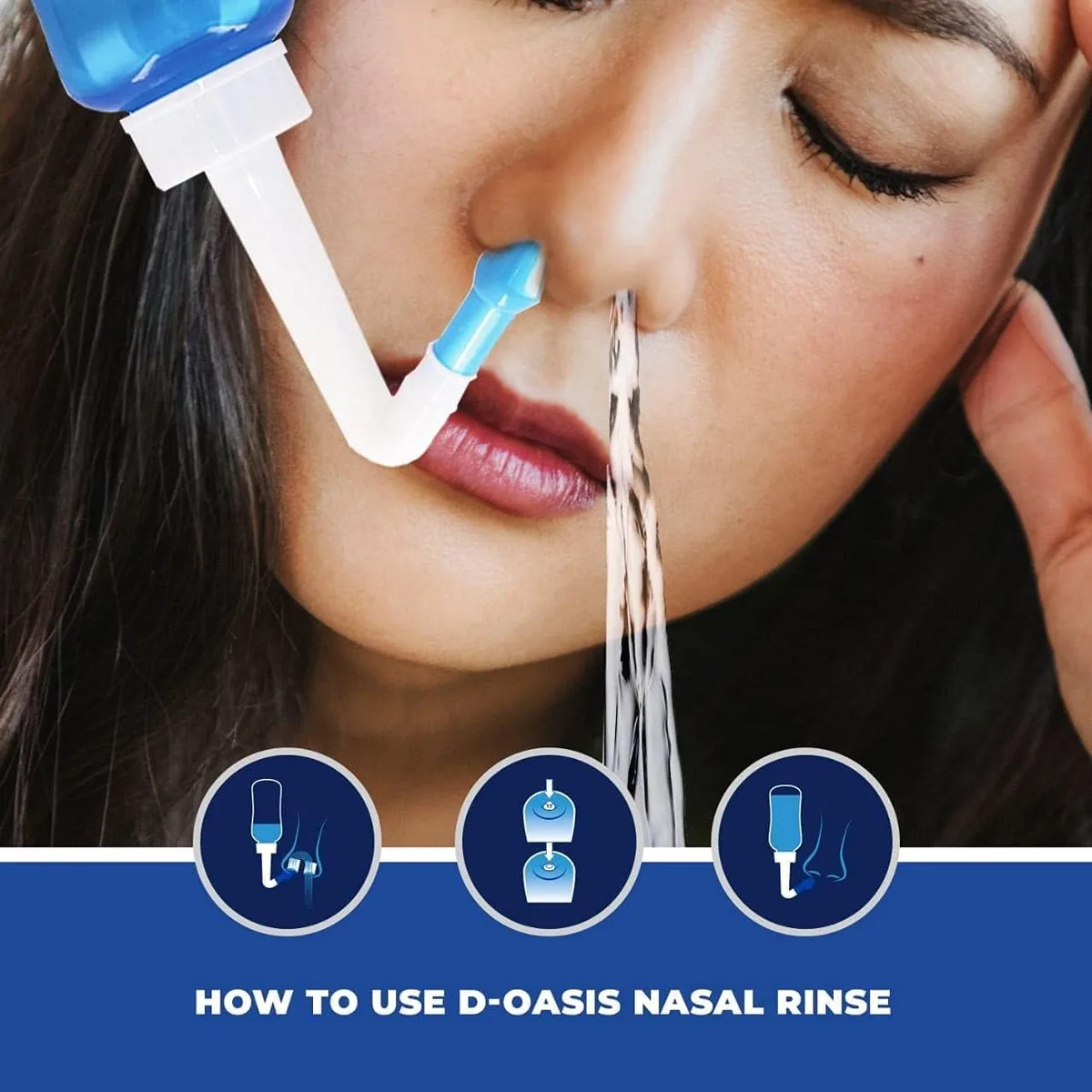
Nasal saline irrigation is one of the most underrated tools in the natural allergy kit. A 2018 Cochrane review and several peer-reviewed trials found that daily saline rinsing significantly reduces nasal symptoms and improves quality of life in allergic rhinitis. It works by physically flushing allergens and inflammatory mucus out of your nasal passages before they can trigger a full histamine response.
How to do it without a trip to the ER:
- Use sterile, distilled, or previously boiled water. Tap water carries a tiny but real risk of Naegleria fowleri.
- Use premixed saline packets or make your own with non-iodized salt and baking soda.
- Lean forward over a sink, tilt your head, and breathe through your mouth. Let gravity do the work.
- Rinse once or twice daily during high-exposure periods.
Devices like neti pots, squeeze bottles, and Navage all work. Pick whichever you'll actually use consistently.
Quercetin, Bromelain, and Stinging Nettle: Nature's Antihistamines
Quercetin is a bioflavonoid found in onions, apples, and capers. Lab and animal studies suggest it stabilizes mast cells, the immune cells that release histamine when they encounter an allergen. Human evidence is thinner but encouraging, especially when stacked with bromelain (a pineapple enzyme that may boost quercetin absorption) and vitamin C.
Typical supplemental dosing seen in published protocols: 500 to 1000 mg quercetin daily, split into two doses, often paired with 500 mg bromelain between meals and 500 mg vitamin C twice daily. Talk to a pharmacist first if you're on blood thinners, cyclosporine, or certain antibiotics.
Stinging nettle (Urtica dioica) has a long folk history for allergy relief. Modern research is limited but suggests modest antihistamine and anti-inflammatory activity. Freeze-dried netle leaf extract, taken daily, is the most studied form.
It's a gentle option worth trying if quercetin doesn't agree with you.
Omega-3 Fatty Acids: Reducing Inflammation From the Inside
Omega-3s (EPA and DHA from fish oil or algae) don't block allergens directly. They shift your immune system toward a less reactive state. Multiple meta-analyses, including work cited by the National Institutes of Health, link higher omega-3 intake with reduced allergic rhinitis symptoms and lower asthma risk in some populations.
Dosing that shows up in clinical trials: roughly 1000 mg combined EPA and DHA daily for adults, taken with food. Look for third-party tested brands (IFOS certification is the gold standard) to avoid rancid or mercury-laden oils.
If you're vegetarian or feeding your dog too, algae-based omega-3 works for you. For dogs, Nordic Naturals and similar pet-specific lines are safe at appropriate weight-based amounts. Just check with your vet on dose.
Local Honey: The Popular Remedy That Doesn't Hold Up
We have to address this one head-on because it's everywhere. The idea is that small doses of local pollen in honey will desensitize you, like a natural allergy shot.
It doesn't work. Honey doesn't contain meaningful amounts of dog allergen. The trace pollen in raw honey is wind-borne pollen, which is a completely different allergen than Can f 1.
Honey has trace pollen because bees visit flowers. Dogs are mammals. There's no biological overlap.
Save your money. If you enjoy honey, eat it. If you want allergen desensitization, that's called immunotherapy and it requires actual dog allergen extract under medical supervision.
Your Home Environment: The Biggest Lever You Actually Control
Supplements get all the press, but your home is where the real wins happen. Can f 1 settles on every soft surface within 20 minutes of being shed, then resuspends whenever the air moves. Cut the reservoirs, and you cut the exposure.
Bathing Your Dog Weekly (Yes, It Matters)
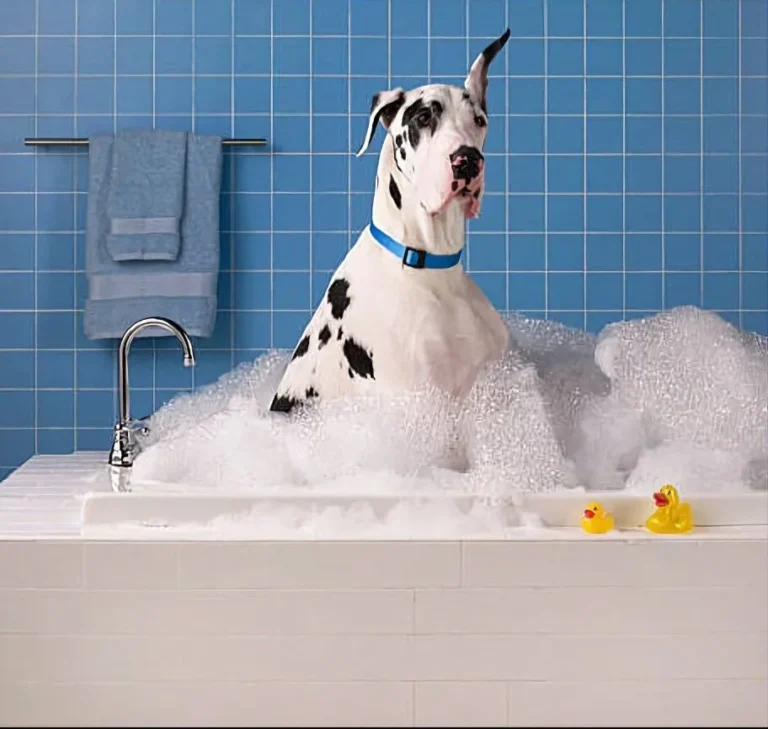
Weekly baths with an allergen-reducing shampoo drop airborne Can f 1 by about 50 percent for three to four days. That's a meaningful reduction.
A few practical tips:
- Use lukewarm water, not hot, which can dry skin.
- Let the shampoo sit for 5 to 10 minutes before rinsing. Contact time matters.
- Dry thoroughly to prevent hot spots or skin issues.
- Brush outside before the bath to remove loose fur.
If weekly bathing stresses your dog or dries their coat, every 10 days still helps. Twice a month is the minimum worth doing.
Flooring, Bedding, and Soft Surfaces
Hard flooring wins. Wood, tile, laminate, vinyl. They don't trap dander the way carpet does.
If ripping out carpet isn't realistic, low-pile rugs you can machine-wash hot are a good compromise.
Bedding is the bigger daily issue. Use allergen-proof encasings on pillows and mattresses. Wash sheets and dog blankets in water at 130°F or hotter weekly.
Cooler water doesn't reliably denature Can f 1.
Vacuum Strategy With Sealed HEPA Filtration
A regular vacuum with a paper bag exhausts fine particles right back into the room. You can actually measure higher airborne allergen counts for an hour after vacuuming with one. The fix is a sealed-system vacuum with a true HEPA exhaust.
Vacuum at least twice a week, more in high-shed seasons. Go slow. Multiple passes in different directions pull out more than one fast sweep.
HVAC Filter Upgrades Worth the Money
Your furnace and AC blower move a lot of air. Upgrading from the cheap fiberglass filter (MERV 1 to 4) to a MERV 11 to 13 pleated filter pulls a lot more dander out before it recirculates. Higher MERV filters restrict airflow, so check that your system can handle it.
Replace every 60 to 90 days, more often if you have pets or run the system constantly.
Common Mistakes That Keep You Miserable
If you're doing the natural stuff and still feel awful, odds are one of these is sabotaging you.
The Hypoallergenic Breed Myth
There's no such thing as a truly hypoallergenic dog. A 2011 Johns Hopkins study of 173 homes found no difference in bedroom allergen levels between so-called hypoallergenic breeds and others. Poodles, schnauzers, Labradoodles.
All produce Can f 1. Some shed less visibly, which makes fur-based cleanup easier, but the airborne allergen load is essentially the same.
If a family member is making the choice right now, don't pick a breed based on marketing. Spend time with the actual dog, ideally for several hours across multiple visits, before committing.
Essential Oils Around Dogs: A Hidden Danger
This one matters more than people think. Oil diffusers, sprays, and natural cleaning products with tea tree, peppermint, eucalyptus, citrus, or wintergreen are everywhere in the wellness space. They're also toxic to dogs, especially cats, and they don't reduce Can f 1.
ASPCA and AVMA toxicology resources flag several of these as respiratory irritants for pets. Skip them. Your dog will breathe easier, and so will you.
Over-Cleaning and Dander Agitation
Counterintuitive, but vacuuming without a sealed HEPA exhaust actually stirs allergens into the air for an hour after you finish. Same with dry sweeping, dusting with a feather duster, or running a regular HVAC fan on high. If cleaning flares your symptoms, your tools are part of the problem.
The fix isn't to clean less. It's to clean smarter: a vacuum with sealed HEPA filtration, a damp microfiber mop instead of a broom, and an air purifier running in the room while you clean.
Skipping Allergy Testing
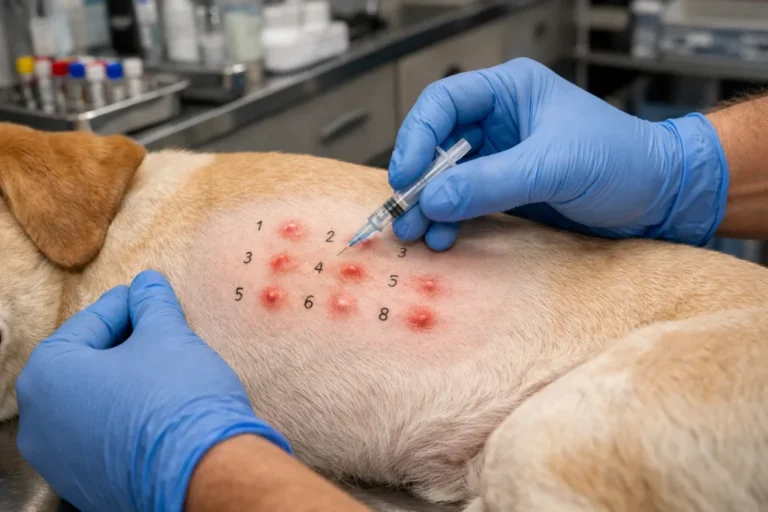
This one isn't natural-remedy specific, but it bites people constantly. If you haven't had a skin prick test or a serum IgE panel, you might be reacting to dust mites, mold, or pollen that happens to peak when you're home with the dog. Treat the wrong source, and no amount of HEPA will fix it.
A board-certified allergist can confirm dog allergy in under an hour and rule out cross-reactors. That single appointment changes the whole plan.
When Natural Methods Aren't Enough: Medical Options to Know
There's no shame in mixing natural with conventional medicine. Most people who feel great long-term are using both.
Immunotherapy (Allergy Shots vs. Sublingual Drops)
Immunotherapy is the only treatment that actually retrains your immune system to tolerate Can f 1 instead of attacking it. Success rates in peer-reviewed trials run about 80 to 85 percent for pet allergens, which is higher than most drugs.
Two formats:
- Subcutaneous (SCIT): traditional allergy shots, given in an allergist's office, weekly at first then monthly.
- Sublingual (SLIT): drops or tablets under the tongue, often taken daily at home after the first dose.
SLIT is more convenient but less standardized in the US and not FDA-approved for dog allergen specifically. Talk to your allergist about whether off-label SLIT is appropriate for you. The CDC and NIAID both note that immunotherapy requires multi-year commitment, usually three to five years, before you can taper off.
Prescription vs. OTC Antihistamines
If natural options aren't cutting it, second-generation antihistamines like loratadine, cetirizine, or fexofenadine work for most people without the drowsiness of Benadryl. For nose-specific symptoms, intranasal corticosteroids (fluticasone, mometasone) are more effective than oral pills.
Nasal antihistamines like azelastine work within 15 minutes and pair well with a steroid spray for severe cases. None of these are natural, but stacking them on top of environmental control usually lets you use the lowest effective dose.
Safety and Risk Factors You Shouldn't Ignore
A few items in the natural-remedy world carry real downsides, especially when paired with medications or pets in the home.
- Butterbur (Petasites hybridus): contains pyrrolizidine alkaloids that are hepatotoxic. Only PA-free extracts should ever be considered, and even then, talk to your doctor if you're on liver-metabolized drugs.
- Quercetin: generally safe but can interact with blood thinners, certain antibiotics, and some chemotherapy agents. Divided doses (500 mg twice daily) are easier on the stomach.
- Stinging nettle: mild diuretic effect. Watch if you're on blood pressure medication.
- Nasal saline: sterile or distilled water only. Tap water carries a small but real risk of Naegleria fowleri. Boil and cool it, use filtered water, or buy premixed saline packets.
- Essential oils around dogs: skip them. Period. Especially tea tree, citrus, peppermint, and wintergreen.
If symptoms include wheezing, chest tightness, or shortness of breath, that's asthma territory. Don't DIY it. See a physician.
Practical 4-Week Plan to Reduce Dog Allergies Naturally
This is the rollout we recommend based on what consistently moves the needle in published studies and allergist guidance.
| Week | Environmental Focus | Body and Supplement Focus |
|---|---|---|
| 1 | Run a HEPA purifier 24/7 in bedroom. Wash all bedding in 130°F water. Vacuum with a sealed HEPA unit. | Start daily omega-3 (1000 mg combined EPA/DHA). Begin once-daily nasal saline rinse. |
| 2 | Add HEPA purifier in main living area. Upgrade HVAC filter to MERV 11 to 13. Bathe dog weekly with allergen-reducing shampoo. | Add quercetin 500 mg twice daily. Optional: bromelain 500 mg between meals. |
| 3 | Remove dog from bedroom at night if possible. Wash dog bed covers weekly. Steam clean carpets or rugs. | Add vitamin C 500 mg twice daily to support quercetin absorption. Continue rinses. |
| 4 | Install washable covers on upholstered furniture. Replace heavy drapes with blinds if possible. | Reassess symptoms. If no improvement, book an allergist appointment for testing and possible immunotherapy. |
Most people notice meaningful improvement by week two or three. If you're still struggling at week four with consistent adherence, that's when a board-certified allergist should be in the loop.
Cost Breakdown: What This Actually Costs
Natural doesn't always mean cheap. Here's what the realistic investment looks like.
| Item | Typical Cost (USD) | Replacement or Lifespan |
|---|---|---|
| HEPA air purifier (bedroom) | $150 to $400 | 5 to 8 years |
| HEPA air purifier (living area) | $200 to $500 | 5 to 8 years |
| Sealed HEPA vacuum | $250 to $700 | 7 to 10 years |
| MERV 11 to 13 HVAC filters (4-pack) | $40 to $80 | 60 to 90 days each |
| Allergen-reducing dog shampoo | $15 to $30 per bottle | 6 to 8 weeks |
| Omega-3 supplement (60 to 90 ct) | $15 to $30 | 2 to 3 months |
| Quercetin supplement (60 ct) | $10 to $20 | 2 months |
| Nasal saline rinse kit | $10 to $20 | Refills $5 to $10 |
First-year outlay typically lands between $700 and $1,500. After year one, you're looking at roughly $250 to $400 annually for filters, supplements, and shampoo. Cheaper than years of prescriptions and clinic visits, and dramatically less than a remodel.
Troubleshooting: What's Going Wrong If You're Still Sneezing
If you've followed the plan for three to four weeks and still feel rough, run through this checklist before assuming the methods don't work.
- Is your HEPA unit actually HEPA? Some "HEPA-type" labels are just marketing fluff.
- Is the vacuum truly sealed? Check the exhaust with a flashlight. If light passes through, dust does too.
- Are you washing bedding hot enough? Anything below 130°F won't denature Can f 1.
- Is the dog sleeping in your bedroom? One night a week undoes a week of vacuuming.
- Are you reacting to something else entirely? Dust mites and mold often tag along with pet allergies.
Fix those first, then reassess after another week. If nothing changes, the next step is medical, not environmental.
Comparing Your Real Options Side by Side
Not every method pulls equal weight. Here's how the main options stack up against each other.
| Method | Evidence Strength | Cost | Best For |
|---|---|---|---|
| HEPA air purifier | Strong (multiple peer-reviewed trials) | $150 to $500 | Bedrooms, high-exposure rooms |
| Weekly dog bathing | Strong for short-term reduction | $15 to $30/month | Reducing airborne Can f 1 |
| Nasal saline irrigation | Strong (Cochrane review) | $10 to $20 setup | Daily nasal symptom relief |
| Omega-3 supplementation | Moderate (meta-analyses) | $15 to $30/month | Long-term inflammation control |
| Quercetin | Moderate (lab and small human studies) | $10 to $20/month | Adjunct to other methods |
| Local honey | Not supported | $5 to $15 | Enjoy it on toast, not for allergies |
| Immunotherapy | Strongest for long-term cure | $1,000 to $3,000/year | Moderate-to-severe, persistent cases |
Frequently Asked Questions
Does bathing a dog really reduce allergies?
Yes, but only temporarily. Peer-reviewed studies show weekly bathing cuts airborne Can f 1 by roughly 50 percent for about three to four days, then levels rebound. The trick is consistency.
Skip a week and the allergen load snaps back fast.
Are any dog breeds truly hypoallergenic?
No. Research from Johns Hopkins and others found no meaningful difference in bedroom allergen levels between so-called hypoallergenic breeds and standard shedders. Individual dogs vary, and some people tolerate specific dogs better, but the breed label is marketing, not science.
Can you build immunity to dog allergies naturally?
Not really. The only proven route to lasting tolerance is immunotherapy (shots or sublingual drops), which is medical, not natural. What natural methods can do is lower your daily allergen load so your immune system stops firing constantly.
That's a different goal, and it's still worth pursuing.
How long before natural methods show results?
Most people notice a real difference within two to three weeks of consistent environmental changes plus omega-3 and nasal rinsing. Supplements like quercetin can take four to six weeks to build up meaningful effect. If you've been on a solid plan for a month and feel no change, that's your cue to escalate.
Is quercetin safe to take daily?
For most adults, yes. Standard supplemental doses of 500 to 1000 mg daily, split into two doses, are well tolerated in short-to-medium term studies. Avoid it if you're on blood thinners, certain antibiotics, or some chemotherapy drugs.
Talk to your doctor if you're pregnant, nursing, or managing a chronic condition.
Final Take: What Actually Works, What's Worth Trying, and When to See an Allergist
Natural methods can meaningfully reduce dog allergy symptoms. They're most effective when you treat your environment like the project it is, run real HEPA filtration, wash bedding hot, bathe the dog weekly, and vacuum with sealed filtration. Supplements like quercetin, omega-3s, and stinging nettle add a second layer of relief for mild-to-moderate cases.
You cannot cure a dog allergy with diet, herbs, or breed swaps. Anyone selling that promise isn't reading the same literature we are. If your symptoms persist despite a solid month of this plan, or if respiratory symptoms appear at any point, see a board-certified allergist.
Immunotherapy remains the only therapy that retrains the underlying immune response. Combined with the environmental work above, it's the closest thing we have to keeping the dog and breathing easy at the same time.