How much are allergy tests for dogs: Easy guide
If you've just watched your dog scratch himself raw for the third night in a row, "how much are allergy tests for dogs" is probably the question that came up on your last vet visit. And the honest answer is: it depends a lot on which test you choose and who runs it.
Here's the short version. A full intradermal skin test, done by a veterinary dermatologist, lands somewhere between $250 and $500, often bundled into the consult fee. A serum IgE blood panel from your regular vet runs $150 to $350, depending on how many allergens the lab screens.
At-home saliva or hair kits you can buy online sit at the low end, around $60 to $150. The reason the spread is so wide comes down to three things: who's running the test, what's being tested, and what you're going to do with the results.
Quick Answer
Allergy tests for dogs typically cost between $80 and $500 in 2026. Intradermal skin testing runs $250 to $500. Serum IgE blood panels cost $150 to $350.
At-home saliva kits run $60 to $150. Prices vary by region, veterinarian, and the number of allergens screened.
What Allergy Tests for Dogs Actually Cost
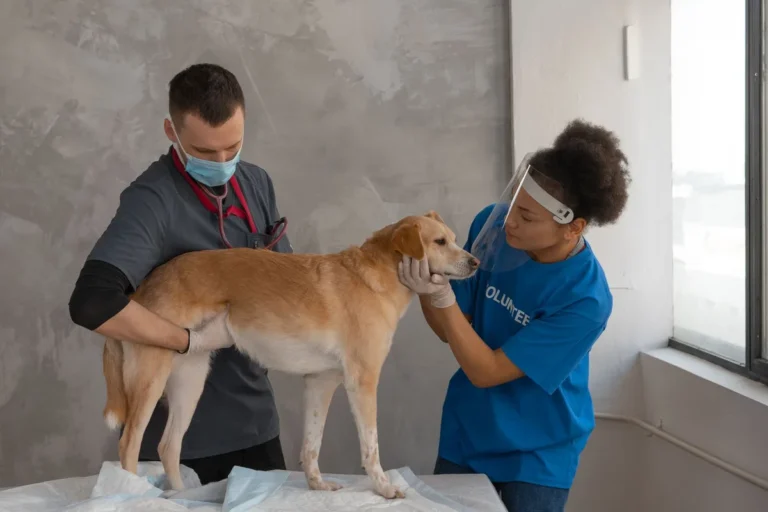
A general practice vet can draw blood and send it to a reference lab for a serum panel. That's usually the most affordable clinical option. A board-certified veterinary dermatologist, on the other hand, can perform intradermal skin testing, which is considered the gold standard for environmental allergies and is required if you want to start immunotherapy.
Quick reference, by test type:
| Test Type | Typical Cost (USD) | Run By |
|---|---|---|
| Intradermal skin test | $250–$500 | Veterinary dermatologist |
| Serum IgE blood panel | $150–$350 | General vet or dermatologist |
| Regional allergen mini-panel | $80–$200 | General vet |
| At-home saliva/hair kit | $60–$150 | Owner, mailed to lab |
| Full dermatology consult (often required) | $150–$300 | Specialist |
You'll also want to budget for the follow-up. If testing leads to custom immunotherapy, expect $30 to $80 per month ongoing for the serum or shots.
The Three Main Types of Allergy Tests (And What They Really Do)
When vets talk about "allergy testing" for dogs, they're usually referring to one of three things. Each one works differently, each one costs differently, and none of them are interchangeable.
Intradermal Skin Testing
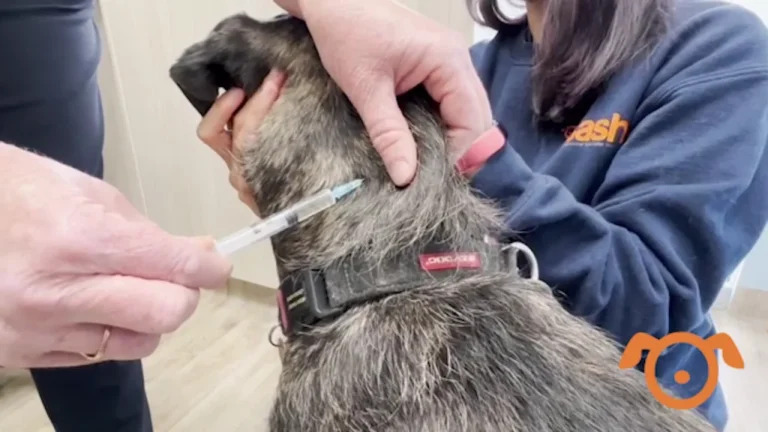
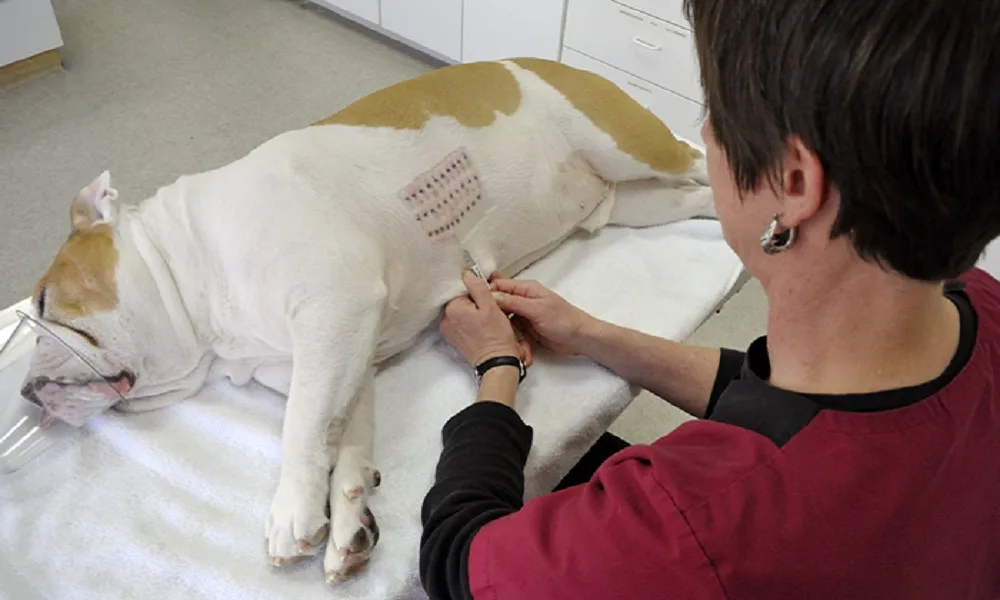
This is the gold standard for environmental allergies, the kind caused by tree pollen, grass, mold, dust mites, and flea saliva. The dog is sedated, a patch of fur on the side is shaved, and tiny amounts of allergens are injected just under the skin. The vet then reads the reaction (redness, swelling) at each injection site, usually after 15 to 20 minutes.
The advantage is accuracy for environmental triggers, especially when you're trying to build an immunotherapy serum that targets exactly what your dog reacts to. The catch is that it requires a specialist, sedation, and often a waiting period after stopping antihistamines or steroids, typically 2 to 4 weeks.
Serum IgE Blood Testing
This is the most common option at general vet clinics. The vet draws blood, sends it to a reference lab, and the lab measures IgE antibodies against a panel of allergens (often 40 to 80+ items). Results typically come back in 3 to 14 days.
It doesn't require sedation, doesn't require stopping most medications, and is widely available. The downside is a higher rate of false positives compared to skin testing, especially for food allergens. For environmental allergies, though, it's a useful and accessible starting point.
At-Home Saliva and Hair Kits
These are the kits you see advertised on Instagram, things like 5Strands, Glacier Peak Holistics, or various "dog allergy DNA" panels. You collect saliva or hair, mail it in, and get a list of "sensitivities" back in a few weeks.
They're cheap and convenient, but the science is thin. These tests don't measure IgE reliably, they often classify normal exposures as "intolerances," and most veterinary dermatologists don't use the results to guide treatment.
Price Breakdown by Test Type
Let's get more granular. Prices shift based on geography, lab, and how comprehensive the panel is. Here's what aggregate user reports and reference lab pricing suggest as of 2026.
Intradermal Skin Testing
- Often bundled into a specialist consultation ($300 to $500 combined)
- Sedation adds $50 to $100 in some regions
- Reading the test takes 20 to 30 minutes of vet time
Serum IgE Panels
- Basic environmental panel (40 allergens): $150 to $200
- Expanded regional panel (60 to 80 allergens): $200 to $350
- Food-inclusive panels: $250 to $400, though their reliability is debated
- Single-allergen tests (rare): $30 to $60 each
At-Home Kits
- Saliva-based "sensitivity" panels: $60 to $130
- Hair-based kits: $80 to $150
- "DNA-style" breed-intolerance kits: $100 to $200 (often conflate nutrition and allergy)
Add-On Costs Worth Knowing About
- Sedation (if needed): $50 to $150
- Blood draw fee: $20 to $40
- Cytology or skin scraping to rule out infection: $40 to $100
- Ear cytology (very common in allergic dogs): $30 to $60
One thing owners don't always realize is that a vet won't usually order an allergy test without first ruling out simpler problems like fleas, mites, bacterial skin infection, or yeast. Those baseline tests are usually cheap ($30 to $100 total) and often covered by insurance.
Why the Costs Vary So Much
You might call three vet clinics in the same city and get quotes that are $200 apart. That's not price gouging. Here's what's actually behind the difference.
Panel size matters. A 40-allergen panel is cheaper to run than an 80-allergen one. Labs charge per allergen, so the broader the screen, the higher the lab fee your vet passes on.
Reference lab choice matters. Labs like Heska, IDEXX, and VARL all offer serum IgE testing, but they use slightly different methodologies (polymer-based vs traditional ELISA) and price tiers. Your vet may default to one lab they've used for years.
Region matters. A vet in San Francisco or New York is going to charge more than one in rural Ohio. The cost of running a veterinary practice, rent, staff, equipment, scales directly into the price of any service.
Specialist vs generalist matters. A board-certified veterinary dermatologist (DACVD) has completed a multi-year residency and passed a specialty board exam through the American College of Veterinary Dermatology. Their consult fee reflects that training and the equipment they use for intradermal testing.
And whether insurance reimburses matters. Most pet insurance plans cover allergy testing as part of a covered illness workup, but only after the deductible. If you're paying out of pocket, expect the full sticker price.
What Affects the Price You Pay
Geographic Location and Regional Allergen Panels
Where you live changes two things: the cost of the veterinary visit and the allergens your dog actually encounters. A vet in Phoenix may default to a desert-region panel (mesquite, Bermuda grass, olive tree pollen). A vet in Atlanta will lean toward oak, pine, and ragweed panels.
Regional testing is usually $80 to $200 because it screens fewer allergens.
Metro areas with multiple specialists tend to charge more than rural single-vet towns. But rural owners often drive 2 to 4 hours to reach a veterinary dermatologist, which is its own cost.
General Vet vs Veterinary Dermatologist
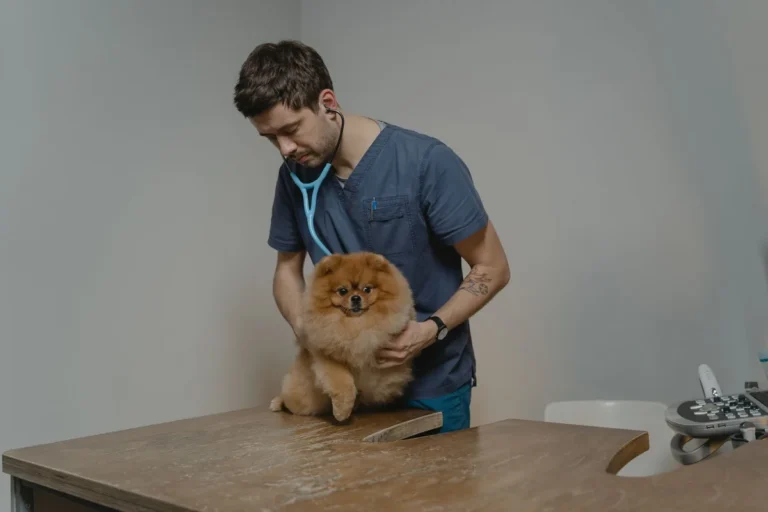
Your general vet can absolutely order a serum IgE panel. That's appropriate, especially for an initial workup. What they can't typically do is intradermal skin testing, which requires specific allergen extracts, trained interpretation, and sedation protocols.
If the case is straightforward (clear seasonal itching, good response to a previous treatment), a generalist is fine. If the case is complicated (year-round symptoms, multiple failed treatments, recurrent ear infections), a dermatologist is usually worth the consult fee.
Insurance, Wellness Plans, and Out-of-Pocket
Most accident-and-illness pet insurance plans cover allergy testing once the deductible is met, typically at 70 to 90% reimbursement. Wellness plans rarely do. Check your policy's "diagnostic" line item.
If you're paying cash, ask for the "cash price" or "lab-only" price. Some clinics mark up lab fees significantly. Direct-to-consumer options exist but usually require a vet's order.
Pros and Cons of Each Testing Option
| Test Type | Best For | Pros | Cons |
|---|---|---|---|
| Intradermal skin test | Environmental allergies, immunotherapy candidates | Gold standard accuracy for environmental triggers | Sedation required, specialist-only, $250–$500 |
| Serum IgE panel | First-line screening, multi-region pets | Widely available, no sedation, fast turnaround | More false positives, food results unreliable |
| Regional mini-panel | Budget owners, clear seasonal patterns | Affordable ($80–$200), targeted results | Narrow screen, may miss triggers |
| At-home kit | Curious owners only | Cheap, convenient | Poor correlation with clinical allergy, not vet-recommended |
The real decision comes down to what you're testing for and what you plan to do with the answer.
When an Allergy Test Is Worth the Money
Signs Your Dog Actually Needs One
Allergy testing makes sense when symptoms are chronic and the cause is unclear. Common triggers include:
- Year-round scratching, licking, or chewing at paws
- Recurrent ear infections (three or more per year)
- Repeated hot spots or skin infections
- Face rubbing, scooting, or belly skin redness
- Symptoms that don't fully resolve with flea control and food trials
If your dog fits that picture, testing can pinpoint triggers and guide immunotherapy, which is often more effective than trial-and-error treatment.
Cases Where Testing Often Doesn't Help
Testing is a poor investment if symptoms are mild, recent, or clearly tied to fleas. Flea allergy dermatitis is diagnosed by response to strict flea control, not by a lab panel. Likewise, if the dog is on heavy steroids or has a skin infection at the time of testing, results will be skewed.
For food allergies specifically, serum IgE food panels have weak correlation with true food allergy. An 8 to 12-week elimination diet trial remains the diagnostic standard.
Common Mistakes Owners Make With Allergy Testing
Mistaking Intolerance for True Allergy
Many owners arrive at the vet convinced their dog has a "chicken allergy" because a $90 kit said so. Often, that's a non-clinical food sensitivity, or simply a normal exposure flagged as an issue. True food allergy in dogs is rarer than the internet suggests (about 1 to 2% of allergic dogs).
Trusting At-Home Kits Over Veterinary Testing
Saliva and hair kits produce lots of "positive" results that don't match clinical signs. Peer-reviewed evaluations show poor agreement between at-home kits and intradermal or serum testing. Use them as conversation starters, not diagnoses.
Skipping an Elimination Diet for Food Allergies
If you suspect a food allergy, skip the blood panel. Run an elimination diet using a novel or hydrolyzed protein source for 8 to 12 weeks. That's the gold standard and costs about the same as a serum food panel.
The Testing Process Step by Step
What actually happens when you bring your dog in for allergy testing?
Step 1: Pre-workup. The vet rules out fleas, mites, and skin infections. Cytology and skin scrapings are routine.
This step alone resolves some cases.
Step 2: Medication washout (for skin testing only). Antihistamines are stopped 2 weeks out, steroids 4 weeks out, and Apoquel or Cytopoint may need to be paused per the dermatologist's protocol.
Step 3: The test itself. For serum IgE, blood is drawn and shipped. For intradermal, sedation, shaving, allergen injection, and 20 minutes of reading time.
Step 4: Interpretation. Results come back as a list of graded sensitivities (1 to 5, or mild/moderate/severe). Your vet correlates these with the symptoms, season, and environment.
Step 5: Treatment plan. Avoidance where possible, immunotherapy formulation (custom shots or oral drops), and supportive meds like Apoquel, Cytopoint, or antihistamines.
Most dogs are scoped, tested, and started on a plan within 2 to 4 weeks of the initial consult.
Risks and Limitations to Know Before You Pay
Allergy testing isn't a perfect science. False positives are common, meaning the test flags an allergen your dog actually tolerates just fine. False negatives happen too, especially if the dog is on immune-suppressing medication.
There's also no test that reliably distinguishes "true allergy" from "food intolerance." That's why elimination diets remain the standard for food-related symptoms. Per the American Veterinary Medical Association, diagnosis of food allergy should always include dietary elimination, with serum tests playing a supporting role at most.
Skin testing carries minor risks too. Sedation, rare injection-site reactions, and the possibility of triggering a flare in highly sensitive dogs. Most dermatologists pre-treat with antihistamines to blunt this risk.
Food Allergy vs Environmental Allergy Testing
These two problems require very different diagnostic paths, and the costs don't track the same way.
Environmental allergies (pollens, molds, dust mites) are best diagnosed by intradermal or serum IgE testing, both of which are well-established. Treatment often includes immunotherapy, which the testing enables.
Food allergies are best diagnosed by an 8 to 12-week elimination diet using a novel or hydrolyzed protein. Serum IgE food panels produce too many false positives to be reliable. If your vet recommends a food blood test instead of a diet trial, ask why.
Practical split:
| Symptom Type | Best Diagnostic | Typical Cost |
|---|---|---|
| Seasonal scratching, paw chewing | Serum or skin test | $150–$500 |
| Year-round itching, ear infections | Combination approach | $300–$800 |
| Suspected food allergy | Elimination diet | $300–$800 in food and time |
How to Decide Which Test Makes Sense for Your Dog
Start with the symptom pattern. If your dog itches seasonally, start with a serum IgE panel. If symptoms are year-round and severe, ask for a dermatology referral.
If budget is the primary constraint, a regional serum panel plus a strict elimination diet trial covers most bases for under $500.
If you want to pursue immunotherapy, which is often the most effective long-term treatment for environmental allergies, intradermal testing is the better starting point.
Insurance status matters too. If your plan covers diagnostics, the price gap between options shrinks. If you're paying cash, optimize for the test that will actually change the treatment plan.
Smart Ways to Save Without Cutting Corners
Ask your vet for the "lab-only" or "cash pay" price. Reference labs often charge vets $80 to $150 for a full IgE panel, and clinics vary in how much they mark it up.
Check if a teaching hospital or veterinary school offers discounted dermatology workups. Students are supervised, and prices are typically 30 to 50% lower.
If you're considering at-home kits, treat them as preliminary screening, not diagnosis. They cost less because they don't measure anything clinically validated.
Finally, combine your allergy test with other needed diagnostics. A single sedated dermatology visit can include cytology, skin scrapings, and intradermal testing all at once, which reduces repeat-visit costs.
The Bottom Line on What You'll Actually Spend
For most owners, the realistic total for a proper allergy workup in 2026 looks like this:
- Initial consult and baseline tests: $150 to $400
- Serum IgE panel: $150 to $350
- Elimination diet (if food allergy suspected): $300 to $800
- Intradermal testing plus specialist consult: $300 to $500 combined
- Custom immunotherapy if pursued: $30 to $80 per month ongoing
So the headline number for allergy testing alone lands between $150 and $500, with the broader diagnostic process ranging from $400 to $1,500 depending on how deep you go.
The cheapest path isn't the at-home kit. It's a serum panel at your general vet plus a strict elimination diet if food is in play. The most expensive path is a specialist workup with intradermal testing and immunotherapy, which can run $1,500 or more in the first year.
Pick the option that matches your dog's symptoms, your budget, and whether you plan to pursue long-term treatment. Anything else is money spent on the wrong test.
Frequently Asked Questions
How much are allergy tests for dogs at a regular vet?
A serum IgE panel at a general practice typically costs $150 to $350, depending on the number of allergens and your region.
Does pet insurance cover allergy testing?
Most accident-and-illness plans do, usually after the deductible and at 70 to 90% reimbursement. Wellness plans rarely cover it.
Are at-home dog allergy test kits accurate?
Reliability is poor compared to veterinary serum or intradermal testing. Use them as conversation starters, not as a diagnosis.
How long does allergy testing take from start to results?
Serum IgE results return in 3 to 14 days. Intradermal skin testing is read the same day. Full workup to a treatment plan usually takes 2 to 4 weeks.
Can a blood test detect food allergies in dogs?
Blood tests for food allergies produce too many false positives to be reliable. An 8 to 12-week elimination diet is the diagnostic standard.