
How can you tell if your dog has allergies
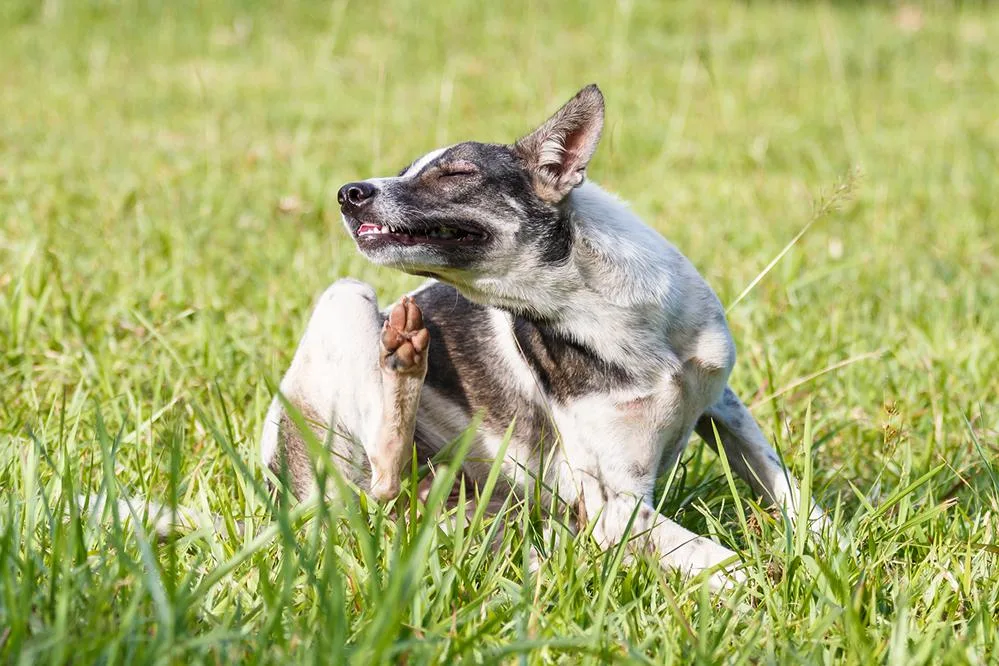
If your dog won't stop scratching, chewing their paws, or shaking their head, you've probably wondered how can you tell if your dog has allergies or if something else is going on. Allergies are one of the most common reasons dogs end up at the vet, and the signs can look almost identical to infections, parasites, or even stress.
The tricky part is that dogs don't get just one type of allergy. Research from veterinary schools puts atopic dermatitis prevalence around 10 to 15 percent of the dog population, and symptoms usually appear before age three. As of 2026, the standard diagnostic approach still hinges on ruling out other causes first, then narrowing the trigger.
Let's walk through what that actually looks like in real life.
Quick Answer
You can tell your dog has allergies by watching for persistent scratching, paw chewing, face rubbing, recurrent ear infections, and skin redness. Symptoms often show up on the paws, ears, belly, and groin. A vet confirms the diagnosis by ruling out infections and parasites first, then identifying the trigger.
Why Getting This Right Actually Matters for Your Dog
Here's the honest truth. Most chronic skin problems in dogs look the same to the untrained eye. Red skin, scratching, hair loss, ear goo.
But the cause changes everything about treatment.
Give steroids for a bacterial infection, and the infection flares. Treat a yeast problem as an allergy, and you'll mask symptoms for months while the yeast digs deeper. Mistake a mite infestation for a food allergy, and you'll burn through diet trials that were never going to work.
That's why veterinary dermatologists follow a rule-out ladder. Every other cause gets checked first. Only when infections, parasites, and endocrine disease are excluded does an allergy diagnosis land.
Skip the ladder, and you'll spend money chasing the wrong trigger.
Allergies also stack. A dog with a pollen allergy can develop a secondary bacterial infection on top of it. Treating only the allergy leaves the infection behind.
Treating only the infection means the itching returns in two weeks. You have to address both layers, and that starts with knowing which layer came first.
The Three Main Allergy Types Dogs Get
Dogs get allergic to three main things, and the treatment plan looks different for each.
Environmental allergies (atopy). This is the big one. Pollen, dust mites, mold spores, and storage mites trigger an immune response through the skin and respiratory tract. Symptoms tend to be seasonal at first, then often become year-round as more allergens accumulate.
Flea allergy dermatitis (FAD). A single flea bite can set off a week or more of intense itching in a sensitized dog. This is the most common allergy in dogs worldwide, and it's the one owners miss most often because they don't see fleas.
Food allergies. True food allergies in dogs involve an immune reaction, usually to a protein like beef, chicken, dairy, or egg. Food intolerance is different. It causes GI upset without the immune response.
Both are real, but only the immune version shows up on allergy workups.
A dog can have one, two, or all three at the same time. That's why a single test rarely tells the whole story.
The Telltale Symptoms You Can Spot at Home
Before you book a vet visit, run through this checklist. If your dog ticks several of these boxes, allergies are a strong possibility.
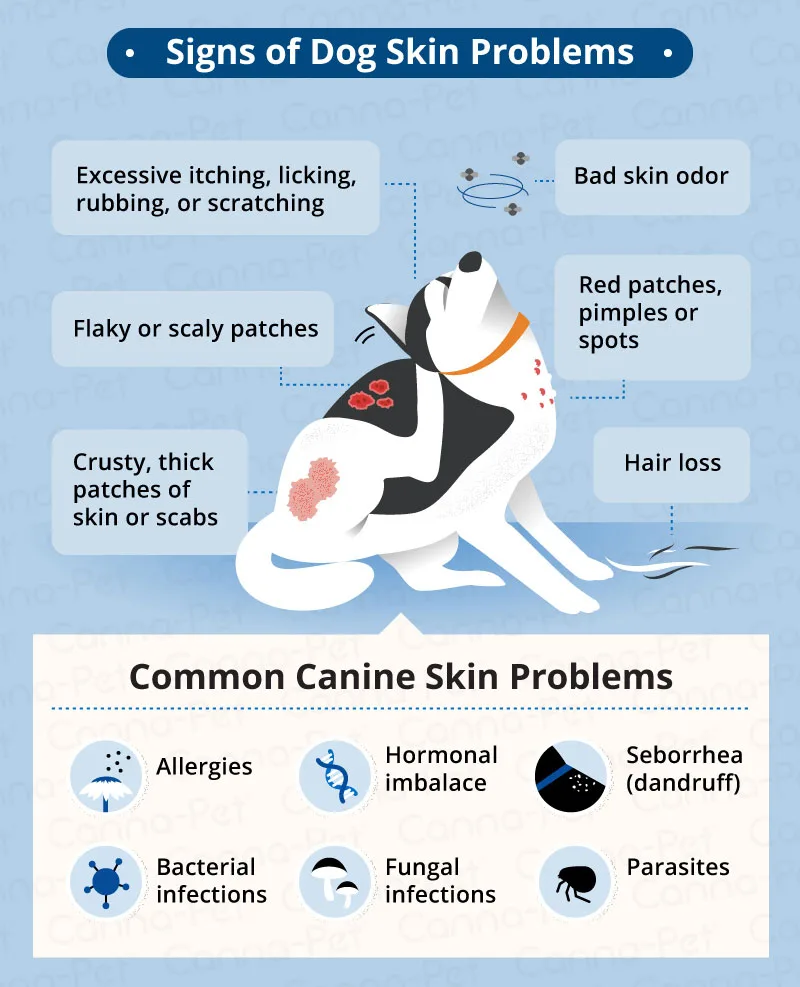
- Persistent scratching, licking, or chewing that doesn't resolve in a week
- Paw chewing or licking, especially between the toes
- Face rubbing against furniture, carpet, or your legs
- Head shaking or ear scratching
- Recurrent ear infections, more than twice a year
- Red or inflamed skin, especially in skin folds
- Hair loss in patches or thinning coat
- Hot spots (acute moist dermatitis) that appear suddenly
- Scooting or licking the rear end
- Soft stool, increased stool frequency, or vomiting that started alongside skin signs
No single symptom confirms allergies. The pattern matters. Symptoms that started young, repeat seasonally, or cluster around the same body regions point toward an allergy rather than a one-off irritation.
A useful home score is the Pruritus Visual Analog Scale, or PVAS. It's a 0 to 10 itch rating that vets use to track severity over time. You can use it informally at home.
A dog that rates 7 or higher most days needs veterinary attention, not just a wait-and-see approach.
Where Allergies Show Up on Your Dog's Body
Location is one of the strongest diagnostic clues. Allergies rarely strike random spots. They follow patterns.
| Body Region | Common Allergy Sign | What It Often Suggests |
|---|---|---|
| Paws and between toes | Redness, chewing, brown saliva staining | Environmental or food allergy |
| Ear canals | Recurrent infections, head shaking, odor | Environmental or food allergy |
| Axillae (armpits) and groin | Red, moist, hairless patches | Environmental allergy |
| Face, muzzle, around eyes | Rubbing, redness, watery eyes | Environmental allergy |
| Lower back and tail base | Intense scratching, "flea dirt" | Flea allergy dermatitis |
| Perianal area | Scooting, redness, licking | Food allergy or anal gland issue |
| Belly and inner thighs | Pink or red discoloration | Environmental or contact allergy |
Symmetric lesions on both sides of the body suggest an internal trigger like food or pollen. Asymmetric lesions often point to something contact-based or focal, like a bug bite or a reaction to a specific surface.
If your dog's ears are the recurring problem, that's a major clue. Research from veterinary teaching hospitals shows that dogs with recurrent otitis externa (chronic ear inflammation) almost always have an underlying allergy driving the cycle.
Food Allergy vs. Environmental Allergy: How to Tell Them Apart
This is the question that sends most owners into a spiral. The symptoms look identical, so figuring out which one you're dealing with takes some pattern recognition.
Age of onset matters. Food allergies often show up earlier, sometimes before age one. Environmental allergies typically start between six months and three years of age.
Seasonality is a big clue. If your dog's itching disappears in winter and explodes in spring or fall, you're almost certainly looking at pollen or mold. Food allergy itching doesn't follow the calendar.
Response to steroids is informative. Dogs with environmental allergies usually respond well to anti-inflammatories like Apoquel or steroids. Food allergies often respond less completely, because the trigger keeps arriving at every meal.
GI signs lean toward food. Repeated soft stools, increased gas, or vomiting alongside skin symptoms raise the odds of a food allergy. That said, the majority of food-allergic dogs show only skin signs.
The honest answer is that you can't fully separate them without testing. Diet trials help confirm food. Allergy testing helps confirm environmental triggers.
Often you need both.
Flea Allergy Dermatitis: The Sneaky Cause Most Owners Miss
Flea allergy dermatitis is the easiest allergy to fix and the easiest one to miss.
A flea-allergic dog reacts to proteins in flea saliva, not the flea itself. A single bite can trigger two weeks of intense itching, often focused on the lower back, tail base, and hind legs. You'll see what looks like a moth-eaten coat, scabs along the back, and a dog that won't stop scratching the rump.
Why it's overlooked
You don't need a flea infestation. You need one flea, one bite, one sensitized dog. Many owners swear their dog doesn't have fleas because they don't see them.
By the time you'd see an adult flea, the larva has hatched and the cycle is established.
How to rule it in or out
Treat every dog in the household with a prescription flea control product for at least 8 to 12 weeks. Use it year-round in warm climates. If the itching resolves, FAD was the driver, at least in part.
If it doesn't resolve, fleas weren't the only cause, but they may still have been contributing.
Veterinary guidelines from organizations like the American College of Veterinary Dermatology emphasize strict flea control as a first step before any allergy workup. Skipping this step is one of the most common diagnostic mistakes.
Symptoms That Look Like Allergies but Aren't
Before you commit to an allergy diagnosis, the vet will rule out lookalikes. These conditions mimic allergies so closely that even experienced owners get fooled.
| Condition | How It Mimics Allergies | Key Difference |
|---|---|---|
| Sarcoptic mange | Intense itching, hair loss, crusts | Contagious, often starts at ear edges and elbows |
| Demodectic mange | Patchy hair loss, sometimes itching | Often seen in young or immunocompromised dogs |
| Yeast infection (Malassezia) | Greasy skin, musty odor, scratching | Thickened skin, distinctive smell |
| Bacterial pyoderma | Red skin, pustules, scabs | Often a secondary infection on top of allergies |
| Hypothyroidism | Hair loss, skin changes, lethargy | Lab work shows low thyroid hormone |
| Cushing's disease | Thinning skin, hair loss, panting | Lab work and ultrasound confirm |
| Ringworm | Circular hair loss lesions | Fungal culture is positive |
This is why a vet visit matters. Skin cytology, scrapings, and basic bloodwork sort out these imposters in under an hour. Jumping straight to allergy treatment without ruling them out wastes months.
Breeds Most Likely to Develop Allergies
Genetics play a real role in allergy risk. Certain breeds show up over and over in dermatology clinics.
| Breed | Common Allergy Pattern |
|---|---|
| French Bulldog | Severe atopic dermatitis, ear and skin fold issues |
| West Highland White Terrier | Classic atopy, often seasonal then perennial |
| Labrador Retriever | Environmental and food allergies, ear infections |
| Golden Retriever | Atopy, frequent secondary infections |
| German Shepherd | Often environmental, prone to pyoderma |
| Boxer | Atopy with facial involvement |
| English Bulldog | Skin fold dermatitis and atopy |
| Shar-Pei | Severe skin fold issues and allergies |
| Cocker Spaniel | Ear and skin allergies, often chronic |
If your dog is on this list and itching young, the odds of an allergy are high. That doesn't mean other breeds are off the hook. Any dog of any breed can develop allergies, but knowing the predisposition sharpens your suspicion.
How Vets Diagnose Dog Allergies (Step by Step)
Diagnosis is a sequence, not a single test. Here's the ladder most veterinary dermatologists follow.
Step 1: History and physical exam
Expect questions about age of onset, seasonality, diet history, flea control, and prior treatments. A detailed timeline usually narrows the trigger category before any test runs.
Step 2: Rule out parasites and infections
Skin scrapings for mites, tape impressions for yeast and bacteria, and a flea check happen at this stage. Most dermatologists won't move forward until these come back clean.
Step 3: Food trial if GI signs or non-seasonal itching
A strict elimination diet for 8 to 12 weeks, then a provocation phase, confirms or rules out food allergy. Details in the next section.
Step 4: Allergy testing for environmental triggers
Intradermal skin testing or serum IgE testing pinpoints specific pollens, dust mites, or molds. Skin testing is considered the gold standard, but serum testing is more accessible and works well for many dogs.
Step 5: Treatment plan based on findings
Avoidance, medications, immunotherapy, or a combination. The diagnosis drives the plan, not the other way around.
Elimination Diet Trials: The Gold Standard for Food Allergies
An elimination diet is the only reliable way to diagnose food allergy in dogs. Blood tests for food allergens are unreliable and not recommended by most dermatologists.
The idea is simple. Feed a single protein and a single carbohydrate that the dog has never eaten before, for 8 to 12 weeks. Nothing else.
No treats, no table scraps, no flavored medications. If symptoms improve, you reintroduce old foods one at a time to identify the culprit.

Choosing the trial diet
Veterinary hydrolyzed protein diets break proteins into pieces too small to trigger an immune response. They're the most reliable choice for a strict trial. Novel protein diets (kangaroo, rabbit, duck) also work if you confirm the dog has truly never eaten that protein before, including in treats.
Common mistakes to avoid
Owners often break the trial with a single treat, a piece of cheese, or a lick of peanut butter. One slip can reset the clock. Strict means strict.
Flavored heartworm preventives count too, so ask your vet about alternatives during the trial.
The provocation phase
After 8 to 12 weeks of improvement, reintroduce previous proteins one at a time, for 1 to 2 weeks each. If itching returns after a specific protein, that's your trigger. Expect the workup to take 3 to 4 months total.
Allergy Testing Options: Blood Test vs. Skin Test
Once food allergy is ruled out, environmental allergens get tested. Two methods dominate.
Intradermal skin testing involves injecting small amounts of allergens under the skin and watching for reactions. It's considered the gold standard and is usually done by a veterinary dermatologist. Sedation is required, and shaving a patch of fur is standard.
Serum IgE blood testing measures allergen-specific antibodies in a blood sample. It's less invasive and more accessible. Accuracy varies by allergen type, and results can include false positives, but it works well for identifying the main triggers in most dogs.
For dogs that test positive, allergen-specific immunotherapy (allergy shots or sublingual drops) can desensitize the immune system over time. Clinical data shows meaningful improvement in roughly 60 to 80 percent of dogs within 6 to 12 months.
Treatment Options Side by Side: Apoquel, Cytopoint, Immunotherapy, and More
Treatment for environmental allergies usually combines several tools. Here's how the main options compare.
| Treatment | Form | Best For | Key Spec |
|---|---|---|---|
| Apoquel (oclacitinib) | Daily oral tablet | Fast, reliable itch control in dogs 12 months and older | 0.4 to 0.6 mg/kg, twice daily for 14 days, then once daily |
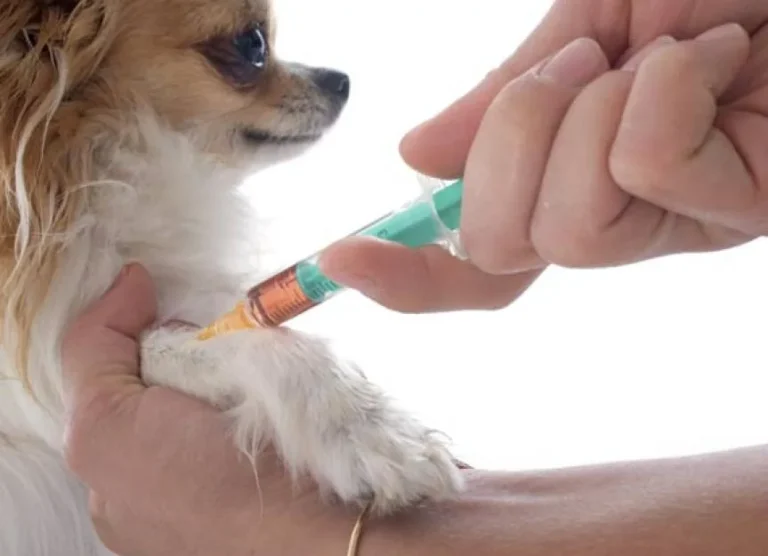
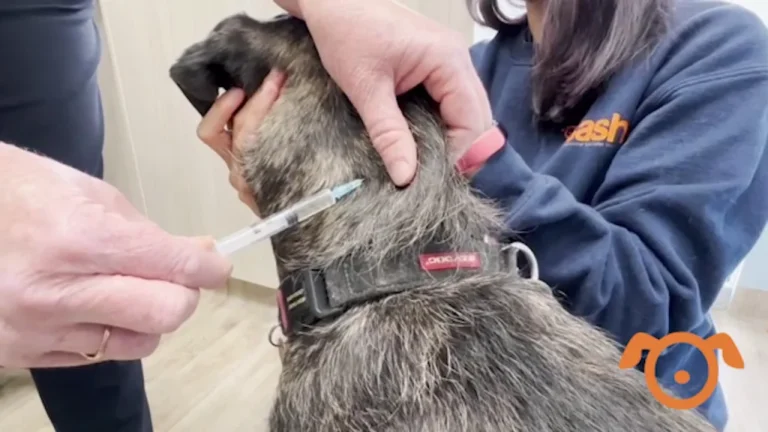
| Cytopoint (lokivetmab) | Injection every 4 to 8 weeks | Owners who can't pill daily, dogs with multi-drug reactions | 1 to 3.3 mg/kg subcutaneous, vet-administered |
| Allergen immunotherapy | Custom shots or sublingual drops | Long-term reduction in medication needs | Custom-blended based on test results |
| Antihistamines (cetirizine, loratadine) | Daily oral | Mild seasonal itching, adjunct therapy | Limited effectiveness alone |
| Topical therapy (sprays, mousses, wipes) | Applied to skin | Localized hotspots, ear infections, paw irritation | Useful as supportive care |
| Corticosteroids (prednisone) | Oral or injectable | Severe flare-ups, short-term use only | Long-term use carries significant side effects |
Apoquel and Cytopoint are both prescription-only, both FDA-approved for canine atopic dermatitis, and both widely used as of 2026. Immunotherapy is the only option that targets the underlying immune response rather than masking symptoms.
Most dogs end up on a combination. Apoquel or Cytopoint for immediate relief, immunotherapy for long-term control, and topicals for skin support.
OTC Antihistamines: What Actually Works for Dogs
This surprises a lot of owners. Antihistamines work much less reliably in dogs than in humans.
Clinical reviews suggest only about 10 to 30 percent of dogs respond meaningfully to antihistamines alone. They can help with mild seasonal itching, but they're rarely enough for moderate to severe cases.
If you try them
Use plain diphenhydramine (Benadryl), cetirizine (Zyrtec), or loratadine (Claritin) without added decongestants. Pseudoephedrine is toxic to dogs. Dose by weight, and check with your vet first, especially if your dog takes other medications.
When they don't work
That's normal. Don't keep raising the dose. Move to prescription options like Apoquel or Cytopoint, which target the itch pathway more effectively.
Mistakes Owners Make When Trying to Figure Out Allergies
After working through thousands of these cases, certain patterns repeat. Here are the most common mistakes.
Treating fleas casually. Even one missed month of flea control can derail the whole diagnostic picture.
Stopping a diet trial early. Improvement at week 4 is not a cure. Stick to 8 to 12 weeks.
Switching foods constantly. Every switch resets the clock. Pick one trial diet and stay on it.
Using human allergy meds as the main treatment. Antihistamines alone rarely control canine allergies.
Assuming food allergy is the default. Environmental allergies are far more common. Skip the food workup if symptoms are clearly seasonal.
Ignoring ear infections. Recurrent ear infections in a young dog almost always signal underlying allergy.
For deeper reading on the diagnostic ladder and current treatment standards, the American College of Veterinary Dermatology publishes consensus statements and owner resources that align with what specialists practice in clinic.
Red Flags That Mean You Need to See the Vet ASAP
Most allergy itching is uncomfortable, not dangerous. But some signs mean you shouldn't wait for a routine appointment.
- Sudden facial swelling, hives, or difficulty breathing
- Repeated vomiting or diarrhea alongside itching
- Open sores, oozing skin, or rapidly spreading infection
- A hot spot larger than a coin that appeared within hours
- Lethargy, fever, or loss of appetite
These signs point toward a severe allergic reaction, anaphylaxis risk, or a rapidly progressing infection. Get to a vet the same day.
Building a Long-Term Management Plan
Allergies in dogs are managed, not cured. The goal is reducing flare frequency, lowering medication doses over time, and keeping skin infections at bay.
A strong long-term plan usually includes year-round flea control, regular bathing with a gentle or medicated shampoo, ear cleaning as prevention, an allergy-aware diet, and consistent communication with your vet about medication response.
Track itch scores monthly using the PVAS scale. If scores climb, your vet can adjust treatment before a full flare-up takes hold.
Real-World Patterns: What Dog Allergy Cases Typically Look Like
Most allergy cases in clinic follow a few recognizable scripts. Knowing which one matches your dog helps you ask better questions at the vet.
The seasonal scratcher. Symptoms appear every spring or fall, calm down in winter, and worsen year over year. Almost always environmental.
Allergy testing plus immunotherapy is the long-term play.
The year-round paw chewer. Constant paw licking, brown saliva staining on white feet, with mild ear redness. Often a mix of food and environmental triggers.
Diet trial plus Apoquel is the typical starting plan.
The puppy with recurring ear infections. Three or more ear infections before age two. Strong signal for underlying allergy.
Rule out food first, then move to environmental workup.
The sudden-onset adult dog. Symptoms start between ages two and five with no prior history. Could be a new environmental allergy, a food switch, or an unrelated condition like hypothyroidism.
Full workup is worth it.
The flea-allergic dog. Intense lower-back scratching, scabs along the spine, "flea dirt" on the comb. Strict flea control often clears most of the picture within 8 weeks.
Expert Tips From Veterinary Dermatologists
A few habits separate dogs that thrive from dogs that just get by.
- Document everything. Photos, food logs, itch scores, and seasonal patterns make diagnosis faster.
- Bathe weekly during peak allergy season. It washes allergens off the coat before they absorb.
- Wipe paws after walks. Reduces allergen load and prevents paw chewing.
- Use air purifiers indoors. Helps with dust mite and mold allergies.
- Treat secondary infections aggressively. They drive most of the visible damage.
Maintenance: Long-Term Optimization
Once the initial diagnosis lands, maintenance is where most owners win or lose. The dogs that do best follow a few steady habits.
Bathe weekly during pollen season with a gentle, fragrance-free shampoo. Wipe paws and belly after walks. Vacuum and wash bedding weekly to cut dust mite load.
Keep flea control going year-round, especially in warm climates.
Recheck with your vet every 6 to 12 months, or sooner if itching scores climb. Adjustments to medication or immunotherapy vials happen often, and early tweaks prevent full flare-ups.
Your Next Step: A Practical Decision Guide
If your dog is scratching right now, here's the simplest path forward. Book a vet visit and ask for skin cytology, skin scrapings, and a flea control review. Those three steps rule out the most common lookalikes.
If itching is non-seasonal or paired with GI signs, ask about a hydrolyzed protein diet trial. If itching is clearly seasonal, ask about Apoquel or Cytopoint for immediate relief and intradermal or serum allergy testing for long-term planning.
Keep a two-week diary of symptoms, foods, and environment before the visit. That single habit shortens the diagnostic process more than any test.
Frequently Asked Questions
Can dogs develop allergies suddenly even if they've been fine for years?
Yes. Dogs can develop new environmental allergies between ages one and four. Food allergies can also appear at any age, especially after a dietary change that exposes the immune system to a new protein.
How long does it take for dog allergy symptoms to improve with treatment?
Apoquel and Cytopoint usually reduce itching within 24 to 48 hours. Elimination diets take 8 to 12 weeks. Immunotherapy takes 6 to 12 months for full effect.
Are dog allergy tests from pet stores accurate?
Most store-bought saliva or fur tests lack clinical validation. Stick with intradermal or serum IgE testing through your vet.
Can puppies have allergies?
Yes. Atopic dermatitis often starts before age one. Food allergies can show up as early as four to six months.
Is it safe to give my dog Benadryl every day?
Daily antihistamines are generally safe at appropriate doses, but effectiveness is limited. Talk to your vet before combining with other medications.
Will my dog need allergy medication forever?
Many dogs do, but immunotherapy can reduce long-term medication needs. Some dogs on immunotherapy eventually come off daily drugs entirely.




2 Comments