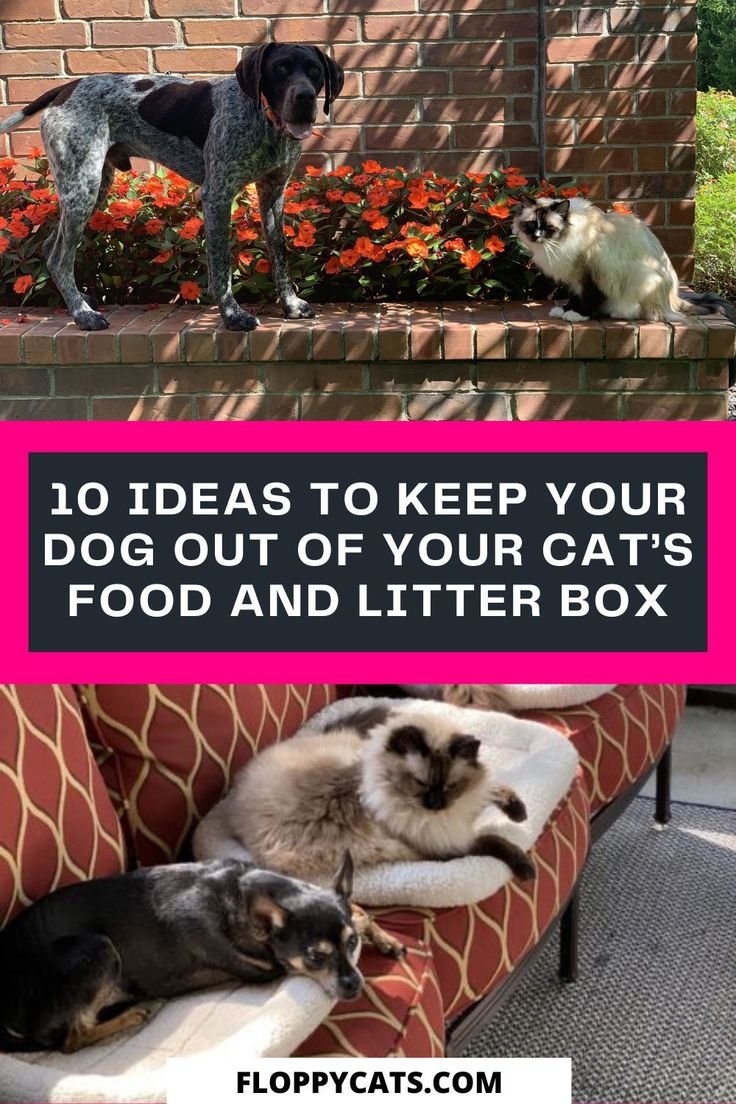
Keep your dog out of cat food by feeding your cat in a separate room, using a secure pet gate, placing the bowl on a safe raised surface, or choosing a microchip feeder.
In American homes where dogs and cats share a kitchen, living room, or small apartment, mealtime can turn into a daily contest. You fill your cat’s bowl, turn around for a moment, and your dog has already eaten half the meal. The cat may walk away hungry, while the dog learns that sneaking a snack is worth trying again.
The most reliable fix is to make the cat’s food easy for the cat to reach and hard for the dog to reach. A closed room, a well-fitted pet gate, or a selective feeder can help. The right choice depends on your pets’ sizes, your home’s layout, your cat’s mobility, and whether your dog can jump, climb, or push through barriers.
Cat food is usually richer in protein and fat than a dog’s regular food. A small stolen bite is not usually an emergency for a healthy dog, but repeated access can add unwanted calories and may cause stomach upset. A dog with a medical condition may face greater risks. This guide explains how to protect your cat’s meals, train your dog, and handle setbacks without making feeding stressful for either pet.
Source: www.pinterest.com
Why Dogs Keep Eating Cat Food
Dogs often seek out cat food because it smells strong and tastes appealing. Many cat foods contain more fat and protein than ordinary adult dog food, which can make them tempting to a food-motivated dog. Your dog’s interest does not always mean the dog is hungry or missing a nutrient.
The behavior can also become a habit. If your dog finds an unattended bowl and gets a tasty reward, the dog may check that spot again and again. Even a dog that has just finished dinner may try to steal a cat’s meal because the opportunity is easy.
Your cat may also prefer to graze throughout the day. That works in some homes, but it leaves food available for a dog that roams freely. The goal is not to blame either pet. It is to change the feeding setup so the dog cannot keep practicing the behavior.
Source: mybritishshorthair.com
Strong food smells
The smell and taste of cat food can attract dogs, even when their own meals are complete.
Easy access
A bowl left on the floor is simple for most dogs to reach, especially in shared rooms.
A learned habit
Each successful theft can reinforce the behavior because the dog receives a reward.
Different feeding routines
Cats that eat small portions over several hours may leave food available long after the dog has finished eating.
Is Cat Food Bad for Dogs?
Cat food is not usually toxic to dogs simply because it is made for cats. A healthy dog that steals a small amount may have no problems, although some dogs develop vomiting, diarrhea, or other digestive upset. The risk depends on the amount eaten, the food’s ingredients, and the dog’s health.
Cat food is designed to meet feline nutritional needs, not to serve as a dog’s regular diet. Frequent access can add excess calories and fat to a dog’s normal meals. Rich food may also be a concern for dogs with a history of pancreatitis or other conditions that require a controlled diet.
If your dog eats a large amount, has a medical condition, or develops repeated vomiting, marked abdominal pain, weakness, or other worrying signs, contact a veterinarian promptly. Do not assume that every episode is harmless or try to induce vomiting unless a veterinary professional directs you to do so.
Occasional small bites
These often cause no serious problem in a healthy dog, but monitor for digestive symptoms.
Repeated food theft
Regular access can contribute to excess calorie intake and interfere with a dog’s planned diet.
Known health concerns
Ask your veterinarian how to respond if your dog has pancreatitis, a prescribed diet, or another condition affected by rich food.
1. Feed Your Cat in a Separate Room
A separate feeding room is one of the simplest ways to keep a dog away from cat food. Choose a room your cat can enter easily, such as a spare bedroom, laundry room, or quiet bathroom. Put the cat’s food and water in a calm spot away from loud appliances, busy walkways, and the litter box.
Close the door while your cat eats, or use a secure barrier that allows the cat to pass while keeping the dog out. If your cat likes to eat slowly, a dedicated room can stay available throughout the day, provided you can keep the dog from entering. Check that the cat always has a clear exit and is not trapped with the dog.
This setup works especially well when a dog is large, persistent, or able to reach bowls on counters. It also helps in homes with puppies that explore everything with their mouths. In a small apartment, a bedroom corner or a gated alcove may be enough if the barrier truly prevents access.
Source: www.pinterest.com
Choose a quiet location
Pick a room where your cat feels safe and can eat without being watched or chased.
Keep the route clear
Make sure your cat can enter and leave without climbing over clutter or squeezing past the dog.
Secure the entrance
Use a door, gate, or other barrier that your dog cannot push aside or jump over.
Check the setup daily
Look for open doors, loose gates, or changes that let the dog reach the food.
Can You Use a Baby Gate?
A baby gate can work well if it creates a stable barrier and leaves a safe route for the cat. Some cats can pass through the bars of a gate designed for small children, while many dogs cannot. Other cats may refuse to squeeze through a narrow gap, and some small dogs can slip through too.
Measure your pets before choosing a gate. Check the spacing between bars, the height, the locking system, and whether the gate can withstand your dog’s weight. A pressure-mounted gate may shift if a strong dog leans on it, so choose a secure model suited to the doorway and your dog’s behavior.
Do not force an older, injured, very young, or overweight cat to jump over a tall gate. A low opening or a separate room may be safer. Watch your pets use the barrier before relying on it when you are away.
Best fit
A gate is useful when your cat can pass safely and your dog cannot climb, jump, or push through.
Main limitation
A determined dog may defeat a short or unstable gate, so test the setup under supervision.
2. Place Cat Food on a Safe Raised Surface
A raised feeding station can help when your cat climbs comfortably and your dog cannot reach the bowl. A sturdy counter, dedicated feeding shelf, or stable cat feeding table may keep the meal beyond the dog’s reach. This option can be useful in a home where floor space is limited.
Height alone is not a guarantee. Large dogs can reach surprisingly far, and some dogs jump onto furniture or counters. Place the bowl far enough from the edge that a dog cannot pull it down, and avoid narrow ledges that could cause your cat to slip.
Your cat’s age and physical ability matter more than convenience. Kittens, senior cats, and cats with arthritis, weakness, poor balance, or other mobility issues may struggle to reach an elevated bowl. In those cases, a floor-level feeding area protected by a gate is often the better choice.
Source: uk.pinterest.com
Use stable furniture
Choose a level surface that will not wobble, tip, or slide when your cat jumps onto it.
Allow easy access
Make sure your cat can get to the bowl without a risky jump or a slippery landing.
Keep the bowl away from edges
Leave enough space to prevent accidental falls and stop a dog from pulling the dish down.
Test the dog’s reach
Watch your dog around the station before assuming the height is enough.
Should You Put Cat Food on a Counter?
A counter can work for an agile cat if it is safe, stable, and kept free of hazards. Remove hot pans, cleaning products, sharp tools, and other items that could injure a curious cat. Keep the feeding spot away from a stove, open flame, or a surface that becomes hot.
If your dog can jump onto the counter, reach the bowl from the floor, or knock dishes down, choose a different method. Do not rely on a high surface if your cat has trouble jumping or needs frequent access to food for a health reason.
Suitable for some homes
A safe counter may work for agile cats and dogs that cannot reach it.
Not suitable for every cat
Cats with mobility problems need an easier route to food.
3. Use a Microchip or Selective-Access Cat Feeder
A microchip feeder is useful when your cat needs free access to food but your dog must stay out. Depending on the model, the feeder reads your cat’s implanted identification microchip or a compatible collar tag and opens the feeding area for an enrolled pet. It closes again when the authorized pet moves away.
This can be a good choice for cats that graze throughout the day, households with more than one cat, or homes where a separate room is not practical. It may also help protect a cat’s prescribed food from another pet that should not eat it. However, the exact functions and compatible identification methods vary by feeder.
A selective feeder is not a substitute for checking the setup. Some dogs may push their heads into the opening, steal food while the lid moves, or learn to approach from an angle. Follow the manufacturer’s setup directions, enroll the correct pet, and supervise the first few meals to see whether your dog can defeat the design.
Source: www.pinterest.com
Controlled access
The feeder is designed to open for an authorized pet rather than every animal in the room.
Useful for grazing cats
Your cat may be able to return for small meals without leaving food open to the dog.
Check identification needs
Confirm whether the feeder reads a compatible microchip, requires a special collar tag, or supports both.
Consider cost and upkeep
Account for the purchase price, batteries or power needs, cleaning, and replacement parts.
Is a Selective Feeder Worth It?
It may be worth the cost when your dog repeatedly steals food despite using gates or separate feeding times. It is also useful if your cat eats small meals throughout the day and cannot comfortably be moved to a raised feeding station.
A simple barrier may be enough for a calm dog and a cat that eats at set times. Before buying a selective feeder, compare the space it needs, the way it opens, the size of the food bowl, and whether your pets can use it comfortably.
Choose one for repeated access problems
A selective feeder can reduce the need to supervise every visit to the food bowl.
Choose a simpler setup when possible
A secure room or gate may solve the problem without adding equipment or ongoing upkeep.
4. Feed Your Dog and Cat at Different Times
Separate meal times can reduce food theft, especially when both pets finish their meals in one sitting. Feed your dog in one area and your cat in another, then keep the dog away until the cat has finished. This makes the food bowl less tempting because the dog has fewer chances to reach it.
Start by choosing times that fit your household routine. For example, you might feed the cat in a quiet bedroom while your dog eats in the kitchen. When both pets finish, pick up the bowls and store leftover food in a sealed container that the dog cannot open.
This method is less useful for a cat that needs to graze or has a veterinary feeding plan that calls for food to remain available. In that case, combine scheduled dog meals with a protected cat feeding station. Do not restrict your cat’s access to food simply to make the routine easier.
Source: artofit.org
Create a repeatable schedule
Feed each pet at predictable times that work for your household.
Use separate areas
Keep the pets apart while they eat so neither can steal the other’s meal.
Remove leftover food when appropriate
Pick up uneaten portions if this fits your cat’s feeding needs and veterinary advice.
Store food securely
Keep bags, cans, and containers out of reach to prevent the dog from finding extra food.
What If Your Cat Likes to Graze?
Do not force a grazing cat to finish a meal quickly if that causes stress or conflicts with veterinary guidance. Instead, put the bowl in a dog-free room or use a selective feeder. You can still feed your dog on a regular schedule and use training to keep the dog away from the protected area.
If your cat suddenly starts eating much more or much less than usual, speak with your veterinarian. A change in appetite can have causes beyond the feeding arrangement.
Protect access rather than rushing meals
Let the cat eat at a comfortable pace in a place the dog cannot enter.
Keep track of intake
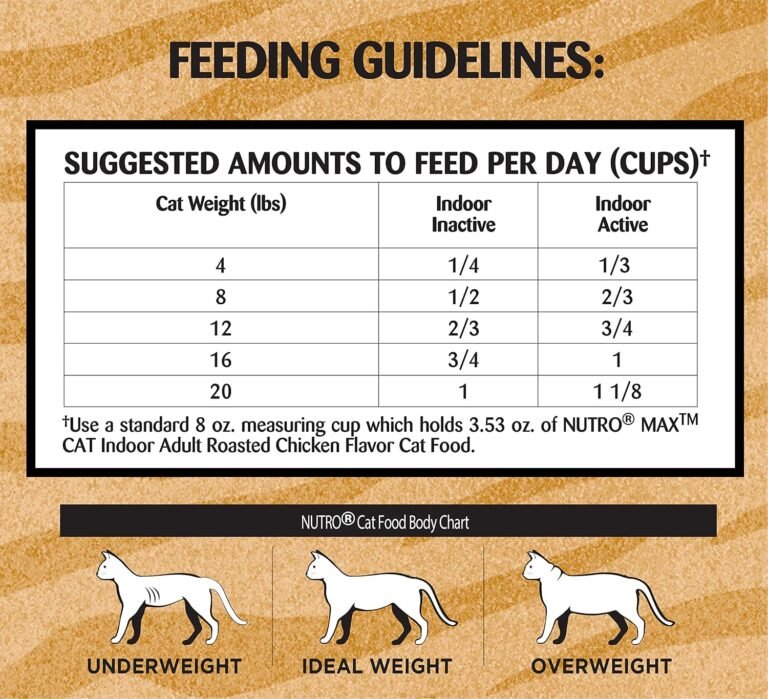
Measure the food you offer and note major changes in how much your cat eats.
5. Train Your Dog to Leave Cat Food Alone
Training helps your dog learn what to do around the cat’s food, but it works best when you also block access. A dog that can reach a tasty bowl may ignore a cue when no one is watching. Use barriers to prevent theft while you teach a reliable alternative behavior.
Begin when the cat is not eating, or keep the cat safely behind a barrier. Have small dog treats ready, use a leash if needed, and work at a distance where your dog can pay attention. Reward the dog for looking away from the cat’s feeding area, returning to you, or settling on a mat.
Keep each practice session short and calm. If your dog lunges, barks, or becomes too excited to respond, increase the distance and make the exercise easier. Never punish your dog by shouting near the food bowl or allowing the cat to be used as a test. The goal is calm behavior, not a contest between pets.
Source: www.pinterest.com
Teach a leave-it cue
Practice with low-risk objects first, reward the dog for turning away, and gradually work toward the cat’s feeding area.
Reward calm choices
Give praise or a dog-safe treat when your dog looks away from the bowl or returns to a designated spot.
Use a mat or station
Teach your dog to settle on a bed or mat while the cat eats elsewhere.
Manage the environment
Keep the bowl protected during training so the dog does not keep rewarding itself by stealing food.
A Simple Leave-It Training Routine
Hold a treat in a closed hand and let your dog sniff without giving the treat. When the dog stops trying to get it or looks away, mark the behavior with a word such as yes and reward with a different treat from your other hand. Repeat until the dog starts turning away when you give the cue.
Next, practice with a treat on the floor covered by your hand or protected by another safe barrier. Reward your dog for leaving it alone and checking in with you. Only move closer to the cat’s feeding area when your dog responds reliably in easier settings.
Do not use the cat’s meal as the first training challenge. Keep the cat secure, reward your dog for calm behavior at a distance, and end the session before either animal becomes distressed.
Start easy
Practice the cue with ordinary treats before using it near a highly tempting food bowl.
Increase difficulty slowly
Move closer only when your dog can respond without lunging or fixating on the food.
Stay consistent
Ask everyone in the household to follow the same rules about the cat’s feeding area.
6. Choose a Dog-Proof Feeding Station for Your Home
The best feeding station is one that fits your pets, your available space, and your daily routine. A setup that works for a small dog and an agile cat may fail with a large dog that can reach high shelves. Think about the actual way your dog gets to the food instead of choosing a solution based on appearance alone.
Before buying equipment, observe your pets from a safe distance. Does the dog push through doors, jump onto furniture, or wait beside the bowl? Does your cat avoid narrow openings or need food at floor level? These details help you choose a barrier or feeder that solves the real problem.
A sturdy feeding cabinet or enclosed station may help if it has a cat-sized entrance and enough room for the cat to turn around. However, the opening must remain comfortable for your cat, and the dog must not be able to reach inside. Inspect any homemade setup for sharp edges, unstable shelves, loose wires, and places where a paw or collar could get trapped.
Source: www.youtube.com, Floppycats
Small dog, agile cat
A stable raised shelf or a gate with a cat-access opening may be enough.
Large or persistent dog
Use a closed room, a secure full-height barrier, or a selective feeder designed for controlled access.
Small apartment
Try a gated corner, a protected nook, or a compact selective feeder rather than spreading feeding areas across the home.
Senior or mobility-limited cat
Favor an easy floor-level route behind a barrier instead of making the cat jump to reach food.
A Practical Comparison of Dog-Proof Feeding Methods
Use this table to compare common options by setup effort, likely fit, and main limitation. These are general practical considerations, not the results of a controlled product test. No single method works for every dog and cat.
Separate room
Setup effort: low if a suitable room is available. Best for dogs that can be kept outside a closed or securely gated area. Limitation: doors must stay secured, and the cat needs easy access.
Pet or baby gate
Setup effort: low to moderate. Best when the cat can pass safely and the dog cannot. Limitation: some dogs jump over, push, or squeeze through gates.
Raised feeding station
Setup effort: low if stable furniture is available. Best for agile cats and dogs with limited reach. Limitation: unsuitable for some cats and ineffective against dogs that can reach or climb.
Microchip feeder
Setup effort: moderate. Best for cats that graze or need protected access. Limitation: purchase cost, power or battery needs, and possible attempts by a persistent dog to steal food.
Scheduled meals
Setup effort: low but requires routine. Best for pets that eat at set times. Limitation: less useful when the cat needs food available for longer periods.
Training
Setup effort: ongoing. Best as support for any physical barrier. Limitation: training alone may not stop a dog from stealing food when unsupervised.
7. Prevent Food Theft Without Stressing Your Cat
Your cat should be able to eat in peace. If your dog guards the feeding area, chases the cat, or blocks the route to the bowl, moving the food alone may not solve the whole problem. Give the cat a quiet feeding space and watch for signs that the cat feels unsafe.
Keep food bowls away from busy doorways and noisy household activity. Avoid putting the cat’s food beside the dog’s bowl if the dog becomes excited or possessive around meals. Each pet should have enough space to eat without having to compete.
Do not use deterrents that could harm either animal. Avoid placing hot objects, sharp barriers, or substances that may irritate a pet around the food. Do not spray your cat or dog with water as a punishment, and do not leave a cat trapped in a box or cabinet with no clear escape route.
Source: www.youtube.com
Watch your cat’s behavior
Hiding, refusing food, rushing meals, or avoiding the feeding area may signal that the setup needs to change.
Keep escape routes open
The cat should be able to leave the feeding area without passing the dog at close range.
Separate resources
Give each pet its own feeding space, and provide separate resting areas and water access where needed.
Get help for conflict
Ask a veterinarian or qualified reward-based behavior professional for help if one pet threatens, chases, or repeatedly frightens the other.
What If Your Dog Guards Food?
Growling, snapping, stiff body posture, or blocking access around food may signal resource guarding. Do not reach between the animals or try to take food away by force. Separate the pets using a safe barrier and arrange professional guidance.
If your dog has bitten or repeatedly threatened the cat, keep them physically separated during all feeding periods and whenever direct supervision is not possible. A veterinarian can help assess health factors and recommend a suitable behavior professional.
Separate first
Prevent contact around food before attempting training.
Avoid confrontation
Do not punish growling or force the dog to share space with the cat’s bowl.
8. Troubleshoot When Your Dog Still Gets the Cat Food
If your dog keeps stealing food, identify the point where the setup fails. A gate that works during the day may be left open at night, or a raised bowl may be within reach of a dog that has learned to jump. Fixing the specific weakness is often more effective than adding several new barriers.
Watch how your dog approaches the food, but do not deliberately give the dog a chance to steal it. Look for gaps, unstable furniture, open doors, and times when household members forget the routine. Then change the environment and keep the dog away while the new setup is tested.
If your cat refuses to use the feeding station, do not assume the cat is being stubborn. The entrance may be too small, the surface too high, or the area too noisy. Make access easier for the cat while maintaining a barrier the dog cannot defeat.
Source: www.pinterest.com
The dog jumps over the gate
Use a taller secure barrier, a closed room, or a selective feeder. Do not simply keep raising the cat’s bowl if that creates a fall risk.
The dog reaches the raised bowl
Move the feeding area behind a barrier or choose a room the dog cannot enter.
The cat avoids the station
Check the height, opening size, floor grip, noise level, and ease of entry and exit.
The dog steals food when nobody is home
Use a secure physical separation or suitable selective feeder rather than relying on verbal cues.
The cat eats less after the change
Restore comfortable access, monitor food intake, and contact your veterinarian if the appetite change persists or is significant.
How to Tell Whether the New Setup Works
A successful setup lets your cat reach food without fear and prevents your dog from reaching the bowl. Watch the first few meals and check the feeding area at different times of day. Make sure the cat is eating its usual amount and the dog is no longer getting easy rewards from food theft.
Keep a short note of any problems, such as a gate left open, a cat that avoids the opening, or a dog that can reach around the barrier. Small changes to the layout can make the system more reliable. If the problem continues despite a secure setup and consistent training, ask your veterinarian or a qualified behavior professional for tailored advice.
Success sign
The cat can approach, eat, and leave comfortably while the dog stays away from the food.
Warning sign
The cat skips meals, hides, or must make risky jumps to reach food.
Next step
Correct the access problem, keep the pets separated during meals, and seek veterinary advice if eating habits change.
9. Keep Cat Food and Supplies Secure
Protecting the bowl is only part of the job. Dogs may also chew open food bags, knock over storage containers, or lick food residue from empty cans. Store dry cat food in a closed container that the dog cannot open, and keep wet food in a secure refrigerator or cupboard until serving time.
Clean up spills and wash feeding dishes as needed. Food crumbs can attract a dog back to the same spot, and an unattended can or pouch may tempt a determined pet. Use pet-safe cleaning products according to their labels and keep cleaners out of reach.
Keep medications, supplements, and special veterinary diets separate from ordinary pet food. If your cat eats a prescription diet, prevent both accidental sharing and access by other animals. Ask your veterinarian how to manage storage and feeding if more than one pet has different dietary needs.
Source: www.pinterest.com
Seal dry food
Use a closed storage container and keep it in a cupboard or room the dog cannot access.
Refrigerate opened wet food
Follow the food label’s storage directions and use a secure container or covered can.
Clean feeding areas
Remove spills and wash bowls to reduce lingering food smells and residue.
Protect special diets
Store prescribed food separately and make sure each pet receives the intended meal.
Frequently Asked Questions
Q
What Is the Easiest Way to Keep a Dog Out of Cat Food?
For many homes, feeding the cat in a separate room is the easiest solution. Close the door or use a secure gate that your cat can pass safely but your dog cannot defeat. If your cat needs food available all day, consider a protected feeding station or a suitable microchip feeder.
Q
Can I Put My Cat’s Food Somewhere High So My Dog Cannot Reach It?
Yes, if your cat can reach the spot safely and your dog cannot jump or stretch up to the bowl. Use a stable surface with enough room for the cat to eat and move away. Avoid high shelves for kittens, senior cats, or cats with mobility problems, and choose a gated floor-level area when climbing would be unsafe.
Q
Will My Dog Get Sick From Eating Cat Food?
A small amount of cat food does not usually cause serious illness in a healthy dog, but digestive upset can occur. Large amounts and repeated access may create greater problems, especially for dogs with conditions such as pancreatitis or those on a prescribed diet. Contact your veterinarian if your dog eats a large amount, has a relevant medical condition, or develops symptoms such as repeated vomiting, abdominal pain, or weakness.
Q
Can I Train My Dog to Stop Eating Cat Food Without a Gate?
You can teach cues such as leave it and reward your dog for settling away from the feeding area. However, training alone may not be reliable when the dog is unsupervised or strongly motivated by food. Use a physical barrier while training so your dog cannot keep rewarding itself by stealing the cat’s meal.
Q
How Can I Keep My Dog Out of Cat Food in a Small Apartment?
Try a secure gated corner, a cat-access opening that the dog cannot use, or a selective feeder. A raised station may work if your cat is agile and your dog cannot reach it, but do not force the cat to jump onto furniture. Choose the smallest setup that gives your cat safe access and fully blocks the dog.
Q
Should I Leave Cat Food Out All Day?
Some cats do well with measured food available throughout the day, while others do better with scheduled meals. Your cat’s age, health, appetite, and veterinary feeding plan should guide the choice. If you leave food available, keep it in a place the dog cannot access and follow the label’s directions for how long wet food can remain at room temperature.
Q
What Should I Do If My Dog Eats a Whole Bowl of Cat Food?
Remove any remaining food and contact your veterinarian for advice, especially if the amount was large relative to your dog’s size or your dog has a history of pancreatitis or another health problem. Watch for vomiting, diarrhea, abdominal pain, unusual tiredness, or other changes. Seek prompt veterinary care for severe or worsening symptoms, and do not induce vomiting unless a veterinarian tells you to.
✦ Wrapping Up
Conclusion
The best way to keep a dog out of cat food is to prevent access while making meals easy and safe for your cat. A separate room or secure gate is a good starting point for many households. Raised feeding stations and microchip feeders can help when the layout, your cat’s mobility, or a grazing routine calls for another option.
Pair the physical setup with calm, reward-based training. Feed your pets in separate areas, keep food storage secure, and check that the cat can reach the bowl without fear or risky jumps. If your dog keeps defeating the setup, change the barrier instead of relying on repeated scolding.
Remember that the aim is not to make one pet lose access so the other can eat. It is to give each animal a safe place to enjoy the food made for it. With a practical layout and a consistent routine, mealtimes can become calmer for both pets.
💡 Key Takeaway
Start today by moving your cat’s bowl to a secure dog-free room, observing whether your cat can enter and leave comfortably, and keeping your dog away during meals. If the cat needs constant food access, consider a suitable selective feeder and ask your veterinarian for guidance when health or appetite concerns arise.