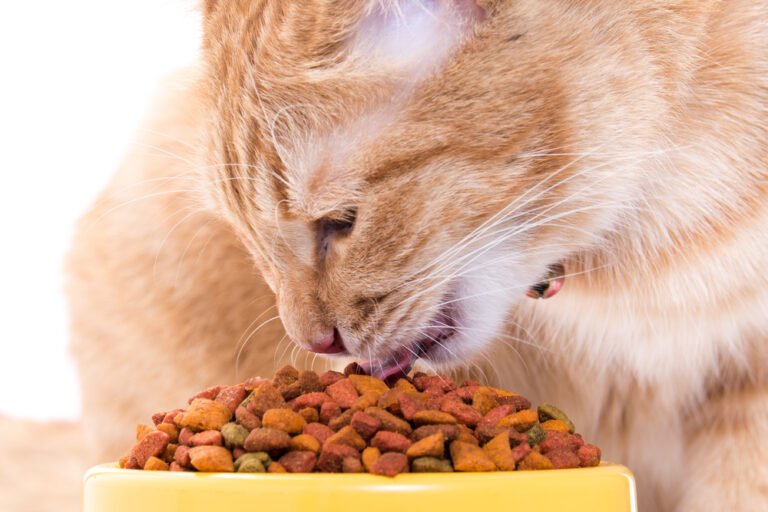
To get a cat to stop begging for food, feed measured portions on a steady schedule, stop rewarding begging, and offer play and attention at other times.
If you share your home with a cat in the United States, you may know the routine. You sit down with dinner after a long workday, and your cat appears beside your plate. A soft meow turns into a loud cry, then a paw reaches for your fork. Even if your cat ate an hour ago, the performance can continue until you give in.
The best way to change this habit is to understand what drives it. Your cat may be hungry, bored, used to getting treats, or simply seeking your attention. A steady feeding plan, measured meals, and rewards for calm behavior can help. Still, a sudden increase in hunger deserves attention because medical problems can sometimes cause a cat to beg more than usual.
Source: www.ask-oracle.com
Why Do Cats Beg for Food So Often?
Cats beg for food for several reasons, and hunger is only one of them. Food has a strong reward value, and cats can learn that certain actions make food appear. If meowing beside the refrigerator leads to a treat, your cat may repeat that behavior the next time the refrigerator opens.
Cats also notice patterns in daily life. Your cat may learn that you eat breakfast after getting dressed or that dinner starts when you return from work. Once a pattern becomes familiar, your cat may begin asking for food before the usual meal.
Before trying to stop begging, look at when it happens and what follows. A cat that begs only when you eat may have learned to associate human meals with snacks. A cat that searches for food all day, even after eating its measured portions, may need a feeding review, more enrichment, or a medical check.
Source: music.youtube.com
Learned behavior
Your cat meows, you give food, and the behavior becomes more likely to happen again.
Boredom or attention seeking
Your cat may use food requests to start an interaction, especially when play and social time are limited.
A feeding routine that does not fit
Long gaps between meals, unclear portions, or too many small treats can make feeding less predictable.
Possible medical causes
Persistent hunger can occur with conditions such as diabetes, hyperthyroidism, or intestinal problems. A veterinarian can determine whether testing is needed.
Is Your Cat Hungry or Just Asking for Food?
It is not always possible to tell from meowing alone. A cat that approaches the food bowl at regular meal times may be responding to a real feeding need. A cat that begs whenever you open a snack bag may be responding to a learned cue instead.
Review your cat’s food intake, body condition, age, activity, and recent health changes. If your cat is eating the recommended amount but still seems unusually hungry, do not assume the behavior is simply bad manners. Ask your veterinarian whether the food, portions, or health plan needs to change.
Look at the pattern
Record when begging occurs, how much food your cat receives, and whether the behavior is linked to people eating or specific household routines.
Watch body changes
Increased appetite with weight loss, increased thirst, or more frequent urination is a reason to arrange a veterinary visit.
Step 1: Set a Consistent Feeding Schedule
A predictable feeding schedule is one of the most useful ways to reduce food begging. Feed your cat at regular times that fit your household, and keep those times as consistent as you reasonably can. Your cat will begin to learn when food arrives without needing to ask for it throughout the day.
Adult cats often do well with two or more appropriately sized meals, but the best schedule depends on the individual cat. Some cats prefer smaller, more frequent meals. Kittens usually need more frequent feeding than healthy adult cats because they are growing and have different nutritional needs.
Choose a schedule you can maintain on weekdays and weekends. If you leave for work early, you might serve breakfast before leaving and dinner after returning. If your cat becomes restless between meals, a planned small meal or an appropriate feeding device may help, provided the total daily amount stays suitable.
Source: sports.inquirer.net
Choose reliable meal times
Set times that work with your routine, such as early morning and early evening, and avoid changing them without a reason.
Prepare portions in advance
Measure the day’s food in the morning so you can see how much remains and avoid adding unplanned servings.
Keep other household members informed
Make sure everyone knows the schedule and the amount already served. This prevents a second breakfast from a well-meaning family member.
Should You Feed a Cat Before Your Own Dinner?
Feeding your cat shortly before your own meal may help if your cat tends to beg at the table. It gives your cat a clear activity while you prepare and eat dinner. However, this meal must come from the cat’s planned daily food allowance rather than being an extra serving.
You can also offer a puzzle feeder or a few pieces of the measured dry-food portion while you eat. If your cat has a prescribed diet or a medical condition that affects meal timing, follow the veterinarian’s instructions instead of changing the schedule on your own.
Keep the routine predictable
Use the same general sequence each evening, such as play, feeding, and then your own dinner.
Avoid feeding from your plate
Serve cat food in the usual feeding area so your cat does not learn that human meals are an opportunity to get table scraps.
Step 2: Measure the Right Amount of Cat Food
Make sure your cat receives enough food before you try to reduce begging. A cat that is underfed will not become comfortable simply because you ignore its requests. The aim is to meet your cat’s nutritional needs while avoiding extra calories that add up over time.
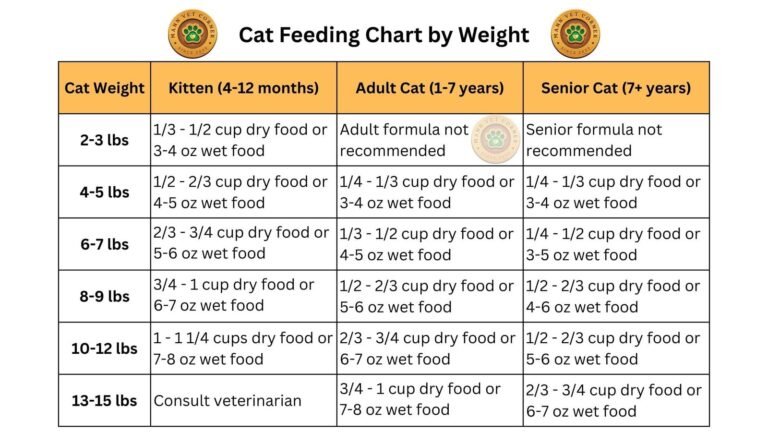
Start by reading the feeding instructions on the food package. Treat these instructions as a starting point rather than an exact prescription for every cat. Calorie needs vary with body size, age, activity, reproductive status, health, and whether the cat needs to gain, maintain, or lose weight.
Your veterinarian can help estimate an appropriate daily calorie target and adjust it based on body condition and weight changes. Measure dry food with a kitchen scale when possible, since cups and scoops can produce inconsistent portions. Count treats, table scraps, food used in training, and meals from puzzle feeders as part of the daily intake.
Source: starsunfolded.com
Check calories per serving
Compare the calorie information on the package with the amount your cat actually eats, not just the volume in the bowl.
Count every extra
Small treats and bites from the table can add meaningful calories when given many times each day.
Review body condition
Ask your veterinarian to assess whether your cat’s current weight and body condition are appropriate.
Can You Give a Begging Cat More Food?
Sometimes the answer is yes, but only after checking the feeding plan. Growing kittens, very active cats, and cats with certain medical conditions may need different amounts or meal patterns. A cat eating too little for its needs may continue to beg because the feeding plan is not adequate.
Do not increase portions every time your cat meows. First check the total daily amount, food type, and body condition. If your cat appears hungry despite receiving an appropriate amount, ask your veterinarian whether a higher-satiety diet, different meal timing, or medical assessment would help.
Avoid sudden restriction
Never sharply cut a cat’s food intake to stop begging. Cats that eat too little or stop eating can develop serious health problems.
Make gradual changes
If a veterinarian recommends a portion adjustment, follow the proposed plan and track your cat’s weight and appetite.
Step 3: Stop Rewarding Begging Behavior
If you want your cat to stop begging for food, avoid giving food as a direct response to meowing, pawing, or jumping onto the table. Otherwise, the behavior may keep working from your cat’s point of view. Even an occasional reward can make a behavior persist because your cat may keep trying in the hope that this time it will work.
Choose a clear rule and apply it consistently. When your cat begs at the table, keep your food out of reach and do not hand over a bite. You can calmly redirect your cat to a suitable resting spot or food puzzle, then give attention when your cat is settled.
The behavior may briefly become more intense when the usual reward stops. Your cat might meow more loudly or try a new tactic. This is sometimes called an extinction burst, but it does not happen in every cat, and a sudden increase in hunger should not be dismissed as training behavior. Continue only when your cat’s nutritional needs are met and there are no signs of illness or distress.
Source: www.youtube.com
Do not feed in response to meowing
Wait until the planned meal time rather than serving extra food because your cat becomes noisy.
Reward calm behavior
Offer attention, play, or a planned reward when your cat sits quietly or stays in its designated spot.
Keep the rule consistent
Ask family members and guests not to feed the cat from their plates, even when the begging seems harmless.
What If Your Cat Meows Louder When You Ignore It?
Stay calm and check the context. If the cat has eaten its planned portion and is otherwise acting normally, avoid turning louder meowing into an extra meal. Repeatedly giving in after several minutes of noise can teach the cat to persist longer next time.
Do not ignore signs of pain, illness, severe distress, or a genuine need for food. If the behavior is new, unusually intense, or paired with changes in thirst, urination, weight, or energy, contact your veterinarian. Training should never take priority over health.
Stay neutral
Avoid shouting, chasing, or pushing your cat away. Calmly remove access to the table and reinforce the behavior you want.
Plan ahead
Offer an appropriate play session or puzzle feeder before your own meal so your cat has something useful to do.
Step 4: Use Play and Enrichment to Reduce Food Fixation
Food is not the only way to meet your cat’s needs. Cats need chances to stalk, chase, explore, climb, scratch, rest, and interact with their surroundings. When a cat has little to do, asking for food can become an easy way to break up a quiet day.
Short interactive play sessions can help give your cat a more engaging routine. Try a wand toy that moves like prey, letting your cat stalk and chase it across the floor. Allow your cat to catch the toy at times, and put it away safely after play so strings and small parts do not become hazards.
Food puzzles and treat-dispensing toys can also slow down eating and provide a task. Start with an easy design so your cat can succeed, then increase the challenge gradually. Use part of the cat’s measured daily ration in the puzzle rather than adding extra food.
Source: jiosaavn.com
Schedule interactive play
Try short sessions each day, adjusting the length and intensity to your cat’s age, mobility, and interest.
Make the home more engaging
Provide safe climbing areas, scratching posts, window views, hiding spots, and rotating toys.
Use food puzzles
Let your cat work for some of its normal food allowance, while keeping water freely available.
How to Build a Simple Daily Routine
A routine that includes movement and meals can help your cat learn what comes next. For example, offer a short play session before a scheduled meal, then give your cat time to groom and rest. This creates a useful pattern without requiring food every time your cat seeks attention.
A hypothetical weekday routine might include breakfast before work, a food puzzle during part of the day, interactive play after work, and a measured evening meal. Adjust the schedule to your cat’s needs rather than forcing every cat into the same timetable.
Morning
Serve the planned breakfast and provide a brief play session if your schedule allows.
During the day
Use a safe puzzle feeder or an appropriate timed feeder for a portion already included in the daily allowance.
Evening
Offer interactive play, a planned meal, and calm social time without feeding from the table.
Step 5: Manage Begging During Your Own Meals
If your cat begs mainly when you eat, focus on the dining routine as well as the feeding schedule. Keep your plate out of reach, avoid feeding scraps, and give your cat a comfortable place to settle away from the table. A nearby cat bed, perch, or mat can serve as a regular resting spot.
Teach your cat that calm behavior in that spot earns attention or a reward. Begin when you are not eating. Guide your cat toward the mat, reward a brief calm stay, and slowly increase the time before rewarding again. Once the behavior becomes familiar, practice during short meals before expecting success through a long family dinner.
If your cat jumps onto the table, calmly guide it to a safe alternative without shouting or rough handling. Clean food spills promptly and keep hazardous foods out of reach. Preventing access is often easier than repeatedly trying to remove a determined cat after a meal has begun.
Source: behance.net
Create a designated resting place
Choose a comfortable spot away from hot dishes, sharp utensils, and other kitchen hazards.
Reward the behavior you want
Use calm praise, attention, or a small portion from the planned food allowance when your cat settles in the right place.
Protect your plate
Keep food covered when unattended and avoid leaving dishes where your cat can reach them.
Should You Put Your Cat in Another Room While Eating?
A separate, comfortable room can be a useful short-term option if your cat repeatedly jumps onto the table or steals food. Make sure the room is safe and provides access to water, a comfortable resting area, and any other resources the cat needs for the length of the separation.
Use this approach as management rather than punishment. You can continue teaching a calm resting behavior at other times. If confinement causes intense distress, choose a different safe area or ask a qualified feline behavior professional for help.
Keep the space comfortable
Do not use a hot, unsafe, or frightening area to keep your cat away from dinner.
Practice outside mealtimes
Help your cat become comfortable with the resting space before using it during busy household meals.
Step 6: Consider an Automatic Feeder for Persistent Begging
An automatic cat feeder may help when your cat starts begging well before meal time or when your work schedule makes regular feeding difficult. Depending on the model, it can release measured portions at set times. This can make food delivery more predictable and reduce the link between your presence and the arrival of a meal.
A feeder is a management tool, not a complete behavior solution. Your cat may still beg for attention, snacks, or access to your food. You still need to measure the total daily amount, count treats, keep the feeder clean, and check that it works as intended.
Choose a feeder that suits your cat’s food type and portion needs. Test the device while you are home before relying on it, and have a backup plan in case it jams or loses power. Cats that need wet food, special diets, or medication with meals may require a different setup.
Source: familysearch.org
Use measured portions
Program only the amount that belongs in the cat’s daily feeding plan.
Check the device
Inspect food delivery, bowl cleanliness, power supply, and portion consistency on a regular basis.
Keep the routine human-friendly
Continue providing play, affection, and health checks rather than expecting a feeder to solve every cause of begging.
Are Automatic Feeders Good for Cats That Beg at Night?
They can help when nighttime begging is linked to a long gap between meals or an early-morning feeding habit. A programmed portion delivered before the usual begging period may shift the association away from waking you up. The food still needs to count toward the daily allowance.
If your cat wakes you at night despite a suitable feeding plan, review daytime activity, play, access to resting areas, and possible medical causes. An automatic feeder will not address pain, anxiety, or every reason a cat may vocalize at night.
Plan the timing
Set meal times based on your cat’s needs and your veterinarian’s advice, especially if your cat has a health condition.
Avoid extra overnight calories
Redistribute the planned daily amount rather than adding a new meal on top of existing portions.
Step 7: Know When Begging May Signal a Health Problem
A cat that suddenly becomes obsessed with food needs more than a training plan. Increased appetite can be linked to medical conditions, including diabetes mellitus, hyperthyroidism, and some digestive or intestinal disorders. Parasites may also contribute in some circumstances.
Hyperthyroidism is more common in older cats and can cause increased appetite along with weight loss, restlessness, vomiting, or increased thirst. Diabetes can also cause weight loss despite a strong appetite, often with increased drinking and urination. These signs do not establish a diagnosis, but they justify a veterinary assessment.
Contact your veterinarian if begging is new, grows more intense, or occurs with changes in weight, thirst, urination, stool, vomiting, energy, or behavior. Seek prompt veterinary advice if your cat stops eating or eats much less than usual. Cats can become seriously ill when they do not take in enough food, and overweight cats are at particular risk of hepatic lipidosis, a potentially life-threatening liver condition.
Source: fity.club
Increased appetite with weight loss
Arrange a veterinary appointment rather than simply increasing food portions.
More thirst or urination
Tell your veterinarian about these changes, especially when they occur with increased hunger.
Vomiting, diarrhea, or weakness
Seek veterinary guidance promptly, with urgency based on severity and the cat’s overall condition.
Reduced or absent appetite
Do not try to solve this by waiting for the cat to become hungry. Contact a veterinarian for advice, especially if the change persists or the cat seems unwell.
What Information Should You Give Your Veterinarian?
A short record of your cat’s routine can help the veterinary team understand what is happening. Write down the food brand and type, the measured daily amount, treat intake, when begging began, and any changes in body weight or behavior.
If possible, note changes in drinking, litter box use, vomiting, stool, activity, and sleep. Do not delay a visit to gather perfect records when your cat appears ill. Your veterinarian can decide whether an examination, blood tests, urine testing, or other checks are appropriate.
Track the timeline
Record when the hunger change started and whether it appeared suddenly or developed over time.
Bring food details
Share the exact food name, feeding amount, treats, supplements, and any recent diet changes.
Common Mistakes That Can Make Food Begging Worse
The most common mistake is responding to every request with food. It feels kind in the moment, but it can teach your cat that persistent noise is the quickest way to get a snack. A better approach is to plan food in advance and use other forms of attention throughout the day.
Another mistake is cutting portions too sharply. A cat that is truly hungry will not benefit from an arbitrary restriction, and rapid or excessive food restriction can be dangerous. Confirm the right amount with a veterinarian before changing a cat’s diet for weight management.
Avoid punishment as well. Spraying water, yelling, hitting, or frightening a cat can create stress and damage trust without teaching a useful alternative. Prevent access, reinforce calm behavior, and make the daily routine more predictable instead.
Do not feed from the table
Human food can encourage begging, and some foods are dangerous to cats. Keep meals separate.
Do not let treats go uncounted
Treats still contribute calories and should fit within the cat’s overall feeding plan.
Do not expect instant change
Established habits take time to change. Focus on consistency and gradual progress rather than a single quiet meal.
Do not mistake illness for misbehavior
A sudden or unexplained increase in appetite deserves a health review before behavior training becomes the main focus.
How Long Does It Take to Stop a Cat From Begging?
There is no fixed timeline. A cat with a recent habit may adjust sooner than one that has received table scraps for years. The result also depends on how consistently everyone in the household follows the plan and whether the cat has enough food, activity, and social contact.
Look for small signs of progress. Your cat may begin waiting near the feeding area instead of following you into the kitchen, settle on a mat during dinner, or stop meowing as often between meals. If there is no improvement despite a consistent plan, review the feeding amount, environment, and health factors with your veterinarian.
Track the behavior
Note how often begging occurs and whether it is tied to particular people, times, or activities.
Change one routine at a time
A clear feeding schedule and a consistent no-table-food rule make it easier to see what helps.
A Practical Plan for the First Two Weeks
A short written plan makes it easier to stay consistent when life gets busy. The following two-week outline is a practical starting point for a healthy cat whose feeding needs have been checked. It is not a medical diet plan, and kittens or cats with special dietary needs may require a different approach.
During the first few days, focus on understanding the current routine and measuring the food your cat already receives. Then establish regular meals, remove unplanned table scraps, and add a suitable play or enrichment activity. As the routine becomes familiar, reward calm behavior and adjust the environment to prevent repeated access to food on the table.
Days 1 to 3: Observe and measure
Write down meal times, food amounts, treats, and the situations that trigger begging. Check with your veterinarian if the hunger is new or unusual.
Days 4 to 6: Set the feeding routine
Use planned meal times and measured portions. Make sure every person in the home follows the same rules.
Days 7 to 10: Add alternatives
Introduce short play sessions, a resting mat, safe climbing options, or a food puzzle that uses part of the daily ration.
Days 11 to 14: Review progress
Check whether begging is less frequent, whether your cat settles more easily, and whether the routine is practical to maintain.
Signs That Your Plan Is Working
Success does not mean your cat never asks for food. Cats naturally show interest in meals, and some will always vocalize when they anticipate feeding time. The goal is to reduce persistent begging while keeping your cat healthy, comfortable, and well fed.
Your cat may begin waiting for meals, spending less time at the table, or choosing a puzzle toy or resting spot instead of demanding food. Stable weight, normal energy, and regular eating habits are also important. If behavior improves but your cat develops signs of illness or stops eating normally, contact your veterinarian rather than continuing the training plan unchanged.
Fewer repeated requests
Your cat asks less often outside planned meal times or settles more quickly after a request.
Better mealtime manners
Your cat spends more time in its designated spot and makes fewer attempts to steal food.
Healthy routine
Your cat eats its planned meals, maintains an appropriate body condition, and remains active and comfortable.
How Age, Diet, and Household Setup Change the Approach
Not every cat responds to the same plan. Age, health, activity, food type, and the number of pets in the home can all affect feeding behavior. Before deciding that a cat is asking for too much, check whether the current arrangement suits the individual animal.
Kittens need food for growth and may require more frequent meals than adults. Senior cats may have health problems or changes in their ability to eat, while cats with diabetes or other conditions may need carefully timed meals. Follow the feeding instructions given by your veterinarian for these cats rather than using a general adult schedule.
In a home with several pets, one cat may eat another cat’s food or lose access to its own bowl. Separate feeding areas can help you see who is eating what. Microchip-activated feeders may be useful in some homes, but they are optional tools, not a substitute for observing food intake and checking body condition.
Kittens
Use a complete food designed for growth and follow age-appropriate feeding guidance.
Senior cats
Watch for weight change, dental discomfort, altered appetite, and other signs that may require a veterinary review.
Multi-cat homes
Feed cats in separate areas when needed and check that each cat receives its own planned portion.
Cats on prescription diets
Ask the veterinary team before adding treats, changing meal timing, or using a different food in a puzzle feeder.
Can Wet Food Help a Cat Feel Full?
Wet food contains more water than most dry food, so a serving may have a larger volume for the same number of calories. Some cats find this satisfying, but the effect depends on the food’s calorie content, nutrient profile, portion size, and the individual cat.
Changing food does not automatically stop begging. Compare the calorie information and nutritional suitability of the options, and transition gradually unless your veterinarian advises otherwise. For cats with medical conditions, ask the veterinary team before making a major diet change.
Compare calories, not just bowl size
A larger-looking serving is not necessarily more filling or more nutritious.
Use a complete and balanced diet
Choose food appropriate for your cat’s life stage and health needs, and avoid relying on snacks to meet nutritional requirements.
Frequently Asked Questions
Q
Why does my cat beg for food even after eating?
Your cat may have learned that begging leads to extra food, may want attention, or may need a different feeding schedule. Check the daily calorie amount and meal pattern first. If the behavior is new or comes with weight loss, increased thirst, increased urination, vomiting, or other changes, arrange a veterinary assessment.
Q
Should I ignore my cat when it begs for food?
If your cat is healthy, has received an appropriate amount of food, and is asking for an unplanned snack, avoid rewarding the begging with food. Stay calm and reinforce an alternative behavior, such as settling on a mat. Do not ignore signs of illness, distress, or a genuine feeding problem.
Q
How many times a day should I feed my cat?
Many adult cats do well with two or more meals each day, while kittens often need more frequent meals. The best schedule depends on age, health, activity, food type, and individual needs. Ask your veterinarian for a suitable plan if your cat has a medical condition or needs weight management.
Q
Is it cruel to make a cat wait for food?
A healthy cat can usually follow a predictable schedule when its daily nutritional needs are met and meals are not delayed excessively. The goal is not to make a hungry cat suffer. Provide suitable portions, fresh water, enrichment, and veterinary care when needed, and never use food deprivation as punishment.
Q
Can I give my cat treats to keep it quiet?
Giving treats whenever your cat begs can strengthen the habit. Instead, set aside a small part of the planned daily food allowance for rewards and offer them for calm behavior or training. Treats should not replace a complete and balanced diet, and their calories need to be included in the daily total.
Q
Why has my older cat suddenly become obsessed with food?
A sudden increase in appetite in an older cat can have a medical cause, including hyperthyroidism or diabetes. Contact your veterinarian, especially if your cat is losing weight, drinking more, urinating more often, vomiting, or acting differently. Do not assume the change is only a behavioral habit.
Q
Will an automatic feeder stop my cat from begging?
An automatic feeder can help by making meal times predictable and reducing the link between begging and your arrival. It will not necessarily stop requests for attention or human food. Use measured portions, check that the feeder works, and continue providing play and enrichment.
✦ Wrapping Up
Conclusion
Learning how to get a cat to stop begging for food starts with a simple idea: meet your cat’s needs without teaching it that persistent requests produce extra snacks. Use a consistent feeding schedule, measure daily portions, count treats, and avoid sharing food from your plate. Add play and enrichment so your cat has rewarding ways to spend time between meals.
Be patient as the new routine takes hold. Everyone in the household should follow the same rules, and calm behavior should earn attention or planned rewards. If your cat suddenly becomes much hungrier, loses weight, drinks more, or shows other health changes, seek veterinary advice before treating the problem as a training issue.
💡 Key Takeaway
Today, write down your cat’s meal times, food amounts, and treats. Confirm that the total amount is suitable, choose a consistent schedule, and stop giving unplanned food in response to begging. Add one short play session or food puzzle, track changes, and contact your veterinarian if the hunger is new, extreme, or linked to other symptoms.