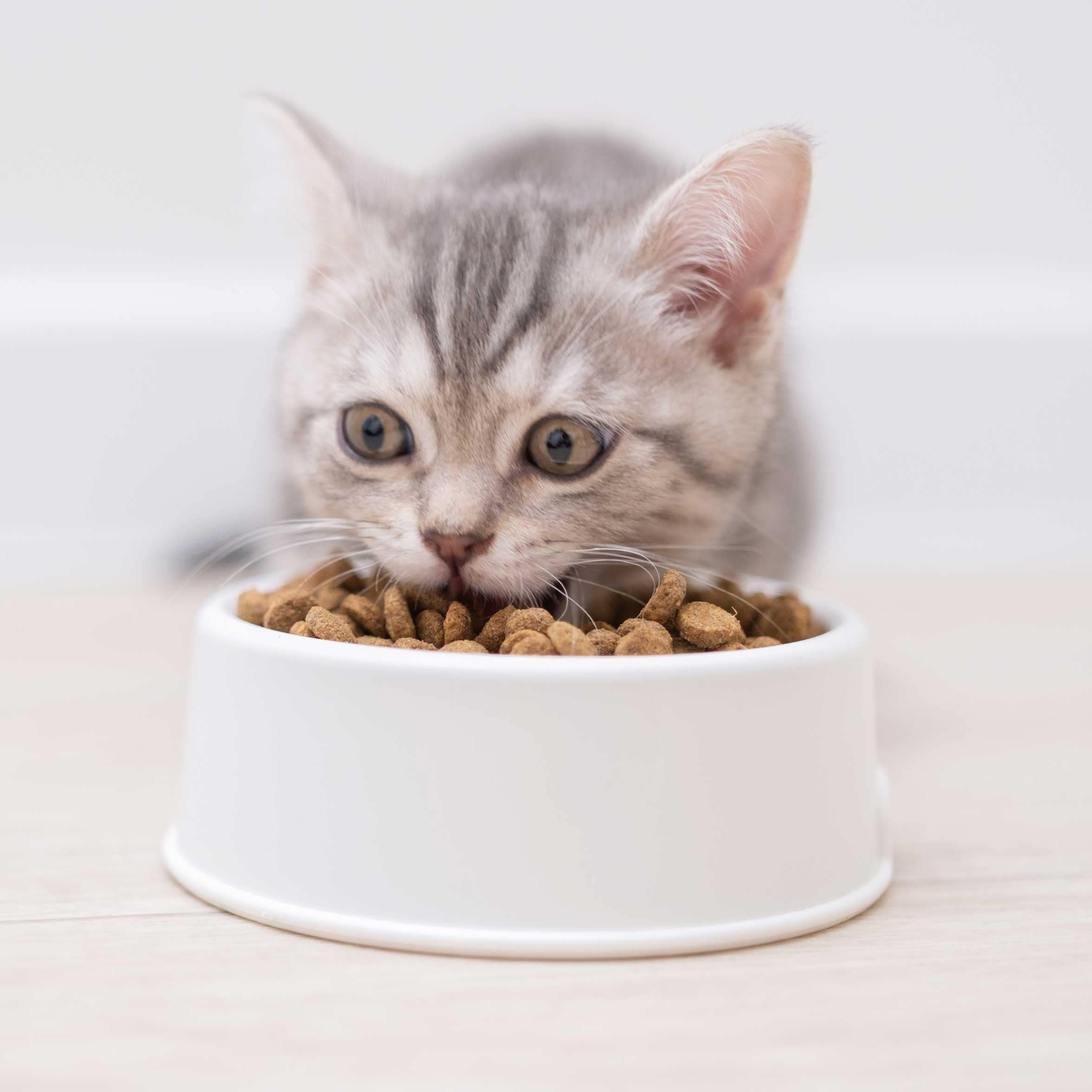
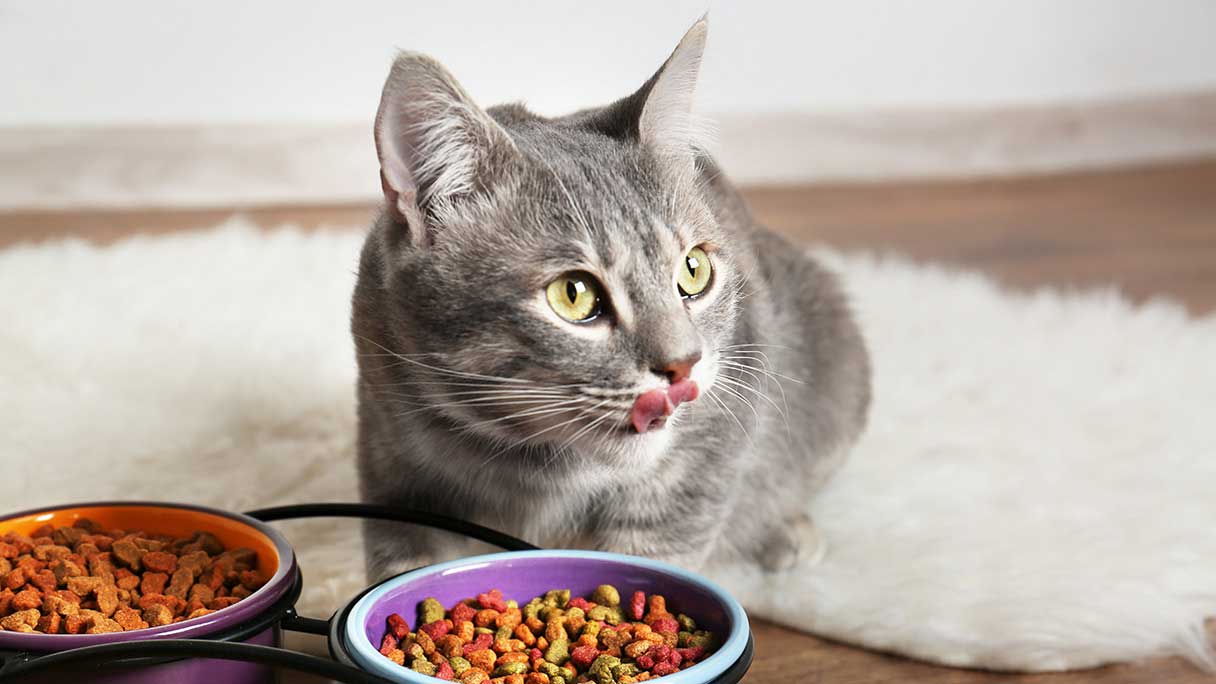
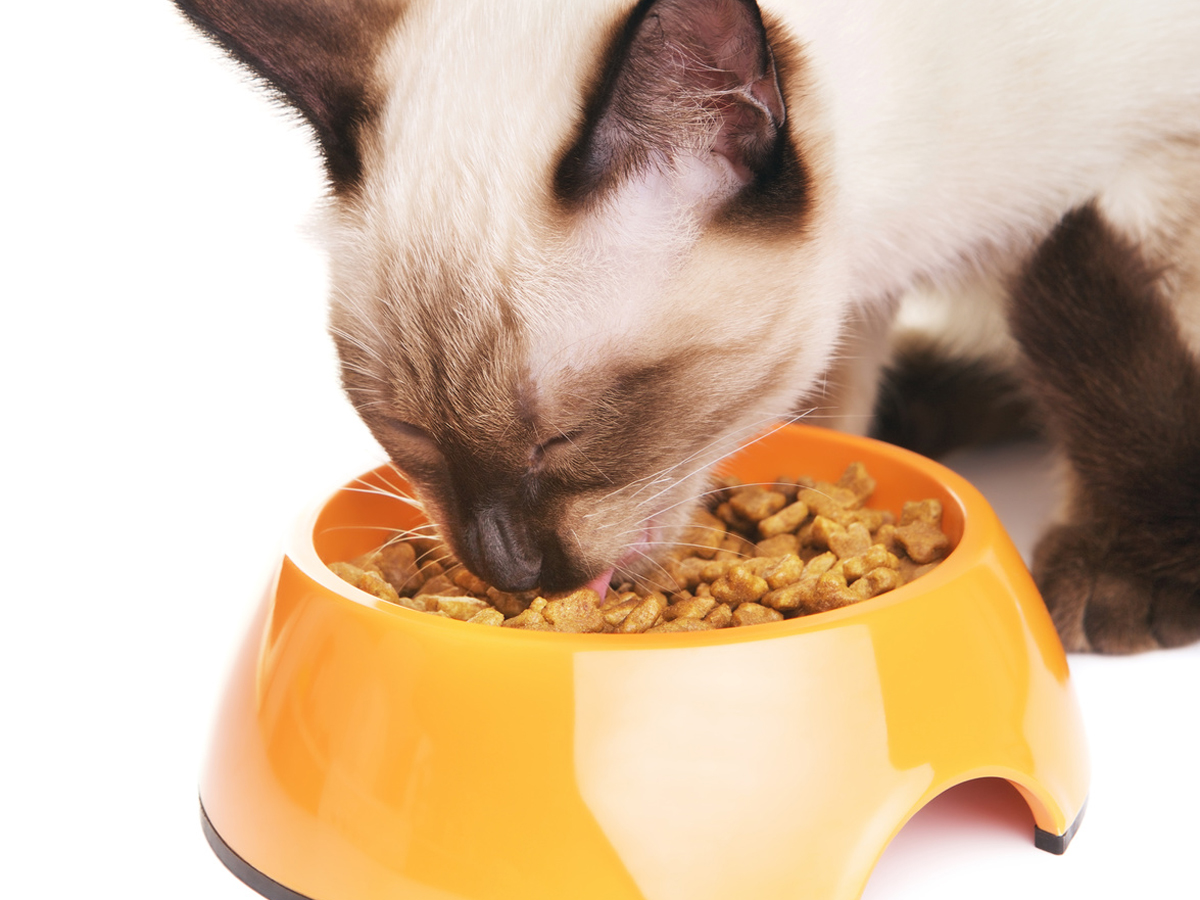
To get a cat to eat dry food, introduce small amounts of a complete cat kibble, mix it with familiar food, and increase the portion slowly while watching appetite and health.
If your cat turns away from dry food at breakfast, you are not alone. Many American cat owners serve a mix of canned food and kibble, while others prefer dry food because it is easy to measure, store, and serve during a busy workday. Still, a cat that has always eaten wet food may sniff a bowl of kibble and walk away. The best approach is to make the change slowly, keep meals calm, and give your cat time to adjust.
Before changing your cat’s diet, make sure the refusal is a food preference rather than a health problem. Cats may avoid hard food when their teeth or gums hurt, when they feel sick, or when another condition affects their appetite. A cat that suddenly stops eating should not be forced to accept kibble. If your cat is otherwise healthy and simply prefers wet food, a gradual transition can help build acceptance without turning every meal into a struggle.
Source: media-be.chewy.com
Why Won’t My Cat Eat Dry Food?
A cat may reject dry food because of taste, texture, smell, past eating habits, or an underlying health issue. Cats rely heavily on smell when choosing food, so a kibble that smells weak or stale may not interest them. A cat used to soft canned food may also dislike the crunch of dry pieces.
Start by thinking about what has changed. If your cat has eaten wet food for years, a bowl filled with unfamiliar kibble can feel like a sudden change in routine. If your cat used to eat dry food but now refuses it, take that change more seriously because pain or illness may be involved.
Cats can also develop preferences for certain textures. One cat may enjoy small, crunchy pieces, while another prefers larger pieces or soft food in gravy. The goal is not to make every cat like the same texture. It is to find a suitable diet that meets your cat’s nutritional needs.
Source: static.vecteezy.com
Unfamiliar taste or smell
A new recipe may smell or taste different from your cat’s usual meals. Introduce it in small amounts rather than replacing the entire meal at once.
Texture or kibble size
Hard, large, or unusually shaped pieces may be difficult or unpleasant for some cats to chew. Try a suitable alternative if your cat has no medical reason to avoid dry food.
Stress or routine changes
Moving, new pets, noisy feeding areas, and changes in meal times can reduce interest in food. Offer meals in a quiet, familiar place.
Dental pain or illness
A cat that drops food, chews on one side, drools, paws at its mouth, or suddenly avoids hard food needs veterinary attention.
Check Whether the Refusal Is Sudden
A lifelong preference for wet food is different from a sudden loss of appetite. If your cat eagerly ate kibble yesterday but refuses it today, look for other changes, such as hiding, low energy, vomiting, diarrhea, or changes in drinking and urination.
Cats that stop eating can become seriously ill, and overweight cats face a particular risk of hepatic lipidosis, a dangerous buildup of fat in the liver. If an adult cat has eaten nothing for about 24 hours, contact a veterinarian promptly. Seek help sooner for kittens, senior cats, cats with chronic conditions, or any cat showing other warning signs.
Do not wait for a food experiment to work
If your cat appears ill or cannot eat comfortably, arrange veterinary care instead of trying more flavors or waiting several days.
Choose a Dry Food Your Cat Can Eat Comfortably
Choosing the right food makes the transition easier. Look for a complete and balanced cat food labeled for your cat’s life stage, such as kitten, adult maintenance, or an appropriate senior or veterinary diet. In the United States, the nutritional adequacy statement on a pet food label helps you determine whether the food is intended to provide complete nutrition for its stated life stage.
The word complete matters. Treats, toppers, and some specialty foods are not designed to provide all the nutrients a cat needs as its main diet. A food that meets recognized nutritional standards is a better starting point than choosing a product based on packaging or a flavor claim alone.
Dry food is not automatically better than wet food. Kibble is often convenient to store and portion, while canned food contains more moisture and may suit cats that prefer soft textures. Both formats can support a healthy diet when the specific food is nutritionally appropriate and fed in the right amount.
Source: cdn.mos.cms.futurecdn.net
Check the life stage
Growing kittens need food formulated for growth or all life stages. Most healthy adult cats can eat a food labeled for adult maintenance.
Review the nutritional adequacy statement
Look for a statement that the food is complete and balanced for the intended life stage under an appropriate recognized nutritional standard.
Consider piece size and texture
A different kibble shape or size may help a cat that dislikes the current pieces, provided the cat can chew comfortably.
Check the package condition
Avoid damaged, unsealed, or expired products. Follow the storage directions and keep the food dry and protected from pests.
Should You Choose Dry Food for a Cat That Eats Wet Food?
Not every cat needs to switch to dry food. If your cat eats a complete and balanced wet diet, maintains a healthy weight, and receives appropriate veterinary care, there may be no nutritional reason to make the change. You can also feed a combination of wet and dry food if both fit your cat’s needs.
If your reason for switching is cost or convenience, compare the feeding directions and calories per serving rather than judging by package price alone. The amount a cat needs varies by body size, age, activity, neuter status, and health. A veterinarian can help estimate an appropriate daily calorie target.
Keep the real goal in mind
The goal is adequate nutrition and good health, not getting your cat to eat kibble at any cost.
How to Get a Cat to Eat Dry Food Step by Step
The safest way to change your cat’s food is to make small adjustments while ensuring that your cat continues to eat enough. Many cats can adjust over seven to ten days, but a slower transition may work better for a very selective cat. These time frames are guides, not deadlines.
Start only when your cat is well and eating normally. Keep the familiar food available, measure the portions, and watch how much your cat actually eats. If your cat refuses the mixture or develops digestive upset, return to the last amount that worked and slow the process.
Source: www.carecredit.com
Step 1: Offer a tiny sample
Place a few pieces of the new dry food beside the regular meal. Let your cat sniff and investigate without pressure. Some cats need repeated, calm exposure before trying a new food.
Step 2: Mix in a small amount
If your cat eats the sample, add a small amount of kibble to the familiar food. Begin with a proportion your cat accepts rather than following a rigid schedule.
Step 3: Increase the dry food slowly
Over several meals, raise the dry portion only when your cat continues to eat well. If your cat begins leaving meals, reduce the new food and try a slower change.
Step 4: Monitor appetite and digestion
Watch for food left in the bowl, vomiting, loose stool, constipation, or a change in energy. Record how much your cat eats if intake is uncertain.
Step 5: Settle on a sustainable routine
Once your cat accepts the new diet, measure daily portions and serve meals on a consistent schedule. Keep clean drinking water available throughout the day.
A Sample Seven-to-Ten-Day Transition Plan
The table below offers a starting point for a healthy adult cat that already eats its normal meals. The percentages describe the approximate share of the combined food by volume or weight only if both foods are measured consistently; they do not represent equal calories. Because wet and dry foods can have very different calorie densities, use the package calorie information or ask your veterinarian to plan equivalent portions.
Some cats need two weeks or longer to accept a new food. If your cat has a history of digestive problems, food allergies, chronic illness, or poor appetite, ask your veterinarian for a tailored plan before changing the diet.
Days 1–2
Offer a few pieces of kibble beside the regular meal or mix in a very small amount. Keep the familiar food as the main portion.
Days 3–4
If your cat is eating well, add a little more dry food. Keep the ratio steady if your cat seems unsure.
Days 5–7
Increase the kibble gradually only if your cat continues to eat enough and has no concerning digestive signs.
Days 8–10 and beyond
Continue toward the planned diet at your cat’s pace. There is no need to reach a 100% dry diet if a balanced mixed diet better suits your cat.
Make Dry Cat Food More Appealing
Small changes to smell, texture, and feeding conditions may help a cat accept kibble. Cats use scent to assess food, so freshness and a comfortable feeding spot can matter as much as the recipe itself. Try one adjustment at a time so you can see what your cat prefers.
Avoid turning the meal into a contest. Do not chase your cat with the bowl, repeatedly push kibble toward its mouth, or punish it for refusing food. A calm setting gives your cat room to explore without fear.
Source: thecatsite.com
Serve a fresh portion
Use clean bowls and follow package storage guidance. Replace stale food and wash bowls regularly to remove grease and food residue.
Try a different bowl
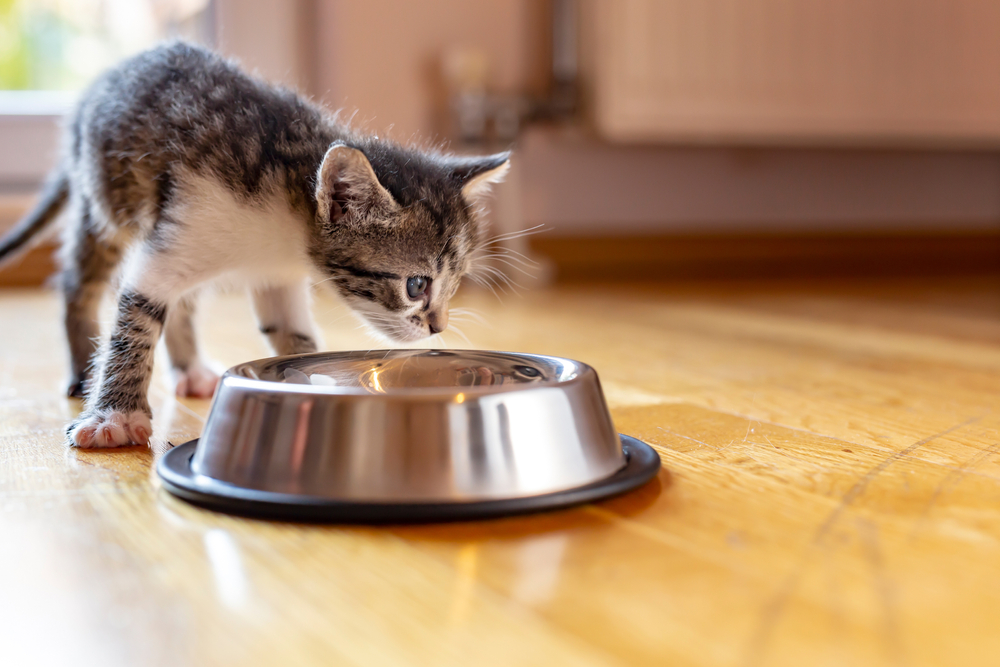
A shallow, stable dish may be more comfortable than a deep bowl. Some cats prefer a wide surface that lets them approach food without brushing their whiskers against high sides.
Choose a quiet feeding area
Place the bowl away from loud appliances, busy walkways, and other pets that might block access or cause stress.
Use a familiar food scent
Mix a small amount of your cat’s usual wet food into the kibble, while keeping the total meal balanced and within its daily calorie needs.
Try a suitable alternative formula
If your cat consistently rejects one kibble, another complete food with a different texture or aroma may be worth trying. Make changes gradually.
Can You Soften Dry Cat Food With Water?
Yes. Adding a little warm water can soften kibble and release its aroma. This may help a cat that prefers softer textures, although it will not solve every food preference or dental problem.
Use fresh water, stir the food, and serve it promptly. Once kibble is moistened, it can spoil faster than dry kibble left in a clean, dry bowl. Discard leftovers rather than leaving wet kibble out for long periods, especially in a warm room. Follow your veterinarian’s advice if your cat has a prescribed diet or swallowing difficulty.
Start with a small amount of water
Add just enough to soften the pieces, then adjust the texture based on your cat’s response.
Do not store moistened leftovers at room temperature
Prepare small portions and discard uneaten food promptly. Wash the bowl before the next meal.
Can You Add Wet Food or a Topper?
A little of your cat’s familiar wet food can help make kibble easier to accept. Count the calories in both foods so the total daily amount remains suitable. If you use a topper, choose a cat-safe option and keep it as a small part of the diet unless the product is labeled complete and balanced for your cat’s life stage.
Avoid adding onion, garlic, heavily salted broth, sauces, or seasonings. These ingredients may harm cats or upset their stomachs. If you use broth, choose a product specifically confirmed to be safe for cats and free of harmful ingredients, or use plain water instead.
Use familiar food first
A small amount of the wet food your cat already eats may work better than introducing several new ingredients at once.
Keep treats limited
Treats and extras should not displace a large share of the balanced daily diet. Ask your veterinarian how to account for them if your cat needs weight control.
How Much Dry Food Should You Offer?
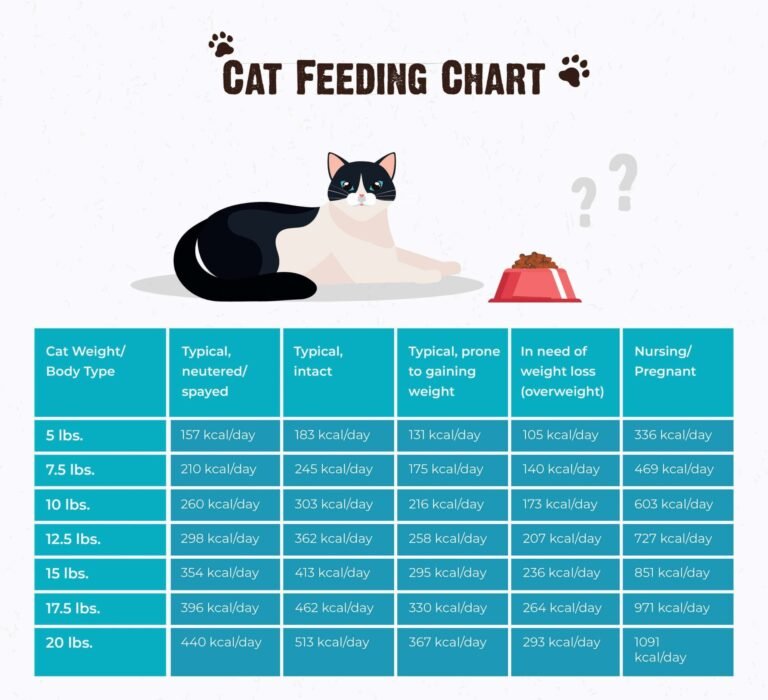
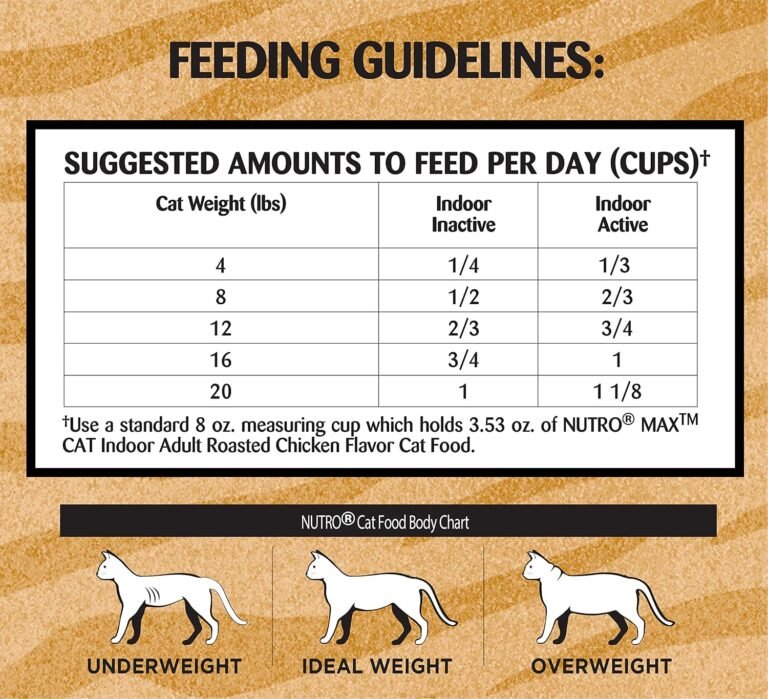
The right amount depends on the calories in the food and your cat’s daily energy needs. A cup of one kibble can contain a different number of calories from a cup of another, so a generic cup measurement cannot fit every cat. Check the feeding guide on the package, then adjust with your veterinarian based on body condition, weight, and activity.
During the transition, focus on total food intake rather than the percentage of kibble alone. A cat that eats only a few bites of a new mixture may receive far fewer calories than expected. Keep track of how much food you serve and how much remains, especially if more than one cat shares the household.
Source: www.catster.com
Read the calorie information
Look for calories per cup, can, pouch, or gram. Use the correct unit when calculating the total amount.
Measure portions consistently
A kitchen scale can provide a more consistent measure than an unlevel scoop, particularly when the package gives feeding amounts by weight.
Check body condition
Monitor your cat’s weight and body shape over time. Adjust portions with veterinary guidance if weight rises or falls unexpectedly.
Keep meals separate in multi-cat homes
Feed cats in separate areas when needed so you can tell who ate what and prevent one cat from taking another cat’s food.
How to Compare Wet and Dry Food Calories
Dry food generally contains less water than canned food, so it is often more calorie-dense by volume. This is why replacing a portion of wet food with the same volume of kibble can add more calories than expected.
For a simple hypothetical example, imagine a wet food portion contains 80 calories and a measured kibble portion contains 100 calories. Serving both adds 180 calories before treats or other extras. Those numbers are only an example, not a recommended daily target for your cat.
Use the label, not guesswork
Compare the actual calorie information for the two foods and calculate the total meal. Ask your veterinarian to help set a daily target when needed.
Special Advice for Kittens, Senior Cats, and Picky Eaters
Age and health can change how a cat responds to dry food. A healthy adult cat that refuses one brand may simply dislike its texture, but a young kitten or an older cat needs more careful attention because reduced intake can become a problem quickly.
Match your approach to your cat rather than following the same schedule for every pet. If your cat has a medical condition, a history of poor appetite, or a veterinary prescription diet, check with the veterinary team before changing foods.
Source: images.ctfassets.net
Kittens
Kittens usually begin exploring solid food during weaning, often around four weeks of age, while they continue to receive appropriate milk nutrition. Offer food formulated for growth and use a texture they can manage. Very young kittens need age-appropriate care, and cow’s milk is not a suitable substitute for their normal nutrition.
Senior cats
Older cats may have dental disease, reduced smell, or other health issues that affect appetite. A sudden preference for soft food deserves attention, particularly if chewing seems painful.
Overweight cats
Do not make a cat lose weight by withholding food until it accepts kibble. Sudden calorie restriction can be dangerous. Work with a veterinarian on a safe feeding plan.
Cats with medical conditions
Cats with kidney disease, urinary problems, diabetes, food allergies, or digestive disease may need a particular diet. Ask the veterinarian whether a dry version is suitable before switching.
What If Your Cat Only Eats Wet Food?
A cat that eats a complete and balanced wet diet does not necessarily need to learn to eat dry food. Wet food can provide water through the diet and may be easier to chew for cats with oral discomfort. If your cat is healthy and the current diet meets its nutritional needs, keeping it may be a reasonable choice.
If you need to introduce kibble for a practical reason, use the gradual method and preserve enough familiar food to maintain intake. If the cat repeatedly refuses every attempt, discuss mixed feeding or other options with your veterinarian instead of making the change a battle.
Prioritize health over format
The best diet is one your cat can eat, tolerate, and receive in a nutritionally complete form.
Common Mistakes to Avoid When Switching to Dry Food
The biggest mistake is trying to make the change happen too quickly. A cat that refuses a sudden diet change may eat too little, become stressed, or develop digestive upset. A slow transition protects your cat’s intake while giving you time to spot problems.
Another mistake is assuming that every refusal means stubborn behavior. Cats cannot explain whether their mouth hurts or their stomach feels upset, so a new feeding problem deserves attention rather than blame.
Source: rusticaly.com
Do not let your cat go hungry to force acceptance
Never remove all familiar food and wait for your cat to give in. Cats need regular nutrition, and prolonged food refusal can lead to serious complications.
Do not change several things at once
Avoid switching brands, flavors, bowls, meal times, and feeding locations all on the same day. Change one factor at a time so you can identify what helps.
Do not overuse treats or toppers
Large amounts of extras may unbalance the diet and teach a cat to wait for a preferred addition. Keep the main food complete and balanced.
Do not ignore spoiled food
Keep kibble in a sealed container or its original packaging stored as directed. Discard food that smells rancid, becomes damp, or has been contaminated.
Do not mistake a medical problem for pickiness
Pain, nausea, dental disease, and other conditions may cause refusal. Seek veterinary care if appetite changes suddenly or symptoms appear.
How Long Should You Keep Trying?
If your cat is eating normally and seems healthy, you can adjust the transition over a week or two, or longer if needed. If the cat consistently refuses the new food but continues eating its usual balanced diet, there is no need to force the switch. Try a different suitable texture or speak with your veterinarian about whether the change is necessary.
If your cat eats little or nothing, do not treat the situation as a long-term training project. Contact a veterinarian promptly when intake drops sharply, and seek urgent help if the cat is weak, repeatedly vomiting, struggling to breathe, or unable to swallow.
Continue only while intake stays adequate
The transition is working when your cat willingly eats enough food, maintains its normal energy, and tolerates the new diet without concerning symptoms.
Troubleshooting: What to Do If Your Cat Still Refuses Kibble
If your cat still will not eat dry food, go back to the last feeding routine it accepted and review the most likely causes. Check that the food is fresh, the pieces are easy to approach, and the bowl is in a quiet place. Then consider whether the cat may dislike the texture or need a different diet.
Do not keep offering an endless series of new foods if your cat’s overall appetite is falling. A brief log of meals, symptoms, and food changes can help your veterinarian assess the problem. Include any recent medication changes or changes in drinking, urination, or stool.
Source: avodermnatural.com
Your cat sniffs the food but walks away
Try a fresh portion, a quiet location, or a small amount of familiar wet food. If the cat also refuses its usual meals, seek veterinary advice.
Your cat eats the wet food but leaves every kibble piece
The texture or flavor may be the issue. Try a gradual introduction or a different suitable formula, but do not assume dry food is medically required.
Your cat chews and drops the kibble
Stop trying to increase the dry portion and arrange a veterinary dental and oral examination. Painful teeth or gums may make hard food difficult to eat.
Your cat vomits or develops diarrhea after a change
Return to the last tolerated diet if the cat is otherwise stable and contact your veterinarian for guidance. Repeated vomiting, blood, weakness, or inability to keep water down requires prompt care.
Your cat eats less during the transition
Reduce the new food and restore the familiar food the cat will eat. Contact your veterinarian promptly if intake remains low or the cat stops eating.
When Should You Call a Veterinarian?
Call your veterinarian if your cat’s appetite changes suddenly, refuses its usual food, loses weight, drools, has bad breath with chewing trouble, or shows repeated digestive symptoms. A cat that has eaten nothing for about 24 hours needs prompt veterinary assessment, and a kitten or medically fragile cat may need help much sooner.
Seek urgent care for severe weakness, collapse, breathing trouble, repeated vomiting, suspected poisoning, or difficulty swallowing. Do not force-feed dry food or give human medication unless a veterinarian specifically directs you to do so.
Bring useful details
Tell the veterinarian when the refusal began, which foods your cat accepts, how much it has eaten, and whether you have noticed changes in weight, thirst, urination, stool, or behavior.
How to Know Whether the Transition Is Working
A successful transition means your cat eats enough, accepts the chosen food without a daily struggle, and remains well. Eating one or two kibble pieces is a useful first step, but it does not mean the new diet can yet replace the usual meals. Increase the amount only when your cat’s overall intake remains adequate.
Look at the whole picture rather than focusing on the bowl alone. Normal energy, steady weight, comfortable chewing, and regular bathroom habits all help show whether the feeding plan is suitable. These signs cannot rule out every health issue, but changes can tell you when to pause and seek help.
Source: vetsonbalwyn.com.au
Your cat eats willingly
The cat approaches the bowl and eats a reasonable portion without needing constant coaxing.
Daily intake remains adequate
The cat continues to receive enough calories and nutrients rather than filling up on a few pieces of kibble.
Digestion stays stable
There is no persistent vomiting, diarrhea, or other concerning change after the food adjustment.
Weight and behavior remain steady
Your cat maintains a suitable body condition and normal activity, with no unexplained decline in appetite.
Keep a Simple Feeding Record
For the first two weeks, note the food offered, approximate amount eaten, and any symptoms. This can reveal whether your cat accepts a certain texture or whether appetite changes after each increase in kibble.
A record is especially useful in homes with several cats, where it may be hard to know who ate the food. If a problem develops, the notes can also help your veterinarian distinguish a food preference from a broader appetite issue.
Record the essentials
Write down the food type, portion, amount left over, stool changes, vomiting, and any signs of discomfort.
Frequently Asked Questions
Q
How do I get my cat to eat dry food for the first time?
Offer a few pieces beside your cat’s familiar food, then gradually mix in a small amount if your cat shows interest. Increase the portion over several days or longer while making sure your cat continues to eat enough. Use a complete and balanced formula that suits its age and health.
Q
Can I mix dry cat food with wet food?
Yes. Mixing wet and dry food can help a cat accept kibble and can be part of a balanced feeding plan. Check the calorie content of both foods so the combined portion meets your cat’s needs. You do not have to eliminate wet food if a mixed diet works well.
Q
Should I leave dry food out all day?
Some healthy adult cats can manage measured free-choice feeding, but leaving food out all day is not ideal for every cat. It can make portion control difficult and hide changes in appetite. Scheduled meals may work better for cats that gain weight easily or live with other pets. Follow your veterinarian’s advice for your cat’s needs.
Q
Can I add water to dry cat food?
Yes. A small amount of warm water can soften kibble and make its smell more noticeable. Serve moistened food promptly and discard leftovers rather than leaving them at room temperature for long periods. Adding water does not make an unsuitable diet nutritionally complete.
Q
How long can a cat go without eating?
Do not plan to let a cat go without food to encourage acceptance of kibble. A cat that has eaten nothing for about 24 hours needs prompt veterinary assessment, and kittens, cats with medical conditions, or cats showing other symptoms may need help sooner. If your cat refuses food or its appetite drops sharply, contact a veterinarian rather than waiting for the transition to work.
Q
Is dry food better than wet food for cats?
Neither format is automatically best for every cat. Complete and balanced wet and dry diets can both meet nutritional needs when they suit the cat’s life stage and health. Wet food supplies more moisture, while dry food is often convenient to measure and store. Your cat’s preferences, hydration, dental health, medical needs, and calorie intake should guide the choice.
Q
Why does my cat eat treats but refuse dry food?
Treats may smell stronger or have a texture your cat prefers, but eating treats does not prove that the cat has a normal appetite. Your cat may dislike the kibble, or it may have dental pain or nausea. Keep treats limited, offer familiar balanced food, and arrange a veterinary assessment if the refusal is sudden, persistent, or accompanied by other symptoms.
✦ Wrapping Up
Conclusion
Learning how to get a cat to eat dry food starts with patience, not pressure. Choose a complete and balanced food, offer a small amount beside the familiar meal, and increase the portion only when your cat continues to eat well. Fresh food, a calm feeding spot, and a suitable kibble texture can make the change easier.
Remember that a dry-food diet is not the only way to feed a healthy cat. Wet food or a measured combination of wet and dry food may be a better fit for some pets. If your cat suddenly refuses food, has trouble chewing, loses weight, or shows signs of illness, put the food transition on hold and contact your veterinarian.
💡 Key Takeaway
At the next meal, place a few pieces of fresh, age-appropriate kibble beside your cat’s usual food. Track what your cat eats, make changes gradually, and never withhold familiar food to force acceptance.