To get a cat to eat wet food, offer small fresh portions, warm the food slightly, try different textures, and mix it with familiar food gradually. Never force your cat to eat.
If your cat turns away from wet food at breakfast, you are not alone. In American homes, cats may prefer the crunch of dry kibble, reject a new flavor, or walk away from a meal that smells unfamiliar. A change in food can feel like a small change to us, but to a cat, it can be a big deal.
The best way to help is to make wet food feel safe and familiar. Start with a small amount, serve it at a comfortable temperature, and let your cat explore it at their own pace. You may need to test different textures, flavors, bowls, and feeding spots before you find what works.
Wet food can help increase water intake because it contains much more moisture than dry kibble. However, a cat that refuses food may also have dental pain, nausea, stress, or another health problem. If your cat suddenly stops eating, seems unwell, or eats very little, do not treat the issue as simple pickiness. A veterinarian can help find the cause.
Image selection note: No image URLs were supplied. Image fields are left empty rather than filled with invented or unverified links.
Why Some Cats Refuse Wet Food
Cats can reject wet food for several reasons, and the best solution depends on what bothers your cat. A cat that eats dry kibble with enthusiasm may simply dislike the feel of pâté. Another cat may avoid a new meal because its smell, temperature, or feeding location has changed.
Cats also rely heavily on smell when deciding whether food is appealing. Cold food taken straight from the refrigerator may have a weaker aroma than food served closer to room temperature. A dirty bowl, a strong cleaning-product smell, or a noisy feeding area can make a meal less inviting.
Do not assume that every refusal is a behavior problem. Dental disease, mouth sores, nausea, kidney disease, respiratory illness, and other health problems can reduce appetite. If your cat approaches the bowl but drops food, chews oddly, drools, paws at the mouth, vomits, or seems tired, arrange veterinary care rather than continuing to experiment with recipes.
Texture preference
Some cats prefer smooth pâté, while others want small chunks, shreds, or extra gravy. A texture change may work better than changing brands.
Unfamiliar smell or flavor
A new recipe can smell very different from familiar kibble. Introduce it in a small amount and allow time for exploration.
Stress or surroundings
Loud sounds, other pets, busy walkways, and a feeding bowl near the litter box can make a cat less willing to eat.
Possible illness
A sudden appetite change, mouth pain, repeated vomiting, or low energy needs attention. Do not assume that a cat refusing food is merely fussy.
Is Your Cat Rejecting Wet Food or All Food?
This is the first question to answer. If your cat still eats its usual dry food, the issue may involve the wet food’s taste, smell, texture, or presentation. If your cat refuses both wet and dry food, a health issue becomes more concerning.
Watch how your cat behaves around meals. Sniffing and walking away may point to a food preference, but it does not prove that your cat is healthy. Repeated attempts to eat followed by dropping food, gagging, or backing away can signal discomfort and deserve a veterinary check.
Still eating normal meals
Try a different wet-food texture and serve a small amount beside the familiar food.
Eating much less than usual
Track how much your cat eats and seek veterinary advice promptly, particularly if the change is sudden.
How to Get a Cat to Eat Wet Food Step by Step
A slow transition is usually easier than replacing every meal overnight. The goal is to help your cat accept the new food while still eating enough each day. Keep the first attempts small, calm, and easy to reverse if your cat loses interest.
Step 1: Choose a Complete and Balanced Wet Food
Pick a wet food labeled as complete and balanced for your cat’s life stage. In the United States, look for a nutritional adequacy statement on the package that identifies the food as suitable for maintenance, growth, or the relevant life stage. Treats and foods labeled for supplemental or intermittent feeding should not replace a complete diet unless your veterinarian advises otherwise.
A healthy adult cat generally needs food formulated for adult maintenance. Kittens need food made for growth, while pregnant or nursing cats may need a diet designed for reproduction or growth. If your cat has diabetes, kidney disease, urinary problems, food allergies, or another diagnosed condition, ask your veterinarian which diet is appropriate before changing foods.
Start with a familiar flavor
If your cat likes chicken-flavored kibble, a chicken-based wet food may be a reasonable first option, although flavor names do not guarantee identical ingredients or taste.
Check the feeding label
Use the package’s calorie and feeding guidance as a starting point, then adjust with veterinary advice to maintain a healthy body condition.
Step 2: Offer a Tiny Taste
Place about one teaspoon of wet food in a clean, shallow dish beside your cat’s normal food. Keep the familiar meal available so your cat does not have to choose between trying something new and eating enough. Do not mix the new food into the entire meal at the first attempt, because one disliked bite could put your cat off the whole serving.
Let your cat sniff the food without pressure. You can offer the small portion at a regular mealtime and remove it after a short period if your cat does not eat it. Refrigerate unused food promptly according to the label and safe food-handling guidance.
Keep the first serving small
A teaspoon creates less waste and makes it easier to see whether your cat is curious about the new food.
Reward calm interest
Speak gently and give your cat space. Avoid hovering, repeatedly moving the bowl, or pushing food toward its mouth.
Step 3: Warm the Food Slightly
Wet food served at room temperature or slightly warmed may smell more appealing than food straight from the refrigerator. Place a small portion in a microwave-safe dish and warm it briefly, or mix in a little warm water. Stir thoroughly so the temperature is even, then check a small amount before serving.
Never serve hot food. Microwaves can create hot spots even when the surface feels cool, and a cat’s mouth can be injured by overheated food. If the food becomes too warm, wait until it cools before offering it.
Use warm, not hot, food
Aim for a comfortable, slightly warm temperature rather than heating the meal until it steams.
Check the smell and texture
Stirring helps distribute moisture and warmth. If warming makes the smell less appealing to your cat, return to room-temperature servings.
Step 4: Test Different Textures
Texture can matter as much as flavor. A cat accustomed to crunchy kibble may dislike a dense pâté, while another cat may lick gravy and leave chunks behind. Try one texture at a time so you can tell which change makes a difference.
Offer a smooth pâté, minced pieces, shreds in broth, or chunks in gravy in separate small trials. If your cat consistently licks the liquid but leaves the solids, try a smoother recipe or mash a suitable wet food with a fork. Persistent difficulty chewing or swallowing is a reason to contact a veterinarian.
Pâté
A smooth texture may suit cats that prefer soft, even bites. You can mash it with a little warm water if it is too dense.
Shreds or minced food
These offer more distinct pieces for cats that like to chew rather than lick a smooth paste.
Gravy-style food
The extra liquid may interest cats that enjoy licking moisture, but make sure the food itself is nutritionally complete if it will be a regular meal.
Step 5: Mix Wet Food With Familiar Food Gradually
Once your cat willingly eats a small amount of wet food, start combining it with the familiar diet if your goal is to switch foods. Begin with a small portion of the new food and increase it only when your cat continues to eat well. A transition may take a week or longer, and a particularly cautious cat may need more time.
There is no single ratio that suits every cat. A sample transition might begin with roughly 10% to 25% of the meal’s food portion as the new food, with the rest being the familiar food, followed by gradual increases over several days. These percentages are practical examples, not a required schedule. Keep the total calories appropriate, and slow down if your cat eats less or develops digestive upset.
Mixing works best when both foods are suitable for your cat and the new food does not conflict with a veterinary diet. If your cat refuses the mixture, offer the familiar food separately rather than allowing the refusal to become a missed meal.
Move at your cat’s pace
Increase the wet-food share only after your cat accepts the current amount and maintains normal eating habits.
Keep a fallback meal
A separate portion of familiar food helps protect your cat’s calorie intake during the transition.
Step 6: Make the Feeding Spot Comfortable
Choose a quiet spot where your cat can eat without being startled or crowded. Keep the bowl away from the litter box and, when possible, separate it from water bowls and busy household areas. In a home with several pets, give each cat a safe feeding space so food competition does not add stress.
Try a clean, shallow dish with enough room for your cat to approach the food comfortably. Some cats dislike deep bowls or food that spreads onto the sides. Wash the dish after meals with ordinary dish soap and rinse it well so old food and cleaning smells do not linger.
Reduce noise
Choose a place away from loud appliances, doors that slam, and heavy foot traffic.
Give each cat space
Separate feeding stations can help a shy cat eat without feeling watched or pushed away.
Step 7: Build a Predictable Routine
Offer wet food at consistent meal times instead of placing a new bowl in front of your cat all day. Cats often respond well to predictable routines, and scheduled meals make it easier to monitor how much food they actually eat. Choose a schedule that suits your cat’s age, health, and household routine.
Many adult cats do well with multiple measured meals, while kittens often need more frequent feeding. Follow your veterinarian’s advice for cats with medical needs. If you leave home for work, you can offer wet food before leaving and again when you return, provided the food is not left unrefrigerated for an unsafe length of time.
Measure what you serve
A measured portion makes it easier to spot a drop in appetite and avoid accidental overfeeding.
Record what your cat eats
A short food log can reveal whether acceptance is improving and can help your veterinarian assess appetite changes.
How Long Does It Take a Cat to Accept Wet Food?
Some cats try wet food on the first day, while others need repeated, low-pressure exposure over several weeks. There is no guaranteed timetable. Your cat’s past diet, health, personality, texture preference, and the pace of the change all affect the process.
Look for small signs of progress rather than expecting an immediate switch. Your cat may sniff the food, lick a little gravy, take a few bites, or eat a small portion beside its normal meal. These are useful steps as long as your cat continues to eat enough overall and shows no signs of illness.
If your cat repeatedly refuses every wet food you offer, do not keep changing brands several times in one day. Return to the familiar, appropriate diet and consider a veterinarian’s advice, especially if you want wet food for a medical reason. A professional can help distinguish preference from a problem that needs treatment.
First few meals
Focus on sniffing, tasting, and accepting a tiny serving without disrupting normal food intake.
After several successful trials
Increase the amount gradually if your cat is eating comfortably and its appetite remains normal.
If progress stops
Review texture, temperature, bowl placement, and food freshness. If appetite falls or other symptoms appear, seek veterinary guidance.
Signs Your Cat Is Getting Used to Wet Food
Your cat may begin by sniffing the food, then licking it, and eventually eating a few bites. Over time, you may see less hesitation and a more consistent appetite at scheduled meals. These signs suggest growing acceptance, but they do not replace checking that the cat eats enough and maintains a healthy weight.
If your cat eats wet food only when it is warmed or mashed, that preference may be manageable. The aim is not to make every cat enjoy every recipe. It is to find a nutritionally appropriate food your cat will eat safely and consistently.
Positive sign
Your cat willingly eats a little wet food while continuing to eat its normal daily amount.
Warning sign
Your cat eats less overall, loses weight, vomits repeatedly, or appears painful or unusually tired.
Wet Food Transition Schedule and Portion Guide
A gradual plan helps you track progress without forcing a sudden diet change. Use the schedule below as a flexible example for a healthy cat that is eating normally. It is not a prescription, and you should slow down or seek veterinary advice if your cat’s appetite declines.
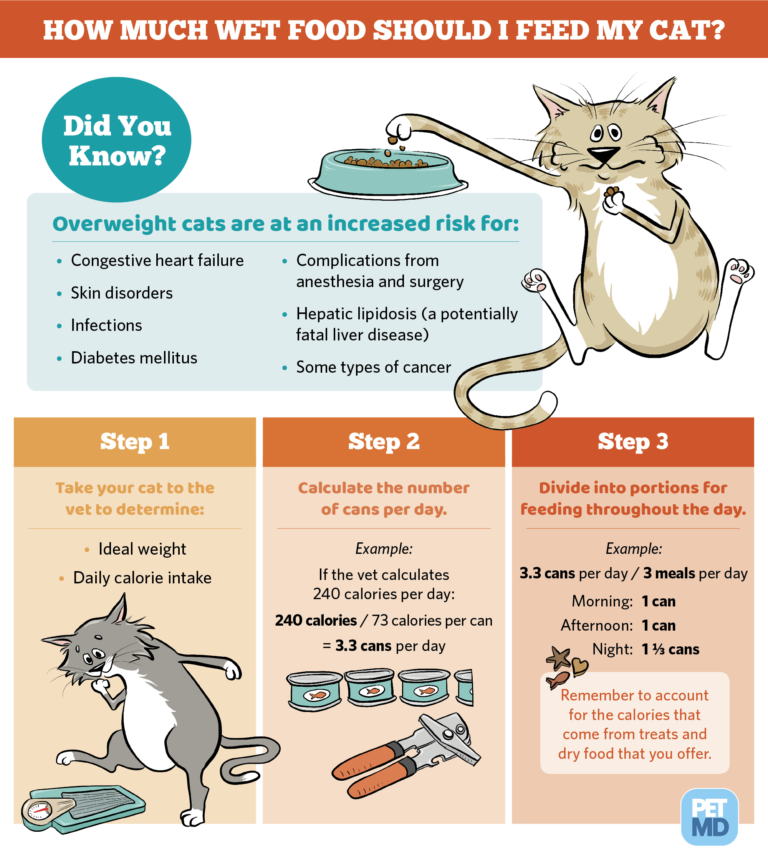
Wet and dry foods have different calorie densities, so do not swap equal volumes and assume the calories will match. Check the calorie information on both packages and use the feeding guide to plan the total daily amount. If you are unsure how to combine foods, your veterinarian can calculate a suitable daily calorie target.
Example of a Gradual Transition
The percentages below refer to the approximate share of the meal’s food portion, not a fixed number of cans or cups. They are illustrative only. Some cats need a slower transition, and cats on prescription diets may need a different plan.
Days 1–2
Offer a teaspoon or similarly tiny taste of wet food beside the usual meal. Keep the regular diet available and watch for interest.
Days 3–4
If your cat eats the trial portions, offer a slightly larger amount. You can test a different texture if the first one is consistently rejected.
Days 5–7
If your cat accepts the food and continues eating normally, begin a small substitution, such as roughly 10% to 25% new food in a planned meal.
After the first week
Increase the wet-food share in small steps based on acceptance, calorie needs, and stool quality. Extend the process if your cat hesitates or eats less.
Compare Wet and Dry Food Before Changing Portions
The table gives general differences, not exact nutrient values for every product. Read the specific label because recipes vary in moisture, calories, protein, fat, and other nutrients.
Moisture
Wet food usually contains substantially more water than dry kibble, which can contribute to daily fluid intake.
Calories
Dry food is often more calorie-dense by volume. Measure the food and compare package calorie figures before replacing a portion.
Storage
Opened wet food needs prompt refrigeration and safe handling. Dry food is easier to store after opening but still needs to be kept fresh and protected from moisture.
Acceptance
Some cats prefer crunchy kibble, while others enjoy soft food. Texture and flavor preferences differ between individual cats.
Common Mistakes That Make Cats Reject Wet Food
The most common mistake is trying to win a battle of wills at the food bowl. Cats do not understand that wet food is supposed to be better for them, and withholding their preferred food can leave them without enough calories. Make the new food easier to accept rather than making the old food unavailable before the cat is ready.
Another mistake is changing too many things at once. If you switch brands, flavor, texture, bowl, and feeding location together, you will not know what helped or caused the refusal. Test one or two changes at a time and keep a simple record of the results.
Do not starve a cat into eating
Never withhold suitable food for an extended period to force acceptance. Cats that eat too little can develop serious health problems, including hepatic lipidosis, a dangerous form of liver disease.
Do not force food into the mouth
Force-feeding can cause distress and may create a risk of food entering the airway. If your cat will not eat, contact a veterinarian for safe next steps.
Do not rely on endless toppers
A tiny amount of a cat-safe, familiar topper may help, but repeated additions can upset calorie balance and make it harder to learn which food your cat accepts. Avoid ingredients that are unsafe for cats.
Do not leave wet food out all day
Wet food can spoil at room temperature. Follow the product label and established pet-food handling guidance, remove uneaten portions promptly, and refrigerate opened food as directed.
Do not ignore a sudden change
A cat that has always eaten well but suddenly refuses meals may be ill or in pain. Treat a new appetite change differently from a long-standing preference for dry food.
Which Toppers Are Safe to Try?
If your cat needs extra encouragement, ask your veterinarian whether a small amount of plain, cooked, unseasoned chicken or a cat-safe food topper is suitable. Keep any topper small so it does not replace the balanced nutrition in the main diet. Remove bones, skin with heavy seasoning, sauces, and added salt.
Never use onion, garlic, chocolate, alcohol, or products containing xylitol as food incentives. Avoid cow’s milk if it causes digestive upset, and do not use raw meat or raw eggs as a casual topper because they can carry harmful germs. If your cat needs a special diet, check before adding anything to it.
Use only suitable foods
Choose a cat-safe option without seasoning and use a small amount, not a large portion that displaces complete food.
Keep the main diet balanced
Most daily calories should come from a complete and balanced food appropriate for your cat’s life stage and health.
What to Do If Your Cat Still Will Not Eat Wet Food
If your cat rejects wet food after several calm attempts, pause and review the situation. Confirm that the food is fresh, the package is stored correctly, the bowl is clean, and the feeding area is quiet. Then try a different texture or serve a small amount at a slightly warmer temperature.
If your cat continues to eat its normal, appropriate dry food and has no other symptoms, it may simply prefer dry food. Wet food is not the only way to provide complete nutrition, although its moisture can be useful. You can discuss other ways to support water intake with your veterinarian, such as providing several fresh water bowls or a suitable drinking fountain.
If wet food is needed because of a medical condition, do not abandon the prescribed plan without speaking to the veterinarian who recommended it. Ask whether another texture, a different approved formula, or a supervised transition could help. Some medical diets have specific nutritional goals that ordinary foods may not meet.
Review the basics
Check freshness, texture, temperature, bowl cleanliness, location, and whether other pets are interrupting meals.
Keep track of daily intake
Write down what your cat eats and drinks, any vomiting or stool changes, and whether behavior or energy levels have changed.
Ask for help when needed
Contact a veterinarian if the refusal persists, intake drops, weight changes, or the food is part of a treatment plan.
When Is Refusing Food a Medical Concern?
A cat that eats nothing for around 24 hours needs prompt veterinary assessment, and you should contact a veterinarian sooner if the cat is unwell or vulnerable. Kittens, senior cats with medical conditions, overweight cats, and cats with diabetes or other chronic illnesses may need earlier attention. Do not wait for the 24-hour mark if serious symptoms appear.
Seek urgent veterinary help if your cat has trouble breathing, collapses, repeatedly vomits, cannot keep water down, seems severely weak, has a painful or swollen abdomen, or may have swallowed a toxic substance or foreign object. These signs are not ordinary food pickiness.
Cats that stop eating can develop hepatic lipidosis, especially when they are overweight. This is one reason not to use hunger as a training method. If your cat is refusing food, the safest plan is to protect nutrition while finding out why.
Prompt veterinary contact
Seek advice for a complete refusal lasting about 24 hours, a clear reduction in intake, or any appetite change accompanied by illness. Call sooner for kittens and medically vulnerable cats.
Emergency symptoms
Breathing difficulty, collapse, severe weakness, repeated vomiting, suspected poisoning, or severe pain requires urgent care.
How to Keep Wet Food Fresh and Appealing
Freshness matters because a cat may reject food that has dried out, developed an unusual smell, or been stored poorly. Open only as much as you need for the meal, use a clean serving utensil, and cover and refrigerate leftovers according to the manufacturer’s directions. Check the package for storage instructions because products can differ.
Do not leave wet food sitting out for long periods, particularly in a warm room or during hot American summer weather. A commonly used safety rule is to discard wet food that has been left at room temperature for more than about two hours, and sooner in high heat; follow stricter label instructions when provided. Do not mix fresh food into old leftovers that have been sitting out.
When serving refrigerated leftovers, take out a small portion and warm it gently if your cat prefers that. Avoid repeatedly warming and cooling the entire container. If the food smells spoiled, the package is damaged, or you are unsure how long it has been unrefrigerated, discard it rather than taking a risk.
Store opened food safely
Cover the container, refrigerate it promptly, and follow the label for how long the food can be kept after opening.
Serve clean portions
Use a clean bowl and utensil for each meal. Wash dishes well to remove leftover oils and food residue.
Watch the room temperature
Food spoils faster in heat, so shorten serving time during hot weather and discard questionable leftovers.
Can You Add Water to Wet Cat Food?
Yes, you can usually mix a little fresh drinking water into a complete wet food if your cat accepts the texture. Start with a small amount so the food does not become too thin or lose the texture your cat likes. This can also help increase the moisture in the meal.
Prepare only what your cat is likely to eat at that sitting. Adding water does not make wet food safe to leave out longer, and the diluted meal still needs to be handled as perishable food. If your veterinarian has set a fluid or diet plan for a medical condition, ask before making a major change.
Start with a little water
Mix thoroughly and check whether your cat still accepts the food before adding more.
Keep the meal fresh
Discard uneaten diluted food according to safe serving guidance and do not save a bowl that has been sitting out.
Does Every Cat Need to Eat Wet Food?
No. A cat does not automatically need an all-wet diet if it is healthy and eats an appropriate complete and balanced food. Wet food offers more moisture and may suit some cats’ preferences or veterinary needs, but the best diet depends on the individual animal.
Cats that eat dry food can still get water from drinking and from other parts of their diet. Make clean water available at all times, refresh it often, and consider offering more than one water station. Some cats prefer wide bowls, while others drink more readily from a fountain, although individual preferences vary.
If your cat has a condition for which a veterinarian recommends wet food, the benefit may be more specific than general hydration. In that case, the right formula, calorie intake, and ability to eat the prescribed diet matter more than whether a generic wet food is accepted. Ask the veterinarian about alternatives if the recommended food is repeatedly refused.
For a healthy cat
Choose a complete and balanced diet that your cat eats reliably, and provide continuous access to fresh water.
For a cat with medical needs
Follow individualized veterinary advice about food type, calorie intake, moisture, and any prescription diet.
A Simple Plan for the Next Meal
You do not need a cupboard full of food to begin. Choose one nutritionally appropriate wet food, offer a tiny portion in a clean shallow bowl, and keep your cat’s familiar food available. If the cat shows interest, repeat the process at the next meal and make only gradual changes.
If the cat refuses the wet food but eats normally otherwise, try a different texture or a slightly warmer serving at another meal. If your cat stops eating altogether or seems sick, stop the transition and contact a veterinarian. The goal is a healthy cat that eats enough, not a forced change to a particular food type.
Before serving
Check the label, freshness, temperature, and cleanliness of the dish.
During the meal
Offer a small taste, allow space, and avoid pressure or force-feeding.
After the meal
Record what was eaten, remove leftovers safely, and refrigerate opened food according to the label.
Frequently Asked Questions
Q
How can I get my cat to eat wet food if it only likes dry food?
Start by offering one teaspoon of wet food beside the usual dry food. Try a familiar flavor, warm the wet food slightly, and test a different texture if needed. Increase the amount slowly only when your cat eats it willingly, and keep enough familiar food available to maintain normal intake.
Q
Should I stop giving dry food so my cat will eat wet food?
No. Withholding food to force a cat to accept wet food can lead to inadequate calorie intake and serious health risks. Keep a suitable familiar food available during the transition, and speak with your veterinarian if a medical condition makes a specific diet necessary.
Q
Can I mix wet cat food with dry kibble?
Yes, if both foods are appropriate for your cat and the combination fits its nutritional needs. Measure portions by calories rather than volume, because wet food and kibble often have different calorie densities. Serve a small mixed portion, remove leftovers promptly, and do not leave moistened kibble or wet food out all day.
Q
How do I make wet cat food smell more appealing?
Serve a small portion at room temperature or warm it slightly, then stir it well and check for hot spots before feeding. You can also try a different flavor or texture. Do not add unsafe seasonings or rich sauces, and remember that a sudden loss of interest in all food may signal illness.
Q
How long can I leave wet cat food out?
Wet food should not sit out for extended periods. A commonly used guideline is to discard food left at room temperature for about two hours, with a shorter period in hot conditions. Follow the product label, remove leftovers promptly, and refrigerate opened food according to the manufacturer’s instructions.
Q
What if my cat refuses wet food but drinks very little water?
Keep fresh water available in several clean locations and try a wide bowl or a drinking fountain if your cat prefers one. You may also try adding a little water to food your cat already accepts, provided the change is appropriate for its health. If drinking or urination changes, or you suspect dehydration, contact your veterinarian.
Q
How long should I wait before calling a veterinarian if my cat will not eat?
Contact a veterinarian promptly if your cat is eating much less than usual, and seek assessment if it eats nothing for about 24 hours. Call sooner for kittens, cats with existing health conditions, or any cat with vomiting, weakness, pain, or other concerning symptoms. Do not wait for a time limit when your cat appears seriously ill.
✦ Wrapping Up
Conclusion
Learning how to get a cat to eat wet food takes patience, small steps, and close attention to your cat’s needs. Start with a tiny serving, offer it at a comfortable temperature, test suitable textures, and use a calm feeding space. Keep the familiar diet available while your cat learns to accept the change.
A gradual approach is safer and more useful than pressure or hunger. Track how much your cat eats, handle wet food safely, and adjust the plan if your cat refuses the new food. If appetite drops or signs of illness appear, seek veterinary advice instead of assuming the cat is simply picky.
💡 Key Takeaway
At the next meal, offer one teaspoon of fresh, slightly warmed wet food in a clean shallow bowl beside your cat’s normal food. Let your cat choose whether to try it, record the result, and make the next change only if your cat continues eating well.