To stop food aggression in cats, reduce competition around meals, provide separate feeding spaces, keep a steady feeding routine, and reward calm behavior without punishing your cat.
In homes across the United States, cats may compete for food in busy kitchens, shared apartments, and homes with several pets. A cat may growl over a food bowl, swat at another pet, rush toward a meal, or guard a favorite feeding spot. These actions can worry any pet owner, especially when a peaceful breakfast suddenly turns into a fight. The good news is that many cases improve when you make meals feel safe and predictable.
Food aggression in cats can have several causes. Hunger, fear, past food shortages, stress, competition, and changes in health may all play a part. The goal is not to force a cat to share or to stop a warning growl through punishment. Instead, identify what triggers the behavior, prevent unsafe encounters, and teach your cat that food arrives without a threat. If the behavior begins suddenly, becomes severe, or comes with changes in appetite or weight, contact a veterinarian before treating it as a training problem.
What Is Food Aggression in Cats?
Food aggression is behavior that a cat uses to protect access to food or a feeding area. It may involve growling, hissing, swatting, biting, blocking another animal, or eating in a frantic way when the cat feels threatened. Some cats guard only a special treat, while others react whenever another pet comes near their bowl.
Food guarding is one form of resource guarding. A resource is something an animal values, such as food, water, a resting place, or a favorite person. A cat that guards food may believe another animal could take it away. The behavior can occur even when the cat receives enough food every day.
Not every fast eater or food-seeking cat is aggressive. Some cats have learned that eating quickly helps them get a meal before another pet arrives. Others become excited when they hear a can open or a food bag move. The important difference is whether the cat shows fear, tension, threats, or attempts to keep others away.
Growling or hissing
Your cat makes warning sounds when another pet or person comes near the food bowl.
Blocking the bowl
Your cat stands over food, guards a feeding station, or chases another cat away.
Swatting or biting
Your cat uses its paws or teeth to stop another animal from approaching the meal.
Frantic eating
Your cat gulps food, repeatedly looks around, or tries to finish before another pet can approach.
Stealing food
Your cat rushes to another bowl, takes food from another pet, or becomes tense when someone approaches its own meal.
Food Aggression Versus Normal Hunger
A cat that meows before dinner or follows you toward the kitchen may simply expect food. A cat that eats quickly may also have developed a habit rather than true aggression. However, repeated threats, attacks, or intense distress around meals deserve attention.
Watch what happens before, during, and after feeding. Does your cat react only when another cat approaches, or does it also attack people near the bowl? Does the behavior occur with treats but not regular meals? These details help you identify the trigger and choose a safer plan.
Normal food excitement
The cat seeks food but remains relaxed enough to eat without threatening nearby animals.
Possible food guarding
The cat stiffens, stares, growls, swats, or chases others away from food.
Why Do Cats Become Aggressive Around Food?
The best way to change food aggression is to understand what sets it off. A cat may guard food because of competition, fear, stress, learned habits, or a medical issue. Several causes can occur together, so do not assume that every aggressive cat is simply hungry or badly trained.
Competition with other pets
A cat may feel threatened when another cat, dog, or pet approaches its bowl. Shared feeding areas can make the threat seem constant.
Past food insecurity
Cats with an uncertain feeding history may act as though a meal could disappear. A stable routine can help, although the behavior may take time to change.
Stress and changes at home
Moving, adopting a new pet, changing feeding locations, or altering household routines may increase tension around meals.
Learned competition
If rushing, pushing, or stealing food has repeatedly worked, a cat may keep using those behaviors.
Medical causes
A sudden rise in appetite or irritability can occur with health problems, pain, medication effects, or other changes that require veterinary assessment.
When Hunger May Be Part of the Problem
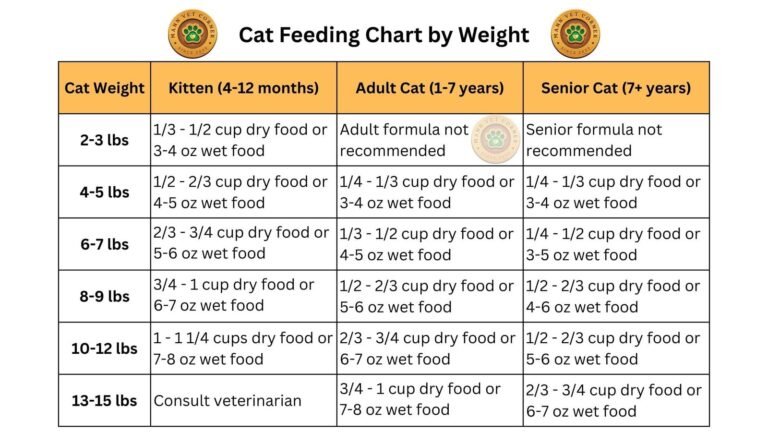
If your cat seems hungry all the time, check the amount and type of food it receives rather than assuming that aggression is the only issue. Cats have different energy needs based on age, body size, activity, reproductive status, and health. Follow the feeding guidance for the food as a starting point, then ask your veterinarian to help set an appropriate daily amount.
Do not sharply reduce food to control behavior. Cats need adequate nutrition, and sudden or prolonged food restriction can be dangerous. If your cat is losing weight despite eating more, drinking more water, urinating more, or showing a sudden change in appetite, arrange a veterinary visit promptly.
Review daily portions
Count food from meals, treats, and food used during training so you can assess the full daily intake.
Check feeding frequency
Ask whether dividing the daily ration into smaller meals would fit your cat’s needs and your household schedule.
Look for health changes
Record new thirst, weight loss, vomiting, changes in stool, or unusual restlessness for your veterinarian.
Step 1: Make Feeding Safe Before Training
Start by preventing the situations that lead to growling, chasing, or fighting. Management means changing the environment so your cat does not have to defend its food. This is the first priority because repeated confrontations can strengthen fear and create a risk of injury.
If you have several cats, feed them in separate rooms with a closed door whenever one cat threatens another. Each cat should have its own bowl and enough space to eat without being watched or approached by a rival. If a dog steals cat food, place the cat’s meal somewhere the dog cannot enter.
Do not make cats prove they can share a bowl. Cats can form close social bonds and still prefer to eat apart. Separate feeding is a practical way to meet that need, not a failure in training.
Create separate feeding stations
Choose quiet locations that give each cat room to eat and move away. Use closed doors if a visual barrier alone does not prevent conflict.
Keep food bowls apart
Place bowls far enough apart that one cat cannot easily threaten or reach the other. Increase the distance if either cat remains tense.
Protect access to food
Keep dogs and other pets out of feeding rooms until meals are finished and bowls are removed.
Use safe exits
Avoid feeding a cat in a tight corner where another animal can block its way out.
Clean up after meals
Remove leftover food when appropriate so one cat cannot patrol another cat’s bowl between meals.
How to Feed Cats in a Multi-Cat Home
Give each cat a reliable feeding place and keep the routine consistent. If two cats have a history of fighting, use fully separate rooms rather than testing whether they can eat side by side. A tall baby gate may not be enough if a cat can jump over it or if either animal becomes distressed by seeing the other.
For cats that need to graze throughout the day, consider whether separate rooms, supervised access, or a veterinarian-approved microchip feeder would help. These feeders can restrict access to a particular cat, but they do not replace a safe environment when a cat attacks or stalks another pet.
For cats that eat at different speeds
Keep the slower eater in a protected space until the meal is over and the food has been put away.
For cats that steal food
Feed behind closed doors and pick up bowls before releasing the cats into the same area.
For cats that fight
Maintain full separation during meals and consult a veterinarian or qualified feline behavior professional about the next steps.
Step 2: Build a Predictable Feeding Routine
A regular feeding routine helps your cat learn when food will arrive and what to expect. Predictability may reduce the need to rush, guard, or compete. It cannot resolve every case on its own, but it is a useful foundation for behavior change.
Choose meal times that work with your household schedule and keep them as steady as you reasonably can. Measure the daily portion instead of adding food each time your cat begs. If your veterinarian approves, divide the daily amount into several smaller meals rather than giving one or two large meals.
Prepare meals without creating a contest. For example, put each cat in its feeding area before opening the food cans. Set down the bowls separately, then give each cat time to eat in peace. Avoid letting one cat watch the other finish and rush in for leftovers.
Measure food
Use a consistent measuring method and follow the daily amount advised for your cat’s needs.
Keep the sequence steady
Use the same calm steps before each meal, such as preparing bowls first and then opening the feeding rooms.
Reduce feeding competition
Do not place food in a shared space and expect the cats to work out who eats first.
Use food puzzles carefully
A suitable puzzle feeder can slow a fast eater, but introduce it separately and make sure it does not increase frustration.
Should You Feed an Aggressive Cat More Often?
More frequent meals may help some cats feel less distressed between feedings, but frequency alone does not treat food aggression. The total daily amount still matters, and the right plan depends on your cat’s age, body condition, health, and normal eating pattern.
If you change meal frequency, divide the planned daily ration instead of adding extra food without checking the total. An automatic feeder may help keep timing consistent, but it will not stop a cat from attacking another pet that approaches the feeder.
Consider smaller meals
Discuss this option with your veterinarian if your cat becomes highly distressed before scheduled meals.
Avoid sudden diet changes
Change food type or quantity gradually when possible, following veterinary advice if a medical diet is involved.
Step 3: Reward Calm Behavior Without Creating Risk
Positive reinforcement means rewarding a behavior you want to see again. For food-related tension, the goal is to help your cat stay relaxed around meals and learn that calm behavior brings good things. Start with simple behaviors in a safe setting rather than trying to stop a growl while another cat is nearby.
Begin at a distance where your cat can eat, move normally, and respond to you without freezing, staring, or guarding. Reward a calm glance, relaxed posture, or brief pause with a small portion of the cat’s planned food ration. Keep sessions short and stop before the cat becomes tense.
Do not move another cat closer just to test progress. Training should make the situation easier, not force the cat to endure a threat. If the cat stops eating, stiffens, pins its ears back, lashes its tail, or starts growling, increase distance or return to separate feeding.
Start below the stress threshold
Choose a distance at which your cat remains relaxed. The correct starting point may be another room or a closed door.
Reward the behavior you want
Use small food rewards, calm praise if your cat enjoys it, or another safe reward that does not create competition.
Keep sessions brief
Stop while the cat is still calm instead of continuing until tension appears.
Make changes gradually
Reduce distance only after repeated relaxed sessions. Move back if the cat begins to guard food.
A Safe Training Example for Two Cats
Imagine that one cat growls whenever the other cat enters the kitchen during dinner. First, feed both cats in separate rooms with the doors closed. After they are comfortable with this routine, you can work on calm behavior at a distance with the help of another adult, provided neither cat is distressed and there is no risk of contact.
Each cat should receive its own reward without needing to approach the other. If the cats remain relaxed, repeat the same setup over several sessions before making any small change. If either cat becomes tense, stop the exercise and return to the safer arrangement. Cats with a history of serious fights should not be brought together for this exercise without professional guidance.
Successful progress
Both cats can eat calmly, keep normal body posture, and leave their bowls without stalking or threatening each other.
A sign to slow down
Either cat freezes, stops eating, stares intensely, growls, or tries to rush toward the other.
Step 4: Learn the Warning Signs of Food Stress
Cats often show discomfort before they attack. Learning to spot early signs gives you a chance to increase space and prevent a confrontation. Watch the whole body rather than relying on one movement, since tail motion, ear position, and vocal sounds can have different meanings in different situations.
A relaxed cat may eat with a normal posture, pause to look around, and move away without trying to control another animal. A stressed cat may crouch over the bowl, hold its body rigid, stare at an approaching pet, flatten its ears, lash its tail, growl, or swat. A single signal does not prove aggression, but a pattern around food deserves attention.
Early tension
Watch for sudden stillness, a fixed stare, a lowered head over the bowl, or a stiff body.
Escalating warnings
Growling, hissing, flattened ears, a tense mouth, or repeated tail lashes suggest that you should create more space.
Immediate danger
Lunging, chasing, biting, or repeated swatting means the current setup is not safe.
What to Do When Your Cat Growls While Eating
Do not punish a growl or reach into the bowl to prove that you can take the food away. A growl is a warning that the cat wants more space. Punishing the warning may increase fear and can make a future bite harder to predict.
If another pet is present, use a safe barrier or calmly guide the animals apart without putting your hands between them. If your cat is alone and growls when you approach, step back and give it space. Keep children away from the feeding area and avoid touching the cat while it is tense.
Once the situation is calm, review what caused the reaction. You may need to move the feeding area, increase privacy, adjust the routine, or arrange a veterinary check. Repeated growling is a reason to improve the setup, not a challenge to win.
Give space
Step away instead of leaning over the cat or reaching toward its food.
Prevent another encounter
Separate pets before the next meal and change the feeding arrangement.
Avoid punishment
Do not shout, spray water, tap the bowl, or remove food as a training test.
Step 5: Help a Cat That Eats Too Fast or Steals Food
Fast eating and food theft can lead to conflict even when a cat does not show classic food guarding. The safest approach is to make food harder to steal and easier to eat at a comfortable pace. Focus on access and feeding design rather than scolding the cat after it has already taken food.
A slow feeder or food puzzle may help a cat that gulps its meals, provided the cat can use it without becoming frustrated. Introduce it when the cat is alone and relaxed. Some cats dislike puzzles or struggle with them because of age, mobility, or health issues, so a regular shallow dish with smaller portions may work better.
If one cat always finishes first, keep that cat in its own room until the other cat has finished. Do not rely on the slower cat to defend its food. If food stealing persists, use doors or a suitable access-controlled feeder rather than leaving the animals to settle the issue.
Try a suitable slow feeder
Choose a design that is easy to clean and lets your cat reach food without strain.
Split the planned portion
Offer smaller portions from the same daily allowance if your cat benefits from a slower meal.
Separate after eating
Keep the fast eater away until the other cat finishes and the bowls are cleared.
Check sudden changes
Seek veterinary advice if fast eating or food seeking starts suddenly or comes with weight loss, vomiting, or unusual thirst.
Are Puzzle Feeders Good for Food-Aggressive Cats?
Puzzle feeders can provide mental activity and slow access to food for some cats. They are not a cure for aggression, and they may make a stressed cat more frustrated if the food is difficult to reach. Start with an easy design and watch how your cat responds.
Use a puzzle feeder in a private area if another pet might steal the food or hover nearby. If your cat paws at the feeder calmly and eats at a steady pace, it may be a useful part of the routine. If the cat becomes agitated or guards the puzzle, return to a simple bowl and seek advice.
Choose ease over difficulty
A feeder should slow eating without making the cat struggle or feel threatened.
Keep portions measured
Food placed in a puzzle still counts toward the daily ration.
Step 6: Check for Medical Causes and Seek Help
A veterinarian should assess new or worsening food aggression, especially when it appears alongside a change in appetite, thirst, weight, mobility, or mood. Pain and illness can alter behavior, and a cat that suddenly guards its bowl may be reacting to discomfort rather than a learned habit alone.
Tell the veterinarian when the behavior began, what happens before an incident, what food the cat eats, and whether other symptoms have appeared. A simple log of meal times, portions, body weight if available, and behavior can make the visit more useful. Bring a short video only if you can record it safely without provoking or approaching an aggressive cat.
If the behavior continues despite separate feeding and a stable routine, ask for help from a qualified feline behavior professional. A veterinary behaviorist can assess medical and behavioral factors together. A professional can also help design a gradual plan for households where cats have developed a pattern of chasing or fighting around food.
Book a veterinary visit
Arrange an assessment for sudden aggression, unusual hunger, weight changes, pain signs, or a major change in normal behavior.
Seek urgent care when needed
Get prompt veterinary help for serious injuries, significant bleeding, breathing trouble, collapse, or other severe symptoms.
Prevent injury during a fight
Do not put your hands between fighting cats. Use a solid barrier from a safe position if possible, then keep the animals apart.
Ask for behavior support
Seek qualified help if attacks continue, one cat cannot access food safely, or the household cannot maintain safe separation.
What If Food Aggression Does Not Improve?
First, check whether every meal is truly safe. If another pet can still enter the feeding area, stare at the cat, or steal leftovers, the trigger may still be present. Return to a more secure setup before adding harder training exercises.
Next, review whether the plan matches the cat’s needs. Food portions may be unsuitable, a new health issue may have developed, or training may be moving too quickly. Progress is not always linear, and a setback does not mean the cat cannot improve.
If the behavior remains severe, stop attempts to bring the cats closer together and arrange professional guidance. Some cats may need permanent separate feeding spaces. That arrangement can be a successful long-term solution if every cat can eat, rest, and move around the home without fear.
Review safety first
Confirm that each cat has reliable access to food without threats or unwanted contact.
Return to an easier step
Increase distance, shorten sessions, or pause direct behavior exercises if stress returns.
Get a tailored plan
Work with a veterinarian or qualified feline behavior professional when basic changes are not enough.
Common Mistakes That Can Make Food Aggression Worse
Food aggression usually responds better to safety and predictable routines than to force. Some common reactions can increase fear or make a bite more likely. Avoid methods that rely on dominance, intimidation, or taking food away to test a cat’s tolerance.
Punishing growling
Yelling, hitting, or spraying water can increase fear and suppress warning signals without fixing the reason for guarding.
Forcing cats to share
Placing bowls side by side or making cats eat from one dish can increase competition and stress.
Taking food away repeatedly
Removing a bowl to show control may teach a cat that people make food less predictable.
Ignoring warning signs
A tense stare, stiff body, or growl can signal that the setup needs to change before a fight occurs.
Changing too much at once
A new diet, a new feeding area, a new schedule, and exposure to another cat can make it hard to identify what helps.
Assuming every case is behavioral
A sudden appetite change or new aggression may need medical assessment before training continues.
Should You Take Food Away to Stop Food Guarding?
No. Taking food away as a test can make meals feel less secure and may trigger a defensive response. You can remove an empty or abandoned bowl after the meal, but do not reach toward a cat that is actively guarding food.
If you need to interrupt a dangerous situation, prioritize distance and a barrier rather than grabbing a bowl between fighting animals. Once everyone is safe, adjust the feeding setup so the same conflict is less likely to happen again.
During a calm meal
Let the cat eat in peace and avoid unnecessary handling.
During a confrontation
Keep your hands away from the animals and separate them safely before changing the feeding arrangement.
How Long Does It Take to Stop Food Aggression in Cats?
There is no fixed timeline for stopping food aggression. A cat that reacts mildly to a nearby pet may improve after the feeding area becomes safer. A cat with a long history of fights, severe fear, or a medical problem may need a longer and more structured plan.
Look for small, practical changes rather than expecting an instant cure. Your cat may begin eating without looking over its shoulder, stop rushing toward another bowl, or leave the feeding area without chasing another pet. These are useful signs of progress even if you still need separate rooms.
Keep a brief record of behavior and review it each week. Note whether the cat eats calmly, how often warning signs occur, and whether each pet can access food without interference. If incidents become more frequent or severe, return to full separation and contact your veterinarian.
Early signs of progress
The cat eats with a looser posture, shows fewer warning signals, and remains calmer during the established routine.
Meaningful household progress
Each cat can reach its own food and finish without being chased, blocked, or threatened.
A reason to change the plan
Aggression increases, injuries occur, or a cat begins avoiding meals or hiding around feeding times.
A Simple Daily Food Aggression Checklist
Use a short checklist to keep the plan consistent. It can also help you explain the pattern to a veterinarian if you need further support.
Before feeding
Prepare measured portions and make sure each cat has a safe feeding area.
During feeding
Watch from a safe distance for tension, guarding, frantic eating, or interference from another pet.
After feeding
Clear leftovers when appropriate, keep cats separated if needed, and note any unusual behavior.
At the end of the week
Review the pattern and decide whether the current setup is safe or needs veterinary or behavior support.
Choosing the Right Feeding Setup for Your Cat
The best feeding arrangement is the one that lets every cat eat enough food without fear or conflict. The right option depends on the number of pets, the severity of aggression, the home layout, and whether a cat needs access to food throughout the day. The following table compares common options and their limits.
Compare Common Feeding Options
Use the table as a practical starting point, not a guarantee that a particular tool will solve aggression. When a cat has attacked another pet, physical separation is usually more dependable than relying on a bowl or feeder alone.
Separate rooms
Best starting point for cats that growl, chase, or fight. A closed door blocks access and reduces direct competition.
Separate bowls with more distance
May help mild tension when all cats remain relaxed. It is not enough if one cat still stalks or threatens another.
Slow feeder
May slow fast eating. It does not prevent another animal from stealing food or remove the cause of aggression.
Automatic feeder
Can support regular meal timing. It may not control access unless it is designed for that purpose and used correctly.
Microchip feeder
Can limit access to food for a specific cat. It may be useful for grazing or food theft but can be costly and needs suitable placement.
Frequently Asked Questions
Q
Can food aggression in cats be cured?
Many cats improve with safe feeding arrangements, predictable routines, and gradual reward-based training. The result depends on the cause, severity, health, and history of the behavior. Some cats may always need separate feeding spaces, and that can still be a successful outcome.
Q
Why is my cat suddenly aggressive around food?
Sudden aggression can be linked to stress, competition, changes in the home, or a medical problem. If your cat’s behavior changes abruptly, especially alongside unusual hunger, weight loss, pain, vomiting, or changes in thirst, arrange a veterinary assessment.
Q
Should I let my cats work out food fights on their own?
No. Allowing cats to fight can lead to injuries and may increase fear around meals. Feed them separately, prevent access to each other’s bowls, and seek professional guidance if aggression continues.
Q
How do I stop my cat from stealing another cat’s food?
Feed the cats in separate rooms and keep the faster eater away until the other cat finishes. Remove leftover food when appropriate and consider a suitable access-controlled feeder if needed. Do not expect the cat with the stolen food to defend its bowl.
Q
Is it normal for a cat to growl while eating?
Some cats growl when they feel that their food is threatened, but repeated growling is a sign that the feeding setup may be causing stress. Give the cat space, avoid punishment, and reduce competition. If the behavior is new or severe, ask your veterinarian for help.
Q
Can I stop food aggression by feeding my cat less?
Do not reduce your cat’s food as a way to control aggression. Inadequate food can harm health and may increase food-seeking behavior. Review portions with your veterinarian and use a safe feeding plan that meets the cat’s nutritional needs.
Q
Can food aggression be directed at people?
Yes. A cat may growl, swat, or bite when a person approaches its bowl. Give the cat space, keep children away during meals, and avoid reaching for the food. Seek veterinary advice if the behavior is new, intense, or difficult to manage safely.
✦ Wrapping Up
Conclusion
Learning how to stop food aggression in cats starts with making meals safe. Separate cats that compete for food, use a predictable feeding schedule, measure portions, and reward relaxed behavior without forcing contact. Watch for warning signs and change the setup before tension turns into a fight.
Remember that food aggression is not always a sign of a bad habit or a cat that needs stricter discipline. Fear, competition, past experiences, and health problems may all contribute. Avoid punishment and forced sharing, and contact a veterinarian when the behavior appears suddenly, becomes severe, or comes with other changes in health.
Progress means that every cat can eat enough, feel secure, and move away from the bowl without being threatened. You may not need to make your cats eat beside each other at all. A calm routine and permanent separate feeding spaces can be the most practical answer for some homes.
💡 Key Takeaway
For the next meal, feed each cat in a separate safe area, keep the portions consistent, and note any growling, staring, rushing, or food stealing. If aggression is sudden, severe, or persistent, contact your veterinarian before attempting closer-contact training.