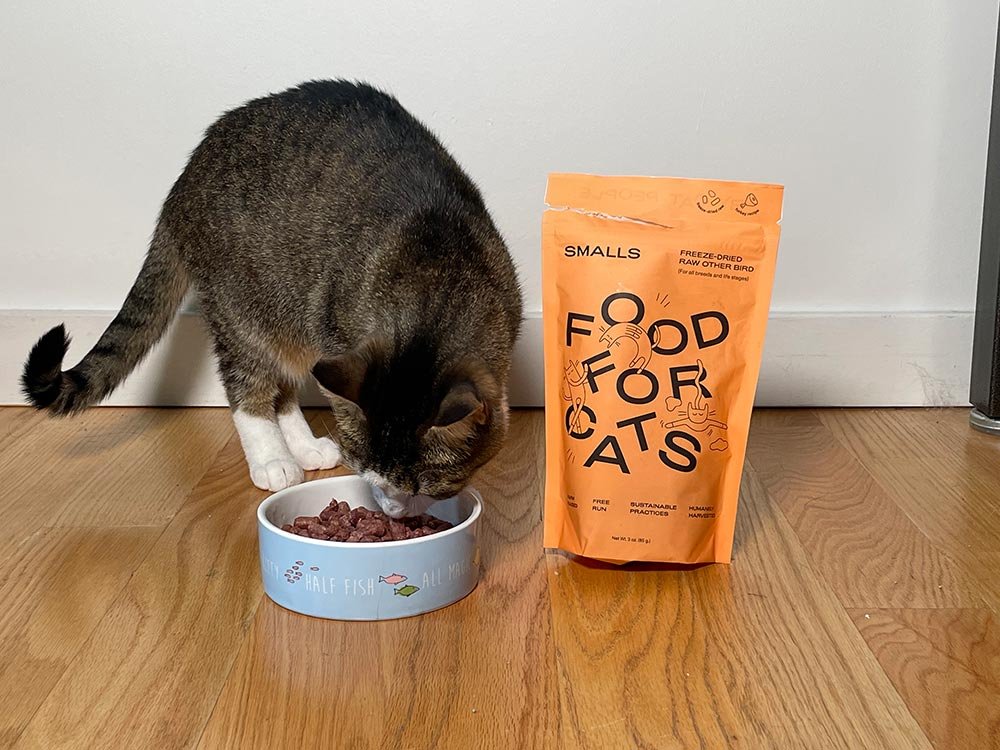
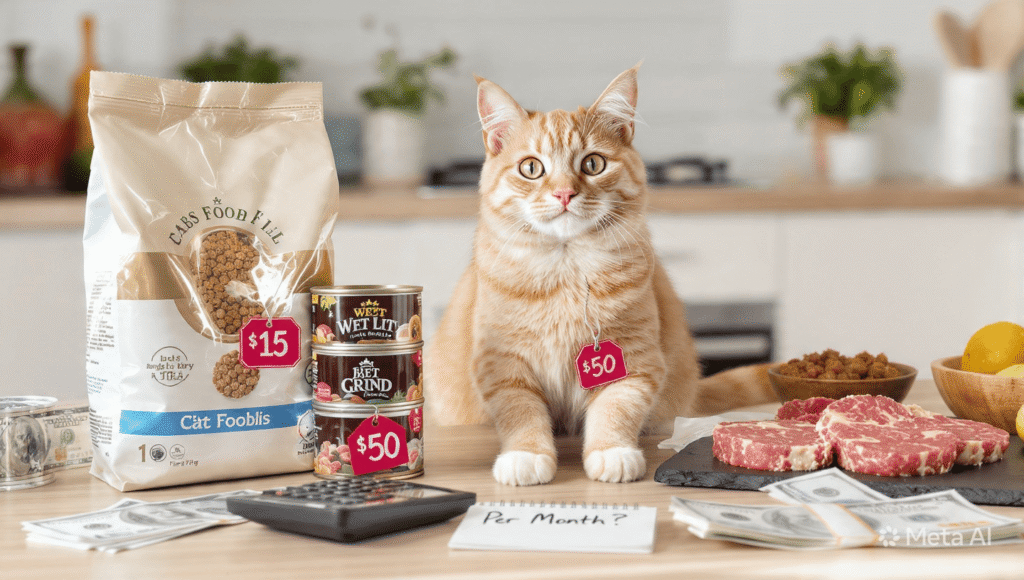
Smalls cat food can cost roughly $60 to $150 or more per month for one cat, depending on the meal plan, portions, and delivery terms. Treat this as a planning estimate, not a verified current quote.
For cat owners in the United States, the monthly food bill can vary a lot. A small indoor cat may eat less than a large, active cat. The type of food, the number of meals, and the price of each delivery also affect the total. Smalls offers cat food made with animal-based ingredients, including fresh recipes, so it is useful to compare its cost with the amount your cat needs each day.
The most reliable way to find your monthly Smalls cat food cost is to check the current price offered for your cat’s feeding plan and calculate how much food you will use over a month. Introductory offers, shipping terms, and plan changes can affect the first payment. This guide explains how to estimate the full cost, compare common budgets, and decide whether the price fits your household without relying on an unverified checkout total.
Source: meowkats.com
How Much Does Smalls Cat Food Cost Per Month?
Smalls cat food may fit a monthly food budget of roughly $60 to $150 or more for one cat, but this range is only a starting estimate. It is not a confirmed October 2026 price list. Your actual bill depends on the plan offered at checkout, the quantity shipped, the recipe, and how much your cat eats.
For a fair estimate, start with the regular price of the food your cat needs. Then account for how often deliveries arrive and whether each shipment contains enough food for the full period. A low first payment may reflect a new-customer offer rather than the ongoing cost.
The key question is not simply how much one box costs. It is how much you must spend to feed your cat for 30 days without running short. That number makes it easier to compare Smalls with other fresh, wet, and dry foods.
Source: naturaldeets.com
Lower monthly estimate
A total near $60 may be possible for some feeding arrangements, but do not assume every cat or plan qualifies for this amount.
Middle planning estimate
A budget around $100 per month gives you a useful comparison point while you confirm the actual price and serving requirements.
Higher monthly estimate
A total of $150 or more may be needed when the required quantity, recipe selection, or feeding plan costs more.
Why the exact price can differ
Smalls pricing may change with product availability, the plan selected, promotions, and delivery details. A price quoted in an older article may no longer match the amount shown on the official site. For that reason, use the current checkout price as your main source rather than treating a published estimate as a guarantee.
Regular price
Use the recurring price that applies after any introductory offer ends.
Food quantity
Confirm the amount shipped and whether it covers the number of days stated in your feeding plan.
Extra charges
Check shipping, taxes, and any other charges shown before payment.
What Affects the Monthly Cost of Smalls?
The amount your cat needs is one of the biggest factors in the monthly bill. A growing kitten, a large adult cat, and a less active indoor cat may have different energy needs. Your cat’s ideal weight and health also matter, so the amount printed on a feeding guide should be adjusted with veterinary advice when needed.
The recipe and type of food can also affect the cost. Fresh food, freeze-dried food, and other product formats may have different prices and serving sizes. Compare the specific products available to you instead of assuming all Smalls recipes cost the same.
Finally, consider how you plan to feed your cat. Feeding Smalls as the only food may cost more than using it for part of a complete and balanced diet. If you mix food types, make sure the combined diet meets your cat’s nutritional needs.
Source: felinefascination.com
Body size and energy needs
Cats that need more calories generally require more food, which can raise the monthly cost.
Life stage
Kittens, adults, and senior cats may have different dietary needs. Use food labeled for the appropriate life stage.
Recipe and format
Prices and calorie density can differ between products, so compare equivalent feeding amounts.
Feeding method
A full Smalls diet and a partial-food rotation can produce very different monthly totals.
Delivery schedule
The size and frequency of shipments affect when you pay, even when the average monthly cost stays similar.
Why a larger cat may cost more to feed
A cat that needs more calories each day will usually use up a given quantity of food sooner. For example, a cat that needs 300 calories daily consumes 50% more calories than one that needs 200 calories daily. If both eat the same food and the price per calorie is equal, the first cat’s food cost will be about 50% higher.
Use calorie information
Check the product’s stated calories per package or serving when the information is available.
Avoid guessing portions
Ask your veterinarian about suitable daily calorie needs if your cat is overweight, underweight, growing, or managing a health condition.
How to Calculate Your Smalls Cat Food Budget
You can estimate your monthly cost with a few simple numbers. Find the regular price of the plan, the number of days the food is expected to last, and any extra charges. If the plan covers a period other than 30 days, convert it to a monthly average before comparing it with other brands.
The calculation below is a budgeting method, not a statement of Smalls’ current prices. Replace the example figures with the total and duration shown in your own order. This keeps the estimate useful even when a brand changes its plans or offers.
Source: catcreeks.com
Step 1: Find the regular order total
Use the recurring amount shown at checkout after temporary introductory discounts. Include mandatory charges that apply to the order.
Step 2: Confirm how long the food lasts
Use the plan’s stated feeding period and verify that the quantity suits your cat’s recommended portions.
Step 3: Convert the total to a monthly amount
Divide the order total by the number of days covered, then multiply by 30 for a practical monthly estimate.
Step 4: Add optional costs
Include any extra food, treats, or other items you expect to buy outside the plan.
Monthly cost formula
Use this formula: monthly food cost = order cost divided by days covered, multiplied by 30. If an order costs $120 and provides 30 days of food, the monthly estimate is $120. If that same order lasts 24 days, the estimate is $150 per 30 days. These are hypothetical examples, not current Smalls quotes.
For a more accurate budget, calculate over a full year as well. Multiply the estimated daily cost by 365, then divide by 12. This can smooth out months with different numbers of days and help you plan for recurring deliveries.
Example A
A hypothetical $90 order covering 30 days costs $90 per 30-day month.
Example B
A hypothetical $120 order covering 24 days costs $150 per 30-day month.
Example C
A hypothetical daily food cost of $3 equals about $90 over 30 days and $1,095 over 365 days.
Build a realistic monthly budget
The following table shows how different monthly totals affect a household budget. These amounts are illustrative scenarios rather than verified Smalls plan prices.
$60 per month
About $2 per day, or $720 over 12 months.
$100 per month
About $3.33 per day, or $1,200 over 12 months.
$150 per month
About $5 per day, or $1,800 over 12 months.
$200 per month
About $6.67 per day, or $2,400 over 12 months.
Does Smalls Cost More Than Regular Cat Food?
Smalls may cost more per month than some conventional dry foods, but the comparison depends on the products and portions involved. Dry food is often sold in larger bags with a lower purchase price per pound. Fresh or wet food contains more moisture, so comparing prices by weight alone can give a misleading result.
A better comparison uses cost per day or cost per 100 calories. This helps account for differences in serving size and energy density. It also makes the comparison more useful when one food is sold by the pouch and another by the bag.
There is no single monthly price that applies to every dry, canned, or fresh diet. A fair comparison should use the same cat, the same estimated daily calorie needs, and products that are nutritionally suitable for that cat.
Source: articles.hepper.com
Dry food
Often has a lower purchase cost per calorie, but the actual total depends on the formula and portion size.
Canned food
Can cost more per calorie than some dry foods, although prices vary by brand, can size, and recipe.
Fresh food
May have a higher recurring food bill, and refrigeration, freezer space, and careful handling can affect convenience.
Mixed feeding
Can reduce the amount spent on one food, but only when the combined diet remains complete and balanced.
Compare cost per calorie instead of cost per pound
Suppose one food costs $2 for 400 calories and another costs $4 for 800 calories. Both cost $0.50 per 100 calories. Although the second item costs more at checkout, its calorie-adjusted cost is the same in this hypothetical example.
Use the calories and price for the exact product you are considering. If a label does not provide enough information to calculate a meaningful comparison, ask the manufacturer for the calorie content instead of filling in missing figures.
Calculate cost per 100 calories
Divide the food’s price by its total calories, then multiply by 100.
Check nutritional suitability
A lower price does not make a food suitable if it fails to meet your cat’s nutritional needs.
How Subscription Discounts Affect the Total
A subscription offer can lower the first payment, but the introductory total may not represent what you will pay over time. Always check the amount due for later shipments and the terms that apply when the promotion ends. A low first order can still lead to a higher long-term cost if the recurring price is outside your budget.
Delivery timing also matters. A shipment that arrives every few weeks can make one month look cheap and another look expensive. Calculating the daily or annual average gives you a clearer view of the actual expense.
Before starting a plan, review the rules for changing delivery dates, adjusting quantities, skipping a shipment, or canceling. Confirm the cutoff dates for any changes and keep a record of the next billing date.
Source: thevetdesk.com
First order discount
Record the promotional total, but do not use it as the long-term monthly estimate.
Recurring payment
Check the regular amount and how often it will be charged.
Shipping and taxes
Confirm whether these are included in the displayed price or added later.
Plan changes
Read the current terms for pausing, changing, or ending deliveries before subscribing.
How to avoid a surprise bill
Save the checkout summary before paying. Note the order amount, the delivery period, and the next billing date. If the recurring price is not clear, contact the company before completing the order.
Check the renewal price
Look for the amount that applies after any discount expires.
Set a reminder
Use your calendar to review the upcoming shipment before the account’s change deadline.
Track actual use
Watch how quickly your cat finishes each shipment so you can adjust the budget and quantity appropriately.
Is Smalls Worth the Monthly Cost?
Whether Smalls is worth the cost depends on your cat’s needs, your budget, and how well the food fits your daily routine. A higher food bill may be acceptable to one household and too much for another. The decision should rest on the actual price, nutritional suitability, feeding convenience, and your ability to keep buying the food consistently.
Read the nutritional adequacy statement on the exact product label. In the United States, food labeled as complete and balanced should identify the life stage it is intended to support or the applicable feeding-test basis. Do not assume that every treat, topper, or supplemental product can replace a complete diet.
You should also consider storage and handling. Fresh food may require refrigeration or freezing and prompt serving according to package directions. If your schedule makes safe storage difficult, that practical limit belongs in the cost decision too.
Source: lifewithkleekai.com
Potential fit
A household that can afford the recurring price and follow the storage instructions may find a fresh-food plan practical.
Possible drawback
The ongoing cost may be too high for households with several cats or limited food budgets.
Nutritional check
Confirm that the exact product suits your cat’s age and dietary needs.
Routine check
Make sure you have enough refrigerator or freezer space and can follow the product’s handling directions.
When to speak with a veterinarian
Ask your veterinarian before changing diets if your cat has kidney disease, diabetes, food allergies, digestive problems, or another condition that affects nutrition. A cat that refuses food, loses weight without explanation, vomits repeatedly, or develops persistent diarrhea may need medical attention rather than another food subscription.
Make diet changes gradually when appropriate, unless your veterinarian gives different instructions. Monitor appetite, stool, weight, and overall behavior, and contact the veterinary clinic if problems persist or your cat stops eating.
Special diet needs
Confirm that the recipe is suitable before replacing a prescribed veterinary diet.
Sudden loss of appetite
Contact a veterinarian promptly if your cat refuses food, especially if the cat is overweight, young, elderly, or unwell.
How to Budget for Smalls in a Multi-Cat Home
If you feed two or more cats, estimate each cat’s needs separately before adding the costs together. Two cats of similar size may still eat different amounts because of age, activity, body condition, and health. A household estimate based on one average portion can leave you short of food or cause you to order more than you need.
Start with the current plan price and the feeding requirements for each cat. If the company offers a combined plan, compare that quote with the total cost of separate feeding arrangements. Confirm that the shipped amount matches your cats’ needs rather than assuming a larger order automatically provides a better deal.
It can also help to set aside a small buffer for a delivery delay or a change in appetite. Keep an appropriate supply of food on hand, but avoid buying more fresh food than you can store and use safely.
Source: worldanimalfoundation.org
One cat
Estimate the cost from that cat’s recommended daily intake and the plan’s regular price.
Two cats
Add each cat’s expected daily food cost, then multiply the total by 30.
Three or more cats
Use a separate estimate for each cat and check whether a combined order changes the final price.
Food waste
Include food that may be discarded because a cat refuses it or it passes the safe storage period.
A simple two-cat example
Imagine that one cat’s food costs $3 per day and the second cat’s food costs $4 per day. Together, they would cost $7 per day, or $210 over a 30-day period. This is a hypothetical budget example, not a Smalls quote, and it excludes treats and other pet expenses.
Add daily costs
Combine the estimated cost for each cat rather than multiplying one cat’s cost without checking portion needs.
Check the order period
Make sure the combined shipment lasts as long as expected for all cats eating from it.
How Smalls Fits Into Your Total Cat Care Budget
Food is only one part of the cost of owning a cat in the United States. Litter, routine veterinary visits, vaccines, parasite prevention, treats, toys, and emergency care can all add to the monthly average. Your location, the cat’s age, and its health can make these costs vary widely.
For a useful household budget, separate recurring costs from occasional bills. Food and litter are usually purchased regularly, while veterinary care may involve both routine appointments and unexpected expenses. Setting aside money each month for care can make a sudden bill easier to manage.
Do not cut essential veterinary care simply to keep a premium food plan. If Smalls costs more than you can sustain, compare other complete and balanced diets with your veterinarian and choose a plan that supports your cat’s health over the long term.
Source: articles.hepper.com
Food
Use the regular monthly cost of Smalls or another complete diet.
Litter and supplies
Track recurring purchases such as litter, waste bags, cleaning products, and feeding supplies.
Preventive care
Budget for routine veterinary visits, vaccines, and parasite prevention based on professional advice.
Emergency savings
Set aside an amount that suits your finances for unexpected illness or injury.
Keep food costs predictable
Review your actual spending every month. Compare the budget with the amount charged and the food left over. If the total is rising, check portion sizes, delivery timing, and current prices before changing your cat’s diet.
Track purchases
Record order totals and delivery dates so you can calculate a realistic monthly average.
Review waste
Check whether food is spoiling or whether your cat regularly leaves part of each serving uneaten.
Compare suitable options
Look at cost per calorie and nutritional adequacy when reviewing alternative foods.
Common Mistakes When Estimating Smalls Cat Food Costs
The most common budgeting mistake is using a promotional price as the ongoing monthly cost. Another is assuming that a shipment lasts a full month without checking the quantity and the feeding instructions. Both errors can make an otherwise reasonable budget inaccurate.
A second mistake is comparing foods by package size alone. A large bag may appear cheaper than several small pouches, but the foods may differ in calorie density and the amount needed per day. Use the price, calorie content, and suitable daily intake to make a meaningful comparison.
Finally, do not assume that every cat will accept a new food or eat the expected amount. If your cat refuses the recipe, the cost of unused food matters. Check the company’s current transition, storage, and return policies before placing a large first order.
Source: meowkats.com
Ignoring the renewal price
Calculate your budget with the recurring amount rather than the introductory offer.
Forgetting delivery charges
Use the final checkout total when charges apply.
Using the wrong portion size
Base the estimate on appropriate calorie needs and the product’s feeding guidance.
Ignoring storage limits
Follow package directions for refrigeration, freezing, thawing, and serving.
Buying too much before a trial
Check available trial quantities and policies before committing to a large supply.
What to do if your actual bill is higher
Compare the latest order summary with your original estimate. Look for a price change, a shipment covering fewer days, added charges, or a change in your cat’s intake. If the difference remains unclear, ask customer support to explain the charge before the next order.
Recalculate the daily cost
Divide the final amount by the days of food actually provided.
Review feeding needs
Check with your veterinarian if your cat’s appetite or weight has changed unexpectedly.
Change the budget, not essential nutrition
If needed, compare other nutritionally complete diets rather than reducing portions without guidance.
Research Notes and Questions Worth Checking Next
Prices and subscription rules are changeable details, so a reliable estimate needs a current checkout total. This article uses transparent calculations and clearly labeled hypothetical budgets rather than claiming to have tested a Smalls order or verified a live price. The estimate should be replaced with the exact quote available to the buyer.
The most useful next questions concern recurring price, feeding quantity, calorie needs, and subscription terms. These questions follow directly from the task of building a monthly food budget. They are practical next steps, not claims about measured search demand.
Current regular price
Reader stage: before purchase. Basis: inferred next need. Coverage: this guide explains how to calculate it, but does not establish a live quote. Benefit: prevents an inaccurate budget. Priority: high. Placement: pricing and subscription sections.
How long does a shipment last?
Reader stage: before and after purchase. Basis: inferred next need. Coverage: addressed through the monthly formula. Benefit: links order size to daily feeding needs. Priority: high. Placement: cost calculation section.
Is the food suitable for my cat?
Reader stage: before changing food. Basis: inferred next need. Coverage: general nutritional checks are addressed, but suitability for an individual cat requires label review and possibly veterinary advice. Benefit: supports a safe diet decision. Priority: high. Placement: value and veterinary sections.
What happens after a discount ends?
Reader stage: before subscribing. Basis: inferred next need. Coverage: the recurring-price issue is addressed, but current offer terms are not verified here. Benefit: avoids surprise charges. Priority: high. Placement: subscription section.
Can I combine Smalls with another food?
Reader stage: budget planning. Basis: inferred next need. Coverage: partial feeding is discussed, but no individual feeding plan is prescribed. Benefit: supports cost control without neglecting nutrition. Priority: medium. Placement: comparison and multi-cat sections.
Evidence limits
The monthly figures in this guide are planning estimates and arithmetic examples, not independently confirmed Smalls prices. No live order, checkout, or hands-on feeding trial is represented as completed. Before publication, an editor should verify the official US pricing page, current shipping terms, introductory offer, recurring renewal price, and product feeding guidance.
Documented in this guide
The arithmetic used to convert daily and shipment costs into monthly budgets.
Not established here
The exact price available to a new or existing customer on October 27, 2026, and any current promotional or shipping terms.
Recommended verification
Check the official Smalls website and the order summary for current prices, quantities, delivery terms, and nutritional details.
Frequently Asked Questions
Q
How much does Smalls cat food cost per month for one cat?
A preliminary planning range is roughly $60 to $150 or more per month for one cat, but this is not a verified current price quote. The exact cost depends on the selected food, the quantity required, and the regular subscription price. Check the current order total and the number of days it covers before deciding.
Q
Is Smalls more expensive than dry cat food?
Smalls may cost more per month than some dry foods, but prices vary by recipe and feeding amount. Compare cost per 100 calories and confirm that both products are nutritionally suitable for your cat. Package price alone does not show how much it costs to meet your cat’s daily needs.
Q
Does Smalls offer a discount for the first order?
Promotions can change, so check the current offer displayed on the official website. Read the conditions and confirm the recurring price after the promotion ends. Do not use a discounted first payment as the only basis for your monthly budget.
Q
Can I feed my cat Smalls and dry food together?
A mixed feeding plan may be possible if the combined diet provides appropriate nutrition and calories. Calculate the cost of each food separately, then add the totals for a 30-day period. Ask your veterinarian for guidance if your cat has a health condition or needs a prescribed diet.
Q
How do I know whether my Smalls order will last a month?
Check the quantity supplied, the stated feeding period, and the recommended daily amount for your cat. Track how quickly the food is used during the first shipment. If the food runs out sooner than expected, recalculate the daily cost and check whether the portion or plan needs adjustment.
Q
Is the monthly Smalls cost the same for every cat?
No. Cats differ in size, age, activity, health, and calorie needs. A household with multiple cats may also use food at a different rate from a household with one cat. Estimate each cat’s needs separately and use the current price for the plan that supplies the required quantity.
Q
What other costs should I include in my cat budget?
Include litter, treats, routine veterinary care, parasite prevention, toys, cleaning supplies, and money for unexpected medical needs. These expenses are separate from the Smalls food bill. Tracking them together gives you a more realistic picture of the cost of caring for a cat.
✦ Wrapping Up
Conclusion
Smalls cat food may require a budget of roughly $60 to $150 or more per month for one cat, but that range is only a starting point. Your actual cost depends on the regular price, the food quantity, the recipe, and how much your cat needs each day. Current promotional terms and delivery charges can change the amount you pay.
The best way to estimate your bill is to calculate the regular order cost over the number of days the food covers. Compare that daily amount with other complete and balanced foods, and include storage needs and any extra food purchases. If your cat has special dietary needs, ask a veterinarian before making a change.
💡 Key Takeaway
Before subscribing, check Smalls’ current US checkout price, renewal terms, delivery charges, and feeding instructions. Divide the final order cost by the days covered and multiply by 30 to estimate your monthly food budget.