Most adult cats need about 2 to 4 small 3-ounce cans of wet food per day, but the right amount depends on calories, body weight, age, and activity.
If you share your home with a cat in the United States, you have likely seen shelves full of wet cat food in grocery stores, pet shops, and online stores. Cans come in many sizes, and each recipe can contain a different number of calories. That makes it hard to know how many cans your cat needs each day.
The best way to plan your cat’s meals is to start with daily calorie needs, then check the calories listed on the food label. A healthy adult cat may eat two to four small cans daily, while a larger cat or a low-calorie recipe may call for more. A small cat or a high-calorie recipe may call for less.
This guide explains how to estimate the right number of cans, read food labels, divide meals, and adjust portions safely. The examples are starting points, not a personal feeding prescription. Your cat’s age, body condition, health, and veterinary advice should guide the final amount.
How Many Cans Of Wet Food Does A Cat Need Per Day?
Most healthy adult cats need about 2 to 4 cans of wet food per day when each can holds 3 ounces. This estimate assumes a typical adult cat and a food that provides a moderate number of calories per can. It is not a fixed rule for every cat.
Some cats need only one or two larger cans, while others may need four or more small cans. The difference comes from body size, daily activity, age, health, recipe calories, and whether the cat also eats dry food.
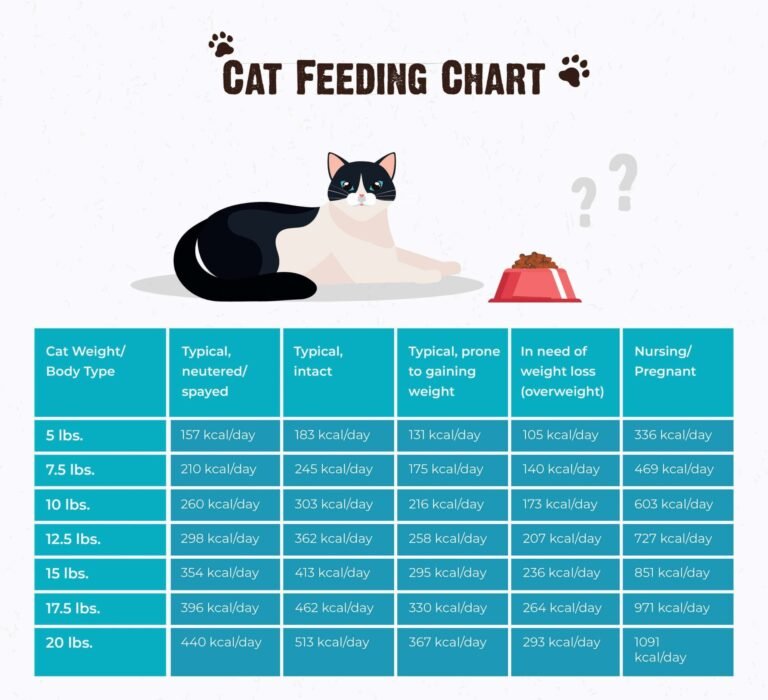
For example, a 10-pound adult cat might need about 200 to 250 calories per day as a rough starting estimate. If a 3-ounce can provides 90 calories, that target equals about 2.2 to 2.8 cans before accounting for treats or other food. If the same can provides 60 calories, the cat would need more cans to reach the same calorie target.
The key is to measure food by calories first and cans second. This simple step prevents overfeeding when a food is energy-dense and underfeeding when a recipe provides fewer calories per serving.
Small adult cats
A small cat may need fewer calories than a larger cat, but its needs still depend on age, activity, body condition, and the food’s calorie content.
Average adult cats
A cat weighing around 8 to 12 pounds may need roughly 2 to 4 small cans daily, depending on the recipe and its individual calorie needs.
Large adult cats
A larger cat may need more food, but do not increase portions based on weight alone. Some large cats have low activity levels or need a controlled-calorie diet.
Cats eating mixed diets
If your cat eats both wet and dry food, reduce the wet food portion to account for calories supplied by kibble and treats.
Quick Feeding Chart For Adult Cats
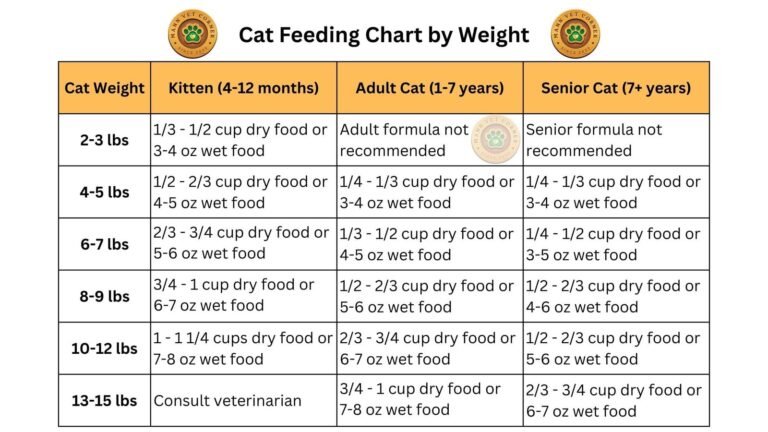
The table below gives rough daily calorie estimates and shows how they translate into 3-ounce cans containing 90 calories each. These figures are examples for planning, not exact requirements for every cat. A veterinarian can help set a more suitable target based on your cat’s body condition and health.
5-pound cat
A rough starting range might be 120 to 160 calories daily, or about 1.3 to 1.8 cans containing 90 calories each.
8-pound cat
A rough starting range might be 160 to 220 calories daily, or about 1.8 to 2.4 cans containing 90 calories each.
10-pound cat
A rough starting range might be 200 to 250 calories daily, or about 2.2 to 2.8 cans containing 90 calories each.
12-pound cat
A rough starting range might be 220 to 300 calories daily, or about 2.4 to 3.3 cans containing 90 calories each.
15-pound cat
A rough starting range might be 250 to 350 calories daily, or about 2.8 to 3.9 cans containing 90 calories each. A veterinarian should assess whether this weight is appropriate for the cat’s frame.
Why Weight Alone Does Not Give An Exact Answer
Two cats that weigh the same can need different amounts of food. One may spend much of the day climbing, playing, and exploring, while the other may sleep for most of the afternoon. Neutered status, age, body composition, and health can also affect energy needs.
A cat that weighs 12 pounds may be lean and active, or it may carry excess body fat. Feeding both cats the same amount simply because their scales show the same number could lead to unwanted weight gain or loss. Body condition matters as much as the number on the scale.
Check body condition
You should generally be able to feel the ribs under a light layer of fat, and the cat should have a visible waist when viewed from above.
Watch the trend
Weigh your cat regularly and look for gradual, unexpected changes rather than relying only on how much food remains in the bowl.
How To Calculate The Right Number Of Cans
You can estimate the number of cans your cat needs with a simple calculation. First, identify a reasonable daily calorie target. Next, find the calories per can on the food label. Divide the daily target by the calories in one can, then account for any dry food and treats.
This method is more reliable than following a generic chart because wet foods vary widely. A pâté, a gravy-based meal, and a high-energy kitten recipe may provide very different amounts of energy even when their cans look similar.
If you are unsure about your cat’s calorie target, ask your veterinarian. Feeding charts on food packaging can provide a starting point, but they may not reflect your cat’s exact needs.
Step 1: Set a daily calorie target
Use your veterinarian’s recommendation when available. Otherwise, treat general adult-cat calorie estimates as a starting point, not a diagnosis or guaranteed requirement.
Step 2: Read the label
Look for calories per can, often shown as kcal per can. If the label lists calories per ounce or per kilogram instead, convert the amount carefully.
Step 3: Divide the numbers
Divide the daily calorie target by calories per can. The result is the number of cans needed if the cat eats only that food.
Step 4: Subtract other calories
Account for kibble, treats, toppers, and other food before deciding how much wet food to serve.
Step 5: Monitor and adjust
Track body weight, appetite, stool quality, and energy. Make changes gradually unless a veterinarian gives you a different plan.
Example Calculation For A 10-Pound Cat
Suppose your veterinarian recommends 220 calories per day for your adult cat. The wet food label says each 3-ounce can contains 80 calories. Divide 220 by 80 to get 2.75 cans per day if the cat eats nothing else.
You could measure that as two full cans plus three-quarters of another can. If the cat also receives a small amount of dry food, subtract those calories before calculating the wet food portion.
For example, if dry food and treats provide 40 calories, the wet food needs to supply 180 calories. Dividing 180 by 80 gives 2.25 cans. This is a hypothetical example; your cat’s own calorie target and food label may be different.
Daily calorie target
220 calories in this example.
Calories per can
80 calories in this example.
Wet food only
220 divided by 80 equals 2.75 cans.
Wet food plus other food
After subtracting 40 calories from other food, 180 divided by 80 equals 2.25 cans.
What If The Can Is 5.5 Ounces?
A 5.5-ounce can usually contains more food than a 3-ounce can, but the calorie difference depends on the recipe. Do not assume that one large can equals two small cans unless their calorie totals support that comparison.
For example, if a 5.5-ounce can contains 180 calories and your cat needs 240 calories daily, the cat would need about 1.33 cans if eating only that food. You could serve one full can and about one-third of another, then split the food between meals.
Compare calories
Use the stated calories per can rather than the package size alone.
Measure partial cans
Use a kitchen scale or a consistent measuring method to divide the daily portion.
How Age Changes A Cat’s Wet Food Needs
Kittens, adult cats, and senior cats do not all need the same feeding plan. Growth, activity, body condition, and health can change both the amount of food and how often a cat should eat.
A kitten may need more calories per pound than an adult cat because it is growing quickly. An older cat may become less active, but some senior cats lose weight or have health issues that increase their need for careful nutritional support.
Choose a complete and balanced food that matches your cat’s life stage. A food designed for adult maintenance may not provide the right nutrient balance for a growing kitten.
Kittens under six months
Growing kittens often need several small meals each day. Follow a kitten-specific feeding guide and adjust for growth, appetite, and veterinary advice.
Kittens six to twelve months
Many kittens still need food formulated for growth until they reach the appropriate transition age. Their intake may change as their growth rate and activity change.
Adult cats
Most adult cats can eat measured portions on a regular schedule. Use calorie needs and body condition to set the daily amount.
Senior cats
Older cats may need changes based on dental health, muscle loss, kidney disease, diabetes, or other conditions. Do not cut food automatically just because a cat is older.
Pregnant or nursing cats
These cats can have much higher nutritional needs. Ask a veterinarian about an appropriate growth or reproduction diet and feeding schedule.
How Much Wet Food Should A Kitten Eat?
There is no single number of cans that suits every kitten. A small, young kitten may eat less at each meal but need frequent feeding, while a larger, fast-growing kitten may need substantially more food over the day.
Use a complete and balanced kitten food and follow its life-stage feeding instructions. Divide the daily amount into several meals that suit the kitten’s age and appetite. Ask your veterinarian to check growth and body condition at routine visits.
Do not restrict a growing kitten to an adult-cat portion without veterinary advice. If a kitten stops eating, seems weak, vomits repeatedly, or has ongoing diarrhea, seek prompt veterinary guidance.
Feed for growth
Select food labeled as complete and balanced for growth or for all life stages, as appropriate.
Offer smaller meals
Several smaller meals can help meet a kitten’s needs without requiring one large serving.
Do Senior Cats Need Fewer Cans?
Not always. Some older cats move less and need fewer calories, while others lose muscle or weight and may need more support. Dental pain, nausea, and chronic disease can also affect how much a senior cat eats.
If your senior cat begins leaving food behind, eating much more than usual, or losing weight, arrange a veterinary check rather than simply changing the number of cans. The right response depends on the cause.
Watch for weight loss
Unexpected weight loss can be a sign of illness, even when a cat still seems hungry.
Review the diet
A veterinarian can help choose a suitable texture, calorie level, and nutrient profile for your cat’s health.
How Often Should You Feed Wet Cat Food?
Many adult cats do well with two or more measured meals per day. The exact schedule depends on your routine, your cat’s appetite, medical needs, and whether the cat tolerates larger meals.
Instead of opening a new can every time your cat asks for food, measure the full daily amount first. Then divide it into planned meals so you know how much your cat has eaten by bedtime.
Cats often prefer predictable routines. Regular meal times can also help you notice appetite changes early, which may be harder when food is always available.
Two meals a day
Divide the daily portion between breakfast and dinner if that schedule works for your cat.
Three or four meals a day
Smaller meals may suit cats that prefer frequent feeding or struggle with larger servings.
Medication-related schedules
Some medical conditions require food at specific times. Follow your veterinarian’s instructions rather than using a general schedule.
Multiple-cat homes
Feed cats separately when possible so you can track each cat’s intake and prevent one cat from eating another’s portion.
Can You Leave Wet Cat Food Out All Day?
Wet food should not sit at room temperature all day. Once served, it can spoil and become less appealing, especially in a warm home. Follow the food manufacturer’s handling directions and remove uneaten food promptly.
As a practical rule, discard wet food that has been sitting out for about two hours at room temperature. In very warm conditions, such as a hot room or a summer day without air conditioning, a shorter period may be appropriate.
Refrigerate unused food promptly in a covered container and follow the label’s storage guidance. Many opened cans are best used within a few days, but the manufacturer’s instructions should take priority.
Serve small portions
Offer an amount your cat can finish within a reasonable period rather than filling the bowl with the whole daily ration.
Keep opened food covered
Store unused portions in the refrigerator and use clean utensils to limit contamination.
Clean the bowl
Wash food bowls regularly, especially after serving wet food.
What If Your Cat Begs Between Meals?
Begging does not always mean your cat needs more calories. Some cats ask for food out of habit, boredom, attention-seeking, or a preference for frequent small meals.
Check the total amount your cat eats before adding more. You can divide the same daily ration into smaller meals or use supervised play and food puzzles to make feeding more engaging.
If your cat suddenly becomes much hungrier, especially alongside weight loss, increased thirst, or frequent urination, contact a veterinarian. These changes can point to a medical problem rather than a need for larger portions.
Keep a feeding log
Record the number of cans, other food, treats, and leftovers for several days.
Avoid unplanned extras
If you offer a snack, count its calories as part of the daily total.
How To Combine Wet Food And Dry Food
You do not have to feed your cat only wet food or only dry food. A mixed diet can work well when both foods are suitable for the cat’s life stage and the total daily calorie intake is controlled.
The main mistake is adding the usual wet-food portion on top of a full dry-food ration. That can supply far more calories than the cat needs, even when each individual serving looks small.
Plan the combined diet by calories. Determine the daily target, decide how much will come from wet food, and use the dry food label to measure the rest.
Example mixed feeding plan
If a cat needs 240 calories daily and receives 80 calories from dry food and treats, the remaining 160 calories can come from wet food.
Measure kibble
Use a kitchen scale or a reliable measuring cup instead of pouring dry food freely into the bowl.
Count treats
Treats add calories too. A commonly used guideline is to keep treats to no more than about 10 percent of daily calories, unless your veterinarian advises otherwise.
Check nutritional adequacy
Make sure the main diet provides complete and balanced nutrition rather than relying on treats or complementary foods for most calories.
Is Wet Food Better Than Dry Food?
Wet food contains more moisture than dry kibble and may help increase a cat’s water intake. It can be useful for cats that prefer soft textures or have trouble chewing, although dental pain still needs veterinary care.
Dry food can be convenient to measure and store, and some cats prefer its texture. Neither type is automatically the best choice for every cat. Nutritional completeness, calorie intake, health needs, and the cat’s willingness to eat all matter.
If your cat has kidney disease, urinary problems, diabetes, food allergies, or another medical condition, ask your veterinarian whether a specific diet or feeding schedule would help.
Wet food
Often supplies more water per serving and may make portion control easier when cans are measured by calories.
Dry food
Can be convenient for measured meals, but small portions may contain more calories than expected.
Mixed feeding
Can offer flexibility as long as all food is counted toward the daily calorie target.
How To Tell If You Are Feeding Too Much Or Too Little
Your cat’s weight, body shape, energy, appetite, and eating habits help show whether the current portion is suitable. A feeding chart gives you a starting point, but the cat in front of you provides important information about how the plan is working.
A cat that steadily gains excess weight may be taking in more calories than it uses. A cat that loses weight without a planned diet change may not be eating enough, may not absorb nutrients well, or may have an illness that needs treatment.
Do not make large, sudden calorie cuts to force weight loss. Cats that stop eating or lose weight too quickly can develop serious health problems, including hepatic lipidosis, a potentially life-threatening liver condition.
Possible signs of overfeeding
Gradual weight gain, a less visible waist, difficulty feeling the ribs, and reduced mobility can suggest excess intake.
Possible signs of underfeeding
Unexpected weight loss, loss of muscle, a prominent spine or ribs, and low energy may indicate that the current plan is inadequate or that illness is present.
Changes in appetite
A sudden increase or decrease in eating deserves attention, especially when paired with vomiting, diarrhea, increased thirst, or changes in urination.
Changes in behavior
Hiding, weakness, pain while eating, or refusing food may signal a problem that a portion adjustment alone will not solve.
What To Do If Your Cat Is Gaining Weight
First, measure all food and treats for several days. Check the calorie information on every package and look for extras that may be easy to overlook, such as table scraps or food left in another pet’s bowl.
Next, ask your veterinarian to assess your cat’s ideal weight and calorie needs. If weight loss is appropriate, use a controlled plan that preserves adequate nutrients and muscle. Recheck weight at regular intervals and adjust the plan with veterinary guidance.
Measure before changing
Accurate records help reveal whether the issue is portion size, uncounted treats, or another factor.
Encourage movement
Use short play sessions, climbing areas, and food puzzles that suit your cat’s age and mobility.
What If Your Cat Is Not Eating Enough?
Check whether the food is fresh, whether the texture has changed, and whether the bowl is clean and placed in a quiet location. Some cats dislike cold food straight from the refrigerator, so a small portion can be brought closer to room temperature before serving.
Do not assume a lack of appetite is simply pickiness. Mouth pain, nausea, stress, and illness can all reduce food intake. If an adult cat refuses food for about 24 hours, seek veterinary advice sooner if the cat is young, elderly, overweight, medically fragile, or showing other symptoms. A cat that is not eating and seems weak or ill needs prompt care.
Check the food
Confirm the can is within its use date, stored correctly, and suitable for your cat’s life stage.
Watch for warning signs
Repeated vomiting, severe lethargy, trouble breathing, or signs of dehydration call for urgent veterinary assessment.
Choosing The Right Wet Cat Food
The right amount of food matters, but so does the food’s nutritional quality. Choose a product labeled as complete and balanced for your cat’s life stage. In the United States, the nutritional adequacy statement on the package can help you determine whether the food is intended as a complete diet or only for supplemental feeding.
A food labeled for supplemental or intermittent feeding should not normally provide the entire diet unless a veterinarian directs its use as part of a suitable plan. Toppers, broths, and treats may make meals more appealing, but they do not always provide all the nutrients a cat needs.
Compare calories, feeding directions, life-stage suitability, and your cat’s response. A more expensive can is not automatically more nutritious, and a lower-calorie recipe does not automatically suit a cat that needs to gain weight.
Look for complete and balanced nutrition
Check the package’s nutritional adequacy statement and make sure the food suits your cat’s life stage.
Compare calories per can
This is essential when switching brands, changing recipes, or comparing can sizes.
Check texture and preference
Pâté, shredded meat, minced food, and gravy-based recipes can have different calorie levels and appeal to different cats.
Transition gradually
When changing foods, introduce the new recipe over several days if your cat tolerates the transition, and slow down if digestive upset occurs.
How To Switch Wet Cat Food Safely
A gradual change can help some cats adjust to a new taste and texture. Start by mixing a small amount of the new food with the current food, then increase the new food over several days as tolerated.
Some cats need a slower transition, while others accept a new recipe quickly. If your cat has a prescription diet, food allergy, or digestive disease, ask the veterinarian before making changes.
Monitor appetite, vomiting, stool quality, and energy during the transition. Stop and seek veterinary advice if the cat develops significant symptoms or refuses to eat.
Start with a small amount
Offer a little of the new food alongside the familiar recipe.
Increase as tolerated
Gradually adjust the mix rather than making a sudden switch when a slow transition is appropriate.
Protect food intake
Do not let a cat go without food simply because it rejects a new recipe.
Common Mistakes When Counting Wet Food Cans
The most common feeding errors come from treating every can as the same size, overlooking extra calories, or assuming that a cat should finish every serving. A little measurement can prevent these problems.
A can is a package size, not a universal meal. Two products with the same weight may supply different calories because their recipes and moisture levels differ.
Use a consistent method each day and review it whenever you change food, your cat’s weight changes, or a veterinarian recommends a new diet.
Mistake 1: Counting cans instead of calories
Two cans from different recipes may supply very different amounts of energy. Compare kcal per can before setting portions.
Mistake 2: Ignoring treats
Treats, table scraps, and food toppers add calories and may upset the balance of the main diet when they make up too much of the intake.
Mistake 3: Feeding according to begging alone
Begging can reflect habit or a desire for attention. Check the measured daily intake and body condition before adding more.
Mistake 4: Making sudden diet cuts
Sharp calorie restrictions can be unsafe, especially for overweight cats that stop eating. Use a veterinary weight-loss plan.
Mistake 5: Leaving wet food out too long
Discard food that has been left out beyond a safe period and store unused portions according to the package directions.
Mistake 6: Assuming every cat needs the same amount
Age, activity, body condition, health, and food energy density all change the amount a cat may need.
A Simple Daily Feeding Checklist
A short daily check can keep your feeding plan on track. It also helps you notice small changes before they become larger concerns.
Measure the full daily ration
Set aside the day’s wet food and calculate the calories from other food sources.
Serve planned portions
Divide the total into meals that fit your schedule and your cat’s needs.
Provide fresh water
Keep clean drinking water available even when your cat eats wet food.
Remove leftovers safely
Do not leave wet food at room temperature all day.
Monitor appetite and weight
Record meaningful changes and contact your veterinarian if they are unexpected.
Research Notes And Reader Question Gaps
The primary reader task is to convert a cat’s daily calorie needs into a practical number of wet food cans. The main variables are can size, calories per can, age, body condition, activity, and any food supplied outside the main meals.
This guide uses general veterinary nutrition principles and transparent hypothetical calculations. No hands-on feeding trial was performed, and the example calorie ranges are not individualized veterinary prescriptions.
The supplied image list does not contain seven images that meet all the stated file, URL, and relevance requirements. Its entries include unrelated subjects, query-string parameters, or forbidden filename patterns. To avoid misleading readers or inventing image links, this article does not assign those images to cat-feeding sections.
Main query
How many cans of wet food for a cat per day? Answered with calorie-based estimates, examples, and a calculation method.
Inferred next need: How many calories are in a can?
Priority: high. The answer depends on the exact recipe, so readers should check the package label rather than use a universal calorie value.
Inferred next need: How does mixed feeding change the amount?
Priority: high. Dry food and treats must be counted before the wet-food portion is calculated.
Inferred next need: What if a cat refuses food?
Priority: high for safety. The guide distinguishes basic food checks from appetite loss that needs veterinary attention.
Competitor coverage
A current sample of competing pages was not inspected for this response, so no claims are made about search rankings, observed People Also Ask questions, or gaps across the wider web.
Frequently Asked Questions
Q
Can I feed my cat two cans of wet food per day?
Yes, two cans may be enough for some cats, but it depends on the can size, calorie content, and the cat’s daily needs. Two 3-ounce cans containing 90 calories each provide 180 calories in total, while two larger or more energy-dense cans may supply much more.
Check the label, include all other food, and compare the total with a suitable calorie target. Ask your veterinarian if you are unsure whether the amount is right for your cat.
Q
Is one can of wet food enough for a cat per day?
One can is enough only in some circumstances, such as when the can is large and calorie-dense or when the cat receives additional food. One small can usually will not supply the full daily needs of an average adult cat when it is the only food offered.
Check the calories per can and account for the cat’s full diet before deciding.
Q
How many 3-ounce cans should I feed a 10-pound cat?
A 10-pound adult cat might need roughly 200 to 250 calories per day as an initial estimate, although its true needs may be lower or higher. If each 3-ounce can contains 90 calories, that works out to about 2.2 to 2.8 cans daily when no other food is given.
Use your cat’s body condition, activity, health, and food label to refine the amount. A veterinarian can provide a more suitable target, especially if the cat needs to lose or gain weight.
Q
Should I feed my cat wet food in the morning or at night?
Either time can work. Many adult cats do well with a regular schedule that includes breakfast and dinner, while others prefer three or more smaller meals. The total daily calories matter more than choosing one particular time of day.
Keep the schedule consistent and follow veterinary instructions if your cat takes medication or has a condition that affects feeding.
Q
Can a cat eat only wet food?
Yes, many cats can eat only wet food if it is complete and balanced for their life stage and provides enough calories and nutrients. Check the nutritional adequacy statement on the package rather than assuming every canned product is a complete diet.
Cats with specific medical needs may require a particular food or feeding plan. Ask your veterinarian before making a major dietary change.
Q
Can I mix wet cat food with dry food?
Yes. Wet and dry food can be combined as long as the foods are suitable for your cat and their combined calories match the daily target. Measure the dry food and count treats before deciding how much wet food to serve.
For example, if the daily target is 240 calories and dry food plus treats provide 60 calories, the wet food should provide the remaining 180 calories in this hypothetical plan.
Q
How long can wet cat food stay out?
As a general food-safety rule, remove wet food after about two hours at room temperature, and sooner in very warm conditions. Follow the product’s handling directions, since room temperature, the food itself, and storage conditions can affect safety.
Refrigerate unused portions promptly in a covered container and use them within the period stated on the label. Throw away food that smells spoiled or has been stored improperly.
Q
Should I give my cat more wet food if it keeps begging?
Not automatically. Begging may reflect habit, boredom, a preference for smaller meals, or genuine hunger. Measure the daily intake first and check whether the cat’s weight and body condition are changing.
If hunger suddenly increases, especially with weight loss, increased thirst, or more frequent urination, arrange a veterinary examination. These signs may point to illness rather than a simple need for extra food.
Q
What should I do if my cat suddenly stops eating wet food?
Check the food’s freshness, serving temperature, texture, and bowl location, but do not assume the problem is merely picky eating. Dental pain, nausea, stress, and illness can all reduce appetite.
Seek veterinary advice if an adult cat refuses food for about 24 hours, or sooner if it is a kitten, elderly, overweight, medically fragile, or showing other symptoms. Severe weakness, repeated vomiting, or other signs of serious illness require prompt care.
Q
Does wet food help cats drink more water?
Wet food contains substantial moisture and can increase the amount of water a cat gets from food. However, cats still need access to fresh drinking water every day.
If your cat’s thirst changes sharply or it begins urinating much more or less than usual, contact your veterinarian. These changes should not be managed by adjusting canned food alone.
✦ Wrapping Up
Conclusion
The answer to how many cans of wet food for a cat per day depends on the cat and the food. Many adult cats may eat about 2 to 4 small 3-ounce cans daily, but that range is only a starting point. A large can, a calorie-dense recipe, a kitten’s growth needs, or a mixed diet can change the total.
The most useful method is simple: set a suitable daily calorie target, read the calories per can, subtract calories from dry food and treats, and divide the remainder by the calories in the wet food. Then monitor your cat’s weight, body condition, appetite, and energy.
If your cat has a medical condition, loses weight unexpectedly, gains weight steadily, or stops eating, seek veterinary advice rather than making a major change on your own. A measured feeding plan can help your cat stay healthy while keeping meals predictable and easy to manage.
💡 Key Takeaway
Today, check the calories per can on your cat’s food label, measure everything your cat eats in 24 hours, and compare that total with a calorie target recommended by your veterinarian. Adjust the number of cans based on the calculation, not the can count alone.