How often should you bathe a dog with skin allergies
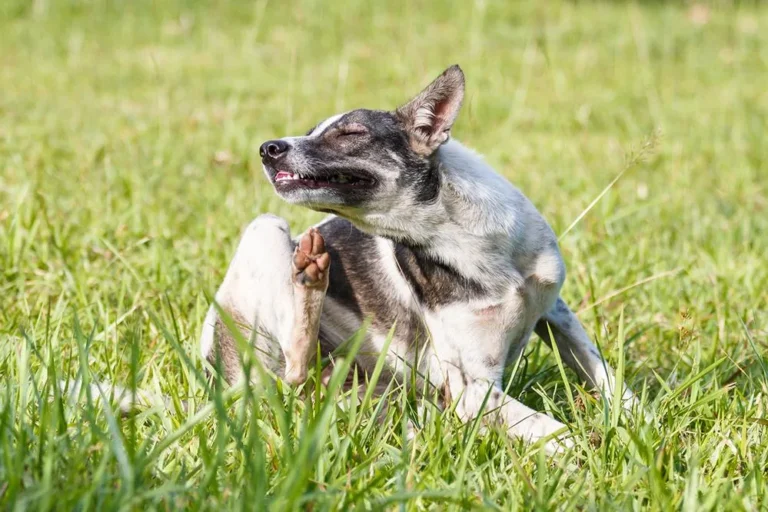
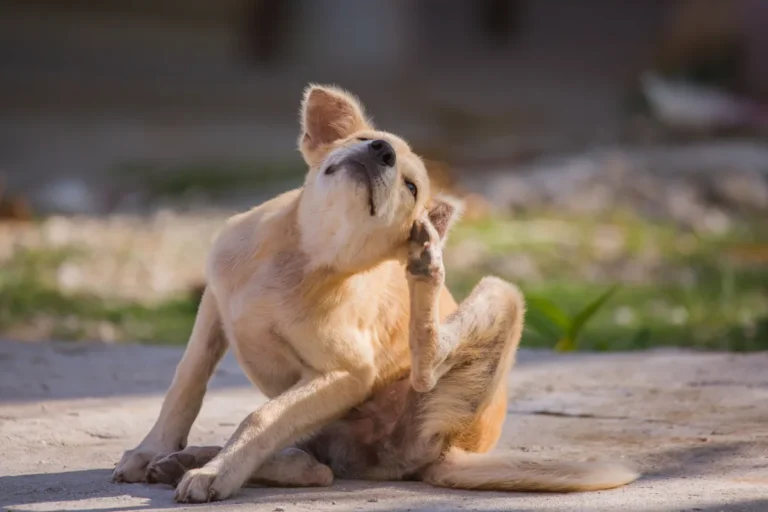
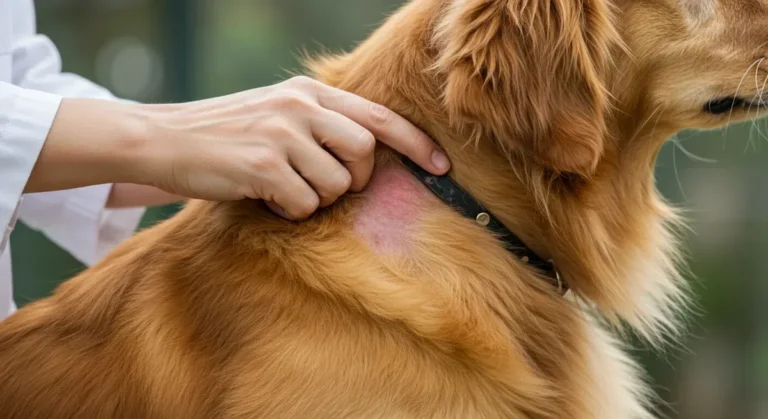
If your dog is scratching nonstop, chewing at the paws, or flaring up every few weeks, you've probably asked the same question every itchy-dog owner eventually asks: how often should you bathe a dog with skin allergies? The honest answer is that there's no single number that fits every dog. Bathing too little lets allergens and bacteria build up on the skin.
Bathing too much strips the oils that protect it. Both mistakes make the itching worse.
Veterinary dermatology guidance generally points to bathing allergic dogs every 1 to 2 weeks with a gentle or medicated shampoo, then adjusting based on how the skin responds. As of 2026, the consensus among board-certified veterinary dermatologists is that frequency should match the dog's allergy type, coat, and whether active infection is present. Let's walk through what actually decides that number, so you can dial in a routine that calms the skin instead of fighting it.
Quick Answer
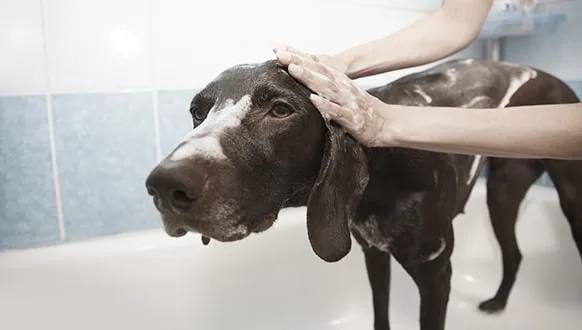
Most dogs with skin allergies do well with a bath every 1 to 2 weeks. Use lukewarm water, a gentle or medicated shampoo matched to the allergy, and a full rinse. Dogs with active infections may need baths 2 to 3 times per week at first.
Healthy dogs only need a bath every 4 to 8 weeks.
Why Bathing Frequency Matters for Dogs With Skin Allergies
Allergic dog skin is inflamed, dry, or greasy, and the skin barrier is weaker than it should be. Every bath is a small medical event for that skin. Done right, bathing physically removes allergens like pollen and dust, lowers bacterial and yeast counts on the surface, and soothes the itch.
Done wrong, it strips moisture and makes the next flare hit harder.
The stakes are real. A 2022 review in Veterinary Dermatology noted that improper bathing routines are a common reason allergic dogs end up on long courses of antibiotics. When the skin barrier keeps getting damaged, secondary bacterial and yeast infections take hold, and those infections itch more than the allergy itself.
So the question isn't really "how often." It's "how often for this dog, with this shampoo, during this phase of the flare." That's what the rest of this guide will help you figure out.
What Type of Allergy Your Dog Has Changes the Answer
Not all allergic skin looks the same, and the bathing schedule that works for one type can be wrong for another. Here's how the big three break down.
Atopic Dermatitis (Environmental Allergies)
Atopic dermatitis is the most common canine allergy. Triggers include pollen, mold, dust mites, and grasses. These allergens land on the skin and trigger an immune reaction.
Bathing physically washes them off before they soak in.
For atopic dogs with mild, seasonal flares, a bath every 7 to 14 days during peak pollen season is a solid starting point. Year-round atopic dogs often do best on a steady every-1-to-2-week schedule.
Flea Allergy Dermatitis (FAD)
Flea allergy dermatitis is triggered by proteins in flea saliva. Even one bite can set off a week-long itch cycle. Bathing helps wash away flea dirt and soothe inflamed skin, but no bath replaces flea control.
If fleas aren't controlled, bathing is just spinning your wheels.
For FAD dogs, a bath every 1 to 2 weeks helps, but the real fix is strict, year-round flea prevention. Skip that, and no bathing schedule will save you.
Food Allergies With Skin Signs
Food allergies in dogs usually show up as chronic ear infections, hot spots, or recurrent skin infections. Bathing won't fix the underlying trigger, but it keeps the skin barrier healthier while you and your vet sort out the diet.
A bath every 2 weeks is reasonable here, paired with a vet-guided elimination diet. Bathing more often rarely helps a food-allergy dog unless there's an active infection.
Contact Dermatitis
Contact dermatitis happens when something touches the skin directly, like a new detergent, a grass the dog rolls in, or a flea collar. Bathing rinses the irritant off fast.
If you can identify and remove the irritant, a couple of baths in the first week usually clears it. After that, return to a normal schedule.
How Bathing Actually Helps an Allergic Dog's Skin
Bathing an allergic dog isn't just about cleanliness. It does four things at once, and each one matters.
- Removes surface allergens. Pollen, dust, and saliva sit on the coat and skin. A proper rinse takes them off before they trigger more itching.
- Lowers microbial counts. Healthy skin has bacteria and yeast on it. Inflamed skin lets those populations explode. Antibacterial and antifungal shampoos knock them back to safe levels.
- Soothes itch directly. Ingredients like oatmeal, pramoxine, and aloe calm the nerve endings that drive scratching.
- Supports the skin barrier. Quality moisturizing shampoos and conditioners leave behind lipids that help the skin hold water. A stronger barrier means less itching next week.
The American College of Veterinary Dermatology has long recommended bathing as a frontline therapy for atopic dogs, alongside allergen control and, when needed, prescription meds.
The catch is that benefits only stack up if the shampoo stays on long enough. Most medicated shampoos need 5 to 15 minutes of contact time before rinsing. A quick lather-and-run does almost nothing.
Medicated vs Hypoallergenic Shampoo: Which One You Need
This is where a lot of owners go sideways. They grab whichever bottle says "sensitive skin" at the pet store and hope for the best. The truth is, these two shampoo categories do different jobs, and using the wrong one is a common reason baths don't help.
| Shampoo Type | What It Does | Best For | How Often |
|---|---|---|---|
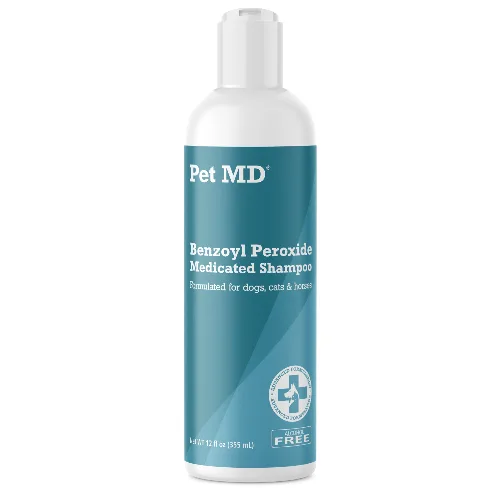
| Medicated (antibacterial/antifungal) | Kills bacteria or yeast on the skin | Active infections, yeasty smell, hot spots | 2 to 3 times a week for 2 to 3 weeks, then taper |
| Medicated (anti-itch/steroid) | Reduces inflammation and itch | Severe flares, vet-prescribed | Per vet instructions, usually 1 to 2 times a week |
| Hypoallergenic / Gentle | Cleans without stripping oils | Maintenance, mild allergies, sensitive skin | Every 1 to 2 weeks |
| Oatmeal / Moisturizing | Soothes and hydrates | Dry, flaky skin | Every 1 to 2 weeks, can layer with medicated |
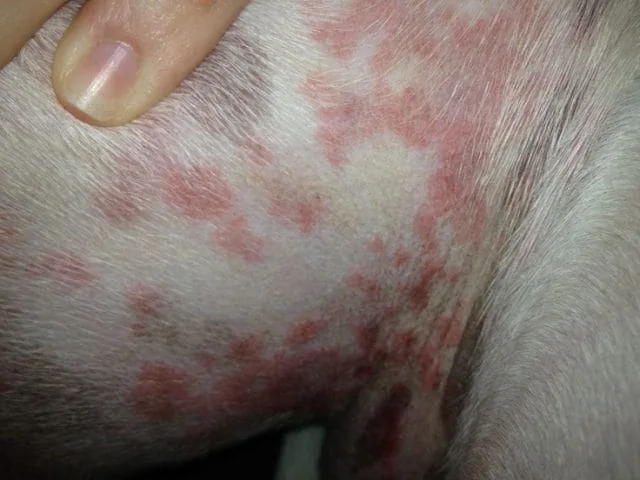
A useful rule: if the skin smells bad, looks greasy, or has pimple-like bumps, you probably need a medicated shampoo. If the skin just looks a little pink and itchy with no infection signs, a gentle hypoallergenic shampoo is enough.
For a deeper look at what's actually in these bottles, the Merck Veterinary Manual breaks down the active ingredients used in canine dermatology shampoos and what each one targets.
A Step-by-Step Bath Routine That Won't Strip the Skin
The right shampoo at the wrong frequency still does damage. So does the right shampoo applied the wrong way. Bathing technique matters as much as how often you do it.
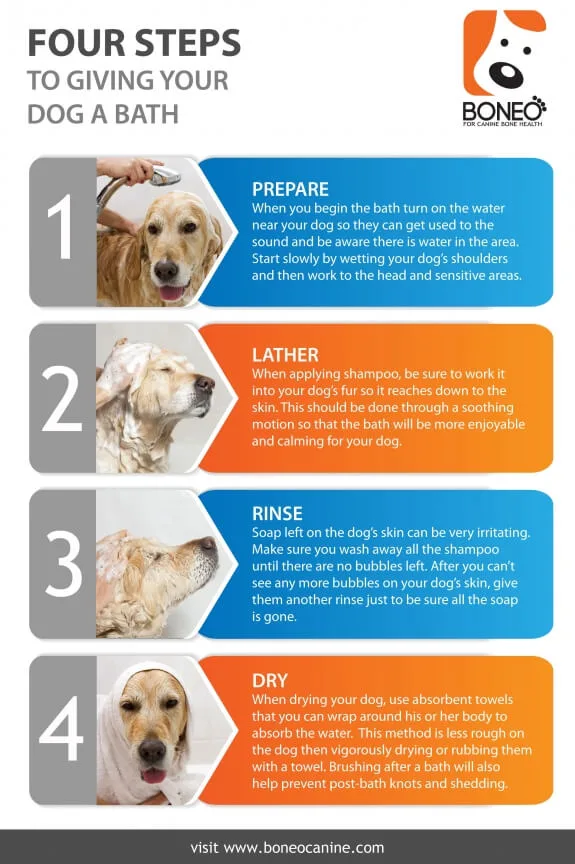
Follow this sequence every time. It protects the skin barrier while still clearing allergens.
Step 1: Brush First
Brush out loose hair, mats, and surface debris before water touches the coat. Mats trap water against the skin and create hot spots. A 5-minute brush-out makes the actual bath faster and more effective.
Step 2: Set Water Temperature
Lukewarm only, around 37 to 38°C (98 to 100°F). Hot water strips oils and ramps up itching right after the bath. Cooler water is fine, but very cold water keeps the shampoo from lathering well.
Step 3: Wet the Coat Thoroughly
Saturate the coat down to the skin. Skip this and the shampoo just slides off the surface. Spend a full minute working water into the undercoat, especially on double-coated breeds.
Step 4: Apply Shampoo and Massage In
Dilute medicated shampoos if the label says to. Work the lather in with your fingertips, not nails. Hit the high-friction zones: armpits, groin, between toes, under the tail.
Avoid the eyes and inside the ears.
Step 5: Respect the Contact Time
This is the step most people skip. Medicated shampoos need 5 to 15 minutes on the skin to actually work. Set a timer.
Use the waiting period to give treats, brush teeth, or just sit with your dog.
Step 6: Rinse, Then Rinse Again
Residue is one of the top reasons dogs itch right after a bath. Rinse until the water runs completely clear. A second rinse cycle takes 60 seconds and removes what the first pass missed.
Step 7: Dry Gently
Towel dry first. Skip the hot blow dryer unless your dog is fully comfortable with it. Heat can trigger itching.
Air drying in a warm, draft-free room works well for most allergic dogs.
How Often to Bathe Based on Your Dog's Situation
Here's the practical decision logic. Match your dog to the closest scenario, start at the suggested frequency, and adjust based on how the skin looks 7 to 14 days later.
| Situation | Starting Frequency | Notes |
|---|---|---|
| Active bacterial infection | 2 to 3 times a week | Use chlorhexidine or prescription shampoo. Taper as infection clears. |
| Active yeast infection | 2 to 3 times a week | Use miconazole or chlorhexidine shampoo. Watch for musty smell returning. |
| Seasonal atopic flare | Every 7 days | Step up during peak pollen, step down in off-season. |
| Year-round mild atopy | Every 10 to 14 days | Pair with allergen control and omega-3 supplements. |
| Maintenance, well-controlled | Every 2 to 4 weeks | Keep the routine steady to prevent flares. |
| Puppy with no symptoms | Every 4 to 8 weeks | No need to over-bathe a healthy puppy. |
If the skin looks better after two weeks at a frequency, you've found the right rhythm. If it's the same or worse, adjust up or down one step and reassess in another two weeks.
Signs You're Bathing Too Often (or Not Enough)
Owners usually can't feel the difference between over- and under-bathing just by looking once. The skin tells you over weeks. Watch for these patterns.
Too Few Baths
- Coat feels greasy or waxy within a few days
- Recurrent ear infections or hot spots
- Visible pollen or dirt buildup, especially on the belly and paws
- Strong "doggy" or yeasty smell returning fast
Too Many Baths
- Flaky, tight, or "dry as paper" skin
- Itching worse the day after a bath
- Coat feels rough or straw-like
- New redness where there wasn't any before
The single biggest red flag is itching that spikes after every bath. If your dog comes out of the tub scratching harder than before, you've either got the wrong shampoo, the water is too hot, or you're bathing too often. Adjust one variable at a time.
Mistakes That Make Allergy Baths Worse
Most failed bath routines trace back to a handful of common errors. These patterns come up over and over in vet-side consults.
- Using human shampoo. Human skin is more acidic than canine skin. Human shampoo disrupts the canine skin barrier and can take weeks to recover from.
- Skipping contact time. A 30-second lather does almost nothing for infection or itch. The medicated ingredients need time on the skin.
- Bathing after topical flea treatment. Most spot-on flea products need 24 to 48 hours to absorb. Bathing right after washes them off and wastes the dose.
- Over-bathing "just to be safe." More baths aren't always better. Daily baths on an allergic dog with no active infection usually backfire.
- Using "natural" essential-oil shampoos without vet input. Tea tree, citrus, and other essential oils can be toxic to dogs, especially small breeds.
- Forgetting the paws and belly. These are the highest-contact areas for environmental allergens. A bath that skips them is half a bath.
If your dog has been bathed weekly for months with no improvement, the issue is usually the routine, not the diagnosis. Pull back to every 2 weeks, switch to a fragrance-free gentle shampoo, and reassess in 3 to 4 weeks.
When Bathing Alone Isn't Enough (Time to Call the Vet)
Bathing is a powerful tool, but it's rarely the whole answer for a dog with skin allergies. Some signs mean it's time to bring your vet into the conversation.
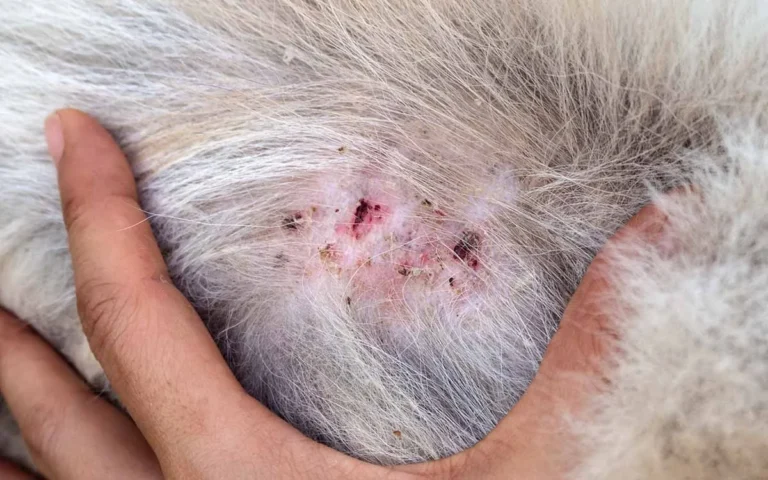
- Skin that's bleeding, oozing, or crusted over
- A strong yeasty or "corn chip" smell that won't go away
- Hot spots spreading or multiplying
- Itching that disrupts sleep or causes self-injury
- Ear infections returning every few weeks
- No improvement after 3 to 4 weeks of a consistent bathing routine
At that point, your vet may add prescription-strength topicals, oral antibiotics or antifungals, allergy testing, or immunotherapy. Board-certified veterinary dermatologists handle the toughest cases and often save owners months of trial and error.
Bathing still has a job in that bigger plan. It just isn't the only job.
Tracking Results: What "Better" Should Look Like
You can't manage what you don't measure. A simple weekly log helps you see whether the routine is actually working, and gives your vet useful data if you end up needing one.
Track these four things once a week:
- Itch score. 0 means no scratching, 10 means nonstop. Most well-controlled allergic dogs land at 2 to 3.
- Skin appearance. Pink and clear, or red and bumpy.
- Odor level. Normal dog smell, or yeasty/sweet.
- Coat feel. Soft and clean, or greasy and sticky.
If the itch score drops by 2 points over 3 to 4 weeks at your current frequency, you're on the right track. If it doesn't budge, something in the routine needs to change.
Seasonal and Climate Tweaks to Your Bathing Schedule
Allergy load isn't constant. Pollen counts shift through the year. Indoor humidity changes with the seasons.
Your dog's bathing schedule should follow.
- Spring and fall pollen peaks. Bump baths to every 7 days. Rinse paws and belly with a damp cloth on non-bath days.
- Summer heat and humidity. Yeast loves warmth and moisture. Watch for musty smell, especially in skin folds on Bulldogs, Shar-Peis, and similar breeds.
- Dry winter indoor air. Flaking and itching spike. Don't over-bathe to "fix" it. A humidifier and omega-3 fatty acid supplements help more than extra baths.
- Year-round indoor allergens. Dust mites don't have a season. If your dog reacts to them, keep a steady every-10-to-14-day bath routine all year.
Climate also affects rinse quality. Hard-water areas leave mineral residue on the skin that can itch. If your water is very hard, a final rinse with a small amount of vinegar in lukewarm water helps strip the residue.
Quick Reference: Bathing Frequency by Allergy Type
Here's the cheat sheet version. Pin it to the fridge or save it on your phone for bath day.
| Allergy Type | Typical Frequency | Shampoo Type | Key Caveat |
|---|---|---|---|
| Atopic dermatitis (seasonal) | Every 7 to 14 days during flare | Hypoallergenic or oatmeal | Step down in off-season |
| Atopic dermatitis (year-round) | Every 10 to 14 days | Hypoallergenic, plus conditioner | Pair with allergen control |
| Flea allergy dermatitis | Every 7 to 14 days | Gentle, fragrance-free | Strict flea prevention is non-negotiable |
| Food allergy | Every 2 weeks | Hypoallergenic | Diet change does the heavy lifting |
| Active bacterial infection | 2 to 3 times a week | Chlorhexidine medicated | Taper as infection clears |
| Active yeast infection | 2 to 3 times a week | Miconazole or chlorhexidine | Watch for smell returning |
Final Takeaway on Bathing an Allergic Dog
The right bathing frequency is the one that keeps the skin calm, not the one on a printed schedule. Start with every 1 to 2 weeks using a gentle or medicated shampoo matched to your dog's allergy type. Step up to 2 to 3 times weekly only if there's an active infection, and step down during quiet stretches.
Watch the skin more than the calendar. If the coat looks soft and the itch score stays low, you're on track. If it's flaring after every bath or staying greasy between them, adjust one variable at a time.
And when home care hits a wall, your vet or a board-certified dermatologist can pick up where the tub leaves off.
Frequently Asked Questions
How often should I bathe a dog with skin allergies?
Most allergic dogs do well with a bath every 1 to 2 weeks using a gentle or medicated shampoo. Dogs with active skin infections may need baths 2 to 3 times a week at first. Adjust the frequency based on how the skin responds over the next few weeks.
Can I bathe my dog every week for allergies?
Yes, weekly baths are safe for many allergic dogs and often helpful during a flare. The key is using a mild, moisturizing shampoo and not exceeding what the skin can handle. If the coat starts feeling dry or straw-like, scale back to every 10 to 14 days.
What shampoo is best for a dog with itchy allergic skin?
For mild itching with no infection, a fragrance-free oatmeal or hypoallergenic shampoo works well. For active infections, a chlorhexidine or miconazole-based medicated shampoo is the better choice. Ask your vet which active ingredient matches your dog's specific skin condition.
Should I rinse my dog after a walk if he has allergies?
A quick paw and belly rinse with lukewarm water after walks helps remove pollen and grass allergens before they soak into the skin. You don't need shampoo for this, just water and a towel dry. It can meaningfully cut down on post-walk scratching.
Is it OK to use baby shampoo or human shampoo on an allergic dog?
No. Human and baby shampoos are formulated for a more acidic skin pH than dogs. They strip the canine skin barrier and often make allergic skin worse.
Use a shampoo made specifically for dogs, ideally one labeled for sensitive or allergic skin.
When should I stop bathing my allergic dog and see a vet?
If the itching hasn't improved after 3 to 4 weeks of consistent bathing, or if the skin starts bleeding, oozing, or smelling strongly of yeast, it's time to call your vet. These are signs of a secondary infection that needs prescription treatment beyond what bathing alone can handle.