How to help allergies in dogs: Easy Guide
How to help allergies in dogs is one of those questions that looks simple until you actually live with a scratching dog. The first itch seems harmless. Then you notice the red paws, the constant head-shaking, and the hot spots showing up on the belly, and you realize you're dealing with something bigger.
Here's the truth: dog allergies are common, they usually don't go away on their own, and the fastest relief almost always starts with the right diagnosis.
Up to 10, 15% of dogs suffer from atopic dermatitis according to peer-reviewed dermatology research, and flea allergy dermatitis alone drives roughly half of allergic skin disease in warm, humid climates as of 2026. The good news? Once you figure out which type of allergy you're dealing with, the path forward gets a lot clearer.
Let's start by sorting the three main types so you can figure out what your dog is actually fighting.
Quick Answer
To help allergies in dogs, first rule out fleas with a vet-grade product on every pet in the home. Then see your vet to confirm the allergy type and check for skin infections. Treatment usually combines prescription anti-itch medication (like Apoquel or Cytopoint), an elimination diet if food is the trigger, omega-3 supplements, and regular hypoallergenic baths.
Always get a vet diagnosis before starting medication.
Why Helping Your Dog's Allergies the Right Way Actually Matters
Dog allergies are more than an itch problem. Chronic scratching damages the skin barrier, opens the door to bacterial and yeast infections, and quietly drags down your dog's quality of life. Sleep gets disrupted, behavior changes, and secondary ear infections become a recurring nightmare.
Treating allergies the wrong way, or treating the wrong allergy, is one of the most common reasons we see dogs bounce from one flare to the next.
There's also a real safety layer here. Some over-the-counter human medications contain xylitol or pseudoephedrine, both toxic to dogs. Long-term steroid use, once the default, causes muscle wasting, increased thirst, and diabetes risk.
Even "natural" remedies like tea tree oil are dangerous when applied to dogs. That's why the goal isn't just to stop the itching. It's to stop the itching safely, with a plan that targets the actual cause.
The Three Main Types of Dog Allergies (and How to Tell Them Apart)
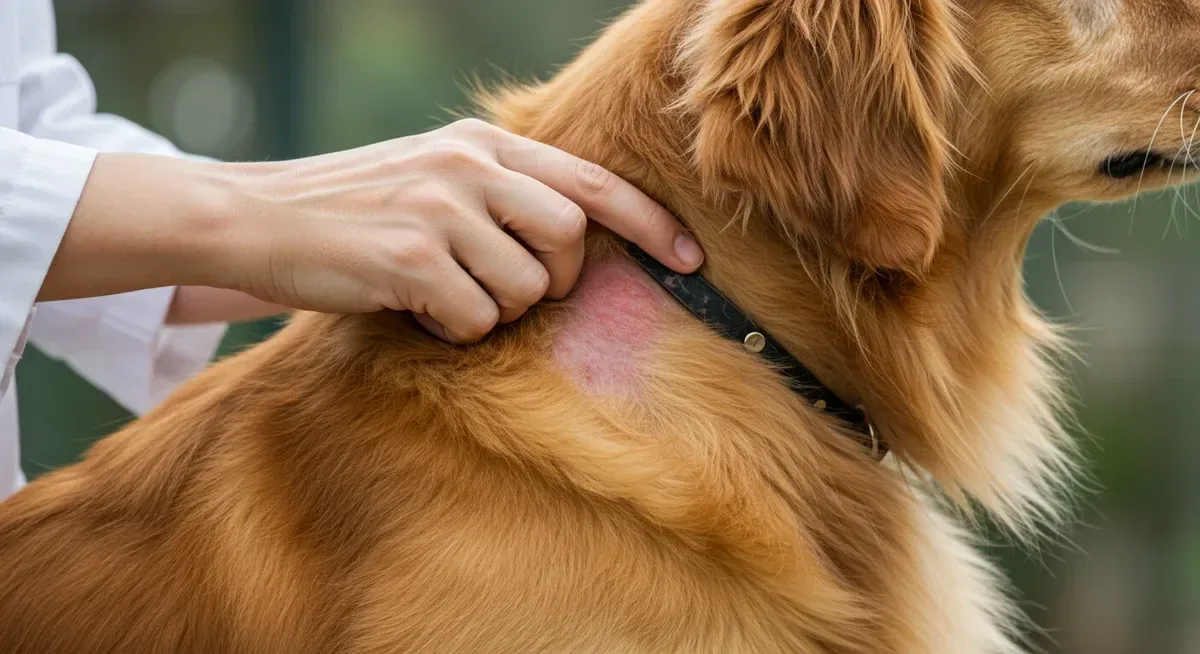
Most dog allergies fall into one of three buckets: environmental (atopic dermatitis), flea allergy dermatitis, or food allergies. They look similar on the surface but respond to completely different treatments. Here's how to spot what you're dealing with.
| Allergy Type | Common Triggers | Typical Signs | Pattern |
|---|---|---|---|
| Environmental (atopic) | Pollen, dust mites, mold | Itchy paws, ears, belly, armpits | Seasonal or year-round |
| Flea allergy dermatitis | Flea saliva | Intense itching at the tail base, hindquarters | Sudden flare, often seasonal |
| Food | Beef, chicken, dairy, wheat, eggs | Itching plus GI signs (vomit, soft stool) | Year-round, no seasonal pattern |
Environmental allergies are the most common type overall, and they're what most people picture when they think "dog allergies." Flea allergy dermatitis is technically an environmental allergy too, but vets separate it because flea control alone usually solves it. Food allergies are the rarest of the three, but they're the most stubborn because the trigger is in every single meal.
Spotting the Pattern Matters
Ask yourself three questions. Does the itching get worse in spring or fall? Does it flare even when your dog is on flea prevention?
Has your dog been on the same food for months? Your answers narrow the list fast and tell your vet where to start.
Common Symptoms That Should Make You Suspect Allergies

Dogs don't show allergies the way humans do. No sneezing fits or watery eyes in most cases. Instead, the skin takes the hit.
Here are the signs that should put allergies on your radar.
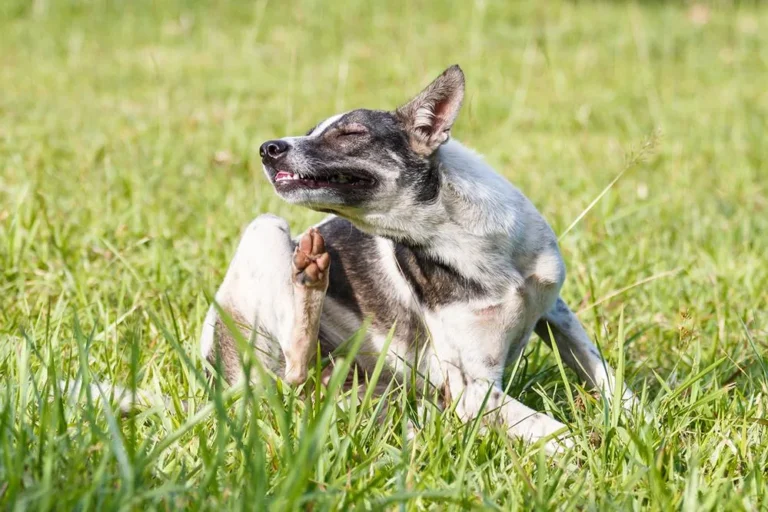
- Constant scratching, licking, or chewing at the paws
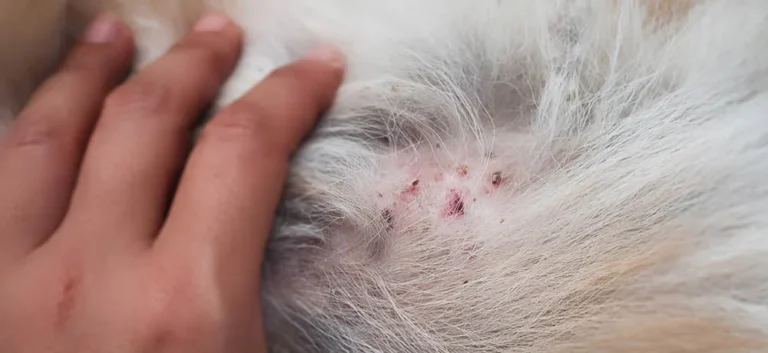
- Red, inflamed skin between the toes or on the belly
- Recurring ear infections (head shaking, odor, scratching at ears)
- Hot spots (raw, moist, painful patches that appear fast)
- Hair loss along the flanks, tail base, or thighs
- Rubbing the face against furniture or carpet
- Frequent anal gland issues or scooting
When Symptoms Point to Something Else
Not every itch is an allergy. Mange (especially sarcoptic), ringworm, bacterial folliculitis, and even hypothyroidism can mimic allergic skin disease. If your dog's itching came on suddenly in an older dog, or if there's patchy hair loss with crusting, ask your vet to rule these out before committing to allergy treatment.
As of 2026, veterinary dermatologists still consider intradermal skin testing the gold standard for identifying environmental allergens.
Breeds More Likely to Struggle
Some breeds carry a stronger genetic load for atopic dermatitis. Golden Retrievers, French Bulldogs, West Highland White Terriers, Boxers, Labrador Retrievers, German Shepherds, Bichon Frises, Shar-Peis, and Cocker Spaniels all show up more often in allergy clinics. If your dog is one of these, a skin issue is more likely allergic than not.
Step 1: Rule Out Fleas First (Even If You Don't See Them)
Flea allergy dermatitis is the easiest allergy to fix and the easiest one to miss. Dogs with FAD react to a single flea bite, and the fleas are usually gone long before you spot one. So if you skip this step, you can spend months treating the wrong thing.
The Modern Flea Control Toolkit
Oral preventatives like NexGard, Bravecto, and Simparica kill fleas within hours and stay effective for one to three months. Topical options like Frontline and Advantage work too but are more sensitive to bathing and swimming. The key is using a product on every pet in the home, not just the itchy one.
Treating one dog in a multi-pet household leaves the cycle running.
Don't Skip the Environment
Vacuum thoroughly. Wash bedding in hot water (above 60°C / 140°F). Flea eggs hide in carpet edges, couch cushions, and baseboards.
If fleas keep reappearing despite good prevention, a home treatment or professional exterminator may be the missing piece.
| Flea Control Type | Examples | How Fast | Lasts |
|---|---|---|---|
| Oral chew | NexGard, Bravecto, Simparica | Hours | 1–3 months |
| Topical spot-on | Frontline, Advantage | Hours to 1 day | 1 month |
| Collar | Seresto | 24–48 hours | 8 months |
If itching drops after two to three months of strict flea control, you've found your culprit. If it doesn't budge, move to Step 2.
Step 2: Get a Proper Veterinary Exam Before Anything Else
Here's the step too many owners skip: the actual vet visit. We get it. It's expensive, and it's tempting to grab an over-the-counter antihistamine and hope for the best.
But allergies aren't a one-drug-fits-all problem, and a proper exam does three things at once.
What the Vet Is Actually Looking For
A vet exam confirms the allergy type, checks for secondary skin infections (bacterial or yeast/Malassezia, which both need separate treatment), and rules out non-allergy causes. Manufacturer specifications for Apoquel and Cytopoint (the two leading prescription anti-itch drugs) require a confirmed veterinary diagnosis before they can be prescribed. Per the FDA Center for Veterinary Medicine approval labels, both drugs are prescription-only for that reason.
What to Expect at the Appointment
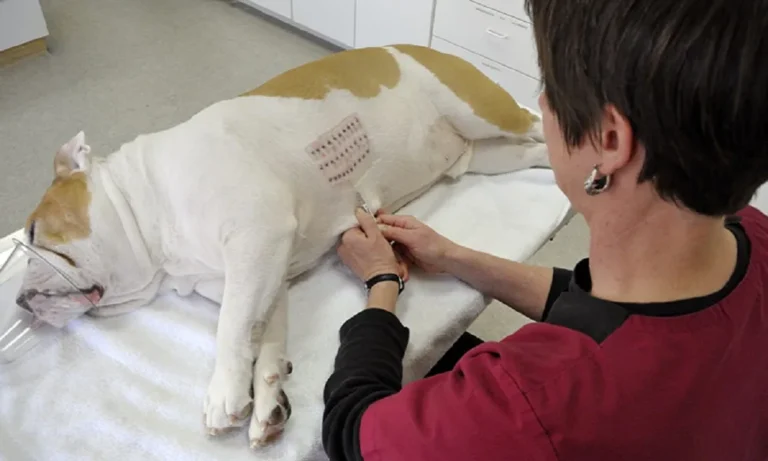
Plan on a full skin scrape and ear cytology. These quick, low-cost tests check for mites and infection. Your vet may also recommend allergy testing, either a serum IgE blood test or intradermal skin testing (the latter usually done by a veterinary dermatologist).
Knowing the exact allergens lets you target treatment instead of guessing, which is the difference between years of flare-ups and a real long-term plan.
Step 3: Try an Elimination Diet If Food Allergy Is on the Table
Food allergy isn't the most common type, but it's the most underdiagnosed. The standard test is simple in theory and brutal in practice: feed a strict elimination diet for 8 to 12 weeks and watch what happens.
Two Main Diet Options
The first option is a hydrolyzed protein diet, where the protein is broken into pieces too small for the immune system to recognize. Royal Canin HP, Hill's z/d, and Purina HA are the leading veterinary brands. The second option is a novel protein diet, using a protein your dog has never eaten (venison, duck, rabbit, kangaroo).
Hydrolyzed is more reliable for serious cases. Novel protein works when you know the dog's full food history.
What Breaks the Trial
Hidden ingredients are the silent killer of elimination diets. Flavored medications, toothpaste, table scraps, treats, and even some chewable heartworm preventatives contain chicken or beef. We tell owners to use unflavored everything during the trial.
No treats. No rawhide. No leftovers.
Just the prescription diet and water for 8 to 12 weeks.
Reading the Results
If itching drops by 50% or more during the trial, food allergy is the likely driver. The next step is a "challenge" phase: add one ingredient back at a time and watch for a flare. This is how you identify the exact trigger.
Per BSAVA dermatology guidelines, this is still the most accurate diagnostic method available as of 2026.
Step 4: Start the Right Anti-Itch Medication for Your Dog
Once your vet confirms the diagnosis and clears any secondary infections, anti-itch medication is usually the next move. The two front-runners are Apoquel (oclacitinib) and Cytopoint (lokivetmab). Both are FDA-approved, prescription-only, and dramatically more effective than older options like steroids for most dogs.
How Apoquel Works
Apoquel is a daily oral tablet that blocks the itch signal at the JAK1 enzyme. Manufacturer specifications confirm an onset of action within 4 hours, making it useful for fast relief. The standard dose is 0.4 to 0.6 mg/kg, twice daily for up to 14 days, then once daily for maintenance.
It's flexible, fast, and widely used.
How Cytopoint Works
Cytopoint is an injection given at the vet's office. It targets interleukin-31, the protein that triggers itch. One shot lasts 4 to 8 weeks depending on the dog.
Onset is slower (24 to 48 hours), but the convenience is huge. No daily pills. No missed doses.
Great for dogs that fight pill time.
Apoquel vs Cytopoint: Which One Fits Your Dog Better
Both drugs work well, but they shine in different situations. Here's how we break it down for owners in our research.
| Factor | Apoquel | Cytopoint |
|---|---|---|
| Form | Daily tablet | Injection at the vet |
| Onset | 4 hours | 24–48 hours |
| Duration | Daily dosing | 4–8 weeks per shot |
| Best for | Dogs that need fast relief or flexible dosing | Dogs that hate pills, owners with busy schedules |
| Cost (monthly, US) | $60–$150 | $50–$200 per shot |
| Common side effects | Mild GI upset | Rare injection site reactions |
When We Lean Apoquel
Apoquel is our go-to during severe flares because it kicks in within hours. It's also a good fit when owners want day-to-day control over the dose (for example, doubling up during a bad pollen week). Apoquel is not labeled for dogs under 12 months, and we use it cautiously in dogs with a history of cancer or chronic infections.
When We Lean Cytopoint
Cytopoint wins for dogs that won't take pills, for multi-dog households where dosing gets chaotic, and for owners who can't give medication reliably every day. It's also a smart pick for senior dogs where daily NSAIDs or steroids would be risky. Cytopoint is not useful for acute allergic reactions (like facial swelling from a bee sting) because it works too slowly.
Antihistamines for Dogs: When They Actually Work (and When They Don't)
Antihistamines are the most Googled dog allergy treatment, and the most overhyped. Aggregate veterinary research shows they help only about 20 to 30% of dogs, mostly those with mild seasonal itching.
The Right Drugs, at the Right Dose
The antihistamines that show up most in veterinary use are diphenhydramine (Benadryl), cetirizine (Zyrtec), and loratadine (Claritin). Dosing is weight-based: diphenhydramine at 1 mg/lb twice daily, cetirizine at roughly 0.5 mg/lb once daily, loratadine at 0.25 mg/lb once daily. Many owners under-dose, which is a big reason antihistamines "don't work."
Critical Safety Notes
Never give dogs human antihistamines containing pseudoephedrine (like Claritin-D) or any product with xylitol. Both are toxic. Plain diphenhydramine is generally safe, but check with your vet first, especially if your dog takes other meds or has liver or kidney issues.
When Antihistamines Make Sense
Use them for mild seasonal itching, or as a backup when Apoquel dosing needs to be spaced out. Don't use them as a replacement for prescription anti-itch drugs in a dog with skin infections or hair loss. If antihistamines alone aren't cutting it after two weeks, it's time to escalate.
Supporting Skin Health with Omega-3s, Shampoos, and Paw Care
Medication tackles the itch signal. Skin care rebuilds the barrier that keeps allergens out. Both work better together than either does alone.
Omega-3 Fatty Acids: The Long Game
Omega-3s (EPA and DHA from fish oil) reduce skin inflammation at the cellular level. The therapeutic dose in our research sits around 50 to 75 mg/kg daily. Effects take 4 to 8 weeks to build, but they reduce the overall drug dose most dogs need.
Choose a pet-specific fish oil to avoid heavy metals, and always check with your vet if your dog is on a blood thinner.
Bathing and Shampoo Protocols
Cool baths give immediate itch relief. Medicated shampoos (chlorhexidine for bacteria, miconazole for yeast) clear secondary infections. Oatmeal shampoos soothe without drugs.
The key is contact time: let the lather sit for 10 to 15 minutes before rinsing. Bathing once or twice a week during flares is the sweet spot. More than that dries the skin barrier out.
Paw and Coat Care Basics
Wipe your dog's paws with a damp cloth after every walk. This physically removes pollen and outdoor allergens before they get absorbed. Washable dog bedies weekly in hot water.
Vacuum with a HEPA filter if you can. Small habits, big difference over a season.
Allergen-Specific Immunotherapy (Allergy Shots) for Long-Term Relief
Allergy shots are the only treatment that addresses the root cause of environmental allergies, not just the symptoms. They work by retraining the immune system to ignore specific allergens.
How the Process Works
First, intradermal skin testing or serum IgE testing identifies the exact allergens (usually 8 to 12 of them). A custom serum is mixed for your dog. You give small injections at home, starting frequently and tapering to monthly.
Per ACVD protocols, full response takes 6 to 12 months, but the long-term payoff is real.
What Success Looks Like
Aggregate studies report improvement in 60 to 80% of treated dogs. Many drop their Apoquel or Cytopoint dose substantially. A smaller group goes into full remission.
Allergy shots aren't a quick fix, but they're the closest thing to a cure we have for environmental allergies.
Safe At-Home and Natural Remedies That Won't Hurt Your Dog
Not every home remedy works, and some are dangerous. Here's what our research shows is genuinely useful, and what to skip.
Worth Trying
Cool water soaks on hot spots offer fast, drug-free relief. Coconut oil applied topically is mildly antimicrobial and soothes dry skin (limit to small areas, since dogs may lick it off). Diluted apple cider vinegar rinses (50/50 with water) help itchy paws for some dogs.
HEPA air filters reduce indoor allergen load noticeably.
What to Avoid
Tea tree oil, citrus oils, peppermint oil, and undiluted essential oils are toxic to dogs, even in small amounts. Never apply over-the-counter hydrocortisone cream without vet guidance, since dogs lick it off. Skip oatmeal baths if your dog has a yeast infection, as oatmeal can feed yeast.
Mistakes Dog Owners Make That Make Allergies Worse
The wrong move can keep a dog stuck in a flare cycle. These are the mistakes we see most.
Treating Without Diagnosing
Grabbing Benadryl or Apoquel online without a vet exam is the single biggest mistake. The dog might have mange, ringworm, or a thyroid problem that mimics allergies. Wrong treatment wastes months and lets the real disease progress.
Stopping Medication Too Early
Apoquel or Cytopoint isn't a cure. Stopping because the dog "looks better" usually triggers a flare within weeks. These drugs are designed for long-term use in most allergic dogs.
Half-Done Flea Control
Treating only the itchy dog leaves the flea cycle running. Every pet in the home needs prevention, or fleas will jump back on the allergic dog and restart the reaction.
Over-Bathing
Too-frequent baths strip the skin barrier. Once or twice a week during flares is plenty. Bathing daily dries the skin and can make itching worse.
Dangerous Medications and Products to Never Give a Scratching Dog
Some human products are outright toxic to dogs. Keep these off the menu.
- Human antihistamines with pseudoephedrine (Claritin-D, Zyrtec-D): causes heart rate spikes, seizures
- Any product with xylitol: liver failure, even in tiny amounts
- Ibuprofen, naproxen, acetaminophen: kidney and liver damage
- Topical steroid creams (like hydrocortisone 1%): dogs lick them, causing GI ulcers
- Tea tree oil (even diluted): tremors, weakness, liver issues in dogs
When in doubt, call your vet or the ASPCA Animal Poison Control Center (888-426-4435) before giving anything new.
What Dog Allergies Typically Cost Month to Month
Costs vary by dog size, region, and severity, but here's a realistic monthly range.
| Item | Estimated Monthly Cost (US) |
|---|---|
| Apoquel | $60–$150 |
| Cytopoint (every 4–8 weeks) | $25–$50 amortized |
| Prescription diet | $60–$120 |
| Flea prevention | $15–$45 |
| Fish oil + shampoo | $20–$40 |
| Vet rechecks (quarterly) | $30–$60 |
Plan on $150 to $400 monthly for moderate cases. Severe dogs with immunotherapy plus medications can run higher.
When to See a Veterinary Dermatologist (Not Just Your Regular Vet)
Refer out if your dog has failed two treatment trials, has chronic ear infections, or has skin disease covering more than half the body. Board-certified veterinary dermatologists (find one via the ACVD directory) have access to intradermal skin testing, advanced allergy workups, and drugs your regular vet may not stock.
Best Dog Breeds for Allergy Sufferers, and the Worst-Affected Breeds
Low-allergy breeds aren't truly hypoallergenic (that's a myth). Some simply shed less dander. Poodles, Bichon Frises, Portuguese Water Dogs, and Schnauzers are common picks.
Breeds most affected include Golden Retrievers, French Bulldogs, Westies, Boxers, Shar-Peis, and Cocker Spaniels.
Sample Weekly Routine for an Allergic Dog
A typical week: Apoquel daily, fish oil at breakfast, foot wipes after each walk, one medicated bath midweek, one oatmeal bath on the weekend, daily omega-3, and HEPA vacuuming twice a week. Adjust based on your vet's plan.
Your Decision Guide: Putting It All Together for Your Dog
Start with flea control and a vet exam. Confirm the allergy type. Pick Apoquel or Cytopoint for fast relief.
Add omega-3s, baths, and paw wipes. Consider allergy shots for long-term control. Avoid human meds and over-bathing.
Stick with the plan for at least 8 weeks before judging results. That's the path that actually works.
Frequently Asked Questions
How long does it take for Apoquel to work in dogs?
Apoquel starts reducing itch within 4 hours of the first dose, with full effect by day 2. Most dogs show visible improvement within the first week.
Can I give my dog Benadryl for allergies?
Plain diphenhydramine (Benadryl) is generally safe at 1 mg/lb, but it only helps about 20 to 30% of dogs. Avoid any product with pseudoephedrine or xylitol.
What is the best food for dogs with allergies?
Hydrolyzed protein diets (Hill's z/d, Royal Canin HP, Purina HA) are the gold standard for diagnosing and managing food allergies in dogs.
How much does Cytopoint cost per shot?
Cytopoint typically costs $50 to $200 per injection in the US, depending on dog size and region. Each shot lasts 4 to 8 weeks.
Are dog allergy shots worth it?
Allergy shots improve symptoms in 60 to 80% of dogs and are the only treatment that targets the root cause. They take 6 to 12 months to fully kick in.
What can I put on my dog's paws to stop itching?
Wipe paws with a damp cloth after walks. For active irritation, a 50/50 diluted apple cider vinegar rinse can help. Avoid essential oils and over-the-counter steroid creams.
When should I see a vet for my dog's itching?
See a vet if itching lasts more than a few days, if there's hair loss or skin damage, or if your dog develops ear infections, hot spots, or a foul smell from the skin.