How to treat grass allergy in dogs
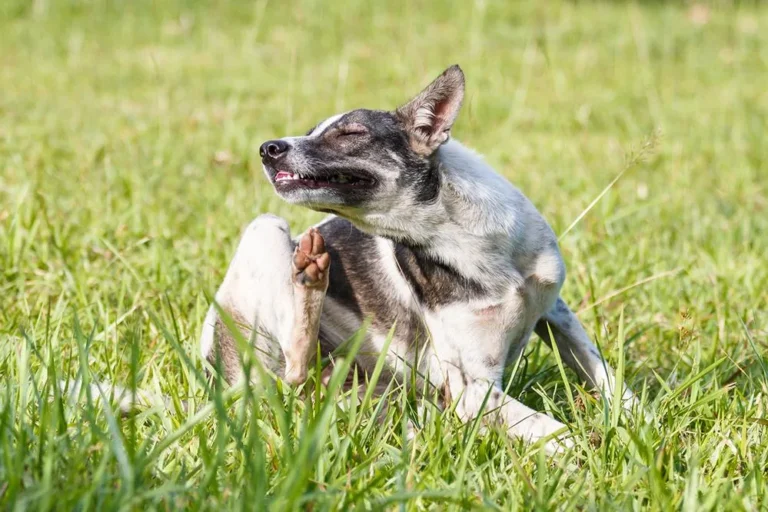
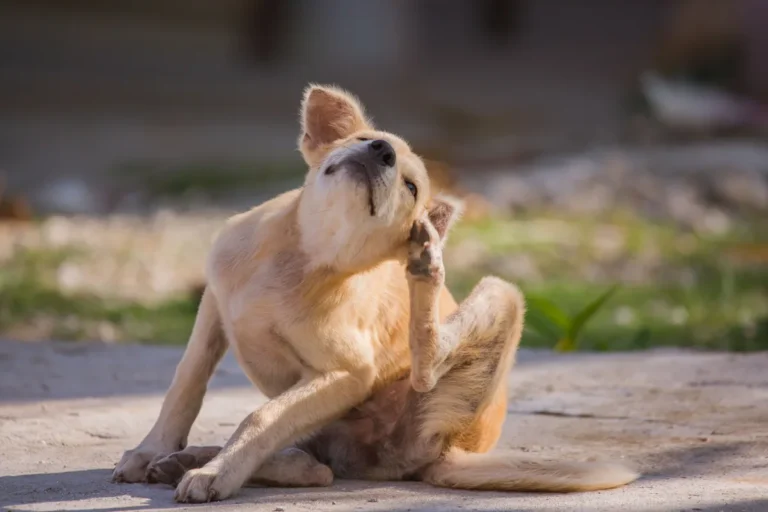
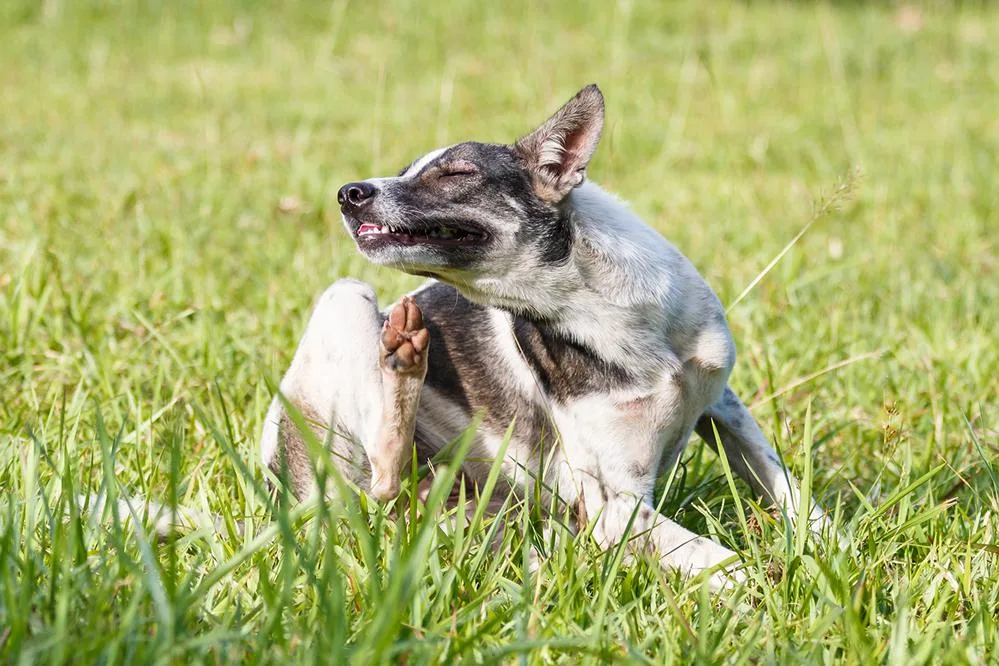
If your dog comes inside from the yard and won't stop scratching, chewing their paws, or rubbing their face on the carpet, grass allergy is probably the first thing on your mind. Treating it well isn't about grabbing one pill and hoping it works. It's about reducing pollen exposure, calming the itch fast, and stopping the cycle before it spirals into skin infections that need antibiotics.
Real treatment usually combines three things: removing pollen from the skin, blocking the itch with the right medication, and building long-term immunity through allergen-specific immunotherapy. Canine atopic dermatitis affects roughly 10, 15% of dogs, and grass pollen is one of the top triggers, so a clear plan beats guesswork every time.
Quick Answer
Treating grass allergy in dogs takes a layered approach. Wipe or rinse your dog after every outdoor trip, bathe them two to three times a week during peak pollen season, and use a vet-prescribed anti-itch medication like Apoquel or Cytopoint. For lasting relief, ask your vet about allergen-specific immunotherapy, which targets grass pollen directly.
Why Grass Allergies in Dogs Need a Real Plan (Not Just Benadryl)
Here's the thing most dog owners don't realize: grass allergy in dogs is rarely "fixed" with a single pill. The pollen hits the skin, the immune system overreacts, the dog scratches, the skin barrier breaks down, and bacteria or yeast move in. Now you've got an itch problem AND an infection problem, and they need different treatments.
That's why a real plan matters. The American College of Veterinary Dermatology treats canine atopic dermatitis as a chronic disease, not a one-off nuisance. It flares seasonally (often March through October, depending on where you live), it gets worse every year if unmanaged, and it shows up differently in every dog.
Some dogs get red, raw bellies. Others get chronic ear infections. Some lick their paws until they're stained brown.
If you only treat the itch and ignore the underlying inflammation and skin barrier, you'll be back at the vet every season with a worse bill.
A solid plan covers four bases:
- Reducing how much pollen actually touches the skin.
- Breaking the itch cycle before the dog damages themselves.
- Treating secondary infections (yeast and bacterial) that ride in on the broken skin.
- Building long-term tolerance through immunotherapy or daily medication.
What Grass Allergy Actually Looks Like in Dogs
Grass allergy symptoms can look like a dozen other things, which is why misdiagnosis is common. Here's what to actually watch for.
Body clues:
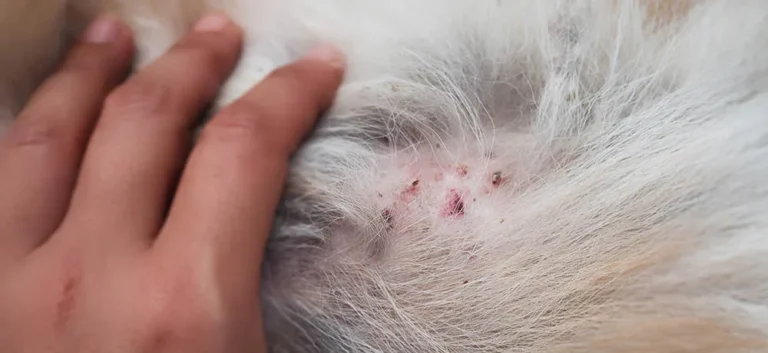
- Redness or rash on the belly, groin, armpits, and between the toes.
- Hair loss on the flanks or legs from chronic licking.
- Brown saliva staining on the paws (from constant licking).
- Recurring ear infections, often with a yeasty smell.
Behavior clues:
- Scratching that doesn't stop after coming indoors.
- Face rubbing on carpets, furniture, or the ground.
- Paw chewing, especially at night.
- Scooting or sudden skin sensitivity when touched.
The breeds most affected include Golden Retrievers, Labrador Retrievers, French Bulldogs, West Highland White Terriers, Boxers, German Shepherds, and Shar-Peis. But any dog, mixed breed included, can develop grass allergy, and symptoms usually appear between 6 months and 3 years of age.
If your dog has year-round symptoms, the picture is more complicated. They may have a food allergy or a dust mite sensitivity on top of the grass issue. A vet can run panels to sort it out.
| Symptom | Likely Allergy Sign | Could Be Something Else |
|---|---|---|
| Seasonal scratching (spring/summer) | Grass or tree pollen | Flea allergy |
| Year-round paw licking | Food allergy or dust mites | Anxiety or arthritis |
| Recurring ear infections | Environmental allergy | Ear mites or chronic otitis |
| Red rash on belly only | Contact allergy (grass) | Bacterial infection |
| Hair loss in patches | Self-trauma | Demodectic mange |
How Vets Diagnose Grass Allergy (And Why It Matters)
Guessing wastes time and money. A proper diagnosis saves both.
The first thing your vet will do is rule out the obvious mimics. Flea allergy dermatitis looks almost identical to grass allergy but needs different treatment. They'll do a flea comb check, a skin scrape to rule out mites, and often a skin cytology to check for yeast or bacteria already colonizing the damaged skin.
If those come back clear or show only allergy-related inflammation, your vet will likely suggest allergy testing. There are two main options:
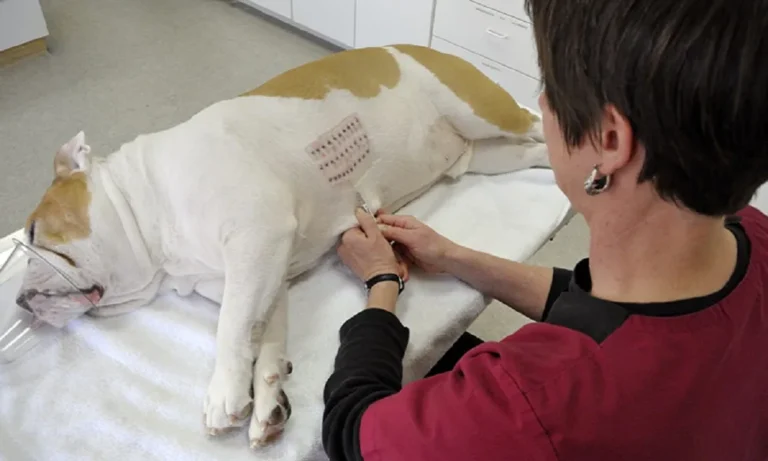
Intradermal skin testing (the gold standard): A veterinary dermatologist injects small amounts of allergens under the skin and watches for reactions. It's accurate but requires sedation and a specialist visit.
Serum allergy testing (blood panel): Your regular vet can draw blood and send it to a lab. Less invasive, but slightly less precise for environmental allergens.
The point of testing isn't academic. Knowing exactly which grasses (Bermuda, Timothy, ryegrass, fescue) trigger your dog lets you build targeted immunotherapy. Instead of guessing what to avoid, you treat the actual cause.
According to UC Davis Veterinary Medicine's dermatology service, intradermal testing remains the most reliable method for identifying environmental allergens in dogs.
Apoquel vs. Cytopoint vs. Antihistamines vs. Steroids
This is the decision most owners face after diagnosis. Each option works differently, and the right pick depends on severity, budget, and how often your dog needs relief.
Apoquel (oclacitinib)
A daily or twice-daily tablet that blocks the itch signal at the source. Works within 4 hours for most dogs, making it ideal for fast flare-ups. Apoquel is approved for dogs over 12 months old and can be used long-term, though some vets recommend periodic bloodwork to monitor for immune suppression.
Per Zoetis prescribing information, Apoquel controls itch in most dogs within the first day of treatment.
Cytopoint (lokivetmab)
An injection given by your vet every 4 to 8 weeks. Cytopoint is a monoclonal antibody that neutralizes a specific itch-triggering protein (interleukin-31). No daily pills to forget, no liver monitoring, and it's safe for most ages and conditions.
The trade-off: cost. Each shot runs $150 to $300 depending on your dog's weight.
Antihistamines (diphenhydramine, cetirizine, loratadine)
Over-the-counter and cheap. But here's the honest truth: research shows antihistamines alone control itch in only about 10 to 15% of allergic dogs. They're most useful as a supporting player, paired with other treatments, not as the main defense.
Steroids (prednisone, prednisolone)
Powerful, fast, and cheap. Steroids can stop even severe allergic reactions within 24 hours. But long-term use brings real risks: increased thirst, weight gain, panting, and over time, potential liver and adrenal effects.
Most vets now reserve steroids for short-term crisis relief, not chronic management.
| Option | Onset | Frequency | Best For | Watch Out For |
|---|---|---|---|---|
| Apoquel | 4 hours | Daily tablet | Fast, flexible relief | Cost, rare immune effects |
| Cytopoint | 24–48 hours | Every 4–8 weeks | Owners who forget pills | Injection cost |
| Antihistamines | Days to weeks | Daily | Mild cases, add-on support | Often not enough alone |
| Steroids | Hours | Short course | Severe flares only | Long-term side effects |
Quick rule of thumb: If your dog needs itch relief more than once a season and you've ruled out infections, Cytopoint or Apoquel usually beats antihistamines. Save steroids for emergencies under vet supervision.
Treatment Breakdown by Symptom Severity
Not every dog with grass allergy needs the same firepower. Matching the treatment to the severity saves money and avoids over-medicating.
Mild Itch, No Infections
You'll see light scratching, maybe some belly pinkness, but no broken skin. Wipe your dog down after every walk with a damp microfiber cloth or hypoallergenic wipe. Bathe twice a week with an oatmeal-based shampoo.
Add omega-3 fatty acids to the diet (look for EPA and DHA on the label, around 50 mg per pound of body weight daily). This level often stays manageable without prescription drugs.
Moderate Itch With Paw Licking and Ear Inflammation
Now you're seeing constant paw chewing, red ears, and scratching that interrupts sleep. This is where Apoquel or Cytopoint earns its place. Antihistamines won't cut it alone.
You also need prescription ear medication if the ears are involved. Most moderate cases resolve with one Cytopoint injection and consistent wiping routines.
Severe, Year-Round or Secondary Infection Cases
Red, oozing skin, hot spots, foul ear odor, hair loss in patches. This is a vet visit, not a home fix. You'll likely need oral steroids for a short course (under two weeks), antibiotics or antifungals for the infection, and a long-term plan that combines Cytopoint or Apoquel with immunotherapy.
Severe cases don't respond to surface-level care.
Step-by-Step Treatment Plan for Grass Allergy in Dogs
Here's a practical sequence that walks you from first signs to long-term control.
Step 1: Reduce Pollen Exposure at Home
Keep grass cut short. Short grass releases less pollen. Rinse your dog's paws and belly with plain water (or a gentle paw rinse cup) before they come inside.
Wipe them down even if they don't go far into the yard. Pollen sticks to fur, then gets on your couch, your bed, and your dog sleeps in it all night.
Step 2: Clean the Skin and Coat Properly
Bathe twice a week during peak season with an oatmeal or chlorhexidine shampoo. Let the lather sit for 5 to 10 minutes before rinsing. Skipping the contact time cuts effectiveness in half.
For dogs who hate full baths, a rinse-and-go with a leave-in conditioner works between full washes.
Step 3: Stop the Itch Cycle
Start Apoquel or Cytopoint as prescribed. Don't wait for a "really bad day." Treating early prevents the scratch-trauma-infection cycle from kicking off. If your dog is on Apoquel, give it at the same time every day for steady blood levels.
Step 4: Address Secondary Infections
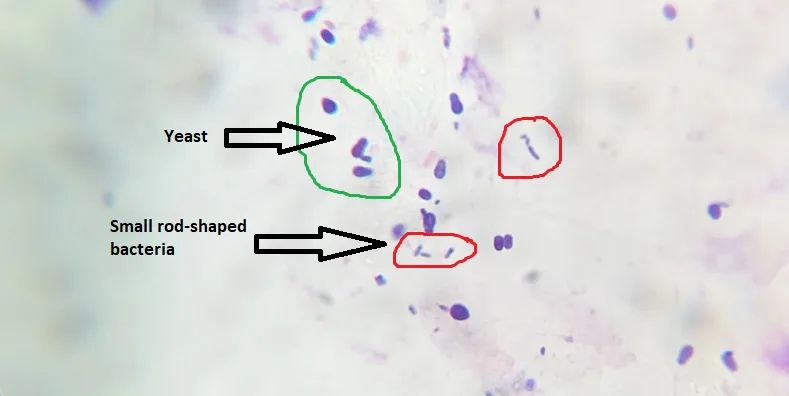
Dogs with grass allergy almost always develop bacterial or yeast overgrowth on damaged skin. Your vet should run skin cytology (a quick tape or scrape test) to check for Malassezia yeast or Staph bacteria. Treating these is non-negotiable.
Antihistamines alone won't work while an infection is raging underneath.
Step 5: Start Long-Term Management (Immunotherapy or Daily Meds)
If symptoms return every season, ask your vet about allergen-specific immunotherapy (ASIT). Custom shots or oral drops are formulated based on your dog's test results. Most dogs show meaningful improvement within 4 to 6 months, and roughly 70 to 80% respond well over the first year.
Immunotherapy is the only treatment that actually retrains the immune system.
Step 6: Support the Skin Barrier From the Inside Out
Add a high-quality omega-3 fish oil supplement. Consider a topical skin barrier spray or mousse between baths. Skin barrier dysfunction is what allows pollen to trigger reactions in the first place.
Stronger barrier, less reaction.
Prescription Options Explained (Apoquel, Cytopoint, Atopica, Steroids)
Apoquel (oclacitinib)
A janus kinase inhibitor that blocks itch at the cellular level. Starts working within 4 hours. Can be used short-term for flares or year-round for chronic cases.
Approved for dogs 12 months and older. Manufacturer specs confirm daily dosing is safe for at least several years of continuous use.
Cytopoint (lokivetmab)
A monoclonal antibody injection targeting interleukin-31, the specific protein that drives allergic itch. Effects last 4 to 8 weeks. Safe for most dogs including seniors and those with other health conditions.
No daily pill required, which is a relief for owners with dogs who refuse tablets.
Atopica (cyclosporine)
An immunosuppressant that calms the overactive immune response. Used less often today because Apoquel and Cytopoint work faster with fewer side effects. Still useful for dogs who can't tolerate the newer drugs.
Requires periodic bloodwork to monitor kidney function.
Steroids (prednisone, prednisolone)
The original heavy hitter. Cheap, fast, and effective. Best reserved for short-term crisis use (under 14 days) or for severe flares when other options aren't enough.
Long-term steroid use carries real risks: muscle loss, diabetes, and immune suppression.
OTC and Natural Options That Actually Help (And Ones That Don't)
What Helps
- Oatmeal baths for surface itch relief.
- Omega-3 fish oil for skin barrier support.
- Frequent paw wiping to physically remove pollen.
- HEPA air purifiers indoors to reduce airborne pollen counts.
- Aloe vera sprays (only if labeled pet-safe, no alcohol).
What Doesn't
- Benadryl as a standalone fix. Most allergic dogs don't respond to it strongly enough.
- Essential oils. Many are toxic to dogs, especially tea tree and lavender in concentrated form.
- Apple cider vinegar rinses on broken skin. It stings and damages tissue.
- Coconut oil applied topically. It traps pollen against the skin and can worsen yeast infections.
Mistakes Dog Owners Make With Grass Allergy
- Stopping medication the moment symptoms fade. Allergies are chronic. Stopping early guarantees a rebound.
- Bathing too often with harsh shampoo. Twice a week is plenty. More than that strips natural oils.
- Skipping the flea preventive. Flea allergy often rides alongside grass allergy. Missing this layer keeps your dog itching no matter what else you do.
- Treating only the itch and ignoring the ears. Chronic ear infections are a hallmark of environmental allergy in dogs.
- Assuming food allergy first. Grass allergy is far more common in adult dogs with seasonal symptoms.
- Using human allergy meds without vet guidance. Some contain pseudoephedrine or xylitol, both toxic to dogs.
Cost Breakdown: What Grass Allergy Treatment Really Runs
Monthly costs depend on your dog's size and what you're stacking in the plan. Here's a realistic range as of 2026.
| Treatment | Monthly Cost (Medium Dog) | Notes |
|---|---|---|
| Apoquel | $90 to $150 | Dose based on weight |
| Cytopoint injection | $150 to $300 | Every 4 to 8 weeks |
| Allergen-specific immunotherapy | $30 to $100 | After $200 to $500 initial panel |
| OTC antihistamines | $10 to $20 | Rarely enough alone |
| Prescription ear medication | $25 to $60 | Per course |
| Medicated shampoo | $15 to $30 | Lasts 1 to 2 months |
| Omega-3 supplement | $15 to $40 | Ongoing |
A full management plan with Cytopoint plus immunotherapy averages $250 to $400 per month after the first year. It sounds steep, but untreated allergies lead to repeated vet visits, antibiotics, and steroid courses that add up faster.
Seasonal Timing and Regional Pollen Calendar
Grass pollen season varies heavily by location. In the southern U.S., Bermuda grass kicks off as early as March and runs through October. Northern climates see shorter bursts from late May through July.
Coastal humid regions stretch the season further because mold rides alongside pollen.
Track your local pollen counts. Apps and weather services post daily levels. On high-count days (usually warm, dry, and windy), keep walks short, wipe your dog immediately after, and skip the dog park.
Early morning and post-rainfall outings carry lower pollen loads.
If your dog's symptoms show up the same month every year, that's your seasonal window. Start preventive medication two to three weeks before symptoms typically begin. Treating early beats chasing an active flare.
When to See a Veterinary Dermatologist Instead of Your Regular Vet
Your regular vet handles most allergy cases well. But see a board-certified veterinary dermatologist if:
- Your dog has failed two or more treatment attempts.
- Symptoms are year-round, not just seasonal.
- Skin infections keep coming back despite antibiotics.
- You want intradermal skin testing for immunotherapy.
- The dog is on steroids more than twice a year.
Dermatologists have access to specialized testing, custom immunotherapy formulations, and newer biologics. The American College of Veterinary Dermatology (acvd.org) maintains a directory of board-certified specialists by state.
Safety and Medication Warnings You Shouldn't Skip
Never give your dog OTC antihistamines without vet approval. Some formulations contain pseudoephedrine or xylitol, both toxic. Stick to plain diphenhydramine, cetirizine, or loratadine, and only at doses your vet confirms.
Apoquel can suppress the immune system. Avoid it in dogs with active serious infections or cancer history. Cytopoint is generally safer for dogs with other conditions because it's so targeted.
Steroids and vaccines need spacing. Live vaccines shouldn't be given while a dog is on high-dose steroids. Talk to your vet about timing.
Watch for emergency signs. Facial swelling, hives, vomiting, or breathing trouble after a new medication means stop the drug and call your vet immediately. True anaphylaxis in dogs is rare but possible.
Frequently Asked Questions
How long does grass allergy treatment take to work?
Most dogs show relief within 24 to 48 hours of starting Apoquel or Cytopoint. Immunotherapy takes longer, usually 4 to 6 months before meaningful improvement kicks in.
Can grass allergy in dogs go away on its own?
No. Canine atopic dermatitis is a chronic condition. Without treatment, it typically worsens each year and spreads to new allergens over time.
Is Benadryl safe for dogs with grass allergies?
Plain diphenhydramine is generally safe at 1 mg per pound of body weight, twice daily. But it works for only a small percentage of allergic dogs. Ask your vet before starting.
What time of year is grass pollen worst for dogs?
Late spring through early summer is peak in most U.S. regions. Bermuda grass extends the season in the South, while northern climates see a tighter May to July window.
Should I bathe my dog more often during allergy season?
Yes. Twice-weekly baths with an oatmeal or chlorhexidine shampoo remove pollen and soothe the skin. Make sure the lather sits for at least 5 minutes before rinsing.
Can diet changes help grass allergies?
Not directly. Grass allergy is environmental, not food-based. But a high-quality omega-3-rich diet supports the skin barrier and reduces overall reactivity over time.
The Verdict: Building a Treatment Plan That Lasts
Treating grass allergy in dogs works best as a layered, year-round system. Wipe your dog after outdoor time, bathe twice weekly during peak season, and keep fleas under control even if you don't see them. Add Apoquel or Cytopoint to break the itch cycle, and run skin cytology to rule out secondary infections before assuming the itch is "just allergies."
For lasting relief, push for allergy testing. Immunotherapy targets the actual grass pollens your dog reacts to, and most dogs see real improvement within the first year. Track pollen seasons in your area and start preventive treatment two to three weeks before symptoms usually appear.
The dogs who do best are the ones whose owners stopped chasing quick fixes and built a consistent routine. Do that, and grass allergy becomes a manageable condition instead of a yearly crisis.