How much does an allergy test cost for a dog: Rasy guide
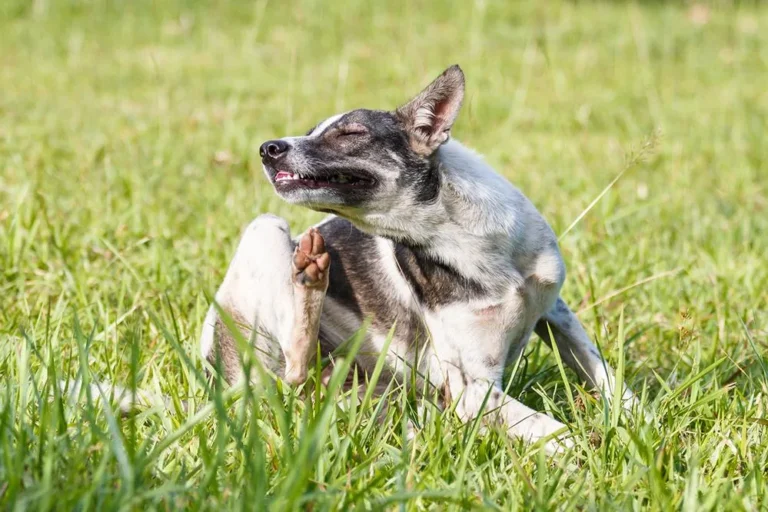
If your dog won't stop scratching, you're probably wondering how much an allergy test costs and whether it's even worth the trip to the vet. The honest answer: most dog owners pay somewhere between $150 and $400 for a single allergy test, and the total bill can climb past $700 once you add the consultation, sedation, and follow-up. As of 2026, prices have nudged upward, especially in major metro areas where boarded veterinary dermatologists are scarce.
The price swings so much because the test itself is only one line item. You'll also pay for the exam, any sedation, lab fees, and often a recheck. Below we'll break down each test type, what drives the price, and the questions to ask before you book.
Quick Answer
A dog allergy test usually costs $150 to $400.
Intradermal skin testing runs $200 to $400.
Serum IgE blood testing runs $150 to $350.
The full workup with a dermatologist can hit $700 to $1,000.
Pet insurance may cover part of it if your plan includes diagnostics.
Why Dog Allergy Testing Costs Vary So Much
Allergy pricing isn't standardized the way a vaccine or a dental cleaning is. The same dog could get tested for $200 at one clinic and $800 at another. The reason comes down to three things: who performs the test, what gets tested, and where you live.
A general practice vet can draw blood and send it to a commercial lab for a serum IgE panel. That's the simpler, cheaper route. A board-certified veterinary dermatologist (a DACVD) does a hands-on intradermal skin test in a referral hospital, with sedation, shaving, and a much larger allergen panel.
Both are valid, but they serve different needs.
Geographic pricing plays a role too. Clinics in high-cost metros like New York, San Francisco, or Boston run 30 to 60 percent higher than rural or mid-size city clinics. If you're near a vet school, you may also find teaching hospital rates that undercut private specialty hospitals.
The other variable is what you're actually testing for. A 40-allergen regional panel is cheaper than an 80-allergen extended panel. Food allergy panels are notoriously unreliable as standalone tests, so most dermatologists recommend an elimination diet trial instead, which shifts the cost into food rather than lab work.
The Three Main Types of Allergy Tests for Dogs
Before you compare prices, it helps to know what you're actually paying for. There are three real categories of canine allergy testing, plus a few that don't belong in the conversation.
Intradermal Skin Testing (IDT)
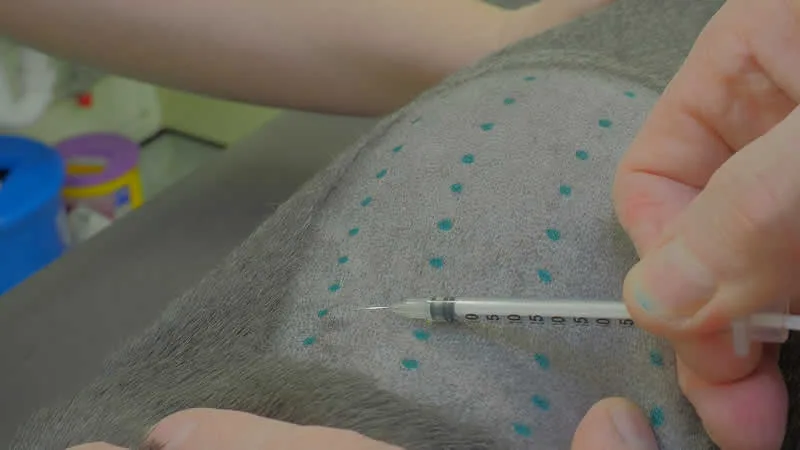
This is the gold standard for environmental allergies. The vet injects small amounts of allergens just under the dog's skin, usually on a shaved patch on the side or abdomen, and reads the reactions 15 to 20 minutes later. A positive reaction shows up as a raised, itchy wheal.
It's fast, visual, and doesn't require an outside lab.
The catch: your dog needs to be off antihistamines for about 10 to 14 days and off oral steroids for 4 to 8 weeks for the test to read accurately. Most dogs also need mild sedation to sit still for the injections. Sedation alone can add $50 to $150 to the bill.
Serum IgE Blood Testing
This is the blood draw alternative. A vet pulls a sample and ships it to a lab (Heska, IDEXX, or a similar validated provider). The lab measures IgE antibody levels against a panel of regional allergens.
It's less invasive, no sedation required, and your dog doesn't have to skip meds for as long.
The downside: serum tests can produce more false positives than intradermal testing, especially for food allergens. They're a great option when skin testing isn't practical, like for dogs that can't be safely sedated, or for owners in areas without a dermatologist nearby.
Food Elimination Diet Trial
Technically not a "test" you buy at a vet, but it's the only reliable way to diagnose food allergies in dogs. Your vet puts your dog on a novel protein or hydrolyzed diet for 8 to 12 weeks and watches for symptom improvement. You then reintroduce old foods one at a time to identify triggers.
This method costs whatever the prescription diet costs. Expect $50 to $300 depending on brand, dog size, and trial length. It's slower, but it works where blood food panels often mislead.
What to Skip
Hair and saliva-based allergy tests sold directly to pet owners are not supported by the AVMA or the American College of Veterinary Dermatology. They consistently produce inconsistent, unreliable results and aren't worth the $80 to $150 they typically charge.
Intradermal Skin Testing: Price and What Affects It
Intradermal skin testing runs $200 to $400 for the procedure itself in most U.S. markets. But that's the bare number. Here's what actually moves the total:
| Cost Component | Typical Range |
|---|---|
| Specialist consultation | $150 to $300 |
| Sedation and clipping | $50 to $150 |
| Intradermal test procedure | $200 to $400 |
| Allergen panel (size and region) | Often bundled |
| Recheck or follow-up visit | $75 to $200 |
In a private dermatology practice, a full intradermal workup often lands between $500 and $900. At a university teaching hospital, the same workup can run $300 to $600 because teaching settings typically charge less than private specialty hospitals.
What drives the price upward:
- Panel size. A standard 40-allergen panel costs less than an 80-allergen panel. More allergens means more injections and more reading time.
- Regional allergens. If you live in a high-pollen area, your vet may include more grass, tree, or mold species, which expands the panel.
- Sedation needs. Brachycephalic breeds, anxious dogs, or dogs with cardiac concerns need extra monitoring, which adds to the sedation line item.
- Add-on cytology. Most dermatologists do skin cytology (looking at cells under a microscope) at the first visit to rule out infection. That alone can add $40 to $90.
What's worth noting: intradermal testing isn't just diagnostic. It's the gateway to allergen-specific immunotherapy, the custom allergy shots or sublingual drops that actually retrain the immune system. If immunotherapy is in your plan, the test pays for itself over time.
Serum IgE Blood Testing: Price and What Affects It
A serum IgE blood test typically costs $150 to $350, and the full visit (exam plus blood draw) usually lands between $200 and $500. This is the route most general practice vets offer, and it's a solid choice when intradermal testing isn't practical.
What affects the price:
- Lab chosen. Larger national labs (IDEXX, Antech, Heska) tend to bundle more allergens at a fixed price. Niche labs may charge per allergen.
- Panel scope. A basic environmental panel (trees, grasses, weeds, molds, dust mites) costs less than a panel that includes fleas, foods, and indoor allergens.
- Turnaround time. Most labs return results in 5 to 10 business days. Rush service is rarely available and rarely worth it.
What you give up: serum testing has a higher false-positive rate than intradermal testing, especially for cross-reactive allergens. A positive result doesn't always mean your dog is clinically allergic to that thing. That's why most dermatologists use serum results as a starting point, then confirm with intradermal testing before starting immunotherapy.
What you gain: no sedation, no drug withdrawal, and you can run the test through your regular vet without a referral. For many dogs, that's a perfectly reasonable trade-off, especially if your goal is environmental management (bathing, wipes, HEPA filters) rather than allergy shots.
Food Allergy Tests vs. Elimination Diet Trials: Real Costs
Blood panels marketed as "food allergy tests" usually cost $150 to $300, but most veterinary dermatologists don't trust them. Peer-reviewed literature consistently shows that serum IgE food panels miss true food allergies and flag ingredients that aren't actually causing problems.
An elimination diet trial is the gold standard for diagnosing food allergies in dogs. It costs less per test but more over the full 8 to 12 weeks. Here's how the two compare:
| Method | Typical Cost | Reliability | Time to Answer |
|---|---|---|---|
| Serum IgE food panel | $150 to $300 | Low to moderate | 1 to 2 weeks |
| Elimination diet trial | $50 to $300 in food | High | 8 to 12 weeks |
A hydrolyzed protein diet (like Royal Canin HP or Purina HA) runs about $60 to $120 per month for a mid-size dog. A novel protein rotation can cost less if you cook at home, but you'll need vet guidance to avoid hidden ingredients in commercial "limited ingredient" foods.
When the food panel is worth it
It can serve as a starting point for guiding the elimination trial, narrowing down candidates, or ruling out food as a factor when symptoms strongly point to environmental triggers. Just don't treat it as a final answer.
What a Veterinary Dermatologist Charges vs. Your Regular Vet
The same dog, same symptoms, two very different bills. Here's how the visit structure typically breaks down:
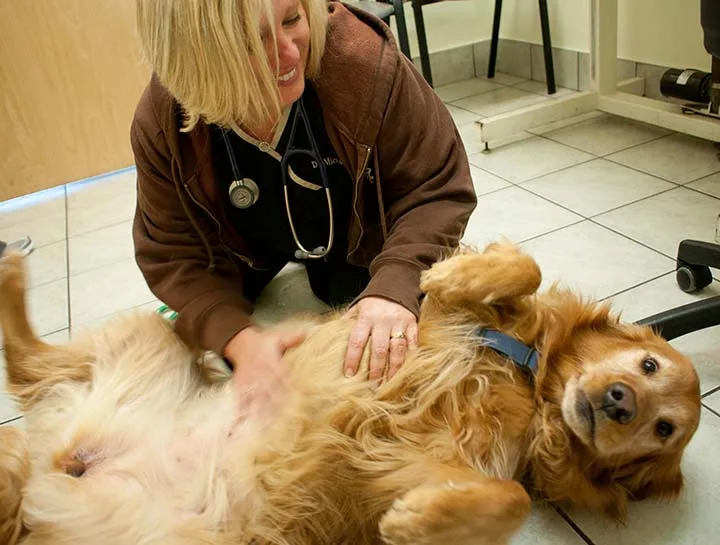
A general practice vet visit for allergy concerns usually runs $75 to $200 for the exam, plus $150 to $350 for serum IgE blood work. Total: $225 to $550, often with no sedation required and minimal drug withdrawal.
A board-certified veterinary dermatologist (DACVD) starts with a $200 to $350 consultation, often longer and more detailed than a GP visit. Add intradermal testing, sedation, and panel fees, and you're looking at $500 to $1,000 before any treatment plan.
When to skip the specialist
If your dog has mild seasonal symptoms that respond to a short course of Apoquel or Cytopoint, your GP can usually handle it. Blood testing through your regular vet is a reasonable starting point.
When to book the dermatologist
If your dog has year-round symptoms, multiple ear infections, poor response to standard medication, or you're considering immunotherapy, the specialist pays for themselves. They see complex allergy cases daily and avoid the trial-and-error pattern that drives up GP costs over months.
How to find one
The American College of Veterinary Dermatology directory lists board-certified specialists by state. Wait times for new patient appointments often run 4 to 8 weeks in busy metros, so book early.
Hidden Fees That Push the Total Higher
The line item you budgeted is rarely the line item you pay. Watch for these add-ons:
- Cytology or skin scrape: $40 to $90, often performed at the first visit to rule out infection.
- Ear cytology: $30 to $60 per ear if your dog has a current ear infection.
- Skin biopsy: $200 to $500 if the dermatologist needs a deeper tissue sample.
- Sedation reversal or extended monitoring: $25 to $75, common in older or brachycephalic breeds.
- Cytopoint or Apoquel prescription at the visit: $50 to $150 per dose, often recommended while waiting for test results.
- Recheck exam: $75 to $200, typically scheduled 4 to 8 weeks after starting immunotherapy.
Asking for an itemized estimate before any procedure keeps you from being surprised. Most clinics will provide one on request.
Pet Insurance and Payment Options for Allergy Testing
If your dog is insured, your plan likely covers allergy testing as a diagnostic, but the reimbursement math matters.
Coverage realities
Most accident-and-illness policies cover skin testing and blood allergy panels once the deductible is met. Common reimbursement is 70 to 90 percent of the invoice, after deductible. Wellness plans almost never cover diagnostics.
Pre-existing conditions are the catch. If your dog showed allergy symptoms before your policy started, the insurer may deny the claim. The workaround some owners use is to enroll the dog young, before symptoms appear, but that requires predicting the future.
Payment options when uninsured
- CareCredit and Scratchpay: third-party medical credit lines many vet clinics accept. Interest-free promotional periods are common if you pay within 6 to 24 months.
- In-house payment plans: some specialty hospitals offer 3 to 6 month plans directly.
- University teaching hospitals: vet school dermatology services often charge 30 to 50 percent less than private specialty practices, and the care is supervised by boarded faculty.
For budgeting, plan for the full diagnostic workup ($500 to $1,000) plus the first 6 months of treatment ($300 to $800), then reassess once immunotherapy kicks in or symptoms stabilize.
Common Mistakes That Waste Money on Dog Allergy Tests
A few patterns repeat at the vet counter. Avoiding them saves real money.
Buying the at-home kit first
Direct-to-consumer saliva and hair tests run $80 to $200, sound convenient, and produce results that don't survive peer review. The AVMA and the ACVD both flag them as unreliable. Skip them and put that budget toward a real vet-supervised test.
Skipping the drug withdrawal before skin testing
If your dog was on antihistamines or steroids and you didn't stop them in time, the intradermal test will read falsely negative. Many clinics still charge full price for the test even if it has to be repeated. Confirm the withdrawal timeline (10 to 14 days for antihistamines, 4 to 8 weeks for oral steroids) and write it on your calendar.
Paying for a food panel without an elimination trial
Serum IgE food panels flag random ingredients with poor correlation to true clinical food allergy. If food allergy is on your radar, your money is better spent on a proper elimination diet trial under vet guidance.
Treating symptoms without testing first
It feels cheaper to just start Apoquel or Cytopoint and skip the testing. For some dogs, that's fine. For dogs with year-round symptoms, untreated allergies drive secondary infections, ear damage, and escalating medication costs that testing would have caught earlier.
Booking the dermatologist without a referral
Some specialists require a referral, others don't, but showing up with no records often means repeating bloodwork or exams. Ask your GP for a referral letter, recent lab results, and a summary of past treatments before the specialist visit.
Assuming immunotherapy is the only goal of testing
Sometimes the test result is "nothing treatable, just environmental management." That's still useful. Wiping paws after walks, weekly baths with chlorhexidine, HEPA filters, and frequent vacuuming can meaningfully reduce symptoms once you know the trigger.
When Allergy Testing Is Worth It (and When It Isn't)
Testing pays off when symptoms are chronic, year-round, or unresponsive to first-line medication. It also pays off when you want to start allergen-specific immunotherapy instead of staying on Apoquel or Cytopoint forever.
Skip testing if symptoms are clearly seasonal and respond well to a short medication course. Skip it for puppies under 6 months with mild itching, since results are harder to interpret in very young dogs.
How to Budget for Allergy Testing and Follow-Up Treatment
Plan for $500 to $1,000 in the first 6 months. That covers testing plus immunotherapy loading or symptomatic medication. Add $300 to $500 per year after that for maintenance and rechecks.
Questions to Ask Your Vet Before Booking the Test
Ask which test they recommend and why. Ask about itemized costs, drug withdrawal requirements, and whether immunotherapy is a realistic goal. A vet who answers clearly is worth the visit.
Final Take: Getting Real Answers Without Overpaying
Start with your GP, get serum IgE results if food or environmental allergy is suspected, and escalate to a DACVD only if symptoms stay uncontrolled. Skip unproven at-home kits, follow the drug withdrawal rules, and budget for follow-up, not just the test itself.
Frequently Asked Questions
Does pet insurance cover dog allergy testing?
Most accident-and-illness plans do, but you have to check the fine print. Many insurers cover diagnostics for atopic dermatitis once your deductible is met. Wellness-only plans typically exclude testing.
Expect to pay out of pocket first, then file for reimbursement at 70 to 90 percent of the cost.
Can a regular vet do allergy testing, or do I need a specialist?
A regular vet can draw blood for serum IgE testing. For intradermal skin testing, you usually need a board-certified veterinary dermatologist or a clinic with the equipment and training. The ACVD directory lists specialists by state.
How long does it take to get allergy test results?
Serum IgE results typically return in 5 to 10 business days. Intradermal results are read in-clinic, so you leave with answers the same day. Either way, the immunotherapy plan, if needed, takes another 1 to 3 weeks to compound and ship.
Are at-home dog allergy test kits accurate?
The AVMA and the ACVD both caution against direct-to-consumer saliva and hair tests. They don't meet peer-reviewed validation standards and produce inconsistent results. If you want reliable answers, go through a vet.
How do I know if my dog actually needs allergy testing?
If your dog has chronic scratching, recurrent ear infections, hot spots, or paw licking that hasn't resolved with basic care, testing is worth discussing. A vet can often tell from the pattern of symptoms whether allergies are the likely cause before you commit to the cost.