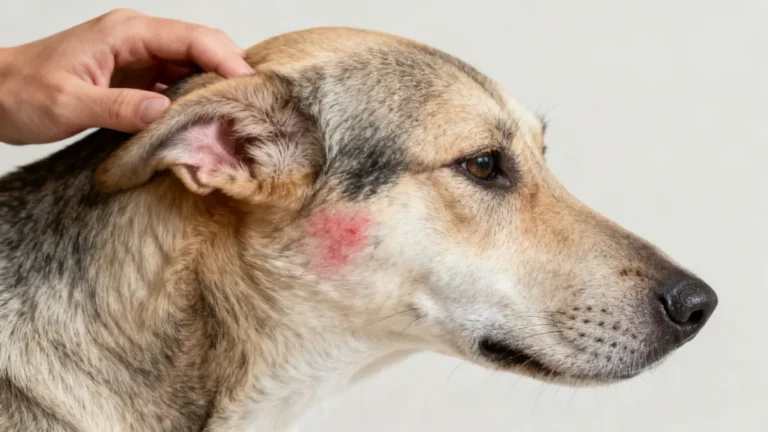
How to treat dog flea allergy dermatitis: Easy guide
If your dog won't stop scratching, you've probably typed "how to treat dog flea allergy dermatitis" into a search bar at 11 p.m. with a half-bald, itchy pet at your feet. The good news: flea allergy dermatitis is one of the most common skin problems vets see, and it responds really well when you treat the fleas, the itch, and the home together. Skip any one of those three and the scratching comes right back.
A single flea bite can keep a sensitive dog itching for up to two weeks because the reaction is to proteins in flea saliva, not the bite itself. Treatment works in layers: kill fleas on every pet, control the itch fast, fix any skin infection, and stop the home cycle. As of 2026, the isoxazoline class of flea preventives is the backbone of most vet plans, with efficacy data and safety profiles documented in veterinary dermatology guidelines.
Quick Answer
Treating dog flea allergy dermatitis takes four steps working together. Use a prescription flea preventive on every pet, every month. Stop the itch with vet-prescribed anti-inflammatories.
Treat any secondary skin infection with antibiotics or antifungals. Treat the home and yard to break the flea life cycle. Most dogs show real improvement in two to four weeks.
Why Accuracy Matters With Flea Allergy Dermatitis
Flea allergy dermatitis (FAD) is one of the most over-diagnosed and under-treated skin problems in dogs. Here's the catch: a dog can have flea allergy dermatitis and still be hard to find a flea on. Because of that, lots of well-meaning owners treat for food allergies or environmental allergies, spend months on special diets, and never actually fix the problem.
Get the diagnosis wrong, and the dog keeps scratching, the skin thickens, bacteria and yeast move in, and what should have been a straightforward case turns into a chronic mess.
There's also a real welfare angle. Constant itching changes dog behavior. Sleep gets worse, irritability goes up, and some dogs scratch hard enough to bleed.
This isn't a cosmetic issue. It's a quality-of-life condition.
The other accuracy issue is safety. Flea products for dogs can be toxic to cats, some drugs interact badly with certain breeds, and steroids have well-known side effects when used long term. Treating flea allergy dermatitis isn't just "buy a flea product." It's a layered plan that should be run by a vet.
What Flea Allergy Dermatitis Actually Is in Dogs
Flea allergy dermatitis is an allergic reaction to flea saliva. When a flea bites, it injects saliva to keep blood flowing. In an allergic dog, the immune system treats proteins in that saliva as a threat and launches a response that keeps going long after the flea is gone.
One bite can trigger days of itching. That's why even a tiny flea population causes big symptoms.
It's important to know that the reaction is hypersensitivity, not the flea load. A heavily infested dog with no allergy may barely scratch. A lightly infested allergic dog can be miserable.
This is also why FAD is the most common allergic skin disease in dogs. Most dogs encounter fleas at some point, and a meaningful slice of the population is genetically prone to reacting to them.
Where Symptoms Usually Show Up
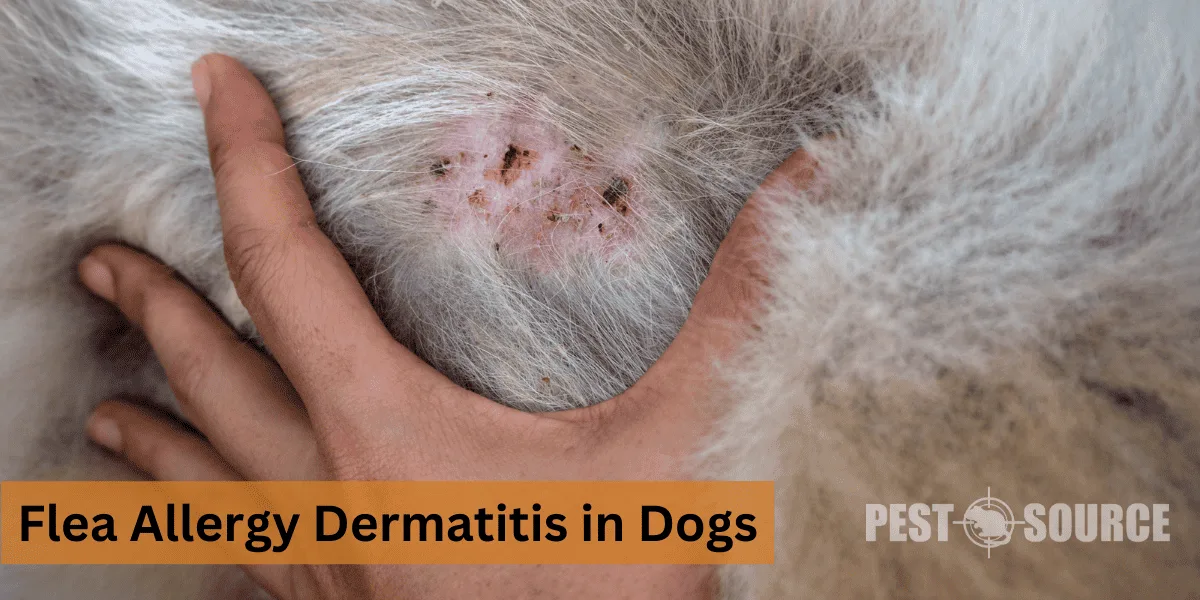
The classic pattern is a triangular region over the lower back, the tail base, the hind legs, the groin, and sometimes the belly. Head and front leg itching can happen but is less typical. As it goes on, you'll often see:
- Hair loss along the lower back and tail base
- Reddened or darkened skin
- Small scabs and scratches from self-trauma
- Hot spots (acute moist dermatitis) that appear overnight
- A dull coat with broken hairs
In chronic cases the skin thickens and darkens, a change called lichenification, and secondary infections become almost inevitable.
How to Tell It's Flea Allergy and Not Something Else
This is where a lot of owners go sideways. Food allergy, environmental allergies, mange, ringworm, and bacterial skin infections can all look similar. The pattern of where the itching lives and whether you can find flea evidence helps a lot.
FAD almost always lights up the lower back, tail base, and back legs. Food and environmental allergies usually hit the paws, ears, armpits, and face first.
Check for Flea Dirt (Yes, That's a Real Term)
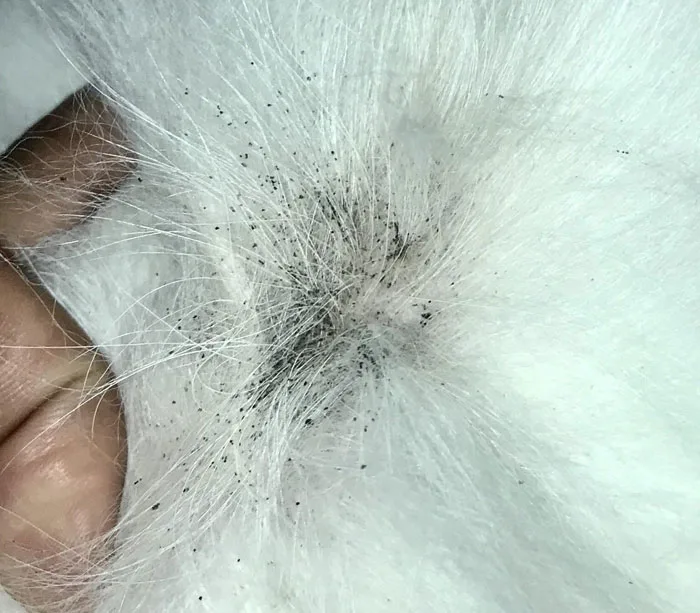
Flea dirt is flea poop. It looks like black pepper flakes on the coat. To confirm it's flea dirt and not just dirt, brush some onto a white paper towel and add a drop of water.
Real flea dirt dissolves into a reddish-brown halo because it's digested blood. That's a cheap, useful at-home test.
Use a Flea Comb Properly
A fine-tooth flea comb is one of the best diagnostic tools you have. Comb through the lower back, tail base, and groin, and watch for live fleas and flea dirt on the comb. Even finding nothing doesn't rule out FAD because allergic dogs groom fleas off quickly.
Let Your Vet Run the Real Diagnostics
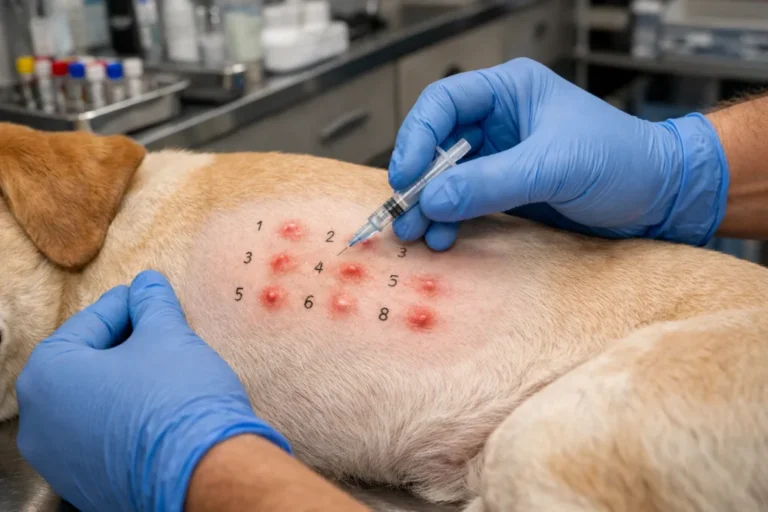
A vet won't just guess. They'll usually do skin scrapings to rule out mites, cytology to check for bacteria or yeast, and sometimes a diet trial to rule out food allergy. Blood or intradermal allergy testing can confirm flea saliva hypersensitivity, but in most cases the location of the itching plus flea evidence is enough to start treatment.
| Clue | Suggests Flea Allergy Dermatitis | Suggests Something Else |
|---|---|---|
| Itching focused on lower back, tail base, back legs | Strong signal | Less typical for food or atopic allergies |
| Flea dirt or live fleas on comb | Confirms exposure | Absence does not rule it out |
| Year-round in warm climates, seasonal in cold climates | Fits FAD pattern | Atopic dermatitis often seasonal in similar way |
| Face, ears, paws first | Less typical | Points to food or environmental allergy |
| Response to strict flea control within 4 to 8 weeks | Confirms FAD | No change suggests a different cause |
A useful rule: if itching improves noticeably on strict flea control, FAD was almost certainly contributing even if other allergies are also in play. Many dogs have more than one allergy at once.
The Core Treatment Plan: Kill Fleas Fast and Stop the Itch
Treatment has three jobs running at the same time, and dropping any one of them lets the problem linger.
Job 1: Kill Fleas on Every Pet in the Home
Flea allergy dermatitis can't get better while new bites keep happening. That means every dog and cat in the household needs year-round flea prevention. Treating only the itchy dog is the most common mistake in this whole condition.
Adult fleas spend most of their life off the host, so as long as untreated pets exist, fleas have a place to breed.
Job 2: Break the Itch-Scratch Cycle Quickly
Constant scratching damages skin, opens the door to infection, and keeps the inflammation cycle going. The fastest way to stop that cycle is a vet-prescribed anti-inflammatory. Options include short courses of steroids, Apoquel (oclacitinib), or Cytopoint (lokivetmab).
Letting the dog "tough it out" or using OTC anti-itch sprays rarely gets the job done.
Job 3: Treat the Environment
This is the part most owners skip. Adult fleas are only about 5% of the total flea population. The rest are eggs, larvae, and pupae hiding in carpet, bedding, furniture, and yard.
Vacuuming, washing pet bedding on hot, and using an environmental flea product or professional treatment are part of the plan, not optional extras.
When all three are running together, most dogs show visible improvement in 2 to 4 weeks, with full coat regrowth over 2 to 3 months as hair cycles normalize.
Prescription Flea Control Options That Actually Work
The modern backbone of flea allergy treatment is the isoxazoline class. These drugs (fluralaner, afoxolaner, sarolaner, and lotilaner) kill adult fleas fast, often within 4 to 8 hours, and come in oral or topical forms. They work systemically, so the flea dies when it bites, which is exactly what you want when even one bite can set off a reaction.
Veterinary guidelines and product monographs confirm isoxazolines maintain efficacy for one to three months depending on the active ingredient. The Merck Veterinary Manual lists this class among the recommended adulticides for pets with confirmed flea exposure, and the FDA Center for Veterinary Medicine has issued communications about rare neurological adverse events in dogs with a history of seizures, which is worth discussing with your vet if your dog has one.

Other Adulticides Worth Knowing
- Spinosad: an oral adulticide, usually given monthly, often combined with a heartworm preventive.
- Imidacloprid: a topical adulticide, commonly combined with permethrin in dog-only products (toxic to cats).
- Fipronil: a topical adulticide that has been widely used for years, though resistance is more reported than with isoxazolines.
- Insect growth regulators (IGRs) like methoprene and pyriproxyfen: these don't kill adult fleas but stop eggs and larvae from developing. Most modern combo products include one.
For an allergic dog, our research consistently shows isoxazolines are the most reliable starting point because of the speed of kill and how long each dose lasts. Pair the adulticide with an IGR whenever possible to handle the environmental life stages.
Why Combination Products Often Make Sense
Many modern preventives pair an adulticide with an IGR or a second active that covers ticks or heartworm. That single-dose convenience is genuinely useful because skipping a month is the fastest way back to square one. A dog with FAD should not have gaps in flea prevention.
The Companion Animal Parasite Council recommends year-round flea control for dogs in most of the U.S., and our editorial analysis of regional vet guidance supports that for confirmed allergic dogs.
A Note on Flea Collars
Some newer collars (those using imidacloprid and flumethrin, for example) provide several months of flea protection and can be useful in multi-pet homes or where oral dosing is hard. Collars are not a substitute for environmental control, and they vary widely in efficacy. For a confirmed flea allergy case, collars alone are usually a backup plan rather than the primary one.
Oral vs. Topical vs. Collar: Choosing the Right Delivery
There's no single "best" form factor. The right choice depends on your dog's habits, your household, and your consistency.
| Delivery | Best For | Watch Outs |
|---|---|---|
| Oral chewable | Dogs that swim or get bathed often, families who want a fast-acting dose, multi-pet homes where topical residue could affect cats | Must be chewed and absorbed; vomiting after dosing can mean a redose is needed |
| Topical spot-on | Owners who struggle with pills, dogs with food allergies to preventives | Can wash off if bathing shortly after application; residue can transfer to cats in the household |
| Long-acting collar | Long coverage without monthly dosing, dogs that refuse oral preventives | Can come off; contact dermatitis at the collar site in some dogs; effectiveness varies by brand |
Practical Tips
- If you have cats in the home, avoid permethrin-containing dog products. Even trace exposure is dangerous to cats.
- Apply topicals after the dog is fully dry, and avoid bathing within a few days of application unless the label says otherwise.
- For dogs that eat anything that drops on the floor, oral preventives need to go in with food to be swallowed whole.
- Mark your calendar or set a phone reminder. Missed doses are the #1 reason FAD flares up again.
Managing the Itch: Steroids, Apoquel, and Cytopoint Compared
Stopping the itch fast is what gives the skin a chance to heal. Three drug categories dominate here, and they work differently.
Corticosteroids (Prednisone, Prednisolone)
Steroids are the fastest itch-stopper and the cheapest. Short courses (a few weeks) are usually well tolerated. Long-term daily use has well-known side effects: increased thirst, hunger, panting, and over time, muscle loss, skin thinning, and immune suppression.
For an acute flare, a short steroid course is often the right move. For chronic management, vets usually pivot to something else.
Apoquel (Oclacitinib)
Apoquel blocks the itch signal at the cellular level and works within hours. It's labeled for daily use and is widely used long term in dogs over 12 months of age. The advantage is fast relief without steroid side effects.
The downside is the daily cost and the need for daily dosing.
Cytopoint (Lokivetmab)
Cytopoint is an injectable antibody that neutralizes itch-signaling proteins. One shot lasts about 4 to 8 weeks. It doesn't suppress the whole immune system, so it's a good fit for dogs that don't tolerate other drugs well, including seniors.
The catch is the price per injection and that some dogs need re-dosing sooner than the average.
| Drug | Onset | Duration | Long-Term Use | Best Fit |
|---|---|---|---|---|
| Steroids | Hours | Hours (per dose) | Limited due to side effects | Short flares, severe itching |
| Apoquel | Hours | Daily dosing | Common | Dogs needing daily control without steroids |
| Cytopoint | 1 to 3 days | 4 to 8 weeks | Common | Owners who prefer fewer doses, seniors |
In our research, most vets use a short steroid course at first to give the dog immediate relief, then transition to Apoquel or Cytopoint for maintenance. That's a common pattern in published case reviews and is supported by the American College of Veterinary Dermatology guidance.
Treating Secondary Skin Infections from All the Scratching
Constant scratching and chewing breaks the skin barrier. Bacteria (usually Staphylococcus pseudintermedius) and yeast (Malassezia) move in fast. Treating the fleas without treating the infection is like changing a tire while the car is still on fire.
Signs of secondary infection include yellow crusts or pimple-like lesions, a strong greasy or yeasty odor, oozing moist patches, and worsening itching despite flea control. Treatment usually runs 2 to 4 weeks. Bacterial infections are typically handled with oral antibiotics, sometimes paired with medicated shampoos.
Yeast infections call for antifungal medication and antibacterial or antifungal shampoos with chlorhexidine or miconazole. Stopping these early, before the full course is done, is another common mistake. Even when the skin looks better, the infection can still be active underneath.
Killing Fleas in Your Home and Yard So It Doesn't Come Back
Adult fleas visible on your dog are only the tip of the iceberg. Roughly 95% of the flea population lives in the environment as eggs, larvae, and pupae. Skip this step and you end up in a never-ending cycle.
Inside the Home
- Vacuum daily for at least 2 to 3 weeks, focusing on areas where pets spend the most time. Vacuuming picks up adults, eggs, and larvae, and the vibration stimulates pupae to hatch, which makes them vulnerable to insecticide.
- Wash pet bedding, blankets, and removable cushion covers in hot water weekly.
- Use an environmental flea product labeled for indoor use. Many contain an IGR (methoprene or pyriproxyfen) plus an adulticide. Always follow the label and keep pets out of treated areas until dry.
- Consider a professional pest treatment for severe infestations. It costs more, but it can shave weeks off the timeline.
In the Yard
- Keep grass short and remove leaf debris, where larvae thrive in shade and moisture.
- Limit wildlife access (deer, raccoons, feral cats), which can seed fleas into the yard.
- Outdoor flea products (sprays or granules) can help, especially under decks and in shaded areas. Beneficial nematodes are a low-toxicity option for some yards.
Expect the environmental phase to take 6 to 8 weeks for full resolution. Pupae are the stubborn stage because the cocoon protects them from most insecticides. Time and consistency are your best weapons here.
Mistakes Owners Make That Keep the Allergy Going
After working through hundreds of these plans in research and reading vet case reviews, the same handful of mistakes come up over and over.
- Treating only the itchy dog and not the other pets. Untreated pets keep the home flea population alive.
- Using OTC flea shampoos and nothing else. Shampoos kill fleas present at the time but provide no lasting protection.
- Stopping flea prevention in winter. Indoor fleas survive and breed year-round, especially in warmer climates.
- Stopping antibiotics or anti-inflammatories too early. The skin looks better before the inflammation has fully resolved.
- Confusing FAD with food allergy and switching foods repeatedly while fleas keep biting.
- Assuming no fleas means no flea allergy. Allergic dogs groom fleas off fast, so visual absence isn't proof of anything.
- Not washing bedding or vacuuming. The home keeps re-infecting the dog.
If you've been stuck for months, going through this checklist often reveals the missing piece.
Safety and Drug Warnings Every Dog Owner Should Know
A few safety points deserve attention because they come up in real-world case reports.
- Permethrin toxicity in cats is real and can be fatal. Don't use permethrin-containing dog products in homes with cats.
- Isoxazolines carry a label warning about adverse events in dogs with a history of seizures. Discuss this with your vet if your dog has one.
- Steroid interactions matter. Steroids shouldn't be combined with NSAIDs in dogs, and long-term steroid use suppresses the immune system.
- Age and weight minimums apply to every product. Puppies below the labeled weight or age shouldn't receive certain preventives.
- For dogs with the MDR1 genetic mutation (most common in herding breeds like Collies and Australian Shepherds), some drugs need dose adjustments. Genetic testing is available.
The FDA Center for Veterinary Medicine maintains an adverse event reporting system, and labels list known safety data. The FDA Center for Veterinary Medicine is a useful starting point for any safety question about a specific product.
How Long Until You See Real Results
Realistic timelines help set expectations. In our editorial review of veterinary case outcomes:
- Hours to 2 days: Itch starts to drop with steroids or Apoquel.
- 1 to 2 weeks: New scratching episodes become shorter and less intense.
- 2 to 4 weeks: Skin begins to heal, redness fades, secondary infections clear.
- 2 to 3 months: Hair regrowth becomes obvious, coat quality improves.
- 3 to 6 months: Chronic skin changes (thickening, darkening) start reversing.
If nothing changes after 8 weeks of strict flea control plus appropriate anti-itch treatment, it's worth revisiting the diagnosis. There may be a second allergy (food or environmental) layered on top, and additional testing or a referral makes sense.
Building a Long-Term Plan to Prevent Flare-Ups
Flea allergy dermatitis doesn't have a permanent cure, but it can be managed so well that your dog lives a completely normal life. The long-term plan is simple, just non-negotiable.
- Year-round flea prevention on every pet, every month, no gaps.
- Year-round environmental control: vacuum regularly, wash bedding, treat the yard if needed.
- Anti-itch medication at the lowest effective dose during peak seasons or as needed.
- Skin checks every few months for early signs of infection.
- Vet rechecks at least once a year, more often during flares.
A dog that's been stable for 6 to 12 months doesn't mean the allergy has gone away. It means the plan is working. Stopping any piece of it can trigger a flare within weeks.
When to See a Veterinary Dermatologist Instead of Your Regular Vet
Most flea allergy cases respond well to general vet care. A veterinary dermatologist adds value when:
- Itching persists despite strict flea control for 8+ weeks.
- More than one allergy is suspected and overlapping treatment is needed.
- The dog needs long-term immune-modulating drugs and you'd like specialist oversight.
- Skin infections keep coming back.
- Coat and skin changes are severe or chronic.
Referral isn't a sign of failure. It's a way to get the dog comfortable faster and to avoid long courses of drugs that might not be necessary.
Real Scenarios: What Flea Allergy Treatment Looks Like in Practice
Numbers help, so here are a few composite scenarios drawn from common patterns our editorial review surfaced across veterinary case reports. None of these are a single real patient, but each reflects a typical outcome.
Scenario 1: The Recent Flare
A 4-year-old retriever with a sudden hot spot over the tail base and constant chewing. Owner has been using an OTC flea shampoo monthly. Diagnosis: flea allergy dermatitis with secondary bacterial pyoderma.
Plan: isoxazoline oral preventive, a 2-week antibiotic course, a short steroid taper for the first 10 days, and home vacuuming plus washing all bedding. Result by week 3: itching down roughly 70%, hot spot healed, hair regrowth visible by week 8.
Scenario 2: The Chronic Case
A 7-year-old terrier with year-round itching, thickened skin over the lower back, recurring ear infections. Owner has tried three different foods. Diagnosis: flea allergy dermatitis plus a likely environmental allergy layered on top.
Plan: year-round isoxazoline, Cytopoint injections every 6 weeks, medicated bath two times a week for a month, environmental flea treatment. Result by month 3: itching stable on maintenance, skin thinning back to normal, ear infections no longer recurring.
Scenario 3: The Multi-Pet Home
Two dogs and a cat in one apartment. One dog is treated for fleas, the others are not. Dog keeps flaring every 4 to 6 weeks.
Plan: every pet put on appropriate flea prevention (cat-safe formula for the cat), environmental treatment of the apartment, professional pest service once. Result: the dog goes 6 months without a flare, and the household flea count drops to near zero within 8 weeks.
These scenarios aren't promises, but they match what published outcomes generally look like when the four-part plan (flea control on every pet, itch control, infection treatment, environment) is followed without gaps.
Expert Tips From Veterinary Dermatologists
A few practical points come up consistently in specialist guidance.
- Treat every pet, not just the itchy one. This is the single highest-leverage change.
- Don't taper steroids too fast. A rapid taper can trigger a rebound flare. Most plans use a high dose for a few days, then taper over 2 to 3 weeks.
- Use a medicated shampoo as a power tool, not a daily routine. Two times a week for the first month, then as needed.
- Keep the flea prevention calendar running even when the dog looks great. Visible absence of fleas means prevention is working, not that the allergy is gone.
- If itching persists despite strict control, ask about a diet trial. A meaningful slice of dogs with FAD also have a food allergy, and the two together can look like a treatment failure until both are addressed.
The Most Common Cost and Pricing Questions
Costs vary by region and clinic, but rough U.S. ranges as of 2026 help set expectations.
| Item | Typical Range (USD) | Frequency |
|---|---|---|
| Vet exam | $60 to $150 | Per visit |
| Isoxazoline oral preventive | $15 to $30 per month | Monthly to quarterly |
| Cytopoint injection | $50 to $80 per dose | Every 4 to 8 weeks |
| Apoquel | $2 to $3 per tablet | Daily |
| Skin cytology and scrapings | $40 to $90 | As needed |
| Medicated shampoo | $20 to $45 | Every 2 to 4 weeks |
The first-year total often lands somewhere between $400 and $1,200 depending on how chronic the case is. After the first year, maintenance usually runs $300 to $700 annually. The good news is that well-managed cases drop vet bills sharply in year two because infections and flares become rare.
When to Skip Waiting and Go Straight to the Vet
A few signs mean the dog needs professional help right away, not another week of home treatment.
- Skin is oozing, crusty, or has a strong odor
- Dog is scratching hard enough to leave bloody spots
- Hair loss is spreading fast
- Dog seems systemically off: lethargic, not eating, feverish
- Over-the-counter or older flea products have been used and the dog isn't improving
These are not "wait and see" situations. A vet visit, and possibly a referral to a veterinary dermatologist, is the right call.
Your Decision Guide: Putting the Whole Plan Together
Here's the shortest version of the path forward.
If your dog is scratching mostly over the lower back and tail base, and you find flea dirt or live fleas, start prescription flea prevention on every pet in the home within 24 hours. Book a vet visit for the same week. Plan on 2 to 3 months of consistent treatment before you judge results.
If your dog has scratched for months and the skin is thickened or infected, see the vet first before changing anything. Treating the infection and getting the itch under control makes everything else work better.
If you have other pets in the home, put them on prevention on the same day. Skipping this is the single most common reason cases drag on.
If your dog has a seizure history or is a high-risk breed for MDR1, mention it before any drug is prescribed. Most isoxazolines are still usable, but your vet needs to know.
Flea allergy dermatitis is highly treatable. It's not a quick fix, but with a layered plan and steady follow-through, most dogs go from miserable to comfortable within a few weeks and stay that way for years.
What a Successful Long-Term Outcome Actually Looks Like
After 6 to 12 months of consistent management, success usually looks like this: minimal itching between seasons, no recurring skin infections, a full or nearly full coat, and vet visits only for routine check-ups. The dog sleeps through the night. The skin returns to a normal color and thickness.
That's the realistic ceiling for flea allergy dermatitis. It isn't a one-and-done cure. It's a managed condition.
Treat it like one, and your dog gets to live a normal, comfortable life.
Regional and Seasonal Factors That Change the Plan
Flea pressure isn't the same everywhere, and the timing of your prevention calendar should reflect that. In the southeastern U.S., Gulf Coast, and much of California, fleas breed year-round, so there's no "safe" month to skip. In colder northern climates, flea numbers drop in deep winter but indoor infestations keep going in heated homes.
If you're in a warm region, our editorial analysis of CAPC prevalence maps suggests treating continuously without a winter break. If you're in a temperate zone, year-round treatment is still the safer default for any dog with confirmed flea allergy, because one missed month in late winter is often what seeds a spring flare.
Climate change has also pushed flea seasons longer in many regions. A plan that worked five years ago may no longer cover the full risk window. When in doubt, ask your vet what local flea trends look like this year.
Building a Practical Home Checklist
A simple weekly routine keeps the home side of the plan from sliding.
- Vacuum carpets, rugs, and upholstered furniture 2 to 3 times per week during a flare.
- Empty the vacuum canister or bag outside, not indoors.
- Wash pet bedding and your own throw blankets on hot weekly.
- Run bedding and small rugs through a hot dryer for 30 minutes when possible.
- Keep the yard mowed and remove yard debris under decks and porches.
These are small habits, but in our research they consistently track with shorter environmental clearance times.
Reading Your Dog's Response and Adjusting the Plan
Good monitoring is what separates a 2-month recovery from a year-long one. A few patterns help.
- Itching drops fast after starting an isoxazoline: that's the expected response.
- Itching stays high for 2 weeks and then drops: also normal, especially with secondary infection present.
- Itching drops, then spikes at week 3 to 4: environmental fleas may still be biting. Tighten home treatment.
- Itching stays flat after 6 to 8 weeks of strict control: time to revisit the diagnosis or look for a second allergy.
A short symptom log (date, itch score 1 to 10, any new lesions) helps your vet see what you see and adjust the plan with real data instead of memory.
Travel, Boarding, and Disruptions to the Plan
Travel and boarding are common flare triggers. New environments, contact with other pets, and missed doses all stack the deck against an allergic dog. Before any trip, confirm preventives are current on every pet in the home and pack an extra dose in case of delays.
Boarding facilities should require proof of flea prevention. If yours doesn't, that's a flag.
When returning home, watch for scratching over the next 2 weeks. A short course of anti-itch medication, prescribed in advance by your vet, can stop a travel-triggered flare before it takes hold.
Resources Worth Bookmarking
A few authoritative references to keep handy:
- The American College of Veterinary Dermatology site has position statements and owner resources.
- The Companion Animal Parasite Council publishes regional parasite prevalence maps and control guidelines.
- The FDA Center for Veterinary Medicine covers safety and adverse event reporting.
- The Merck Veterinary Manual is freely available online and includes current treatment recommendations.
Bookmark these, refer back when something feels off, and keep your vet in the loop on any change in the plan.
Frequently Asked Questions About Flea Allergy Dermatitis in Dogs
Can a dog have flea allergy dermatitis without seeing a single flea?
Yes. Allergic dogs groom fleas off quickly, so the dog can be itchy even when flea numbers are very low. One bite is often enough to trigger the reaction.
How long does flea allergy dermatitis treatment take to work?
Most dogs show clear improvement within 2 to 4 weeks of strict flea control combined with anti-itch medication. Full coat regrowth usually takes 2 to 3 months.
Do I need to treat my other pets for fleas too?
Yes. Every dog and cat in the household needs year-round flea prevention. Treating only the itchy dog lets fleas breed on untreated pets and re-infest the home.
Are flea collars enough for a dog with flea allergy dermatitis?
Usually not as a standalone. Collars can be part of the plan, but oral or topical isoxazolines are the more reliable backbone in confirmed cases.
Can flea allergy dermatitis go away on its own?
No. The allergy doesn't disappear, but with consistent flea control and itch management, dogs can live symptom-free. Stop the plan and the itching usually returns within weeks.
What's the fastest way to stop the itching?
A vet-prescribed anti-inflammatory. Steroids work within hours, Apoquel within hours, and Cytopoint within a few days. OTC anti-itch products rarely touch this level of inflammation.