
How often to bathe dog with allergies: Easy guide
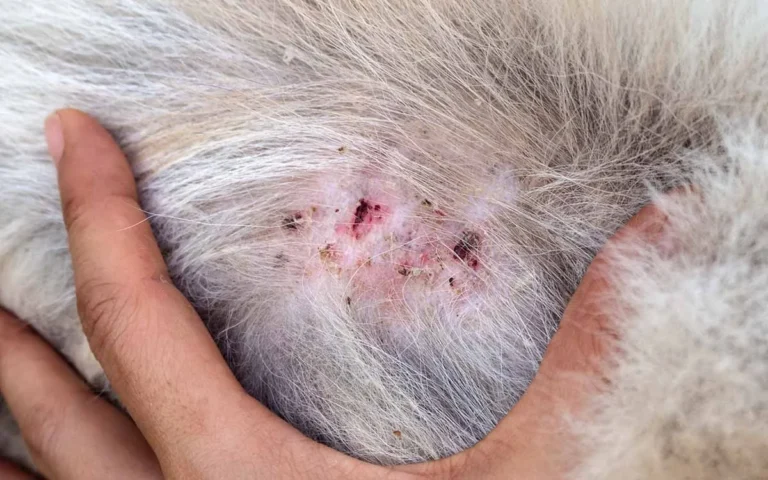
If your dog won't stop scratching, you're probably wondering how often to bathe a dog with allergies before bath time either helps or backfires. Allergic skin gets itchy, red, and flaky, and the wrong schedule can leave your pup more miserable than when you started.
The good news: dogs with allergic skin usually benefit from bathing more often than healthy dogs, not less. Veterinary dermatology guidance from the American College of Veterinary Dermatology supports frequent baths as a frontline tool for removing allergens and soothing the skin barrier. As of 2026, the most common vet-recommended range is every 1 to 2 weeks for mild cases and up to 2 to 3 times per week for moderate to severe flare-ups.
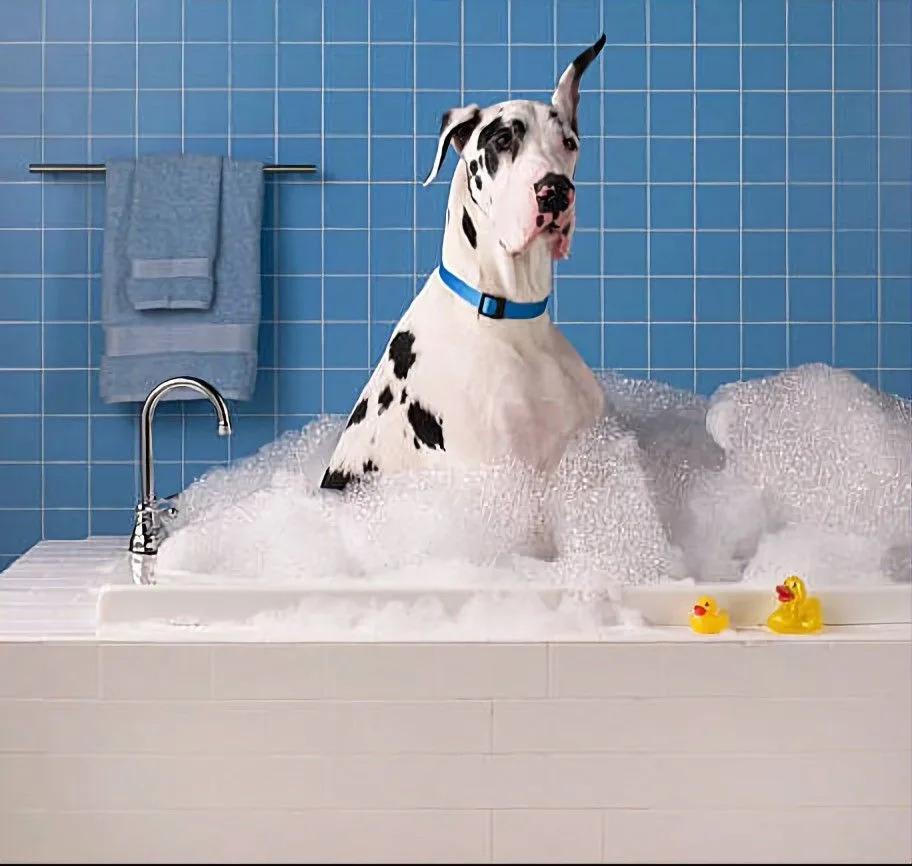
Quick Answer
How often to bathe a dog with allergies depends on the allergy type and severity. For mild allergies, bathe your dog every 1 to 2 weeks. For moderate to severe cases, bathe 2 to 3 times per week.
Always use a vet-approved shampoo. Rinse thoroughly and follow your vet's specific plan.
Why the Right Bathing Schedule Matters for Allergic Dogs
The Risk of Getting Bathing Frequency Wrong
Bath frequency isn't a casual choice when allergies are in play. Get it wrong in either direction and you can stretch out your dog's discomfort, deepen skin damage, or blow a small problem into a vet bill.
Under-bathing lets allergens sit on the coat and skin. Pollen, dust, grass, and saliva all accumulate, and your dog keeps re-exposing himself every time he licks or scratches. Over time, that constant contact drives inflammation deeper and often leads to secondary bacterial or yeast infections.
Over-bathing strips the natural oils that hold the skin barrier together. Strip those oils too often and the skin dries out, cracks, and actually itches more, which kicks off a worse scratch cycle than the one you started with.
A balanced schedule clears allergens, hydrates the skin, and gives medicated ingredients time to work. That's the whole point, and the rest of this guide is built around getting it right.
How Often Should You Bathe a Dog With Allergies?
Mild Environmental Allergies (Pollen, Dust, Grass)
If your dog gets itchy mainly in spring or fall, or reacts to dust mites indoors, you're likely looking at a mild environmental allergy. Most dogs in this category do well with a bath every 1 to 2 weeks using a hypoallergenic or oatmeal-based shampoo.
The bath itself acts like a reset button. It lifts pollen and dust off the coat before it sinks into the skin. For dogs with seasonal flares, schedule extra baths right after high-pollen days or long grass play sessions.
Moderate to Severe Atopic Dermatitis
Atopic dermatitis is the chronic, often year-round version of environmental allergy. Affected dogs scratch constantly, get red belly skin, and frequently develop ear infections. Veterinary dermatologists usually recommend bathing 2 to 3 times per week during flare-ups, dropping to every 1 to 2 weeks once the skin calms down.
In these cases, plain gentle shampoos rarely cut it. Most vets prescribe or recommend a medicated shampoo with chlorhexidine, miconazole, or similar ingredients, paired with a contact time of 5 to 15 minutes so the active ingredients actually do their job.
Flea Allergy Dermatitis (FAD)
Flea allergy dermatitis is different from a regular flea problem. Even one flea bite can trigger a severe reaction in sensitive dogs, so bathing alone won't fix it. That said, a soothing bath every 1 to 2 weeks helps clear the irritated skin while you work on strict flea control.
If FAD is the main issue, your vet will pair the bath plan with a prescription flea preventative. Bathing without flea control is like mopping the floor while the tap is still running.
Food-Related Skin Reactions
Food allergies show up on the skin, but they aren't really a skin problem. Bathing helps soothe the symptoms, yet it won't address the trigger. Most dogs with food allergies do fine on a once-weekly or once-every-two-weeks bath schedule, paired with a vet-guided elimination diet.
Think of the bath as comfort care while the real fix, which is the diet change, does the heavy lifting. Skip the bath, and your dog stays itchy and uncomfortable even after the right diet kicks in.
Why Bathing Helps Allergic Dogs in the First Place
Removing Surface Allergens From the Coat
Every walk, every roll in the grass, every snuggle on the carpet loads your dog's coat with allergens. The coat acts like a sponge for pollen, dust, mold spores, and saliva. Regular baths physically wash those particles off before they penetrate into the skin.
This is one of the simplest and most overlooked wins. We've seen owners spend hundreds on supplements and prescription meds while skipping the most basic step: actually rinsing the allergens off.
Soothing Itchy, Inflamed Skin
Many allergy shampoos do more than clean. Oatmeal, aloe, and certain prescription actives have direct anti-itch and anti-inflammatory effects. A proper bath often brings noticeable relief within 24 to 48 hours, which is faster than most oral medications.
The contact time matters here. A quick lather-and-rinse won't deliver those soothing benefits. Aim for 5 to 15 minutes of contact time with medicated or oatmeal-based formulas.
Supporting the Skin Barrier
Healthy dog skin has a slightly acidic to neutral pH, roughly 7.0 to 7.5. Harsh soaps strip this balance and weaken the barrier, letting irritants in. A quality dog shampoo formulated for that pH range helps the skin hold moisture and resist allergens.
That's also why human shampoo is a bad idea, even the gentle ones. Human skin pH sits around 5.5, which is too acidic for dogs and disrupts their barrier fast.
Types of Shampoo for Dogs With Allergies
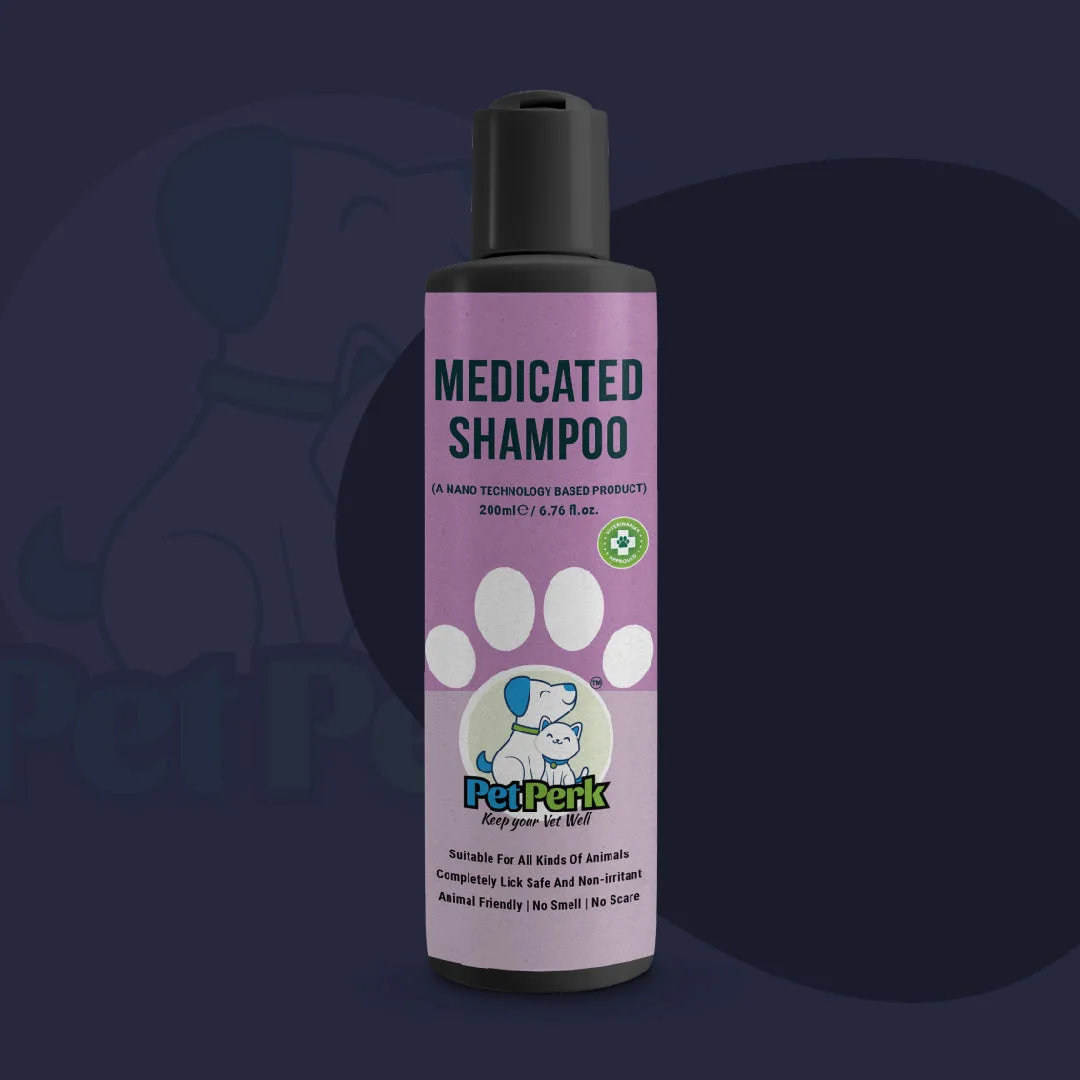
Not every allergy shampoo is built the same. Picking the right one is just as important as the bath frequency, because the wrong formula can undo all the good your schedule is doing.
Hypoallergenic Dog Shampoos
Hypoallergenic shampoos are fragrance-free, dye-free, and made with mild cleansers. They're a safe everyday option for dogs with sensitive skin or mild allergies. Most dogs tolerate them well, and they work great as a maintenance shampoo between medicated baths.
If your dog only itches occasionally and the vet hasn't prescribed anything specific, start here. It's the lowest-risk option and easy on the wallet.
Oatmeal and Aloe-Based Shampoos
Oatmeal shampoos are the classic "itch relief" option, and for good reason. Colloidal oatmeal contains compounds called avenanthramides that reduce inflammation and calm itch. Aloe adds hydration and a mild cooling effect.
These shampoos shine for mild to moderate environmental allergies. They don't treat infections, but they make the dog feel a lot better, and that alone reduces scratching damage.
Medicated Shampoos (Chlorhexidine, Miconazole, Benzoyl Peroxide)
Medicated shampoos target the secondary problems that allergic skin often develops: bacteria and yeast. Chlorhexidine fights bacteria, miconazole fights yeast, and benzoyl peroxide helps flush the hair follicles. For dogs with hot spots, yeasty ears, or greasy inflamed skin, these are often essential.
The catch: they tend to dry out the skin if used solo. Many dermatologists recommend a "double shampoo" method, using the medicated shampoo first, rinsing, then following with a gentle or moisturizing shampoo. This gives you the active treatment without stripping the coat.
When to Use a Prescription Shampoo
If your dog's allergies haven't responded to over-the-counter options, or if the skin looks infected, your vet may prescribe a stronger shampoo. Common prescription options include topical steroids, stronger antimicrobial blends, or products with pramoxine for severe itching.
Don't grab a prescription shampoo on your own. These products have specific instructions, contact times, and frequencies, and using them wrong can irritate the skin further. Your vet's plan is the source of truth here.
Step-by-Step: How to Bathe an Allergic Dog the Right Way
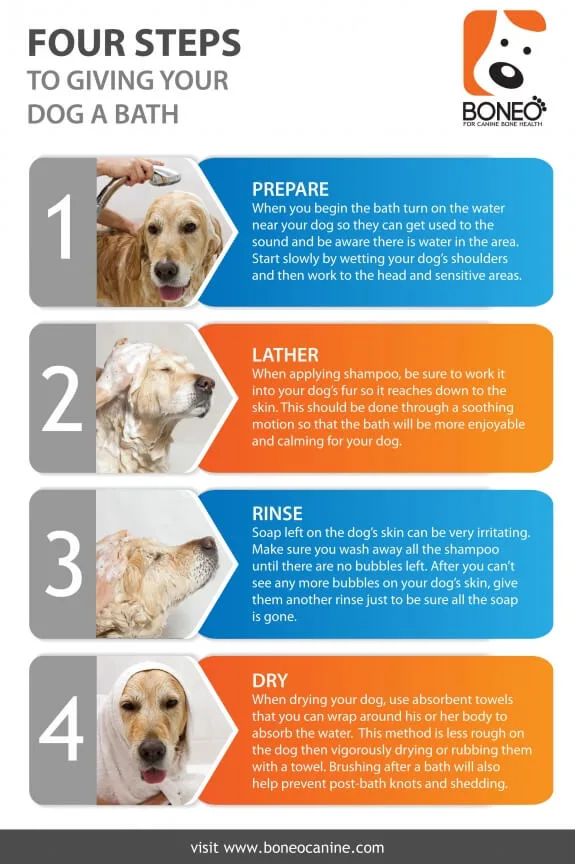
A well-run bath takes 15 to 30 minutes from start to finish. Done right, it soothes the skin and sets up the next day or two of relief. Done wrong, it stresses the dog and barely helps.
Here's the routine dermatologists consistently recommend.
Pre-Bath Brushing and Prep
Brush your dog thoroughly before any water touches the coat. This removes loose hair, dirt, and mats, and it stops the tub from turning into a tangled mess.
Mats trap shampoo and water against the skin, which irritates already inflamed areas. A 5-minute brush session saves you 15 minutes of frustration later.
Water Temperature and Wetting the Coat
Use lukewarm water, around 37 to 38°C or 98 to 100°F. Hot water feels good to humans but dries out dog skin fast and can scald sensitive areas.
Wet the coat down to the skin, not just the surface. Run your fingers against the grain in thick-coated areas like the chest and rear end. Water that never reaches the skin won't carry shampoo where it needs to go.
Shampoo Application and Contact Time
Dilute medicated shampoo if the label says to, then massage it into the skin, not just the coat. Focus on the belly, armpits, groin, paws, and behind the ears, since these are the hotspots where allergens and yeast love to hide.
This is where most owners quit too early. The contact time on the bottle, usually 5 to 15 minutes, is how long the active ingredients need to actually work. Set a timer and use the time to brush teeth or clean ears.
The Double-Shampoo Method
For medicated shampoos, especially chlorhexidine or miconazole blends, follow with a second wash using a gentle, moisturizing shampoo. The first wash treats the skin. The second wash removes residue and replaces some moisture.
Skipping the second shampoo is one of the most common reasons medicated baths stop working after a week or two. The drying effect catches up and the itching returns.
Rinsing Thoroughly
Rinse longer than you think you need to. Two to three minutes of clear, running water is the baseline for a medium-sized dog. Bigger dogs need more.
Shampoo residue is a major cause of post-bath itching. If you're not sure you've rinsed enough, rinse for another full minute.
Drying and Post-Bath Care
Towel dry first, then finish with a blow dryer on the cool or low-heat setting if your dog tolerates it. Make sure the coat is fully dry, especially in skin folds and under the legs, since damp areas breed yeast and bacteria.
After the bath, wipe down paws and belly with a damp cloth or fragrance-free wipe. For outdoor dogs, this quick step pulls off the pollen they pick up right after bath day.
Bathing Frequency by Allergy Type and Severity
Recommended Schedule Comparison
| Allergy Type | Typical Bath Frequency | Best Shampoo Type |
|---|---|---|
| Mild environmental (pollen, dust) | Every 1 to 2 weeks | Hypoallergenic or oatmeal |
| Moderate atopic dermatitis | 2 to 3 times per week during flares | Medicated + gentle follow-up |
| Severe atopic dermatitis | 2 to 3 times per week, ongoing | Prescription medicated |
| Flea allergy dermatitis | Every 1 to 2 weeks | Oatmeal, paired with flea control |
| Food allergy symptoms | Weekly to every 2 weeks | Gentle, hypoallergenic |
How to Tell If You're Bathing Too Often or Not Enough
A few practical signals tell you whether your schedule is landing:
- Skin feels greasy within a day or two: you're probably not bathing often enough.
- Skin feels tight, flaky, or itchy right after a bath: you're either bathing too often, using too harsh a shampoo, or not rinsing well.
- Coat looks dull and dry: cut frequency by 25% and add a conditioner or moisturizing shampoo.
- Scratching spikes right before the next planned bath: shorten the interval by a few days.
If signs point in opposite directions, your vet can run a quick skin check to figure out which way to adjust. As of 2026, most veterinary dermatologists still anchor on the 1 to 2 week baseline and adjust from there based on skin response.
Common Mistakes to Avoid When Bathing an Allergic Dog
Using Human Shampoo or Dish Soap
This is the single most common error owners make. Human skin sits at a pH around 5.5. Dog skin sits closer to 7.0 to 7.5.
That mismatch strips the protective barrier, dries the skin out, and actually worsens the itch.
Dish soap is worse. It cuts grease on dishes, so it cuts the protective oils off your dog. Use a product made for canine skin, full stop.
Skipping Contact Time on Medicated Shampoos
Lather, rinse, done. That sequence wastes the most expensive part of the bottle. Medicated shampoos need 5 to 15 minutes of skin contact to deliver active ingredients.
Set a phone timer and stay with your dog through it.
If your dog fusses, use the time for treats, ear cleaning, or a quick nail trim. Pairing contact time with something positive keeps the bath routine sustainable.
Incomplete Rinsing
Residue is sneaky. You think you're done, but soap is hiding in the undercoat, around the tail base, and under the legs. Any leftover shampoo keeps working as an irritant and undoes the bath's benefits.
A good rule: when you think you're done rinsing, rinse for another full minute. Most owners under-rinse by 30 to 50%.
Bathing Too Frequently and Stripping Natural Oils
More baths aren't automatically better. If you're bathing daily, you're stripping oils faster than the skin can replace them. That leads to dry, cracked, itchier skin, plus a dull coat.
A practical ceiling for most allergic dogs is 2 to 3 baths per week. Anything more often needs a vet's sign-off.
Bathing Too Rarely and Letting Allergens Build Up
The flip side is just as harmful. A bath every 6 to 8 weeks lets allergens pile up between washes. For a dog with active allergies, that's a long time to keep re-exposing inflamed skin.
If your schedule has drifted to once a month or less, tightening it to every 1 to 2 weeks usually brings visible improvement within the first month.
Ignoring Other Parts of the Allergy Plan
Baths help, but they don't fix allergies alone. We've seen cases where an owner runs a perfect bathing schedule and skips flea prevention, omega-3 supplements, or the elimination diet their vet recommended.
The bath is one tool, not the whole toolbox. Pair it with the rest of your vet's plan and the results multiply.
Supporting Bathing With Other Allergy Care
Omega-3 Fatty Acids and Skin Health
Omega-3 supplements, often from fish oil, help reinforce the skin barrier and reduce inflammation from the inside. They're not a replacement for baths, but they extend the benefit between washes.
Most dogs with chronic allergies do well on a daily omega-3 supplement. Ask your vet for a dosing recommendation based on your dog's weight.
Flea Prevention for Dogs With Flea Allergy Dermatitis
For FAD dogs, flea prevention is non-negotiable. One flea bite can reignite a full skin flare, even with regular baths. Use a vet-recommended oral or topical preventative year-round.
Baths are comfort care here. Flea control is the actual treatment.
Wiping Paws and Belly After Walks
A quick wipe-down with water or a fragrance-free wipe after outdoor time strips off pollen before it spreads across the coat. This small habit reduces how many allergens make it onto your dog's skin in the first place.
Think of it as a mini-bath between full baths. Two minutes of work, real payoff.
Prescription Options Like Apoquel and Cytopoint
When baths and basic preventatives aren't enough, vets often add Apoquel (oral tablet) or Cytopoint (injection) for itch control. Both work well alongside bathing, not against it.
If your dog is on one of these and still scratching, the bath plan likely needs adjusting. Talk to your vet about tightening the schedule or switching shampoo types.
Signs It's Time to Call the Vet
Red Flags That Go Beyond Bathing
Some signs mean the bath plan alone won't cut it. Call your vet if you notice:
- Hot spots: wet, raw, oozing patches of skin that spread fast.
- Persistent ear shaking or head tilting, which often points to a yeast infection.
- Thickened, darkened, or "elephant" skin from chronic scratching.
- Open sores or bleeding from scratching.
- Sudden hair loss in patches.
These are signs of secondary infection or a more serious allergic reaction. Bathing helps, but it won't replace antibiotics, antifungals, or prescription itch control.
When a Medicated Bath Routine Isn't Working
If you've been on a vet-recommended bath schedule for 3 to 4 weeks and the itching hasn't improved, something's off. Either the shampoo is wrong, the contact time is too short, the rinse is incomplete, or there's a secondary issue the bath isn't addressing.
Bring your records to the vet visit: how often you're bathing, which shampoo you're using, and how the skin looks at different points in the week. That detail speeds up the diagnosis and gets your dog relief faster.
Frequently Asked Questions
Can I Bathe My Dog Every Week?
Yes, weekly baths are usually fine for dogs with mild allergies, especially when using a gentle hypoallergenic shampoo. For moderate to severe cases, vets often recommend 2 to 3 times per week. Watch for signs of dryness and back off if the coat starts feeling brittle.
What If My Dog Hates Baths?
Short, frequent practice sessions help. Use lukewarm water, non-slip mats, treats, and praise. Keep the first sessions quick, just a rinse, so your dog builds tolerance.
For severe bath anxiety, ask your vet about calming strategies or professional groomers who specialize in sensitive dogs.
Should I Use Conditioner After a Medicated Shampoo?
In most cases, yes. Conditioner or a moisturizing follow-up shampoo helps replace the oils the medicated shampoo strips. Skip it only if your vet specifically tells you not to, which is rare.
Look for a fragrance-free, dog-safe formula.
Are Oatmeal Baths Safe for Puppies?
Generally yes, as long as the shampoo is made for dogs and the water is lukewarm. Puppies with suspected allergies should see a vet before starting any bath routine. The vet can rule out parasites or food issues first.
How Soon Will I See Results From Bathing?
Most dogs show noticeable improvement within 24 to 48 hours after a properly done bath. For chronic allergies, the full benefit of a new routine usually shows up after 3 to 4 weeks of consistent bathing. If nothing has changed by then, loop your vet back in.
Final Take: Building a Bathing Routine That Actually Helps
Start with your vet's recommended schedule, usually every 1 to 2 weeks for mild allergies and up to 2 to 3 times per week for moderate to severe cases. Pick the right shampoo for your dog's allergy type, follow the contact time on the bottle, and rinse like you mean it. Pair the bath plan with flea control, omega-3s, paw wiping, and any prescription meds your vet has suggested.
If something isn't working after a month, adjust. If red flags appear, call the vet. The right bathing routine isn't complicated, but it does need to be consistent, and that's what makes the difference for an itchy dog.
One Comment