How much allergy med to give dog: Easy guide
When your dog starts scratching like crazy or breaks out in hives, the first thing most owners reach for is the medicine cabinet. The exact answer to "how much allergy med to give dog" depends on three things: the specific drug, your dog's current weight, and the active ingredient on the label. Get any one of those wrong and you're dealing with a wasted dose at best or a toxic reaction at worst.
The standard veterinary guidance for diphenhydramine (the active in Benadryl) is roughly 1 mg per pound of body weight, given two to three times daily. Cetirizine and loratadine use a different milligram-per-kilogram calculation, which is why the "one rule fits all" advice floating around can get owners in trouble. As of 2026, veterinary pharmacology references like Plumb's Veterinary Drug Handbook continue to flag dosing mistakes and hidden ingredients (xylitol, pseudoephedrine, acetaminophen) as the top causes of emergency calls related to OTC allergy meds in dogs.
So before we get into the specific dosages, let's walk through how to actually give these meds the safe way.
Quick Answer
The standard diphenhydramine (Benadryl) dose for dogs is 1 mg per pound, given 2 to 3 times daily. Cetirizine and loratadine use roughly 0.5 mg per kilogram once daily. Always confirm with your vet before dosing, and never use combination cold/flu products.
The Real Risk of Dosing Your Dog Wrong on Allergy Meds
Here's the part most casual guides skip: getting the dose right isn't just a math problem. It's a safety problem. The line between "therapeutic dose" and "toxic dose" for some human allergy meds is thinner than people realize.
A few facts that frame the stakes:
- Diphenhydramine has a relatively wide safety margin in dogs, but overdoses above roughly 5 mg per pound can cause agitation, tremors, seizures, or worse.
- Xylitol, a sweetener in many human chewable and liquid meds, can cause life-threatening low blood sugar and liver failure in dogs at very small amounts.
- Pseudoephedrine and phenylephrine (decongestants in combo allergy products) are toxic to dogs even at low doses.
- Acetaminophen and ibuprofen, common in combo cold/sinus meds, are poisonous to dogs and can cause kidney or liver damage.
That's why veterinary toxicology hotlines like the ASPCA Animal Poison Control Center field thousands of calls a year related to human medications. Usually the owner gave what seemed like a sensible dose of the wrong product.
The takeaway? The question isn't only "how much." It's "how much of this specific drug, in this specific product, for this specific dog."
Benadryl (Diphenhydramine) Dosage for Dogs by Weight
Benadryl is the OTC antihistamine most dog owners reach for first, and for good reason. Veterinary references have used it safely for decades for mild allergic reactions, hives, and vaccine-related swelling. It's also inexpensive and widely available.
The standard canine dose is 1 mg per pound of body weight, given every 8 to 12 hours. Manufacturer labeling and veterinary pharmacology references confirm the 25 mg tablet as the most common strength sold in the US.
Here's a practical weight-based breakdown to use as a starting point:
| Dog Weight | Diphenhydramine Dose | Tablets (25 mg) |
|---|---|---|
| 10 lbs | 10 mg | Half of a 25 mg tablet |
| 20 lbs | 20 mg | Just under 1 tablet |
| 30 lbs | 30 mg | 1 + 1/5 tablet |
| 50 lbs | 50 mg | 2 tablets |
| 75 lbs | 75 mg | 3 tablets |
| 100 lbs | 100 mg | 4 tablets |
A few practical notes for actually giving it:
- Use plain Benadryl (diphenhydramine only). No decongestants, no pain relievers, no flavoring.
- Avoid time-release formulations unless your vet specifically recommends them. Slower absorption makes dose timing unpredictable.
- Children's Benadryl liquid (12.5 mg per 5 mL) works well for small dogs and lets you measure more precisely.
- Always weigh your dog right before dosing. "About 50 pounds" guesswork is how mistakes happen.
One more thing worth knowing. Benadryl makes many dogs drowsy, but a small percentage get the opposite effect and become hyperactive. If your dog reacts strangely after a first dose, that's a signal to stop and call your vet.
Zyrtec, Claritin, and Allegra: What's Safe and What's Not
The second-generation antihistamines (cetirizine, loratadine, and fexofenadine) are popular because they cause less sedation. They're also generally safer for daily, longer-term allergy management in dogs. But "safer" doesn't mean "use any product off the shelf."
What veterinary references generally support:
- Cetirizine (Zyrtec): roughly 0.5 to 1 mg per kilogram, once daily. A 20-pound dog would get about 5 to 10 mg.
- Loratadine (Claritin): roughly 0.5 mg per kilogram, once daily. A 50-pound dog would get about 11 mg, so a standard 10 mg tablet fits well.
- Fexofenadine (Allegra): used less commonly in dogs, dosing varies and a vet should confirm.
What to avoid:
- Zyrtec-D and Claritin-D contain pseudoephedrine, which is toxic to dogs.
- Chewable or flavored versions may contain xylitol. Check the inactive ingredients.
- Dissolvable tablets sometimes include propylene glycol or other additives that aren't ideal for dogs.
If your dog has been on Benadryl long-term and is groggy, or if you're managing seasonal allergies that need daily coverage, cetirizine or loratadine is often a better fit. Both come in once-daily dosing, which owners tend to find easier to stick with.
Why the "1 mg per Pound" Rule Only Works for Some Meds
This is one of the most common dosing mistakes we see, and it happens because the rule gets repeated as if it applies to every OTC allergy pill. It doesn't.
The 1 mg per pound guideline is specifically for diphenhydramine. It does not automatically translate to cetirizine, loratadine, chlorpheniramine, or hydroxyzine, all of which use different dosing curves.
The reason this matters: a 50-pound dog on diphenhydramine gets 50 mg, which is two 25 mg tablets. That same dog on cetirizine gets about 22 mg, closer to a single 20 mg tablet. On loratadine, about 11 mg, often half of a 10 mg tablet.
If you applied the 1 mg per pound rule across all three, you'd massively overdose cetirizine and loratadine.
So the rule of thumb should really be: look up the dose for the exact drug you're holding, not the dose for allergy meds in general.
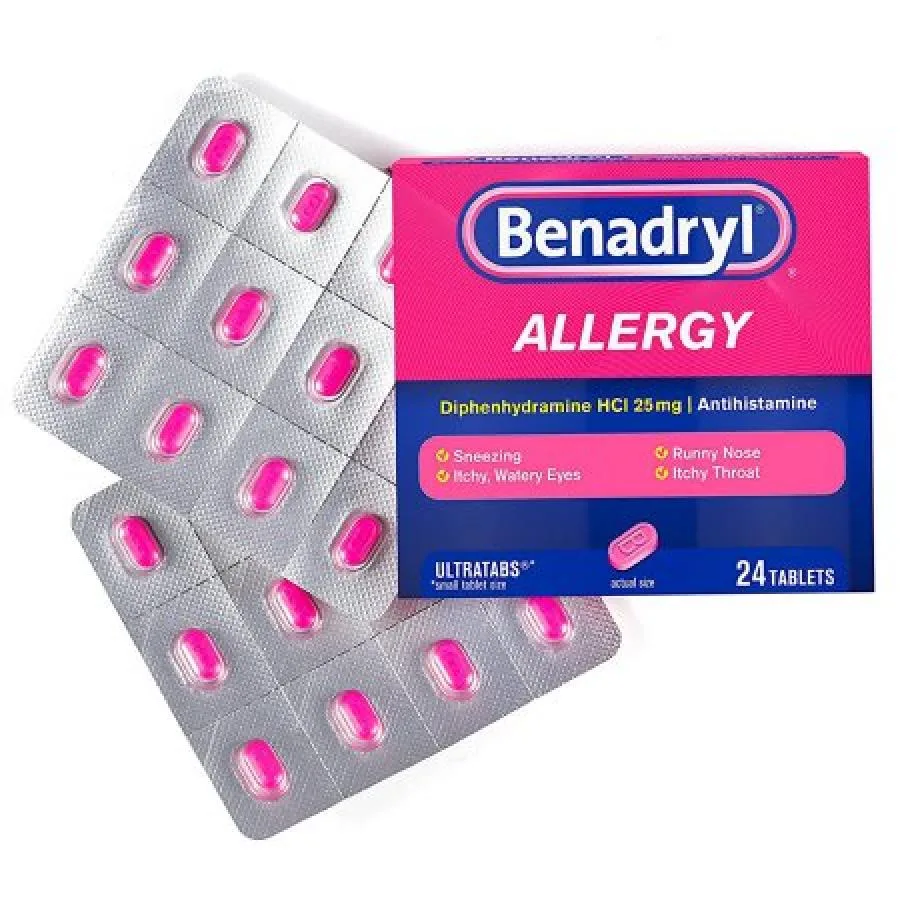
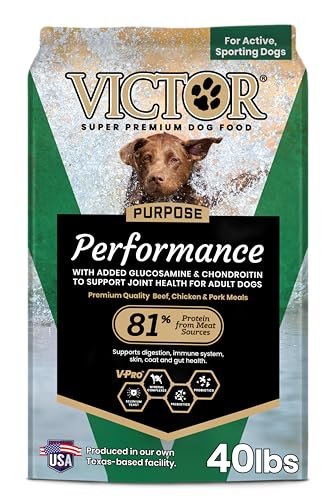
That packaging above is exactly what owners reach for. Plain diphenhydramine, 25 mg tablets, no extras. If your bottle looks different, has "-D" anywhere in the name, or lists a second active ingredient, put it back.
How to Tell If a Human Allergy Pill Has Dangerous Ingredients
Reading a pill bottle isn't glamorous, but it's the single biggest safety skill you can build for OTC dog medication. Here's the 30-second check we recommend.
Flip the box or bottle. You're looking for two things: the active ingredient list, and the inactive ingredients if you have it nearby. The active ingredient should be exactly one drug you intended.
Here's a quick reference for what's safe versus what's a red flag:
| Ingredient | Status for Dogs |
|---|---|
| Diphenhydramine | Generally safe at correct dose |
| Cetirizine | Generally safe at correct dose |
| Loratadine | Generally safe at correct dose |
| Pseudoephedrine | Toxic, avoid |
| Phenylephrine | Toxic, avoid |
| Acetaminophen | Toxic, avoid |
| Ibuprofen | Toxic, avoid |
| Naproxen | Toxic, avoid |
| Xylitol (inactive) | Toxic even in tiny amounts |
| Dextromethorphan | Risky, avoid unless vet-approved |
A few practical pointers from our research:
- The letter "D" after a brand name almost always means a decongestant version.
- Children's formulas often use xylitol as a sweetener. Always check.
- Liquid versions sometimes contain alcohol or propylene glycol at levels that aren't ideal for dogs.
- If the label says "multi-symptom," "cold and flu," "sinus," or "PM," there's almost certainly something extra in there.
If you ever find yourself staring at a label and you're not sure, the safest move is to call your vet or a poison hotline before dosing.
Dog Allergy Medication Dosage Chart (Quick Reference)
Here's a consolidated chart that puts the most commonly used OTC options side by side.
| Medication | Standard Canine Dose | Frequency | Notes |
|---|---|---|---|
| Diphenhydramine (Benadryl) | 1 mg per pound | 2 to 3 times daily | Plain formula only |
| Cetirizine (Zyrtec) | 0.5 to 1 mg per kg | Once daily | Avoid Zyrtec-D |
| Loratadine (Claritin) | 0.5 mg per kg | Once daily | Avoid Claritin-D |
| Fexofenadine (Allegra) | Vet-dosed | Once daily | Less commonly used |
| Chlorpheniramine | 0.1 to 0.2 mg per pound | 2 to 3 times daily | Limited efficacy in dogs |
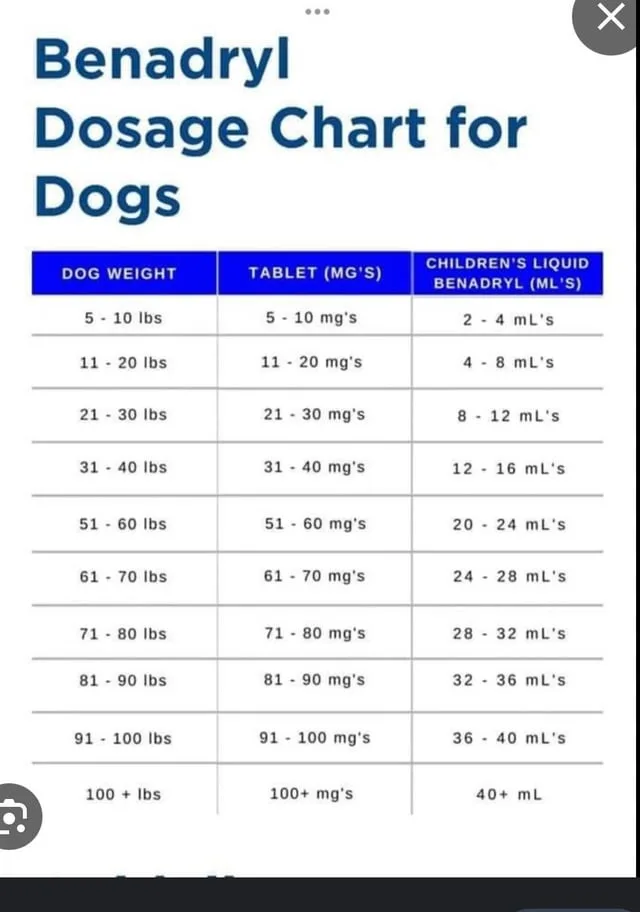
A couple of clarifications that save owners from misreading the chart:
- The cetirizine and loratadine doses are listed in mg per kilogram. One kilogram equals about 2.2 pounds.
- Children's diphenhydramine liquid at 12.5 mg per 5 mL is useful for dogs under 10 pounds. One mL per pound keeps the math simple.
- If you're using anything other than plain diphenhydramine, run it by your vet first.
Step-by-Step: How to Calculate the Right Dose Safely
We find owners feel a lot more confident once they've done the math themselves. Here's the workflow we recommend.
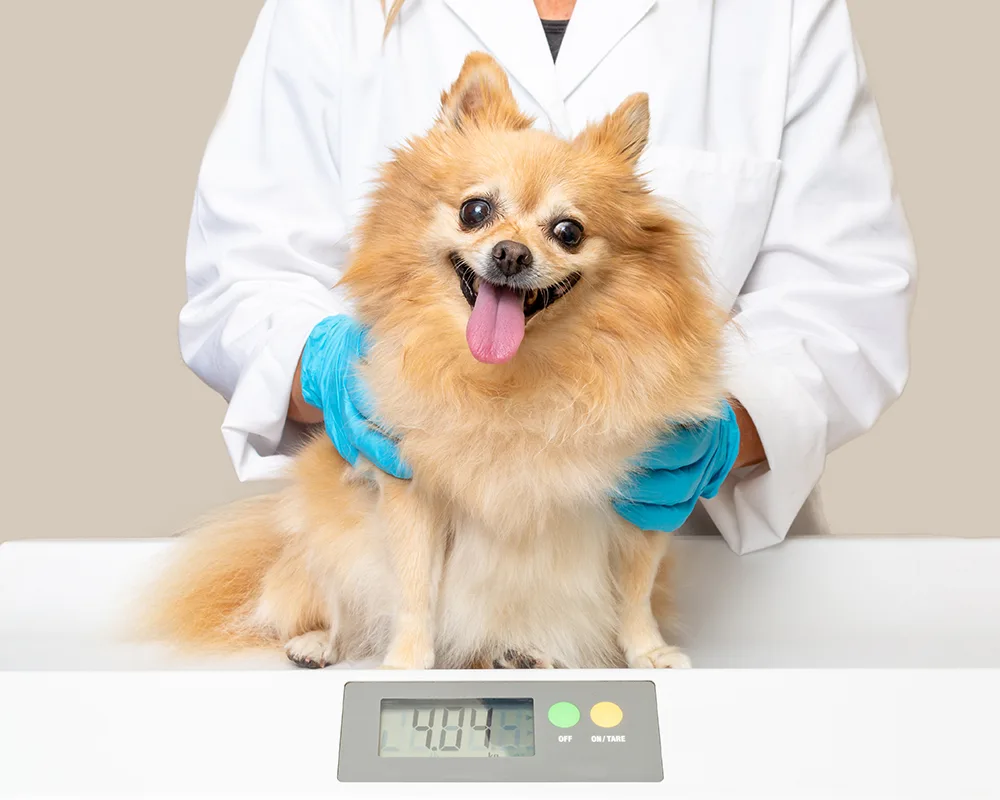
Step 1: Weigh your dog. Use a bathroom scale (weigh yourself, weigh yourself holding the dog, subtract). For small dogs, a kitchen scale works.
Step 2: Identify the drug. Look at the bottle and write down the exact active ingredient, not the brand name.
Step 3: Pick the dose range. For diphenhydramine, that's 1 mg per pound. For cetirizine or loratadine, that's roughly 0.5 to 1 mg per kilogram.
Step 4: Convert to tablet count. Check the strength on the bottle. Most diphenhydramine tablets are 25 mg.
Most cetirizine and loratadine tablets are 10 mg. Divide your dog's dose by the tablet strength.
Step 5: Check for hidden ingredients. Look for "-D," pseudoephedrine, acetaminophen, xylitol, or "multi-symptom" on the label. If any of those appear, choose a different product.
Step 6: Confirm with your vet. A quick phone call takes minutes and gives you a second set of expert eyes.
Step 7: Administer with food. Giving antihistamines with a small meal reduces stomach upset.
Step 8: Watch your dog for 30 to 60 minutes. Look for excessive sedation, agitation, vomiting, or any unusual behavior.
Step 9: Log it. Write down what you gave, the dose, and the time. If symptoms don't improve in 24 to 48 hours, that information helps your vet adjust the plan.
Step 10: Don't stack meds. If you're giving Benadryl for itching, don't also add cetirizine the same day without vet guidance.
Side Effects to Watch For After You Give the Med
Antihistamines are generally well-tolerated, but they're not side-effect free. Here's what to expect and what's a reason to call your vet.
Common, mild side effects:
- Drowsiness or sedation (most common with diphenhydramine)
- Dry mouth, slight increase in thirst
- Mild urinary retention
- Decreased appetite for a few hours
- Mild stomach upset
Less common, more concerning reactions:
- Hyperactivity or restlessness
- Rapid heart rate
- Vomiting or diarrhea that doesn't resolve
- Confusion or disorientation
- Tremors or shaking
If any of the more concerning signs show up, contact your vet or a pet poison hotline right away. The ASPCA Animal Poison Control Center (888-426-4435) is staffed 24/7 and can advise on whether your dog needs to be seen immediately.
One important note on chronic use. Long-term daily antihistamines can dry out the tear film and contribute to mild eye irritation in some dogs. If you're using Benadryl or Zyrtec every day through allergy season, mention it to your vet at the next checkup.
When an Allergy Med Isn't Enough (and You Need a Vet)
OTC antihistamines work well for mild, occasional allergic reactions. They don't work well for everything, and recognizing the limits is part of keeping your dog safe.
Head to the vet, or to an emergency clinic, if you see:
- Facial swelling, especially around the muzzle or eyes
- Difficulty breathing, panting, or pale gums
- Repeated vomiting
- Collapse or extreme weakness
- Hives spreading quickly across the body
- Any reaction after a vaccination, new medication, or insect sting
These can be signs of anaphylaxis, which is a true emergency. Antihistamines alone won't stop anaphylactic reactions in dogs. Your dog needs epinephrine, IV fluids, and close monitoring.
Also worth a vet visit, though not necessarily an emergency:
- Itching that doesn't improve after 48 hours of correct dosing
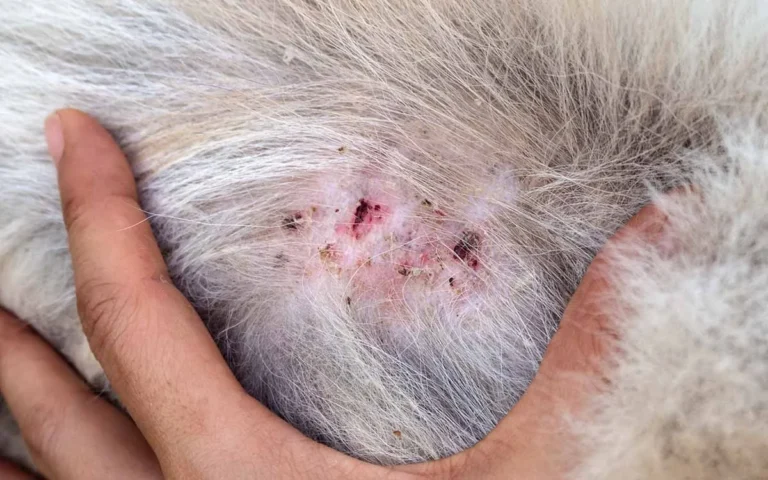
- Skin infections from scratching (hot spots, scabs, oozing)
- Chronic ear infections linked to allergies
- Suspected food allergies
- Seasonal allergies that need month-long management
Veterinary guidance from the AVMA emphasizes that persistent allergies are usually managed, not cured.
Common Mistakes Dog Owners Make With OTC Allergy Drugs
We've seen a fairly consistent pattern of dosing errors come through veterinary hotlines. These are the most common ones.
Mistake 1: Using a combo product. "Allergy and sinus" or "cold and flu" formulas always contain more than one active ingredient. Usually something toxic to dogs.
Mistake 2: Guessing the weight. Even a 5-pound miscalculation on a small dog can mean a 50 percent overdose.
Mistake 3: Using time-release formulas. These absorb unpredictably in dogs and can lead to overdose or under-dose.
Mistake 4: Doubling up. Giving Benadryl and Zyrtec in the same 24-hour period because "one isn't working."
Mistake 5: Ignoring the signs of overdose. Tremors, agitation, dilated pupils, rapid breathing.
Mistake 6: Treating for weeks without follow-up. If your dog needs daily allergy meds for more than a few days, your vet should be involved.
Mistake 7: Assuming "natural" or "herbal" means safe. Some herbal allergy products contain ingredients that aren't well studied in dogs.
Breed Sensitivities and the MDR1 Gene Factor
A subset of dog breeds carries a genetic mutation in the MDR1 gene that affects how their bodies process certain medications. The mutation is most common in herding breeds, including Collies, Australian Shepherds, Border Collies, Shetland Sheepdogs, and Old English Sheepdogs.
Dogs with the mutation can have dangerous reactions to drugs that other dogs tolerate fine. Diphenhydramine isn't on the highest-risk list, but the broader point is that breed matters when choosing any medication. If you own one of these breeds, ask your vet about genetic testing before reaching for OTC allergy meds regularly.
A simple cheek swab tells you whether the mutation is present.
Allergy Meds vs Apoquel vs Cytopoint: Which Route to Take
For dogs with chronic atopic dermatitis or seasonal allergies that don't respond to OTC meds, two prescription options dominate current veterinary practice.
Apoquel (oclacitinib) is a daily oral tablet that targets itch and inflammation at the source. Most dogs see relief within hours. The main considerations are cost and the need for periodic bloodwork.
Cytopoint (lokivetmab) is an injectable given at the vet clinic every 4 to 8 weeks. It neutralizes the itch signal without suppressing the whole immune system.
OTC antihistamines fit best as first-line care for mild, occasional reactions, backup therapy alongside prescriptions, or a low-cost starting point. For chronic management, the FDA's Center for Veterinary Medicine maintains current guidance on Apoquel and Cytopoint and their approved uses.
What to Do If Your Dog Has an Allergic Reaction Right Now
When your dog is mid-reaction and you're scrambling, here's the play-by-play.
If the symptoms are mild (localized itching, a few hives, mild redness):
- Confirm the symptoms are allergic and not something else.
- Weigh your dog if possible.
- Calculate the correct diphenhydramine dose (1 mg per pound).
- Verify the bottle is plain Benadryl only.
- Give the dose with a small amount of food.
- Monitor for 30 to 60 minutes.
If symptoms are moderate (widespread hives, facial swelling, restlessness):
- Call your vet or emergency clinic on the way.
- Give diphenhydramine if you have it.
- Transport your dog for evaluation.
If symptoms are severe (difficulty breathing, collapse, pale gums):
- This is an emergency. Go directly to the nearest emergency vet.
- Do not delay for antihistamines.
- Call ahead so the clinic can prepare.
Most owners with allergy-prone dogs keep a plain bottle of children's Benadryl liquid on hand for exactly this reason.
Safe Allergy Management Beyond the Pill
A few non-drug strategies can reduce how often you need to dose in the first place.
For environmental allergies:
- Wipe your dog's paws and belly after walks to remove pollen.
- Bathe every 1 to 2 weeks with a gentle, hypoallergenic shampoo.
- Wash bedding weekly in hot water.
- Use HEPA air filters in rooms where your dog sleeps.
- Keep grass cut short to reduce pollen exposure.
For flea allergy dermatitis, the most common allergy in dogs:
- Use a year-round flea prevention recommended by your vet.
- Treat all pets in the household.
- Wash bedding and vacuum thoroughly during treatment.
For food allergies:
- Work with your vet on an elimination diet trial.
- Allow 8 to 12 weeks for a proper trial to show results.
Omega-3 fatty acid supplements can also modestly reduce skin inflammation over time.
Expert Tips From Veterinary Pharmacology
A few additional insights that help owners use OTC allergy meds more confidently:
- Start with the lowest end of the dose range for dogs that are sensitive to sedation.
- Dose timing matters. Benadryl peaks in about 1 to 2 hours. For known triggers (grooming, vaccine appointments), give it ahead of time.
- Loratadine and cetirizine take a few days of consistent dosing to reach full effect for chronic allergies.
- Keep a medication log. Date, drug, dose, time, and what you observed.
- If your dog is on other medications, mention those when calling your vet.
The Merck Veterinary Manual emphasizes that antihistamines work best when started before full-blown flare-ups, not after.
Can I give my dog Benadryl every day?
For short periods, yes, but daily long-term use should involve your vet. Chronic dosing can mask worsening allergies. Better long-term options like Apoquel or Cytopoint exist for dogs that need daily allergy control.
How fast does Benadryl work in dogs?
Most dogs show effects within 30 to 60 minutes. Peak effect is around 2 hours after dosing. If you're not seeing any change after that window, the dose is wrong or the symptoms need a different treatment.
What's the maximum Benadryl dose for dogs?
Veterinary sources recommend staying at or below 1 mg per pound per dose, with no more than three doses in 24 hours. Doses above roughly 5 mg per pound are considered toxic and warrant emergency care.
Is children's Benadryl safer than adult Benadryl?
It's the same active ingredient at a lower concentration, which makes it easier to dose small dogs accurately. The safety profile is identical when dosed correctly. Just confirm it's xylitol-free.
Can I use Benadryl for a vaccine reaction?
Yes. If your dog has a history of vaccine reactions, your vet may suggest dosing Benadryl 30 to 60 minutes before the appointment.
What if my dog accidentally ate a Claritin-D?
Call your vet or the ASPCA Animal Poison Control Center immediately. Pseudoephedrine is toxic at relatively low doses, and treatment is time-sensitive.