How do you test a dog for allergies: Full guide
If your dog keeps scratching, getting ear infections, or chewing their paws raw, you've probably already typed "how do you test a dog for allergies" into a search bar at 2 a.m. The honest answer is that there's no single perfect test. Vets use three main methods, often in combination, and each one tells a different piece of the puzzle.
None of them are at-home saliva kits, and none of them give a yes-or-no answer on their own.
Veterinary dermatologists typically rely on intradermal skin testing, serum IgE blood panels, or a controlled elimination diet trial, depending on whether the suspected trigger is environmental or food-based. As of 2026, peer-reviewed work in Veterinary Dermatology still treats intradermal testing as the gold standard for environmental allergens, with elimination diets remaining the only reliable way to confirm food allergies. Let's walk through what that actually means for your dog, and what to expect at the clinic.
Quick Answer
Vets test dogs for allergies using intradermal skin testing, serum IgE blood panels, or an 8 to 12 week elimination diet trial. The right choice depends on whether the suspected allergy is environmental or food-related. A veterinary dermatologist interprets the results alongside your dog's clinical history.
No single test is 100% accurate on its own.
Why Getting a Dog Allergy Diagnosis Right Matters
Allergies in dogs don't just cause itching. Left undiagnosed, they snowball into chronic ear infections, bacterial skin infections (pyoderma), yeast overgrowth, hair loss, and behavior changes from constant discomfort. Many dogs end up on repeated rounds of steroids and antibiotics.
That cycle masks symptoms but never solves the underlying trigger.
Getting the diagnosis right matters because treatment flows directly from it. If your dog is allergic to dust mites, immunotherapy can desensitize them over months. If it's a chicken protein, no amount of allergy shots will help, but a diet change will.
Misidentifying the trigger wastes money and months of your dog's comfort.
The stakes are real, which is why the American College of Veterinary Dermatology (ACVD) strongly recommends that allergy testing be interpreted by a veterinarian, ideally a board-certified dermatologist, rather than based on direct-to-consumer kits.
Signs Your Dog Might Need Allergy Testing
Not every itchy dog has an allergy, but certain patterns raise the flag. Here's what we typically look for as reasons to push for proper testing:
- Itching that started before age 3 and recurs seasonally or year-round
- Recurring ear infections (yeast or bacterial) that won't fully clear
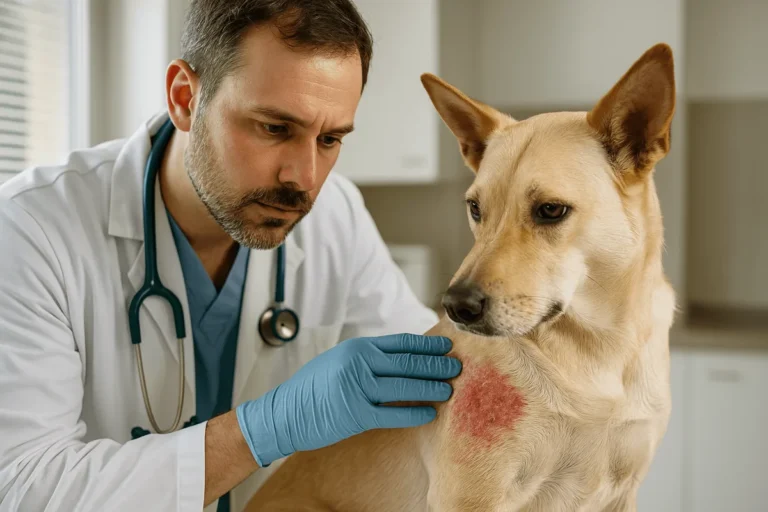
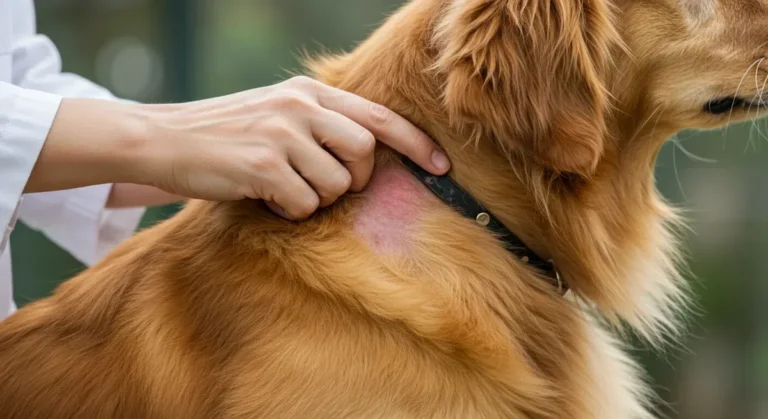
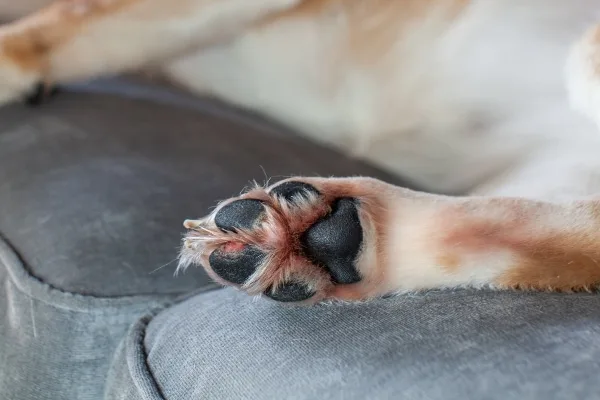
- Red, inflamed skin in the groin, armpits, paws, or face
- Hot spots that keep coming back
- Chronic diarrhea or soft stool alongside skin issues (possible food allergy)
- Failed response to flea control plus basic antihistamines
If two or more of those show up together, allergy testing moves from "optional" to "clinically useful." Your vet will still need to rule out mites, ringworm, and bacterial infections first, because those mimic allergies closely.
The 3 Main Ways Vets Test Dogs for Allergies
There are three diagnostic routes, and they're not interchangeable. Each answers a slightly different question, which is why the choice matters.
Intradermal Skin Testing (IDST)
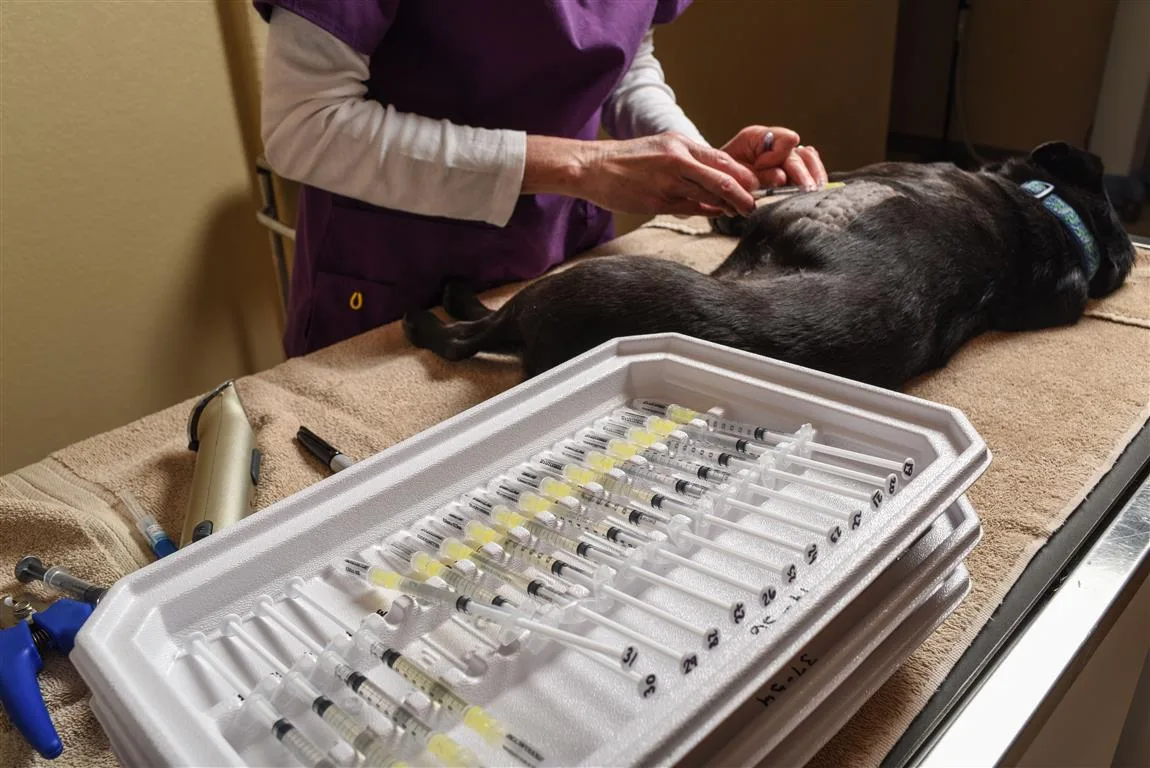
This is considered the gold standard for environmental allergens like pollens, dust mites, and mold. A veterinary dermatologist shaves a patch of skin (usually the side of the chest), injects small amounts of allergens under the skin, and reads the wheals (raised bumps) at 15 to 20 minutes. Positive reactions show as a swollen, red spot.
The catch: your dog must be off antihistamines for 10 to 14 days and steroids for several weeks before the test. Otherwise, results get suppressed and read as falsely negative. Most dogs need light sedation.
The test takes about an hour in clinic.
Serum IgE Blood Testing
A regular vet (not just a specialist) can draw blood and send it to a reference lab. The lab measures allergen-specific IgE antibodies for dozens of environmental and sometimes food allergens. Results come back in 1 to 4 weeks depending on the lab.
It's easier logistically, but it has real limitations. Serum IgE tests have higher false-positive rates than skin testing, meaning the test may flag an allergen your dog doesn't actually react to. They're most useful when intradermal testing isn't possible.
Reasons include remote location, dog can't be sedated, or owner can't afford a specialist.
Elimination Diet Trials
This is the only reliable way to diagnose food allergies. Blood-based food allergy panels are widely available but, per current veterinary literature, they're not considered reliable on their own. So vets use diet trials.
You feed your dog a novel protein and carbohydrate source (like venison and sweet potato, or hydrolyzed protein) for 8 to 12 weeks, with absolutely no treats, table scraps, or flavored medications. If symptoms resolve, you "challenge" by reintroducing old foods one at a time to see what triggers a flare.
It's slow, but it's the diagnostic standard for food allergy. No shortcuts work.
Intradermal vs. Blood Test vs. Elimination Diet: Side-by-Side Comparison
Here's how the three methods stack up. Use this when you're deciding what to discuss with your vet.
| Method | Best For | Time to Results | Accuracy | Cost Range (USD) | Requires Specialist? |
|---|---|---|---|---|---|
| Intradermal Skin Test | Environmental allergies | Same day (1 hour) | High (gold standard) | $300–$800+ | Usually yes |
| Serum IgE Blood Test | Environmental, when IDST isn't possible | 1–4 weeks | Moderate (more false positives) | $200–$500 | No |
| Elimination Diet Trial | Food allergies only | 8–12 weeks | High (gold standard for food) | $100–$300 in food costs | No |
One quick note on cost: as of 2026, intradermal testing at a veterinary dermatologist typically runs $300 to $800+, depending on region and how many allergens are tested. Blood panels are cheaper upfront but may lead to follow-up testing if results are unclear.
How Vets Rule Out Other Causes First
Before any allergy testing happens, your vet needs to confirm your dog's itching actually comes from allergies and not something that looks identical. This step is non-negotiable, because treating the wrong condition wastes time and money.
The usual workup includes:
- Skin cytology to check for yeast or bacterial overgrowth
- Skin scrapings to rule out mites like Sarcoptes or Demodex
- Flea combing and flea control trial, since flea allergy dermatitis (FAD) is one of the most common culprits
- Fecal testing if GI symptoms are present
- Basic bloodwork to rule out hypothyroidism, which can mimic allergic skin disease
If your dog still itches after these are addressed, allergies move to the top of the list. Skipping this step is one of the most common reasons allergy "treatment" fails.
What Happens Before the Test (Medication Washout & Prep)
Allergy tests only work if your dog's immune system isn't chemically suppressed. That's why your vet will ask you to stop certain medications before testing:
- Antihistamines (Benadryl, Zyrtec, Claritin): stop 10 to 14 days before
- Oral steroids (prednisone): stop roughly 4 weeks before
- Topical steroids: stop 2 weeks before
- Cyclosporine (Atopica): stop 4 to 6 weeks before
- Essential fatty acid supplements: usually fine to continue
For intradermal testing, the chest area is shaved 24 to 48 hours in advance. For elimination diets, every treat, table scrap, and flavored chew (including some heartworm preventives) needs to go. That's often the hardest part for owners.
A common mistake we see: owners stop medications but forget about topical ear meds or steroid-containing eye drops. Those count. Be thorough with your vet.
Step-by-Step: What Each Testing Method Actually Looks Like
Knowing the process in advance takes a lot of the anxiety out of the appointment. Here's what actually happens for each method.
Walking Through an Intradermal Skin Test
- Your dog is sedated lightly and the test area (usually lateral thorax) is shaved.
- A grid pattern is marked, and tiny amounts of allergen extracts are injected intradermally.
- After 15 to 20 minutes, the vet reads the wheal-and-flare reactions against positive and negative controls.
- Results are mapped out, and a custom immunotherapy formula is built based on the positive allergens.
- Your dog recovers from sedation in a few hours. No real downtime after that.
Walking Through a Serum IgE Blood Test
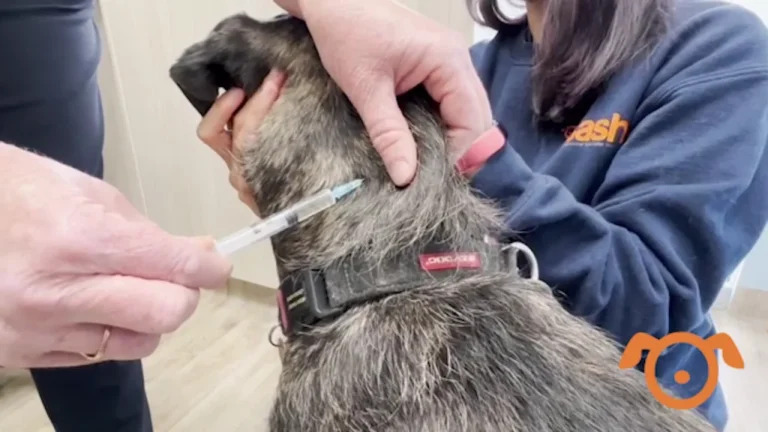
- Your vet draws blood (a few milliliters is enough).
- The sample is shipped to a reference lab (Heska, IDEXX, Thermo Fisher, or similar).
- The lab runs an ELISA or similar assay measuring IgE against panels of regional allergens.
- Results return in 1 to 4 weeks, showing graded reactivity for each allergen.
- Your vet interprets the report in light of your dog's symptoms. Mild positives that don't match clinical signs get treated as background noise.
Walking Through an Elimination Diet Trial
- Choose a novel protein your dog has never eaten (venison, rabbit, duck, kangaroo) or a hydrolyzed protein prescription diet.
- Feed only that diet for 8 to 12 weeks. Nothing else, including treats, chews, or flavored medications.
- Track itch levels and stool weekly. Most dogs show meaningful improvement by week 6 to 8.
- Once symptoms resolve, reintroduce one suspected ingredient at a time (chicken first, for example).
- If a flare happens within 1 to 2 weeks of reintroduction, you've likely identified the trigger.
How Accurate Are Dog Allergy Tests, Really?
This is where a lot of owners get blindsided. No allergy test is a perfect yes-or-no. Accuracy varies a lot by method, and every test has false positives and false negatives.
Here's the honest breakdown based on current veterinary research:
- Intradermal testing has the best track record for environmental allergens when performed by a board-certified dermatologist. Sensitivity ranges roughly 60% to 80% depending on the allergen group.
- Serum IgE tests are convenient but show higher false-positive rates, especially for food allergens. They over-diagnose.
- Elimination diets are highly accurate for food allergies but require strict owner compliance. A single stolen treat ruins the trial.
The biggest takeaway: test results always need to match your dog's clinical picture. A positive dust mite reaction on a blood test means nothing if your dog only itches in summer when ragweed peaks.
Tests to Avoid: Saliva Kits, Hair Analysis, and Other "At-Home" Options
You'll see plenty of direct-to-consumer kits online. Saliva-based tests, hair analysis kits, and "send us a sample" services. None have been validated for canine allergy diagnosis.
Why they fail: no peer-reviewed evidence they reliably detect IgE-mediated allergies in dogs, results don't correlate with intradermal or serum IgE outcomes, and they often produce alarming results that send owners down expensive, unnecessary elimination diets. If you want a definitive answer, work with your vet.
What Happens After Testing: Treatment Options Explained
Testing only matters if it leads to a real treatment plan. Once your vet knows what your dog is reacting to, you typically have three routes, often used together.
Allergen Immunotherapy (Allergy Shots and Oral Drops)
Immunotherapy is the only treatment that retrains the immune system. Custom allergen extracts are formulated based on your dog's test results and given either as subcutaneous injections (SCIT) or oral drops (SLIT). Doses increase gradually over weeks to months.
In our research, about 60 to 80 percent of dogs show meaningful improvement within 6 to 12 months. Some dogs improve dramatically within the first few months. Others need a year.
It requires commitment. Daily or every-other-day dosing for the first stretch, then maintenance for life.
Targeted Avoidance and Environmental Management
If your dog reacts to dust mites, HEPA filters and frequent hot washes of bedding help. If mold is the trigger, dehumidifiers and HVAC filters make a dent. Avoidance is rarely enough on its own.
It works best as a support to immunotherapy or medication.
Medications and Long-Term Symptom Control
Most dogs still need some medication during testing and treatment. Options include Apoquel (oclacitinib), Cytopoint injections, cyclosporine, or low-dose steroids in severe flares. None are cures.
They buy comfort while immunotherapy or diet changes do the long-term work.
Common Mistakes Pet Owners Make During the Testing Process
We've watched a lot of well-intentioned owners accidentally sabotage their dog's diagnosis. The most common ones: not withdrawing medications long enough (false negatives), sneaking treats during a diet trial, misreading positive IgE results without clinical correlation, and skipping flea control entirely. Avoiding these mistakes saves months of frustration.
When to See a Veterinary Dermatologist Instead of Your Regular Vet
A general practice vet can absolutely start the workup, but referral makes sense when your dog has failed standard therapy, has recurring infections, needs intradermal testing done correctly, or carries an unclear diagnosis. A board-certified veterinary dermatologist has equipment and training most clinics don't. The American College of Veterinary Dermatology directory helps you find one nearby.
Breed, Age, and Season: Factors That Affect Your Dog's Test Results
Bulldogs, Retrievers, Terriers, Shepherds, Setters, and Boxers all show higher rates of atopic dermatitis. Most dogs develop clinical allergies between 6 months and 3 years, so testing puppies under 6 months rarely helps. Intradermal testing also works best during or just after a dog's symptomatic season, since winter remission can suppress reactions.
Costs of Dog Allergy Testing
| Service | Typical Cost (USD) | Notes |
|---|---|---|
| Initial dermatology consult | $150–$300 | Often credited toward testing |
| Intradermal skin test | $300–$800+ | Includes sedation and allergen panel |
| Serum IgE blood panel | $200–$500 | Lab and draw fee combined |
| Elimination diet trial | $100–$300 | Specialized food over 8 to 12 weeks |
| Custom immunotherapy (first year) | $400–$800 | Vials, dosing supplies, rechecks |
Pet insurance sometimes covers allergy testing if referred by a vet. Pre-authorization is often required.
Frequently Asked Questions
Does my dog need to be sedated for allergy testing?
Only for intradermal skin testing, and it's usually light sedation, not full anesthesia. Blood draws and diet trials don't require any sedation at all.
How long until I see results from allergy treatment?
Immunotherapy typically takes 2 to 6 months. Diet changes often produce clearer results within 4 to 8 weeks. Apoquel works within 24 hours but only suppresses symptoms while your dog stays on it.
Can puppies be allergy tested?
Technically yes, but most dermatologists wait until at least 6 to 12 months of age for reliable results. Younger dogs usually need symptomatic treatment first.
What's the difference between a food allergy and food intolerance in dogs?
A true food allergy involves the immune system and shows up as skin or ear issues. Food intolerance is a digestive problem causing diarrhea or gas without itching. Elimination diets help identify both.
Are allergy tests covered by pet insurance?
Many accident-and-illness policies cover allergy testing if referred by a vet and deemed medically necessary. Wellness plans usually don't.
Your Next Step: Getting the Right Test for Your Dog
Start with your regular vet and ask for a full workup to rule out infections, mites, and flea allergy first. From there, you'll know whether intradermal testing, a blood panel, or an elimination diet makes the most sense. Be patient with the process, follow your vet's instructions on medication withdrawal, and resist the urge to skip ahead without a real diagnosis.
Your dog can't tell you what's making them itch, and the testing process is how they get to tell you anyway.