Feed your cat complete and balanced wet food in measured portions, follow a regular schedule, and refrigerate leftovers promptly.
In American homes, feeding a cat often fits around work, school, errands, and family life. Wet cat food can make mealtimes easier while adding water to your cat’s diet. The key is to serve the right amount, keep food fresh, and match each meal to your cat’s age, weight, activity, and health needs.
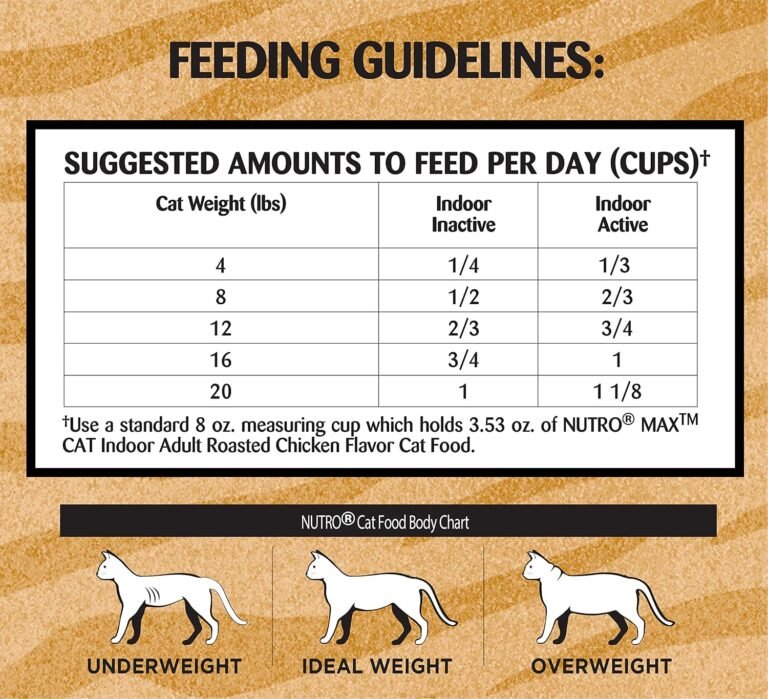
Start by checking the feeding guide on the food package. Use it as a starting point, not a fixed rule for every cat. Your cat may need more or less food based on body condition, daily activity, other foods, and advice from a veterinarian. A simple routine can help you spot changes in appetite before they become bigger concerns.
This guide explains how to choose wet cat food, work out portions, serve meals, manage leftovers, and help a picky cat adjust. It also covers kittens, senior cats, mixed wet and dry diets, and common feeding problems. These steps can help you build a routine that supports good nutrition without wasting food.
Source: expertcatcare.com
1. Choose the Right Wet Cat Food
Choose a wet cat food that provides all the nutrients your cat needs for its life stage. In the United States, look for a nutritional adequacy statement on the label indicating that the food is complete and balanced for adult maintenance, growth, reproduction, or all life stages, as appropriate. The Association of American Feed Control Officials, or AAFCO, provides nutritional profiles and feeding-test standards used in these claims.
A food labeled for supplemental or intermittent feeding is not meant to serve as the only diet unless a veterinarian directs otherwise. Some toppers, broths, and treats fall into this category. They may add variety, but they should not replace a nutritionally complete main diet.
Wet food comes in many forms, including pâté, minced meat, chunks in gravy, and shredded recipes. These textures can affect how readily a cat accepts a meal, but texture alone does not tell you whether a food meets its nutritional needs. Check the label, calories, life-stage statement, and any dietary restrictions before choosing.
Source: toe-beans.com
For adult cats
Choose complete and balanced food labeled for adult maintenance unless your veterinarian recommends a different diet.
For kittens
Choose food formulated for growth or all life stages. Kittens need more energy and nutrients per pound than most adult cats.
For cats with medical needs
Ask your veterinarian about a suitable diet if your cat has kidney disease, diabetes, urinary problems, food allergies, or another diagnosed condition.
For picky eaters
Try a different texture or serving temperature while keeping the food complete and balanced.
Read the Label Before You Buy
Check the life-stage statement, calorie content, ingredient information, and feeding directions. Calorie information may appear as kilocalories per can, pouch, or kilogram. For portion planning, calories per can or pouch are often the easiest figures to use.
Do not assume that a larger can contains more calories in direct proportion to its weight. Recipes can differ in water, fat, protein, and energy content. Compare the actual calorie information for the foods you are considering.
If you are unsure whether a product is suitable as your cat’s main diet, contact the manufacturer or ask your veterinarian to review the label. Marketing phrases alone do not establish nutritional adequacy.
Check the adequacy statement
Confirm that the food is complete and balanced for the correct life stage.
Check calories
Use the listed energy content to calculate a sensible daily portion.
2. Work Out How Much Wet Food Your Cat Needs
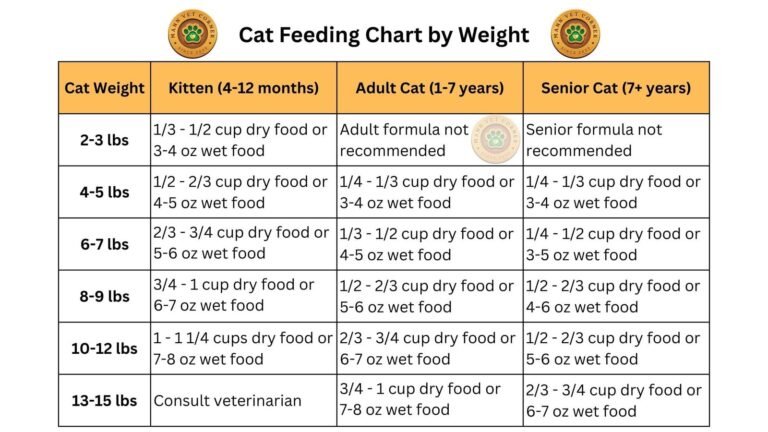
The right amount of wet food depends on your cat’s calorie needs and the energy content of the food. Age, ideal body weight, activity, reproductive status, and medical conditions all affect how much your cat should eat. A package feeding chart can help you begin, but it cannot account for every individual cat.
Start with the manufacturer’s daily feeding recommendation for your cat’s weight and life stage. If the package gives a calorie figure, use it to understand how much energy each can or pouch provides. Then adjust the amount over time based on body condition, weight trends, appetite, and veterinary guidance.
Avoid using the number of cans alone as your guide. One food may contain far more calories per can than another. A cat that needs two small cans of one recipe might need a different number of cans of another recipe to receive a similar amount of energy.
Source: nexus-pets.com
Use body weight as a starting point
Follow the package guide for your cat’s current size, but remember that current weight may not be the ideal weight.
Consider activity
A highly active cat may need more energy than a less active cat of similar size, although age and other factors also matter.
Count every food source
Include wet food, dry food, treats, table scraps, and calorie-containing supplements when estimating daily intake.
Monitor body condition
Track weight and look for a visible waist and ribs that can be felt without excessive pressure. Ask a veterinarian to assess body condition if you are unsure.
Calculate Portions Using Calories
If you know your cat’s daily calorie target and the calories in each can, you can estimate how much wet food to serve. The following example uses hypothetical values to show the math. It is not a feeding prescription for every cat.
Suppose a veterinarian recommends 240 kilocalories per day for a particular adult cat, and the chosen wet food provides 120 kilocalories per can. Divide 240 by 120. The result is two cans per day if that food supplies all of the cat’s calories and no other calorie sources are included.
If you also offer treats or dry food, subtract their calories from the daily total before calculating the wet food portion. Your veterinarian may set a different calorie target based on weight loss, weight gain, age, or a medical condition.
The formula
Daily food amount = daily calorie target divided by calories per can or pouch.
Example
240 kilocalories per day divided by 120 kilocalories per can equals two cans per day.
Important limit
The result is only as useful as the calorie target. Ask a veterinarian to help set that target if your cat is overweight, underweight, growing, or ill.
How Much Wet Food Should You Serve at Each Meal?
Divide the daily amount into the number of meals your cat will receive. If a cat needs two cans per day and eats four equal meals, each meal would contain half a can. You can weigh the food or measure it with a clean utensil to keep portions consistent.
Equal meals are not required for every cat. Some cats do well with two or three meals, while others prefer several smaller portions. Kittens often need more frequent meals because they are growing and have smaller stomachs.
Two meals
Divide the daily ration into two portions if this suits your cat’s appetite and household schedule.
Three or four meals
Use smaller portions when your cat prefers frequent meals or needs a more structured feeding routine.
More frequent meals
Kittens and some cats with specific medical needs may benefit from a schedule recommended by a veterinarian.
3. Set a Feeding Schedule
A regular feeding schedule helps you manage portions and notice changes in appetite. Many healthy adult cats can eat two or more measured meals each day. The best schedule is one your household can maintain while meeting your cat’s nutritional needs.
Feed at roughly consistent times, such as before work and in the evening. If your cat eats small meals throughout the day, divide the daily ration into several portions. You can use a timed feeder designed for wet food when it keeps food chilled or otherwise maintains safe food temperatures according to its instructions.
Do not leave wet food out all day as if it were dry kibble. Moist food can support the growth of harmful microorganisms when left at room temperature. Serve a reasonable portion, allow time for your cat to eat, and remove what remains according to food safety guidance.
Source: mybritishshorthair.com
Morning
Offer a measured meal and record how much your cat eats if appetite monitoring is useful.
Midday
For cats that need another meal, use a safe chilled feeder or arrange for someone to serve fresh food.
Evening
Offer the next measured portion and remove uneaten food within the recommended time.
Before bed
Check whether your cat needs a small scheduled meal, especially if it tends to wake the household for food.
A Sample Daily Feeding Plan
The schedule below is an example for an adult cat that eats four small meals. It is not a required schedule, and the portion size must come from the cat’s daily food allowance. Shift the times to fit your home while keeping food handling safe.
7:00 a.m.
Serve the first measured meal in a clean dish.
12:00 p.m.
Offer a second meal if your schedule and your cat’s needs support midday feeding.
6:00 p.m.
Serve another measured meal and provide fresh drinking water.
10:00 p.m.
Offer the final portion if four meals suit your cat’s routine.
4. Serve Wet Cat Food the Right Way
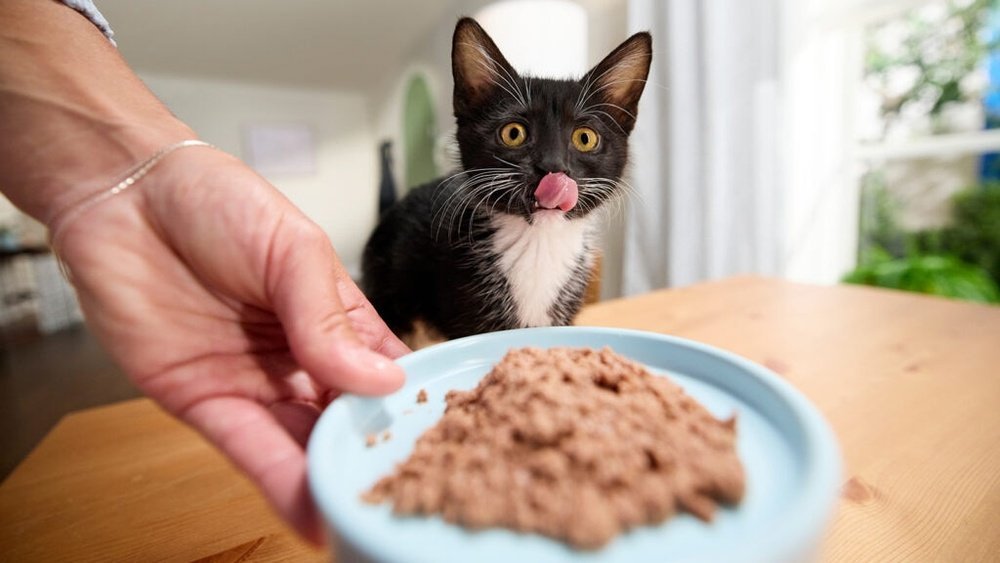
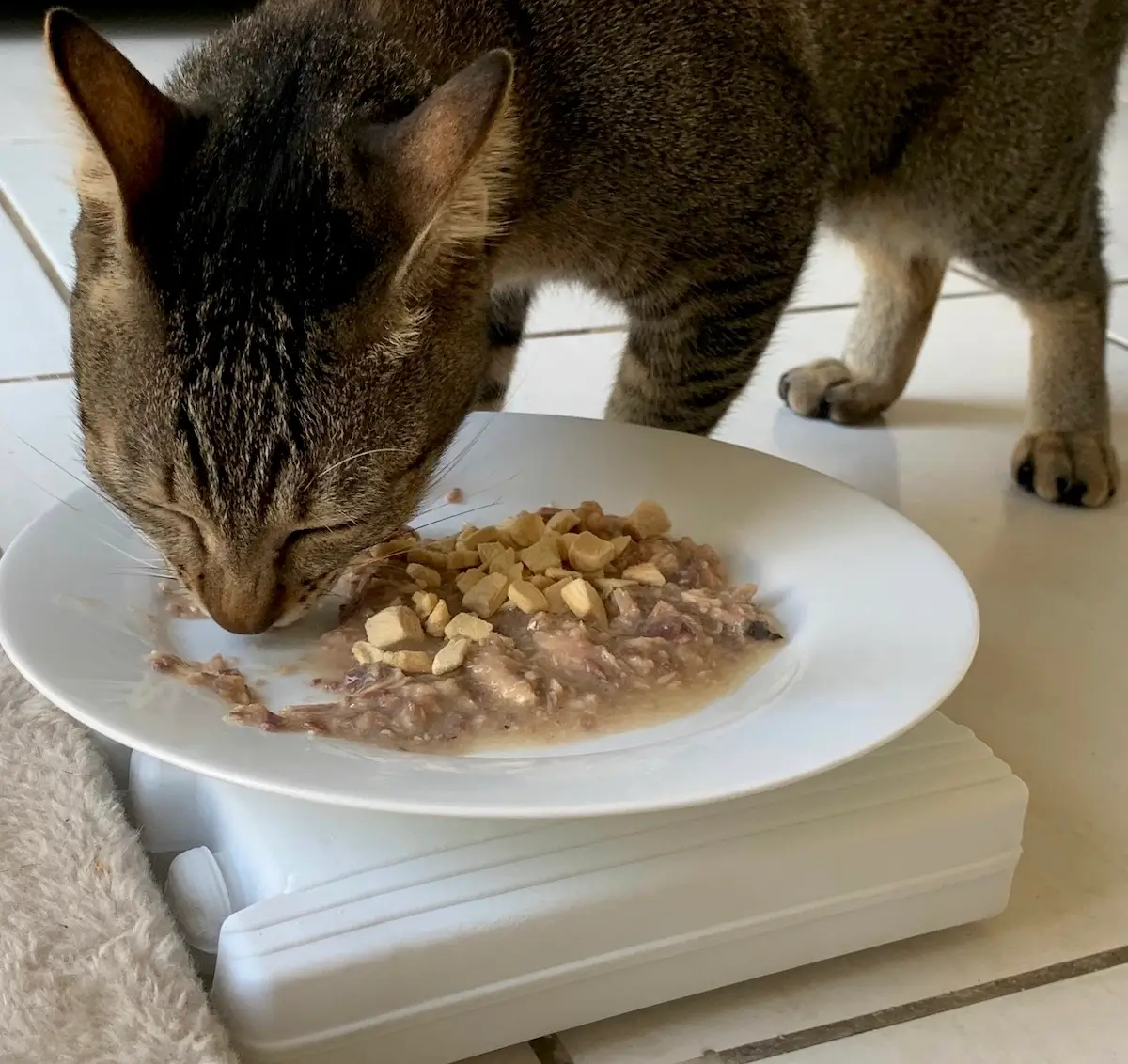
Serve wet cat food in a clean, stable dish that your cat can reach without strain. A shallow plate or wide bowl may help a cat that dislikes deep dishes or has trouble reaching food near the sides. Place the dish in a calm area away from the litter box and busy walkways.
Open the can or pouch with clean hands and use a clean utensil to portion the food. Stir the food if the recipe has separated liquid, unless the package gives different directions. Remove the amount your cat needs and refrigerate the unused portion promptly.
Many cats accept wet food more readily when it is close to room temperature rather than cold from the refrigerator. If you warm refrigerated food, do so gently and stir it well to avoid hot spots. Never serve food that is hot to the touch, and do not heat a metal can in a microwave.
Source: myfelinebuddy.com
Use clean dishes
Wash food bowls after meals with dish soap and water, then rinse and dry them well.
Offer a comfortable texture
Try pâté, minced food, shreds, or chunks in gravy if your cat has a clear texture preference.
Keep water available
Wet food adds moisture, but it does not replace access to clean drinking water.
Avoid unsafe additions
Do not add seasonings, sauces, onion, garlic, or other ingredients that may harm cats.
Should Wet Cat Food Be Warmed?
Warming refrigerated wet food slightly can make its smell more noticeable and may encourage some cats to eat. Let the food reach a comfortable, mildly warm temperature before serving it. You can stir in a little warm water if your cat tolerates the texture and the extra liquid does not conflict with veterinary instructions.
Do not assume that warming will solve every appetite problem. Dental pain, nausea, illness, stress, and other issues can cause a cat to refuse food. If your cat suddenly rejects a food it usually enjoys, look for other symptoms and contact your veterinarian when appropriate.
Gentle warming
Place the food in a microwave-safe dish, warm it briefly if needed, and stir thoroughly before checking the temperature.
Add water carefully
A small amount of warm water may soften the texture, but avoid making changes that conflict with a prescribed diet.
5. Store Wet Cat Food Safely
Refrigerate unused wet cat food promptly after opening. Transfer leftovers to a clean, covered container if the original packaging cannot be sealed securely, and follow the product label for refrigeration and storage times. Marking the opening date can help you use the food within the recommended period.
As a general food safety rule, do not leave wet pet food at room temperature for more than two hours. In hot conditions above 90 degrees Fahrenheit, such as a warm room or outdoor setting, the limit is one hour. These are conservative handling limits; a product’s label may provide more specific directions.
Throw away food that smells unusual, looks spoiled, has been contaminated, or has remained out beyond the safe time limit. Do not rely on smell alone to decide whether food is safe. Some harmful microbes may not cause an obvious change in appearance or odor.
Source: catchicgrooming.com
Before opening
Store unopened cans and pouches according to the package directions and check the use-by date and package condition.
After opening
Cover unused food, refrigerate it promptly, and follow the manufacturer’s instructions for how long it can be kept.
After serving
Remove uneaten food within the safe room-temperature window and wash the dish before the next meal.
When in doubt
Discard food with uncertain storage history instead of risking your cat’s health.
Can You Leave Wet Food Out While You Work?
Leaving a bowl of wet food on the counter for an entire workday is not a safe feeding plan. Instead, offer a fresh meal before leaving and another when you return, provided the schedule meets your cat’s needs. If your cat requires midday food, consider a caregiver or a feeder designed to keep wet food chilled.
An automatic feeder is useful only if it can maintain safe conditions for wet food and is used as directed. Check its cooling method, cleaning instructions, portion capacity, and power requirements before relying on it. Test the setup while you are home so you can confirm that the food stays fresh and your cat can use it.
Use a chilled feeder
Choose a device that is specifically designed to maintain suitable temperatures for wet food and follow its operating instructions.
Arrange a visit
Ask a trusted person to provide a fresh meal if your cat needs more frequent feeding.
Plan ahead
Do not assume a regular timed feeder can safely hold wet food for many hours without cooling.
6. Introduce Wet Food to a Cat That Eats Dry Food
Introduce wet cat food gradually if your cat is used to eating dry kibble. Cats can be cautious about changes in smell, texture, temperature, and routine. A slow transition gives your cat time to accept the new food and helps you notice digestive upset.
Start with a small amount of wet food beside the usual meal. Let your cat explore it without pressure. If your cat accepts the food, slowly increase the wet portion over several days or longer, while reducing the old food so the total calorie intake remains appropriate.
Some cats prefer wet and dry food in separate dishes rather than mixed together. Others like a small amount of their usual food beside the new food. Do not force the change by withholding all familiar food, especially if your cat already has a poor appetite.
Source: expertcatcare.com
Start small
Offer a teaspoon or another small taste of wet food alongside the familiar diet.
Keep the routine calm
Serve food in the usual location and avoid crowding or pressuring your cat.
Increase slowly
Raise the wet food portion as acceptance improves, adjusting the old food to maintain the intended daily calories.
Watch digestion
Monitor stool quality, vomiting, appetite, and behavior during the transition.
A Gradual Transition Example
A transition may take about seven to ten days for a cat that accepts new food readily, but some cats need several weeks. The schedule below is an example, not a strict deadline. Keep each stage longer if your cat is hesitant or has mild digestive changes, and consult your veterinarian if symptoms persist.
Days 1 and 2
Offer a small taste of wet food alongside the usual food.
Days 3 and 4
Increase the wet portion a little if your cat eats it comfortably.
Days 5 through 7
Continue raising the wet portion and reduce the old food in line with calorie needs.
After the first week
Continue at a pace your cat tolerates until the desired diet is reached, or maintain a mixed diet if that better meets your cat’s needs.
What If Your Cat Refuses Wet Food?
Try a different texture, a fresh small portion, or food served at a comfortable temperature. Some cats prefer smooth pâté, while others favor chunks or shreds. You can also offer the food on a shallow plate in a quiet area.
Do not let a cat go without adequate food just to force acceptance of a new diet. Cats that eat too little for several days can develop serious health problems, including hepatic lipidosis, a potentially life-threatening liver condition. Contact a veterinarian promptly if your cat stops eating, especially if it is overweight, ill, or also vomiting or acting weak.
Offer a fresh serving
A small fresh portion may be more appealing than food that has dried out or become too cold.
Try another texture
Change one feature at a time so you can see what your cat prefers.
Seek help when needed
Do not wait through prolonged food refusal or try appetite stimulants without veterinary advice.
7. Feed Kittens, Adult Cats, and Senior Cats Differently
Your cat’s life stage affects how often it should eat and which food it needs. A growing kitten has different energy and nutrient needs from a healthy adult cat. Older cats may also need a different feeding approach because of changes in appetite, teeth, mobility, or health.
Use a food formulated for the appropriate life stage and ask a veterinarian for a tailored plan if your cat has a medical condition. Do not assume that senior cats always need less food or that every older cat requires a special senior recipe. Body condition and health matter more than age alone when deciding how much to feed.
Fresh water should remain available at every life stage. Wet food contains substantial moisture, but cats still need access to drinking water. Monitor appetite and weight regularly so you can spot changes early.
Source: catilife.com
Kittens
Feed a complete food formulated for growth. Young kittens generally need several small meals each day, with frequency adjusted as they grow and begin eating more at each meal.
Adult cats
Use measured meals and adjust portions to maintain a healthy body condition.
Senior cats
Monitor weight, appetite, chewing comfort, and mobility. Ask your veterinarian about changes that could signal illness or a need for a different diet.
Cats with medical conditions
Follow the prescribed feeding plan for conditions such as diabetes, kidney disease, or urinary tract disorders.
How to Feed Wet Food to Kittens
Kittens need food that supports growth, not just a smaller portion of adult cat food. During weaning, which often begins around four weeks of age, kittens can gradually learn to eat wet kitten food. Very young kittens may need a special milk replacer under veterinary or rescue guidance rather than ordinary canned food.
As kittens grow, divide their daily allowance into several small meals. Follow the feeding guide for the specific food and track growth with regular weight checks. If a kitten is weak, cold, dehydrated, or unwilling to eat, seek veterinary care promptly.
Use kitten food
Select a complete and balanced recipe for growth or all life stages.
Offer small meals
Give frequent measured portions that suit the kitten’s age and appetite.
Track growth
Regular weight checks can help you and your veterinarian assess whether the kitten is growing as expected.
How to Feed Senior Cats
Older cats may find wet food easier to chew than some dry foods, but wet food does not automatically solve dental pain or swallowing problems. If your cat drops food, chews on one side, drools, or approaches the bowl but does not eat, arrange a veterinary check.
Some senior cats benefit from smaller, more frequent meals. Others need a medical diet or help maintaining weight. A veterinarian can help separate normal changes with age from problems that require treatment.
Make food easy to reach
Use a stable dish in a quiet spot that your cat can reach comfortably.
Monitor weight
Unexpected weight loss or gain deserves attention, even if your cat still eats.
8. Combine Wet and Dry Cat Food Without Overfeeding
You can feed both wet and dry food if the combined diet meets your cat’s needs. Some households serve wet food at set meal times and offer measured dry food at another meal. Others divide both types into several portions during the day.
The main rule is to count calories from both foods. Feeding a full daily portion of wet food plus a full daily portion of dry food can lead to excess calorie intake. Use the calorie information on both packages and calculate a combined amount that fits the daily target.
A mixed diet can be practical for cats that enjoy both textures or for households with different feeding times. However, neither wet food nor dry food is automatically right for every cat. The best plan depends on nutritional adequacy, health needs, portion control, and what the cat will reliably eat.
Source: bilaimama.com
Set a daily calorie target
Use a veterinarian’s recommendation or an appropriate package guide as the starting point.
Subtract the dry food calories
Reserve part of the daily calorie allowance for kibble before calculating the wet food portion.
Measure both foods
Use a kitchen scale or a consistent measuring method rather than guessing by eye.
Review treats
Include treats and extras in the total so they do not quietly push daily intake above the intended amount.
A Mixed-Feeding Calculation
Consider a hypothetical adult cat with a daily target of 240 kilocalories. If 60 kilocalories come from treats and 60 kilocalories come from dry food, 120 kilocalories remain for wet food. If each can provides 120 kilocalories, one can would supply the remaining amount.
This example shows the arithmetic only. The correct daily target depends on the individual cat, and treats should generally make up no more than about 10 percent of daily calories unless a veterinarian advises otherwise. For a cat on a therapeutic diet, ask your veterinarian before adding treats or another food.
Daily target
240 kilocalories in this hypothetical example.
Other food
60 kilocalories from dry food plus 60 kilocalories from treats.
Wet food remaining
120 kilocalories, equal to one can containing 120 kilocalories.
9. Avoid Common Wet Cat Food Feeding Mistakes
Most feeding problems become easier to manage when you keep portions measured, follow food safety rules, and watch your cat’s behavior. Small changes in routine can help, but a persistent change in appetite may signal an underlying health issue. Do not treat every feeding problem as simple pickiness.
One common mistake is changing food suddenly while keeping the same serving size. Different recipes may contain different amounts of calories, so a cup, can, or pouch does not always provide the same energy. Another mistake is leaving leftovers out for hours because the cat may return later.
Avoid force-feeding a resistant cat unless a veterinarian has provided specific instructions and training. Force-feeding can cause stress and may create a risk of food entering the airway. If your cat will not eat, ask a veterinarian to identify the cause and advise on the safest next step.
Source: expertcatcare.com
Guessing portions
Measure food and check calorie content to avoid accidental overfeeding or underfeeding.
Ignoring food refusal
A sudden loss of appetite can be a sign of illness. Contact a veterinarian if your cat stops eating or shows other symptoms.
Leaving food out too long
Remove leftovers within the safe room-temperature window and keep unused food refrigerated.
Making frequent diet changes
Change foods gradually when possible and avoid repeatedly switching recipes without a clear reason.
Adding unsafe human foods
Avoid ingredients such as onion, garlic, and foods containing harmful seasonings or sauces.
Overlooking dental pain
Drooling, dropping food, chewing oddly, or approaching food and then walking away can warrant a dental and medical exam.
When Should You Call a Veterinarian?
Contact your veterinarian promptly if your cat refuses food, eats much less than usual, loses weight without explanation, or has ongoing vomiting or diarrhea. A cat that has eaten nothing for about 24 hours needs prompt veterinary advice, and kittens, diabetic cats, and cats with known illnesses may need help much sooner. Do not wait for that time limit if your cat seems unwell.
Seek urgent care if food refusal occurs with severe weakness, breathing trouble, collapse, repeated vomiting, obvious pain, or other serious symptoms. Cats can become seriously ill even when the first sign looks like a minor feeding problem.
Keep a short record of meals, amounts eaten, water intake, vomiting, stool changes, and weight when possible. This information can help the veterinary team understand what has changed and decide which checks are needed.
Record the symptoms
Write down when the problem started, how much your cat ate, and any other changes.
Bring the food label
Share the brand, recipe, calorie information, and any recent diet changes.
Follow medical advice
Do not give human medicines or use appetite stimulants without veterinary direction.
10. Track Whether Your Feeding Routine Is Working
A good feeding routine should provide enough food, support a stable and healthy body condition, and fit your cat’s daily habits. Watch how eagerly your cat approaches meals, how much it finishes, and whether its weight changes over time. A clean bowl alone does not prove that the portion is correct.
Weigh your cat regularly if you can do so safely, using the same scale and similar conditions each time. For small cats, a suitable pet or baby scale may make changes easier to detect. Ask your veterinarian how often to check weight and what range is appropriate for your cat.
Review the feeding plan when your cat’s life or health changes. A change in activity, pregnancy, recovery from illness, medication, or a new diagnosis may alter nutritional needs. Adjust portions based on reliable guidance rather than cutting food sharply or adding large amounts without a plan.
Source: travelingwithyourcat.com
Appetite
Notice whether your cat eats its usual amount and whether its interest in food changes.
Body condition
Check for gradual weight changes and ask your veterinarian to assess body condition.
Digestion
Watch for persistent vomiting, diarrhea, constipation, or other changes after a diet switch.
Food safety
Keep dishes clean, store opened food correctly, and discard questionable leftovers.
A Simple Feeding Checklist
Use this checklist to keep daily feeding consistent. You do not need a complicated tracking system; a note on your phone or a paper log can be enough.
Before the meal
Check the food label, portion size, and condition of the dish.
During the meal
Notice whether your cat eats normally and whether chewing or swallowing seems difficult.
After the meal
Remove leftovers on time, cover unused food, and refrigerate it promptly.
Each week
Review appetite, stool quality, and weight trends if you are tracking them.
Frequently Asked Questions
Q
How many times a day should I feed my cat wet food?
Many healthy adult cats do well with two or more measured meals per day. Kittens generally need more frequent meals, while some older cats or cats with medical conditions may benefit from smaller portions offered more often. Divide the daily calorie allowance across the meals that fit your cat’s needs and your schedule.
Q
Can I feed my cat wet food only?
Yes, many cats can eat wet food as their sole diet if it is complete and balanced for their life stage and meets their individual needs. Check the nutritional adequacy statement on the package. Ask your veterinarian before making a major diet change if your cat has a medical condition or needs a prescription diet.
Q
Should I mix wet cat food with water?
You can usually add a small amount of clean, warm water to wet food if your cat enjoys it and the change does not conflict with veterinary instructions. This can soften the texture and add moisture. Prepare only the amount your cat will eat, and do not leave diluted food sitting out longer than the safe handling window.
Q
How long can wet cat food sit out?
As a general food safety rule, discard wet pet food that has been at room temperature for more than two hours. In temperatures above 90 degrees Fahrenheit, use a one-hour limit. Follow the product label when it gives more specific directions, and remove food sooner if it becomes contaminated or spoiled.
Q
Can I leave wet cat food out overnight?
No. Leaving wet cat food out overnight is not a safe way to feed your cat. Offer a fresh meal before bed, refrigerate unused food promptly, and remove uneaten portions within the safe time limit. If your cat needs a late-night meal, consider a suitable chilled wet-food feeder or a measured feeding plan that keeps food at a safe temperature.
Q
How do I get a picky cat to eat wet food?
Offer a small fresh serving beside the food your cat already accepts. Try a different texture or serve the food slightly warmed, and keep the feeding area quiet. Increase the new food gradually if your cat accepts it. Do not starve your cat into accepting a new diet; contact a veterinarian if your cat refuses food or has a sudden drop in appetite.
Q
Can I feed wet and dry food together?
Yes. You can serve wet and dry food at separate meals or offer them in separate dishes at the same meal. Measure both foods and count their combined calories, including treats. Feeding the full recommended amount of each food without adjusting portions may result in too many calories.
Q
How long does opened wet cat food last in the refrigerator?
The safe storage period depends on the product and its packaging. Cover unused food, refrigerate it promptly, and follow the manufacturer’s instructions for the recommended storage time. If the label is unclear, contact the manufacturer rather than assuming every recipe has the same shelf life after opening.
Q
What should I do if my cat vomits after eating wet food?
A change in food, eating too quickly, or an underlying illness may contribute to vomiting, but the cause cannot be determined from that symptom alone. Note when the vomiting occurred and whether it happens again. Contact your veterinarian if vomiting repeats, your cat cannot keep water down, or other symptoms appear; seek urgent care for severe weakness, pain, collapse, or other serious signs.
Q
Is wet cat food better than dry cat food?
Neither type is automatically best for every cat. Wet food provides more moisture and may suit cats that prefer its texture, while dry food can be convenient to measure and store. Nutritional adequacy, calorie intake, medical needs, dental health, and the cat’s willingness to eat all matter when choosing a diet.
✦ Wrapping Up
Conclusion
Learning how to feed wet cat food starts with a few reliable habits: choose a complete and balanced recipe, measure the daily portion, serve meals on a steady schedule, and store leftovers safely. Adjust the plan to your cat’s life stage, activity, body condition, and health needs instead of relying on a fixed number of cans.
Keep fresh water available, use clean dishes, and watch for changes in appetite, weight, and digestion. If your cat is switching from dry food, take a gradual approach and let acceptance guide the pace. Never force a diet change by withholding the food your cat will eat.
A feeding routine should make your cat’s life healthier while making your day easier to manage. When appetite changes suddenly, food refusal continues, or symptoms develop, seek veterinary advice rather than assuming your cat is simply being fussy.
💡 Key Takeaway
Today, check the nutritional adequacy statement and calorie content on your cat’s wet food, calculate a suitable daily portion, divide it into measured meals, and set a safe routine for removing and refrigerating leftovers.