A cat’s digestive process can take roughly 12 to 24 hours or longer, depending on the food, the cat’s health, and individual gut movement.
If you share your home with a cat in the United States, you may notice a familiar routine. Your cat eats breakfast, naps in a sunny window, asks for a snack, and visits the litter box later in the day. It is natural to wonder how long that meal takes to move through the body. The answer can help you plan meals, understand bowel habits, and spot changes that deserve attention.
Cat digestion does not happen all at once. Food moves through the stomach and intestines, where the body breaks it down, absorbs nutrients, and forms waste. The time this takes varies from cat to cat, so one litter box visit cannot tell you exactly when a particular meal was fully digested.
This guide explains the usual time frame, the difference between digestion and passing stool, how wet and dry food may affect the process, and what you can do to support healthy digestion. It also covers warning signs that call for veterinary care, because a change in eating or bathroom habits can sometimes point to a health problem.
Source: petshun.com
How Long Does It Take a Cat to Digest Food?
For many healthy cats, food may take roughly 12 to 24 hours or longer to travel through the digestive tract. This is a general guide, not a precise deadline. Transit time can vary with the meal, the cat, and the method used to measure digestion.
Digestion begins before food reaches the stomach. Chewing, swallowing, stomach activity, and movement through the intestines all play a role. The body breaks food into smaller components, absorbs useful nutrients, and moves the remaining material toward the colon, where water is absorbed and stool forms.
A cat can eat several meals in one day while food from earlier meals is still moving through the gut. This is normal. The digestive tract works more like a moving stream than a conveyor belt that empties completely after every meal.
Source: proudcatowners.com
Stomach digestion
The stomach mixes food with digestive juices and gradually releases its contents into the small intestine. How quickly this happens depends on the meal and the cat.
Nutrient absorption
Most nutrient absorption takes place in the small intestine. Enzymes help break down proteins, fats, and carbohydrates into forms the body can use.
Waste formation
The large intestine absorbs water and helps form stool from material the body has not digested or absorbed.
Bowel movement
The cat eventually passes stool through the rectum and anus. This event reflects earlier digestive activity, not necessarily the meal eaten a few hours before.
Is 12 to 24 Hours a Guaranteed Digestion Time?
No. The 12-to-24-hour range is a useful general estimate, but individual transit times can fall outside it. Different studies may also report different results because they measure stomach emptying, intestinal transit, or the time until material appears in the stool.
A cat that takes longer than a day to pass stool is not automatically ill. The key questions are whether the cat is comfortable, eating normally, passing stool without difficulty, and behaving as usual. A sudden change from that cat’s normal pattern matters more than a single clock reading.
Look for patterns
Compare your cat’s current habits with its usual appetite, stool quality, and litter box routine.
Avoid diagnosing by timing alone
A single bowel movement or a short delay cannot establish whether digestion is healthy or abnormal.
How Does the Cat Digestive System Work?
A cat’s digestive system turns food into energy, supports tissue repair, and supplies nutrients needed for everyday health. Each part has a different job, and trouble in one area can affect the rest of the process.
Cats are obligate carnivores. They have dietary needs that reflect their biology, including a need for nutrients such as taurine that must be supplied in suitable amounts by their diet. A complete and balanced cat food is designed to provide essential nutrients in the right proportions for its stated life stage.
Source: rawznaturalpetfood.com
Mouth and esophagus
The mouth breaks food into smaller pieces, and swallowing moves it down the esophagus toward the stomach.
Stomach
Stomach acid and enzymes help process food, especially protein. Muscular contractions mix the meal and move it toward the small intestine.
Small intestine
Digestive enzymes and bile help break down food components. The intestinal lining absorbs most nutrients into the body.
Large intestine
The colon absorbs water and supports the activity of gut microbes. Remaining material becomes more solid as stool forms.
Rectum and anus
Stool is stored briefly and then passed during a bowel movement.
Why Each Stage Matters
A cat may have normal stomach function but still develop diarrhea because the intestines cannot absorb water properly. Another cat may digest food normally but struggle to pass dry, hard stool. These are different problems, even though both affect the digestive system.
Vomiting also differs from a bowel movement. Vomiting brings stomach contents or material from the upper digestive tract out through the mouth. Regurgitation is usually more passive and often involves food that has not reached the stomach or has not been digested much. Repeated episodes need veterinary assessment, especially when they occur with weakness, pain, or loss of appetite.
Digesting food
The body breaks food down and absorbs nutrients.
Moving food
Muscular contractions move material along the digestive tract.
Passing stool
The body removes waste after water absorption and stool formation.
How Long After Eating Does a Cat Poop?
There is no fixed number of hours between a meal and a bowel movement. A cat may use the litter box later that day or the following day, but the stool it passes may contain material from earlier meals. Food from the most recent meal usually needs time to travel through the digestive tract.
Many healthy adult cats pass stool about once a day, although some go more or less often. The pattern depends on diet, food intake, hydration, activity, and individual differences. Stool consistency and the ease of passing it are just as important as frequency.
A cat that poops soon after eating may be responding to a natural digestive reflex. Food entering the stomach can stimulate movement in the colon, helping move stool that was already there. This does not mean the newly eaten meal traveled through the whole digestive system in minutes.
Source: purrfectnpawesome.com
A normal-looking stool
Stool is generally formed and moist enough to pass without excessive effort. A healthy pattern should be judged alongside your cat’s usual habits.
A delayed bowel movement
A brief delay can happen, but repeated delays, hard stool, discomfort, or straining can signal constipation or another problem.
Frequent loose stool
Repeated diarrhea can result from dietary changes, parasites, infections, stress, or other medical conditions. Persistent symptoms need veterinary advice.
How Often Should a Cat Use the Litter Box?
Most cats urinate more often than they defecate, so do not confuse urine clumps with bowel movements when tracking bathroom habits. The frequency of urination also depends on water intake, diet, and health.
Check the litter box daily for stool frequency, color, shape, and signs of blood or mucus. If you have more than one cat, consider a way to identify which cat produced the stool when a health concern arises.
Never assume that repeated litter box visits mean constipation alone. A cat that strains but produces little or no urine may have a urinary blockage, which is an emergency, especially in male cats. Seek emergency veterinary care if your cat cannot urinate or repeatedly strains without producing urine.
Track stool
Record bowel movements and note whether the stool is firm, soft, watery, unusually dark, or bloody.
Track effort
Watch for crying, repeated squatting, a hunched posture, or leaving the litter box without passing stool.
Does Wet Cat Food Digest Faster Than Dry Food?
Wet and dry cat foods differ in water content, texture, energy density, and ingredients. These differences may affect how a meal is processed, but there is no reliable universal rule that every cat digests wet food faster than dry food.
Canned food usually contains much more water than kibble. That water can help support total fluid intake, which is useful for cats that do not drink much from a bowl. Dry food contains less moisture and is often more calorie-dense by weight, so the amount fed should be based on calories and the cat’s needs rather than volume alone.
The exact formula matters more than the label alone. Fat content, fiber type, protein sources, portion size, and a cat’s digestive health can all affect how the meal moves through the gut.
Source: animalshq.com
Wet food
Its higher moisture content can support hydration. Some cats find it easier to eat, but tolerance and digestion still depend on the individual cat and formula.
Dry food
Kibble is convenient to measure and store after opening according to package instructions. Because it contains less water, fresh drinking water should always be available.
Mixed feeding
Combining wet and dry food can work well when the total daily calories remain appropriate and both foods meet the cat’s nutritional needs.
Should You Switch Food to Speed Up Digestion?
Do not switch foods just to make digestion faster. The goal is healthy digestion, adequate nutrient absorption, and comfortable bowel movements, not the shortest possible transit time.
If your cat has hard stools, diarrhea, vomiting, or frequent gas, discuss the symptoms with a veterinarian before changing the diet. A food designed for a specific digestive issue may help some cats, but the right choice depends on the cause.
When a food change is appropriate, transition gradually over several days or as directed by your veterinarian. A sudden switch can upset the gut and make it harder to identify which food your cat tolerates.
Measure portions
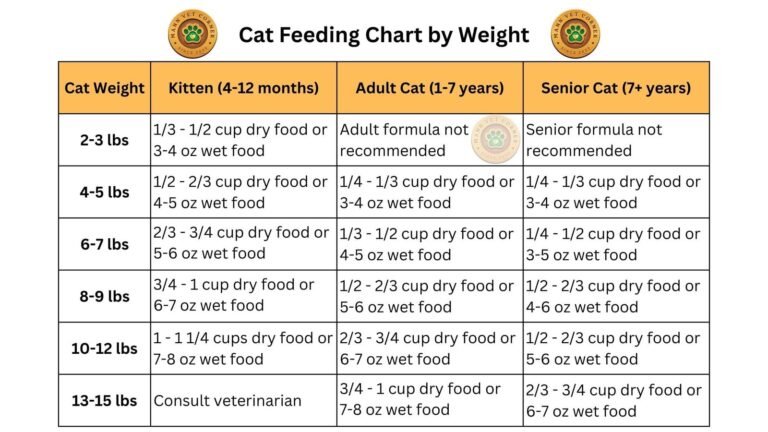
Use the feeding guide as a starting point, then adjust with veterinary guidance based on body condition and calorie needs.
Check the nutrition statement
Choose a complete and balanced food suitable for your cat’s life stage unless your veterinarian has recommended a specific therapeutic diet.
What Factors Affect a Cat’s Digestion Time?
A cat’s digestion time depends on more than the food bowl. The amount eaten, the composition of the meal, hydration, activity, age, and health all influence how food moves through the digestive tract.
Two cats can eat the same food and still have different bowel patterns. This is one reason a general time estimate should not replace watching your own cat’s normal routine.
Source: animalshq.com
Meal size
A large meal may be processed differently from a small meal. Large portions can also cause discomfort or vomiting in some cats.
Food composition
Protein, fat, fiber, moisture, and the form of the food affect digestion and stool quality.
Hydration
Water supports normal body function and helps maintain stool moisture. Poor fluid intake can contribute to hard stools in some cats.
Age and life stage
Kittens, healthy adults, and senior cats have different feeding needs. Older cats may also have health conditions that affect appetite or bowel habits.
Physical activity
Normal movement supports overall health. A sedentary lifestyle can contribute to weight gain and may be associated with bowel problems in some cats.
Stress and routine
Moving house, a new pet, changes in feeding time, or an unpleasant litter box setup may affect eating and bathroom habits.
Medical conditions and medicines
Intestinal disease, parasites, dehydration, pain, and certain medicines can change digestion or stool frequency.
Does Age Change Digestion Time?
Kittens need frequent meals because they are growing and have small stomachs. Their feeding schedule and food should match their age and development, rather than relying on an adult cat’s routine.
Senior cats may eat less, move less, or develop conditions that affect the digestive tract. Kidney disease, hyperthyroidism, diabetes, intestinal disorders, and other illnesses can alter appetite, weight, thirst, or stool habits.
Age alone does not tell you how quickly a cat digests food. A sudden change in an older cat’s appetite, weight, vomiting, or bowel movements deserves attention instead of being dismissed as normal aging.
For kittens
Feed an age-appropriate complete diet and follow veterinary guidance on meal frequency and growth.
For adult cats
Keep portions consistent, provide fresh water, and monitor weight and litter box habits.
For senior cats
Arrange routine veterinary checks and report new digestive symptoms or unexplained weight changes.
How to Support Healthy Digestion in Your Cat
The best way to support digestion is to provide a suitable diet, fresh water, a calm feeding routine, and a clean litter box. These simple habits cannot prevent every digestive illness, but they make it easier for your cat to stay comfortable and for you to notice changes early.
Start with the basics before trying supplements or home remedies. If your cat has ongoing symptoms, finding the cause is more useful than trying to speed up or slow down digestion without a diagnosis.
Source: animalpath.org
Choose balanced food
Feed a complete and balanced cat food that suits your cat’s life stage and medical needs. Ask your veterinarian before using a homemade diet or a therapeutic food.
Keep water available
Provide clean water every day. Some cats drink more when water bowls are placed in quiet areas away from food and litter boxes, or when a fountain is offered.
Keep meal times steady
A predictable feeding schedule helps you notice appetite changes. Many cats do well with several measured meals rather than one very large meal.
Introduce food changes slowly
Gradually transition to a new food unless a veterinarian advises a different plan. Monitor stool and appetite during the change.
Encourage safe activity
Daily play and opportunities to move help maintain a healthy body condition. Use toys and activities that suit your cat’s age and ability.
Keep the litter box clean
Scoop regularly and provide an accessible, quiet place to eliminate. A clean box makes changes in stool and urine easier to spot.
How to Track Your Cat’s Digestive Health
A short daily record can be more useful than trying to calculate the exact number of hours each meal spends in the gut. Note what your cat eats, whether it finishes meals, and any vomiting or unusual stool.
Record changes in stool frequency, shape, color, and effort. Also note weight changes, thirst, energy, and any recent diet changes. These details can help a veterinarian identify patterns and decide whether testing is needed.
If several cats share a litter box, you may need separate monitoring to identify the affected cat. Do not delay veterinary care while trying to gather a complete record if the symptoms are severe.
Food
Record the type of food, approximate amount, meal times, treats, and recent changes.
Stool
Record when stool appears and whether it is formed, hard, loose, watery, bloody, or covered in mucus.
Slow digestion is not something you can diagnose from timing alone. A cat may pass stool less often because it eats less, while another may strain because of constipation, pain, dehydration, or a blockage. A veterinarian can assess the symptoms and determine whether the digestive tract is working normally.
Pay attention to changes from your cat’s usual behavior. A cat that eats, drinks, plays, and passes normal stool may simply have a different routine from another cat. A cat that stops eating, repeatedly vomits, strains in the litter box, or seems painful needs closer attention.
Source: i.ytimg.com
Constipation
Hard, dry stool, repeated straining, or passing very small amounts may indicate constipation. Contact a veterinarian if the problem persists or your cat seems uncomfortable.
Diarrhea
Loose or watery stool can result from dietary changes, infection, parasites, stress, or illness. Repeated diarrhea can lead to dehydration, especially in kittens and older cats.
Vomiting
Occasional vomiting can have several causes, but repeated vomiting or vomiting with weakness, pain, blood, or poor appetite needs prompt veterinary assessment.
Possible intestinal blockage
A foreign object, such as string or part of a toy, can block the digestive tract. Repeated vomiting, abdominal pain, loss of appetite, and reduced stool can be warning signs.
Unexplained weight loss
Weight loss despite eating, or a lasting drop in appetite, can point to an underlying health problem and should be checked.
When Should You Call a Veterinarian?
Seek emergency veterinary care if your cat has severe abdominal pain, collapse, trouble breathing, repeated unproductive retching, suspected toxin exposure, or signs of an intestinal blockage. If your cat swallows string, thread, ribbon, or a similar object, contact a veterinarian promptly. Never pull string that is hanging from the mouth or anus because it may injure the intestines.
Repeated vomiting, blood in the stool, severe or persistent diarrhea, marked lethargy, or signs of dehydration also warrant prompt veterinary advice. Kittens, senior cats, and cats with known medical conditions may become unwell more quickly.
If your cat repeatedly strains in the litter box but produces little or no urine, seek emergency care immediately. A urinary blockage can become life-threatening, and it can be mistaken for constipation.
Do not give human laxatives, mineral oil, enemas, or over-the-counter digestive medicines unless a veterinarian specifically directs you to do so. Some products can be dangerous to cats, and an enema intended for people may cause serious harm.
Emergency signs
Severe pain, collapse, inability to urinate, suspected blockage, or rapidly worsening symptoms require immediate veterinary attention.
Prompt assessment
Contact a veterinarian for persistent vomiting, diarrhea, constipation, blood in the stool, poor appetite, or unexplained weight loss.
Avoid home treatment risks
Do not try to force food or water into a weak or vomiting cat, and do not use a home remedy without veterinary guidance.
Common Myths About Cat Digestion
Several common beliefs can make it harder to judge a cat’s digestive health. Understanding what digestion time can and cannot tell you helps prevent unnecessary worry and delays in getting care.
The most useful approach is to consider the full picture: food intake, comfort, stool quality, urine output, and behavior. No single sign gives a complete answer.
Source: catwhisk.com
Myth: A cat that poops after eating has digested that meal instantly
A meal can stimulate colon movement and help move stool that was already present. The new meal still needs time to travel through the digestive tract.
Myth: Every cat must poop once every 24 hours
Daily stool is common, but normal frequency varies. Discomfort, hard stool, straining, or a sudden change matters more than an exact daily target.
Myth: Wet food always digests faster
Wet food has more moisture, but digestion also depends on ingredients, meal size, and individual health. Moisture content alone cannot predict transit time.
Myth: A longer transit time always means illness
Normal variation exists. However, a persistent change combined with vomiting, pain, poor appetite, or difficult bowel movements should be assessed.
Myth: Faster digestion is always better
Healthy digestion requires appropriate breakdown and absorption of nutrients. The goal is normal function, not the shortest possible transit time.
Can You Tell Which Meal Appears in the Litter Box?
Usually, you cannot identify the exact meal responsible for a particular bowel movement just by looking at the stool. Several meals may be moving through the digestive tract at the same time.
Visible food pieces do not always mean a meal passed through undigested. Some plant material and other components may remain partly recognizable, while unusual material can also signal a problem depending on the cat’s symptoms.
If you repeatedly see large amounts of undigested food in vomit or stool, or your cat loses weight despite eating, contact your veterinarian. The pattern may be more useful diagnostically than trying to match one bowel movement to one meal.
Observe the overall pattern
Use appetite, stool quality, weight, and behavior to assess digestive health rather than relying on a single bowel movement.
Get help for repeated abnormalities
Persistent changes may need an examination, stool testing, blood work, or imaging based on the veterinarian’s findings.
Frequently Asked Questions
Q
How long does it take a cat to digest food completely?
A cat may take roughly 12 to 24 hours or longer for food to move through the digestive tract, but the exact time varies. Food composition, meal size, hydration, gut movement, and health can all affect transit time. Digestion and complete passage of stool are not the same event.
Q
How long after eating will my cat poop?
A cat may pass stool later the same day or the following day, but there is no guaranteed interval. A bowel movement shortly after eating often reflects movement of stool already in the colon, not the rapid passage of the new meal. Watch your cat’s normal pattern and contact a veterinarian if straining or other symptoms develop.
Q
Does wet food take less time to digest than dry food?
Not in every cat. Wet food contains more moisture than most dry food, but ingredients, fat, fiber, portion size, and individual health also affect digestion. Choose food based on complete nutrition, hydration, medical needs, and your cat’s tolerance rather than digestion speed alone.
Q
How long can a cat go without pooping?
Some cats naturally pass stool less often than others, so one missed bowel movement does not automatically mean an emergency. However, if your cat has gone around 48 hours without stool, contact your veterinarian for advice, especially if this is unusual. Seek care sooner for straining, pain, vomiting, poor appetite, or lethargy. Repeated straining with little or no urine is an emergency.
Q
Can I make my cat digest food faster?
You should not try to speed up digestion without a clear medical reason. Offer suitable portions of complete and balanced food, provide fresh water, encourage safe activity, and keep a steady routine. If your cat has constipation, diarrhea, vomiting, or another ongoing digestive problem, ask a veterinarian to identify the cause before using supplements or medicines.
Q
Why does my cat vomit soon after eating?
Eating too quickly, food intolerance, stomach irritation, hair, and several medical conditions can cause vomiting or regurgitation after a meal. The timing alone cannot identify the cause. Contact your veterinarian if it happens repeatedly or occurs with blood, pain, poor appetite, weakness, or other changes.
Q
Do kittens digest food faster than adult cats?
There is no single digestion time that applies to all kittens and adult cats. Kittens have different nutritional needs and usually require more frequent meals because they are growing. Feed an age-appropriate complete diet and seek veterinary advice for diarrhea, repeated vomiting, poor weight gain, or reduced appetite.
✦ Wrapping Up
Conclusion
So, how long does it take a cat to digest food? A useful general estimate is around 12 to 24 hours or longer for food to move through the digestive tract, but each cat is different. Stomach emptying, nutrient absorption, and passing stool happen at different stages, so a litter box visit does not reveal the exact time a meal took to digest.
You can support healthy digestion with a suitable balanced diet, fresh water, measured portions, regular activity, and a clean litter box. Keep an eye on your cat’s normal habits instead of comparing every bowel movement with a strict clock. Small changes can happen, but lasting changes deserve attention.
If your cat repeatedly vomits, develops severe diarrhea, strains painfully, stops eating, loses weight, or seems unwell, contact a veterinarian. Seek emergency care for suspected intestinal blockage or an inability to urinate. The safest way to judge digestion is to combine timing with your cat’s appetite, comfort, stool quality, and overall behavior.
💡 Key Takeaway
For the next several days, record your cat’s meal times, appetite, bowel movements, stool quality, and any unusual behavior. Use that pattern to spot changes, and contact your veterinarian if symptoms persist or warning signs appear.