How do you treat a dog with allergies: Easy Guide
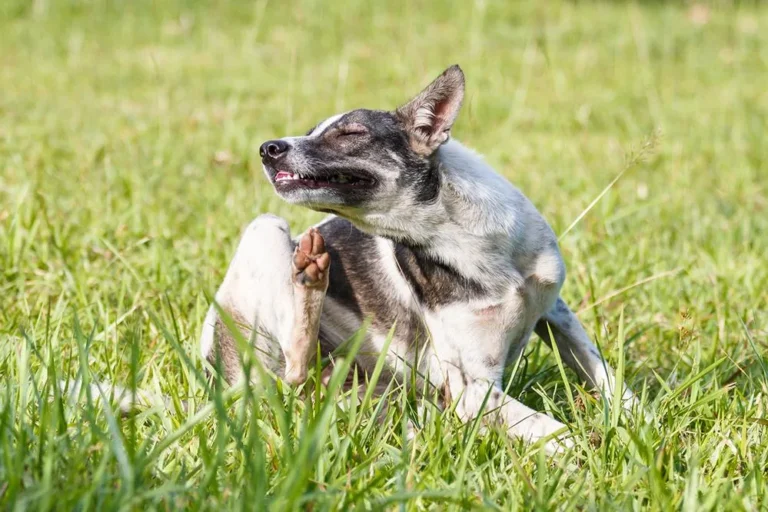
Treating a dog with allergies starts with one uncomfortable truth: itching isn't a diagnosis. It's a symptom, and the right treatment depends entirely on what's causing it. Flea bites, food proteins, grass pollen, dust mites, and even household cleaners can all trigger the same scratching, licking, and ear-shaking, but each needs a different fix.
The good news is that veterinary dermatology has come a long way. As of 2026, vets have access to fast-acting monoclonal antibodies like Cytopoint, daily oral anti-itch drugs like Apoquel, and long-term allergen immunotherapy that can actually retrain a dog's immune system. According to aggregated dermatology research, roughly 10 to 20 percent of dogs experience some form of allergic skin disease in their lifetime, so if your dog is scratching right now, you're far from alone.
Below is the step-by-step path we use to sort it out.
Quick Answer
Treating a dog with allergies means identifying the trigger first, then matching the fix to it. Flea allergy is controlled with strict year-round flea prevention. Food allergies require an 8 to 12 week elimination diet.
Environmental allergies are managed with medications like Apoquel or Cytopoint, plus immunotherapy for long-term relief. Always start with a vet exam to rule out infections.
What's Actually Causing Your Dog's Allergies (and Why It Matters Before You Treat)
Allergies in dogs fall into three main buckets, and getting this right changes everything about your treatment plan. Most owners skip this step and jump straight to antihistamines or medicated shampoo, which is like putting a bandage on a leak you haven't found.
The three core types are:
- Flea allergy dermatitis (FAD). A single flea bite can trigger weeks of intense itching in a sensitive dog. Even if you never see a flea, this remains the most common culprit in flea-endemic regions.
- Environmental allergies (atopic dermatitis). Triggered by airborne allergens like pollen, mold, dust mites, and grasses. Often seasonal at first, but can become year-round.
- Food allergies or cutaneous food hypersensitivities. Triggered by specific protein sources (commonly beef, chicken, dairy, or wheat). These cause year-round itching, often with ear and skin infections.
Why does this matter before you treat? Because treating a dog with food allergies with Cytopoint only suppresses the itch without removing the trigger. Treating a flea-allergic dog with an elimination diet wastes 12 weeks.
The fastest path to relief is the one matched to the right cause.
Here's a quick rule of thumb we lean on: if your dog's itching started before age 1, gets worse in summer or fall, or focuses on the rump and tail base, suspect fleas or environmental allergens. If the itching started later, is year-round, and includes chronic ear issues or anal gland problems, suspect food. None of this replaces testing, but it's a solid starting frame.
The Three Allergy Types Every Dog Owner Needs to Know
Let's go a level deeper on each one so you can match symptoms to likely cause with more confidence.
Flea Allergy Dermatitis
This isn't a flea infestation. It's an immune overreaction to flea saliva. Dogs with FAD can have severe itching from a single bite, while dogs without the allergy can host dozens of fleas and barely scratch.
Where you'll see symptoms:
- Intense chewing and scratching at the lower back, tail base, hind legs, and groin
- Hair loss and hot spots over the rump
- Flea dirt (black specks) on the skin or bedding, though often absent
The treatment fix is aggressive, year-round flea control on every pet in the household, not just the itchy one. Top monthly preventives like fluralaner, afoxolaner, or sarolaner (brand names: Bravecto, NexGard, Simparica) outperform older products in published efficacy studies.
Environmental Allergies (Atopic Dermatitis)
This is the classic pollen-and-dust dog. Symptoms usually appear between 6 months and 3 years of age and worsen during specific seasons, though indoor allergens like dust mites can cause year-round signs.
Where you'll see symptoms:
- Face rubbing, ear infections, paw licking, and armpit scratching
- Belly redness and recurrent yeast or bacterial skin infections
- Symptoms that follow a seasonal calendar
Treatment options range from daily Apoquel to Cytopoint injections every 4 to 8 weeks, plus allergen-specific immunotherapy as the long-game fix. Per manufacturer specifications from Zoetis, Cytopoint begins working within 24 to 72 hours and lasts roughly 4 to 8 weeks per dose, which is why many owners prefer it over daily pills.
Food Allergies and Cutaneous Adverse Food Reactions
True food allergies are less common than people think, but they're a real cause of chronic itching, especially when skin and ears are both involved. The offending ingredient is almost always a protein source the dog has eaten repeatedly.
Where you'll see symptoms:
- Year-round itching with no seasonal pattern
- Recurrent ear infections (one of the strongest clues)
- Paw licking, perianal itching, and chronic soft stool
- Partial or no response to Apoquel or Cytopoint
The only reliable test is an elimination diet trial, which we'll cover in detail below.
| Allergy Type | Common Age of Onset | Seasonal? | Primary Treatment |
|---|---|---|---|
| Flea allergy dermatitis | Any age, often younger | Sometimes worse in warm months | Year-round flea prevention for all pets |
| Environmental (atopic) | 6 months to 3 years | Often seasonal, can become year-round | Apoquel, Cytopoint, immunotherapy |
| Food allergy | Often under 1 year or after 5+ | No, year-round | 8 to 12 week elimination diet trial |
First Things First: When to See the Vet (and When You Can Try Home Steps)
Some allergy signs can wait a week for a vet appointment. Some can't. Here's how we separate them.
See your vet within 24 to 48 hours if your dog has:
- Open sores, bleeding, or pus on the skin
- Hot spots (moist, painful, rapidly spreading bald patches)
- Swollen face, hives, or vomiting (signs of acute allergic reaction)
- Repeated head shaking with odor from the ears (likely ear infection)
You can start home steps and book a routine appointment if your dog has:
- Mild seasonal scratching without skin damage
- A single red, itchy spot that isn't spreading
- Known environmental allergies already diagnosed and managed
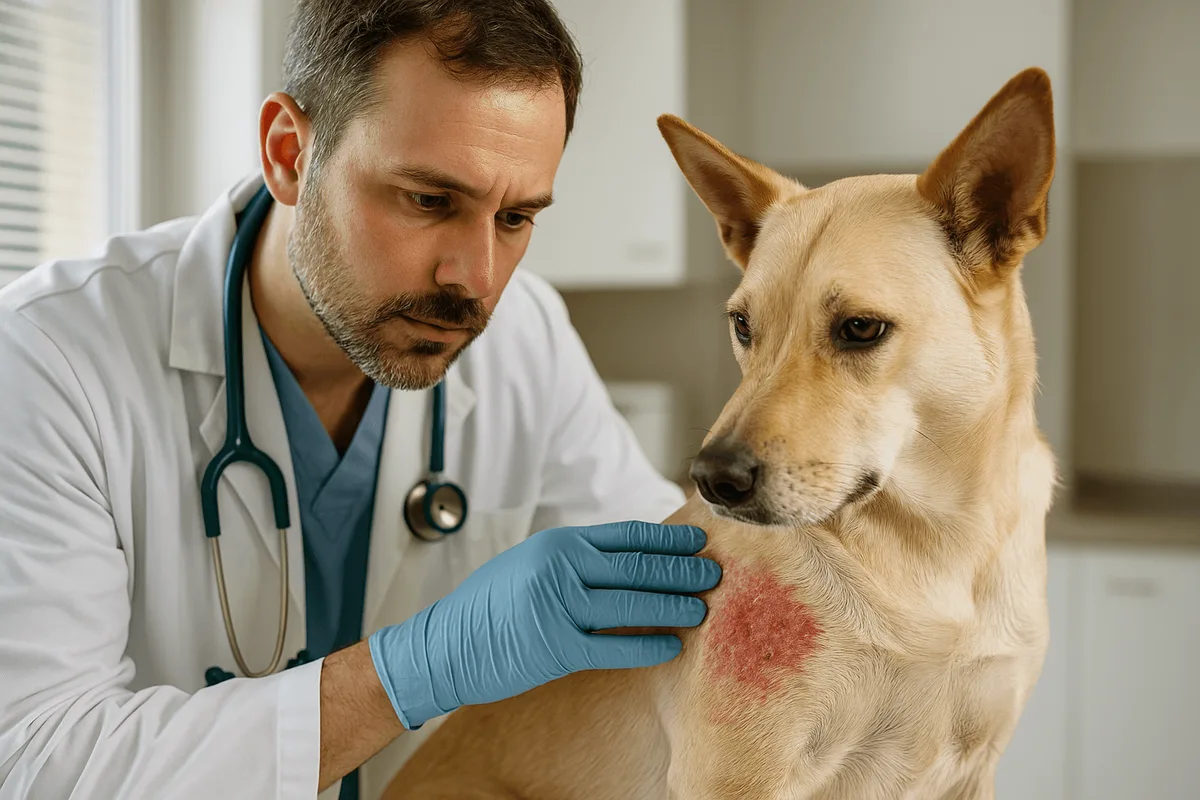
Why this matters: secondary bacterial or yeast infections are the most common complication of any allergy. They don't clear on their own and they make the underlying itch much worse. The vet's first job isn't always to test for the allergy itself.
Sometimes it's to clear an infection so you can see what's actually left.
Step 1: Rule Out Fleas — Even If You Don't See Any
This is the single biggest mistake owners make. They assume "no visible fleas" means "no flea problem." In a flea-allergic dog, the flea that bit your pet may have been groomed off within hours, but the saliva reaction lingers for weeks. Per veterinary dermatology guidelines published by the American College of Veterinary Dermatology, flea allergy dermatitis should be ruled out first in every itchy dog, regardless of what the owner sees at home.
How to do a proper flea rule-out:
- Apply or administer a veterinary-approved monthly flea preventive to every dog and cat in the home. Use it for at least 8 to 12 weeks.
- Wash all pet bedding in hot water weekly during the trial.
- Vacuum thoroughly, especially under furniture and along baseboards.
- Look for flea dirt (black pepper-like specks) by parting the hair over the lower back and rubbing it onto a damp white paper towel. It will leave a reddish-brown streak.
If the itching improves substantially during this strict flea trial, you've likely found your answer (or at least one driver of it). If it doesn't, move to step 2.
The reason we insist on a vet-grade preventive and not a grocery store shampoo or spray is simple: those products don't reliably kill fleas fast enough to prevent bites. Per a peer-reviewed comparative study published in Veterinary Parasitology, isoxazoline-class preventives like fluralaner and afoxolaner achieved over 95 percent flea kill within 8 hours, far ahead of older topical options.
Step 2: Try an Elimination Diet If Food Allergies Are Suspected
The elimination diet is the gold standard for diagnosing food allergies in dogs. Blood tests for food allergies are unreliable in dogs and aren't recommended as a standalone diagnostic tool. The diet trial is the only path to a real answer.
How an elimination diet works:
- Feed a single novel protein source your dog has never eaten before (rabbit, venison, duck, kangaroo) or a hydrolyzed protein diet, where the proteins are broken down small enough that the immune system doesn't recognize them.
- Feed only that diet, in full, for 8 to 12 weeks. No treats. No table scraps. No flavored medications. No dental chews. No flavored toothpaste.
- Watch for a 50 percent or greater reduction in itching as your positive signal.
The hard part isn't choosing the food. It's enforcing the rules. The most common failure is the owner who does everything right but gives a heartworm chew, a piece of cheese, or a bite of chicken during dinner prep.
That single slip can invalidate weeks of effort.
Practical tips that actually help:
- Use a prescription hydrolyzed diet (Royal Canin HP, Purina HA, Hill's z/d) if you're unsure of your dog's dietary history. Most dogs have eaten chicken or beef by adulthood.
- Bring your own treats to the dog park, or use pieces of the prescribed kibble as rewards.
- Switch all household members to the same feeding rule. One rogue family member can ruin the trial.
- Photograph the skin weekly at the same angle so you can compare progress objectively.
If the itching improves and then relapses when you reintroduce the old food, you've confirmed a food allergy. The next step is identifying which specific ingredient caused it by adding back one protein at a time over several weeks.
Step 3: Test for Environmental Allergies (Skin Test vs. Blood Test)
If fleas and food are ruled out, it's time to identify the environmental trigger. Two main testing options exist: intradermal skin testing (performed by a veterinary dermatologist) and serum IgE blood testing (performed by your regular vet).
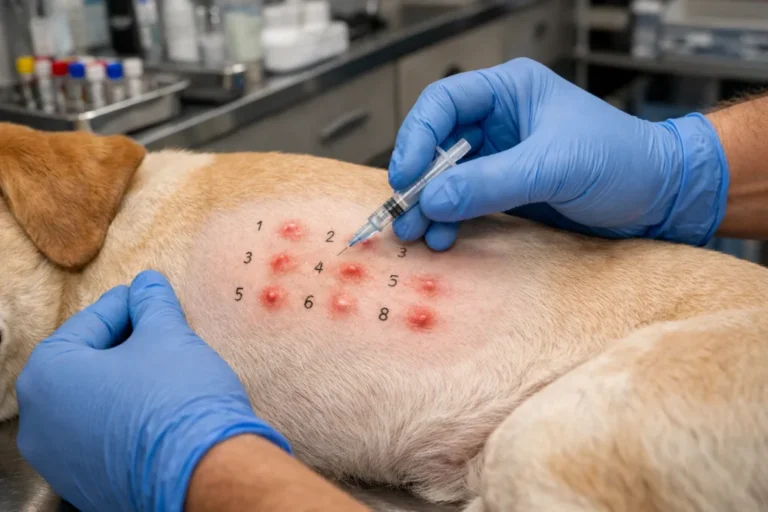
How Intradermal Skin Testing Works
The dog is sedated. Small amounts of common allergens (grass, tree, weed, mold, dust mites) are injected into the shaved skin. A positive reaction looks like a small hive.
The results map exactly which allergens to include in custom immunotherapy.
Pros: considered the gold standard. More sensitive for many allergens. Done in one appointment.
Results are immediate.
Cons: requires a veterinary dermatologist. Sedation required. Some medications (antihistamines, Apoquel, steroids) must be discontinued for 2 to 4 weeks beforehand for accurate results.
How Serum IgE Blood Testing Works
A blood sample is sent to a lab that measures IgE antibodies against a panel of allergens. No sedation or medication withdrawal needed.
Pros: easier logistically. Can be done at your regular vet. Useful when sedation isn't safe.
Cons: more false negatives. Less sensitive for certain allergens like dust mites. Results take 1 to 3 weeks.
If your goal is allergen-specific immunotherapy, intradermal testing gives better results in most published comparisons. If your goal is simply to confirm atopic dermatitis or shape seasonal management, serum testing is reasonable.
Symptom Relief While You Wait for Answers: Apoquel, Cytopoint, and Antihistamines
Diagnosing allergies takes time. An elimination diet needs 8 to 12 weeks. Immunotherapy takes 3 to 6 months to show full effect.
Your dog needs relief in the meantime, and that's where these three options come in.
Apoquel (oclacitinib)
A daily oral tablet that blocks itch and inflammation signals. Per Zoetis prescribing information, Apoquel starts reducing itch within 4 hours and is FDA-approved for dogs 12 months and older.
Best for: dogs needing fast, flexible daily control. Owners comfortable giving pills.
Considerations: requires daily dosing. Long-term immune suppression is a known concern in a small subset of dogs. Avoid during serious active infections.
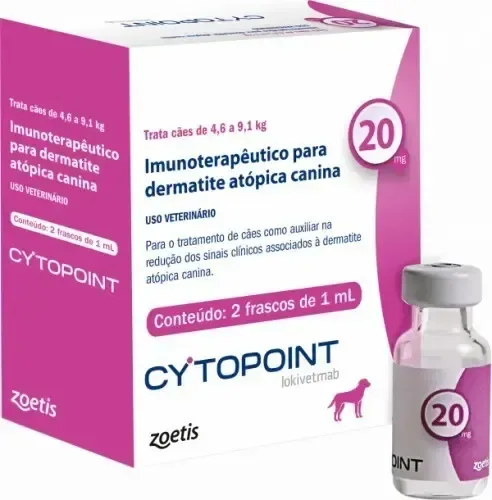
Cytopoint (lokivetmab)
An injectable monoclonal antibody given at the vet that neutralizes itch at the nerve level. Starts working in 24 to 72 hours and lasts 4 to 8 weeks per dose.
Best for: owners who can't give daily pills. Dogs with seasonal flare windows. Dogs who don't tolerate Apoquel.
Considerations: requires vet visits every 1 to 2 months. Costs add up over time. Per Zoetis product labeling, it is not for acute allergic emergencies like anaphylaxis.
Antihistamines
Options like cetirizine, loratadine, and diphenhydramine are widely tried by dog owners because they're cheap and available without a prescription.
Best for: very mild seasonal itching. Adjunct to other treatments. Dogs with minor flare-ups.
Considerations: only effective in a minority of dogs (research suggests 10 to 30 percent). Sedation side effects with some options. Don't use diphenhydramine in dogs with certain cardiac or prostate conditions without vet guidance.
Apoquel vs. Cytopoint vs. Steroids vs. Antihistamines: How to Choose
Each option has a clear best-fit scenario. Here's how we frame the choice in practice.
| Medication | Onset | Duration | Best For | Main Drawback |
|---|---|---|---|---|
| Apoquel | 4 to 24 hours | Daily dosing | Flexible, fast itch control | Daily pill burden, long-term immune effect |
| Cytopoint | 24 to 72 hours | 4 to 8 weeks per injection | Owners avoiding daily meds | Vet visit every 1 to 2 months |
| Steroids (prednisone) | Hours | Days to weeks | Short rescue courses, severe flares | Side effects with long-term use |
| Antihistamines | Hours | Daily dosing | Mild itching, adjunct only | Often ineffective for dog itch |
If your dog needs immediate, short-term relief, a brief steroid taper (2 to 4 weeks) is often the fastest rescue, but steroids come with real downsides. Long-term steroid use is linked to iatrogenic Cushing's disease, muscle wasting, immune suppression, and worsening skin infections. We use steroids as a bridge, not a destination.
If your dog has year-round environmental allergies, we lean toward Apoquel or Cytopoint as the daily or monthly backbone while building up allergen immunotherapy in the background. If immunotherapy works (and published efficacy rates run 60 to 80 percent), many dogs can eventually taper off the daily medications.
Allergy Shots and Oral Drops: Long-Term Immunotherapy Explained
Allergen-specific immunotherapy (ASIT) is the only treatment that actually retrains the immune system rather than just blocking symptoms. It's the closest thing to a "cure" for environmental allergies in dogs.
How It Works
Once testing identifies your dog's specific allergens, a custom serum is made containing tiny amounts of those allergens. It's given either as injectable shots under the skin (subcutaneous immunotherapy) or as oral drops squirted into the mouth (sublingual immunotherapy).
The dose increases gradually, training the immune system to stop overreacting. Most dogs need 3 to 6 months to show meaningful improvement, with peak effect around the 9 to 12 month mark.
Who It's Right For
- Dogs with year-round or multi-season environmental allergies
- Dogs under 12 months who can't safely start Apoquel
- Dogs whose owners want to reduce long-term medication use
- Dogs whose allergies cause secondary infections despite other treatments
Practical Expectations
Per aggregated dermatology literature, roughly 60 to 80 percent of dogs show meaningful improvement on immunotherapy. A subset of those dogs can fully stop Apoquel or Cytopoint. Others reduce their medication dose but don't eliminate it.
Either result is a win when you've been dealing with chronic itching for years.
Cost runs roughly $200 to $500 for the initial testing and serum, with refills in the $100 to $300 range every 6 to 12 months. It's an investment, but spread across the life of an allergic dog, it often costs less than years of pills or injections.
Supporting the Skin Barrier: Shampoos, Omega-3s, and Topical Treatments
Medication handles the immune system. Skin barrier support handles the actual surface where allergens land. Both matter.
Medicated and Soothing Shampoos
Bathing 1 to 2 times weekly during flares physically washes off allergens sitting on the coat. Choose based on what you need:
- Oatmeal and pramoxine shampoos: soothing and itch-relieving, good for daily comfort.
- Chlorhexidine shampoos: antibacterial, useful when secondary bacterial infection is present.
- Miconazole or ketoconazole shampoos: antifungal, useful when yeast overgrowth is present.
- Hypoallergenic, fragrance-free formulas: safe for sensitive dogs.
Omega-3 and Omega-6 Fatty Acid Supplements
Fish oil or marine-based omega-3 supplements reduce skin inflammation and improve coat quality. Aggregated research suggests a 4 to 6 week loading period before full effect. Look for products containing EPA and DHA, the active components.
Topical Sprays, Mousses, and Wipes
For dogs that hate baths, leave-on sprays with colloidal oatmeal, ceramides, or hypochlorous acid offer a gentler option. They're especially useful for paws, belly folds, and facial folds.
Wiping Down After Walks
For pollen-sensitive dogs, wiping the paws, belly, and face with a damp cloth after outdoor time removes a meaningful amount of allergen before it has time to absorb through the skin.
Secondary Infections: Why the Scratching Gets Worse (and What to Do)
Allergies damage the skin barrier. Once the barrier breaks, bacteria (Staph) and yeast (Malassezia) move in. This is why an allergic dog's itching often seems to "get worse suddenly." It's not the allergy worsening.
It's an infection layering on top.
How to Spot It
- Greasy, yellow, or crumbly debris in the ears (yeast or bacteria)
- Foul smell from the skin or ears
- Red, moist, circular bald patches (hot spots or bacterial infection)
- Dark, thickened, leathery skin (chronic yeast)
- Greasy seborrhea-like discharge along the back
What to Do
Most secondary infections need prescription treatment. Bacterial infections require oral antibiotics for 3 to 6 weeks. Yeast infections need antifungal therapy, either topical or systemic.
Treating the allergy without clearing the infection first is a common reason treatments seem to fail.
Once the infection is controlled, the real allergy treatment plan has a clean foundation to work from.
Common Mistakes That Make Dog Allergies Harder to Treat
After watching many owners cycle through these, here are the traps we see most often.
Stopping the Elimination Diet at the First Improvement
Itching often drops by week 4 or 5, but you must complete the full 8 to 12 week trial. Stopping early produces unreliable results.
Using Only One Flea Preventive in a Multi-Pet Home
If your itchy dog shares a home with an untreated cat, fleas have a refuge. Treat them all.
Giving Steroids as the Permanent Plan
Steroids are great as a short bridge. They're dangerous as a long-term default.
Bathing Too Often or With the Wrong Shampoo
Bathing once or twice weekly during flares is fine. Daily bathing strips oils. Always use lukewarm water and rinse thoroughly.
Skipping the Vet Because "It Looks Like Last Time"
Relapse doesn't always mean the same diagnosis. New skin lesions can signal infection, mites, or endocrine disease (like hypothyroidism or Cushing's), all of which mimic allergies but need completely different treatment.
Ignoring Ear Infections
Recurring ear infections are one of the strongest clues that an underlying allergy is driving the problem. Don't treat them in isolation.
Costs, Timelines, and What to Expect at the Vet
Money and time are real parts of the equation. Here's what most owners actually encounter.
Cost Ranges (as of 2026, US averages)
| Service or Medication | Typical Cost |
|---|---|
| Initial vet exam | $60 to $150 |
| Cytopoint injection | $60 to $150 per dose |
| Apoquel (30 day supply) | $70 to $120 |
| Intradermal skin testing | $250 to $500 |
| Serum IgE blood testing | $200 to $400 |
| Custom immunotherapy (year) | $300 to $600 |
| Prescription hypoallergenic diet | $60 to $120 per month |
Timeline Expectations
- Flea trial: 8 to 12 weeks for full assessment.
- Elimination diet: 8 to 12 weeks minimum.
- Apoquel or Cytopoint: relief within days.
- Immunotherapy: 3 to 6 months for early response, 9 to 12 months for full effect.
Plan on this being a marathon, not a sprint. Most allergy dogs need ongoing management, not a one-time fix.
Breeds Predisposed to Allergies and What That Means for You
Genetics load the gun, environment pulls the trigger. Some breeds develop allergies at significantly higher rates.
Breeds to watch include Golden Retrievers, Labrador Retrievers, French Bulldogs, English Bulldogs, West Highland White Terriers, Boxers, Shar-Peis, Cocker Spaniels, and German Shepherds.
If you have one of these breeds, start aggressive flea prevention early, feed a balanced diet with omega-3 support, and watch for early itching signs (paw licking, ear rubbing, face scratching) before they escalate. Catching atopic dermatitis early often means simpler, cheaper long-term management.
Safety First: When Dog Allergies Become an Emergency
Most allergy itching is uncomfortable but not urgent. Two situations change that immediately. Acute facial swelling, hives, or sudden vomiting after a bee sting, vaccine, or new medication is anaphylaxis.
Get to an emergency vet right away.
The second emergency pattern is severe skin damage with systemic signs: fever, lethargy, refusal to eat, or widespread painful hot spots. These dogs often have deep skin infections that need IV antibiotics, not just oral ones at home.
Long-Term Management: Living Well With an Allergic Dog
Once you've stabilized the itch, the goal shifts from crisis to maintenance. Recheck with your vet every 3 to 6 months. Adjust Apoquel or Cytopoint dosing seasonally if symptoms are predictable.
Continue flea prevention every month, year-round. Most importantly, don't wait for a full flare before acting. Small bumps in itch often predict bigger ones a week later.
Frequently Asked Questions
How long does it take for dog allergy treatment to work?
Symptom relief from Apoquel or Cytopoint starts within 1 to 4 days. Immunotherapy takes 3 to 6 months for early improvement and up to 12 months for full effect.
Can a dog outgrow allergies?
Not usually. Allergies are managed long-term, but severity can shift with age, hormones, and environmental exposure. Some dogs improve as they mature.
What's the best allergy medicine for dogs?
It depends on the trigger. Apoquel and Cytopoint are the most effective prescription options for environmental allergies. Strict flea prevention is best for flea allergy.
An elimination diet is the only reliable fix for food allergy.
Are antihistamines safe for dogs?
Most are safe at appropriate doses, but they only help a minority of dogs with allergies. Always check dosing with your vet before giving any human medication.
Can I treat my dog's allergies without going to the vet?
Mild seasonal itching can sometimes be managed with regular bathing, omega-3s, and flea prevention. Anything involving skin damage, recurrent ear infections, or chronic scratching needs a vet exam to rule out infection.
What dog food is best for dogs with allergies?
There's no universal answer. The right food is the one your dog tolerates during an elimination trial. Prescription hydrolyzed diets are the safest starting point for most dogs.
Your Decision Guide: Building the Right Treatment Plan for Your Dog
Here's how to put this all together without losing your mind.
If your dog has sudden itching with hot spots or rump scratching, start a strict flea trial and book a vet exam. If year-round itching with ear infections, start an elimination diet and book a vet exam. If seasonal itching without major skin damage, ask your vet about Apoquel or Cytopoint while you plan allergy testing.
If the itching is severe, recurring, or doesn't respond to first-line treatment, ask for a referral to a veterinary dermatologist.
The right plan isn't the one that matches the internet. It's the one that matches your dog's specific trigger, your budget, and your willingness to do the work over months, not days.