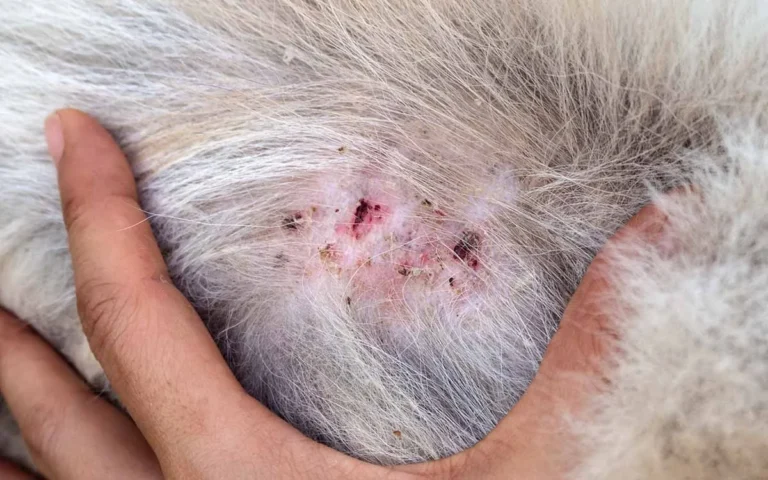
How to help my dog with allergies: Easy Guide
If your dog won't stop scratching, licking their paws, or shaking their head, you're probably searching how to help my dog with allergies because you've already tried a shampoo and it didn't stick. The truth is, dog allergies almost always fall into one of three buckets (flea, food, or environmental), and each one needs a different fix.
Most itchy dogs improve once the right type is identified, the underlying cause is controlled, and a vet-prescribed plan is in place. Aggregate clinical data suggests roughly 10-20% of dogs deal with atopic dermatitis, with the best outcomes tied to early intervention rather than over-the-counter guesswork. Here's how to think through it step by step, starting with what you're actually seeing at home.
Quick Answer
To help a dog with allergies, identify the type first (flea, food, or environmental). Control fleas year-round, run an 8-12 week elimination diet if food is suspected, and treat environmental allergies with vet-prescribed options like Apoquel, Cytopoint, or immunotherapy. Add weekly bathing, omega-3s, and allergen avoidance.
See a vet for proper diagnosis and dosing.

Why Getting Dog Allergy Treatment Right Actually Matters
Allergies in dogs aren't just an itch problem. They snowball. A dog that scratches for a week breaks the skin barrier, then bacteria and yeast move in, then you have a "skin infection" that needs antibiotics on top of the original allergy.
That cycle is the most common reason allergic dogs end up on multiple medications instead of one targeted plan.
The other reason it matters: untreated allergies hurt. Chronic itch changes dog behavior. Dogs become irritable, sleep poorly, scratch raw spots, and lose interest in play.
Quality of life drops in ways owners sometimes attribute to "aging" or "personality" when the real driver is constant discomfort.
Get the diagnosis right, and you usually control 80-90% of the itch. Get it wrong, and you spend months (and real money) chasing symptoms that keep coming back.
What Dog Allergies Really Look Like (And Why They're Easy to Miss)
The classic signs are scratching, paw-licking, face-rubbing, ear-shaking, and hot spots. But a lot of dogs present differently, and that's where owners get stuck.
Common allergy signs in dogs:
- Chewing or licking the paws (especially between the toes)
- Recurring ear infections or red, waxy ears
- Red or darkened skin in the armpits, groin, or belly
- Hair loss along the flanks or tail base
- Scooting or anal gland irritation
- Hot spots (sudden moist, bald, painful patches)
- Sneezing or watery eyes (less common than skin signs)
The sneaky version: a dog who "just" gets ear infections every few months, or one whose paws smell faintly of corn chips (that's yeast). Those are allergy red flags, not separate problems.
Breed matters. French Bulldogs, West Highland White Terriers, Labrador Retrievers, Golden Retrievers, Boxers, German Shepherds, and Cocker Spaniels are overrepresented for atopic dermatitis. If your dog is one of these and started itching between 6 months and 3 years of age, environmental allergy is high on the list.
The Three Main Types of Dog Allergies (And How to Tell Them Apart)
Every allergy plan starts with this distinction. Symptoms overlap, but the treatments don't.
Flea Allergy Dermatitis (FAD)
This is the single most common allergy in dogs, and the easiest to miss because you may not see fleas. One flea bite can keep a sensitized dog itching for two weeks.
- Location: tail base, lower back, hind legs, groin
- Onset: often sudden, seasonal in some regions, year-round in warm climates
- Tell: fleas or "flea dirt" (black specks that turn red on a wet paper towel)
Food Allergies
True food allergies (immune-mediated reactions, usually to a protein like beef, chicken, or dairy) are less common than people think, but they do happen. They usually show up as skin and ear issues, sometimes with vomiting or loose stool.
- Location: ears, paws, rear, face, sometimes anal region
- Onset: any time, often before age 1 or after a sudden diet change
- Tell: year-round symptoms that don't change with the season
Environmental Allergies (Atopic Dermatitis)
Reaction to pollen, dust mites, mold, or grasses. This is the big one.
- Location: paws, ears, armpits, groin, muzzle, around the eyes
- Onset: usually between 6 months and 3 years
- Tell: seasonal pattern at first (often worsening spring/fall), then becoming year-round
Quick Triage Table
| Type | Most Common Locations | Seasonal? | First Move |
|---|---|---|---|
| Flea allergy | Tail base, back legs, groin | Sometimes | Strict flea control for 8-12 weeks |
| Food allergy | Ears, paws, rear, face | No (year-round) | 8-12 week elimination diet |
| Environmental | Paws, ears, armpits, muzzle | Often yes | Vet visit, possible allergy testing |
If you're not sure, don't guess all three at once. Start with flea control (it's cheap and safe), then move to the next layer.
Red Flags: When It's an Emergency, Not an Allergy
Most allergy itching can wait a few days for a vet appointment. Some signs can't. Get to an emergency vet if you see any of the following:
- Sudden facial swelling, hives, or welts all over the body
- Vomiting or collapse within minutes to hours of a vaccine, medication, insect sting, or new food
- Difficulty breathing, pale gums, or weakness
- A hot spot that's expanding fast, weeping, and clearly painful
- Open wounds from intense scratching that smell foul (possible deep infection)
These point toward anaphylaxis or severe infection. Both can become life-threatening within hours. Allergies themselves rarely cause anaphylaxis in dogs (unlike humans), but drugs, vaccines, and insect stings can.
If your dog ever swells up after a vaccine, tell your vet before the next dose, and ask about pre-treatment with antihistamines or a different schedule.
What to Do First: The Vet Visit That Sets Everything Up Right
Before you buy supplements, switch food, or start bathing daily, see your vet. A 20-minute appointment saves you months. Here's what a proper workup looks like.
Step 1: History and Physical
Your vet will ask about timing, locations, diet, flea prevention, and household changes. Bring a short timeline of when the itching started and what you've already tried. Photos of flare-ups help, especially if the itching comes and goes.
Step 2: Rule Out Parasites
Skin scrapes check for scabies and Demodex mites. These can mimic allergies perfectly, but need different treatment. Skip this step and you'll be stuck.
Step 3: Check for Secondary Infection
Cytology (a quick swab of the skin or ear) looks for bacteria and yeast. Most allergic dogs have at least some overgrowth during flares. Treating the infection alone won't fix the allergy, but ignoring it will sabotage every other treatment you try.
Step 4: Discuss Allergy Type
Based on the exam and pattern, your vet will lean toward flea, food, or environmental allergy, and recommend the next diagnostic step. Vets often want to start flea control immediately, even if fleas aren't visible, because it's the most common cause and the cheapest to rule out.
A standard vet visit for an itchy dog in the US runs roughly $75-150 for the exam, with additional costs for cytology, skin scrapes, and any medications sent home. Costs vary by region as of 2026, but the diagnostic step is the foundation everything else rests on.
Flea Allergy Dermatitis: The Most Overlooked Cause of Constant Scratching
If you take one thing from this article, take this: confirm flea control before doing anything else. Many dogs are treated for "environmental allergies" for months while flea bites quietly drive the entire problem.
Why FAD Is Missed
Adult fleas spend most of their time ON the dog, but they're fast, and they're often eaten during grooming. What stays behind is "flea dirt" (digested blood) on the skin. Comb your dog over a white paper towel, mist it with water, and rub.
Red smears mean fleas, even if you never see a single bug.
Flea allergy dogs react to flea saliva, not the flea itself. One bite can trigger two weeks of itching in a sensitized dog. If your dog goes outside, walks near other dogs' yards, or lives in a multi-pet home, exposure is constant.
What "Strict Flea Control" Means
Not a single dose once. A full 8-12 week commitment, on every animal in the home, with a vet-recommended product.
| Product Type | Examples | Notes |
|---|---|---|
| Oral adulticide | Bravecto, NexGard, Credelio | Fast kill, dog can't wash it off |
| Topical adulticide | Frontline Plus, Advantage | Effective, but bath or swim can reduce efficacy |
| Combination products | Simparica Trio, NexGard Plus | Adds heartworm and sometimes tick coverage |
Skip over-the-counter "natural" flea products. Most don't work for FAD dogs. Speak to your vet about which option fits your dog's lifestyle, weight, and any other medications.
The FDA Center for Veterinary Medicine maintains current approval and safety data for these drugs.
What to Expect
If fleas were the trigger, itching should drop noticeably within 4-6 weeks of strict control. If it doesn't, another allergy type is also in play, and you move to the next layer.
Food Allergies vs. Food Intolerance: How to Run a Proper Elimination Diet
Owners (and the internet) often swap dog foods the moment a dog itches. Most of those switches fail, not because the food was wrong, but because the trial was too short, too contaminated, or both.
Food Allergy vs. Intolerance
Food allergy is an immune response, usually to a specific protein (beef, chicken, dairy, eggs, soy, wheat). Food intolerance is a digestive issue (like lactose intolerance) and doesn't usually cause skin itch. If your dog's main signs are skin or ear related, food allergy is the better suspect.
The Elimination Diet Protocol
This is the gold standard, but only when done correctly.
- Pick a single novel or hydrolyzed protein source your dog has never eaten (vet-prescribed hydrolyzed diets like Royal Canin HP, Hill's z/d, or Purina HA are usually the safest bet).
- Feed only that food for 8-12 weeks. No treats, no table scraps, no flavored medications, no dental chews.
- Watch for improvement. Most dogs with food allergy show meaningful itch reduction by week 6-8.
- Challenge phase: after symptoms improve, reintroduce one original ingredient at a time for 1-2 weeks each. If itching returns, that ingredient is a trigger.
Common mistakes that ruin the trial:
- "Just one treat won't matter." It will. One bite of the wrong protein resets the clock.
- Switching flavors mid-trial. Choose one and stick with it.
- Stopping at 3-4 weeks. Itch takes time to settle, especially in ears.
- Using over-the-counter "limited ingredient" foods without checking for cross-contamination. Prescription hydrolyzed diets are made in dedicated facilities. Many retail "limited ingredient" foods aren't.
If the elimination diet clears the itch, you've found your answer. If it doesn't, food allergy is unlikely, and you move on to environmental allergies.
Environmental Allergies (Atopic Dermatitis): Diagnosis and Long-Term Management
This is the chronic one. Atopic dermatitis usually starts in young adulthood, gets worse with each season, and over time can become year-round. Treatment focuses on three layers: controlling itch, treating infections, and addressing the immune response.
Diagnosis
Your vet will typically diagnose atopic dermatitis after ruling out flea and food allergy. Skin testing (intradermal) or blood testing (serum IgE) can identify which environmental allergens your dog reacts to, which matters if you're considering immunotherapy.
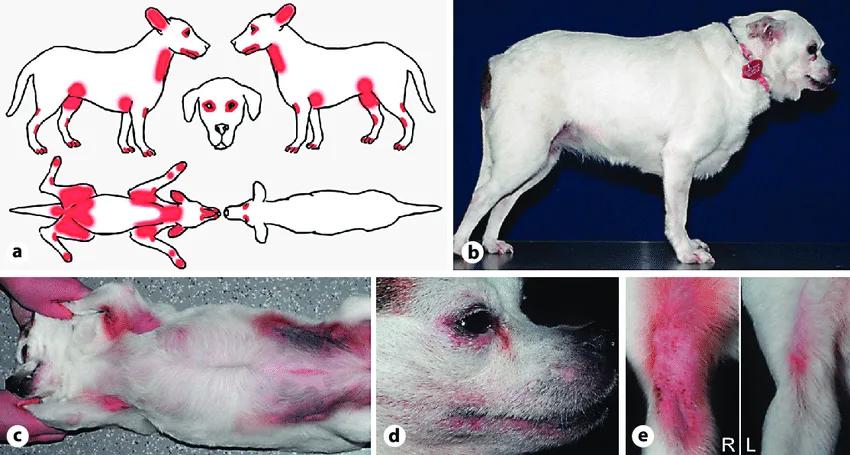
The diagram shows the classic distribution: paws, ears, armpits, groin, and muzzle. If your dog itches mostly in these spots and not on the back or tail base, environmental allergy is the leading suspect.
Treatment Layers
Most allergic dogs do best with a stacked plan rather than one silver-bullet drug.
| Layer | Purpose | Examples |
|---|---|---|
| Allergen avoidance | Reduce exposure | HEPA filters, frequent vacuuming, paw wipes after walks |
| Topical therapy | Soothe skin, fight infection | Veterinary shampoos, mousses, wipes with chlorhexidine or miconazole |
| Essential fatty acids | Support skin barrier | Omega-3 fish oil (EPA/DHA), 50-75 mg/kg daily |
| Anti-itch medication | Break the itch-scratch cycle | Apoquel, Cytopoint, antihistamines, short-course steroids |
| Immunotherapy | Long-term immune modulation | Allergy shots or sublingual drops based on testing |
Most dogs end up on 2-4 of these layers at once during flares, then taper down during good periods. There isn't one correct combo; your vet will adjust based on response.
Long-Term Outlook
Atopic dermatitis is managed, not cured. Flares happen, especially during seasonal pollen peaks or after exposure to dust. The goal is to keep itch at a 1-2 out of 10 most days, with occasional short flares handled quickly.
Apoquel vs. Cytopoint vs. Antihistamines vs. Steroids: How to Choose
If your dog's itch is bad enough to need medication, you're choosing between Apoquel, Cytopoint, antihistamines, and steroids. Each fits a different scenario.

When Apoquel Is the Best Fit
Apoquel is a daily oral tablet that blocks itch at the JAK1 pathway, working within hours. Pick it when your dog needs reliable daily itch control year-round. The main trade-off is cost over time and the daily pill routine.
When Cytopoint Is the Better Choice
Cytopoint is an injection given at the vet that neutralizes itch-signaling IL-31, lasting 4-8 weeks per shot. It wins for dogs whose itch is seasonal, owners who can't reliably pill a dog daily, and dogs that need a break from oral medication.
When Antihistamines Make Sense
Antihistamines work best as a supporting layer, not a primary fix. They're useful for dogs with very mild seasonal itch or for owners who want to reduce the Apoquel dose during low-pollen months. Don't expect dramatic results from antihistamines alone in a moderate-to-severe allergic dog.
When Steroids Are the Right Call
Steroids are a rescue tool. Use them short-term for severe flares, sudden skin reactions, or when nothing else is on hand. Avoid long-term steroid use unless no other option works, since chronic use brings real side effects.
Quick Comparison
| Drug | Onset | Frequency | Cost (approx., as of 2026) | Best For |
|---|---|---|---|---|
| Apoquel | Hours | Daily pill | $2-3/day for medium dog | Year-round control |
| Cytopoint | 1-2 days | Every 4-8 weeks | $50-100/injection | Owners who want fewer meds |
| Antihistamines | Days | Daily | $5-15/month | Mild itch, support therapy |
| Prednisone | Hours | Daily, short course | $10-20/month | Short-term rescue |
Many dogs end up on Apoquel or Cytopoint for daily control, with steroids reserved for occasional severe flares. Your vet will help match the drug to your dog's age, health, and lifestyle.
Allergen Testing in Dogs: Intradermal vs. Blood Tests, and Why Results Vary
Allergy testing matters most when immunotherapy is on the table. Here's how the two methods compare in plain terms.
Intradermal Skin Testing
A veterinary dermatologist shaves a patch of skin, injects tiny amounts of allergens, and reads the reactions. It's the most accurate method for identifying clinically relevant allergens, especially regional pollens and molds. The catch: sedation, fasting from steroids for several weeks beforehand, and specialist access.
Serum IgE (Blood) Testing
A regular vet draws blood and sends it to a lab. Easier to schedule, no sedation. Results are helpful as a starting point, but include more false positives and may not always line up with what the dog actually reacts to in real life.
Which to Choose
If your vet offers intradermal testing and you're seriously considering immunotherapy, go that route. If logistics are tough or you want a quick screen, serum testing is a reasonable first step. Either way, interpret results alongside your dog's symptom pattern, not in isolation.
Immunotherapy for Dogs: How Allergy Shots and Drops Actually Work
Immunotherapy is the only treatment that aims at the underlying immune response, not just the itch.
How Vials Are Made
Once testing identifies the offending allergens, a custom serum is mixed with gradually increasing concentrations. Dogs receive injections (or sublingual drops at some clinics) on a schedule that starts frequent and tapers to monthly maintenance.
The Realistic Timeline
Improvement usually shows up between months 3 and 6. Full benefit can take up to a year. About 60-80% of dogs respond meaningfully, based on aggregate clinical data.
For the rest, immunotherapy may not be enough on its own, but it can still reduce the medication dose needed.
Why It Pays Off Long-Term
Dogs that respond well often taper down or off Apoquel and Cytopoint, which saves money and reduces medication load over a lifetime. It's the closest thing to a "reset" for atopic dermatitis.
Home Care That Actually Helps: Bathing, Omega-3s, and Allergen Avoidance
Medication does the heavy lifting, but daily habits decide how well it works.
Bathing Routine
Weekly baths with a veterinary-recommended shampoo rinse off allergens, calm the skin, and reduce yeast and bacteria. Twice a week is fine during flares, less than every two weeks misses the benefit. Always rinse thoroughly and use lukewarm water.
Omega-3 Dose That Works
Look for combined EPA and DHA of around 50-75 mg per kg of body weight daily. Most human capsules fall short, so a veterinary fish oil is usually the simpler choice. Effects on itch and coat quality build over 6-8 weeks.
Allergen Avoidance at Home
- Wipe paws and belly after walks
- Run HEPA filters in main living areas
- Wash bedding weekly in hot water
- Vacuum with a HEPA-filter vacuum twice a week
- Keep windows closed during high-pollen days
These don't replace medication, but consistently applied, they reduce flare frequency.
Mistakes Owners Make That Make Dog Allergies Worse
Even careful owners slip into habits that quietly make things worse.
- Stopping flea prevention in cold months. Indoor fleas survive year-round in most climates.
- Bathing too often with harsh shampoos. It strips the skin barrier and worsens itch.
- Ending elimination diets at 3-4 weeks. The trial needs 8-12 weeks to show results.
- Giving human cold or flu meds. Products with pseudoephedrine or xylitol are toxic to dogs.
- Using essential oils for skin relief. Tea tree, peppermint, and citrus oils are toxic even in small amounts.
- Skipping rechecks because the dog "looks better." Most plans need fine-tuning.
- Treating recurring ear infections as separate problems. They're usually a sign of underlying allergy.
What Treatment Really Costs: Pricing, Follow-Ups, and Long-Term Budget
Dog allergy care is ongoing. Budget realistically so the plan doesn't fall apart mid-year.
| Item | Approximate Cost (US, as of 2026) |
|---|---|
| Initial vet exam | $75-150 |
| Cytology / skin scrape | $30-75 each |
| Apoquel (monthly, medium dog) | $60-90 |
| Cytopoint (per injection) | $50-100 |
| Elimination diet (3 months) | $120-300 |
| Intradermal allergy testing | $250-500 |
| Immunotherapy (first year) | $400-800 |
Pet insurance helps if enrolled before symptoms start. Most plans exclude pre-existing allergy, so timing matters.
Long-Term Management: Keeping Your Dog in Remission
Steady habits beat heroic interventions. Year-round flea prevention, a consistent diet, weekly bathing, daily omega-3s, and seasonal check-ins keep most dogs stable.
Plan on vet rechecks every 6-12 months, or sooner during flares. Pollen seasons shift, dogs age, and triggers change. A vet who knows your dog's history adjusts faster.
Frequently Asked Questions
How long does it take for dog allergy treatment to work?
Apoquel and Cytopoint usually reduce itching within 1-2 days. Antihistamines take 1-2 weeks. Elimination diets need 8-12 weeks.
Immunotherapy can take 3-12 months for full effect.
Can I give my dog Benadryl for allergies?
Plain diphenhydramine without pseudoephedrine or xylitol is sometimes used, but confirm dosing with your vet. It's rarely strong enough for moderate-to-severe itching and may cause sedation.
What are signs my dog's allergy is getting worse?
New hot spots, more frequent ear infections, spreading hair loss, thickened or darkened skin, or behavior changes like irritability. Schedule a vet visit if any of these appear.
Are some dog breeds more prone to allergies?
Yes. French Bulldogs, West Highland White Terriers, Labrador Retrievers, Golden Retrievers, German Shepherds, Boxers, and Cocker Spaniels are overrepresented for atopic dermatitis.
Can dogs outgrow allergies?
Rarely. Most allergic dogs manage the condition lifelong. With the right plan, many reach long stretches with minimal symptoms, but the underlying tendency usually stays.
When should I see a veterinary dermatologist?
If your dog isn't improving after 3-6 months of primary care, has year-round severe symptoms, or you're considering immunotherapy, ask for a referral. Specialists bring intradermal testing and advanced options.