How to know if dog has allergies: Complete Guide
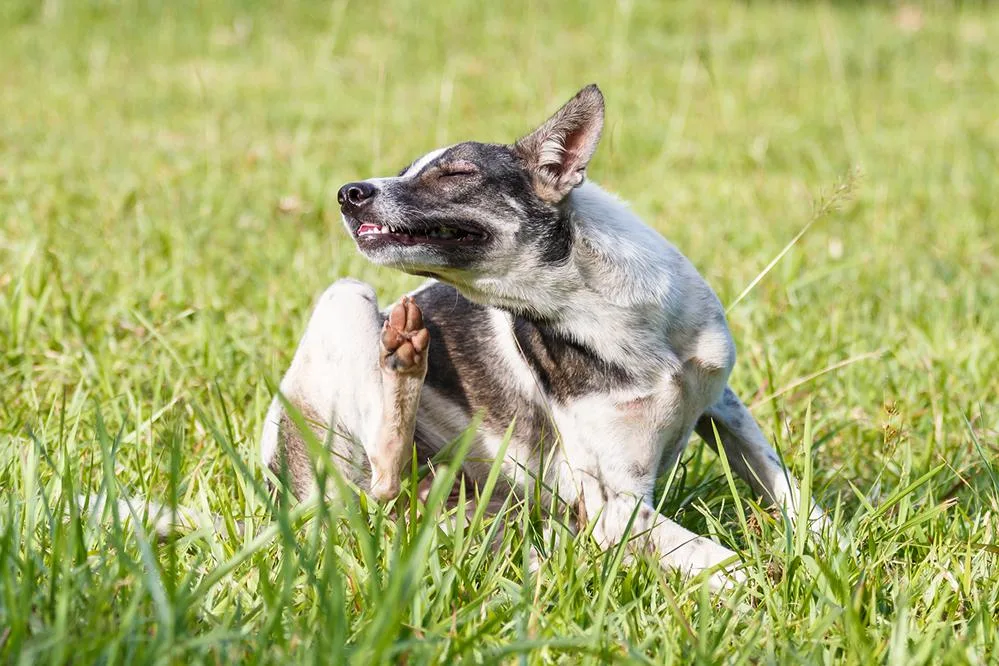
If your dog is scratching nonstop, chewing their paws, or shaking their head more than usual, you're probably wondering how to know if dog has allergies and what to do about it. The honest answer: dog allergies almost always show up on the skin and in the ears, and they're notoriously easy to confuse with infections, mange, or just plain dry skin. That's exactly why getting the pattern right matters so much.
Dogs aren't born allergic. Research from veterinary dermatology sources suggests roughly 10, 20% of dogs will develop some form of allergic skin disease, with most showing their first signs between 1 and 3 years of age. As of 2026, the standard diagnostic playbook still starts at home with careful observation, then moves to your vet for confirmation.
Let's walk through what to look for, in the order it actually matters.
Quick Answer
Dogs usually show allergies through persistent itching, paw chewing, ear infections, and red skin. The most common signs are scratching, licking, face rubbing, and recurring ear problems. Symptom timing and location point to the trigger: fleas, food, or environmental allergens.
How Dog Allergies Actually Work (And Why It's Not "Just Itchy Skin")
Allergies in dogs are an immune system overreaction. Something harmless to most dogs (pollen, a protein in chicken, flea saliva) gets flagged as a threat, and the immune system fires off itch signals and inflammation. That's the itch-scratch cycle you see at home.
Three things make dog allergies different from human allergies:
- Dogs show allergies on the skin, not in the nose. A stuffy nose is rare. Red, itchy skin is the rule.
- The "trigger dose" is tiny for flea allergy. A single flea bite can keep a flea-allergic dog itching for two weeks.
- Secondary infections hide the original problem. By the time you notice skin trouble, bacteria or yeast often already moved in, which is why the itching won't quit.
The Three Main Types of Allergies in Dogs
Most allergic dogs fall into one of these three buckets. Knowing which one is shaping your dog's symptoms keeps you from wasting time on the wrong treatment.
| Allergy Type | Common Trigger | Classic Pattern | When It Shows Up |
|---|---|---|---|
| Flea allergy dermatitis (FAD) | Flea saliva | Itching at lower back, tail base, hind legs | Warm months or year-round in mild climates |
| Environmental (atopy) | Pollen, dust mites, mold | Paws, face, ears, belly, armpits | Seasonal (spring/fall) or year-round in heavy-pollen regions |
| Food allergy | Beef, chicken, dairy, egg, wheat, soy | Year-round itching, recurrent ear infections, sometimes GI signs | Any season; symptoms stay the same all year |
A few important nuances the table doesn't capture. Flea allergy dermatitis is the most common allergic skin disease in dogs, but it's also the most under-diagnosed because pet owners don't always see fleas. Atopy is the second most common and is the one people usually mean when they say "my dog has allergies." Food allergy is the least common of the three (estimates from peer-reviewed veterinary literature put it well under 10% of skin allergy cases), but it's the one owners fixate on first.
Symptom Checklist: What Dog Allergies Look Like From Head to Tail
Symptoms don't show up randomly. The pattern matters as much as the symptom itself. Here's where to look, in the order veterinarians typically examine a dog.
- Ears. Recurrent ear infections, head shaking, or odor from the ears. Studies of allergic dogs find more than half had ear involvement as a presenting sign.
- Face and eyes. Reddened skin around the muzzle, eye discharge, rubbing the face on the carpet.
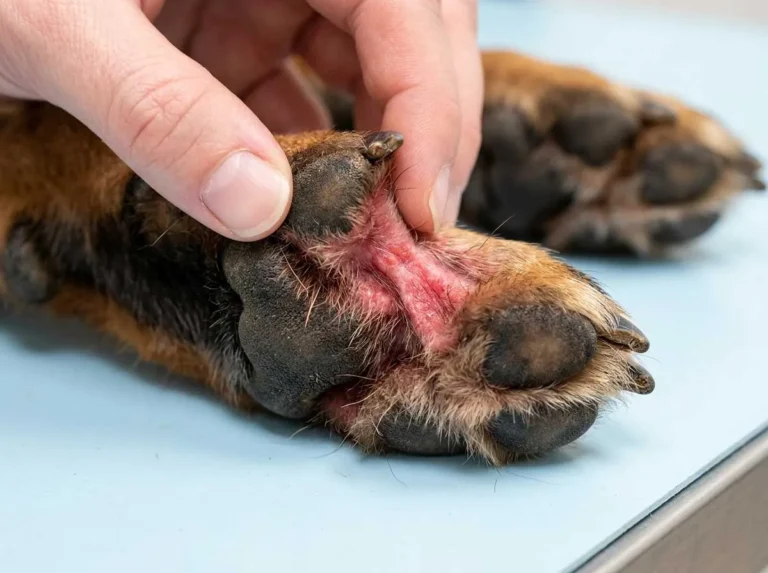
- Paws. Redness between the toes, brown saliva staining from constant licking, chewed-up nail beds.
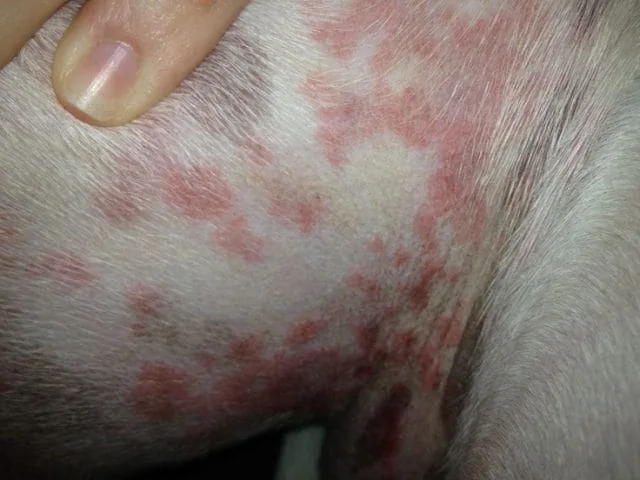
- Armpits and groin. Red, moist, hairless patches where skin touches skin.
- Belly. Reddened skin, small bumps, scabs from scratching.
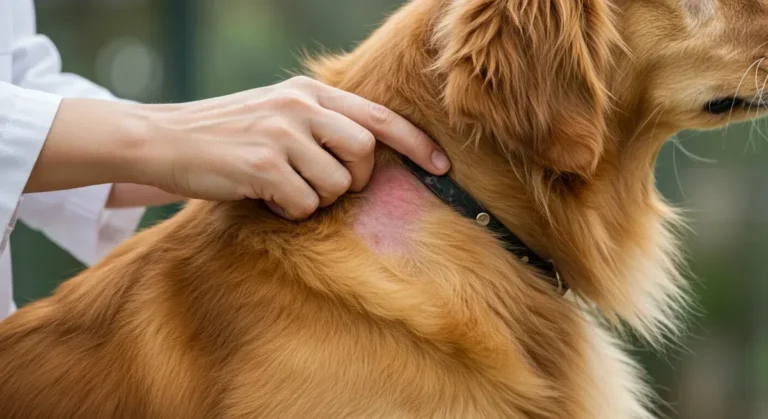
- Lower back and tail base. The flea allergy hotspot, often with hair thinning or "hot spots."
- General coat. Dull, broken coat from constant chewing. Blackened, thickened skin (hyperpigmentation) in chronic spots.
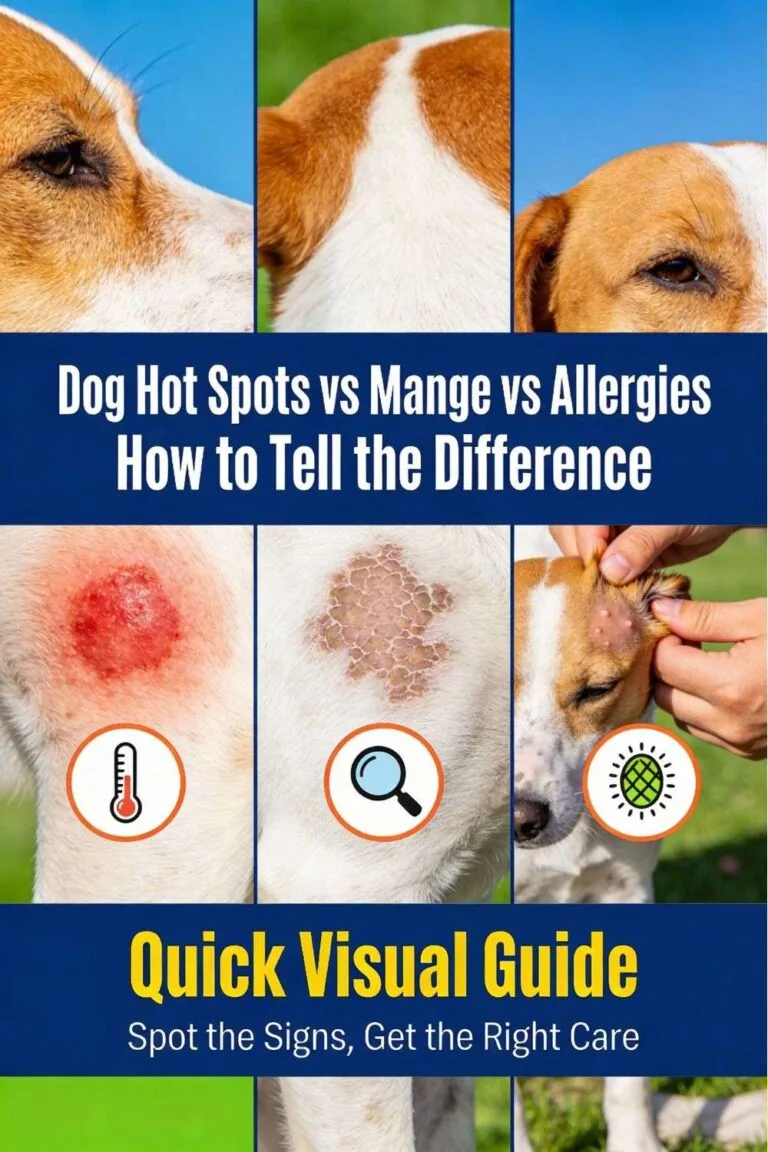
Any one of these alone might be something minor. Three or more, especially with a pattern, points strongly toward allergy. The Merck Veterinary Manual, a reference veterinary clinicians use daily, describes this same multi-region pattern as the hallmark of canine atopic syndrome.
Red Flags That Mean "Vet Today, Not Next Week"
Most allergic itching can wait for a routine appointment. A small set of symptoms can't.
- Facial swelling, hives, or sudden vomiting within minutes of a new food, medication, or insect sting. This is anaphylaxis, rare but real.
- A "hot spot" (acute moist dermatitis) the size of a quarter or bigger. These spread fast and are intensely painful.
- Constant scratching that hasn't stopped for 24+ hours, especially with bleeding skin.
- Repeated ear infections, especially with a head tilt or balance issues.
- Skin that looks infected: yellow crusts, pus, foul odor.
If any of these show up, skip the home experiments and get to a clinic. The American Veterinary Medical Association recommends urgent evaluation for any suspected allergic reaction involving facial swelling or breathing trouble, since these can escalate within minutes.
Symptom Patterns That Point to Each Allergy Type
The single most useful diagnostic tool isn't a lab test. It's a pattern. Walk through these with your dog's history in mind, and you'll usually narrow the field before ever setting foot in a vet office.
Flea Allergy Dermatitis Pattern
- Itching is heaviest at the lower back, tail base, rear legs, and belly.
- Symptoms flare in warm months or stay year-round in mild climates.
- You may see no fleas at all. FAD dogs react to flea saliva, and one bite from a flea you never spot is enough.
- Response to strict flea control is the giveaway. Within 8 to 12 weeks of proper prevention, a true flea allergy calms down significantly.
Environmental Allergy (Atopy) Pattern
- Itching is worst in spring and fall for pollen, or year-round for dust mites and indoor mold.
- Paws, face, ears, and the underside (armpits, groin, belly) are the hot zones.
- Symptoms often improve indoors or after a bath.
- Age of onset is typically 1 to 3 years. An older dog with new itching is less likely to have atopy.
Food Allergy Pattern
- Symptoms stay constant all year, with no seasonal swing.
- Itching is often heaviest in the ears and rear (around the anus), sometimes paired with soft stool or gas.
- A true allergy trial requires an 8 to 12 week elimination diet with a single novel or hydrolyzed protein. Improvement during the trial, then return of symptoms when the old food comes back, is the standard confirmation.
What Vets Look for During an Exam
A vet's first job is to rule out the things that look like allergies but aren't. Expect them to:
- Take a full history: age of symptom onset, season, diet, flea prevention, and prior infections.
- Do a skin scrape and ear cytology to rule out mites, bacteria, and yeast.
- Palpate lymph nodes and check for signs of systemic illness.
- Score the itching on a validated scale (the CADESI score is common for research, though most clinics use simpler tools).
If the exam supports allergy, the next step depends on what the pattern looks like. Suspected flea allergy gets a flea control trial first. Suspected food allergy gets an elimination diet.
Suspected atopy with seasonal symptoms may go straight to allergy testing for immunotherapy planning.
At-Home Symptom Diary: What to Track Before Your Visit
A two-week diary often saves a diagnostic step. Here's the minimum to capture:
- When. Date, time of day, and season the symptoms started.
- Where on the body. Specific regions (paws, ears, belly, lower back).
- What changed recently. New food, new treats, new detergent, new walking route, recent boarding or grooming.
- Flea prevention. Brand, dose, last application date.
- Frequency. How many scratching bouts per day, any pattern (after meals, after walks, at night).
Photos help a lot. Take one wide shot and one close-up of any visible skin change. Date-stamp them if your phone doesn't do that automatically.
Flea Allergy Dermatitis Trial: The First 8–12 Weeks
Before any allergy test or expensive treatment, most dermatologists insist on a strict flea control trial. Here's why: flea allergy is the most common and the easiest to miss.
Step-by-Step Flea Trial
- Treat every dog and cat in the home with a vet-recommended adult flea product, every month, for at least 8 to 12 weeks.
- Treat the house. Wash all bedding in hot water. Vacuum daily for the first 2 weeks, including baseboards and upholstery.
- Use a yard treatment if fleas are heavy outdoors.
- During the trial, do not skip doses, even one. Flea allergy dogs react to a single bite.
- Reassess at week 8. If itching is down dramatically, FAD was contributing. If there's no change, move to the next diagnostic step.
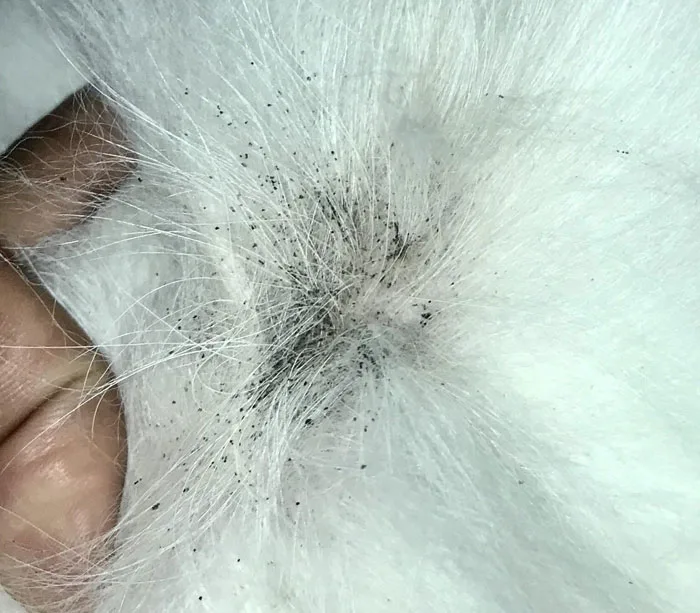
A common mistake is stopping prevention in winter. In warm climates or heated homes, fleas survive year-round, and so does the allergy.
Food Allergy Elimination Diet: How to Do It Right
Food allergy trials are simple in concept, hard in execution. The rule: feed only the prescribed diet for 8 to 12 weeks, with no other foods, treats, table scraps, or flavored medications.
Two Valid Approaches
| Approach | How It Works | Pros | Cons |
|---|---|---|---|
| Novel protein diet | Use a protein and carb the dog has never eaten (e.g., rabbit and potato) | Easy to source | Hard to confirm "novel" status if history is unknown |
| Hydrolyzed protein diet | Proteins broken into pieces too small for the immune system to recognize | Reliable for most dogs | Prescription only, more expensive, picky dogs may refuse |
Both work. The hydrolyzed option is what most veterinary dermatologists recommend when there's any doubt, since true novelty is hard to guarantee after years of commercial foods. Improvement typically shows up around week 4 to 6, but the full 8 to 12 week window is needed for confirmation.
The original diet is then reintroduced to see if symptoms return, which closes the loop.
Environmental Allergy Testing: Blood Test vs. Intradermal Skin Test
Once flea allergy and food allergy are ruled out, atopy is the likely culprit. Two test options exist.
Intradermal Skin Test (the gold standard)
- Performed by a veterinary dermatologist.
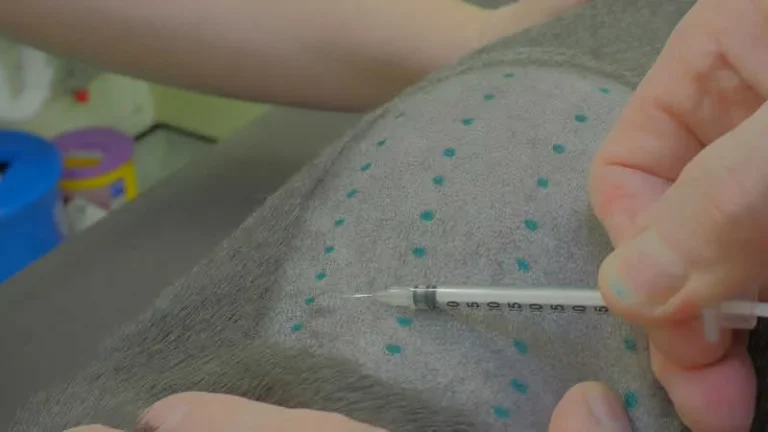
- A patch of hair is clipped, and small amounts of allergens are injected into the skin.
- Reactions are read at 15 to 20 minutes.
- Requires sedation and a withdrawal period from certain medications (steroids, antihistamines, Apoquel) before the test.
Blood (Serum IgE) Test
- A single blood draw from your regular vet.
- Measures allergen-specific IgE antibodies.
- Convenient and can be done while the dog is on most medications.
- Tends to produce more false positives than intradermal testing, especially for food allergens.
For dogs headed toward allergen-specific immunotherapy (allergy shots or drops), intradermal testing remains the preferred first step. For a general screening, the blood test is a reasonable starting point.
Comparing the Main Treatment Options
Once diagnosis is clear, treatment falls into a few categories. Here's how they stack up for most dogs.
| Treatment | Best For | Onset of Action | Long-Term Role |
|---|---|---|---|
| Apoquel (oclacitinib) | Daily itch control for atopy | Within 4 hours | Lifelong daily or seasonal |
| Cytopoint (lokivetmab) | Dogs that hate pills; seasonal flare control | 1 to 2 days | Injection every 4 to 8 weeks |
| Allergen-specific immunotherapy | Dogs with confirmed environmental allergies | 3 to 12 months for full effect | Long-term, often years |
| Antihistamines | Mild seasonal itching, adjunct only | Days | Limited benefit alone |
| Topical therapies (medicated shampoos, sprays) | Localized skin, infection prevention | Immediate relief | Daily to weekly maintenance |
| Cyclosporine (Atopica) | Severe atopy when Apoquel isn't enough | 4 to 8 weeks | Long-term daily |
Steroids (prednisone) still have a role for short-term rescue during severe flares, but long-term use carries significant side effects (increased thirst, hunger, immune suppression, muscle loss) that push most clinicians toward Apoquel or Cytopoint for ongoing management.
Antihistamines for Dogs: When They Help and When They Don't
Antihistamines get a lot of attention, mostly because they're cheap and available. The reality is less exciting.
- Most peer-reviewed studies on antihistamines in dogs find they help fewer than 30% of patients.
- They work best before the itch starts (pre-season, daily), not after it's already fired up.
- Common options your vet might suggest include diphenhydramine, cetirizine, or loratadine, all at dog-specific doses.
- Never use time-release formulas or combination cold meds. Many contain decongestants or pain relievers that are toxic to dogs.
If an antihistamine helps, great. If it doesn't after a two-week trial, move on. Antihistamines rarely stand alone in a treatment plan.
Mistakes Owners Make That Prolong the Problem
These come up over and over in dermatology clinics.
- Switching foods every few weeks. A real elimination diet needs 8 to 12 weeks on a single formula. Premature switches "prove" nothing.
- Skipping flea prevention in winter. Flea allergy doesn't take a seasonal break in most climates.
- Bathing too often or not enough. Both extremes worsen skin. Twice-weekly with a gentle, oatmeal-based or medicated shampoo is a common starting point.
- Stopping Apoquel or Cytopoint the moment itching stops. These manage, they don't cure. Quitting mid-season often triggers a flare worse than the original.
- Treating at the wrong layer. Smelly ears aren't dirty ears. They're usually infected, and need prescription drops, not just cleaning.
- Ignoring paw licking as "a habit." Paw chewing is one of the strongest allergy signals there is.
Cost Breakdown and What to Expect Financially
Costs vary by region and clinic type, but a working budget helps you plan. The ranges below reflect typical U.S. pricing as of 2026.
| Service | Typical Cost (USD) |
|---|---|
| Initial vet consult | $75–$150 |
| Skin scrape, cytology, ear swab | $50–$150 combined |
| Blood allergy panel | $200–$400 |
| Intradermal skin test (dermatologist) | $300–$600 |
| Hydrolyzed diet (per month) | $60–$120 |
| Apoquel (per month, varies by size) | $80–$200 |
| Cytopoint injection (per dose) | $60–$150 |
| Allergen-specific immunotherapy (per year) | $300–$700 |
Flea prevention runs $10 to $30 per month per pet, depending on product. Multiply across a household of dogs and cats, and you'll see why strict, year-round prevention is the single most cost-effective move for flea-allergic dogs.
Building a Long-Term Management Plan
There's no cure for canine atopy. What there is, with good management, is a normal-quality life. Most dermatologists build plans around three pillars:
- Trigger control. Year-round flea prevention, dust mite covers on bedding, regular bathing, hypoallergenic diet where indicated.
- Itch control. Apoquel, Cytopoint, or immunotherapy to keep itching below the scratch threshold.
- Skin barrier support. Essential fatty acid supplements (often omega-3s), topical moisturizers, and medicated baths to keep the skin resilient.
Most dogs need ongoing treatment, but the goal is the lowest effective dose. Many dogs on immunotherapy eventually drop their Apoquel or Cytopoint use during flare-free periods.
Seasonal vs. Year-Round: Reading the Pattern
Seasonal itching points strongly toward atopy from outdoor allergens (tree pollen in spring, grass in summer, weed pollen in fall). Year-round itching points toward food allergy, dust mites, indoor mold, or flea allergy in a warm climate.
A useful trick: if symptoms reliably calm within a week of boarding in a different region, then flare again at home, environmental allergens at home are likely the driver. A skin diary across two seasons gives the most reliable signal.
How to Tell Secondary Infections From Primary Allergies
By the time most dogs reach a dermatologist, the original allergy has company. Bacterial pyoderma and yeast overgrowth (often Malassezia) ride on top of inflamed skin and turn a manageable problem into a vicious cycle.
Signs an Infection Has Joined the Party
- Yellow crusts, pimple-like bumps, or moist oozing spots.
- A greasy, musty, or sweet smell from the skin or ears.
- Thickened, leathery, or blackened skin in chronic spots.
- Itching that doesn't respond to Apoquel or Cytopoint alone.
Why This Matters
Allergy meds quiet the immune overreaction. They don't kill bacteria or yeast. Treating only the allergy and ignoring the infection feels like turning off a smoke alarm while the fire keeps going.
Your vet will usually run cytology (a quick skin or ear sample under the microscope) to confirm infection before deciding on antibiotics, antifungals, or medicated washes.
When to Push for a Specialist Instead of Waiting
General practice vets handle most allergy cases well. There are a few moments, though, when a board-certified veterinary dermatologist earns their fee.
Clear Signs It's Time to Escalate
- Three or more ear infections in a year.
- Symptoms lasting more than 3 months without a clear diagnosis.
- Needing oral steroids more than twice a year for flares.
- Failed elimination diet trials that you executed correctly.
- A dog on long-term Apoquel whose dose keeps creeping up.
The American College of Veterinary Dermatology maintains a searchable directory of specialists by region. Most offer either in-person or teledermatology consults, which compress the diagnostic timeline from months to a few weeks.
Practical Home Care That Actually Helps
Medical treatment does the heavy lifting. A few home habits keep the gains.
Bathing
Twice a week with a gentle, oatmeal-based or chlorhexidine shampoo during flares. Once weekly for maintenance. Cool water.
Rinse thoroughly. Don't aim for a perfect lather. Aim for contact time.
Let the medicated shampoo sit for 5 to 10 minutes before rinsing.
Wipe-Downs
After walks, wipe paws and belly with a damp microfiber cloth or hypoallergenic wipe. You'll pull off pollen and reduce the allergen load before it absorbs through the skin.
Laundry and Bedding
Wash dog bedding weekly in hot water. Skip fabric softener. Dust mite covers on human beds help if your dog sleeps with you and dust mites are a trigger.
Supplements
Omega-3 fatty acid supplements (EPA and DHA from fish oil) have decent evidence for mild itch reduction in atopic dogs. Dose matters. Most OTC pet fish oils under-dose.
Ask your vet for a target based on your dog's weight.
Common Allergy Mimics Worth Ruling Out First
Several conditions look like allergies but need entirely different treatment. If you've been treating "allergies" for months with no improvement, one of these may be the real culprit.
| Condition | How It Mimics Allergy | The Giveaway |
|---|---|---|
| Sarcoptic mange | Intense itching, often at ear edges, elbows, hocks | Itchy humans in the home; positive skin scrape |
| Demodectic mange | Patchy hair loss, especially in puppies | Mites visible on deep skin scrape |
| Bacterial pyoderma | Red skin, scratching, hair loss | Smell, crusts, response to antibiotics alone |
| Yeast dermatitis | Greasy, smelly, itchy skin | Musty odor, especially in skin folds |
| Hypothyroidism | Hair loss, skin infections, lethargy | Blood test shows low thyroid hormone |
| Cushing's disease | Thin skin, hair loss, recurrent infections | Blood test and ultrasound |
The lesson here: a dog that doesn't respond to a well-executed allergy plan probably doesn't have one as the primary problem. Push for re-evaluation rather than escalation.
What to Expect Over the First 6 Months
Most dogs go from "constant misery" to "comfortable life" within 6 months of starting a real plan. A rough timeline helps set expectations.
Months 1–2: Diagnosis Phase
Flea trial, elimination diet, allergy testing, and infection control. Expect some frustration. The dog may still be itchy while you gather data.
Months 3–4: Treatment Ramp
Apoquel, Cytopoint, or immunotherapy started. Secondary infections cleared. Diet locked in.
Most dogs feel dramatically better by the end of month 4.
Months 5–6: Long-Term Tuning
Dose adjustments. Seasonal planning. Possibly stepping down from daily meds if immunotherapy is taking hold.
This is when a management plan starts to feel routine rather than reactive.
Six months in, the goal isn't perfection. The goal is a dog who sleeps through the night, plays normally, and stops chewing themselves raw. Most allergic dogs get there with patience and a real plan.
Quick Decision Tree: What Kind of Allergy Is Most Likely?
Run through these four checks in order. After them, you'll have a working hypothesis to bring to your vet, not a diagnosis, but a strong starting point.
Check 1: Where Does the Dog Scratch Most?
- Lower back and tail base: lean flea allergy.
- Paws, face, ears, armpits, belly: lean environmental.
- Ears and rear, year-round, with gut signs: lean food.
Check 2: Is There a Seasonal Swing?
- Yes, worse in spring or fall: strengthens the atopy case.
- No change all year: argues against pollen, points to food, dust mites, or fleas.
Check 3: How Quickly Did It Start?
- Slow build over weeks to months: typical of food or atopy.
- Sudden after a new treat, food, or grooming product: consider contact allergy or food.
- Sudden after a walk in tall grass or new environment: environmental trigger.
Check 4: Does Strict Flea Control Help?
- Big improvement in 4 to 8 weeks: confirms FAD contribution.
- No change at all: FAD is unlikely the main driver.
When It's an Emergency (Anaphylaxis)
True anaphylaxis in dogs is rare, but it's the one allergic event that can't wait for an appointment. Minutes matter.
What to Watch For
- Facial swelling, especially around the muzzle and eyes.
- Hives (raised bumps across the body).
- Sudden vomiting or diarrhea within minutes of exposure.
- Trouble breathing, pale gums, or collapse.
What to Do
Get to an emergency clinic. If you can call ahead while driving, do so. Epinephrine is the treatment, and only a clinic carries it.
Once stabilized, your vet will help you identify the trigger (often a vaccine, a medication, an insect sting, or less commonly a food).
Working With Your Vet: What to Bring to the First Visit
A good first appointment sets the tone for months of management. A few minutes of prep saves everyone time.
What to Bring
- A 2 to 4 week symptom diary with dates, body regions, and any triggers you noticed.
- Photos and short videos of flare behavior, especially scratching bouts.
- All current foods, treats, and supplements, in the bag, with ingredient lists.
- Records of every flea prevention product used in the past year, with dates.
- A list of prior medications and how the dog responded to each.
Questions Worth Asking
- Do you think this is flea, food, or environmental?
- Do we need cytology to check for infection today?
- What's the next step if this trial doesn't work?
- Should we involve a veterinary dermatologist now or later?
Vets appreciate owners who come prepared. It moves the visit from guesswork to plan.
Building a Daily Routine for an Allergic Dog
Once a diagnosis is in place, daily structure matters more than heroic interventions. Small, consistent habits keep the skin barrier intact and the immune system calmer.
Morning
Wipe paws and belly after the first walk. Apply flea prevention on schedule. Feed the prescribed diet only, no extras.
Midday
Quick visual check. Any new hotspots? Any head shaking?
Early catches save vet visits.
Evening
Brush gently to remove allergens from the coat. Give any oral meds (Apoquel, antihistamine, omega-3) with food. Note any changes in the diary.
Weekly
Bathe with the prescribed shampoo. Wash bedding in hot water. Check ears for odor or redness.
Closing the Loop: What a Successful Plan Looks Like
A well-managed allergic dog looks ordinary. That's the goal. They sleep through the night.
They don't shake their head at dinner. They walk without stopping every few feet to chew a paw. Their ears stay clean for months at a time.
Their skin returns to its normal color and texture.
If your dog still looks "allergic" six months into treatment, something in the plan needs to change. It might be a missed infection. It might be an incomplete diet trial.
It might be time for a specialist. The plan should evolve as the dog evolves.
Allergies are a long game. Get the pattern right, control the triggers, treat the infections, and keep the itch below the scratch threshold. Do those four things consistently, and most allergic dogs live completely normal, comfortable lives.
Three Real-World Scenarios (And How Each Resolved)
These composites are drawn from typical case patterns seen in general and dermatology practice. Names are generic, but the timelines and decisions are realistic.
Scenario 1: The Seasonal Paws
A 2-year-old Golden Retriever chews his paws every April and October. Ears get red but don't smell. No gut signs.
The pattern matched atopy. Treatment: twice-weekly paw wipes, Apoquel during flare months, and intradermal testing confirmed grass and weed pollen. Now on allergen-specific immunotherapy year-round.
Apoquel use has dropped by about 70%.
Scenario 2: The Year-Round Ear Case
A 4-year-old French Bulldog has had ear infections every 6 to 8 weeks for two years. Skin elsewhere looks fine. Diet trial was clean.
Cytology showed yeast. Flea control was already strict. The breakthrough: a hydrolyzed protein diet for 10 weeks, then a deliberate challenge with the old food.
Symptoms flared within 2 weeks. Food allergy confirmed. Switched to a novel protein rotation.
Ears down to one infection in the past year.
Scenario 3: The Misdiagnosed Mange
A 1-year-old mixed breed was treated for "allergies" for 4 months with no response. The owners were itchy too. A skin scrape at a new clinic found sarcoptic mites.
Two doses of an appropriate acaricide and environmental treatment cleared the dog and the family. The lesson: not every itchy dog is allergic. Mange mimics allergies well, and it doesn't respond to allergy meds.
Final Takeaway
Most allergic dogs can live comfortably. The owners who get there fastest do three things well. They track the pattern instead of guessing.
They run the trials their vet recommends, completely, before changing course. And they keep up the boring daily habits, flea prevention, bathing, diet, that prevent the next flare.
The dog scratching on your couch right now isn't a lost cause. They're a case that needs a real plan.
Frequently Asked Questions
How accurate are at-home dog allergy test kits?
The kits sold directly to consumers (saliva or hair-based) have no peer-reviewed validation in dogs. The blood tests run by your vet are more reliable for environmental allergens, but still less accurate than intradermal skin testing for treatment planning. Skip the mail-order kits.
Use a vet-supervised test instead.
Can a dog suddenly develop allergies as an adult?
Yes. Late-onset allergies do happen, but they're less common than early-onset ones. If an older dog suddenly becomes itchy, your vet should also rule out hypothyroidism, Cushing's disease, and skin tumors before settling on allergy.
Will switching to a raw or grain-free diet fix the allergies?
Grain-free diets aren't inherently better for allergic dogs. Most food allergies in dogs are to animal proteins (beef, chicken, dairy), not grains. A properly formulated elimination diet, raw or not, can work.
Marketing-driven "hypoallergenic" or "grain-free" labels don't.
How often should an allergic dog see the vet?
Every 6 to 12 months once stable. During diagnosis or a flare, visits every 4 to 8 weeks are common. Rechecks matter because dogs change, and so should the plan.
Are some dogs too old to start allergy treatment?
No. Senior dogs benefit as much as young ones, with one caveat. Apoquel and Cytopoint are both used in older dogs, but bloodwork to monitor organ function is more frequent.
The comfort gain is worth it for most.
What's the single most useful thing an owner can do at home?
Run strict, year-round flea prevention. It costs less than a single dermatology visit, and it rules out the most common, most fixable allergy trigger before you spend a dollar on tests.