How much is an allergy shot for a dog
How much is an allergy shot for a dog? Most owners pay somewhere between $1,000 and $2,000 in the first year, then $300 to $500 every year after that for maintenance doses. The wide range exists because you're really paying for two things: the upfront allergy testing and serum formulation, plus years of scheduled injections given at home or at the vet.
Understanding where each dollar goes is the difference between budgeting smartly and getting blindsided at the reception desk.
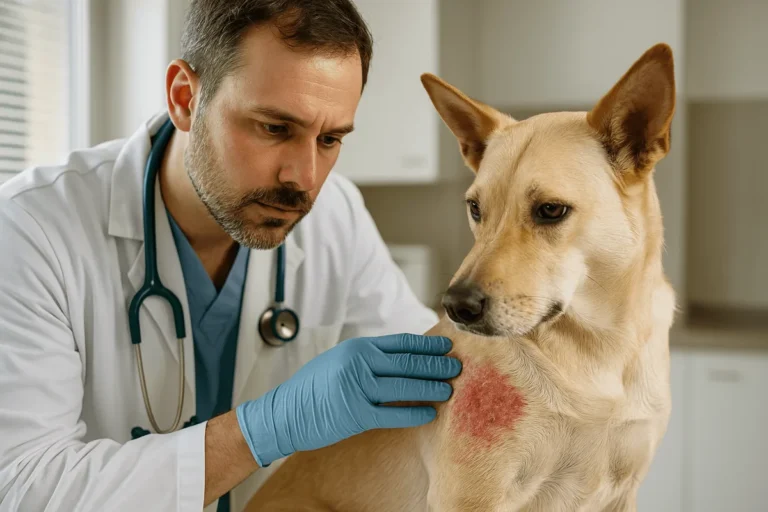
In our research across U.S. veterinary pricing data as of 2026, the biggest swing factor isn't the serum itself. It's whether you're working with a general practice vet or a board-certified veterinary dermatologist, and whether your dog needs a full intradermal skin test or a simpler blood panel. Both routes work, but they price out very differently.
Below, we'll walk through every line item so you can plan the cost, compare it against Apoquel and Cytopoint, and decide whether immunotherapy fits your dog's situation.
Quick Answer
An allergy shot for a dog costs $1,000 to $2,000 in the first year. Annual maintenance runs $300 to $500. The price covers allergy testing and customized serum.
Treatment lasts 12 months or longer. Most dogs see improvement within 3 to 12 months.
Why Allergy Shots Cost What They Do (and Why the Range Is So Wide)
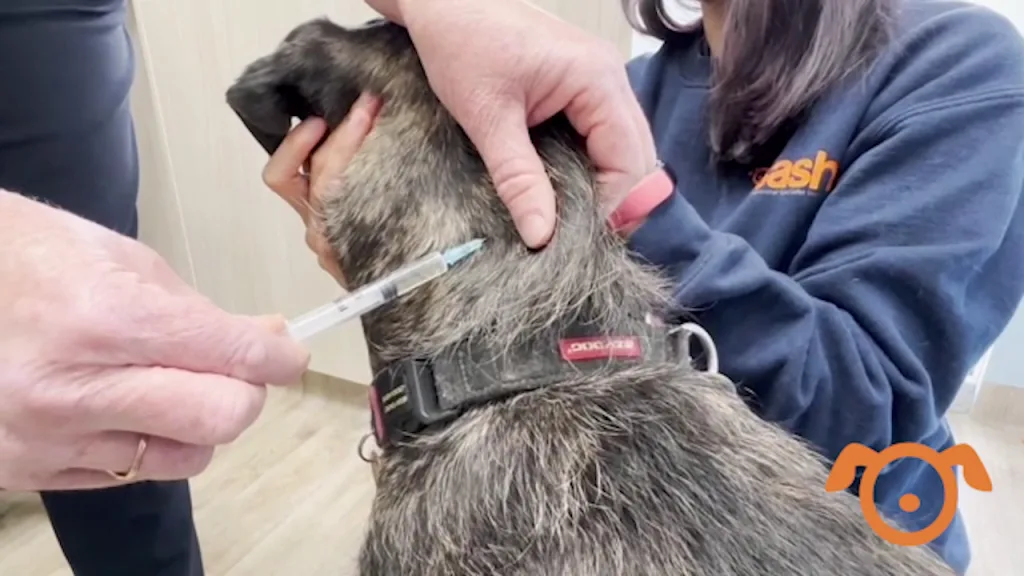
If you've ever called three vet clinics for a quote and gotten three different numbers, you're not alone. The reason is that "allergy shots" actually bundle three separate services, and each clinic prices them independently.
First, there's the diagnostic work. Your vet needs to figure out what your dog is allergic to before they can build a treatment. Second, there's the serum itself, a custom-formulated vial containing small doses of the specific allergens your dog reacts to.
Third, there's the long-term administration schedule, which involves repeated vet visits during the induction phase and ongoing doses during maintenance.
What you're really paying for is allergen-specific immunotherapy (ASIT), the medical term for this treatment. ASIT works by exposing your dog's immune system to tiny, controlled amounts of the allergens that cause itching, then gradually retraining the body to tolerate them. It's the same principle as human allergy shots, just formulated for canine immune systems and allergens.
Here's why that matters for cost: the serum is custom. Your dog's mix might include grass pollen, dust mites, mold spores, and flea antigens, depending on what your region and your dog actually react to. A clinic in Arizona isn't going to bill the same as one in Vermont, because the allergen profiles differ.
That's also why generic "average" prices online can feel misleading. The real number depends on what your dog needs, where you live, and who's doing the work.
The Two Big Phases: Induction vs Maintenance Pricing
Allergy shot pricing breaks into two distinct phases, and your wallet feels them very differently.
Induction Phase (Months 1–3 or So)
This is the most expensive part. You're paying for:
- Frequent vet visits (often weekly at first)
- Dose adjustments based on your dog's response
- Closer monitoring for allergic reactions to the serum itself
Some clinics bundle the induction costs into one flat fee. Others bill per visit, which can run $50 to $150 each. Add in the cost of the initial serum vial ($300 to $600 on its own), and the induction phase alone can hit $800 to $1,200.
Maintenance Phase (Month 4 Onward)
Once your dog's dose is stable, costs drop sharply. Most dogs move to monthly injections, which many owners learn to give at home. At that point, you're mainly paying for:
- Replacement serum vials ($150 to $300 per refill)
- Periodic check-ins with your vet
- Occasional dose tweaks if symptoms flare
Annual maintenance typically lands between $300 and $500, depending on your dog's size (larger dogs need larger doses) and how often the serum needs reformulating.
| Phase | Duration | Typical Cost | What's Included |
|---|---|---|---|
| Induction | 1–3 months | $800–$1,200 | Frequent vet visits, dose adjustments, initial serum |
| Maintenance | Ongoing (12+ months) | $300–$500/year | Replacement serum, check-ins, dose tweaks |
The key thing to know: maintenance is where you'll spend most of your time, and it's far cheaper than the induction push. If the first-year sticker shock scares you, ask your vet how they structure payment. Many clinics let you split it.
Allergy Testing Comes First, Here's What That Costs
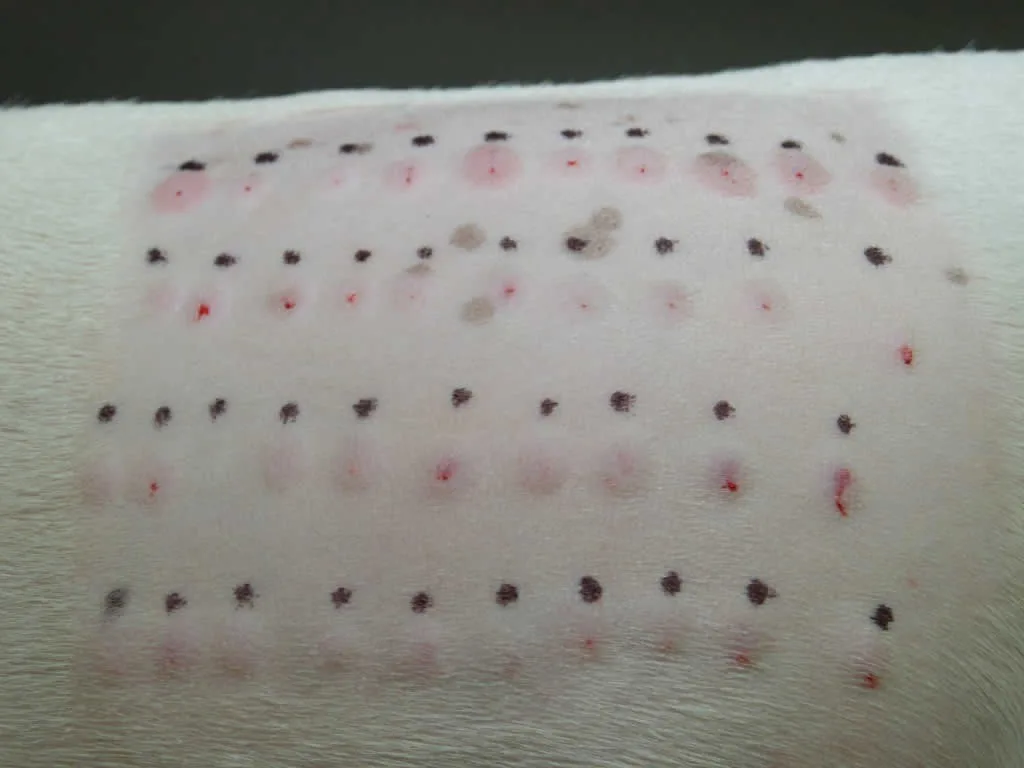
You can't build a custom serum without knowing what allergens to include, so testing happens before any shots. Two main methods exist, and the choice affects both your bill and the accuracy of the results.
Intradermal skin testing is the gold standard. A veterinary dermatologist injects small amounts of allergens into your dog's shaved skin and watches for reactions. It requires sedation, takes a couple of hours, and runs $250 to $500.
This is the route specialists prefer because it's more sensitive and picks up regional allergens a blood test might miss.
Serum IgE blood testing is the simpler option. Your vet draws blood and sends it to a lab that checks for antibodies against common allergens. It costs $200 to $400 and doesn't require sedation, making it easier on older dogs or anxious patients.
The tradeoff is somewhat less precision, especially for environmental allergens.
| Test Type | Cost | Sedation Needed | Best For |
|---|---|---|---|
| Intradermal skin test | $250–$500 | Yes | Most accurate, regional allergens |
| Serum IgE blood test | $200–$400 | No | Easier, less stressful, older dogs |
If your dog's symptoms are severe or year-round, specialists lean toward skin testing. For mild or seasonal cases, blood testing often does the job. Either way, this cost is upfront, meaning you'll pay it once before the serum even gets formulated.
Average Dog Allergy Shot Cost by Stage (With Real Numbers)
To make this concrete, here's a realistic cost breakdown based on aggregate U.S. veterinary pricing data we reviewed. Your numbers will vary by region and clinic, but this gives you a working budget.
| Treatment Stage | What You're Paying For | Typical Cost |
|---|---|---|
| Initial consultation | Vet exam, symptom review, treatment plan | $100–$250 |
| Allergy testing | Blood or skin test | $200–$500 |
| Custom serum formulation | First vial, compounded for your dog | $300–$600 |
| Induction vet visits | Weekly or biweekly visits (8–12 total) | $400–$1,200 |
| First-year total | Everything above | $1,000–$2,000 |
| Annual maintenance | Refills, check-ins, dose tweaks | $300–$500 |
For most dogs, the first-year total lands around $1,500. After that, you're looking at roughly $300 to $500 per year, comparable to a monthly Apoquel prescription for a medium-sized dog, but with the goal of reducing medication dependence over time.
One thing worth flagging: some clinics offer payment plans or bundle the induction phase into a flat fee. Ask upfront. Veterinary dermatology can be a significant investment, and most offices are used to working out financing for long-term treatment plans.
For more on the clinical background, the American College of Veterinary Dermatology provides practitioner resources and explains how allergen-specific immunotherapy is structured and dosed in dogs.
What Changes the Price Tag: 7 Factors That Affect Your Bill
Two dogs with identical symptoms can walk into the same clinic and get quotes that differ by $500 or more. Here's why.
1. Type of Vet
A general practice vet typically charges less than a board-certified veterinary dermatologist. Specialists have advanced training, which shows up in their exam fees. But for tough or unresponsive cases, that expertise often pays for itself in faster, more accurate treatment.
2. Allergy Test Chosen
We covered this in the testing section, but it bears repeating: skin testing costs more than blood testing. If your dog needs the gold standard, plan for it.
3. Geographic Region
Vet pricing tracks local cost of living. Urban clinics in New York, San Francisco, or LA charge noticeably more than rural practices in the South or Midwest. Regional allergen profiles also affect serum formulation, though usually only marginally.
4. Dog Size
Larger dogs need larger doses. A 90-pound Labrador will burn through serum faster than a 15-pound terrier, which means more frequent refills and higher annual costs.
5. Number of Allergens Identified
The more allergens your dog reacts to, the more complex the serum mix. A simple profile (3, 4 allergens) costs less to compound than a broad panel (10+ allergens).
6. Induction Protocol Style
Some vets use a "rush" induction schedule, packing multiple dose increases into a few weeks. Others spread it out over months. Faster protocols mean more upfront visits, which means more upfront cost.
7. Whether You Give Injections at Home
Once your vet trains you, home administration saves the exam fee per dose. Not every owner is comfortable with this, and that's fine, but if you are, you can shave $50 to $100 off each maintenance visit.
Regional Cost Differences Across the U.S.
Where you live genuinely matters. Here's how pricing typically shifts by region based on aggregate vet pricing data.
| Region | Typical First-Year Cost | What's Driving It |
|---|---|---|
| Northeast (NY, MA, NJ) | $1,400–$2,200 | High urban vet fees, more specialists |
| West Coast (CA, OR, WA) | $1,300–$2,100 | Specialist-heavy markets, high overhead |
| Midwest (IL, OH, MI) | $1,000–$1,700 | Lower overhead, fewer specialists |
| South (TX, FL, GA) | $900–$1,600 | Lower base costs, year-round allergen exposure |
| Mountain West (CO, UT) | $1,000–$1,800 | Mixed urban/rural pricing |
If you're in a metro area with a veterinary dermatology specialist, expect to pay toward the top of these ranges. In smaller cities or rural regions, you'll likely see lower numbers, though you may have to travel to reach a specialist at all.
One thing worth knowing: telehealth vet consultations are growing fast, and they can sometimes save you the cost of an initial in-person specialist visit. Not every clinic offers this, but it's worth asking.
Does Pet Insurance Cover Allergy Shots for Dogs?
It depends entirely on your policy. Here's how it usually breaks down.
Accident-and-illness plans from providers like Healthy Paws, Trupanion, or Embrace often cover allergy treatment, including immunotherapy, after your deductible. The catch: most require the condition to be diagnosed after your policy's effective date. Pre-existing allergies typically aren't covered.
Wellness add-ons generally don't cover allergy shots. Those plans focus on vaccines, dental cleanings, and routine exams.
What this means in practice: if your dog develops allergies after your policy starts, you may get 70% to 90% reimbursement after deductible. That can drop your first-year out-of-pocket cost from $1,500 to $400 or $500. If the allergy was diagnosed before you signed up, you're likely paying the full amount yourself.
Always read the fine print. Some insurers cap coverage for chronic conditions or require a waiting period before treatment is eligible.
Allergy Shots vs Apoquel vs Cytopoint: Cost, Duration, and Results
These three options dominate canine allergy management right now. They're often presented as either-or choices, but they actually work differently and suit different situations.
| Treatment | Mechanism | First-Year Cost | Ongoing Cost | Best For |
|---|---|---|---|---|
| Allergy shots (ASIT) | Retrains immune system over time | $1,000–$2,000 | $300–$500/year | Long-term solution, dogs with severe year-round allergies |
| Apoquel (oclacitinib) | Daily oral tablet blocks itch signaling | $900–$1,500 | $900–$1,500/year | Fast relief, seasonal flares, owners wanting simplicity |
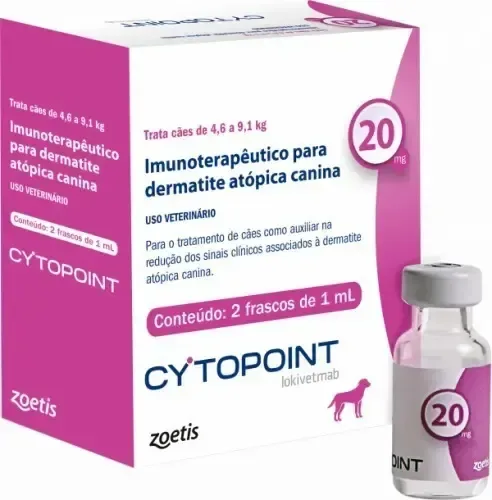
| Cytopoint (lokivetmab) | Injection given every 4–8 weeks | $1,000–$1,800 | $1,000–$1,800/year | Dogs who can't tolerate oral meds, targeted itch relief |
Allergy shots aim to reduce the underlying immune overreaction. Success rates in clinical studies hover around 50% to 80%, with most dogs showing meaningful improvement within 6 to 12 months. The downside is upfront cost and patience.
Apoquel works fast, often within 24 hours. It's a daily pill that suppresses itch at the cellular level. Most dogs tolerate it well, but it's a long-term medication, not a cure, and the annual cost adds up.
Cytopoint is an injectable antibody given at the vet every 4 to 8 weeks. It's popular because it doesn't require daily dosing and works well for many dogs. Like Apoquel, it manages symptoms rather than addressing the root cause.
So which is right? If your dog has mild seasonal allergies, Apoquel or Cytopoint may be all you need. If your dog has severe, year-round atopic dermatitis, allergy shots are often worth the investment, both financially and in terms of long-term quality of life.
Many owners actually use a combination: allergy shots as the foundation, with Apoquel or Cytopoint as backup during flare-ups or the early induction period. Your vet can help you decide what makes sense for your dog's specific case.
Who Allergy Shots Work Best For (and When They Won't Help)
Allergy shots aren't a universal fix. They shine in certain situations and fall short in others.
Strong Candidates for ASIT
- Dogs with atopic dermatitis (environmental allergies to pollen, dust, mold)
- Dogs whose symptoms are year-round or last more than 4, 6 months per year
- Dogs who don't respond well to Apoquel or Cytopoint alone
- Younger dogs (under 7) who have many years of allergy management ahead
- Owners committed to long-term treatment and consistent dosing
Poor Candidates or Situations Where Shots Won't Work
- Food allergies: ASIT doesn't address food reactions. An elimination diet trial is the proper path here.
- Dogs with only seasonal, mild symptoms: A short course of Apoquel or Cytopoint during peak season may be simpler and cheaper.
- Owners who can't commit to regular injections: Skipped doses reduce effectiveness.
- Dogs with severe concurrent illness: Your vet needs to stabilize other conditions first.
The success rate sits around 50% to 80%, depending on the study and the dog population. That sounds variable, but in practice it means most dogs get at least partial relief, and a meaningful minority get dramatic improvement. The Merck Veterinary Manual, a widely cited clinical reference, discusses immunotherapy response rates in detail and confirms these ranges for canine atopic dermatitis.
Risks, Side Effects, and Safety Considerations
Allergy shots are considered safe for most dogs, but they're not risk-free. The most common reaction is mild soreness or swelling at the injection site, which usually fades within a day.
More concerning is the rare risk of an allergic reaction to the serum itself. Signs include facial swelling, hives, vomiting, or difficulty breathing. These typically appear within 30 minutes of injection, which is why vets often ask you to wait in the clinic during early doses.
Severe anaphylaxis is very uncommon but possible. Owners trained to give injections at home should know the warning signs and have an emergency plan. Your vet will walk you through this.
What a Realistic Treatment Timeline Looks Like
Improvement rarely happens overnight. Here's the typical arc.
- Month 1, 3: Induction phase. Symptoms may not change much yet.
- Month 3, 6: Early responders start showing noticeable itch reduction.
- Month 6, 12: Most successful cases hit their stride by now.
- Year 1+: Many dogs reach a maintenance plateau. Some can taper off entirely after 2, 3 years.
If you see no improvement by month 12, your vet may reformulate the serum or reconsider the diagnosis. Patience matters, but so does honest reassessment.
How to Lower the Cost Without Cutting Corners
A few practical moves can ease the financial load.
- Ask about payment plans during induction.
- Learn to give injections at home once your vet clears you.
- Buy serum refills in larger volumes when possible (lower cost per mL).
- Use pet insurance before the allergy diagnosis, not after.
- Combine allergy shots with Apoquel or Cytopoint during flares instead of choosing one forever.
How to Talk to Your Vet About Starting Immunotherapy
Start by describing your dog's symptoms, frequency, and what you've already tried. Ask whether your vet offers ASIT in-house or refers to a specialist.
Request a written cost estimate covering testing, serum, induction, and the first year of maintenance. Bring up pet insurance and ask whether your dog is a good candidate given their age, health, and allergy severity.
Common Mistakes Dog Owners Make With Allergy Shots
Skipping doses is the biggest one. Inconsistent administration tanks effectiveness and may require restarting induction.
Expecting immediate results is another. Stopping treatment at month 4 because "it's not working" often happens just before improvement kicks in.
Finally, assuming allergy shots fix food allergies. They don't. If your dog reacts to chicken or beef, you need a dietary trial, not immunotherapy.
Frequently Asked Questions
How long does it take for allergy shots to work in dogs?
Most dogs show meaningful improvement within 6 to 12 months. Some respond faster, around the 3 to 4 month mark. Full effect often takes a year of consistent dosing.
Can I give my dog allergy shots at home?
Yes, once your vet trains you and confirms your dog tolerates the serum well. Most owners handle maintenance injections at home and only visit the clinic for check-ins.
Are allergy shots better than Apoquel for dogs?
They're different tools. Apoquel works fast but manages symptoms. Allergy shots aim to retrain the immune system and reduce long-term medication dependence.
Many dogs end up using both.
What happens if I miss a dose of my dog's allergy shot?
Tell your vet. They may adjust the next dose or temporarily reduce the strength. Missing occasional doses usually won't derail treatment, but consistency matters for best results.
Do allergy shots help with dog food allergies?
No. Immunotherapy addresses environmental allergens. Food allergies require an elimination diet trial under veterinary guidance.
How do I know if my dog is a good candidate for allergy shots?
Your vet will evaluate symptom severity, duration, and previous treatment responses. Dogs with year-round atopic dermatitis that haven't responded well to other therapies are usually strong candidates.
Final Thoughts: Is It Worth the Investment?
For dogs with severe, persistent environmental allergies, allergy shots often pay off within the first 12 to 24 months. The upfront cost is real, but the long-term payoff, less medication, fewer infections, and a happier dog, makes it a smart move for many families. Talk to your vet, get a written estimate, and weigh it against your dog's specific needs.