How to help a dog with seasonal allergies: Best guide
If your dog is scratching like there's no tomorrow every spring or fall, you're not alone. Seasonal allergies in dogs, also called canine atopic dermatitis, are one of the most common reasons owners end up at the vet. Figuring out how to help a dog with seasonal allergies means understanding what they're reacting to, what works to calm the itch, and what mistakes actually make things worse.
The good news is that as of 2026, vets have more targeted treatment options than ever before. Cytopoint, a monoclonal antibody injection, starts working within 24 to 48 hours and lasts four to eight weeks per dose. Apoquel, a daily JAK inhibitor tablet, can take effect in as little as four hours.
Combined with smart environmental management and the right bathing routine, most dogs can get through allergy season comfortably.
Quick Answer
Vet treatment options for dog seasonal allergies include Apoquel, Cytopoint, prescription antihistamines, and allergen immunotherapy. Home support involves frequent medicated baths, wiping paws after walks, running HEPA filters, and adding omega-3 fatty acids to meals. See a vet if itching disrupts sleep or causes skin damage.
Why Seasonal Allergies in Dogs Deserve Real Attention
Here's the thing about allergies in dogs: they don't just make your dog itchy. They wear down the skin barrier, open the door to bacterial and yeast infections, and quietly damage quality of life over weeks or months. An itchy dog is also a stressed dog, and stress weakens immune response further.
Environmental allergens like tree pollen, grass pollen, weed pollen, and mold spores trigger an immune overreaction in roughly 10 to 15% of dogs. That number climbs in warmer regions where pollen seasons stretch longer.
We've seen well-meaning owners try over-the-counter antihistamines alone, then wait too long to escalate. By the time they visit the vet, the dog has hot spots, ear infections, or thickened skin that takes months to heal. Early action saves both the dog and the owner a lot of misery.
What Seasonal Allergies Actually Look Like in Dogs

Dogs don't sneeze their way through allergy season the way many people do. Their symptoms show up mostly on the skin, and the signs are pretty specific once you know what to look for.
The Most Common Symptoms
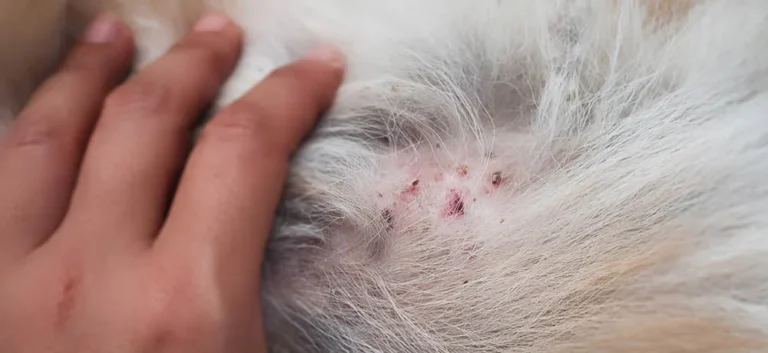
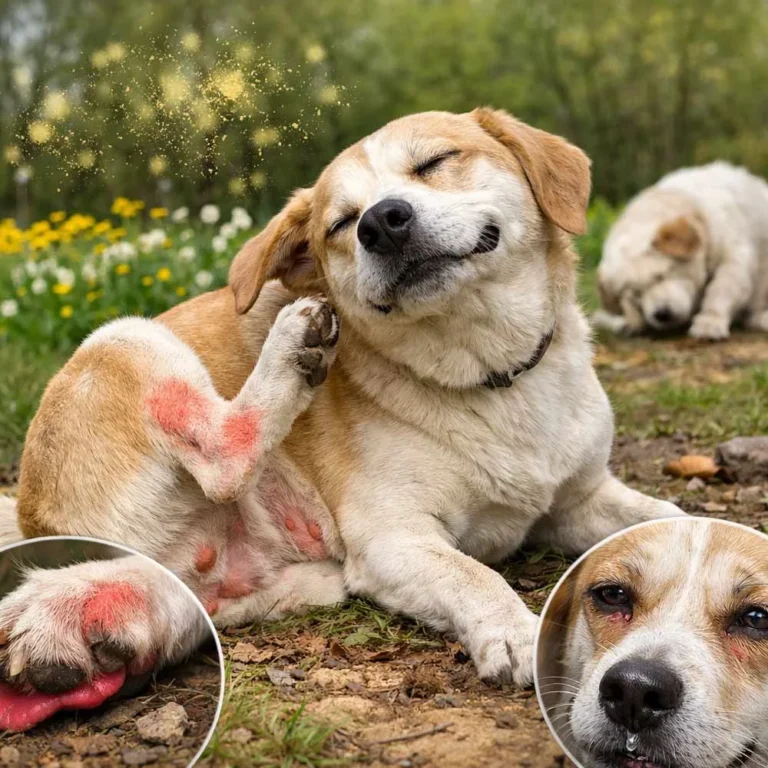
- Persistent scratching, especially around the belly, armpits, paws, and ears
- Constant paw licking or chewing, sometimes to the point of staining the fur rust-colored
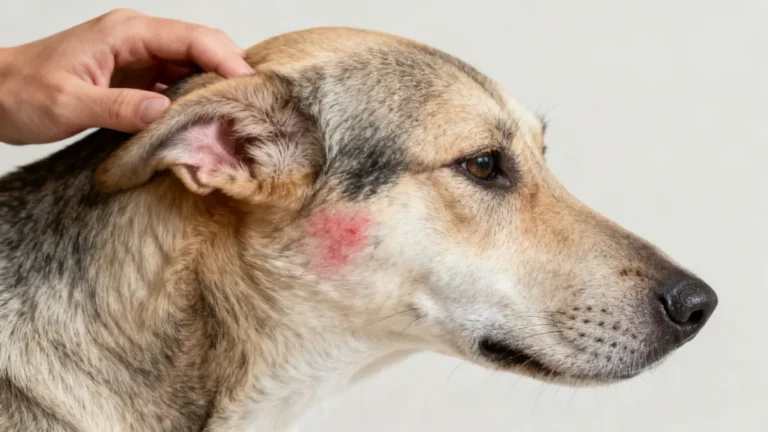
- Face rubbing against furniture, carpets, or your legs
- Recurring ear infections or head shaking
- Red, inflamed skin between the toes or in skin folds
- Hair loss along the flanks, thighs, or tail base from chronic scratching
Seasonal vs. Year-Round: How to Tell
If symptoms reliably show up the same months each year and disappear in winter, you're likely dealing with true seasonal allergies. Dogs that itch all 12 months may have a combination of environmental and food triggers, or live in a climate where allergens never fully drop off.
The Merck Veterinary Manual notes that atopic dermatitis often first appears between ages 1 and 3, though it can start earlier or later. Tracking symptom timing in a simple journal helps your vet build a sharper picture at the first appointment.
How Vets Diagnose Atopic Dermatitis (and Rule Out Everything Else)
Here's a step most owners skip, and it matters: diagnosis isn't a single test. It's a process of elimination, because several very different conditions look almost identical from the outside.
Step 1: Rule Out Flea Allergy Dermatitis
Even if you've never seen a flea on your dog, a single bite can trigger an intense allergic reaction in sensitive dogs. Vets typically recommend strict flea control for 8 to 12 weeks before going further. Skipping this step leads to misdiagnosis more often than people realize.
Step 2: Rule Out Food Allergies
A true food allergy is non-seasonal and doesn't respond to typical allergy meds. The gold standard is an 8 to 12 week elimination diet with a novel or hydrolyzed protein, with absolutely no other treats, table scraps, or flavored medications. If symptoms don't improve on the diet, food allergy is unlikely.
Step 3: Confirm Environmental Allergy
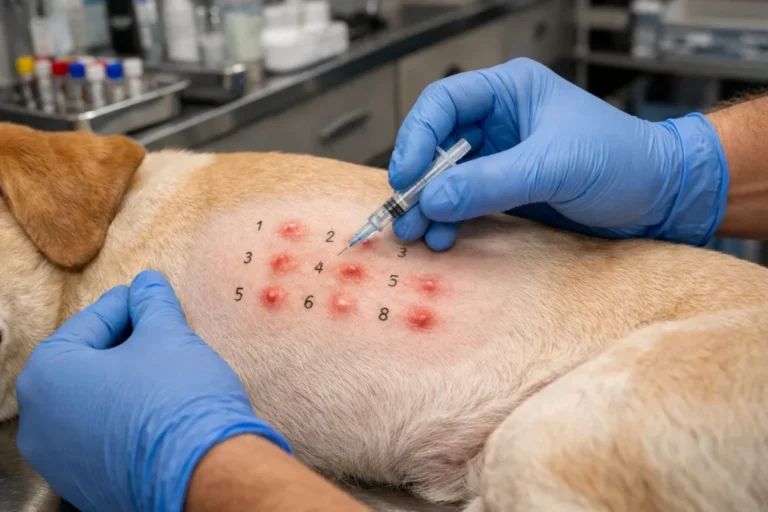
If itching remains, your vet may recommend intradermal skin testing, where small amounts of common allergens are injected under the skin to watch for reactions, or a serum IgE blood test. These pinpoint exactly which pollens or molds are driving the response, which then guides immunotherapy.
The American College of Veterinary Dermatology maintains a directory of board-certified specialists for tougher cases. Your general vet can refer you if the picture gets complicated.
The Treatment Ladder: From Mild Itch to Long-Term Management
There's no single "right" treatment. Most vets use a stepwise approach, starting gentle and escalating based on response.
Level 1: Lifestyle and Topical Support
For mild cases, frequent bathing with a hypoallergenic or oatmeal shampoo, paw wipes after outdoor time, and HEPA air filters can meaningfully reduce allergen load. Omega-3 fatty acid supplements at therapeutic doses (around 50 to 75 mg/kg of combined EPA and DHA) support the skin barrier over 6 to 8 weeks.
Level 2: Antihistamines
Oral antihistamines like cetirizine or diphenhydramine help some dogs modestly but rarely fully control moderate itching. They're cheap, widely available, and safe for many dogs at appropriate dosing, but they work best as part of a layered plan, not as a solo fix.
Level 3: Prescription Anti-Itch Medication
Apoquel (oclacitinib) and Cytopoint (lokivetmab) are the workhorses of modern allergy management. Apoquel is a daily oral tablet that works within hours. Cytopoint is a vet-administered injection that calms itching for 4 to 8 weeks.
Most dogs that don't respond to one respond well to the other.
Level 4: Allergen Immunotherapy
Custom allergy shots or sublingual drops retrain the immune system over months. Per published veterinary dermatology research, roughly 60 to 80% of dogs on immunotherapy show meaningful improvement, especially when started before severe skin changes set in.
Level 5: Short-Course Steroids for Severe Flares
Prednisone or other corticosteroids knock down severe inflammation fast but carry side effects with long-term use, including increased thirst, panting, and immune suppression. Vets use them as a short-term bridge, not a permanent solution.
Apoquel vs. Cytopoint: Which Anti-Itch Option Fits Your Dog
These two medications have transformed allergy care in the past decade, and they're often confused. They're not interchangeable, though, and the right pick depends on your dog's age, lifestyle, and health profile.
How Each One Works
- Apoquel is a daily oral tablet that blocks itch signals at the JAK enzyme pathway. It starts working in about 4 hours and is given continuously during allergy season or year-round for chronic cases.
- Cytopoint is an injection given at the vet clinic. It's a monoclonal antibody that neutralizes a specific itch-triggering protein. Onset is 24 to 48 hours, and each dose lasts 4 to 8 weeks.
Side-by-Side Comparison
| Feature | Apoquel | Cytopoint |
|---|---|---|
| Dosage form | Oral tablet, daily | Injection at vet, every 4-8 weeks |
| Onset of relief | ~4 hours | 24-48 hours |
| FDA-approved age | 12 months and older | Any age |
| Best for | Owners comfortable giving daily meds | Dogs that resist pills or need a hands-off option |
| Common side effects | Mild GI upset, rare infections | Injection-site reactions are uncommon |
| Approximate cost | $2-$4 per tablet | $75-$200 per injection |
Which One Is Usually Picked
Most dermatologists start with Cytopoint when they want minimal systemic exposure, especially in young dogs or dogs with other health conditions. Apoquel fits better when an owner wants fast relief and consistent daily control, or when a dog has already responded well to it in past seasons. Many dogs eventually end up on whichever option their vet can reliably source, since Apoquel has had periodic supply shortages.
Antihistamines for Dogs: When They Help and When They Fall Short
Walk into any pet store and you'll see shelves of "allergy relief" chews, most built around diphenhydramine or cetirizine. The honest truth: antihistamines work modestly for a minority of dogs.
What the Research Shows
Histamine drives only part of the itch response in dogs. Cytokines and other inflammatory messengers play a bigger role, which is why antihistamines underperform Apoquel and Cytopoint in clinical comparison. About 20 to 30% of dogs get meaningful relief from an antihistamine alone, and that response tends to be stronger for mild, early-season symptoms.
Smart Use of Antihistamines
- Use them as a backup or supplement, not a frontline strategy for moderate-to-severe itching.
- Choose plain diphenhydramine or cetirizine. Avoid combination cold medicines with pseudoephedrine or xylitol, both toxic to dogs.
- Dose at roughly 1 mg per pound of body weight for diphenhydramine, twice daily, and confirm with your vet.
- Expect mild sedation in some dogs. That's a side effect, not a sign the med is "working harder."
A Common Mistake
Owners often raise the dose when they don't see results, which doesn't improve efficacy and risks side effects. If an antihistamine isn't helping after a week, escalate to prescription options rather than doubling up.
Allergy Shots and Sublingual Drops: The Long Game
Immunotherapy is the only treatment that actually changes the immune system's response to allergens rather than just blocking the symptoms. It's also the slowest to show results, which is why many owners give up too early.
How It Works
Once intradermal or serum testing identifies your dog's specific triggers, a custom serum is made containing tiny, gradually increasing doses of those allergens. It's given as subcutaneous injections (at home, after vet training) or as oral drops under the tongue. Over 6 to 12 months, the immune system learns to tolerate the allergens instead of overreacting.
What Success Looks Like
Improvement typically shows up between months 3 and 12. Per peer-reviewed veterinary dermatology studies, about 60 to 80% of dogs on immunotherapy show at least a 50% reduction in itch scores. Many can taper off daily medications entirely once the immune system recalibrates.
Who It's Best For
- Young dogs in the early stages of atopic dermatitis
- Dogs whose owners want to minimize long-term drug use
- Dogs with multiple confirmed environmental triggers
- Cases where Apoquel or Cytopoint alone aren't enough
Realistic Expectations
Immunotherapy isn't a quick fix, and some dogs still need Apoquel or Cytopoint during the first year while the immune system adjusts. Think of it as a long-term investment, not a season-by-season patch.
Steroids for Severe Flares: When and How They're Used Safely
Steroids like prednisone have a bad reputation among owners, mostly because of long-term side effects. Used correctly, though, they're a useful tool in the short term.
When Steroids Make Sense
- Acute, severe flare-ups where the dog is breaking skin open
- Short bridges (2 to 4 weeks) while waiting for Apoquel, Cytopoint, or immunotherapy to take effect
- Dogs with intense ear inflammation that won't respond to topical care alone
What to Watch For
- Increased thirst and urination, almost universal
- Increased appetite and panting
- Long-term immune suppression and skin thinning
- Rare but serious side effects in dogs with existing conditions
A Safer Pattern
Vets increasingly use steroids as a "rescue" tool rather than a maintenance drug. A short taper can break the itch-scratch cycle, then Apoquel or Cytopoint takes over the daily control. If your vet is recommending steroids longer than a month, ask what the exit plan looks like.
Home and Environmental Changes That Actually Reduce Symptoms
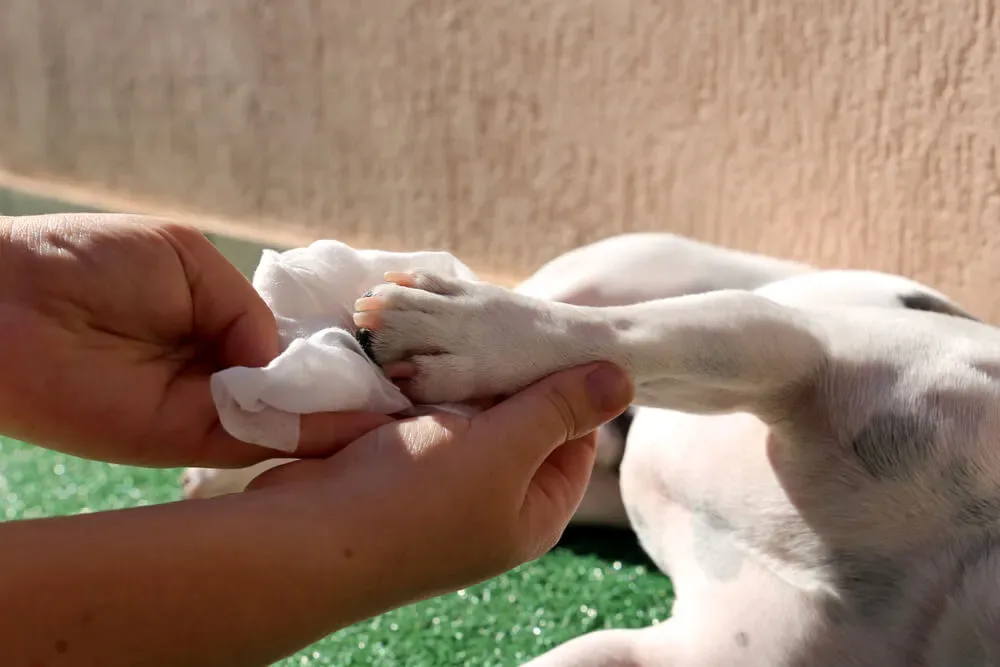
Medication handles the immune side of the problem. Environmental management handles the allergen side. The two together outperform either one alone, and most owners dramatically underestimate how much control they have at home.
Practical Routines That Help
- Wipe paws and belly with a damp microfiber cloth after every outdoor walk during peak pollen days.
- Bathe every 1 to 2 weeks during allergy season with a gentle, fragrance-free shampoo.
- Wash dog bedding weekly in hot water to reduce accumulated allergens.
- Run a HEPA air purifier in the room where your dog sleeps most.
- Keep windows closed during high pollen count days, usually mid-morning to early afternoon.
- Vacuum with a HEPA-filter vacuum at least twice a week.
What About Home Remedies
Some owners swear by apple cider vinegar rinses or coconut oil on paws. These can soothe mild irritation but don't address the immune response. Skip the DIY approaches for moderate-to-severe symptoms and use them, if at all, as gentle add-ons.
Regional Adjustments
In the humid Southeast and Gulf Coast, mold spores are a year-round concern, so focus on indoor humidity control (keep it under 50%). In the Mountain West and Great Plains, wind-blown pollen means post-walk cleaning matters even more. In Florida and Southern California, there's no true "off-season," so year-round management is the only realistic approach.
Bathing, Wipes, and Topical Routines That Calm Itchy Skin
Topical care is the underrated workhorse of allergy management. It physically removes allergens before they trigger a reaction, and it restores moisture to a damaged skin barrier.
Bathing Frequency and Shampoo Choice
Most dermatologists recommend bathing every 1 to 2 weeks during peak season. Use lukewarm (not hot) water and a fragrance-free, soap-free shampoo. For inflamed or infected skin, a chlorhexidine or pramoxine-based medicated shampoo provides extra anti-itch and antimicrobial benefit.
Leave the lather on for 5 to 10 minutes before rinsing, since contact time is what does the work.
Wipes for In-Between Days
Fragrance-free, hypoallergenic wipes are perfect for daily paw and belly cleaning. They're especially useful for dogs that hate full baths. Keep a container by the door so post-walk wiping becomes automatic.
Topical Sprays and Mousses
For spot treatment of itchy patches, prescription or vet-recommended sprays containing pramoxine or hydrocortisone can offer relief between full baths. Don't use over-the-counter hydrocortisone creams meant for humans on raw or infected skin without vet guidance.
A Simple Weekly Routine
- Two full baths per week during peak season.
- Daily paw and belly wipes after outdoor time.
- Targeted spray on hot spots or persistent itchy patches.
- Fresh bedding every 5 to 7 days.
Supplements That Support the Skin Barrier (Omega-3s and Beyond)
Supplements don't replace prescription meds, but they strengthen the skin from the inside, which reduces how often meds are needed and how severe flare-ups get.
Omega-3 Fatty Acids
The strongest evidence is for omega-3s from fish oil, specifically EPA and DHA. They reduce inflammatory cytokines and improve skin hydration. Therapeutic doses run about 50 to 75 mg per kg of body weight daily.
Effects build over 6 to 8 weeks, so start before peak season rather than mid-flare.
Other Supportive Options
- Omega-6 fatty acids (from evening primrose or borage oil) for skin barrier repair.
- Quercetin, sometimes called "nature's Benadryl," has mild antihistamine properties in dogs.
- Probiotics for gut-skin axis support, early evidence is promising.
A Word on Quality
Over-the-counter fish oil varies wildly in purity. Look for products tested for heavy metals and certified by the National Animal Supplement Council. Refrigerate after opening to prevent rancidity.
What Seasonal Allergy Treatment Really Costs
Costs add up faster than most owners expect, especially in the first year while diagnosis is ongoing.
Typical Cost Ranges
| Treatment | Approximate Cost |
|---|---|
| Cytopoint injection | $75-$200 per dose, every 4-8 weeks |
| Apoquel tablets | $2-$4 per tablet, daily during season |
| Allergy testing | $200-$500 for serum or skin testing |
| Immunotherapy (first year) | $500-$1,200 for serum and rechecks |
| Initial vet consultation | $75-$200 |
| Medicated shampoo | $15-$40 per bottle |
Ways to Trim the Bill
- Buy Apoquel through your vet's online pharmacy or a verified retailer, prices vary more than you'd think.
- Track pollen counts locally and start meds a week before symptoms usually appear. Treating early often requires lower doses.
- Stick with one proven plan rather than cycling through supplements and OTC products that don't help.
Mistakes Owners Make That Prolong the Itch
Most of the bad outcomes we see come from a handful of recurring mistakes, not from rare complications.
Top Errors to Avoid
- Waiting too long to see a vet. By the time skin is broken or ears are chronically inflamed, treatment takes longer and costs more.
- Using human allergy meds without checking ingredients. Pseudoephedrine and xylitol are both dangerous for dogs.
- Stopping meds the moment symptoms improve. Allergy treatment often needs to continue through the full season, even on good days.
- Assuming food is the culprit without doing a proper elimination diet. Food allergies are less common than environmental allergies, and many diet-trial "successes" are actually coincidence.
- Skipping flea control. A single flea bite can undo everything else you're doing.
- Bathing too rarely or, paradoxically, too often with harsh shampoos that strip the skin barrier.
When to Stop Managing at Home and Head to the Vet
Some symptoms are clear red flags that need professional care. Don't try to tough these out at home.
Call Your Vet If You Notice
- Skin that's broken, oozing, or has a foul odor (likely infection)
- Head shaking, ear scratching, or discharge from the ears
- Hot spots, which are painful, moist, rapidly spreading patches
- Itching so intense your dog can't sleep through the night
- Hair loss in large patches or skin that looks thickened and dark (lichenification)
- Any change in behavior paired with skin symptoms, which can signal pain or systemic illness
What the Vet Visit Will Look Like
Expect a physical exam, a discussion of symptom timing, and likely some combination of skin cytology, ear cytology, and possibly allergy testing. Bring a photo timeline or symptom journal if you have one. The clearer the history, the faster the diagnosis.
Building a Year-Round Allergy Plan for Your Dog
The dogs that do best aren't the ones on the fanciest meds. They're the ones with a consistent plan that runs across the whole year, not just peak season.
Pre-Season Prep (4 to 6 Weeks Before Symptoms Usually Start)
- Schedule a vet check-in to review last year's plan.
- Start omega-3 supplements if you aren't already giving them.
- Begin Apoquel or Cytopoint at the first sign of symptoms, or proactively if your vet agrees.
Peak Season (During Symptom Months)
- Daily paw wipes and twice-weekly baths.
- HEPA filtration running in main living areas.
- Strict flea control year-round.
- Weekly bedding washes.
- Keep meds consistent even on good days.
Off Season
- Continue omega-3s.
- Maintain flea control.
- Note any pattern shifts to discuss at the next vet visit.
- If on immunotherapy, stick with the schedule.
Tracking What Works
A simple note in your phone with symptom severity (1 to 10), treatments given, and any triggers you noticed takes 30 seconds a day. Over a season, that log is more useful than any single test.
Frequently Asked Questions
How long do seasonal allergies last in dogs?
Seasonal allergies typically last as long as the relevant pollen is in the air, often 6 to 12 weeks per season. In warm climates with year-round allergens, dogs may need continuous treatment.
Can I give my dog Benadryl for seasonal allergies?
Plain diphenhydramine is generally safe at 1 mg per pound of body weight, twice daily, but it's only modestly effective for most dogs. Check ingredients carefully and confirm dosing with your vet first.
What's the difference between Apoquel and Cytopoint?
Apoquel is a daily oral tablet that works within 4 hours. Cytopoint is an injection at the vet that lasts 4 to 8 weeks. Both target itch but through different mechanisms.
Do dog allergies get worse every year?
Atopic dermatitis often worsens with age as the immune system becomes more reactive and the skin barrier weakens. Early, consistent management slows this progression significantly.
Are there natural remedies that actually work for dog allergies?
Omega-3 fatty acid supplementation has solid evidence. Other natural options like quercetin or coconut oil have anecdotal support but limited clinical data. They're best used as complements, not replacements.
When should I see a vet about my dog's itching?
If itching disrupts sleep, breaks the skin, causes ear problems, or doesn't improve within a week of home care, schedule a vet visit. Earlier intervention almost always leads to faster relief.