How to help dog skin allergies: Full Guide
If your dog won't stop scratching, you're not alone. Skin allergies are one of the top reasons dogs end up at the vet, and figuring out how to help dog skin allergies the right way can feel like a guessing game at first. The good news is that once you understand the type of allergy and follow a clear process, most dogs get real, lasting relief.
Most itchy dogs are dealing with one of three things: fleas, food, or environmental allergens. Per peer-reviewed estimates in veterinary dermatology, roughly 10 to 15% of dogs suffer from atopic dermatitis alone, and the first step is always a proper vet workup before you start reaching for shampoos or supplements. Let's walk through what actually works, what to skip, and how to build a plan that fits your dog as of 2026.
Quick Answer
Start with a vet visit to confirm the allergy type.
Control fleas aggressively for every pet in the home.
Run an 8 to 12 week elimination diet if food is suspected.
Bathe weekly with a gentle, vet-recommended shampoo.
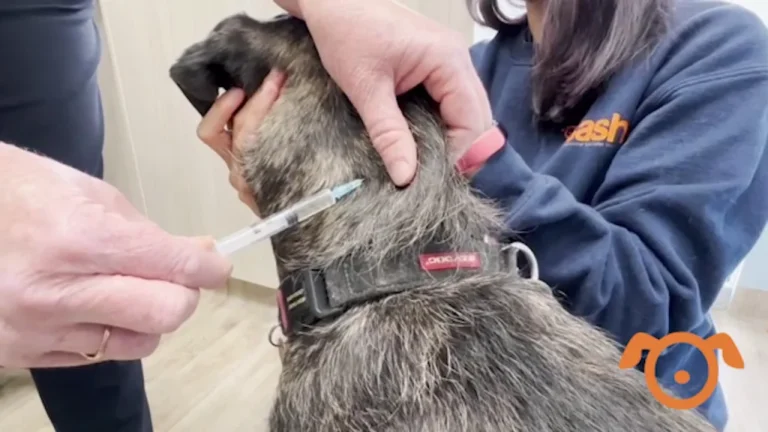
Ask your vet about Apoquel or Cytopoint for fast relief.
Treat environmental triggers with immunotherapy for long-term control.

Why Getting Dog Skin Allergies Right Actually Matters
Allergies in dogs aren't just a comfort issue. Chronic scratching breaks the skin barrier, opens the door to bacterial and yeast infections, and turns a manageable problem into a months-long ordeal. We've seen countless cases where a simple hot spot spirals into a full-body infection because the underlying allergy was never addressed.
The stakes are real. Per the American College of Veterinary Dermatology, untreated atopic dermatitis is one of the most common reasons for repeat vet visits and ongoing medication costs. Getting the diagnosis right the first time saves money, stress, and a lot of discomfort for your dog.
There's also a safety angle. Some popular home remedies, like undiluted apple cider vinegar or human antihistamines, can make things worse. A clear, vet-informed plan protects your dog from well-meaning mistakes.
What Dog Skin Allergies Look Like (and Why Owners MisRead Them)
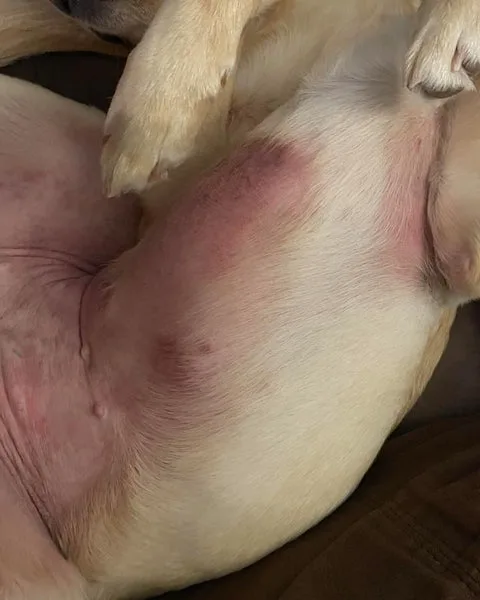
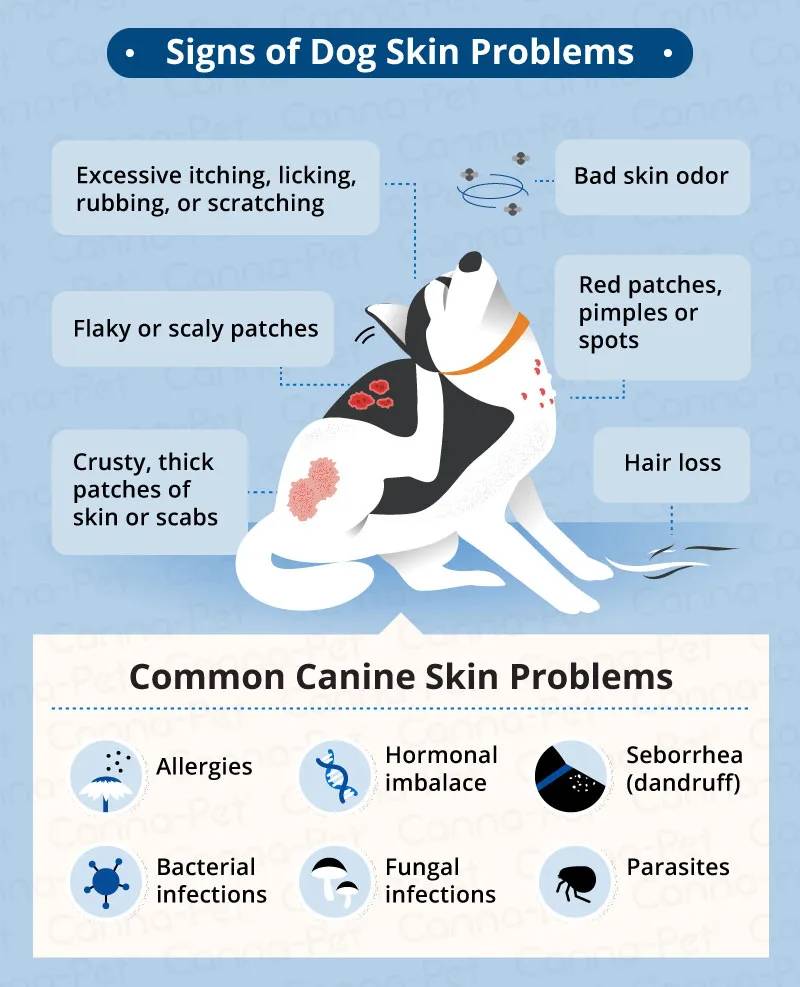
Most owners first notice the scratching, but the real clues are on the skin itself. Look for redness between the toes, brown staining from constant licking, ear gunk, or a yeasty smell. Hair loss on the flanks or belly is another red flag.
One common misread is assuming it's "just dry skin." True dry skin flakes. Allergic skin gets red, thickened, and sometimes oily. Another is blaming food when the real trigger is pollen, or vice versa.
The symptom overlap is why a proper workup matters.
Keep a simple log. Note when scratching spikes, what your dog eats, and any environment changes. Patterns usually show up within two to three weeks.
The Three Main Types of Allergies Vets Diagnose
Vets generally break canine skin allergies into three categories. Each has a slightly different pattern and a different treatment path.
Flea Allergy Dermatitis
This is the most common and the most overlooked. A single flea bite can set off a reaction that lasts days. Dogs with FAD often scratch at the base of the tail, the hind legs, and the groin.
You may not see fleas because the dog is so good at grooming them off.
Environmental Allergies (Canine Atopic Dermatitis)
Pollen, dust mites, and mold spores drive this one. Symptoms usually start between 6 months and 3 years of age and follow a seasonal pattern at first, then become year-round. Affected areas include the paws, ears, armpits, and face.
Food Allergies vs. Food Intolerance
True food allergies involve an immune response, usually to a protein like beef, chicken, or dairy. Food intolerance is digestive and doesn't typically cause skin signs. The only reliable way to diagnose a food allergy is an 8 to 12 week elimination diet trial.
| Allergy Type | Common Triggers | Typical Locations | Diagnostic Method |
|---|---|---|---|
| Flea Allergy Dermatitis | Flea saliva | Base of tail, hind legs, groin | Response to flea control |
| Atopic Dermatitis | Pollen, dust mites, mold | Paws, ears, armpits, face | Intradermal or serum IgE testing |
| Food Allergy | Beef, chicken, dairy, eggs | Ears, paws, rear, perianal area | 8 to 12 week elimination diet |
Signs That Mean It's More Than Just "a Little Itching"
Some symptoms cross the line from annoying to urgent. Watch for hot spots, those raw, moist patches that appear overnight. Ear infections that keep coming back.
Thickened, leathery skin called lichenification. Open sores or a foul smell.
These signs point to secondary infections. Bacterial pyoderma and Malassezia yeast overgrowth are common complications. They need prescription treatment, usually antibiotics or antifungal meds, on top of managing the allergy itself.
If your dog is scratching to the point of bleeding, shaking the head constantly, or developing facial swelling, that's a same-day vet visit. Skin allergies can co-occur with anaphylaxis in rare cases, and the earlier you act, the better the outcome.
When You Need to See a Vet (and When You Can Start at Home)
Mild seasonal scratching with no skin damage? You can start with flea control and a gentle bath. Anything beyond that deserves a professional look.
Red flags include recurring ear infections, hair loss, constant licking, or any sign of infection.
A good rule of thumb: if the itching interrupts your dog's sleep or daily routine, it's vet time. Chronic itching is a welfare issue, and the sooner you get a diagnosis, the faster you find what actually works.
Step 1: Get a Proper Veterinary Diagnosis
Before you treat anything, you need to know what you're treating. Vets typically start with a physical exam and a few simple tests. Skin cytology checks for bacteria and yeast.
Skin scrapes rule out mites. Fungal cultures rule out ringworm.
What Your Vet Will Actually Test For
Your vet will likely run a few tests in the clinic and send others out. Here's what to expect:
- Skin cytology: A quick tape or swab test to check for bacteria and yeast. Results come back in minutes.
- Skin scrape: A blade scrapes the skin surface to look for mites like Demodex or Sarcoptes. Sarcoptic mange often mimics allergies.
- Fungal culture: A hair pluck test for ringworm, which can look like an allergy but isn't one.
- Allergy testing: Either intradermal (skin prick) or serum IgE blood test. Used to identify environmental triggers for immunotherapy.
Intradermal testing is still considered the gold standard for environmental allergies, though serum testing has improved and is more accessible. Your vet will recommend the best option based on your dog's symptoms and history.
Step 2: Get Fleas Fully Under Control
Even if you don't see fleas, treat for them. Flea allergy dermatitis is the most common skin allergy in dogs, and it only takes one bite. Use a vet-recommended product like a monthly oral or topical treatment, and treat every pet in the household, not just the itchy one.
Flea eggs hide in carpet, bedding, and furniture. Wash dog beds weekly in hot water. Vacuum thoroughly and consider a household spray labeled safe for pets.
Skipping environmental control is the number one reason flea allergies keep coming back.
Step 3: Run a Real Elimination Diet Trial (If Food Is Suspected)
If your dog has year-round itching, recurrent ear infections, or digestive issues alongside skin problems, food may be the culprit. The only way to know is an elimination diet, and it has to be done right.
Hydrolyzed Protein vs. Novel Protein Diets
Hydrolyzed protein diets break proteins into tiny pieces the immune system can't recognize. They're the gold standard for elimination trials. Novel protein diets use ingredients your dog has never eaten, like duck or kangaroo.
These can work but carry more risk of cross-contamination.
The American College of Veterinary Dermatology generally recommends hydrolyzed diets for diagnostic trials because they're more controlled. Vets and manufacturers like Royal Canin and Hill's offer prescription hydrolyzed options that meet these standards.
Common Mistakes That Ruin the Trial
The biggest mistake is giving up too early. The trial needs 8 to 12 weeks, with zero treats, table scraps, or flavored medications. That includes heartworm preventatives if they're beef or chicken flavored.
Ask your vet for a plain alternative.
Other slip-ups: feeding other pets' food, letting kids drop snacks, or using flavored toothpaste. One slip can reset the trial. Treat it like a strict elimination, not a casual diet change.

Step 4: Identify and Reduce Environmental Triggers
Once fleas and food are ruled out or confirmed, environmental allergens are the next layer. Pollen, dust mites, and mold are the usual suspects. You can't eliminate them, but you can reduce exposure.
Pollen, Dust Mites, and Storage Mites
Tree pollen peaks in spring, grass in late spring and summer, and ragweed in fall. Wipe your dog's paws and belly after outdoor time. Rinse them off if scratching spikes.
Dust mites live in bedding and carpet, so wash dog beds weekly in hot water. Storage mites thrive in dry pet food, especially kibble left in warm, humid spots.
Indoor Allergen Control That Actually Works
A few practical changes can make a real difference. Use HEPA filters in bedrooms. Vacuum with a sealed-bag model.
Keep humidity below 50% to limit dust mites and mold. If storage mites are a known trigger, switch to canned food or store kibble in airtight containers in a cool, dry place.
None of these eliminate allergens, but they lower the overall load. Combined with medical management, that often tips a dog below the "itch threshold," the point where symptoms show up.
Step 5: Soothe the Skin Barrier With the Right Bathing Routine
Bathing isn't optional for allergic dogs. It physically washes off allergens and helps repair the skin barrier. The key is doing it right.
Most allergic dogs benefit from bathing once a week with a gentle, veterinary-formulated shampoo. Leave the lather on for 5 to 10 minutes before rinsing. That contact time is where the active ingredients do their work.
Shampoo Ingredients That Help (and Ones to Skip)
Look for shampoos with colloidal oatmeal, pramoxine, or ceramides. Chlorhexidine helps with bacterial overgrowth. Miconazole or ketoconazole targets yeast.
Skip anything with harsh sulfates, artificial fragrance, or human-grade formulas. They're often too drying and can make itching worse.
Conditioners with ceramides or fatty acids help restore the skin barrier between baths. For localized hot spots, medicated mousses or wipes offer a no-rinse option on busy days.
Prescription Medications Vets Reach For
When environmental management and bathing aren't enough, medication becomes part of the plan. Three categories dominate modern canine allergy treatment.
Apoquel vs. Cytopoint: What They're For and How They Differ
Both are FDA-approved for canine atopic dermatitis, but they work differently.
| Feature | Apoquel (oclacitinib) | Cytopoint (lokivetmab) |
|---|---|---|
| Drug Class | JAK inhibitor | Monoclonal antibody |
| Administration | Oral tablet, daily | Injection, every 4 to 8 weeks |
| Onset of Relief | Within 4 hours | Within 1 day, often faster |
| Best For | Dogs needing daily control, young dogs | Owners who can't give daily pills |
| Age Restriction | 12 months and older | Any age, per vet guidance |
| Approximate Cost | $2 to $4 per tablet | $60 to $150 per injection |
Manufacturer specs for Cytopoint confirm it targets interleukin-31, the itch cytokine. Apoquel blocks a broader range of itch and inflammation signals. Your vet will help match the right option to your dog's age, lifestyle, and severity.
When Steroids Still Make Sense
Oral steroids like prednisone are the traditional go-to and still have a place. They're cheap, fast-acting, and effective for short-term flares. The trade-off is side effects with long-term use, including increased thirst, immune suppression, and muscle loss.
Most dermatologists now reserve steroids for acute flares and use Apoquel or Cytopoint for maintenance.
Allergy Testing and Immunotherapy (The Long-Term Play)
If your dog has confirmed environmental allergies, allergen-specific immunotherapy can offer lasting relief. It's the only treatment that actually changes the immune response, not just masks symptoms.
Immunotherapy works by exposing your dog to tiny, increasing doses of the allergens they react to. Over time, the immune system becomes less reactive. Success rates in peer-reviewed studies range from 60% to 80%, though it takes 6 to 12 months to see full results.
Testing comes first. Either intradermal skin testing at a dermatology clinic or a serum IgE blood test identifies which allergens matter. Your vet then orders a custom serum.
Shots are given at home or by a vet, usually on a tapering schedule. Sublingual (under-the-tongue) drops are also available from some labs.
Costs, Pricing, and What to Budget For
Year one is the most expensive stretch. Diagnostics alone run $150 to $500, and medication adds another $60 to $150 per month depending on whether you choose Apoquel or Cytopoint. Hypoallergenic prescription food runs $50 to $90 per bag, and immunotherapy serum runs $300 to $500 for a six to twelve month supply.
Years two and beyond usually drop. Once the maintenance plan is dialed in, many owners spend $40 to $80 a month on medication and preventatives. Pet insurance that covers chronic conditions can offset a big chunk, but pre-existing allergies are typically excluded, so sign up before symptoms start if you're thinking about it.
Mistakes Dog Owners Make With Allergies
Stopping meds too early tops the list. Apoquel and Cytopoint don't cure allergies, they control them. Pulling the dog off because the skin "looks better" almost always triggers a flare within weeks.
Stick with the plan your vet sets.
Incomplete elimination diets are the next big one. A single treat or a lick of another pet's food can reset the trial. Flavored heartworm preventatives count, too.
Ask your vet for a plain version before you start.
Over-bathing strips the skin barrier and makes itching worse. Twice a week is the max for most dogs, and once a week is plenty during maintenance. Human antihistamines like Benadryl are often ineffective for skin allergies, and dosing errors are common.
Always check with your vet before giving anything OTC.
Expert Tips From Veterinary Dermatologists
Find your dog's itch threshold. That's the allergen load where symptoms tip over. Cut the load by even 30% through bathing, paw wipes, and air filters, and many dogs stay below it without medication.
Layer your treatments. Shampoo plus omega-3s plus Apoquel almost always beats any single therapy alone.
Keep a symptom diary. Note food, environment, and a simple 1 to 10 itch score. Patterns show up within a few weeks, and your vet can fine-tune the plan based on real data.
If your general vet hits a wall, escalate to a board-certified dermatologist through the American College of Veterinary Dermatology. Most offer telehealth consults as a first step.
Frequently Asked Questions About Dog Skin Allergies
What is the fastest way to relieve dog skin allergies?
A vet-prescribed medication like Apoquel or Cytopoint offers the fastest relief. Apoquel can reduce itching within 4 hours, while Cytopoint typically works within 1 day. A cool colloidal oatmeal bath helps in the meantime, but it doesn't replace medical treatment for moderate to severe cases.
Can dog skin allergies be cured?
Not usually, but they can be managed very effectively. Environmental allergies are lifelong. Immunotherapy can induce long-term remission in some dogs, while Apoquel and Cytopoint control symptoms long-term.
Food allergies resolve when the trigger ingredient is avoided.
How do I know if my dog has a food allergy or environmental allergy?
Year-round itching, recurrent ear infections, and digestive upset point toward food. Seasonal patterns, paw chewing, and armpit scratching point toward environmental. The only way to confirm food is an 8 to 12 week elimination diet trial.
Are over-the-counter antihistamines safe for dogs?
Some are, but they're often ineffective for skin allergies. Diphenhydramine and cetirizine are sometimes used, but success rates are lower than many owners expect. Always confirm dosing with your vet.
How often should I bathe a dog with skin allergies?
Once a week during flares is a good baseline. Use a gentle, vet-formulated shampoo and let it sit 5 to 10 minutes before rinsing. Over-bathing dries the skin and makes itching worse.
When should I see a veterinary dermatologist?
If your dog isn't responding to standard treatment, has recurrent infections, or needs long-term medication, a board-certified dermatologist is worth the referral. You can find one through the American College of Veterinary Dermatology. Many offer telehealth as a first step.
Your Action Plan: What to Do This Week
Book a vet appointment to confirm the allergy type. In the meantime, get every pet in your home on a vet-approved flea preventative, even if you've never seen a flea. Switch to a gentle, fragrance-free shampoo and bathe your dog this week.
If food allergy is on the table, ask about a hydrolyzed protein diet and commit to the full 12 weeks. If environmental allergies are more likely, talk with your vet about Apoquel or Cytopoint for short-term relief, and ask whether allergy testing and immunotherapy make sense for the long term. Track symptoms, food, and environment.
The owners who get the best results treat it like a project, not a guessing game. With the right plan, most allergic dogs live comfortable, happy lives.