How much does a dog allergy test cost: Easy guide
A dog allergy test usually runs between $80 and $400, depending on what kind you choose. At-home saliva or hair kits sit at the low end (around $80 to $200). Vet-supervised blood tests land in the middle ($150 to $350).
A full intradermal skin test at a veterinary dermatologist is the priciest, often $200 to $400 for the test alone, plus a separate consult fee of $150 to $300.
Most dogs will also need medications stopped for 2 to 4 weeks before testing, and you'll often pay extra for the follow-up immunotherapy or elimination diet that actually treats what the test finds. Per the American College of Veterinary Dermatology (ACVD), intradermal skin testing under sedation is still considered the gold standard for environmental allergies, which is why it costs more than a mail-in kit. We'll walk through every price layer, what's worth paying for, and where owners tend to waste money.
Quick Answer
A dog allergy test costs $80 to $400 in 2026, depending on the method. At-home saliva and hair kits are $80 to $200. Vet-supervised blood tests run $150 to $350.
Intradermal skin testing at a dermatologist is $200 to $400. Most owners pay $200 to $600 total once the consult is included.
What a Dog Allergy Test Actually Tells You (and What It Doesn't)
A dog allergy test does not diagnose an allergy on its own. It narrows the list. A vet still has to match the test results against your dog's symptoms, history, and a physical exam before anything meaningful gets decided.
Here's what each test type actually measures:
- Environmental allergens: Pollen, dust mites, mold spores, and storage mites. Tested through blood (serum IgE) or intradermal skin injection.
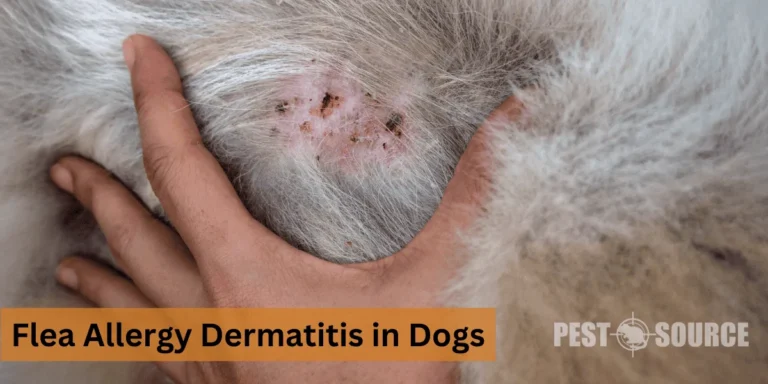
- Flea allergens: Usually diagnosed clinically (seeing fleas or flea dirt), not through a lab test.
- Food allergens: Best confirmed through an 8 to 12 week elimination diet trial, not a blood or saliva panel.
Per the ACVD, blood and saliva food allergy panels are not considered reliable for diagnosing food allergies in dogs. If your dog is itchy year round or has recurring ear infections, the test is just one piece of the puzzle, not the answer.
So when we talk about cost, we need to talk about what you're actually paying the test to do. A $100 kit that measures 80 allergens but can't guide treatment is wasted money. A $300 blood test that leads to targeted allergy shots is a real investment.
One more thing worth knowing before we get into prices. About 10% to 15% of dogs show some form of allergic skin disease in their lifetime. That number is widely cited across veterinary dermatology references.
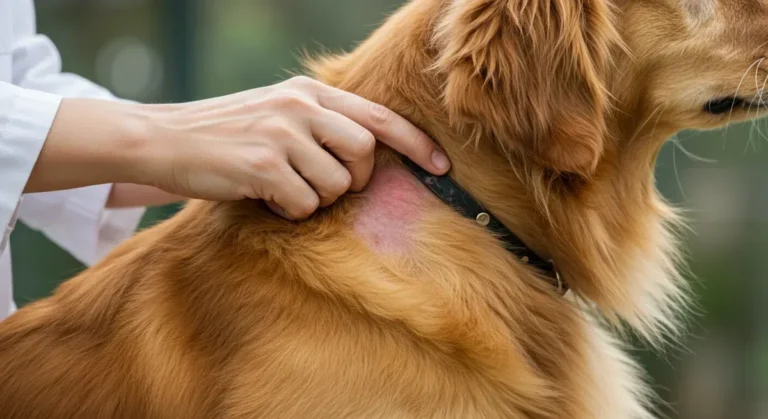
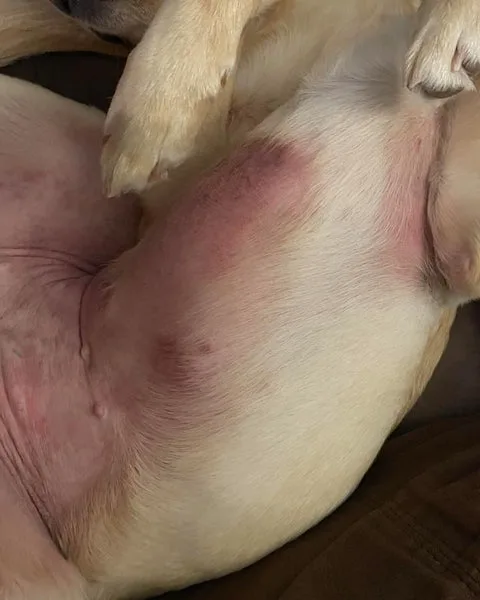
So if your dog is constantly licking paws, scratching ears, or getting hot spots, you're in a pretty large club.
How Much Does a Dog Allergy Test Cost in 2026?
Here's the cleanest way to think about it. There are three real test categories, and each has a fairly tight price band. Outside those bands, you're either paying for a regional premium or paying for the wrong thing.
| Test Type | Typical Cost (2026) | What's Included |
|---|---|---|
| At-home saliva or hair kit | $80–$200 | Collection kit, lab analysis, emailed report |
| Serum IgE blood test (vet) | $150–$350 | Blood draw, lab analysis, vet interpretation |
| Intradermal skin test (vet derm) | $200–$400 | Sedation, allergen injection panel, immediate read |
Add a vet consult on top of the test itself and you're usually looking at $300 to $700 all in for a clinical workup. Pet insurance that covers allergy diagnostics will sometimes knock 70% to 90% off, but most plans exclude pre-existing conditions, which is where allergy claims tend to land.
A few real-world price anchors:
- A general practice vet blood draw plus lab submission: $200 to $300 in most US clinics.
- A board-certified veterinary dermatologist consult: $250 to $450 in coastal metros, less in the Midwest.
- A full intradermal panel at a derm clinic: $300 to $500 when sedation, monitoring, and follow-up are bundled.
If a quote sounds way outside these ranges, ask what allergens are on the panel, whether a board-certified dermatologist is reading it, and whether the test will actually lead to a treatment plan or just a PDF in your inbox.
The Three Main Types of Dog Allergy Tests (and What They Cost)
Each test answers a different question. Picking the wrong one is the fastest way to spend $250 and end up exactly where you started.
1. Intradermal Skin Testing (IDT)
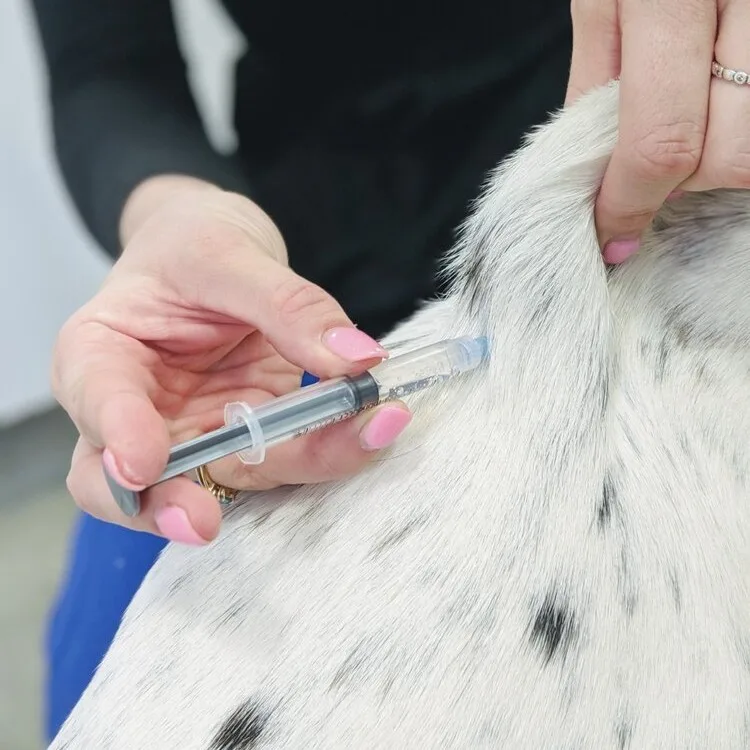
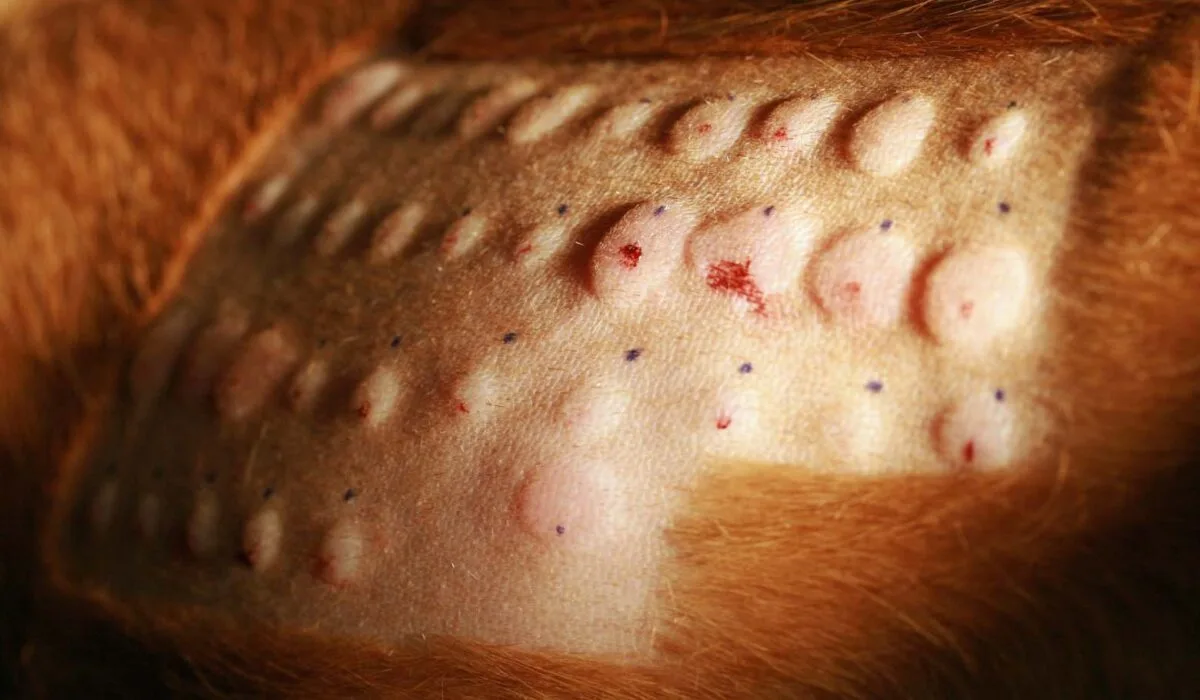
Considered the gold standard for environmental allergies. A vet dermatologist injects small amounts of allergens just under the skin (usually on a shaved patch on the side or belly) and reads the reaction after 15 to 20 minutes. Requires light sedation, shaving, and stopping antihistamines and steroids 2 to 4 weeks beforehand.
Cost: $200 to $400 for the test, plus a $200 to $300 consult.
Best for: Dogs with year-round or seasonal itching that isn't responding to basic meds. Also the test you'll need if you want to start allergen-specific immunotherapy (allergy shots or drops).
2. Serum IgE Blood Test
A regular blood draw, sent to a reference lab like Nextmune, IDEXX, or Spectrum Labs. Measures IgE antibodies against a panel of 40 to 80+ regional allergens. No sedation needed, no shaving.
Cost: $150 to $350 total through a vet. Some labs run direct-to-consumer panels cheaper, but a vet must still interpret the result.
Best for: Dogs who can't be sedated, owners in regions with no dermatologist nearby, or as a screening step before pursuing immunotherapy.
3. At-Home Saliva, Hair, or Fur Kits
Mail-in kits from companies like 5Strands, EasyDNA, or DNA My Dog. You collect saliva, hair, or fur at home and ship it back. No vet required.
Results arrive by email in 2 to 4 weeks.
Cost: $80 to $200.
Best for: Honestly, almost no clinical use case. We'll break down why in a minute, but the short version is that veterinary dermatology bodies don't currently endorse these for diagnosing canine allergies.
Intradermal Skin Testing at a Vet Dermatologist
This is the test the specialists trust most for environmental allergies, and it's the one with the longest track record in peer-reviewed veterinary research. Here's what actually happens and what you're paying for.
The procedure:
- Your dog is sedated (usually with a reversible injectable, not full anesthesia).
- A patch on the side or belly is shaved clean.
- Tiny amounts of 40 to 60 allergens are injected just under the skin in a grid pattern.
- After 15 to 20 minutes, the vet reads the reaction at each site. A raised, red wheal means a positive.
- Results are immediate. You walk out with a plan.
What it costs in 2026:
- Sedation and monitoring: $75 to $150
- Allergen panel: $200 to $400
- Vet derm consult: $200 to $300
- Total: $475 to $850
Why the higher price is usually worth it:
- Immediate, observable results (not waiting on a lab).
- Direct path to immunotherapy formulation if your dog is a candidate.
- Read by a board-certified dermatologist (DACVD), not a generalist.
- Lowest false-negative rate of any test for environmental allergens.
The catch: You'll likely wait 4 to 12 weeks for an appointment with a veterinary dermatologist in most US metros. Rural owners sometimes drive several hours or use teledermatology for the consult, then travel once for the test.
One thing worth flagging. If your dog is on Apoquel, Cytopoint, antihistamines, or steroids, those meds need to be stopped before the test. Your vet will give you a withdrawal schedule, but plan on 2 to 4 weeks of washout, which can mean a rough month of symptoms before testing.
That's often when owners decide whether intradermal testing is really worth the trouble.
Serum IgE Blood Tests: What You Pay and What You Get
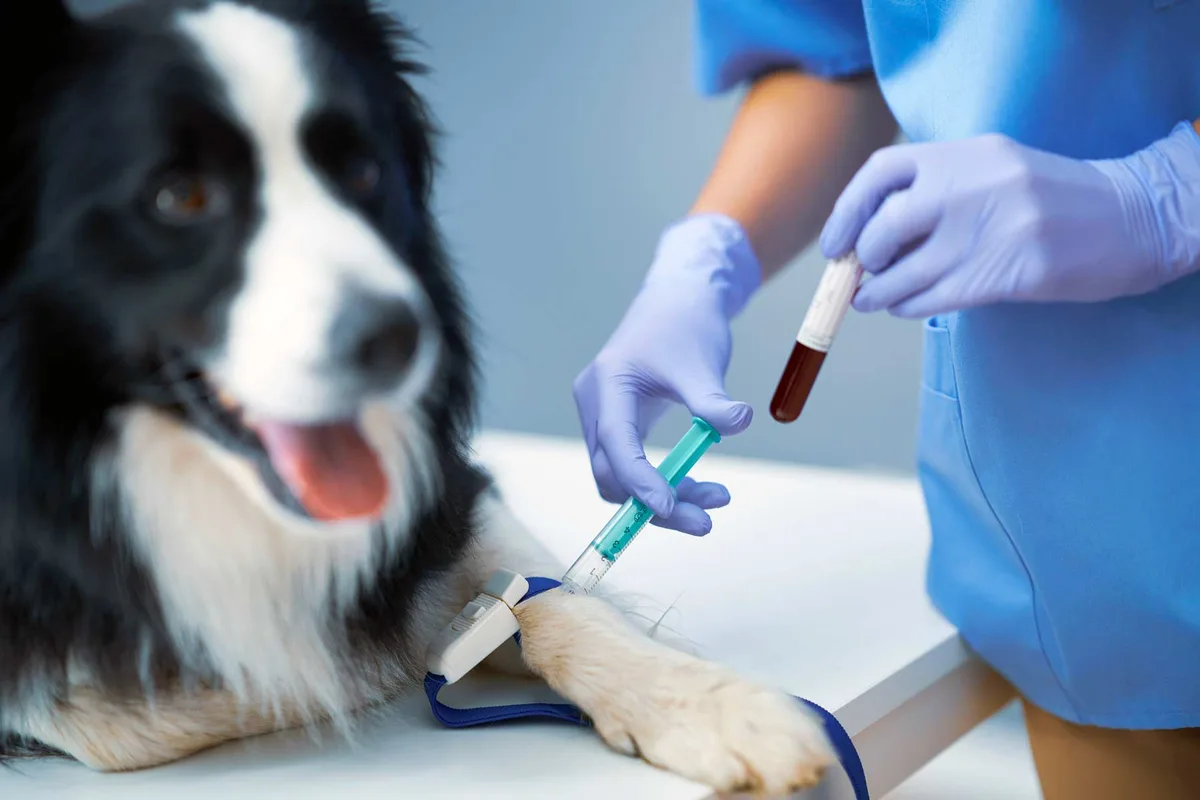
A serum IgE blood test is the most common middle-ground option. Your vet draws blood, ships it to a reference lab, and you get a report in 1 to 3 weeks ranking your dog's IgE reactivity to a panel of environmental (and sometimes food) allergens.
Typical cost in 2026: $150 to $350 through a vet, including the draw and lab fee. Direct-to-consumer blood spot tests run $100 to $200, but they bypass vet interpretation.
What you actually get:
- A graded reactivity report (usually class 0 to 6) for 40 to 80 allergens.
- A vet visit to discuss results, often included in the original consult.
- Eligibility to start allergen-specific immunotherapy, just like with intradermal testing.
Where it can fall short:
- Some labs test food allergens via IgE or IgG antibodies, which the ACVD and most dermatologists do not consider reliable for diagnosing food allergy.
- Regional allergen coverage varies. A panel built for the Southeast US may miss sagebrush or alder if you live in the Pacific Northwest.
- False negatives are more common in dogs currently on steroids or Apoquel.
If your dog is a poor candidate for sedation (heart disease, brachycephalic breed, senior), blood testing is often the safer call. It also tends to be the most accessible option if you live more than an hour from a vet dermatologist.
At-Home Saliva and Hair Allergy Kits: $80–$200, But Are They Worth It?
Mail-in kits from brands like 5Strands, EasyDNA, and similar services have exploded in popularity. No vet visit. No blood draw.
Swab the cheek, snip a bit of fur, mail it back, get a PDF.
The pricing feels appealing. $80 to $200, no appointment needed, results in your inbox. But here's where the rubber meets the road.
What the veterinary community actually says:
- The ACVD does not endorse saliva or hair-based testing for diagnosing canine allergies.
- A 2019 review in Veterinary Dermatology and subsequent commentary have repeatedly flagged these kits as unvalidated for clinical use.
- IgG-based food panels sold by some kit companies are particularly controversial, since IgG is not a reliable marker of food allergy in dogs.
What you usually end up with:
- A long list of "reactive" foods or environmental triggers with no context.
- No follow-up plan from a vet who has examined your dog.
- Temptation to switch foods repeatedly, which can actually make things worse.
When these kits might make sense:
- You suspect mild environmental sensitivities and just want a starting point.
- You live nowhere near a vet and want a rough screening before traveling.
- You're willing to treat the results as a conversation starter, not a diagnosis.
When to skip them:
- Your dog has open sores, chronic ear infections, or year-round itching.
- You need a reliable result to start immunotherapy.
- You'd rather spend $200 once on a real test than $150 twice on guesses.
If you do use one, run the results past your vet before changing anything. A reactive result on a saliva panel doesn't mean a true allergy. Many healthy dogs test "positive" for things they eat every day without issue.
Why Vet Consultation Fees Often Cost More Than the Test Itself
This is the part that surprises most owners. A $200 blood test can balloon to $500 once you add the office visit, blood draw fee, and follow-up consultation. Here's the typical line-item breakdown.
| Line Item | Typical Cost |
|---|---|
| Initial vet office exam | $60–$150 |
| Specialist consult (DACVD) | $200–$300 |
| Blood draw and handling | $25–$50 |
| Lab submission | $100–$200 |
| Recheck or result call | $50–$100 |
A general practice vet can order a serum IgE panel and interpret basic results, often for less. But if your dog needs a custom immunotherapy prescription or has a complex history (multiple skin infections, prior steroid use, weird ear stuff), a dermatologist's eye is worth the consult fee.
A quick rule of thumb: if the test is the only thing on the invoice, you're either seeing a vet who doesn't charge an exam fee (rare) or you're missing a line item. Always ask for an itemized estimate before blood is drawn.
Cost Breakdown by Test Type (Comparison Table)
Here's a tight side-by-side if you want the numbers in one place.
| Test | Cost (2026) | Vet Required | Accuracy for Environment | Accuracy for Food | Leads to Immunotherapy |
|---|---|---|---|---|---|
| Intradermal skin test | $475–$850 (test + consult + sedation) | Yes, dermatologist | High (gold standard) | Not used for food | Yes |
| Serum IgE blood test | $150–$350 (vet) or $100–$200 (direct) | Recommended | Good | Poor | Yes |
| At-home saliva/hair kit | $80–$200 | No | Not validated | Not validated | No |
| Elimination diet trial | $50–$200 (food cost over 8–12 weeks) | Recommended for guidance | N/A | Best option | N/A |
A couple of things to notice in this table. The elimination diet is the cheapest line item but takes the longest and requires serious owner discipline. The intradermal test is the most expensive but is the only one with same-day, vet-supervised results.
If budget is the binding constraint and the symptoms clearly point to food (year-round GI issues, ear infections, no seasonal pattern), start with the elimination diet. If the symptoms look environmental (seasonal paw chewing, face rubbing, armpit scratching), spring for the serum test at minimum, and the intradermal test if immunotherapy is on the table.
What Insurance and Wellness Plans Actually Cover
Pet insurance has gotten smarter about allergies, but the rules are still full of landmines.
What most major insurers do:
- Trupanion, Healthy Paws, and Embrace generally cover allergy testing if the condition is not pre-existing.
- Some plans cover immunotherapy (allergy shots or drops) as ongoing treatment, with the same deductible applying.
- Wellness add-ons (typically $10 to $25 per month) sometimes cover a portion of diagnostic testing.
What almost no insurer does:
- Cover allergy symptoms or testing for any condition noted on the policy before the waiting period (usually 14 to 30 days) ends.
- Reimburse at-home kit purchases, since they are not prescription items.
- Cover the consultation fee for a pre-existing ear infection, even if the new symptom is a fresh flare.
A practical tip: if your dog has shown any allergy symptoms before you sign up (licking paws, ear gunk, hot spots), get insurance immediately. The 30 day waiting period will be up before the next flare season for most dogs.
If you don't have insurance, ask your vet about CareCredit or Scratchpay. Many clinics offer 6 to 12 month interest-free payment plans for diagnostic workups in the $500 to $1,000 range.
When a Test Is Worth the Money (and When It Isn't)
Not every itchy dog needs a $400 allergy panel. Here's a simple decision tree we've seen work well in practice.
Get a test if:
- Your dog has had symptoms for more than 3 months with no clear trigger.
- You've already tried flea control, a hypoallergenic diet, and basic meds without success.
- You're considering long-term immunotherapy to avoid chronic steroids.
- You need a treatment plan that lasts years, not months.
Skip the test (or wait) if:
- It's your dog's first summer of itching. Try strict flea control and a vet visit first.
- Your dog is currently on Apoquel, Cytopoint, or steroids. Test results will be unreliable until those wash out.
- Skin infection is the dominant problem. Treat the infection first, then reassess.
- You're hoping a test will replace an elimination diet for suspected food allergy. It won't.
The honest answer is that allergy testing is most useful when it's the bridge between "we've tried the basics" and "we need a long-term plan." If you're still at the basics stage, you're often better off spending $150 on a vet visit and a cytology than $400 on a panel.
Common Mistakes That Waste Money on Dog Allergy Testing
These come up over and over in our research and in vet dermatology forums. Avoid them and you'll save yourself a real chunk of change.
- Testing during infection. Active bacterial or yeast infections skew results. Clear the infection first, then test 4 to 6 weeks later.
- Not stopping meds long enough. Most antihistamines need a 2 week washout. Apoquel and steroids need 4 weeks. Your vet will tell you, but owners often forget to ask.
- Relying on a food panel. If food allergy is suspected, do the elimination diet. The blood and saliva food panels aren't reliable.
- Buying multiple kits. Trying a $100 hair kit and a $150 saliva kit in the same month doesn't double your accuracy. It doubles your spending.
- Ignoring fleas. A single flea bite can keep a dog allergic for weeks. Skip the $400 panel until flea control is bulletproof for at least 8 weeks.
- Skipping the recheck. A test you don't follow up on is a test that didn't help. Plan the follow-up visit at the time of the first appointment.
The Elimination Diet Alternative: Cheaper, Slower, More Accurate for Food Allergies
If the itch is year-round and the ears keep flaring, food is often the suspect. The only reliable way to confirm it is a true elimination diet trial.
How it works:
- Pick a novel protein and carb your dog has never eaten (like duck and sweet potato, or rabbit and pea), or use a hydrolyzed prescription diet.
- Feed only that food for 8 to 12 weeks. No treats, no table scraps, no flavored meds.
- If symptoms improve, reintroduce old foods one at a time to identify the trigger.
- If no improvement, food is unlikely the cause.
Cost: $50 to $200 for the food itself, plus the discipline to enforce it.
Why vets still recommend it: it's the only method with strong peer-reviewed support for diagnosing food allergy in dogs. No blood or saliva panel comes close in accuracy. The catch is owner compliance, which is why so many trials fail.
If you go this route, tell your vet about every treat, every toothpaste, every flavored heartworm chew. All of it counts. A single bite of contaminated food can reset the clock.
What to Do Before the Test (Stopping Meds, Timing, Prep)
Prep matters more than owners expect. Bad prep can turn a $300 test into a $300 re-test.
Medication washout timeline:
- Antihistamines (Benadryl, Zyrtec, Claritin): 2 weeks off
- Apoquel: 4 weeks off
- Steroids (prednisone, etc.): 4 weeks off
- Cytopoint injection: 8 weeks off
- Topical steroid creams: 1 to 2 weeks off, depending on area
Other prep:
- Bring vaccination records and any prior skin test results.
- Fast your dog the morning of the appointment if sedation is planned.
- Bathe your dog 2 to 3 days before an intradermal test. Residue from shampoo or topical flea products can interfere.
- Ask whether the vet wants to do a skin cytology first. Most do.
If your dog is in real discomfort during the washout period, call your vet. They may be able to bridge with safe alternatives like topical sprays or omega-3s. Don't tough it out alone.
How to Read Your Dog's Allergy Test Results Without Getting Misled
Test results can be confusing. Here's a quick decoder.
For serum IgE reports:
- Class 0 to 1: low reactivity, likely not a real trigger
- Class 2 to 3: moderate, possible trigger, treat with caution
- Class 4 to 6: high reactivity, strong candidate for immunotherapy
For intradermal results:
- A wheal at 15 to 20 minutes that's at least equal in size to the histamine control is a true positive
- A wheal equal to the negative control (saline) is a negative
Common pitfalls:
- A positive IgE doesn't always mean a clinical allergy. Many dogs test positive to things they tolerate fine.
- Cross-reactivity is real. Bermuda grass and timothy grass often trigger together.
- Don't treat the list. Treat the dog. The test is one input, not the verdict.
If you get a result that lists 30 "reactive" foods and your dog only has skin symptoms, be skeptical. If the report highlights 3 to 5 environmental allergens and your dog's symptoms flare in spring, you're in business.
Long-Term Costs: Allergy Shots, Drops, and Follow-Up Testing
The test is just the entry fee. The real spend is what comes after.
Allergen-specific immunotherapy (ASIT):
- Subcutaneous shots (SCIT): $30 to $80 per month after the initial formulation, which often runs $150 to $300.
- Sublingual drops (SLIT): $100 to $300 per month, depending on the lab and number of allergens.
- Recheck schedule: typically 3, 6, and 12 months, then annually.
Effectiveness: roughly 60% to 80% of dogs show meaningful improvement within 6 to 12 months. Some reach remission. Others still need a low dose of Apoquel or Cytopoint on top.
Total annual cost of treatment, ballpark:
- ASIT alone: $400 to $1,000 per year
- ASIT plus Apoquel or Cytopoint: $1,200 to $2,500 per year
- Just Apoquel alone: $1,500 to $2,400 per year for a medium dog
If the test leads to immunotherapy that lets you cut your dog's meds in half, it usually pays for itself in 12 to 18 months. If the test just sits in a folder, it doesn't.
Red Flags: Signs a Test or Lab Isn't Trustworthy
A few quick tells that you've landed on a kit or service that's more marketing than medicine.
- No vet required, no vet mentioned in the marketing. Real allergy diagnostics live in the vet channel for a reason.
- "Tests for over 250 allergens" on a hair sample. No validated canine platform does this. IgE reactivity in hair is not a meaningful measure.
- IgG-based food panels sold as diagnostic. IgG is exposure, not allergy. Reputable labs don't market it that way.
- No mention of CLIA certification or lab accreditation. A trustworthy lab will tell you.
- Customized treatment plan after a single swab. A real immunotherapy plan takes a vet exam, history, and often a physical test.
If a kit ticks any of these boxes, save your money. The ACVD's diplomate directory and your state's veterinary medical board are better places to start than a search-engine ad.
Frequently Asked Questions
How much does a dog allergy test cost at a vet?
Most vet clinics charge $150 to $350 for a serum IgE blood test and $200 to $400 for an intradermal skin test at a dermatologist. Add the consult fee and total spend typically lands at $300 to $700 in 2026.
Are at-home dog allergy test kits accurate?
Per the ACVD and peer-reviewed dermatology research, at-home saliva and hair kits are not validated for diagnosing canine allergies. They may produce long lists of "reactives" that don't correlate with clinical symptoms, and they don't lead to a vet-supervised treatment plan.
Does pet insurance cover dog allergy testing?
Trupanion, Healthy Paws, and Embrace generally cover allergy testing for non pre-existing conditions. Most plans exclude pre-existing symptoms, and at-home kit purchases are rarely reimbursable. Wellness add-ons sometimes offset part of the cost.
How much do allergy shots for dogs cost after testing?
Allergen-specific immunotherapy typically runs $30 to $80 per month for subcutaneous shots, plus a $150 to $300 initial formulation. Sublingual drops run $100 to $300 per month. Most dogs need 6 to 12 months before full results show.
Can a dog allergy test be done without a vet?
Mail-in kits exist and don't require a vet. Per current veterinary dermatology guidance, however, results from these kits are not considered reliable for diagnosis or treatment planning. A vet-supervised serum or intradermal test is the clinically validated path.
How long do dog allergy test results take?
Serum IgE results usually come back in 1 to 3 weeks. Intradermal skin test results are read in clinic within 20 to 30 minutes. At-home kit results arrive by email in 2 to 4 weeks.
The Bottom Line: What to Budget and When to See a Vet
If you take nothing else away, take this. A dog allergy test in 2026 costs $80 to $400 for the test itself, $300 to $700 all in with a vet, and up to $1,000+ if you go straight to a veterinary dermatologist. The test is a tool, not a cure.
Its value depends entirely on what you do with the result.
A simple budget framework:
- Suspected food allergy, tight budget: $50 to $200 for a proper elimination diet trial.
- Suspected environmental allergy, want a real plan: $200 to $400 for a serum IgE test through your regular vet.
- Long-term immunotherapy candidate: $500 to $900 for a full intradermal workup at a veterinary dermatologist, then $400 to $1,000 per year for shots or drops.
When to see a vet right away: any open sores, recurrent ear infections, hair loss in patches, or itching that wakes your dog at night. Those are clinical signs, not curiosity cases. The sooner a vet sees your dog, the less you'll spend chasing test results that don't change the treatment plan.
For more on the clinical standards behind these recommendations, the American College of Veterinary Dermatology maintains a public-facing resource library and a diplomate directory by region. The American Veterinary Medical Association also publishes position statements on evidence-based allergy diagnostics for pet owners.